Watch His Inner Critic Begin to Lose Its Power - Coaching with Joe
13 min
Listen through the publisher, then discuss the episode here or arrange an in-person Roundtable. Your city determines where to meet.
Roundtables are designed for groups of four, with a shared subject and room for everyone to speak. Come for discussion, with no dating expectation.
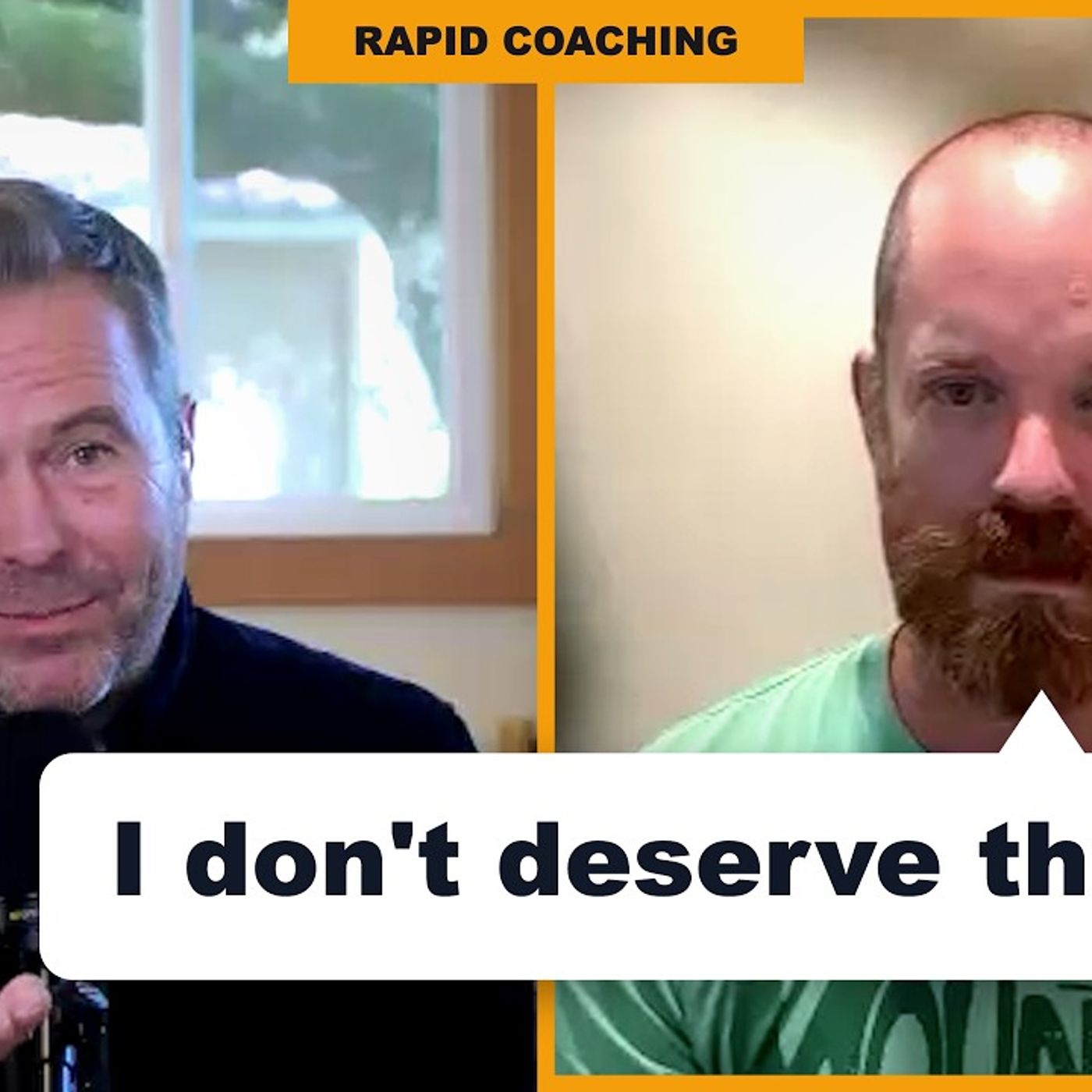
"Why can't I get any movement in my life?" Joe hears the real question underneath and asks him to do something unusual: say everything the voice in his head says, out loud, to Joe, using Joe's name. Then Joe answers back. What follows shows three ways to relate to a voice you can't shut off — respond to it, fact-check it, and notice it hasn't worked in 40 years. → If the voice in your head is always bracing, judging, and rehearsing, the Connection Course is three weeks of live practice in relating to yourself, and everyone else, differently: https://yt.artofaccomplishment.com/rapid-coachinginner-critic → A game based on rapid coaching, try it here: https://yt.artofaccomplishment.com/game-rapid-coaching Hosted by Simplecast, an AdsWizz company.
Episode information is provided by the publisher. Listening takes place on the publisher’s service.
You're not a victim in your life, you're a co-creator with it. In this video, Sage Robbins shares the practice of Taking Full Responsibility. It's not about self-blame, it's about recognizing that our choices, our words, our actions, and even where we place our attention shape everything we feel and experience. Uploaded 12-07-26 Sage walks through a simple question she asks herself the moment she feels resistance or tension in a relationship: "Am I cultivating harmony right now, or am I adding to the discord?" And she shares what it actually sounds like to repair a moment in real time — "I'm sorry. Can we begin again?" If you've ever caught yourself waiting for someone else to change before you can feel okay, this one's for you. Watch more videos like this I Was Humiliated… And It Made Me Who I Am: https://youtu.be/-YDXWSJ-gu0 How to Find Compassion When Someone Wrongs You: https://youtu.be/uRi3xrVjjVA The #1 Secret to Helping ANY Child Self Regulate Their Emotions: https://youtu.be/Pw
This episode was sponsored by Cardiff & 365 Thermal LightSpeed VT: https://www.lightspeedvt.com/ Dropping Bombs Podcast: https://www.droppingbombs.com/ "When the power grid goes down, the night belongs to whoever can see in it." Today's Dropping Bombs episode delivers a blunt conversation with Wade Bryan, the Marine veteran who built a thermal optics company in a town of 1,100 on $20,000 and a $50,000 overdraft after every manufacturer told him no. Wade explains why a thermal scope turns the dark into an advantage, what a power grid failure could do to your neighborhood, and why the "is night hunting fair?" debate misses the point. If the grid ever goes down, you'll either be glad you heard this one or wish you had. Connect with Wade Instagram (Personal): https://www.instagram.com/wadebryan365 Instagram (Business): https://www.instagram.com/365thermal YouTube: https://www.youtube.com/@365thermal Website: https://365thermal.shop (https://365thermal.shop/) Additional Resources Mentioned
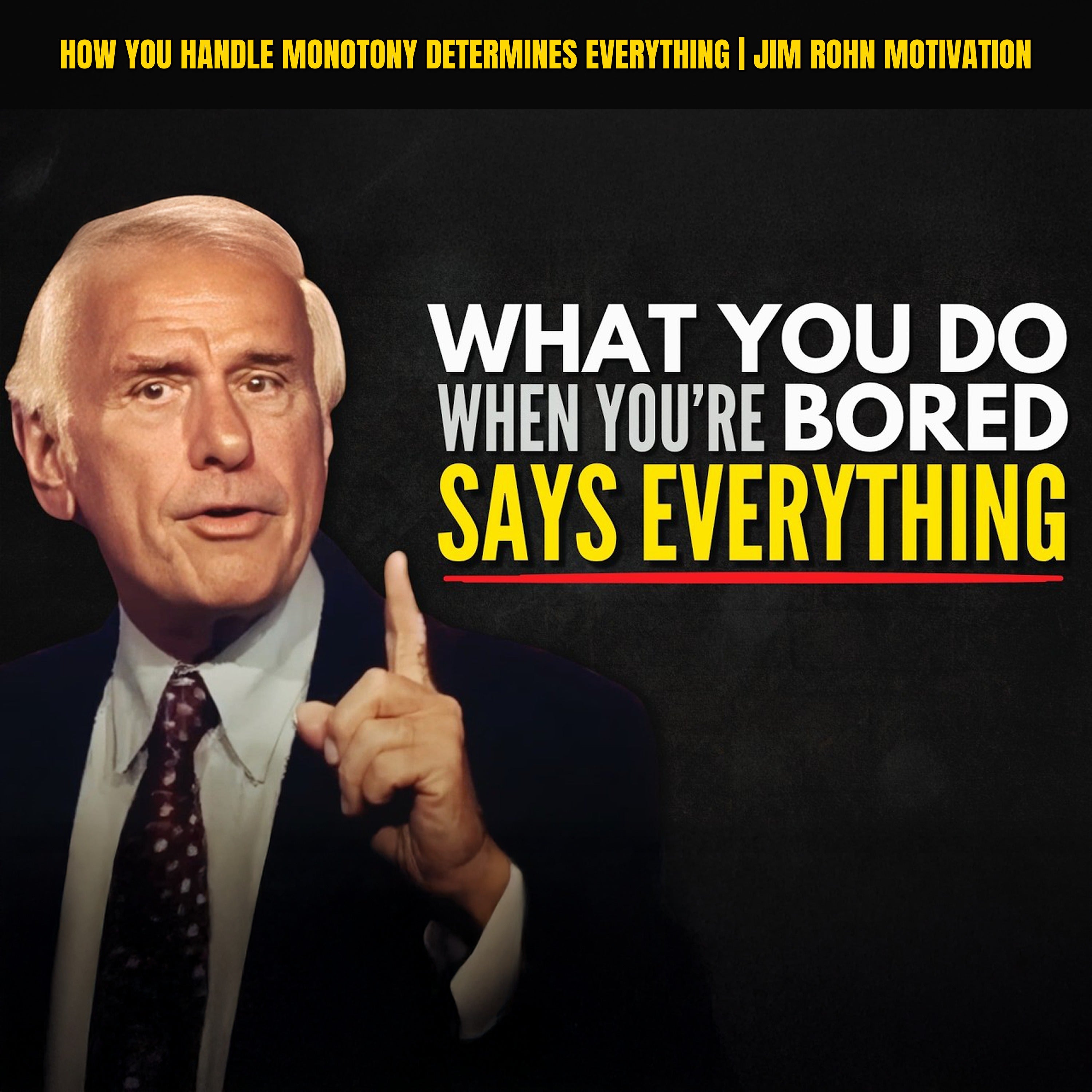
In this Jim Rohn Motivation video, learn the hidden reason most people fail—and it’s not burnout or crisis. It’s boredom. Success isn’t built through excitement or emotion; it’s built through disciplined repetition, long after the thrill is gone. Key Topics From This Motivational Video: Why boredom—not burnout—is the real threat to success How repetition is the foundation of mastery and confidence The secret to staying consistent when motivation disappears Why most people mistake boredom for failure How to build systems that survive the quiet days This powerful message reminds us that the real test isn’t how you perform on Day 1—it’s how you respond on Day 37, when no one’s watching, and the process feels repetitive. That’s where identity is forged. This isn’t about chasing hype—it’s about becoming someone whose discipline doesn't depend on how they feel. You don’t need more motivation—you need rhythm, commitment, and structure. This Jim Rohn Motivational Video Is Perfect For: Anyone w
What if success isn't something you chase, but something you attract through the person you become? Real success begins with personal growth, self discipline, and the value you bring to the world. Instead of constantly searching for shortcuts or waiting for opportunities, focus on developing the skills, mindset, and character that make meaningful achievements possible. This powerful motivational speech explores timeless principles of success, wealth creation, personal development, and the importance of becoming more valuable to others. Discover why your personal growth influences your results, how daily discipline shapes your future, and why helping others achieve their goals can become one of the most powerful foundations for your own success. In this motivational journey, you'll explore: • The Attraction Principle: Why success is connected to the person you become rather than simply what you pursue. • The Marketplace Rule: How developing valuable skills and contributing to others can
An optional overtime shift opens up and you automatically say yes. What is that time buying? The income and the hours you trade both deserve a clear purpose. In this episode of The Level Up Podcast, Paul Alex breaks down how to evaluate a genuinely optional extra shift against your needs, goals, and available time. Paul reflects on long law enforcement weeks and wanting greater control over his time. The episode distinguishes a real choice from required work or income needed for essentials, then asks what the next additional shift serves. There may be a strong reason to take it. Name that reason and consider what the hours would otherwise support, including recovery, a personal commitment, or learning. A deliberate comparison can help you decide without assuming that either money or time should always win. In this episode, you’ll learn: • Why required hours and essential income change the context of the decision. • How to identify the specific need or goal an optional shift serves. • W
What is the Apple Vision Pro actually for? THIS… Get better sleep with $200 off your Eight Sleep Pod Cover using my code CLEO: https://www.eightsleep.com/cleo/ If you want to feel more optimistic about the future, consider subscribing. You’ve seen the Apple Vision Pro. But this isn’t a product review. In this video, @mkbhd and I take a dive into what the future might actually look like with this category of tech - and why you should care. (With a cameo from @ryan !) Honestly, with all the jargon and hype (VR! AR! Spatial computing! Metaverse!), I’ve been tuning out the news about these devices for a while. But now, I think it’s time to turn the volume back up and pay attention. There is a deeply optimistic future that’s possible here. Not Ready Player One, but something else entirely. I’m going to try to show you what it might really look and feel like. If the Apple Macintosh helped unlock personal computing, and the iPhone unlocked computers in our pockets, what is this device suppose
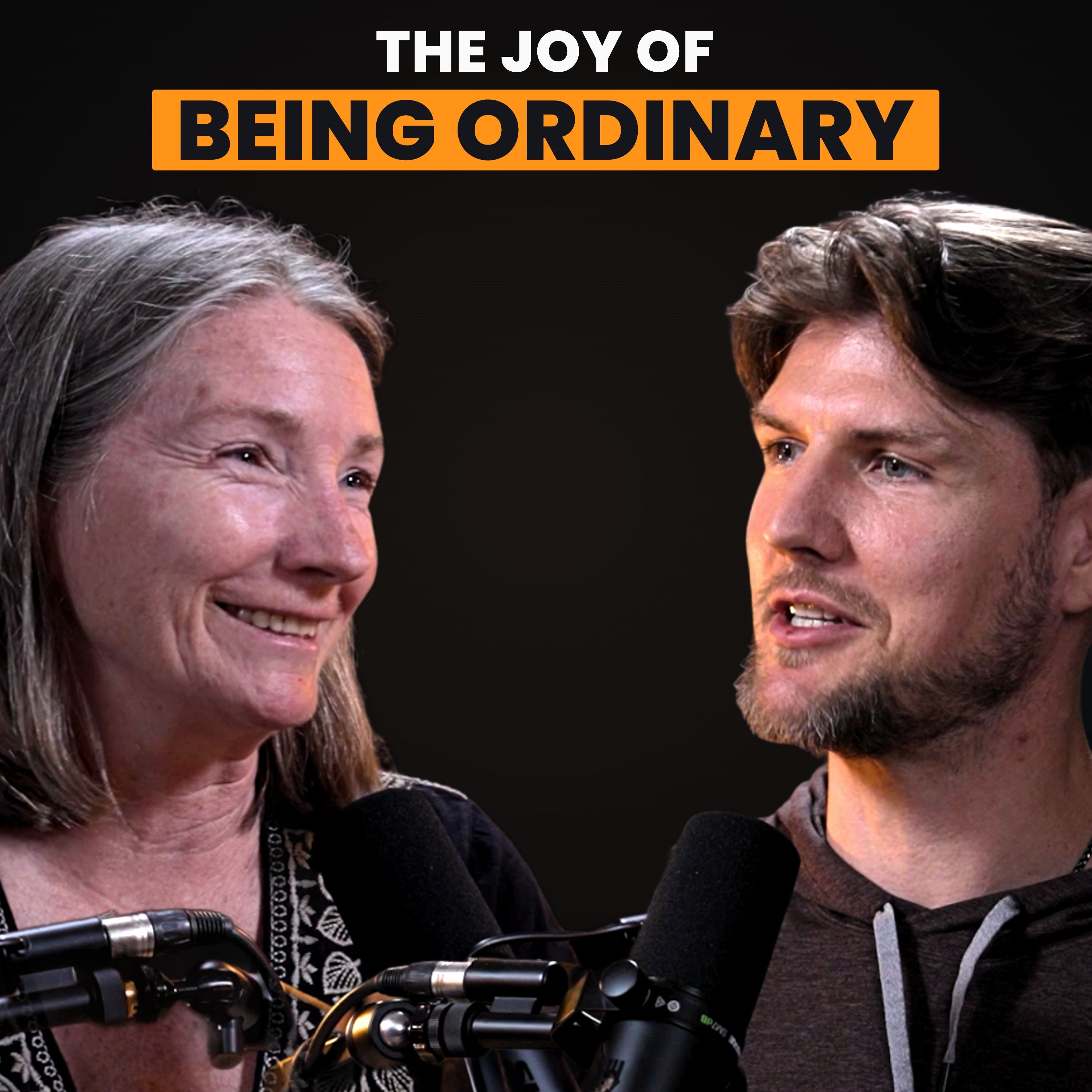
Many of us carry a quiet terror of being ordinary. While it can drive us toward constant achievement, it also makes us feel uniquely broken, or leave us feeling like no one ever truly gets us. In this episode, Brett sits down with Tara to explore the three faces of the need to be special, where they come from, and what becomes possible when we let the trap door drop out beneath them. They explore why this pattern is at its heart a relational wound, why the strategies that protected us as kids leave us profoundly isolated as adults, and how welcoming our ordinariness can paradoxically open us to an extraordinariness we've been missing all along. Together, they explore: The three faces of needing to be special: superlative achievement, unique brokenness, and I'm-just-different How to recognize this pattern in yourself Why this is fundamentally a relational wound, and a beautiful protection a young mind devised The way family stories and school culture can pass this pattern down How the p
Many people with high empathy experience it as a burden, like getting overwhelmed in crowds, losing themselves in others' emotions, feeling exhausted by social situations. But what if empathy itself isn't the problem? In this episode, Joe and Alexa explore how to turn empathy from something that drains you into one of your greatest superpowers. Joe draws distinctions between empathy, sensitivity, and porousness, and traces how childhood dynamics can shape how we use (and overuse) our empathetic capacity. They explore why the path forward isn't to shut empathy down but to develop the self-referencing, boundary-setting, and clarity that lets it flow without catching. Together, they explore: The important distinction between empathy, sensitivity, and porousness Why highly empathetic people often feel the thing underneath the thing (the fear beneath the anger) The question that cuts through confusion: "Is this mine or is this someone else's?" How your empathy shows you exactly where your u
A company's growth matters less than whether its customers receive better service.
Share your view, then see how readers voted. No sign-in required. This poll is shared across stories.
Do you agree or disagree?
Common Quandary
A Common Quandary to discuss
Another conversation to explore, separate from this news story.
A reserved meeting room has been empty for twenty minutes. Can your group take it?
Every library study room is occupied except one marked reserved. Its booking began twenty minutes ago and nobody has appeared. Your group has an urgent presentation to prepare, while library rules say reservations remain valid for half an hour.