English-language podcasts

TED-Ed

What causes opioid addiction, and why is it so tough to combat? - Mike Davis

12 min

Listen through the publisher, then discuss the episode here or arrange an in-person Roundtable. Your city determines where to meet.

Roundtables are designed for groups of four, with a shared subject and room for everyone to speak. Come for discussion, with no dating expectation.

Explore the science of why opioids are addictive and what can be done to reverse the growing rates of addiction and overdose. If you or someone you know is struggling with opioid use in the United States, the Department of Health and Human Services operates a helpline (800-662-4357) and has a database of treatment facilities: https://www.hhs.gov/opioids/ Uploaded 07-05-20 -- In the 1980s and 90s, pharmaceutical companies began to market opioid painkillers aggressively, while actively downplaying their addictive potential. The number of prescriptions skyrocketed, and so did cases of addiction, beginning a crisis that continues today. What makes opioids so addictive? Mike Davis explains what we can do to reverse the skyrocketing rates of addiction and overdose. Lesson by Mike Davis, directed by Good Bad Habits. Animator's website: https://www.goodbadhabits.ca/ Sign up for our newsletter: http://bit.ly/TEDEdNewsletter Support us on Patreon: http://bit.ly/TEDEdPatreon Find us on Twitter: http://bit.ly/TEDEdTwitter Peep us on Instagram: http://bit.ly/TEDEdInstagram View full lesson: https://ed.ted.com/lessons/what-causes-opioid-addiction-and-why-is-it-so-tough-to-combat-mike-davis Thank you so much to our patrons for your support! Without you this video would not be possible! Della Palacios, Vik Nagjee, Hiroshi Uchiyama, Adi V, Andrew Bosco, Craig Sheldon, Rishi Pasham, Joanne Luce, Jason A Saslow, Mary Sawyer, Scott Gass, Ruth Fang, Mayank Kaul, Kathryn J Hammond, Max Shuai Tang, Terry Minion, Sami Khan, Rob Johnson, Abdullah Abdulaziz, Angelo Urzua-Milla, Tommy Lewis, leorene , Mahina Bachiller, Marcus Andre Nery, Bruce Vieira Lopes, Chef, Charmaine Hanson, Michael Goldberg, Lydia Pflieger, Paul Aldred-Bann, Manav parmar, Susan Wang, Utkarsh Dubey, Thawsitt , Xuebicoco, Jezabel, Maeve, Kim Humphrey, Kristen Damas, JackKeyton , Matthew D. Vigil, Amin Shahril, Adriano Fontes, Xiao Yu, Fatima Kried, Aravind Battaje, Melissa Suarez, Jason Duncan and Brian A. Dunn.

Episode information is provided by the publisher. Listening takes place on the publisher’s service.

Listen at the source ↗

Featured places to meet in Palo Alto, CA

Explore these places and arrange a conversation through ThinkMatch.

City guide for Palo Alto, CA

More from TED-Ed

TED-Ed

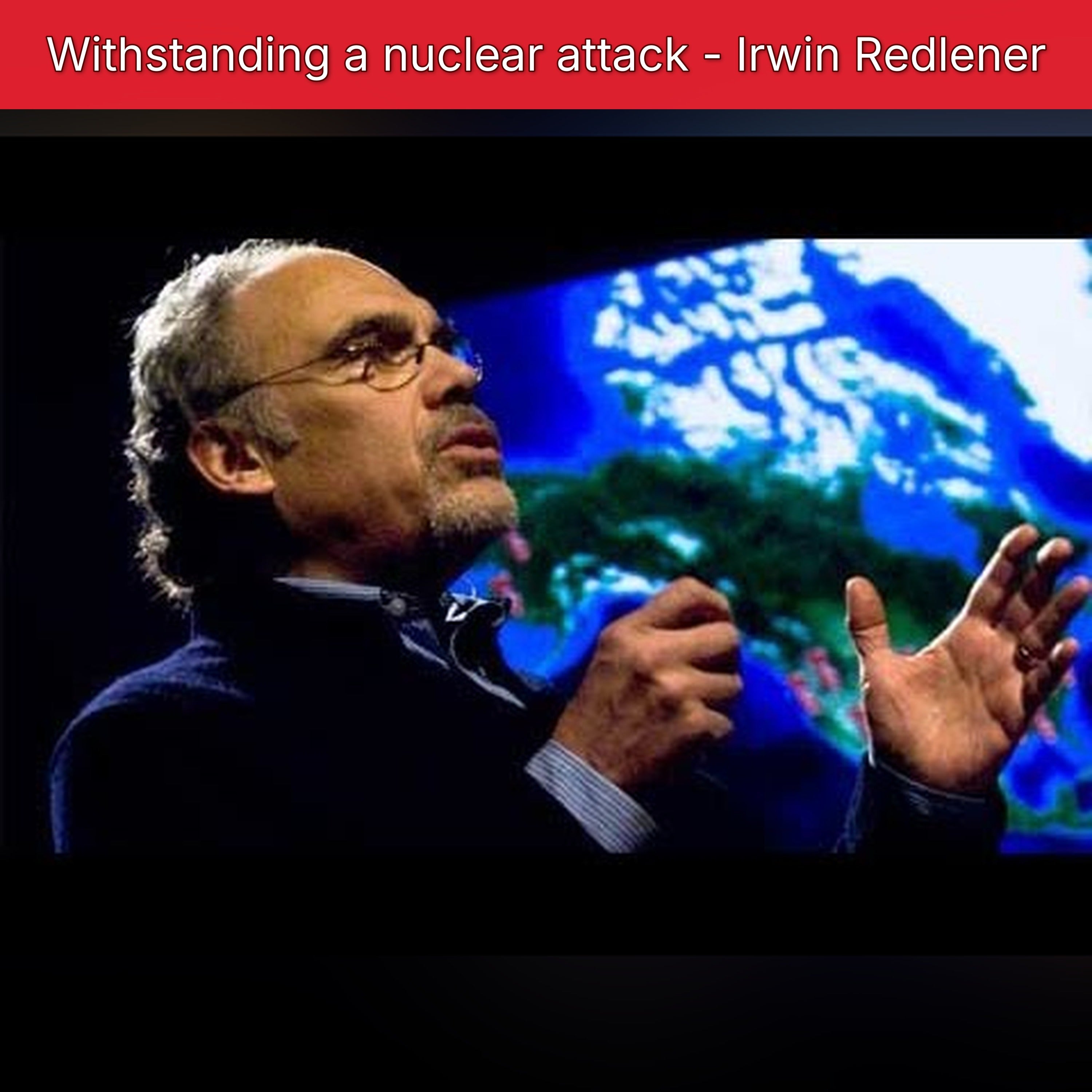
Withstanding a nuclear attack - Irwin Redlener

33 min

View full lesson: http://ed.ted.com/lessons/surviving-a-nuclear-attack-irwin-redlener The face of nuclear terror has changed since the Cold War, but disaster-medicine expert Irwin Redlener reminds us the threat is still real. He looks at some of history's farcical countermeasures and offers practical advice on how to survive an attack. Talk by Irwin Redlener.

Discuss this episode

TED-Ed

The true reason polio poses such a threat

10 min

Explore what makes polio so dangerous, what is causing the 21st century resurgence of cases, and how we can eradicate the disease. -- In 1952, polio was everywhere: killing or paralyzing roughly half a million people annually. Yet just 10 years later, paralytic polio cases in the US dropped by 96% and we were on track to get rid of polio for good. But in recent years, the virus started striking back. So, what’s behind these recent spikes? Explore the dangers of poliovirus and the possibility of eradicating this deadly disease. Directed by Anton Bogaty. This video made possible in collaboration with Gates Ventures Learn more about how TED-Ed partnerships work: https://bit.ly/TEDEdPartner A special thanks to Ananda Bandyopadhyay, Amber Zeddies, and Kathleen O'Reilly who provided information and insights for the development of this video. Support Our Non-Profit Mission ---------------------------------------------- Support us on Patreon: http://bit.ly/TEDEdPatreon Check out our merch: htt

Discuss this episode

TED-Ed

How to fool a GPS - Todd Humphreys

21 min

Todd Humphreys forecasts the near-future of geolocation when millimeter-accurate GPS "dots" will enable you to find pin-point locations, index-search your physical possessions ... or to track people without their knowledge. And the response to the sinister side of this technology may have unintended consequences of its own. (Filmed at TEDxAustin.) Uploaded 26-06-13 Talk by Todd Humphreys.

Discuss this episode

Community Poll

Preventing medical errors requires changing systems as well as holding individuals accountable.

Share your view, then see how readers voted. No sign-in required. This poll is shared across stories.

Do you agree or disagree?

Choose one answer

Common Quandary

A Common Quandary to discuss

Another conversation to explore, separate from this news story.

You are not sick—you just cannot face work today. Do you call in sick?

Your employer offers sick leave but no personal days. You are not physically ill, yet you feel exhausted and know a day away would help. Saying you are sick is the only way to take paid time off without explanation.

Do unjust workplace rules change the duty to be truthful?

Explore this quandary