English-language podcasts

The In-Between Tech and Trust Podcast

What India Teaches Us About Trust in Tech: Shared Phones, Local Languages and Homegrown AI - Aditi Shah & Antara Madavane, Aapti Institute (EP 51)
34 min

Listen through the publisher, then discuss the episode here or arrange an in-person Roundtable. Your city determines where to meet.

Roundtables are designed for groups of four, with a shared subject and room for everyone to speak. Come for discussion, with no dating expectation.

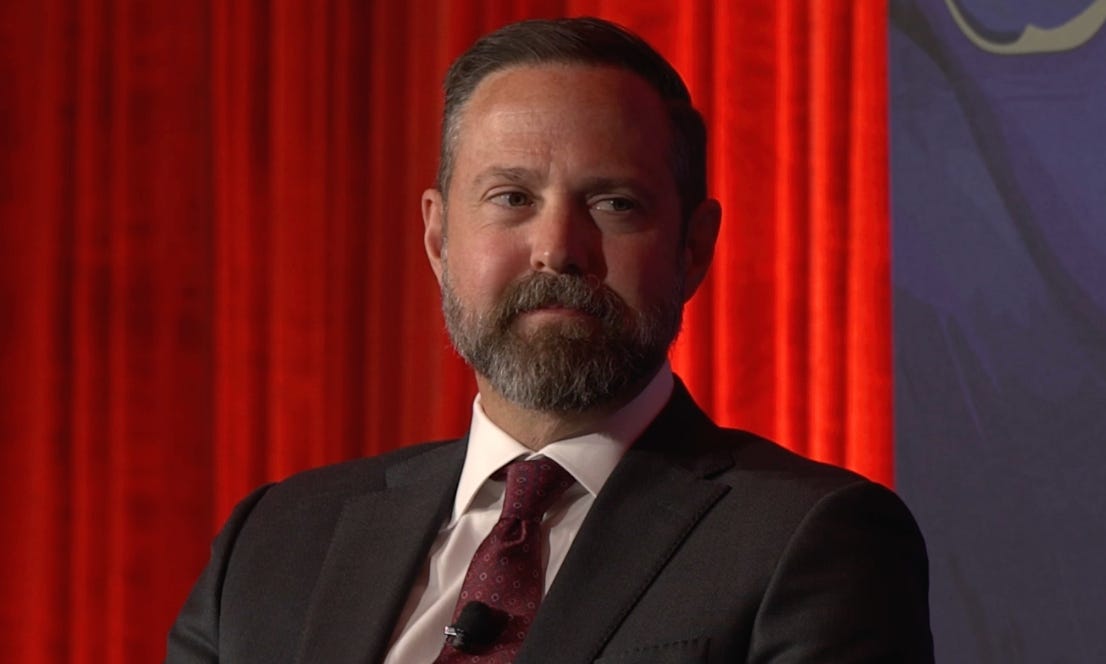
️ Aditi Shah and Antara Madavane, Managers, Aapti Institute In two years of research at Aapti Institute, Aditi Shah and Antara Madavane asked women in India how they come to trust technology, and the first finding Aditi names is about whose phone it is. A father's phone might be his, but a mother's phone is the household phone, so trust gets negotiated with the family as much as with the app (one reason Aditi warns against reading usage as trust). With AI, Antara sees India at the start: plenty of curiosity and fascination, and so far few of the bad experiences that usually teach people distrust. Episode overview Aditi's case starts with community: debates about digital trust center the individual user, yet what a 15-year-old girl can do with the same phone is vastly different from what a mother of two can do. On a shared phone that means constant negotiation (one girl got the phone for two hours every evening, so she downloaded the app she wanted, used it and deleted it before handing the phone back), and when WhatsApp's disappearing messages took control away from them, some women switched to clone apps that keep the messages. For Aditi, that control is part of what enables trust, together with design that feels familiar: the home button, which means the same thing in every app, told women they could always find their way back to the start. On AI, India is pushing for models that speak its users' languages, built with compute and data from India, while Antara pushes back on the idea that AI sets its own pace: "There are very real human beings behind AI", and friction, as small as a passcode, has value in products and in regulation. Their lesson for European product teams: question the one-person, one-device assumption, design technology as a shared resource, and learn about users in one-on-one conversations, since surveys "barely scratch the surface". Key themes Why usage is so easily read as trust, and what trust includes beyond security What a shared household phone means for privacy, control and the apps women keep Why India wants AI models that speak its users' languages, built at home Whether India's fascination with AI is trust yet, and what a first bad experience might change Whether participation can keep pace with AI, and why some friction helps About the guest Aditi Shah and Antara Madavane are managers at Aapti Institute in Bengaluru, a research institute that studies how people interact with and negotiate technology. With a larger team, they spent two years researching women's digital trust in India, much of it in one-on-one conversations with women about the phones they share and the apps they install and delete again, and they presented the work at the UN Internet Governance Forum in 2025. ⏱ Chapters 00:00 Seen from India: why trust in tech starts with the community 05:25 Homegrown AI: models that speak India's languages 08:20 Curiosity and fascination: is AI in India trusted yet? 14:10 The household phone, clone apps and the home button 22:45 Does AI have to move this fast? Participation and friction 26:05 What European product teams can learn, and the in-between moments Links Aditi Shah on LinkedIn - https://www.linkedin.com/in/aditis27/ Antara Madavane on LinkedIn - https://www.linkedin.com/in/antaramadavane/ Aapti Institute - https://aapti.in/ Unbundling Women's Digital Trust, Aapti Institute - https://trust.aapti.in/report Related episode - Why Trust Retreats Into Our Own Circles: Optimism, Transformation and the Empathy AI Is Missing - Nils Giese, Edelman Germany (EP 47) - https://open.spotify.com/episode/0TfbAmVVtw1advxMcHCNnZ

Episode information is provided by the publisher. Listening takes place on the publisher’s service.

Listen at the source ↗

Featured places to meet in Palo Alto, CA

Explore these places and arrange a conversation through ThinkMatch.

City guide for Palo Alto, CA

More from The In-Between Tech and Trust Podcast

The In-Between Tech and Trust Podcast

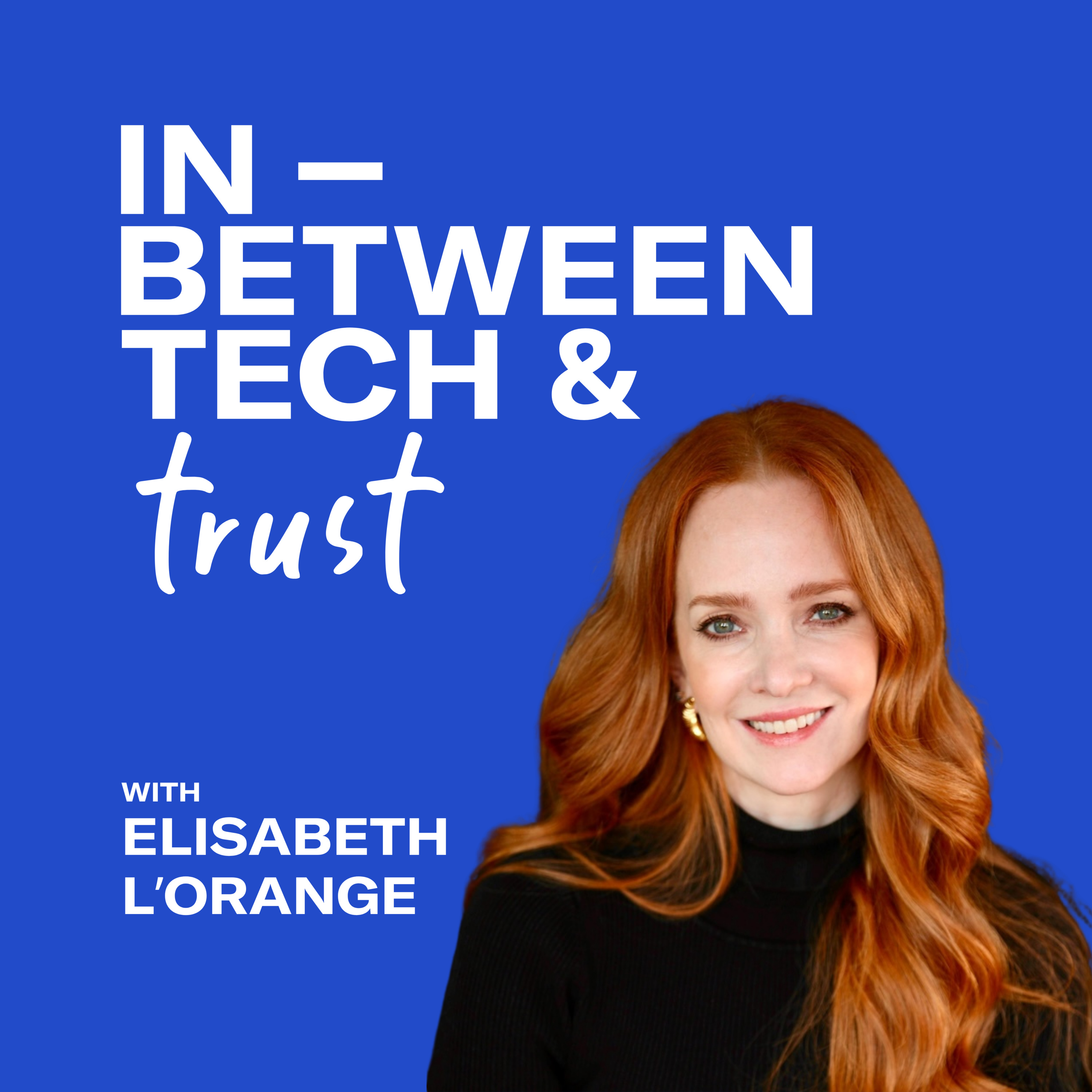
After the Week That Shook Big Tech: Arms Races, Robot Companions and The AI Bubble - Elisabeth L’Orange, Founder, Podcast Host and AI Expert (EP 50)

33 min

️ Elisabeth L’Orange, Founder, AI Expert And Researcher, Host of Tech & Tales Elisabeth L’Orange came back from Shenzhen impressed: a city built “from zero to one in 30 years”, quiet streets without combustion engines, technology that simply works. Her trust in technology holds; her trust in the big companies building it is (her words) “somewhat broken”. In the 50th episode of the show, she and Eva ask whom we can still trust when chips, models and robots become cheap, subsidized and everywhere. Episode overview Elisabeth sees Nvidia as the company building “the weapons” of a Sino-American arms race, and what she saw in China fits that picture: technology funded so heavily by the state that every product is “like a VC or a PE case”, and an internal market so competitive that prices keep falling. She expects models and robots to become commodities the way cloud did, and what struck her most is that the main use case of the robots she saw is companionship, sold with the tagline “you’ll n

Discuss this episode

The In-Between Tech and Trust Podcast

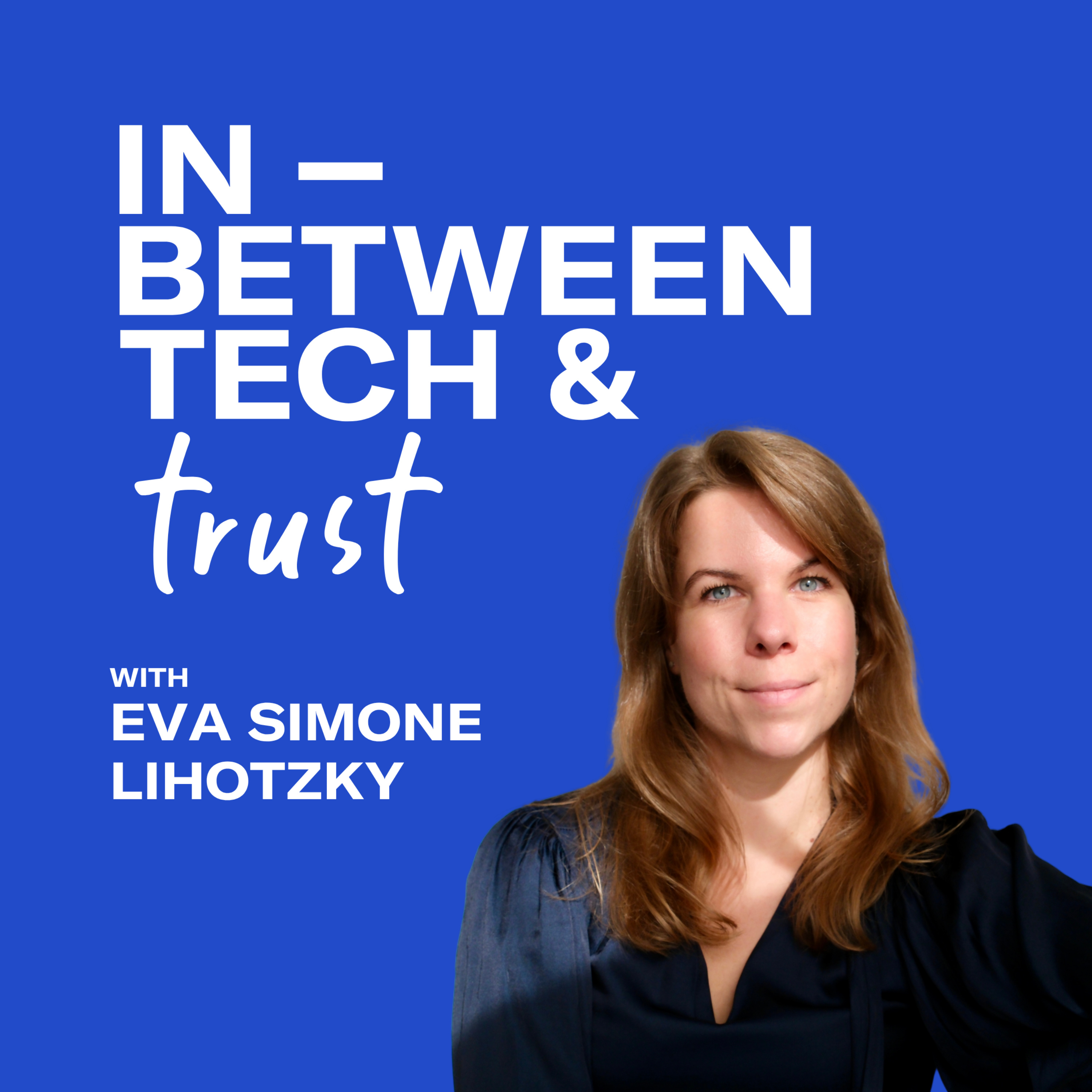
Europe’s Perfect Storm? Tech Dependence, Capital and a Positive Outlook on Europe - Eva Simone Lihotzky (EP 49)

15 min

️ Eva Simone Lihotzky, solo episode In this solo episode, Eva Simone Lihotzky looks at how Europe is challenged between the US and China in technology, AI and capital, starting from what she heard at Estonia’s Digital Summit in Tallinn and the SZ Wirtschaftsgipfel. She doesn’t talk the squeeze away (asked whether Europe is in a perfect storm, she says “yes, for now”). What interests her is where it is headed: a Europe of 2035 that builds on what already works, and on people trusting each other across 27 countries. Episode overview The squeeze can be counted: nearly 80 percent of Europe’s digital infrastructure and technology comes from non-EU providers, and when the US put export controls on two AI models in June, they were switched off for 19 days (in October, China proposed export controls of its own on 23 AI technologies). Eva’s first objection is to how we perceive all this: opinions built only on negative outlooks become “a self-fulfilling prophecy”. Her second is history: Jean Mo

Discuss this episode

The In-Between Tech and Trust Podcast

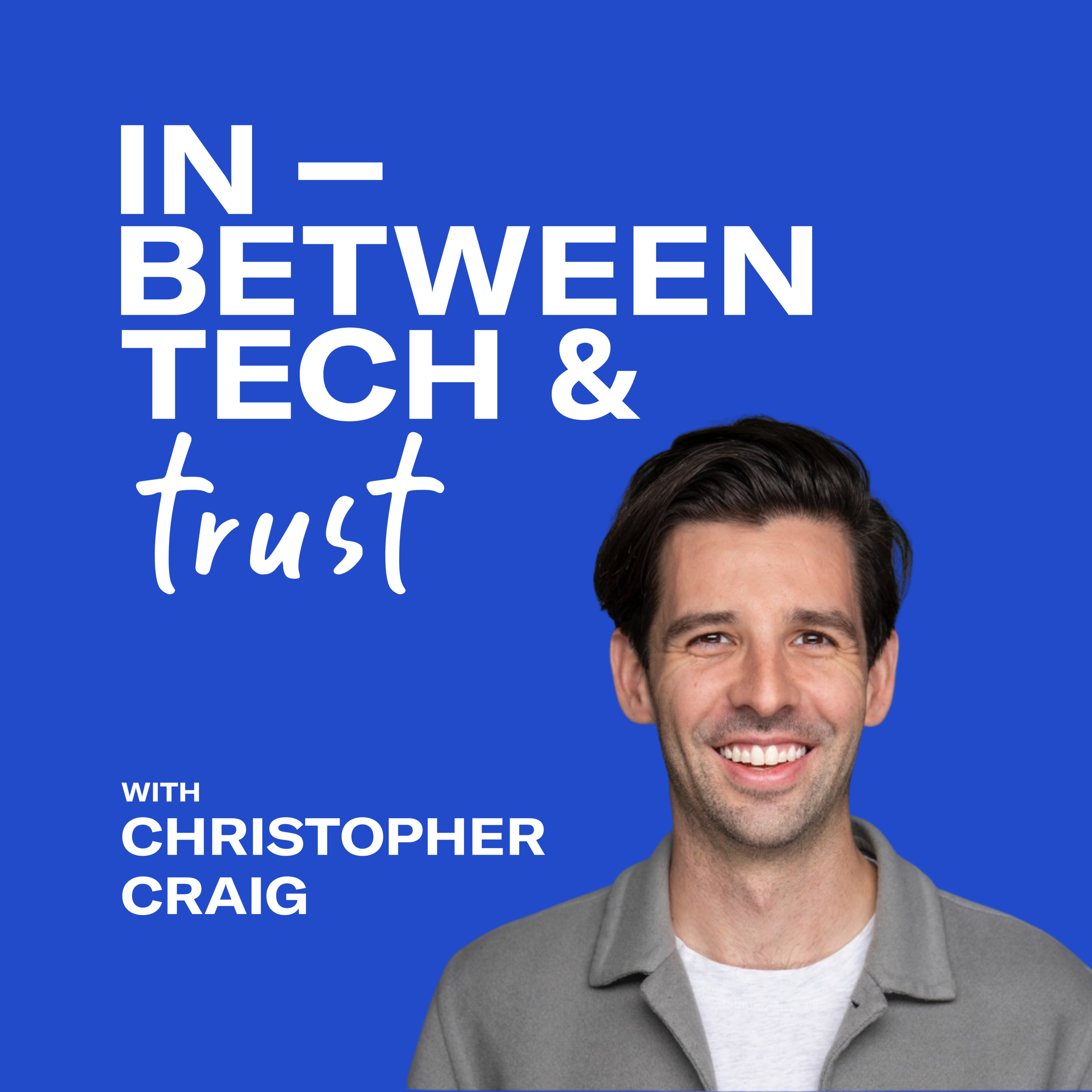
From SaaSpocalypse to Reinvention: AI’s Ambivalent Times and What Still Sets Builders, Data and Infrastructure Apart - Christopher Craig, Google Cloud (EP 48)

34 min

️ Christopher Craig, AI GTM Startups Lead Nordics & DACH, Google Cloud | Founder & Angel Investor In February, new AI agents wiped about a trillion dollars off software stocks within days; by May, they had rebounded. Christopher Craig, who works with AI startups at Google Cloud and invests in founders on the side, sees both moves up close: software is not dead, he says, but it may lose the users who used to log in. And if a team of five can now build what took fifty, what earns his trust is what is hard to copy: the founders’ conviction, the data they own and the infrastructure underneath (chips, bandwidth, energy). Episode overview Chris starts from the builder: we are all “in a way a software engineer now”, a company idea can be built in four or five days, and AI gets a product “eighty, eighty-five percent there” before a person has to understand and orchestrate the rest. For SaaS, that cuts both ways: he expects software to go “headless”, opened up to AI labs, with the risk that ven

Discuss this episode

Community Poll

Supporters should be consulted before major changes in their club's ownership or location.

Share your view, then see how readers voted. No sign-in required. This poll is shared across stories.

Do you agree or disagree?

Choose one answer

Common Quandary

A Common Quandary to discuss

Another conversation to explore, separate from this news story.

The company printer sits idle all day. Can you print two hundred wedding invitations?

Your office has a fast color printer that is rarely used, and supplies are ordered automatically. Printing your wedding invitations after hours would save substantial money. Personal use is technically prohibited but routinely ignored for small jobs.

When does an insignificant workplace perk become taking?

Explore this quandary