Listen through the publisher, then discuss the episode here or arrange an in-person Roundtable. Your city determines where to meet.
Roundtables are designed for groups of four, with a shared subject and room for everyone to speak. Come for discussion, with no dating expectation.
Explore the science behind what causes the incredible light and color of the Aurora Borealis and Aurora Australis. Uploaded 03-07-13 -- Why do we see those stunning lights in the northern- and southernmost portions of the night sky? The Aurora Borealis and Aurora Australis occur when high-energy particles are flung from the Sun's corona toward the Earth and mingle with the neutral atoms in our atmosphere -- ultimately emitting extraordinary light and color. Michael Molina explains every step of this dazzling phenomenon. Lesson by Michael Molina, animation by Franco Barroeta. Support Our Non-Profit Mission ---------------------------------------------- Support us on Patreon: http://bit.ly/TEDEdPatreon Check out our merch: http://bit.ly/TEDEDShop ---------------------------------------------- Connect With Us ---------------------------------------------- Sign up for our newsletter: http://bit.ly/TEDEdNewsletter Find us on Twitter: http://bit.ly/TEDEdTwitter Peep us on Instagram: http://bit.ly/TEDEdInstagram ---------------------------------------------- Keep Learning ---------------------------------------------- View full lesson: http://ed.ted.com/lessons/how-epic-solar-winds-make-brilliant-polar-lights-michael-molina Dig deeper with additional resources: https://ed.ted.com/lessons/how-epic-solar-winds-make-brilliant-polar-lights-michael-molina/digdeeper ----------------------------------------------
Episode information is provided by the publisher. Listening takes place on the publisher’s service.
PBS Member Stations rely on viewers like you. To support your local station, go to: http://to.pbs.org/DonateSPACE Sign Up on Patreon to get access to the Space Time Discord! One of the most fundamental physics facts is that the speed of light in a vacuum is constant for all observers. But can we really be sure that the speed of light wasn’t different in the past, or perhaps in other parts of the universe? In fact, variable speed of light theories have long been used to try to explain everything from dark energy to gravity itself. Let’s explore how constant this fundamental constant really is. All Previous Episodes Referenced Check out the Space Time Merch Store Sign up for the mailing list to get episode notifications and hear special announcements! Search the Entire Space Time Library Here: https://search.pbsspacetime.com/ Hosted by Matt O'Dowd Written by Fernando Franco Félix & Matt O'Dowd Post Production by Leonardo Scholzer, Yago Ballarini, Adriano Leal & Stephanie Faria Directed b
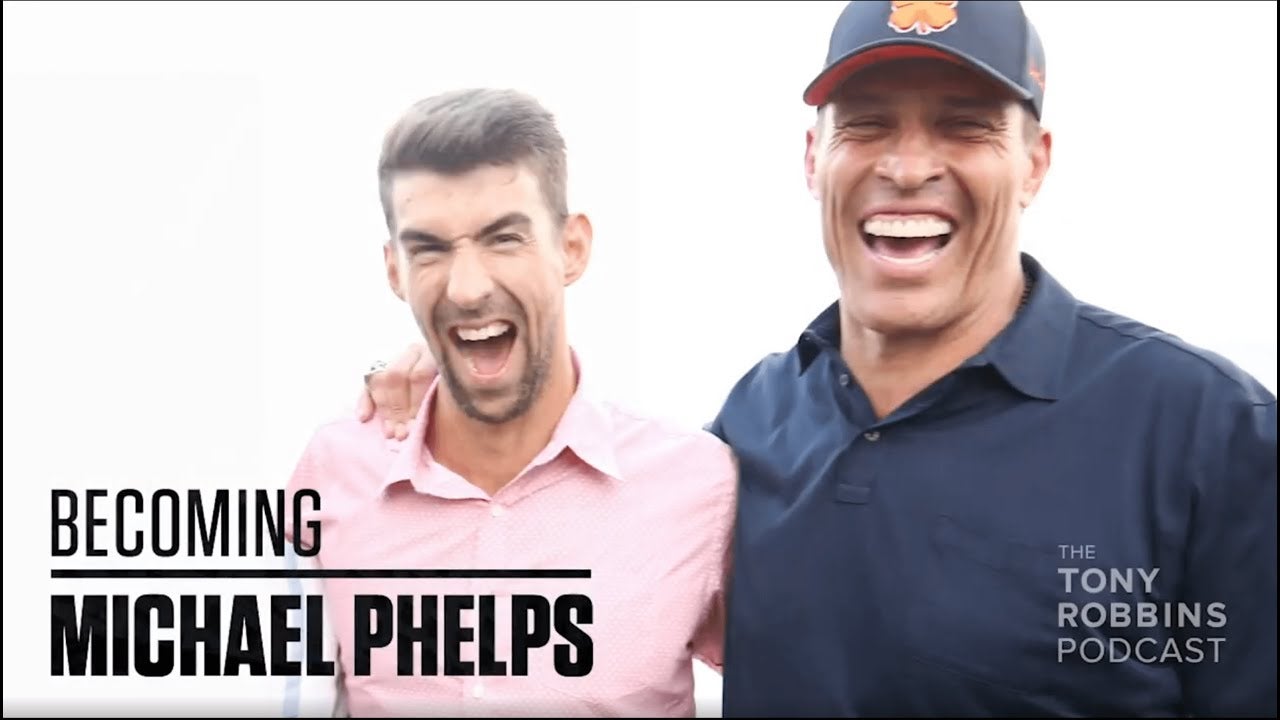
American swimmer Michael Phelps knows about paving the road to greatness. As the most decorated Olympian of all time, Phelps holds 28 medals. Additionally, he holds all-time records for Olympic gold medals, Olympic gold medals in individual events and Olympic medals in individual events. Uploaded 28-06-20 But getting to the top, and staying there, wasn’t easy. In this episode, Phelps sits down with Tony Robbins to discuss becoming one of the most successful athletes of all time. They talk about his training schedule, the highs of being an Olympic athlete and the let down that happens after the Olympics are over. Phelps also discusses the depressive states he would fall into because he wasn’t sure who he was outside of swimming. Raised mostly by his mother after his parents’ divorce, he had a lot of unresolved anger toward his father. These feelings of hurt and rejection played a big role in his decision to ask for help for his mental health struggles in 2012. During in-patient treatmen
In this calm and sleepy facts episode, we turn inward to explore the quiet, extraordinary science of human memory, the invisible system that holds together every experience, every face, and every half forgotten song from childhood. We begin with what memory actually is, not a recording stored neatly in a single place but a living reconstruction, rebuilt each time it is recalled and subtly reshaped in the process. We journey into the neuroscience behind it all, from the hippocampus, the small seahorse shaped structure at the center of memory formation, to the synapses that strengthen each time a memory is revisited, to the remarkable role sleep plays in moving the day's experiences from temporary storage into the deeper architecture of the brain. We explore the different kinds of memory, from the episodic memories that let us relive a moment in vivid detail to the procedural memories that let us ride a bicycle without thinking, to the brief sensory traces that hold the echo of a sound f
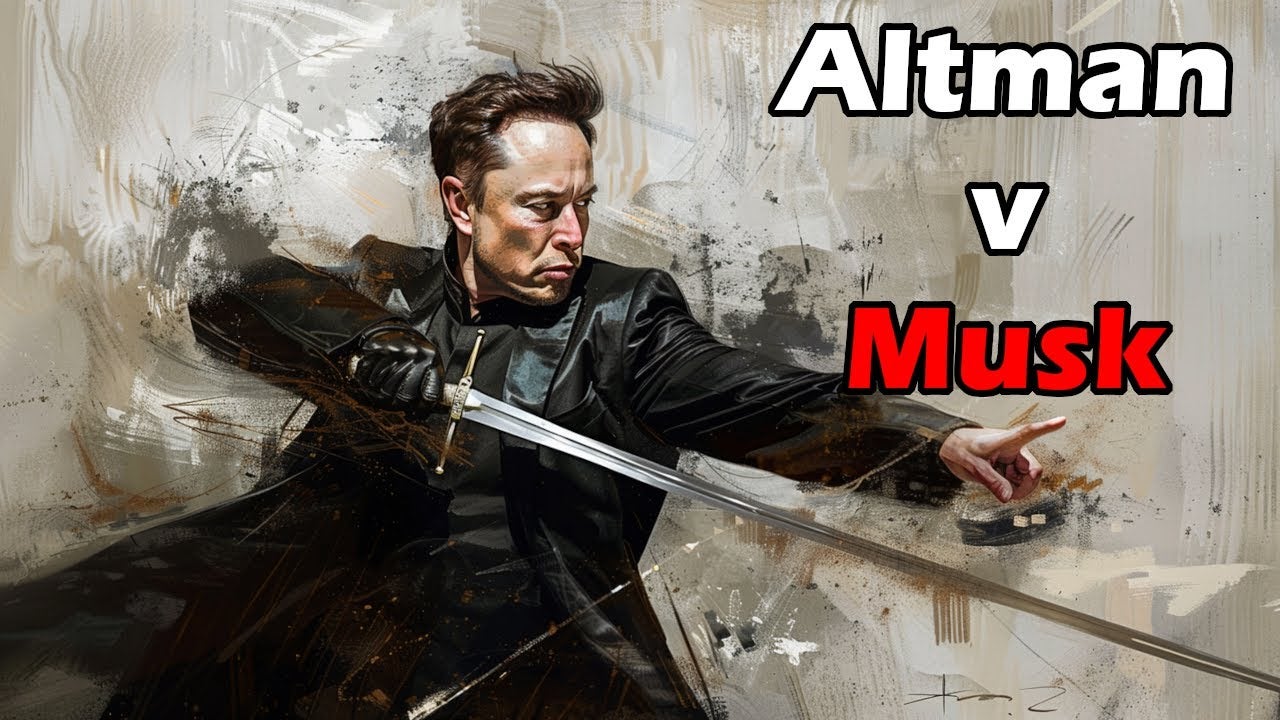
HAVE AT THEE! Battle of the Visionary Egos! Fear, Status, Profit - SALVATION FANTASY (Epic Lawsuit) Episode release date: 5 Mar 2024 Core Ideas: Metamodernism: Narratives and emergence view of reality - Reduce suffering - Increase prosperity - Increase understanding mantra: Seek knowledge. DISCLAIMER: This is a community-driven show. ------------------------ --------------- Keywords: prompt engineering, post labor economics, cognitive ai
Brain chips don't read your mind. They do something weirder... This is Neuralink’s Next Gen R1 surgical robot. It’s one of several new ways scientists are now trying to combine the human brain with a computer, which sounds like science fiction because… it is! But not anymore. And you need to know about this right now, because human clinical trials are happening and this tech is moving fast. Some people want to use it to make you superhuman. But I think most people aren’t seeing what’s really huge if true here. This story isn’t about how to make us more like machines Instead, this might be one of the most cutting edge ways to keep us human. Visit http://mercury.com (http://mercury.com/) to join over 300 thousand entrepreneurs who love Mercury. Mercury is a financial technology company, not an FDIC-insured bank. Banking services provided through Choice Financial Group and Column N.A., Members FDIC. Chapters: 00:00 What if you put a chip in your brain? 01:02 What does a human brain feel l
There is a list you carry around inside you. A list of things you are going to do. Someday. When the time is right. When things settle down. When you have more money, more energy, more certainty. And every day, you push that list forward by one more day, and you tell yourself it's fine, because there will always be tomorrow. Uploaded 21-09-26 But tomorrow is not a warehouse. It does not store the days you don't use. Every day you postpone something you say you want, that day is gone, and it isn't coming back. The things you keep putting off are not sitting quietly in a drawer, waiting patiently for you to be ready. They are the things you are postponing your whole life for. The delay isn't neutral. The delay is the life. Here is the truth: what you keep putting off is not separate from your life. It is your life, held just out of reach by your own hand. This seminar walks through ten things you keep postponing that are quietly postponing your entire life — not the big obvious dreams, b
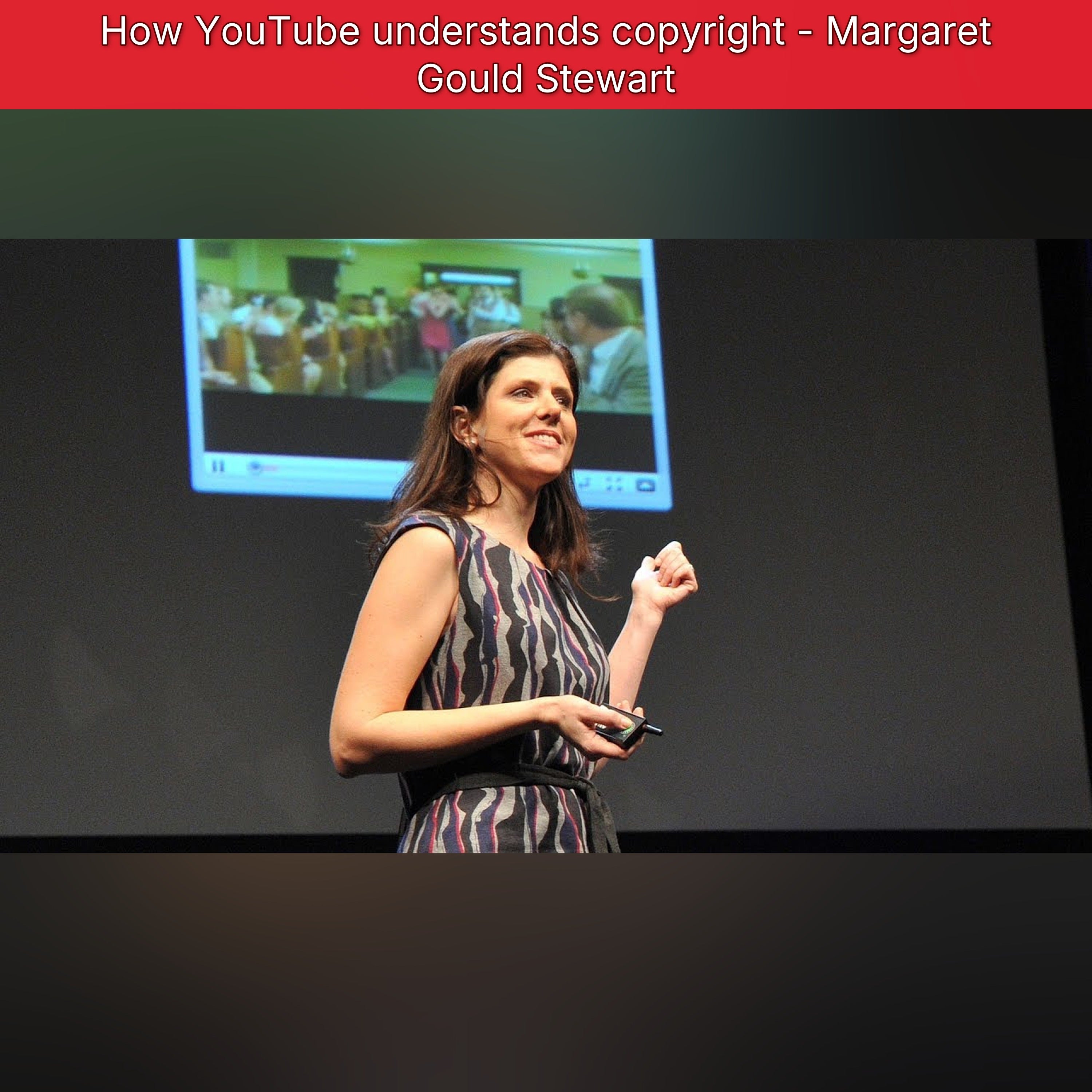
Margaret Gould Stewart, YouTube's head of user experience, talks about how the ubiquitous video site works with copyright holders and creators to foster (at the best of times) a creative ecosystem where everybody wins. Talk by Margaret Gould Stewart.
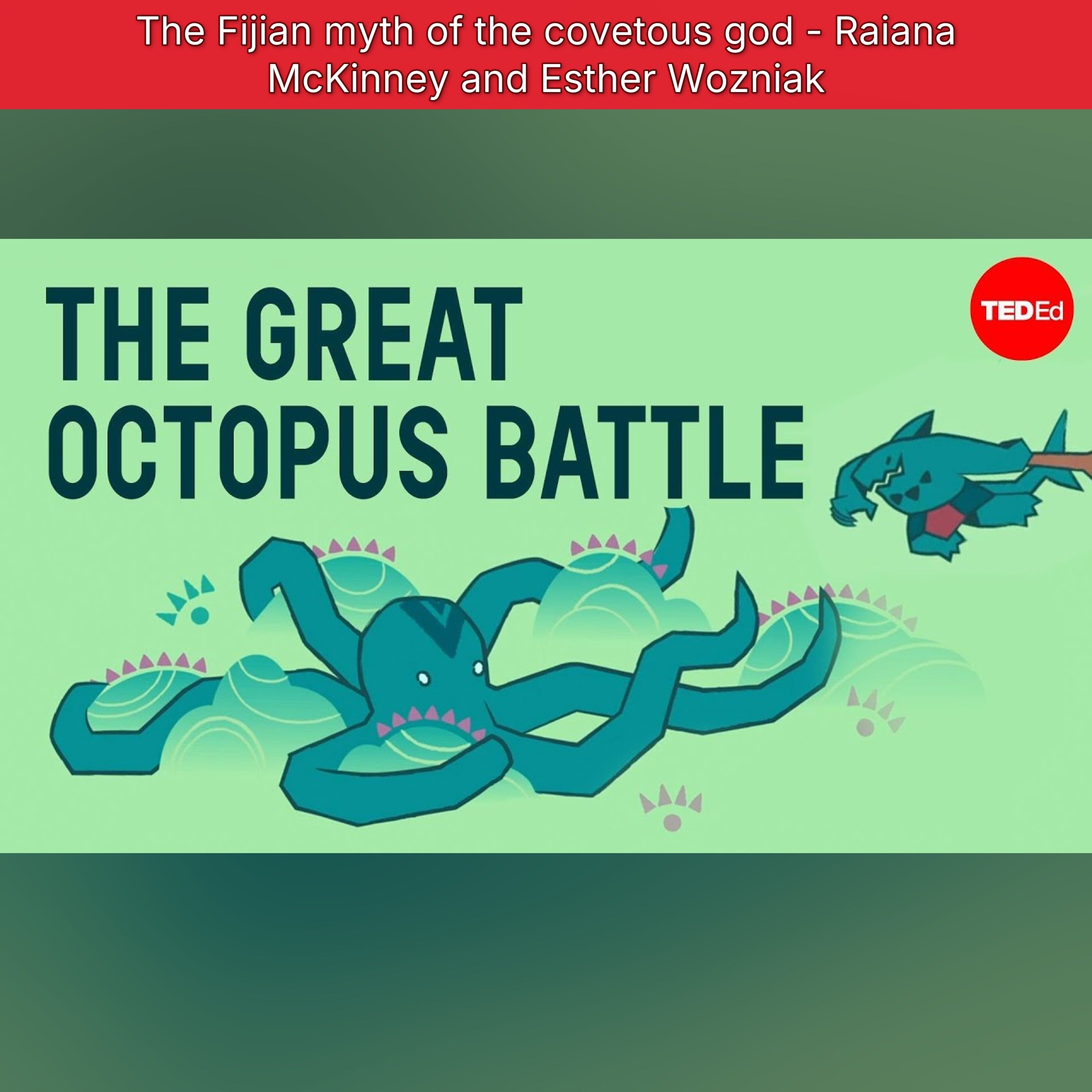
Dig into the Fijian myth of Dakuwaqa, the shape-shifting shark god who is determined to take over all of Fiji's islands. -- Long ago, the ancestral gods of Fiji settled on the Pacific archipelago. They eventually metamorphosed into various forms, with the god Dakuwaqa transforming into a shark. But he was unsatisfied. He became proud and greedy and wanted to establish himself as the mightiest god, and dominate all of Fiji’s islands. Raiana McKinney and Esther Wozniak share the tale of Dakuwaqa’s quest for power. Lesson by Raiana McKinney and Esther Wozniak, directed by KERO Animation. Support Our Non-Profit Mission ---------------------------------------------- Support us on Patreon: http://bit.ly/TEDEdPatreon Check out our merch: http://bit.ly/TEDEDShop ---------------------------------------------- Connect With Us ---------------------------------------------- Sign up for our newsletter: http://bit.ly/TEDEdNewsletter Find us on Twitter: http://bit.ly/TEDEdTwitter Peep us on Instagram
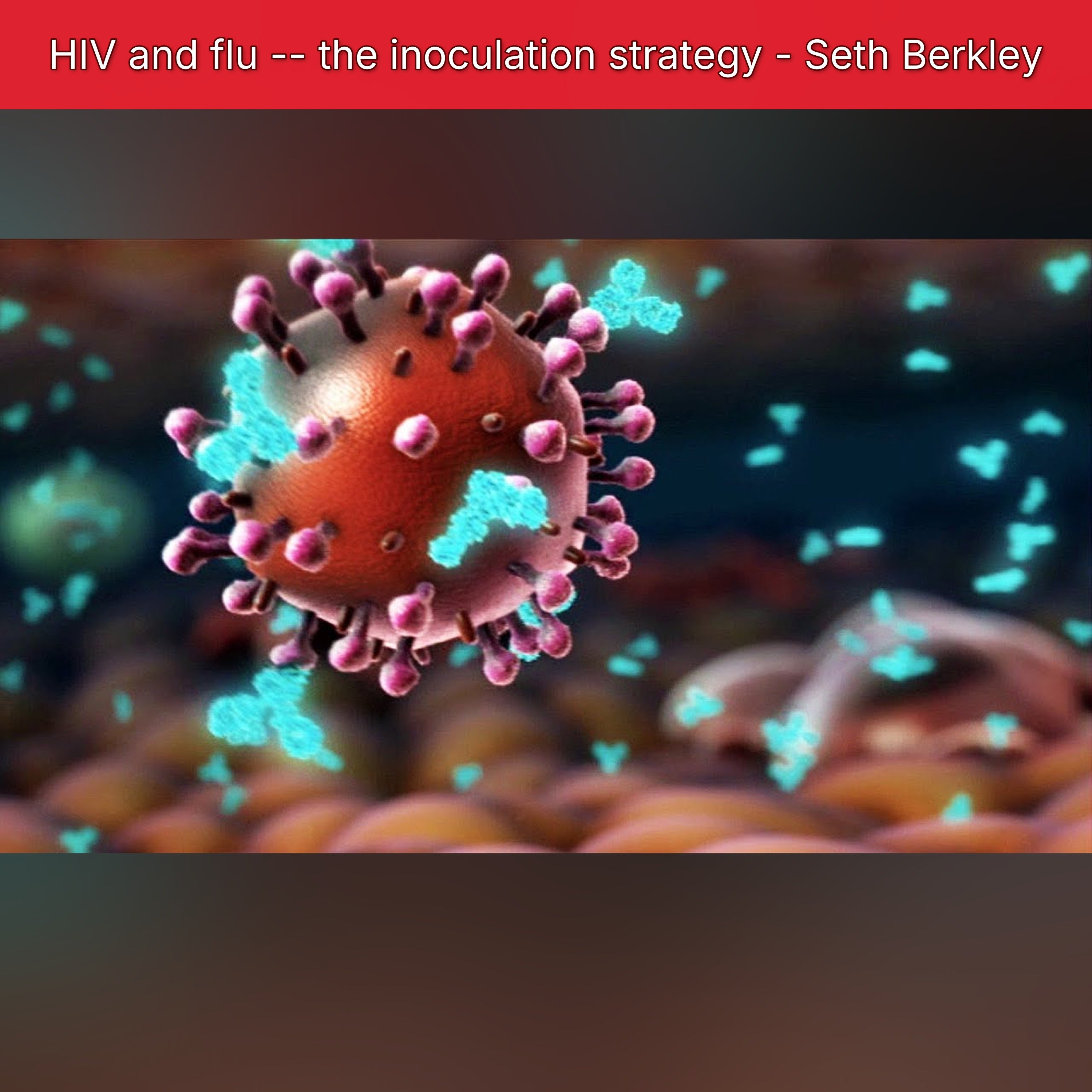
View full lesson: http://ed.ted.com/lessons/hiv-and-flu-the-vaccine-strategy-seth-berkley Seth Berkley explains how smart advances in vaccine design, production and distribution are bringing us closer than ever to eliminating a host of global threats -- from AIDS to malaria to flu pandemics. Talk by Seth Berkley.
Public spending should prioritize people with the greatest unmet needs.
Share your view, then see how readers voted. No sign-in required. This poll is shared across stories.
Do you agree or disagree?
Common Quandary
A Common Quandary to discuss
Another conversation to explore, separate from this news story.
One coffee, four hours, last table. Can the café ask you to leave?
A neighborhood café has become a popular remote workplace. Some guests buy one drink and occupy tables for hours, while families and friends regularly leave because they cannot sit together.