Listen through the publisher, then discuss the episode here or arrange an in-person Roundtable. Your city determines where to meet.
Roundtables are designed for groups of four, with a shared subject and room for everyone to speak. Come for discussion, with no dating expectation.
Sleep is often seen as a waste of time. Many businessmen, politicians, and celebrities boast about sleeping only 5 hours per night or even being insomniacs. However, despite its sometimes bad reputation, sleep is essential for maintaining good health and aging well. Bear in mind that no one has ever gone longer than 11 and a half days without sleeping. As a point of comparison, Scottish man Angus Barbieri went 382 days without eating any solid food in the 1960s, and in 1979 an Austrian man survived 18 days without any food or water. So you can understand just how essential sleep is for human life. What does our body do during sleep ? What happens during REM sleep ? Does sleep also help us assimilate experiences we've had during the daytime ? Are there any other theories out there? In under 3 minutes, we answer your questions! To listen to the last episodes, you can click here: What is Rufus the Hawks job at Wimbledon? (https://originals.bababam.com/bababam-do-you-really-know/202307040300-what-rufus-hawks-job-wimbledon) What is an eco-friendly beach ? (https://originals.bababam.com/bababam-do-you-really-know/202307040259-what-eco-friendly-beach) Why do we get grumpy when we're hungry? (https://podcasts.ba-ba-bam.com/bababam-do-you-really-know/202307030300-why-do-we-get-grumpy-when-were-hungry) A Bababam Originals podcast, written and produced by Joseph Chance. First Broadcast: 5/7/2023
Episode information is provided by the publisher. Listening takes place on the publisher’s service.
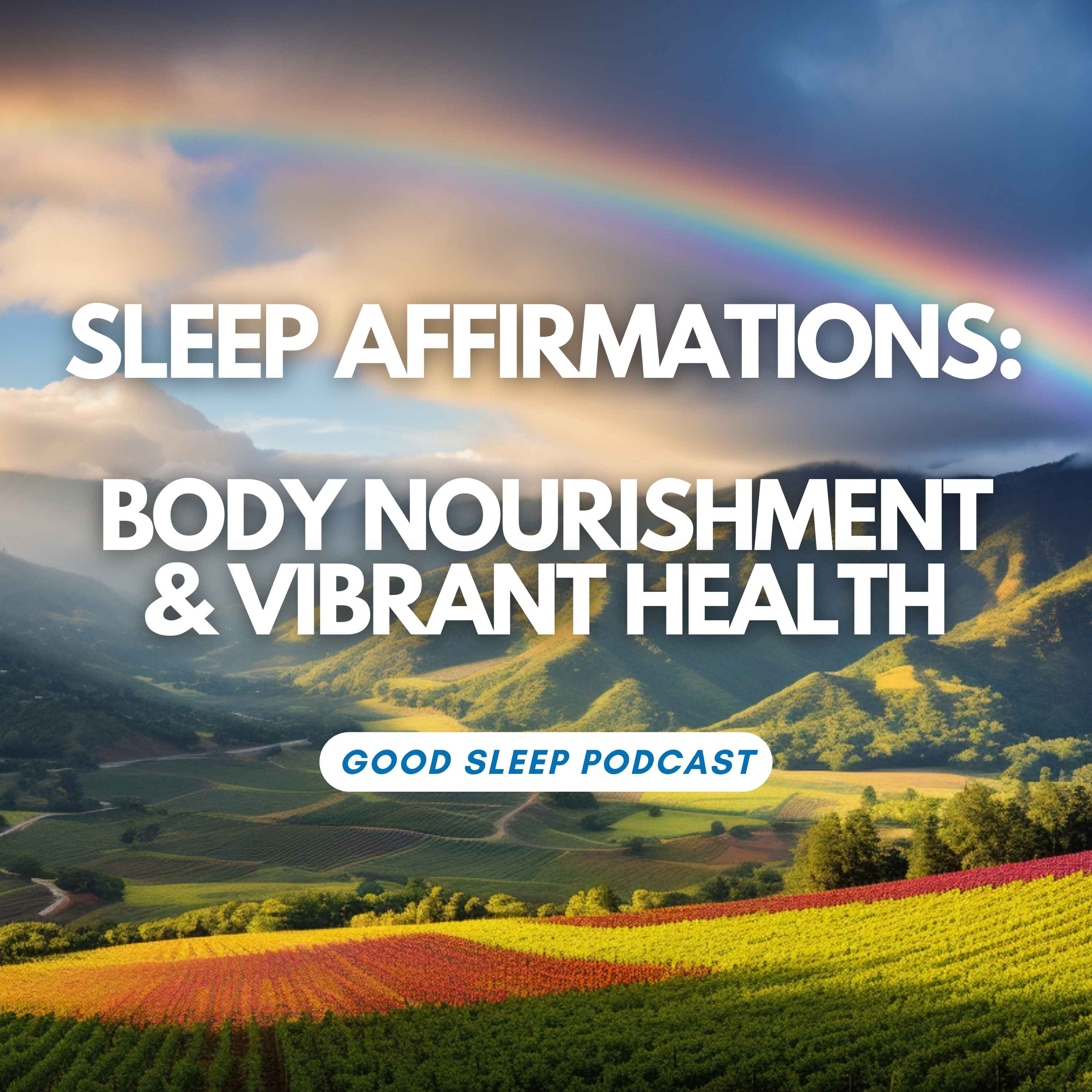
Health is rarely lost in one decision, and it is not regained in one either. Through the night, this track lays down the small, repeated care that vitality is actually built from. Unwind now with our positive sleep affirmations podcast. Hit play, and drift into Good Sleep... Spotify: https://open.spotify.com/show/3OuJvYoprqh7nPK44ZsdKE And start your morning with Optimal Living Daily!
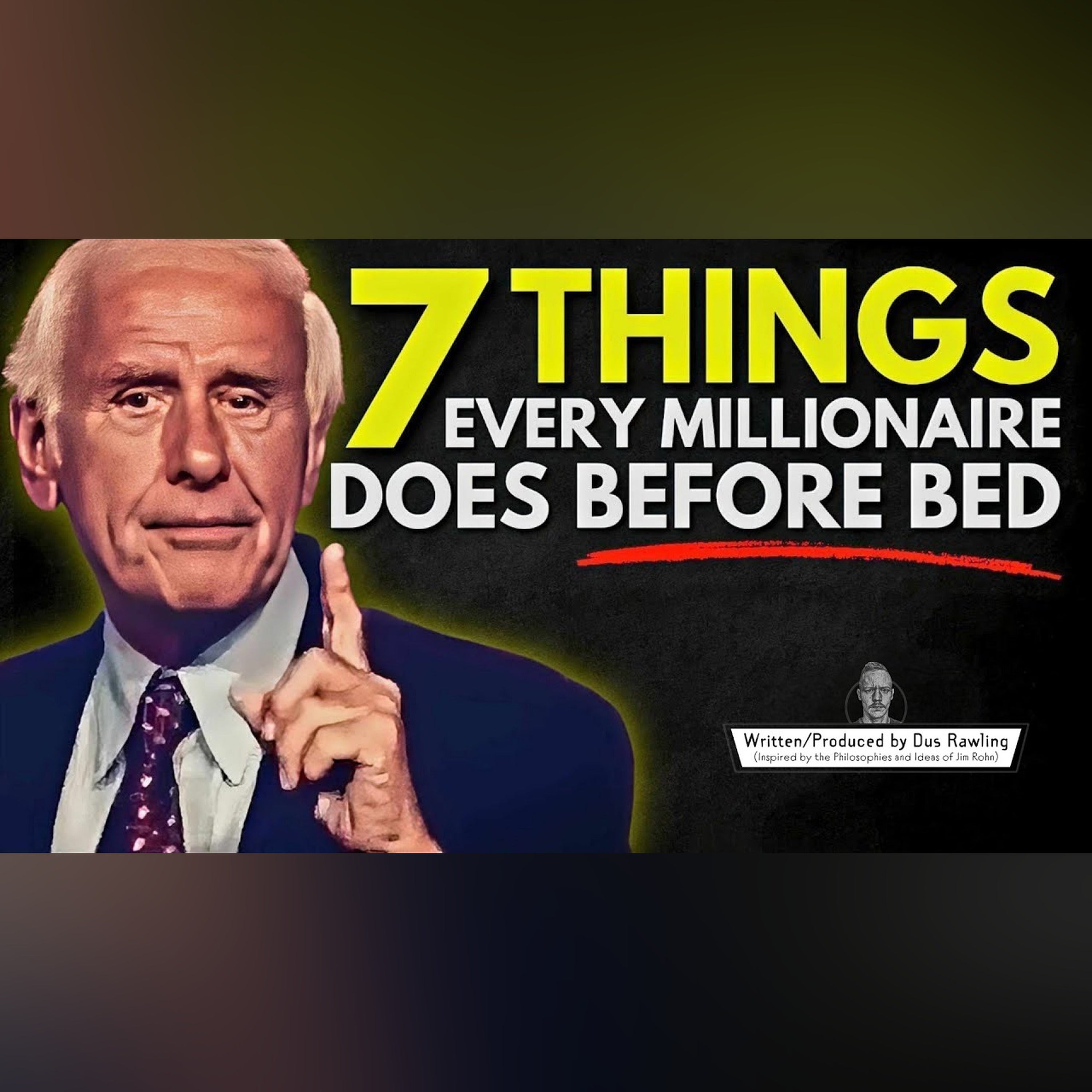
Your day doesn’t start in the morning. It starts the night before. Uploaded 26-10-24 This video breaks down the evening habits that quietly separate productive, focused people from everyone else. What you do before sleep determines how clearly you think, how well you execute, and how intentional the next day becomes. Instead of hype or shortcuts, this focuses on simple, repeatable behaviors that prepare the mind for clarity, discipline, and momentum. What this video covers: -Why an intentional night routine matters -How gratitude resets perspective and reduces stress -Using visualization to prime focus and direction -Planning tomorrow before pressure arrives -Disconnecting from noise to protect mental energy A few minutes each night spent reflecting, planning, and disconnecting can change how you show up the next day. These habits don’t rely on motivation — they rely on structure. And structure compounds. A strong morning is built the night before. This transcript and video were writte
PBS Member Stations rely on viewers like you. To support your local station, go to: http://to.pbs.org/DonateSPACE ↓ More info below ↓ Uploaded 15-07-19 Check out the new Space Time Merch Store! Support Space Time on Patreon When we finally have a quantum internet you’ll be able to simultaneously like and dislike this video. But we don’t. So I hope you like it. The world is widely regarded as being well and truly into the digital age, also called the information age. No longer are economies and industries solely characterised by the physical goods they produce, and in fact some of the largest companies in the world produce no physical goods at all: digital information is a commodity in its own right. As discussed in a previous episode, this worldwide digital economy is fundamentally reliant on certain cryptographic processes. Currently these processes work in the realm of classical cryptography, but one day soon this may not be enough and so quantum cryptographic methods and algorithms
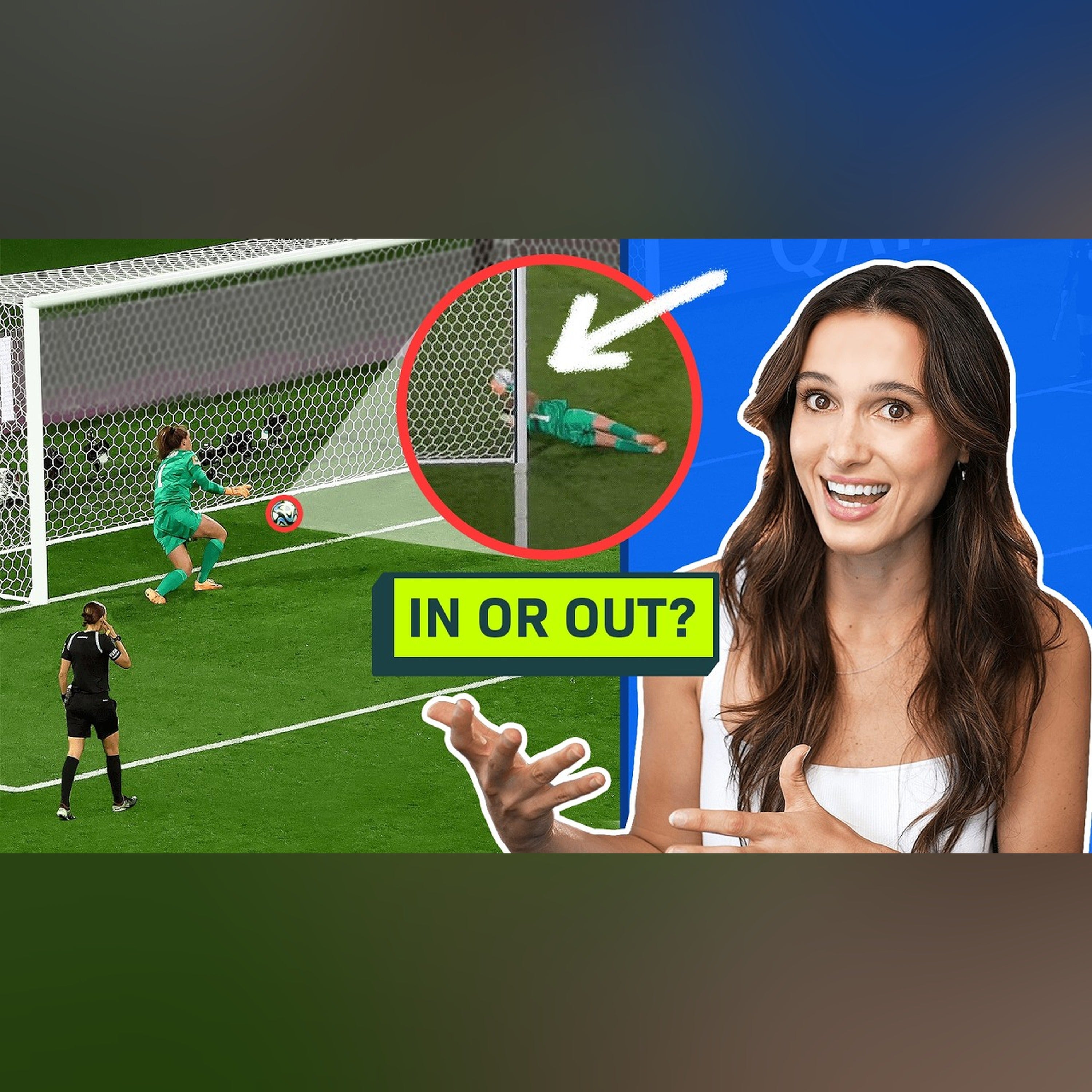
Are AI referees ruining sports? Or making them better? If you’re watching the 2023 US Open, you’re seeing automated referee calls. After years of controversy about human accuracy, tennis has used a system called Hawkeye to not only check human calls… but now to replace human referees. And this robot ref revolution isn’t just happening in tennis. It’s taking over the sports world. Soccer, basketball, baseball, they are all using machines to improve the calls being made on the field. The World Cup in particular has invested in these tools, from VAR (video assistant referee) to semi-automated offside and goal-line technology. The stakes are high. The difference between a right or wrong call can be a championship, or millions of dollars in prizes, endorsements, ticket sales. For the most part, fans like tech that makes calls more objective. HOWEVER… there is a big chunk of sports fans who would strongly disagree, who think that robot refs are ruining the game. Thing is, this tech isn’t goi
To check the transcript: https://www.buzzsprout.com/2379282 Imagine someone who has lived abroad for many years. One evening, they're talking to a friend about their hometown. They mention the streets they used to walk down, the familiar voices, and the little things they never thought they'd miss. Their friend asks: “Why do you get so emotional whenever you talk about your hometown? Do you want to move back?” They reply: “It's not that simple. It goes deeper than that. I miss a version of my life that doesn't exist there anymore.” Hello everyone, and welcome to Daily English. Today's expression is “It goes deeper than that.” We use this expression when something is more complicated, meaningful, or emotionally significant than it first appears. In other words, there's something beneath the surface that people might not immediately recognize. In our opening example, the person isn't necessarily longing to return to their hometown. What they miss might be their childhood, the people they
Giouli thought alcohol was the one thing that let her stop being perfect. Hear how a 30-day break she expected to end in January led her to write the first quit lit book in Greece and help change how her country talks about drinking. What happens when a question you ask yourself one January refuses to go away? For Giouli, alcohol started as freedom from perfectionism at university. It followed her through a demanding events career and into motherhood, when wine came home every night and blackouts began to scare her. Rules and moderation only left her feeling guilty. Then, holding a glass of red wine on her balcony, she asked herself who she was without it. That question led her to write two books, become a coach, and help shift the drinking culture in Greece. Why alcohol felt like freedom from perfectionism, not a way to numb The common belief about drinking at home that kept her from questioning alcohol What moderation rules did to her guilt and her sense of control The balcony moment
Until a little under two weeks ago, Silicon Valley Bank was the sixteenth largest bank in the United States, the favoured choice of tech startups due to the tailored services it provided. But by 10th March 2023, American authorities were taking control of SVB following its collapse. It had assets of over $200bn, making for the second biggest bank failure in US history. There were a number of factors behind the collapse, and it’s causing concern as it’s common for one bank collapse to be followed by another, due to what’s called financial contagion. Indeed, just a few days later it was the turn of New York-based Signature Bank to collapse. And over in Europe, Switzerland’s second largest bank Crédit Suisse had to take out a $54bn to stay afloat, before then being bought out by the country’s largest bank UBS, in a bid to halt the crisis. Why did Silicon Valley Bank collapse? How do stock market crashes happen? In under 3 minutes, we answer your questions! To listen to the last episodes,
In some cultures, being well at home is all about making sure that others feel well when visiting, by welcoming them in the right way. In Japan, for example, hospitality is like an art form, and even has a name: omotenashi. You can’t really translate the concept into English; the meaning of the term goes a lot deeper than “hospitality”. It also has connotations of mindfulness. In Japanese culture, knowing how to welcome others and being totally focused on your guest go hand in hand. So you could say omotenashi is the ability to anticipate a guest’s needs before they can even think of them themselves. Hence the idea of being fully available for your guest, right from the moment they arrive. The most obvious example in Japanese culture is serving tea. Where does omotenashi come from? So you’re saying it’s not limited to the home environment, are you? In under 3 minutes, we answer your questions! To listen to the last episodes, you can click here: How can I beat my smartphone addiction? (
When you’re feeling a little blue, eating to feel better can be an appealing proposition. But the reality is we often turn to junk food or sugary treats that are high in calories and packed with salt or saturated fats. Of course, our mood can be impacted by a number of factors and there’s no magic fix that will instantly make us feel better. But there are actually types of food out there that have been proven to improve brain health and thereby beat mood disorders. Which foods are proven to improve brain health? Avocados are rich in Omega 3, aren’t they? Don’t bananas also contain tryptophan? In under 3 minutes, we answer your questions! To listen to the last episodes, you can click here: Do tongue scrapers actually help with bad breath? (https://originals.bababam.com/do-you-really-know/202406140300-do-tongue-scrapers-actually-help-bad-breath) Do our brains really tell the whole story about us? (https://originals.bababam.com/do-you-really-know/202406130300-do-our-brains-really-tell-who
Equipment rules should preserve fair competition even when they limit innovation.
Share your view, then see how readers voted. No sign-in required. This poll is shared across stories.
Do you agree or disagree?
Common Quandary
A Common Quandary to discuss
Another conversation to explore, separate from this news story.
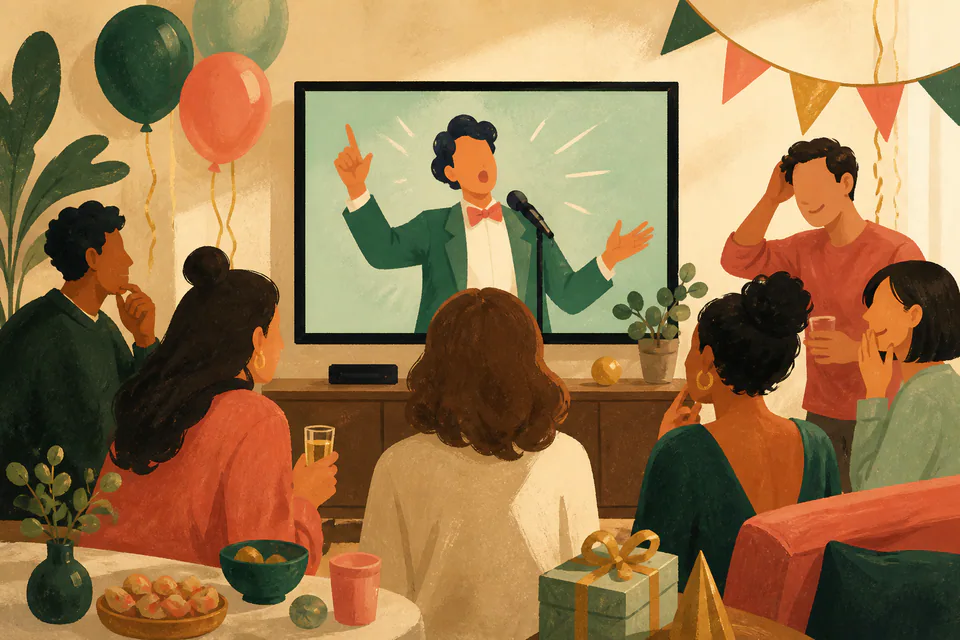
You make a hilarious deepfake of a friend for their birthday. Must you ask first?
For a private birthday party, someone creates a convincing video of a mutual friend delivering an absurd speech. Everyone, including the subject, will immediately understand that it is fake.
Does obvious fiction eliminate the need for consent?