English-language podcasts

TED-Ed

Why is it so hard to escape poverty? - Ann-Helén Bay

7 min

Listen through the publisher, then discuss the episode here or arrange an in-person Roundtable. Your city determines where to meet.

Roundtables are designed for groups of four, with a shared subject and room for everyone to speak. Come for discussion, with no dating expectation.

Explore the paradox of welfare programs, and learn how they inadvertently reinforce generational poverty, and what we can do to fix them. Uploaded 11-01-22 -- Imagine that you’ve been unemployed for months. Government benefit programs have helped you cover your expenses, but you’re barely getting by. Finally, you receive a paycheck— but there’s a catch. Your new job pays enough to disqualify you from benefit programs, but not enough to cover your costs. So how do we design benefit programs that don’t penalize you for working? Ann-Helén Bay investigates. Lesson by Ann-Helén Bay, directed by Avi Ofer. Support Our Non-Profit Mission ---------------------------------------------- Support us on Patreon: http://bit.ly/TEDEdPatreon Check out our merch: http://bit.ly/TEDEDShop ---------------------------------------------- Connect With Us ---------------------------------------------- Sign up for our newsletter: http://bit.ly/TEDEdNewsletter Find us on Twitter: http://bit.ly/TEDEdTwitter Peep us on Instagram: http://bit.ly/TEDEdInstagram ---------------------------------------------- Keep Learning ---------------------------------------------- View full lesson: https://ed.ted.com/lessons/why-is-it-so-hard-to-escape-poverty-ann-helen-bay Dig deeper with additional resources: https://ed.ted.com/lessons/why-is-it-so-hard-to-escape-poverty-ann-helen-bay#digdeeper (https://ed.ted.com/lessons/why-is-it-so-hard-to-escape-poverty-ann-helen-bay) Animator's website: https://aviofer.com (https://aviofer.com/) ---------------------------------------------- Thank you so much to our patrons for your support! Without you this video would not be possible! Sid, Kent Logan, Alexandra Panzer, John Hellmann, Poompak Meephian, Chuck Wofford, Daniel Erickson, frank goto, Jayson Hauschild, J D Wallace, Marq Short, Chen Jun Xiang, Adam Pagan, Paul Schultz, Behzad Farhanieh, Anders Sørheim, Wes Winn, Conder Shou, BrushReads, Matt Kennedy, Jonah Dobbs, ntiger, Noname, Hansan Hu, Cameron Burkle, Dhanwanth Varadhan, David D, Zuko Gameplays, Jonathan Bates JBZ, Aria Smith, Mac Hyney, Keith Ellison, robin valero walters, Camehira, Lynne Truesdale, Gatsby Dkdc, Matthew Neal, Jayson Gasper Ayson, Maxwell Ramsby, Dmitry Yuryev, Denis Chon, Julian Oberhofer, Monte Carroll, Eddy, Jay M, Constantino Victor Delgado, Andrea Galvagni, Andrew Tweddle, Laurel-Ann Rice and Fernando A. Endo.

Episode information is provided by the publisher. Listening takes place on the publisher’s service.

Listen at the source ↗

Featured places to meet in Palo Alto, CA

Explore these places and arrange a conversation through ThinkMatch.

City guide for Palo Alto, CA

More from TED-Ed

TED-Ed

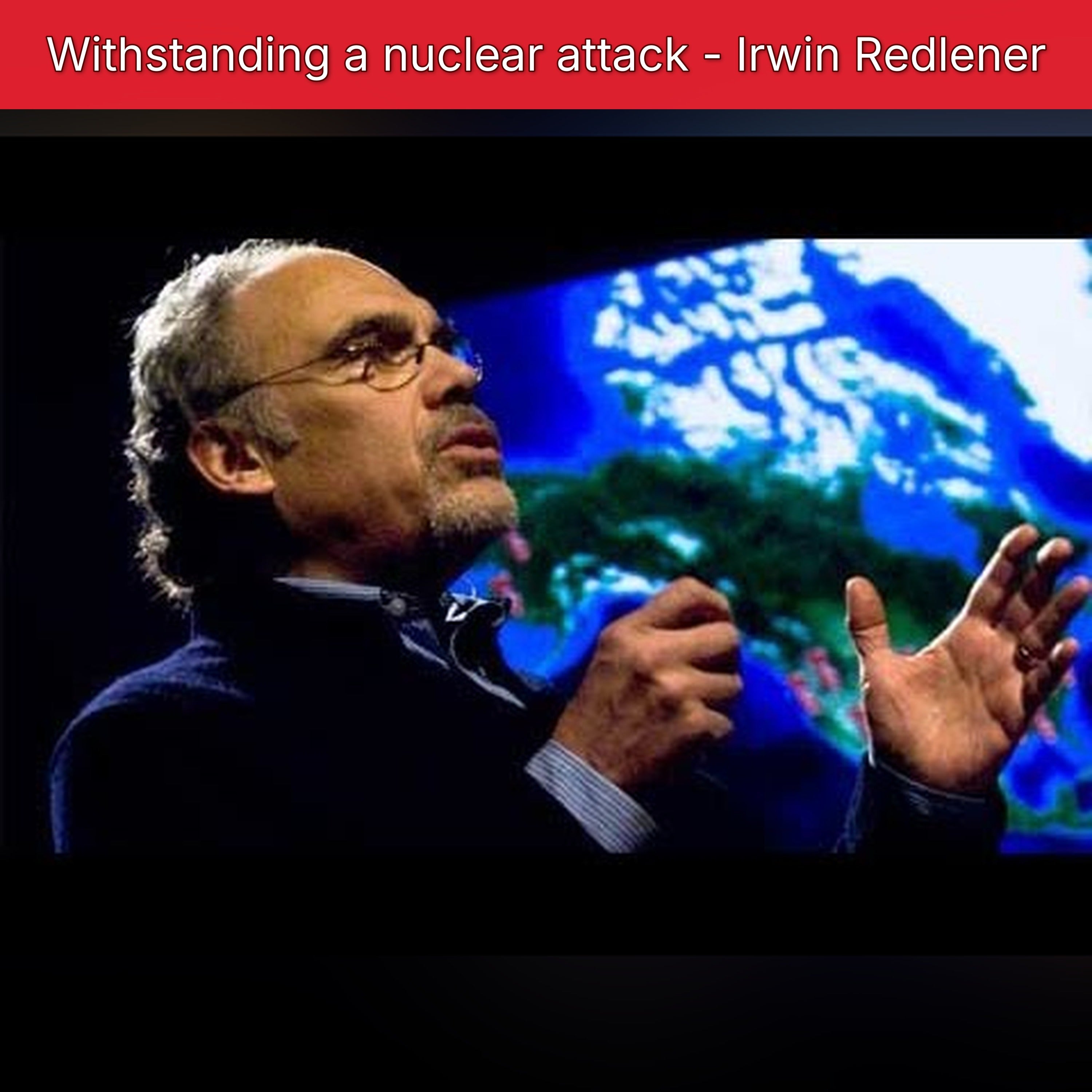
Withstanding a nuclear attack - Irwin Redlener

33 min

View full lesson: http://ed.ted.com/lessons/surviving-a-nuclear-attack-irwin-redlener The face of nuclear terror has changed since the Cold War, but disaster-medicine expert Irwin Redlener reminds us the threat is still real. He looks at some of history's farcical countermeasures and offers practical advice on how to survive an attack. Talk by Irwin Redlener.

Discuss this episode

TED-Ed

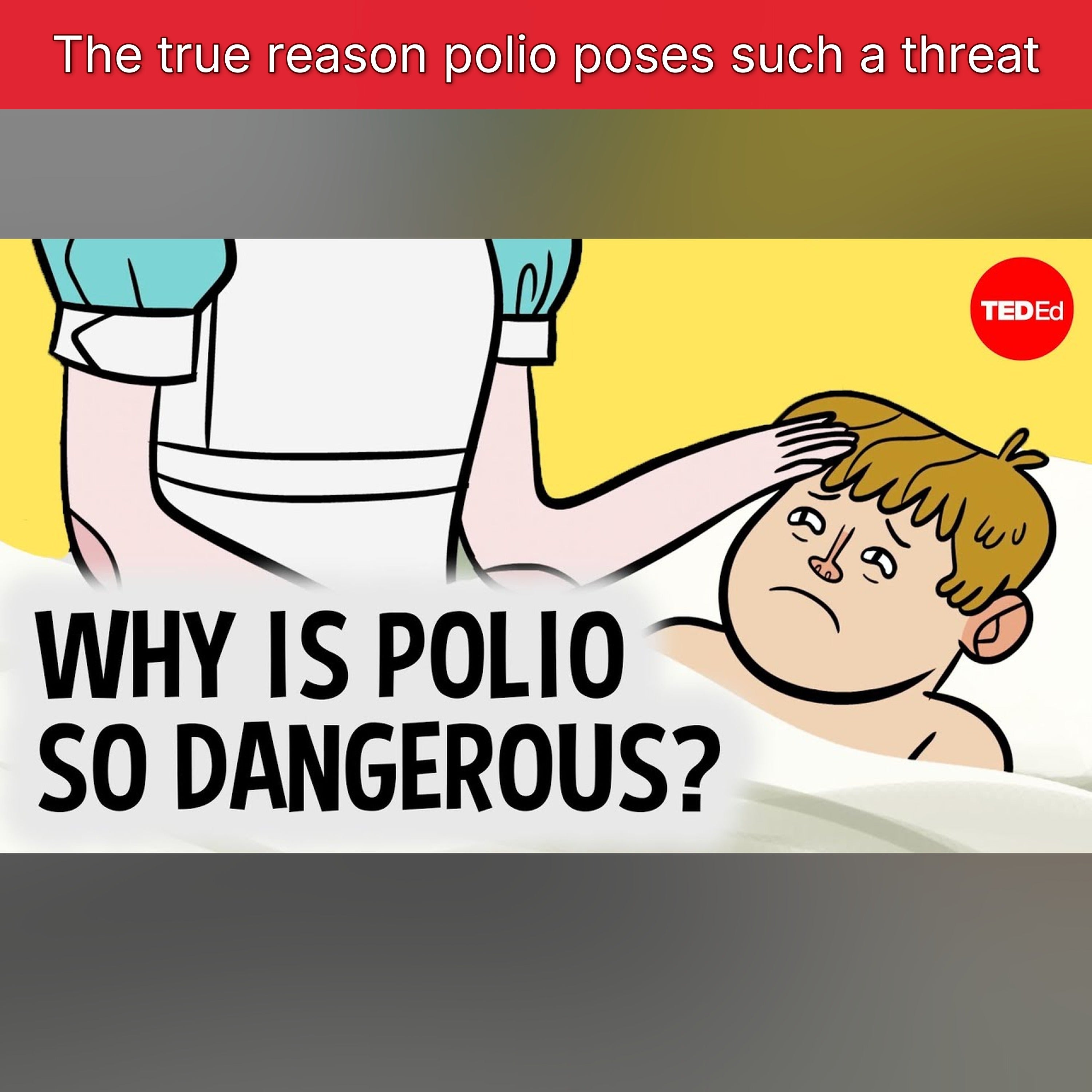
The true reason polio poses such a threat

10 min

Explore what makes polio so dangerous, what is causing the 21st century resurgence of cases, and how we can eradicate the disease. -- In 1952, polio was everywhere: killing or paralyzing roughly half a million people annually. Yet just 10 years later, paralytic polio cases in the US dropped by 96% and we were on track to get rid of polio for good. But in recent years, the virus started striking back. So, what’s behind these recent spikes? Explore the dangers of poliovirus and the possibility of eradicating this deadly disease. Directed by Anton Bogaty. This video made possible in collaboration with Gates Ventures Learn more about how TED-Ed partnerships work: https://bit.ly/TEDEdPartner A special thanks to Ananda Bandyopadhyay, Amber Zeddies, and Kathleen O'Reilly who provided information and insights for the development of this video. Support Our Non-Profit Mission ---------------------------------------------- Support us on Patreon: http://bit.ly/TEDEdPatreon Check out our merch: htt

Discuss this episode

TED-Ed

How to fool a GPS - Todd Humphreys

21 min

Todd Humphreys forecasts the near-future of geolocation when millimeter-accurate GPS "dots" will enable you to find pin-point locations, index-search your physical possessions ... or to track people without their knowledge. And the response to the sinister side of this technology may have unintended consequences of its own. (Filmed at TEDxAustin.) Uploaded 26-06-13 Talk by Todd Humphreys.

Discuss this episode

Community Poll

Universities should protect controversial speech unless it directly threatens or harasses others.

Share your view, then see how readers voted. No sign-in required. This poll is shared across stories.

Do you agree or disagree?

Choose one answer

Common Quandary

A Common Quandary to discuss

Another conversation to explore, separate from this news story.

Would you want a doctor to give you a fake pill if the lie might make you feel better?

A patient has persistent symptoms that have not responded to standard treatments. A harmless placebo may help, but its effect could weaken if the clinician fully explains that it contains no active medicine.

Can a beneficial deception respect the person it helps?

Explore this quandary