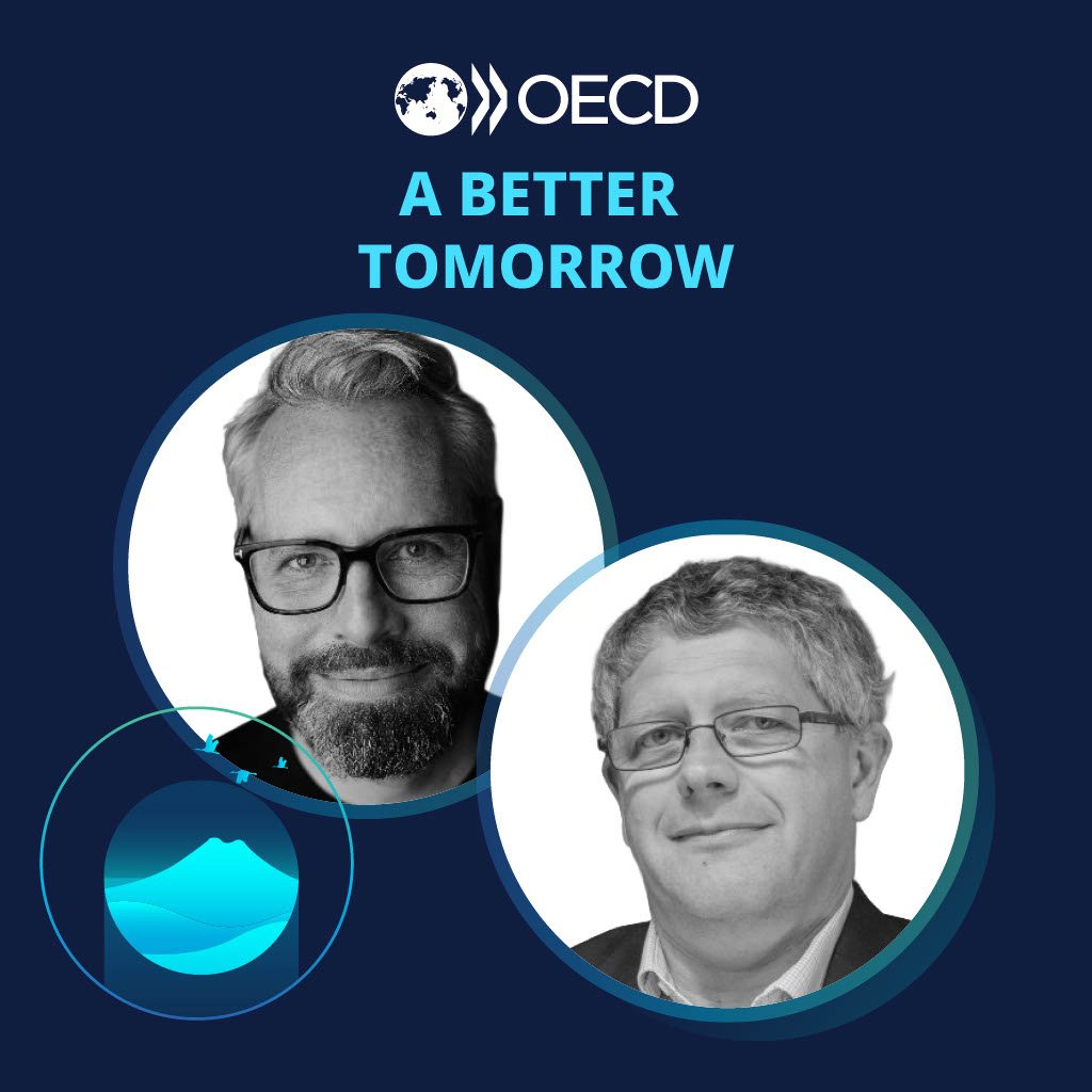
Why are some places thriving while others risk being left behind? Where people live shapes their access to jobs, housing and opportunities. In this episode, adapted from the launch webinar of *OECD Regions and Cities at a Glance 2026*, experts explore how productivity, technological transformation and demographic change are reshaping regions and cities. They discuss what these trends mean for people and places, from growing housing pressures to ageing populations and climate risks. The episode also marks the launch of new indicators on the OECD Local Data Portal, helping us look beyond national averages to better understand how places are changing. Speakers: Nadim Ahmad is Deputy Director at the OECD Centre for Entrepreneurship, SMEs, Regions and Cities (CFE), helping to drive momentum in the development of integrated policies that look holistically at people, places and firms, and, in doing so, better policies for better lives, and resilient and sustainable economic growth. Prior to j
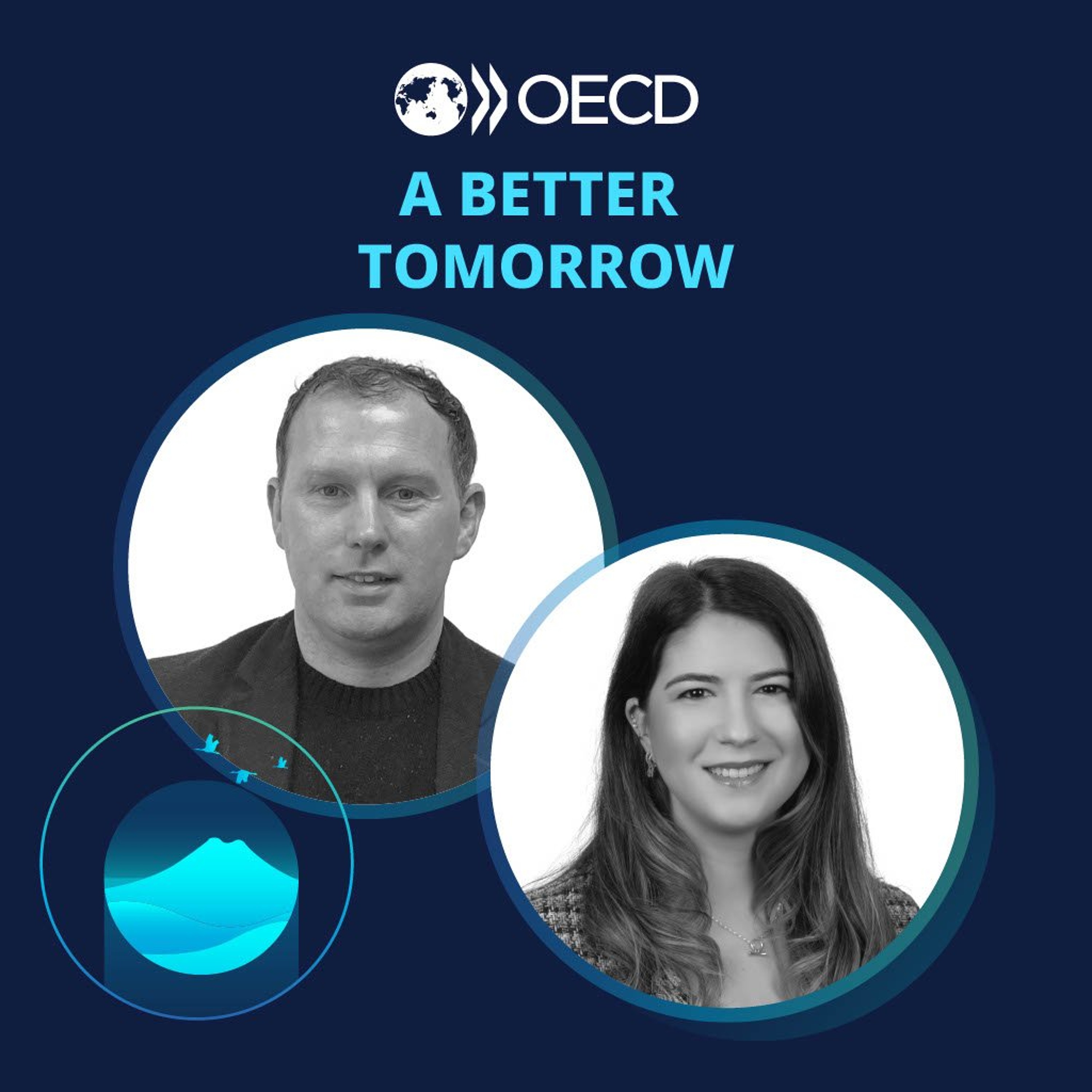
For every €1 invested in Ireland’s Football Cooperative, research estimates €17.60 in social value. But how do you put a value on friendship, better mental health and a sense of belonging? To mark Movember, this episode explores how a simple weekly kickabout can help men get active, build connections and feel part of their community. OECD Policy Analyst Melis Aslan and Football Cooperative founder Steven O’Connell discuss how inclusive, community-led football can improve men’s physical and mental well-being, the role of social enterprises in bringing people together, and how these wider benefits can be measured and replicated in other communities. Speakers: Melis Aslan Melis Aslan is a Policy Analyst and Economist at the OECD team working on social economy and innovation. She specialises in data on social economy, social impact measurement, internationalisation of social economy entities and social enterprise policy. Prior to joining the OECD, she worked at UNDP on impact investing and
Welche Rolle spielt Übersetzung dabei, die Erkenntnisse der OECD über Länder- und Kulturgrenzen hinweg zugänglich zu machen? Wie verändert künstliche Intelligenz die Arbeit von Sprachexpert*innen? In dieser Folge von Why Languages Matter at the OECD spricht Daniela Herzog-Hébert, Leiterin des Deutschen Übersetzungsdiensts der OECD, mit Silvia Rathnau-Prenzel, Leiterin der OECD Translation Division, darüber, warum mehrsprachige Kommunikation entscheidend dazu beiträgt, Wissen in die Praxis umzusetzen. Gemeinsam beleuchten sie, wie Übersetzungen politischen Entscheidungsträger*innen, Forschenden und der breiten Öffentlichkeit helfen, komplexe Themen in ihrer eigenen Sprache besser zu verstehen. Am Beispiel der OECD-Arbeit zu BEPS, den internationalen Maßnahmen gegen Gewinnverkürzung und Gewinnverlagerung multinationaler Unternehmen, zeigt Silvia, welchen Unterschied es gemacht hat, dass wichtige Fachdokumente auch auf Deutsch verfügbar waren. Außerdem geht es um die wachsende Bedeutung k
Perché le lingue contano all'OCSE Perché il multilinguismo è fondamentale per avvicinare le Organizzazioni Internazionali ai cittadini? E quale ruolo svolge la lingua italiana nel favorire il dialogo e la cooperazione internazionale? In questo episodio di Perché le lingue contano all'OCSE, Giancarlo Ruggiero, responsabile della Sezione linguistica italiana dell'OCSE, incontra Antonio Petrarulo, Consigliere presso la Rappresentanza Permanente d'Italia presso le Organizzazioni Internazionali a Parigi, per parlare del valore del multilinguismo nella diplomazia e nella diffusione della conoscenza. Insieme esplorano come la comunicazione multilingue possa rendere le analisi e le raccomandazioni dell'OCSE più accessibili, aiutando i cittadini a comprendere le questioni politiche e a partecipare al dibattito pubblico. Antonio sottolinea l'importanza di potersi esprimere nella propria lingua nei forum internazionali e il ruolo della Sezione linguistica italiana dell'OCSE, istituita nel 1961, n
Pourquoi l’interprétation est-elle essentielle au dialogue entre les pays ? Et comment permet-elle à chacun de s’exprimer avec précision et confiance dans les réunions internationales ? Dans cet épisode de Why Languages Matter at the OECD, Caterina Cherubini, responsable des flux de traduction et de la gestion de la qualité à l’OCDE, échange avec Olivier Péan, Chef interprète de l’OCDE, sur le rôle de l’interprétation dans la communication multilingue et la coopération internationale. Ensemble, ils explorent comment l’interprétation favorise la participation des délégations, préserve la diversité linguistique et culturelle et permet à chacun de s’exprimer dans une langue qu’il maîtrise. Olivier explique pourquoi cette possibilité contribue à des échanges plus inclusifs et à une meilleure compréhension mutuelle. La conversation aborde également l’impact de l’intelligence artificielle sur le métier d’interprète, les nouvelles possibilités qu’elle offre pour préparer les conférences et le
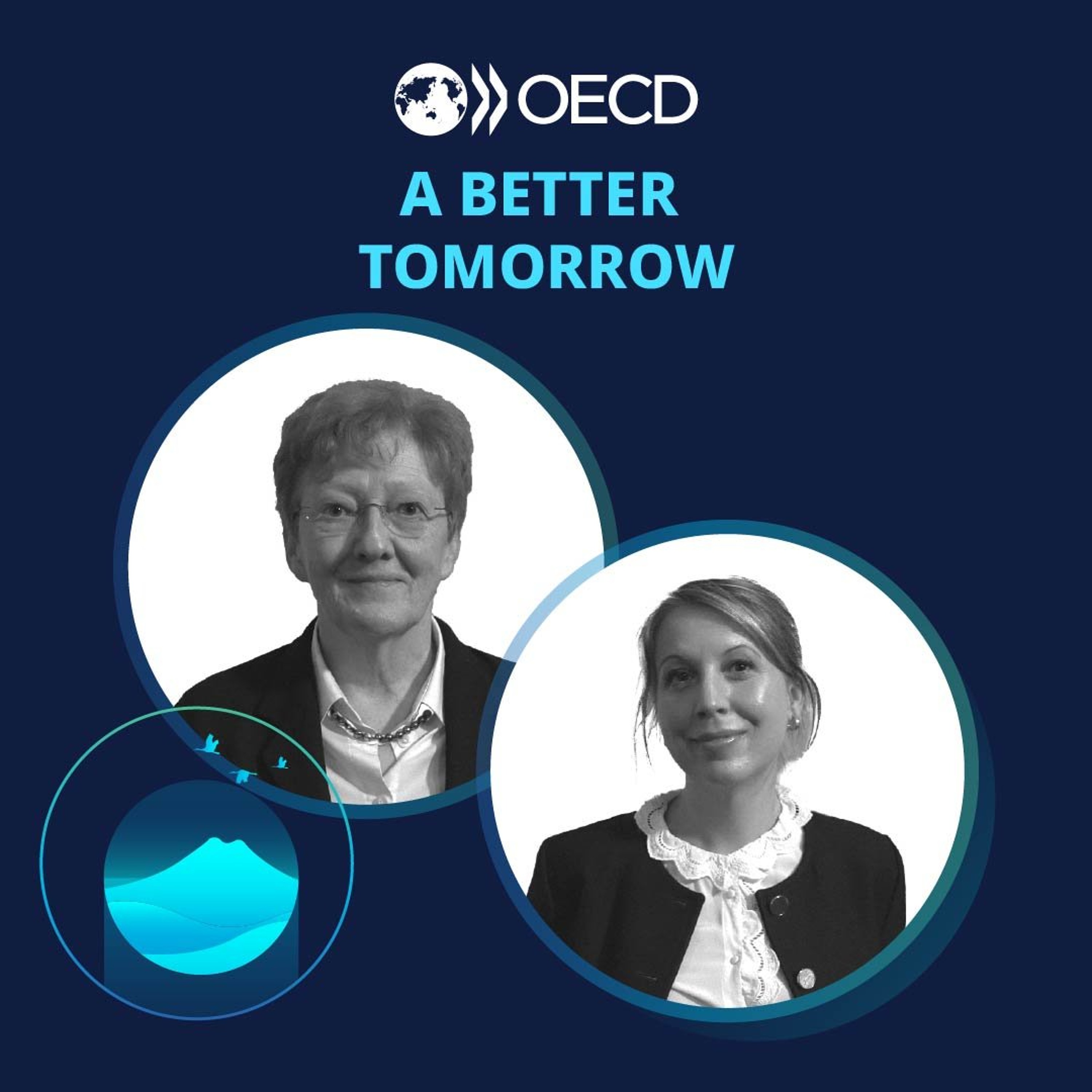
What role does translation play in making OECD knowledge accessible across countries and cultures? And how is artificial intelligence transforming the work of language professionals? In this episode of Why Languages Matter at the OECD, Daniela Herzog-Hébert, Head of the German Linguistic Section, and Silvia Rathnau-Prenzel, Head of the OECD Translation Division, look at why multilingual communication is essential for turning knowledge into action. Together, they examine how translation helps policymakers, researchers and citizens engage with sensitive issues in their own languages. Silvia shares a concrete example from the OECD's work on international taxation, where translating technical documents into German helped experts better understand and apply complex concepts. They also discuss the growing role of artificial intelligence in translation, why human expertise remains essential for accuracy and cultural nuance, and how new technologies can help the OECD reach wider audiences. Loo