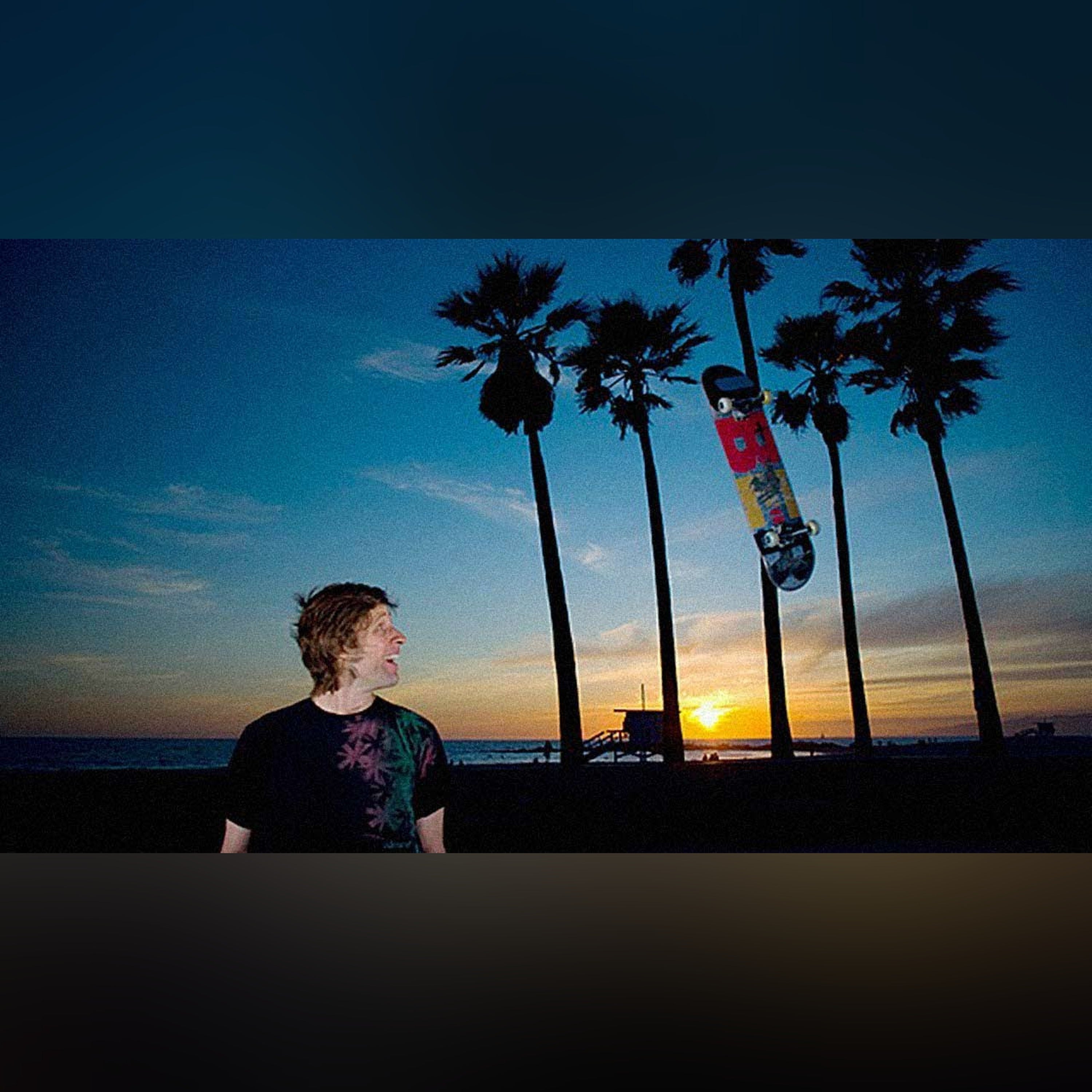
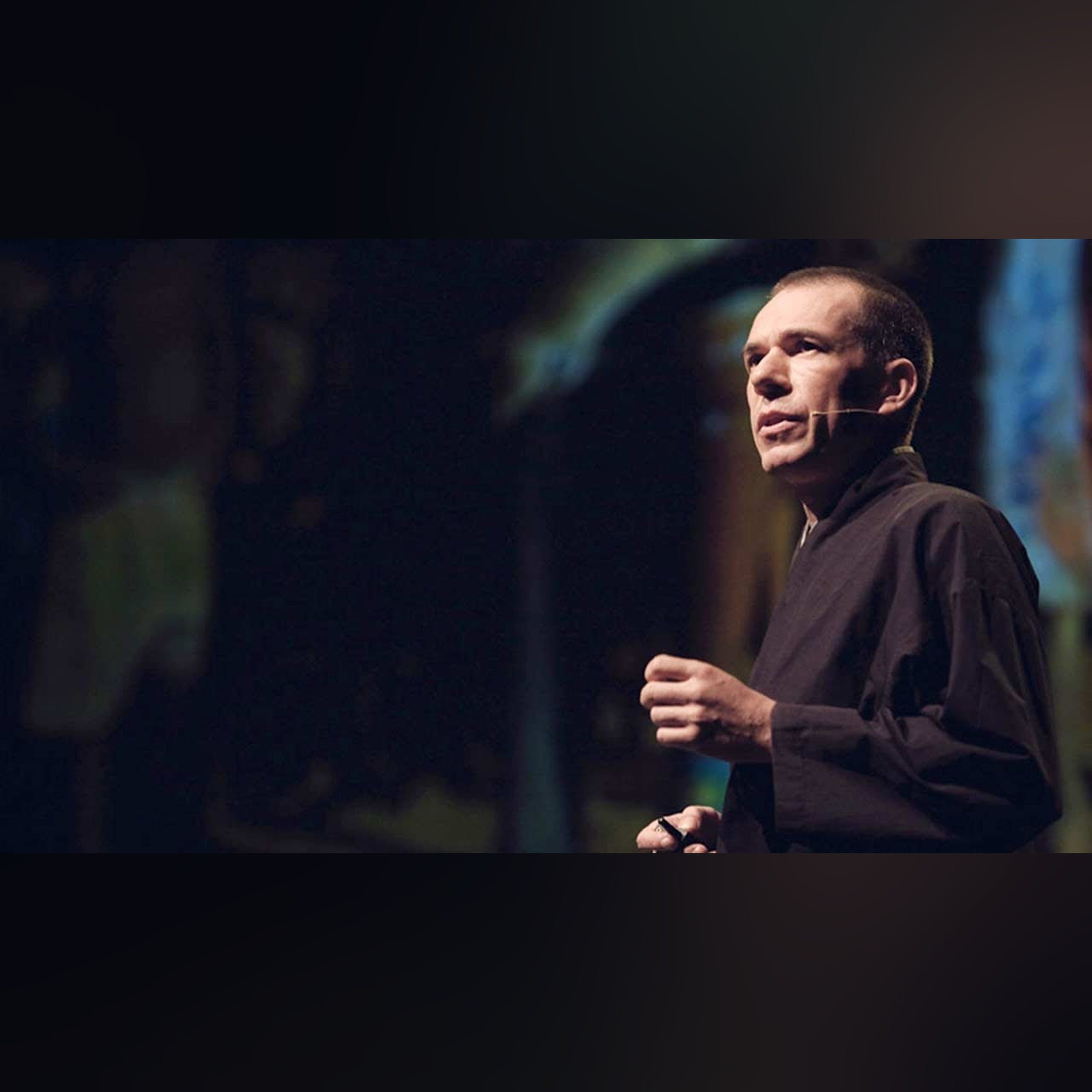
The last thing Rodney Mullen, the godfather of street skating, wanted were competitive victories. In this exuberant talk he shares his love of the open skateboarding community and how the unique environments it plays in drive the creation of new tricks -- fostering prolific ingenuity purely for passion's sake. (Filmed at TEDxUSC.) Uploaded 21-08-13 Talk by Rodney Mullen.
Download a free audiobook and support TED-Ed's nonprofit mission: https://www.audible.com/ted-ed -- Bizarre things happen in dreams: you fly, or conjure an all-you-can-eat buffet out of thin air, or get chased by witches through the halls of your school. But the strange things that happen in dreams don’t seem strange at the time. So, how do you know you’re not in a dream right now? Is there a way to prove that you're awake? Daniel Gregory digs into the philosophical theories of wakefulness. Lesson by Daniel Gregory, directed by Daniel Stankler. Support Our Non-Profit Mission ---------------------------------------------- Support us on Patreon: http://bit.ly/TEDEdPatreon Check out our merch: http://bit.ly/TEDEDShop ---------------------------------------------- Connect With Us ---------------------------------------------- Sign up for our newsletter: http://bit.ly/TEDEdNewsletter Find us on Twitter: http://bit.ly/TEDEdTwitter Peep us on Instagram: http://bit.ly/TEDEdInstagram ----------
Uploaded 29-01-18 View full lesson: https://ed.ted.com/lessons/why-is-nasa-sending-a-spacecraft-to-a-metal-world-linda-t-elkins-tanton In 2026, an unmanned NASA spacecraft is scheduled to arrive at 16 Psyche, a massive, metallic asteroid floating somewhere between the orbits of Mars and Jupiter. Why is NASA so interested in this heavy metal asteroid? Are we going to mine all that metal, or build a giant space magnet? Linda T. Elkins-Tanton explains how the real answer can be found right under our feet. Lesson by Linda T. Elkins-Tanton, animation by Eoin Duffy. Thank you so much to our patrons for your support! Without you this video would not be possible! Simon Holst Ravn, Doreen Reynolds-Consolati, Rakshit Kothari, Melissa Sorrells, Antony Lee, Husain Mohammad, Dino Hrnjić, Max Shuai Tang, Côme Vincent, Astia Rizki Safitri, Alan Froese, Zhufeng Wang, alessandra tasso, Daniel Mardale, Jamerson Chingapanini, Gerald Onyango, Dalton Valette, Katrina Harding, Ezgi Yersu, Al the Scottish Wi
Explore the science of how corticosteroids sneak into our cells to help fight allergic reactions, rashes, asthma, and harmful immune responses. Uploaded 17-06-20 -- Steroids: they’re infamous for their use in sports. But they’re also found in inhalers, creams to treat poison ivy and eczema, and shots to ease inflammation. The steroids in these medicines aren’t the same as those used to build muscle. In fact, they’re all based on yet another steroid— one our body produces naturally, and we can’t live without. Anees Bahji explores the science of corticosteroids. Lesson by Anees Bahji, directed by Nick Hilditch. Animator's website: http://nickhilditch.com (http://nickhilditch.com/) Sign up for our newsletter: http://bit.ly/TEDEdNewsletter Support us on Patreon: http://bit.ly/TEDEdPatreon Find us on Twitter: http://bit.ly/TEDEdTwitter Peep us on Instagram: http://bit.ly/TEDEdInstagram View full lesson: https://ed.ted.com/lessons/can-steroids-save-your-life-anees-bahji Thank you so much to
Discover how much electricity humanity uses, and how clean energy sources could help revolutionize our energy supply in the future. Uploaded 09-03-21 -- All around the world, millions of people are flipping a switch, plugging in, and pressing an ‘on’ button every second. So how much electricity does humanity use? And how much will we need in the future? Discover how much energy it takes to power the world, and how clean energy sources could help revolutionize our electricity supply. Directed by Lisa LaBracio. Animation and art direction: Vicente Nirõ, AIM Creative Studios In partnership with Bill Gates, inspired by his book "How To Avoid A Climate Disaster": http://bit.ly/PlanForZero Support Our Non-Profit Mission ---------------------------------------------- Support us on Patreon: http://bit.ly/TEDEdPatreon Check out our merch: http://bit.ly/TEDEDShop ---------------------------------------------- Connect With Us ---------------------------------------------- Sign up for our newslett
Improve your understanding of molecular properties with this lesson on the fascinating property of chirality. Your hands are the secret to understanding the strange similarity between two molecules that look almost exactly alike, but are not perfect mirror images. Lesson by Michael Evans, animation by Safwat Saleem and Qa'ed Tung.
Explore how the Women’s Suffrage Parade on Washington in 1913 helped women secure the right to vote in the United States through the 19th amendment. Uploaded 04-03-19 -- On March 3, 1913, after months of strategic planning and controversy, thousands of women gathered in Washington D.C. for the Women’s Suffrage Parade -- the first mass protest for a woman’s right to vote. Michelle Mehrtens details how the march rejuvenated the fight for the 19th amendment. Lesson by Michelle Mehrtens, directed by WOW-HOW Studio. Sign up for our newsletter: http://bit.ly/TEDEdNewsletter Support us on Patreon: http://bit.ly/TEDEdPatreon Find us on Twitter: http://bit.ly/TEDEdTwitter Peep us on Instagram: http://bit.ly/TEDEdInstagram View full lesson: https://ed.ted.com/lessons/the-historic-women-s-suffrage-march-on-washington-michelle-mehrtens Thank you so much to our patrons for your support! Without you this video would not be possible! Zhexi Shan, Hugo Legorreta, PnDAA, Sandra Tersluisen, Ellen Spertus
View full lesson: http://ed.ted.com/lessons/the-story-behind-your-glasses-eva-timothy What scientific thinkers and achievements have led to vast improvements in optics over the centuries? Discover the fascinating ways that our understanding of light informs the world in which we live. Lesson by Eva Timothy, animation by Matt Snyman.
View full lesson: http://ed.ted.com/lessons/the-rise-of-human-computer-cooperation-shyam-sankar Brute computing force alone can't solve the world's problems. Data mining innovator Shyam Sankar explains why solving big problems (like catching terrorists or identifying huge hidden trends) is not a question of finding the right algorithm, but rather the right symbiotic relationship between computation and human creativity. Talk by Shyam Sankar.
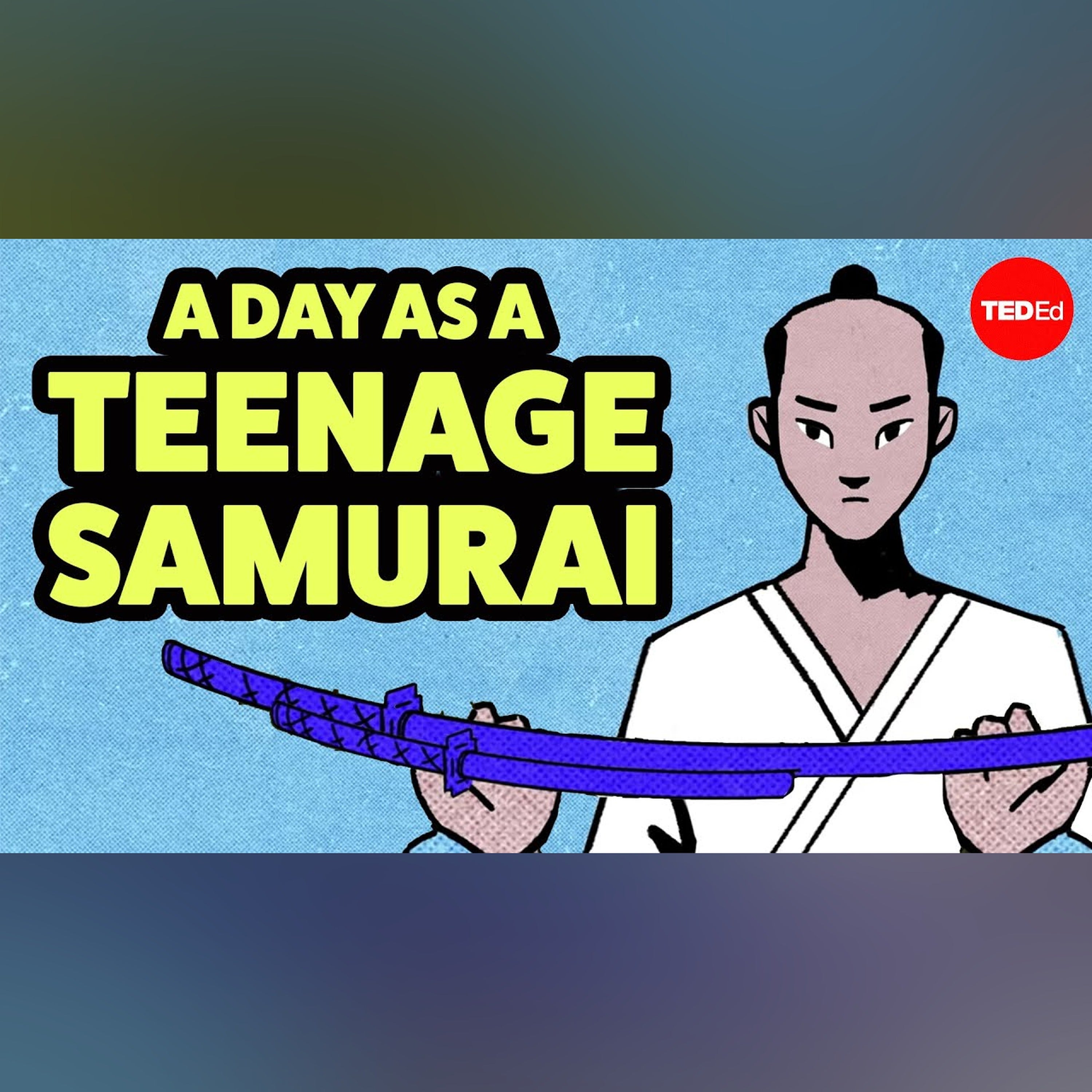
Follow young samurai in training Mori Banshirô as he studies the twin paths of literary learning and the martial arts. Uploaded 22-06-20 -- The year is 1800 in the castle town of Kôchi, Japan. It’s just after sunrise, and 16-year-old Mori Banshirô is already hard at work practicing drills with his long sword. He is an ambitious samurai in training, and today he must impress his teachers more than ever so he can travel to the capital city for martial and scholarly studies. Constantine N. Vaporis outlines a day in the life of a samurai. Lesson by Constantine N. Vaporis, directed by WOW-HOW Studio. Animator's website: https://wow-how.com/ Sign up for our newsletter: http://bit.ly/TEDEdNewsletter Support us on Patreon: http://bit.ly/TEDEdPatreon Find us on Twitter: http://bit.ly/TEDEdTwitter Peep us on Instagram: http://bit.ly/TEDEdInstagram View full lesson: https://ed.ted.com/lessons/a-day-in-the-life-of-a-teenage-samurai-constantine-n-vaporis Thank you so much to our patrons for your su
View full lesson on ed.ted.com http://ed.ted.com/lessons/the-twisting-tale-of-dna-judith-hauck What do a man, a mushroom, and an elephant have in common? A very long and simple double helix molecule makes us more similar and much more different than any other living thing. But, how does a simple molecule determine the form and function of so many different living things? Lesson by Judith Hauck, animation by Cameron Slayden.
At TEDxRotterdam, Bart Weetjens talks about his extraordinary project: training rats to sniff out land mines. He shows clips of his "hero rats" in action, and previews his work's next phase: teaching them to turn up tuberculosis in the lab. Uploaded 01-08-13 Talk by Bart Weetjens.
Professional vocalists share how to give a great vocal performance by experimenting with styles, training, and taking care of your voice. -- "Think Like A Musician" connects you with working musicians who want to help the music-curious and music-passionate hone and share the gift of music with the world. Part interview, part animated course, our first season "Think Like A Performer" features artists sharing their insight on the ins and outs of fine-tuning your instrument and crafting a great performance. Each episode features free supplemental learning materials developed by Education Through Music (https://etmonline.org) (https://etmonline.org)/) — a nonprofit with over 30 years of experience developing classroom-adaptable curriculum for music educators. Directed by Kozmonot Animation Studio. A special thanks to the musicians who provided their insights and expertise for this video. You can check out their pages here: Support Our Non-Profit Mission ------------------------------------
View full lesson: http://ed.ted.com/lessons/how-x-rays-see-through-your-skin-ge-wang Uploaded 22-06-15 Originally discovered by accident, X-rays are now used about 100 million times a year in clinics around the world. How do these magic eyes work? Ge Wang details the history and mechanics of the X-ray machine and CT scanners. Lesson by Ge Wang, animation by Pink Kong Studios.
View full lesson: http://ed.ted.com/lessons/music-and-creativity-in-ancient-greece-tim-hansen Uploaded 03-12-13 You think you love music? You have nothing on the Ancient Greek obsession. Every aspect of Greek life was punctuated by song: history, poetry, theater, sports and even astronomy. In fact, music was so important to Greek philosopher Plato that he claimed the music we listen to directly affects our ethics. Tim Hansen wonders what Plato might have to say about the music we listen to today. Lesson by Tim Hansen, animation by TOGETHER.
View full lesson: http://ed.ted.com/lessons/the-loathsome-lethal-mosquito-rose-eveleth Uploaded 02-12-13 Everyone hates mosquitoes. Besides the annoying buzzing and biting, mosquito-borne diseases like malaria kill over a million people each year (plus horses, dogs and cats). And over the past 100 million years, they've gotten good at their job -- sucking up to three times their weight in blood, totally undetected. So shouldn't we just get rid of them? Rose Eveleth shares why scientists aren't sure. Lesson by Rose Eveleth, animation by Karrot Animation.
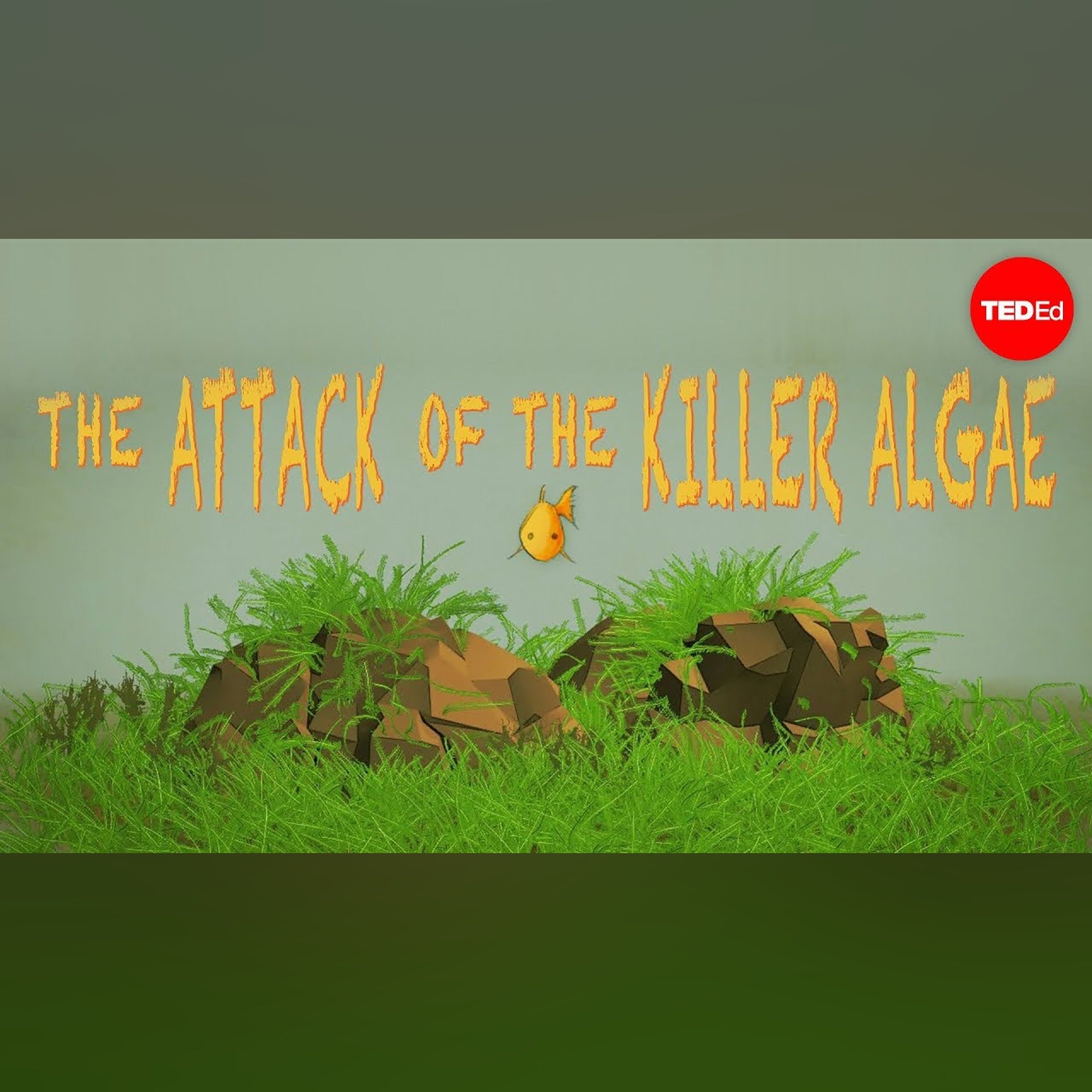
View full lesson: http://ed.ted.com/lessons/attack-of-the-killer-algae-eric-noel-munoz Uploaded 24-06-14 As benign as it may look up close, the tiny seaweed Caulerpa taxifolia can wreak quite a bit of havoc on coastal ecosystems. This super algae is very adaptable; it also grows fast and spreads easily. Eric Noel Muñoz gives the details of this plant's incredible invasion, shedding light on the risks of introducing invasive species into new ecosystems. Lesson by Eric Noel Muñoz, animation by Eli Enigenburg.
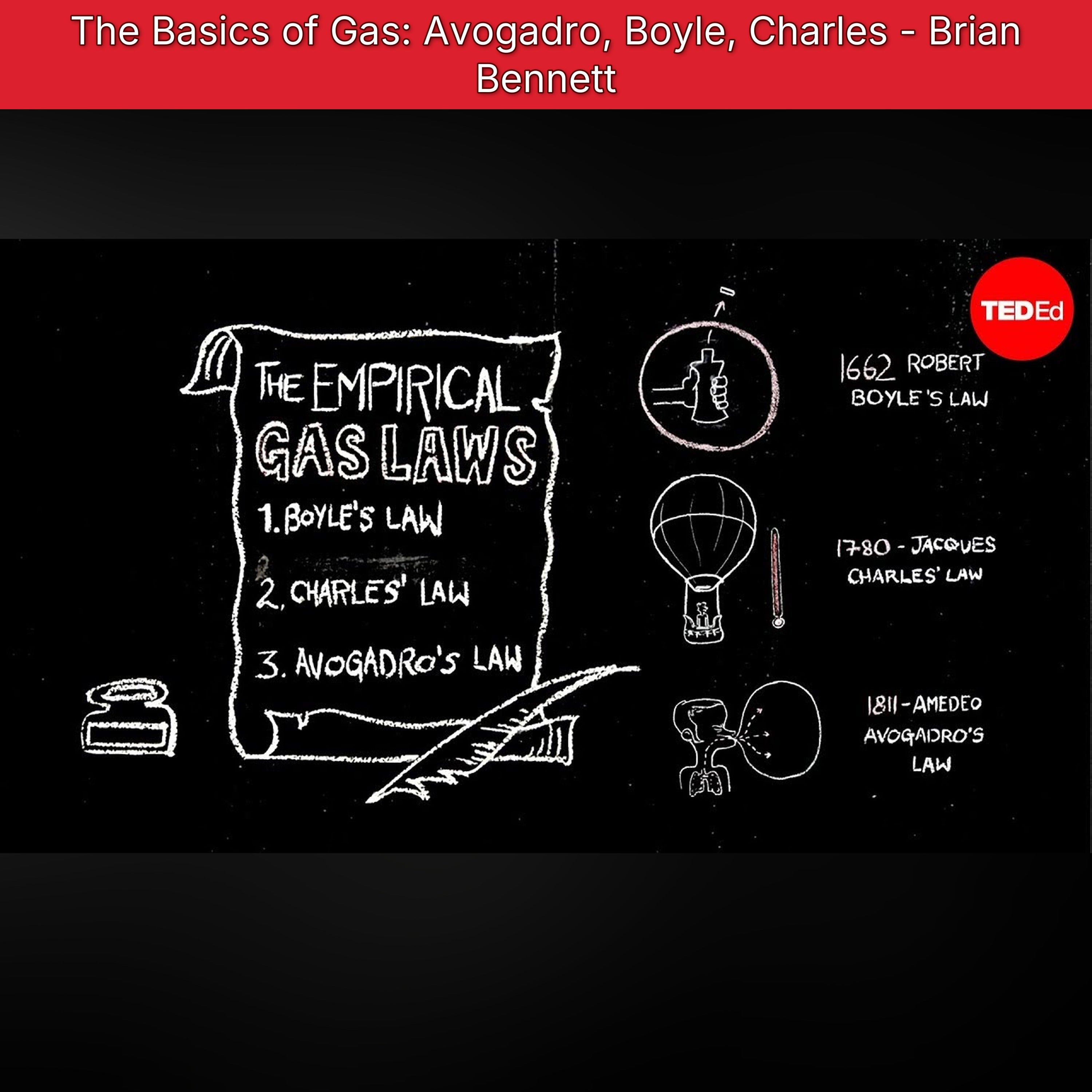
View full lesson on ed.ted.com http://ed.ted.com/lessons/1207-1-a-bennet-brianh264 How can bottles and balloons help explain the different laws that govern gas? See how Boyle's Law, Charles' Law, and Avogadro's Law help us understand the laws that govern gas properties. Lesson by Brian Bennett, animation by Cognitive Media.
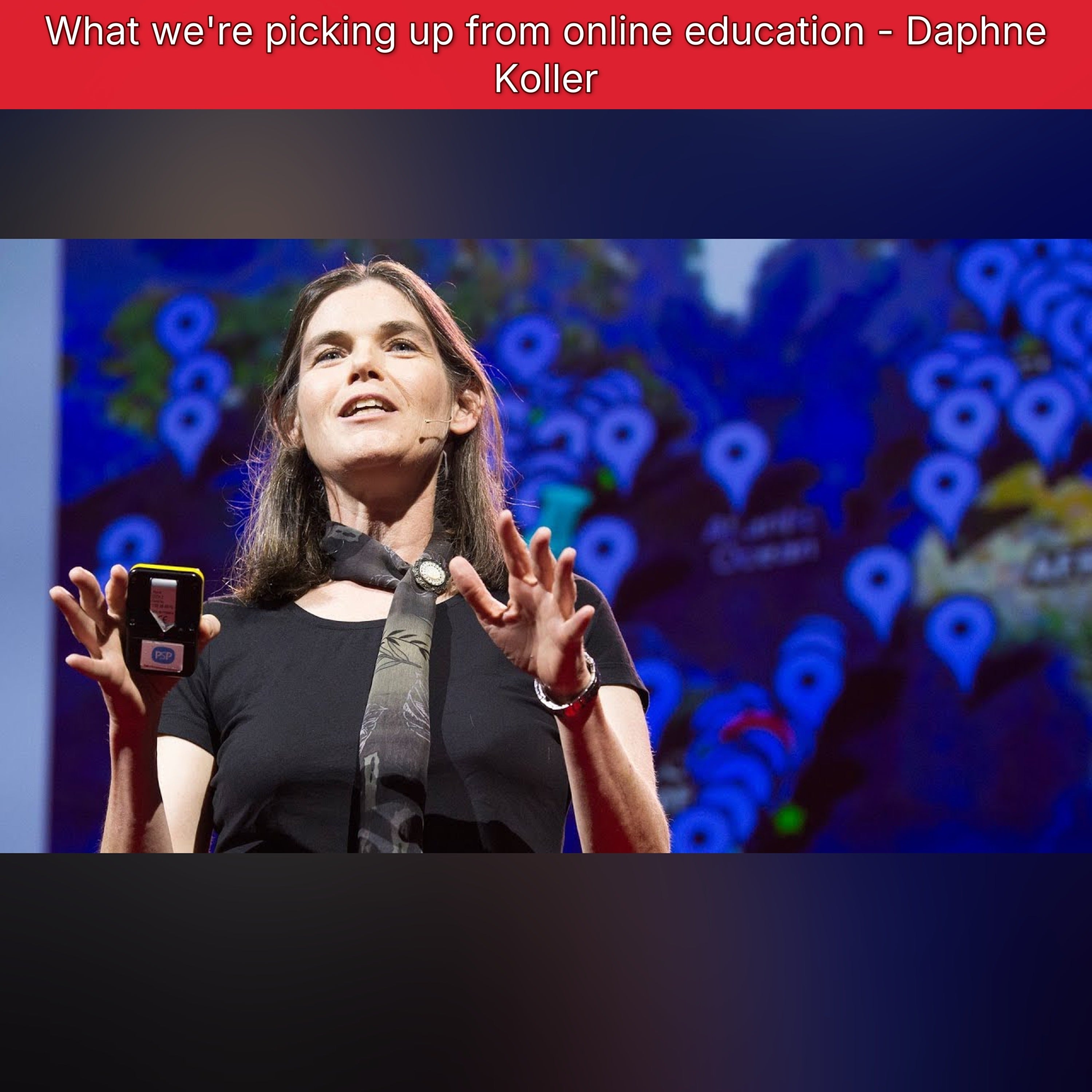
Daphne Koller is enticing top universities to put their most intriguing courses online for free -- not just as a service, but as a way to research how people learn. With Coursera (cofounded by Andrew Ng), each keystroke, quiz, peer-to-peer discussion and self-graded assignment builds an unprecedented pool of data on how knowledge is processed. Talk by Daphne Koller.
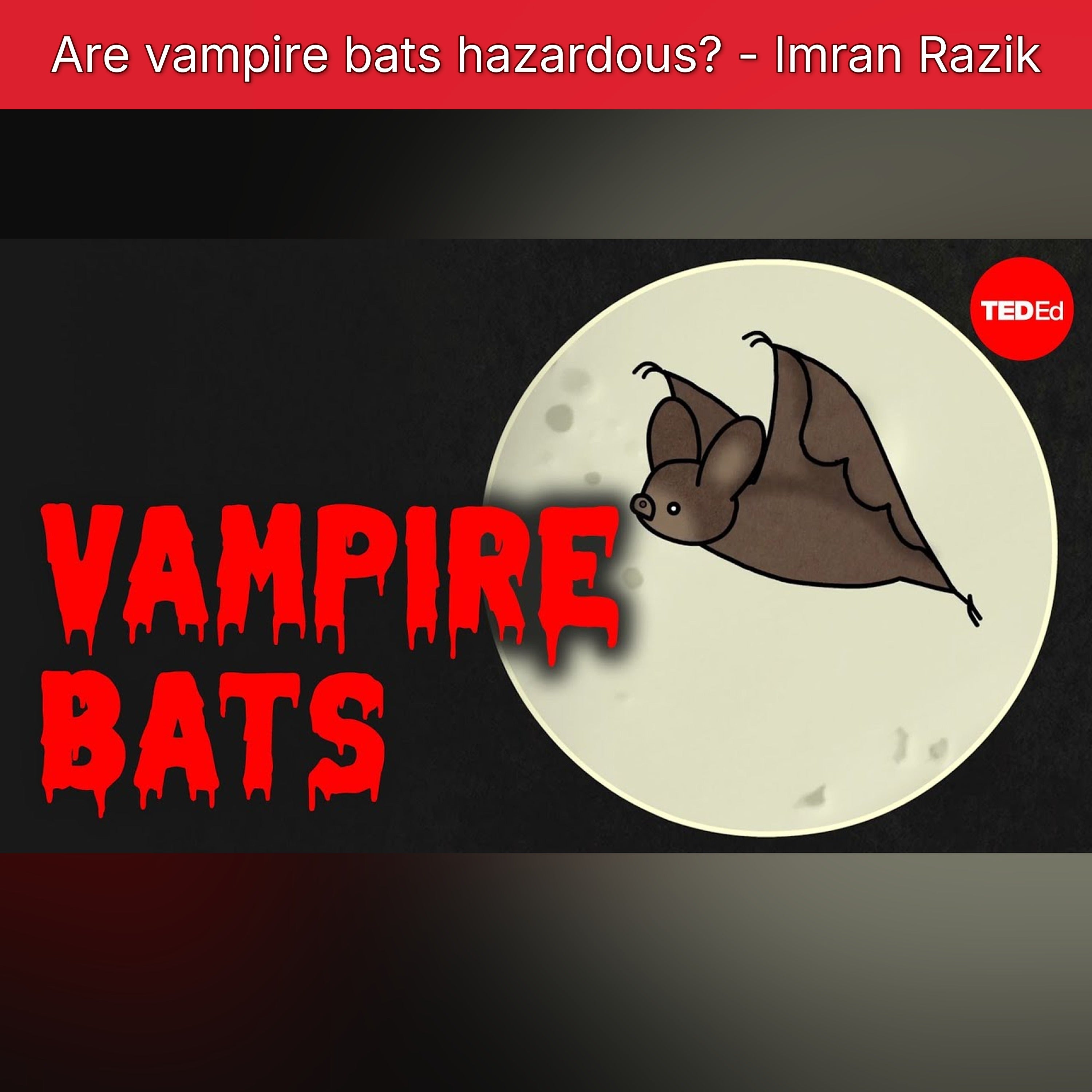
Follow the nighttime routine of a vampire bat as it hunts for prey, and find out how these unique creatures work together to survive. -- Vampire bats are the only mammals to subsist on blood alone. Their ancient ancestors might have eaten parasites and insects off larger animals until vampire bats began feeding directly from those animals themselves. So, how do these nocturnal creatures find their sustenance? And what animals do they most commonly target? Imran Razik follows the nighttime routine of a vampire bat as she hunts. Lesson by Imran Razik, directed by Sharon Colman. Support Our Non-Profit Mission ---------------------------------------------- Support us on Patreon: http://bit.ly/TEDEdPatreon Check out our merch: http://bit.ly/TEDEDShop ---------------------------------------------- Connect With Us ---------------------------------------------- Sign up for our newsletter: http://bit.ly/TEDEdNewsletter Find us on Twitter: http://bit.ly/TEDEdTwitter Peep us on Instagram: http://
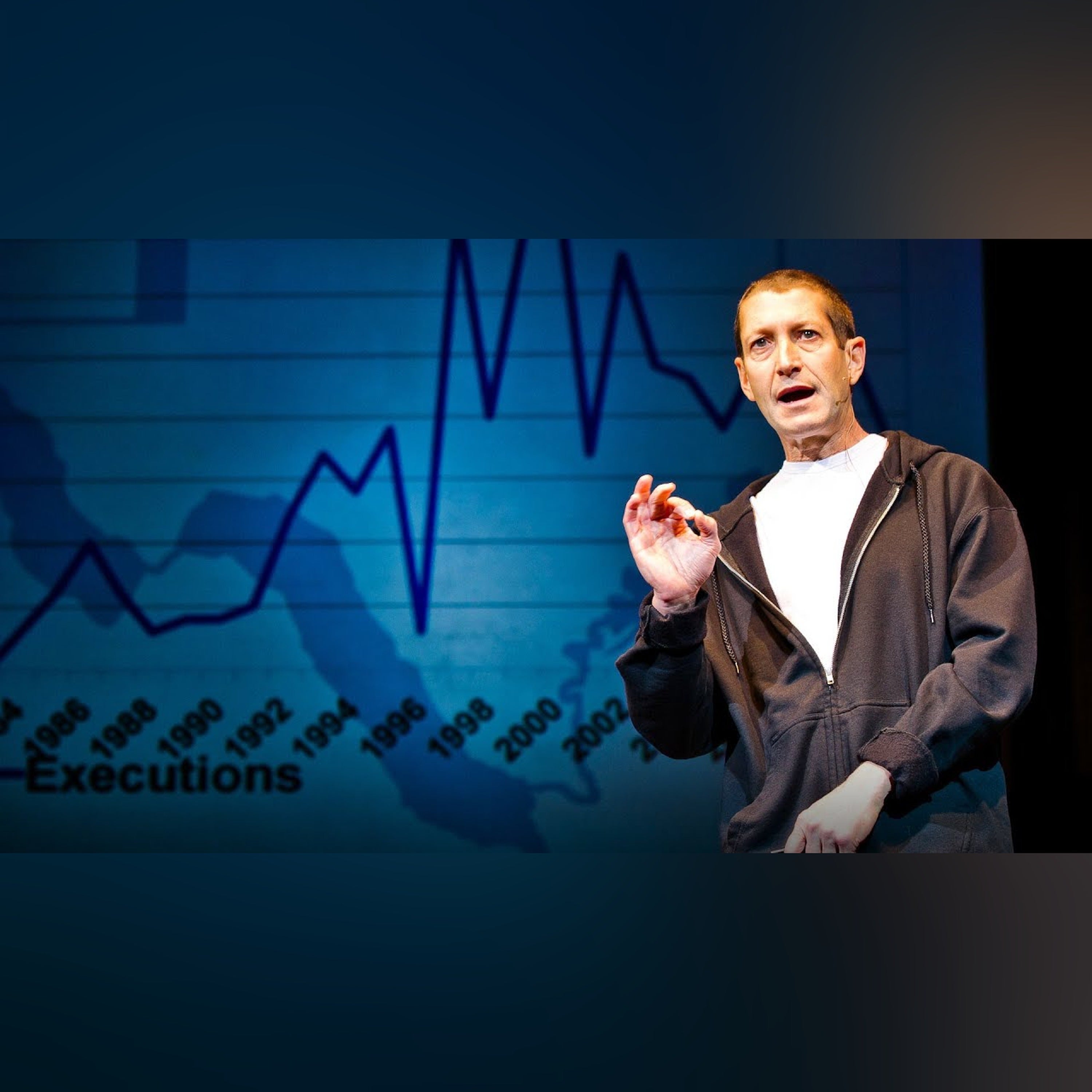
What happens before a murder? In looking for ways to reduce death penalty cases, David R. Dow realized that a surprising number of death row inmates had similar biographies. In this talk he proposes a bold plan, one that prevents murders in the first place. (Filmed at TEDxAustin.) Uploaded 21-08-13 Talk by David R. Dow.
Explore different poverty intervention and aid programs, and how direct cash giving can address a community's needs. -- In 2018, a nonprofit gave every adult in the Ahenyo village $500. Most families had lived in extreme poverty for generations, and this sum was roughly equivalent to their annual salaries. The money came with no strings attached to how it could be spent. Would this lift villagers out of poverty or be another failed philanthropic endeavor? Explore aid programs and how they address people's needs. Directed by Jolene Tan. Support Our Non-Profit Mission ---------------------------------------------- Support us on Patreon: http://bit.ly/TEDEdPatreon Check out our merch: http://bit.ly/TEDEDShop ---------------------------------------------- Connect With Us ---------------------------------------------- Sign up for our newsletter: http://bit.ly/TEDEdNewsletter Find us on Twitter: http://bit.ly/TEDEdTwitter Peep us on Instagram: http://bit.ly/TEDEdInstagram -------------------
The adventure continues! Episode 9: Ethic, Hedge, and Lemma have made it to the last artifact: The Node of Memory. Can they retrieve it before the bots arrive? Uploaded 23-06-20 -- This is episode 9 of our animated series “Think Like A Coder.” This 10-episode narrative follows a girl, Ethic, and her robot companion, Hedge, as they attempt to save the world. The two embark on a quest to collect three artifacts and must solve their way through a series of programming puzzles. Lesson by Alex Rosenthal, directed by Kozmonot Animation Studio. Supported by Endless: https://endlessnetwork.com (https://endlessnetwork.com/) A special thank you to the programmers who assisted in the development of this series: Eric Wastl, Sara Kladky, Ryan Harvey, Dan Bernier, Eden Girma, Matt Gruskin, and James Griffith. Sign up for our newsletter: http://bit.ly/TEDEdNewsletter Support us on Patreon: http://bit.ly/TEDEdPatreon Find us on Twitter: http://bit.ly/TEDEdTwitter Peep us on Instagram: http://bit.ly/TE
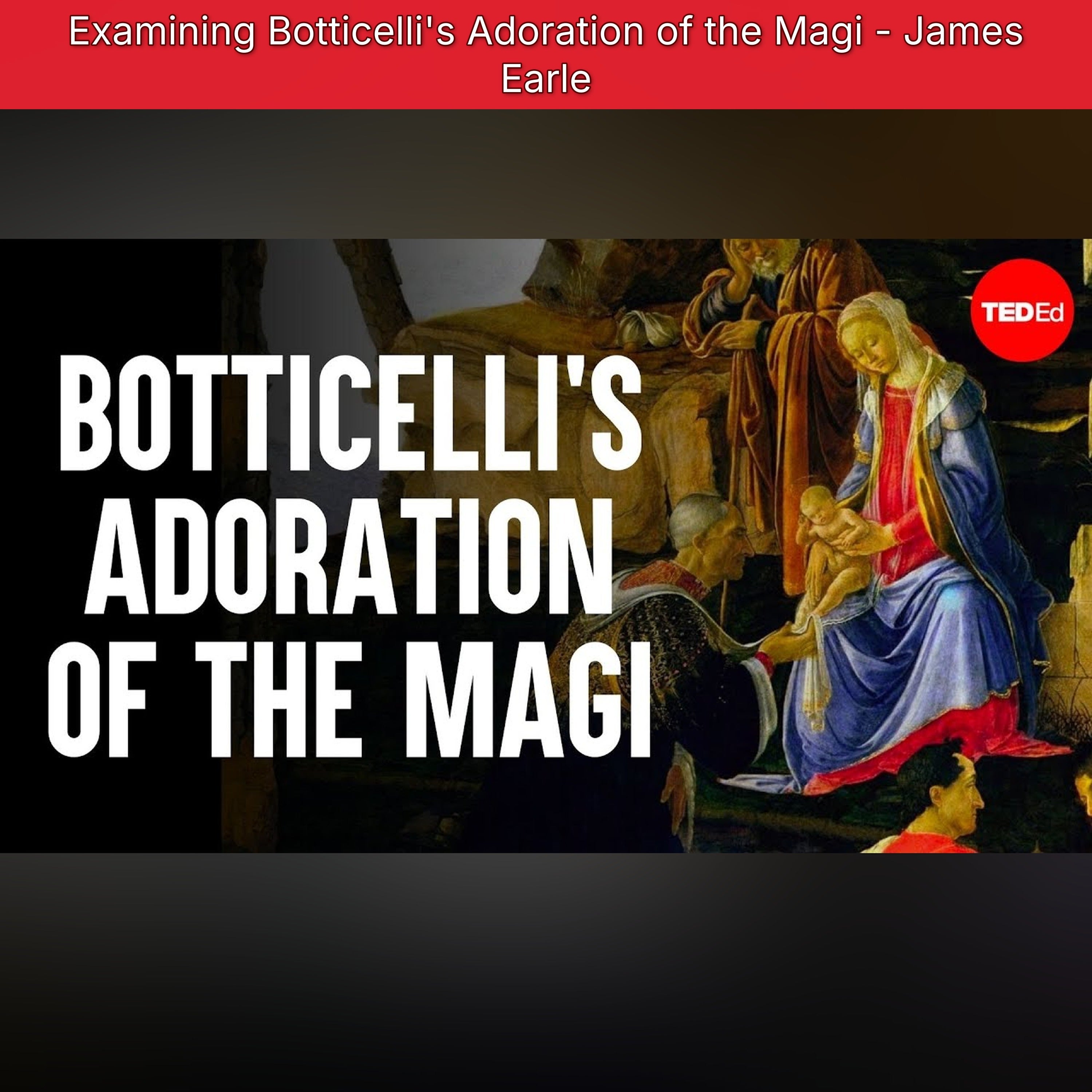
View full lesson: http://ed.ted.com/lessons/dissecting-botticelli-s-adoration-of-the-magi-james-earle The scene of the three wise men offering gifts to a newborn Jesus was widely painted during the Renaissance era, so how did painter Sandro Botticelli create a version that's still well known today? James Earle describes who and what set Botticelli's Adoration of the Magi apart in the annals of art history. Lesson by James Earle, animation by Buzzco Associates, inc.