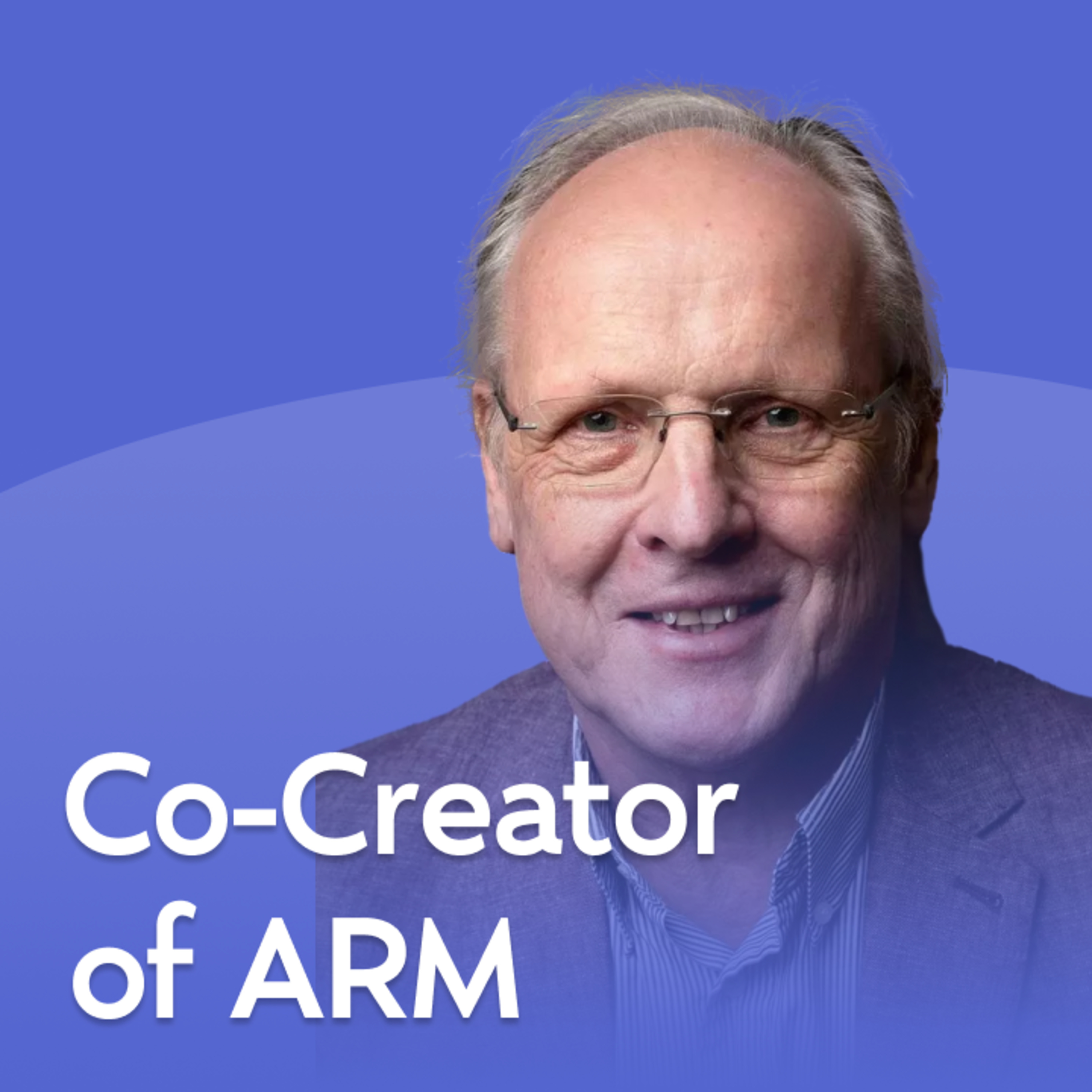
In 1984, two first-time chip designers, Steve Furber and Sophie Wilson, created what would become the most popular processor in the world (ARM). I interviewed Steve about how they did it with such a small team that had no formal training. We also covered a bunch of questions about hardware design and his answers were so clear. I learned a lot and hope you enjoy the episode! Podcast links: • YouTube: https://www.youtube.com/watch?v=3K9L0dRRzOs • Transcript: https://www.developing.dev/p/e075-steve-furber Thank you to this episode's sponsors for supporting my work: • Chargebee: billing and monetization infrastructure for the AI economy, so your pricing can evolve alongside your product, check them out at https://www.chargebee.com/ Timestamps: (00:00) Intro (00:27) Building his first computer (05:28) BBC Micro (10:28) Designing the ARM processor (17:15) Why their design was better (23:38) Emulators and interpreters (25:58) Instruction sets and microarchitecture (31:08) How they learned chi
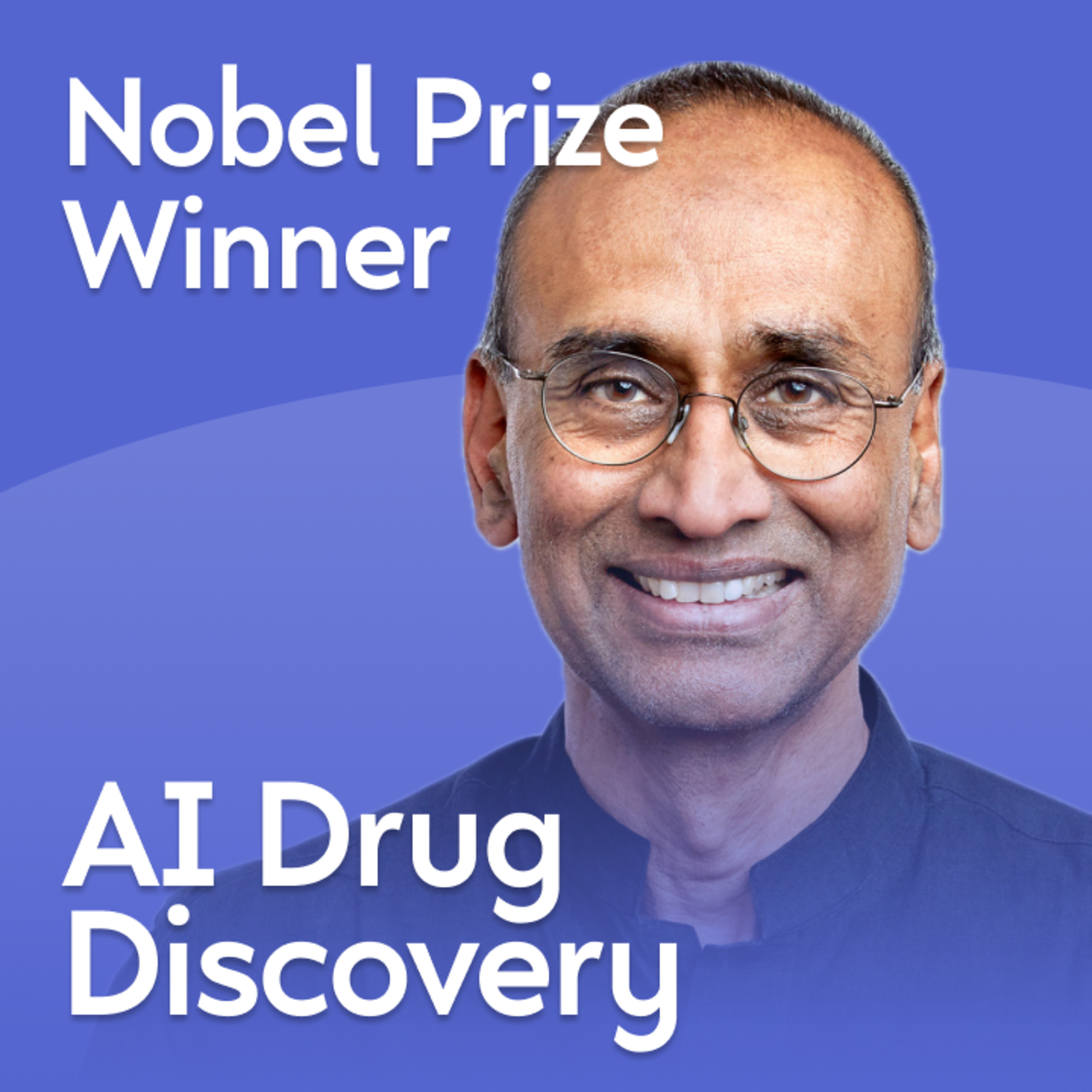
Venki Ramakrishnan (Molecular biologist, Nobel Prize): "The experimental part [of drug discovery] is always going to be the bottleneck." Recent headlines about using AI to speed up drug discovery made me curious about what that looks like and where it is today. So I flew to the UK to interview Venki Ramakrishnan who is on the scientific advisory board of Demis Hassabis' Isomorphic Labs. He has described himself as a "failed physicist" starting originally with a physics PhD who changed fields because he felt his work was incremental. After pivoting into molecular biology without a degree he discovered the field of work that eventually led to his Nobel prize. So aside from drug discovery, I also asked him about how AI is impacting the field of biology, how biology compares to physics, and the politics behind the Nobel prize. Podcast links: • YouTube: https://www.youtube.com/watch?v=-1q0zA21AkY • Transcript: https://www.developing.dev/p/e074-venki-ramakrishnan Thank you to this episode's
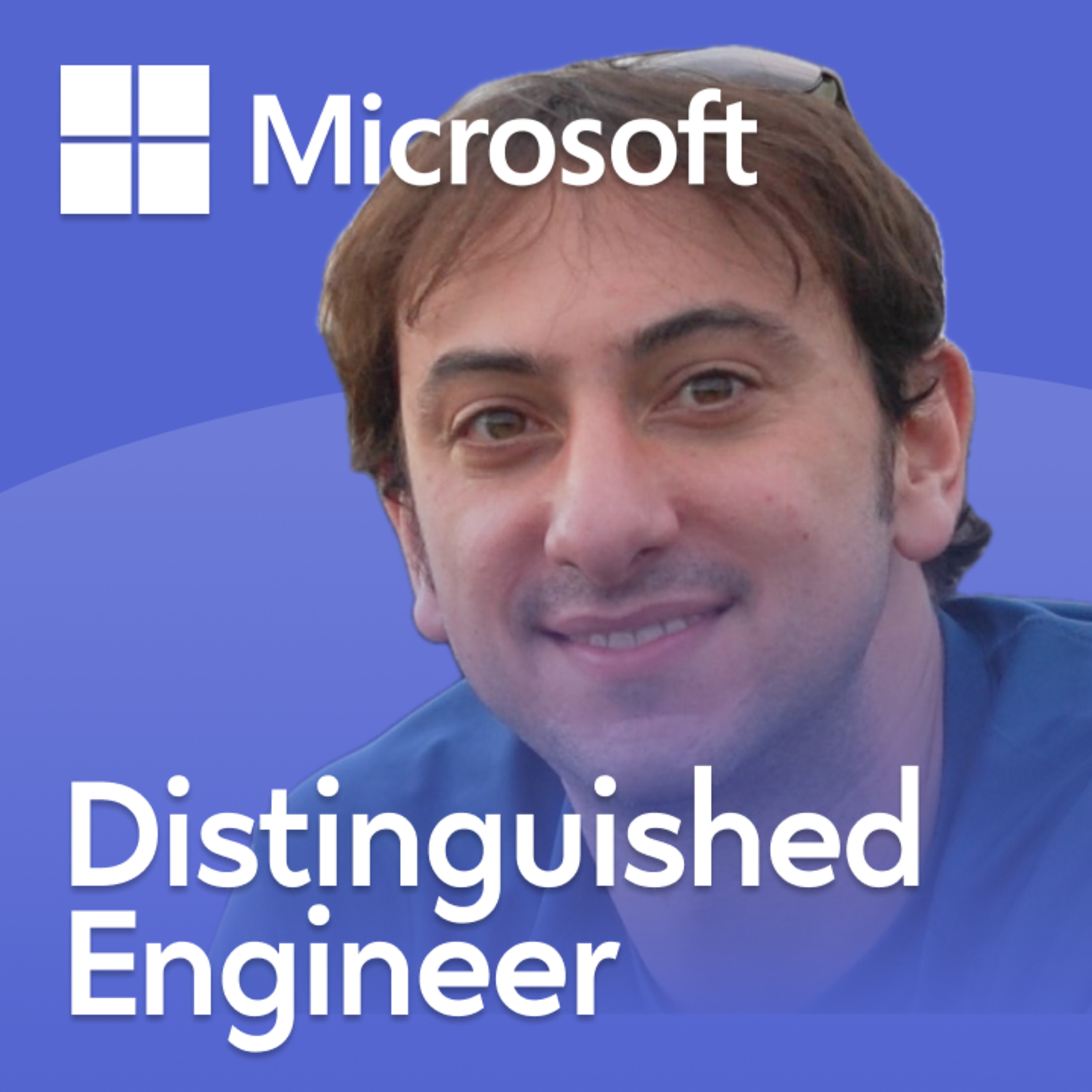
Stephen Toub is a Distinguished Engineer at Microsoft who single-handledly rewrote the GitHub Copilot runtime (400,000-line codebase) in Rust. We talked about why/how he did it, how Rust compared with other languages, and everything he learned in the process. Podcast links: • YouTube: https://www.youtube.com/watch?v=PLMOVlZC4eU • Transcript: https://www.developing.dev/p/e073-stephen-toub Thank you to this episode's sponsor for supporting my work: Timestamps: (00:00) Intro (01:06) Why the Copilot runtime needed a Rust port (05:38) Why he chose Rust (11:28) Discussing rollout strategies (21:57) How he caught regressions (32:08) Guiding the agents (42:11) Catching regressions before prod (45:16) Which models he used (50:03) The end benefit and costs (01:03:24) When to do a full rewrite (01:06:40) Career learnings on the way to Distinguished (01:16:00) Top technical book recommendation (01:17:49) Advice for young engineers (01:21:00) Outro Where to find Stephen: • GitHub: https://github.co