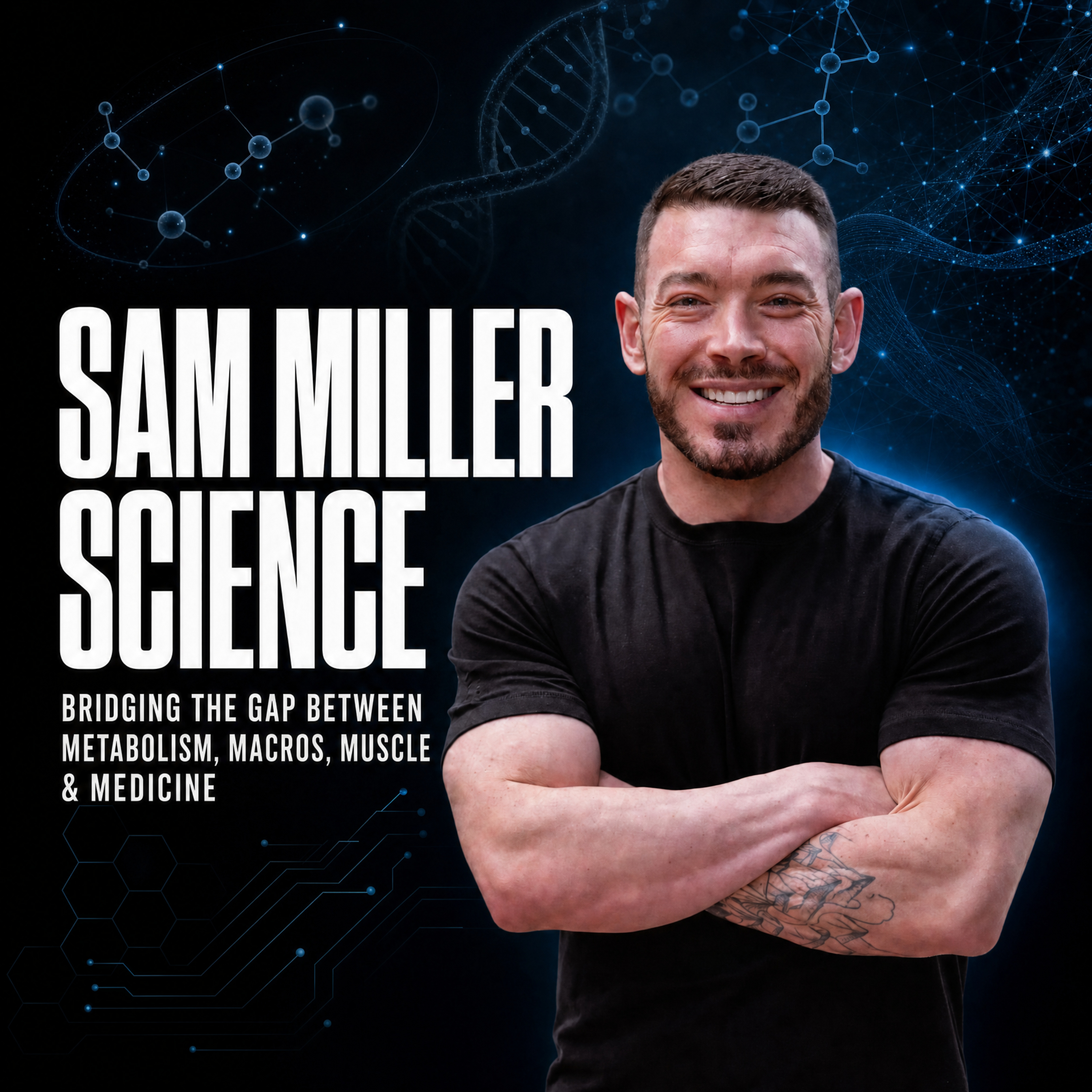
In this featured guest replay on the Down To Health Podcast (https://open.spotify.com/show/6jZfPJY5XI8tClBounZ2Ka?si=5b6a30075f434074), I break down one of the most persistent ideas in health and fitness: that your metabolism is broken when fat loss stalls. I explain why this language misses the mark, what metabolic adaptation actually is, and how hormones, energy intake, activity, sleep, training, and behavior all interact to influence the outcome. This is a practical conversation about replacing simplistic explanations with better questions, more accurate physiology, and a strategy that matches the person, the goal, and the season they are in. Topics discussed: - The myth - What metabolic adaptation actually means - Why calories and hormones both matter - How fat-loss strategies change - The P3 model - GLP-1s, and muscle retention - Why strength training matters - Common mistakes ---------- www.metabolismschool.com (http://www.metabolismschool.com/) ---------- [Free] Metabolism Schoo
In this episode, we sit down with Dr Hazel Wallace – former NHS doctor, women's health nutritionist, author and founder of The Food Medic – to discuss the biggest misconceptions surrounding women's health and nutrition. We dive into why under-fuelling can have serious consequences for female athletes, how your menstrual cycle impacts nutrition and performance, and why losing your period should never be considered a sign of athletic success. We also cover supplements, creatine, electrolytes, protein, gut health, sleep, caffeine and how to build a balanced diet that actually supports your training and everyday life. New episodes every Tuesday and Friday. 00:00 -Meet Dr Hazel Wallace: From Doctor to The Food Medic 04:00 - Working on the NHS Frontline During COVID 07:00 - Why Women's Health Research Is Falling Behind 09:20 - How Your Menstrual Cycle Impacts Nutrition 15:50 - Losing Your Period? The Dangers of Under-Fuelling 21:15 - How to Improve Your Sleep Through Nutrition 26:15 - Sugar,
Your gut is trying to tell you things, most of us just aren't listening. Dr. Vinod Hegde is a Gastroenterologist at HealthBay who sees, day in and day out, how quietly conditions like fatty liver and chronic acid reflux build up before anyone takes them seriously. In this episode, we talk about why fatty liver disease is rising so fast, why reflux is about more than just "too much coffee," and what your digestion is actually telling you about the rest of your health. If you've ever brushed off bloating, heartburn, or fatigue as "just how it is," this episode might change your mind. Find Dr. Vinod on Instagram: Website: https://healthbayclinic.com Find us on instagram: @wearemothertongue SHOWNOTES:
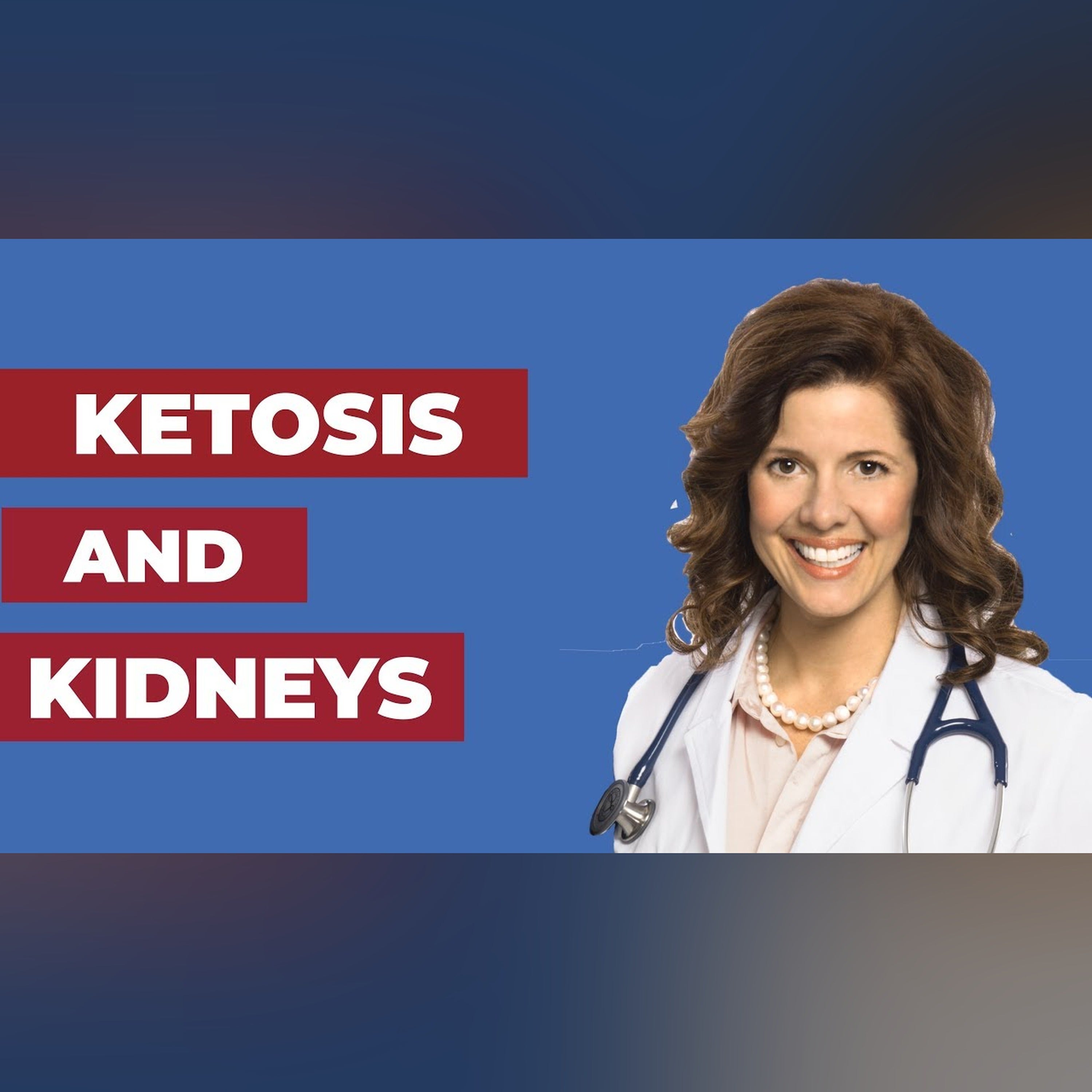
Can I go Keto if my Kidneys don't work? Kidney Function: We use the term KIDNEY FUNCTION to tell patients how well their kidneys are working. Kidneys are those quiet little organs that do a great deal of work but don’t “speak” much. Read the blog post: https://bozmd.com/ketosis-and-kidneys-lets-set-the-kidney-keto-record-straight/ --------------------- The Workbook: https://bozmd.com/product/ketocontinuum-consistently-keto-diet-for-life-paperback-edition/ --------------------- Thanks for checking out the Dr. Boz Channel. See links below resources and recommendations. Tune in Tuesday nights, 6PM Eastern/5PM Central to watch me Live! We improve health - One ketone at a time. --------------------- FREE STUFF 50 Keto Fat-Facts: http://on.bozmd.com/50fat Dr. Boz Ratio Spreadsheet: http://on.bozmd.com/DBR Documentary Playlist: https://on.bozmd.com/AT --------------------- Dr. Boz’s Online Courses: Consistently Keto: http://on.bozmd.com/CK BRAINS: https://bozmd.com/Brains_t2r/ ---------------
Paper: https://www.nature.com/articles/s42255-024-00978-0 BMJ human RCT: https://pubmed.ncbi.nlm.nih.gov/30429127/ Video editing generously provided by Vincent at House of Macadamia 0:00 - Fast vs Slow Metabolism, Intro 0:37 - Defining the Question 1:15 - New research in Nature Metabolism 2:26 - Fusion and Fission 2:44 - In obesity, Fission and Fusion are out of balance 3:03 - Results 5:35 - I'm Nerding out, Hard! 6:45 - Relevance 7:58 - LCD metabolic advantage WHAT ABOUT specific dietary components and mitochondrial fusion? … Thanks to @AnouarElHaji on X (Twitter) for reminding me about this fantastic 2018 Nat Comm paper and asking me to comment. I LOVE community input! (nb: I say remind because he points out “You used to have a YT video discussing this paper,” which I did, lol… TBT!) Overview of this other mito fusion paper: A set of experiments, including a double-blinded human RCT, showing that the saturated fat stearic acid (C18:0; this annotation means 18 carbon fatty acid with 0
Why are so many doctors still scared of HRT? A medical student explains where that fear comes from and how it spreads. Toby first saw the problem as a teenager, when his mum, a biology teacher, went to her GP for HRT and was given an outdated FSH test instead. Now in his second year of medical school, he says hormone problems come up on GP placements more than anything else, and the risks of hormone treatment are raised in almost every consultation, often as defensive medicine. Louise explains why NICE guidance mentions risk far more often than benefit, why grouping synthetic and bioidentical hormones together confuses busy doctors, and why the WHI study still shapes prescribing. They also talk about how hard it is for junior doctors to question a senior, and why a 19-year old with endometriosis was told pregnancy would fix it. Toby closes with three take-home tips for changing how every doctor learns about hormones. Chapters 00:00 Why would Louise go back to medical school? 00:46 Why
Rodelle went to bed after minor surgery and woke up 36 hours later in ICU. Thirteen months on, she's on pens with an A1C around 5.6. Eversense CGM (https://bit.ly/evercgm) MiniMed (https://bit.ly/jbpmini) Tandem Mobi (https://bit.ly/4hyIrTn) ** Dexcom G7 (http://bit.ly/DexAd) Touched By Type 1 (http://bit.ly/TByType1) Take the T1DExchange (https://bit.ly/t1dexjbp) survey Thank you! *The Pod has an IP28 rating for up to 25 feet for 60 minutes. The Omnipod 5 Controller is not waterproof. RX ONLY. Safety info: tandemdiabetes.com/safetyinfo
Thank you for watching the Q&A with Mara Wilson! Listen to Mara read the Nothing Much Happens episode “Ship in a Bottle”. (https://youtu.be/KaqDlqQ666M) It’s a story about a crate of bequests ready to be unwrapped. It’s also about the dark bark of oak trees after a storm, garden benches waiting to be sat on and the ordinary magic of handmade things. Like so many people, I first knew Mara through the stories she helped bring to life on screen, but over the years, I’ve come to admire her just as much as a writer, a storyteller, and voice actor/audiobook narrator. In fact, she beautifully voices a part of my new audiobook On the Street Where You Live (https://www.simonandschuster.com/books/On-the-Street-Where-You-Live/Kathryn-Nicolai/9781668158272). You can learn more about Mara and the projects she is working on here (https://linkin.bio/marawilson/).
Did this episode resonate? Text me — I actually read these. (https://www.buzzsprout.com/823249/fan_mail/new) Feeling better after years of chronic health challenges can bring enormous relief. But what happens when the urgency fades and you realize there's still more you want to build? This conversation builds on an earlier episode that resonated deeply with listeners: Season 2, Episode 30 — The Phase No One Talks About: Slow Rebuild, Nervous System Repair, and Why I Went Quiet. If you haven't listened yet, I encourage you to revisit that episode for more context on the slow rebuild phase. Today's conversation takes that exploration further, into what it means to build lasting capacity once the urgency of recovery begins to fade. In this episode of Rewilded Wellness, I'm revisiting The Slow Rebuild: The Phase No One Talks About from a year ago and exploring a deeper layer of long-term health restoration. We look at how years of chronic stress, survival patterns, digestive dysfunction, a
Real Cases, Real Thinking, Real Medicine Amie and Ben discuss a case of 78 year old male with a funny turn. Can Amie figure out what is going on? As you listen, ask yourself: can you figure out the diagnosis? What would you have done in the situation? Links & Resources RCPE Education: rcpe.ac.uk/education (https://www.rcpe.ac.uk/education) Connect With Us Email: [email protected] YouTube: Home of Medicine Channel (https://www.youtube.com/@homeofmedicine1704) Disclaimer: All patient stories discussed in Home of Medicine are informed by real patient interactions. However, all identifying details have been removed or appropriately modified to protect patient confidentiality. This podcast is intended for education and professional development and should not replace independent clinical judgement or specialist consultation.
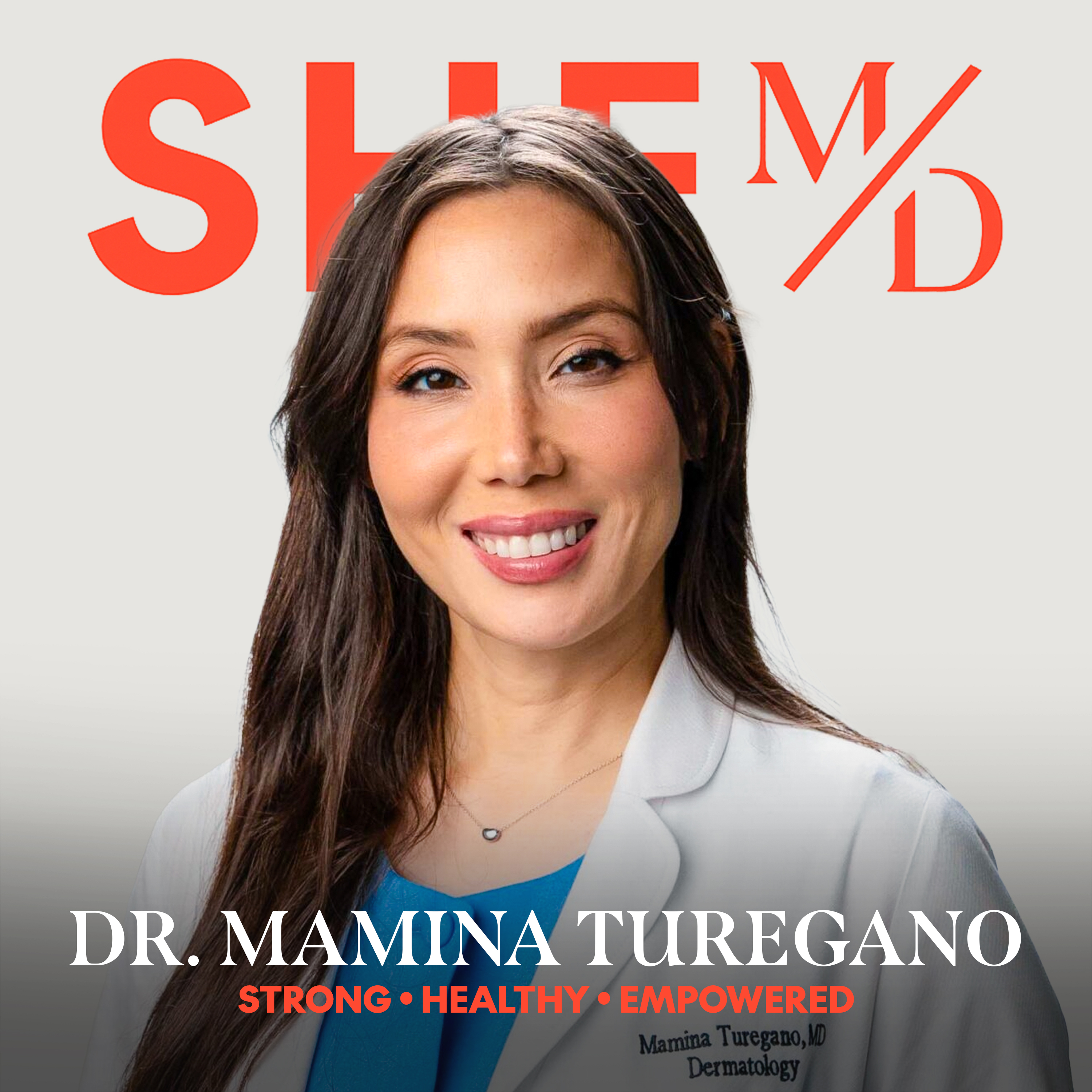
Dermatologist Dr. Mamina Turegano joins SheMD to explain why skin can change so dramatically during perimenopause and menopause and what women can actually do about it. As estrogen declines, women may notice drier and thinner skin, wrinkles, loss of collagen, crepey texture, rosacea, adult acne and increased sensitivity to products they used for years without a problem. Dr. Turegano walks us through the skincare ingredients she recommends most for midlife skin, including retinoids, vitamin C, exfoliating acids, moisturizers and sunscreen, and explains how routines may need to become gentler as skin changes with age. She also weighs in on topical estrogen cream for the face, collagen supplements, peptides, exosomes, snail mucin, beef tallow and other skincare trends flooding social media. Plus, Dr. Turegano explains how she treats hormonal acne, rosacea and melasma, what women should know about lasers and crepey body skin, and why hormonal changes and GLP-1 medications may contribute to
It's Ticked Off Tuesday and Jared is complaining with YOU about Delta Sky Club food options that miss the mark Amazon deliveries arriving in five separate cars School fundraisers and pushy teachers Nail salon etiquette and an uncomfortable manicure Call in to leave a voice message for Jared! (347) 454-1398 Check Jared’s New NETFLIX Special Jared is on tour! jaredfreid.com (https://punchup.live/jaredfreid) Right now, save 30% on mattresses and up to 35% on everything else when you go to https://Casper.com (https://casper.com/) #ad
Phoebe’s waters had been broken for over 48 hours when a midwife coming back on shift raised the alarm. Phoebe is a London mum of three and the founder and CEO of health tech app Inherit. Phoebe went into her first birth feeling prepared. She’d done her NCT classes, stayed off social media, and made it to her Christmas Day due date after a pregnancy spent being sick more than 20 times a day with hyperemesis. Two days later her baby was barely moving, so she was induced at St Thomas’ in London. Over the next few days, on a packed ward between Christmas and New Year, her contractions kept coming but she stayed at two centimetres, even after her waters broke on their own. Late on New Year’s Eve the midwife who had been there when her waters broke came back on shift and saw she was still waiting. Bloods showed a severe infection and her baby’s heart rate had dropped, so Phoebe was rushed to theatre for an emergency caesarean. Her daughter Evie was born not breathing, and the team got her b
Join Drift Off Premium for fresh new bedtime stories every Tuesday & Thursday. Tonight, I'm happy to share Part 1 of The Gypsy's Cup, a story originally released on the Drift Off Premium feed on January 23, 2025, and now available for everyone to enjoy on the regular podcast feed. There's something especially lovely about settling into a story told over several parts, knowing there's more to look forward to. Tonight, we begin this tale together, leaving the busyness of the day behind as we ease into a quieter, more peaceful state of mind. Whether you're listening at bedtime or simply taking a little time to unwind, I hope the gentle pace of tonight's storytelling brings you comfort and helps you drift toward a restful night's sleep. Sweet dreams! Thank you! • Fresh new premium episodes every Tuesday & Thursday • Instant access to the complete premium archive • Exclusive access to a library of 12 full-length audiobooks Not using Apple Podcasts? You can subscribe through Supercast here:
Suranne Jones speaks to Just As Well about body confidence, feeling strong at 48 and finding a way of looking after herself that fits her life. She reflects on the body that has carried her through difficult times, and why it matters to feel proud of it. Suranne also shares her approach to the constant stream of advice about what to eat and how to live: work out what suits your own body. Plus, she talks about recognising the wins in everyday life, balancing career and family, and the value of making time to notice how far you’ve come.
How many hours a day do you spend sitting? Is it 8 hours in the office, 2 hours commute, plus however long it takes to watch a movie or binge a new show? Many of us spend most of our time sitting. But is conventional wisdom of an hour of exercise enough to remedy the negative effects of sitting most of the day? In this episode, Manoush Zomorodi shares what you can do as an alternative to sitting all day. Then a TED Ed lesson by Murat Dalkilinç on exactly why sitting is bad for you. Talks featured Sitting all day is killing you — here's what to do about it | Manoush Zomorodi Why sitting is bad for you | Murat Dalkilinç Hosted on Acast.
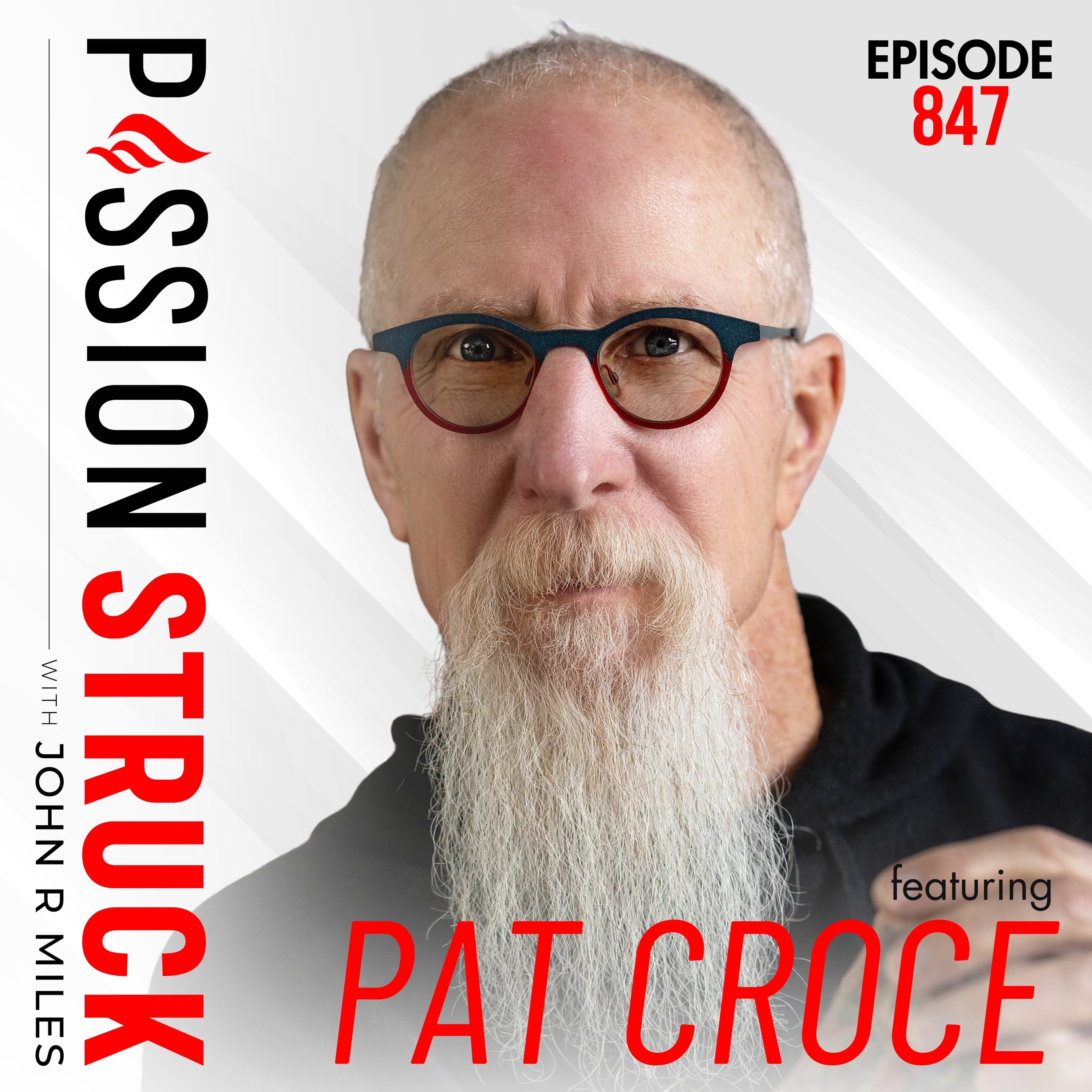
What if the happiness you've been chasing through achievement, recognition, and success has been available to you all along? Pat Croce built an extraordinary life as an entrepreneur, sports medicine pioneer, martial artist, adventurer, bestselling author, and former owner of the Philadelphia 76ers. Yet even after accomplishing more than most people could imagine, he discovered that external success couldn't resolve the deeper longing within him. That realization led him on a remarkable journey into mindfulness, spirituality, and a fundamentally different understanding of who he really is. In this conversation, Pat joins John R. Miles to explore the transformation behind his new book, Enjoy Your Self Now. They examine why we become attached to the identities we've constructed, how the voice in our heads can become our greatest obstacle, and what changes when we recognize ourselves as something deeper than our thoughts, emotions, and accomplishments. In this episode, you'll discover: Why
This week on Oversharing, Jordana and Dr. Naomi kick things off with a very important question: Why can't Jordana keep a white shirt clean? This week's Overshare comes from a listener struggling to stay focused behind the wheel, sparking a conversation about mindfulness and our constant need to multitask. Next, a Betchicist email asks how to support a friend who keeps forgiving her cheating boyfriend without pushing her away. Dr. Naomi offers an Intention to a listener whose newly divorced 61-year-old mom is embracing her dating era a little too enthusiastically, complete with men her daughters' age. Finally, they're Triggered by a bachelorette guest who refuses to pay for drinks she didn't consume (down to the last Olipop), and a family trying to turn a baby shower into an unexpected reunion.
Finding something earlier must always be better, surely? Dr Margaret McCartney has spent thirty years saying that just because something sounds like a good idea, it doesn't mean it has been shown to be one. In this episode, I'm joined by Margaret, a GP and the author of The Patient Paradox. I read her book years ago, when I was a fairly new GP partner, and it changed how I looked at testing and awareness campaigns. We start with why screening people who feel well needs such a high standard of proof, using the PSA test as the example. It was developed to follow men who already knew they had prostate cancer, and the man who brought it into public use later called screening with it a public health disaster. We talk about what Australian data shows when men are given high-quality information, and why explaining any of this is so hard in a ten or fifteen minute appointment. Then we turn to the market in home test kits, subscriptions and full body scans. Margaret explains why a false positiv
What does it really take to build a brand? Not just the business side of things, but the emotional, physical and mental commitment that comes with it? This week, I'm joined in my kitchen by Josh Rose, founder of Hii Club, the fitness brand elevating the way we work out and hang out. With ambitions to become more than just a workout, Hii Club is building a community and a lifestyle that people want to be part of. But how do you actually create that? Josh and I sit down to talk about the reality of building a brand and running a business that's open seven days a week, across the country. From the sacrifices and challenges to the passion, pressure and resilience needed to keep showing up, we get into what it really takes to turn an idea into something much bigger. Whether you're building a business of your own, dreaming of starting something or simply curious about what goes on behind the scenes, this conversation is for you. Topics we cover: What does it take to build a brand The physica
Prediabetes isn't an inevitable step toward Type 2 diabetes; restoring normal glucose regulation is emerging as a more meaningful prevention goal than simply slowing disease progression Diabetes risk builds across your lifetime, starting even before birth, making early attention to metabolic health important long before blood sugar reaches the prediabetes range People who reached prediabetes remission had a 53% lower adjusted risk of cardiovascular death or hospitalization for heart failure when results from long-term U.S. and Chinese studies were combined Among people who all lost at least 7% of their body weight, those who also reached remission had a 76% lower probability of developing Type 2 diabetes over six years than those who remained prediabetic Improving insulin sensitivity and metabolic health matters beyond weight loss alone, so your strategy should address food quality, daily movement, cellular energy and insulin resistance rather than focusing only on the scale
Every year, thousands of dietitians come together at the Food & Nutrition Conference & Expo® (FNCE®) to share what’s next in our field. What did we hear on the floor in 2026? In this special episode, host Dr. Ginger Hultin, DCN, RDN, CSO, takes The Good Clean Nutrition Podcast live for the first time from San Antonio at FNCE 2026, the Academy of Nutrition and Dietetics’ annual Food and Nutrition Conference and Expo®. Over a single afternoon, Ginger and six experts explore the biggest conversations in nutrition right now. Together, they discuss rising food costs, consumer trust, and updated cholesterol guidance, along with the growing role of AI in patient care. From GLP-1 medications to pediatric weight counseling and healthy aging, each conversation offers a practical takeaway. If you want expert-backed answers on the nutrition topics making headlines, this episode has you covered. In this episode, we’ll cover: [00:01:52] Lauren Hoffman: What’s really shaping consumer food choices [00
For 14 years, Doug had "perfect" cholesterol, yet his arteries were silently calcifying. How could his doctors miss the signs of a major cardiac event? They weren't looking at the right metric. -------------- The Workbook: https://on.bozmd.com/BozWorkbook --------------------- Thanks for checking out the Dr. Boz Channel. See links below resources and recommendations. Tune in Tuesday nights, 4PM Eastern/3PM Central to watch me Live! We improve health - One ketone at a time. --------------------- FREE STUFF 50 Keto Fat-Facts: http://on.bozmd.com/50fat Dr. Boz Ratio Spreadsheet: http://on.bozmd.com/DBR Documentary Playlist: https://on.bozmd.com/AT --------------------- Dr. Boz’s Online Courses: Consistently Keto: http://on.bozmd.com/CK BRAINS: https://on.bozmd.com/BrainsT2R --------------------- WAYS TO SUPPORT THIS CHANNEL: Share Dr. Boz content with people you love. Everyone wins when you share. Buy Dr. Boz Products: Dr. Boz Food Guide: http://on.bozmd.com/FoodGuide Walmart: https://on.
@BMAtv What could GP list cleansing mean for practice funding and patient access? Tommy Perkins speaks with Dr Clare Bannon, chair of the BMA’s GP Committee in England and a GP partner in Barnsley, about the pressures facing general practice and the BMA’s priorities.They discuss FP69 notices and patient removals, the potential funding impact on practices, how practices can challenge removals they believe are in error, and the risk of reduced appointments. Dr Bannon also explains the BMA’s request for an additional £50 per patient in core funding, the upcoming GP contract talks, neighbourhood arrangements and Plan B options.They also discuss why partnership matters for continuity of care and what the future of general practice could look like.This episode shares the guest’s views and discussion; it is not an official BMA statement. Individual: https://investengine.com/affiliate-welcome/?utm_medium=Affiliate&utm_source=Medics Money&utm_content=Podcast&partner_id=550 (https://investengine