Earth's early history may have been shaped by a powerful force we rarely consider: its changing rotation. New research suggests that as our planet gradually slowed down, its crust underwent significant deformation, potentially explaining some of the mysteries behind its earliest geological evolution. This episode includes AI-generated content.
If you go on the internet, you'll find a lot of experts using the internet to tell us why the internet is destroying our kids' mental health. But Ginny Yurich, the founder of 1000 Hours Outside and author of Until the Streetlights Come On, says the decline in kid and teen mental health started in the sixties, and is more linked to kids having less autonomy and time outside, and too much structure with school and extracurriculars. Michael speaks with Ginny about where the 1,000-hour number comes from, how busy families fit it in, how to handle screens without banning them, why bad weather and a little discomfort are good for kids, and where any family, or any adult, can start. They discuss: (00:00) Cold open (00:47) Where 1,000 hours comes from (05:32) Her first good day as a mom (09:25) Minutes outside, hours on screens (11:21) When both parents work (14:56) It works for adults too (17:48) Getting screen-loving kids outside (23:29) Screen time without saying no (25:56) Why play takes 4
You know that uneasy feeling when someone or something gives you the creeps? Is your brain picking up on a hidden danger, or is something else going on? There's some fascinating science behind what makes things creepy and why certain people and situations trigger that feeling. https://www.smithsonianmag.com/science-nature/science-creepiness-180957093/ The world doesn't smell the way it used to. Some odors that were once part of everyday life have disappeared, while others have taken their place. But did people in the past actually smell worse than we do today? What did cities and homes smell like centuries ago? And why haven't we figured out how to eliminate unpleasant smells? Will Tullett, a historian and senior lecturer at the University of York, has spent years studying the history of smell. He joins me to reveal how smells have changed over time, how they shape our lives, and why the history of odors is surprisingly fascinating. He is the author of Sniff: A History of Smells (https
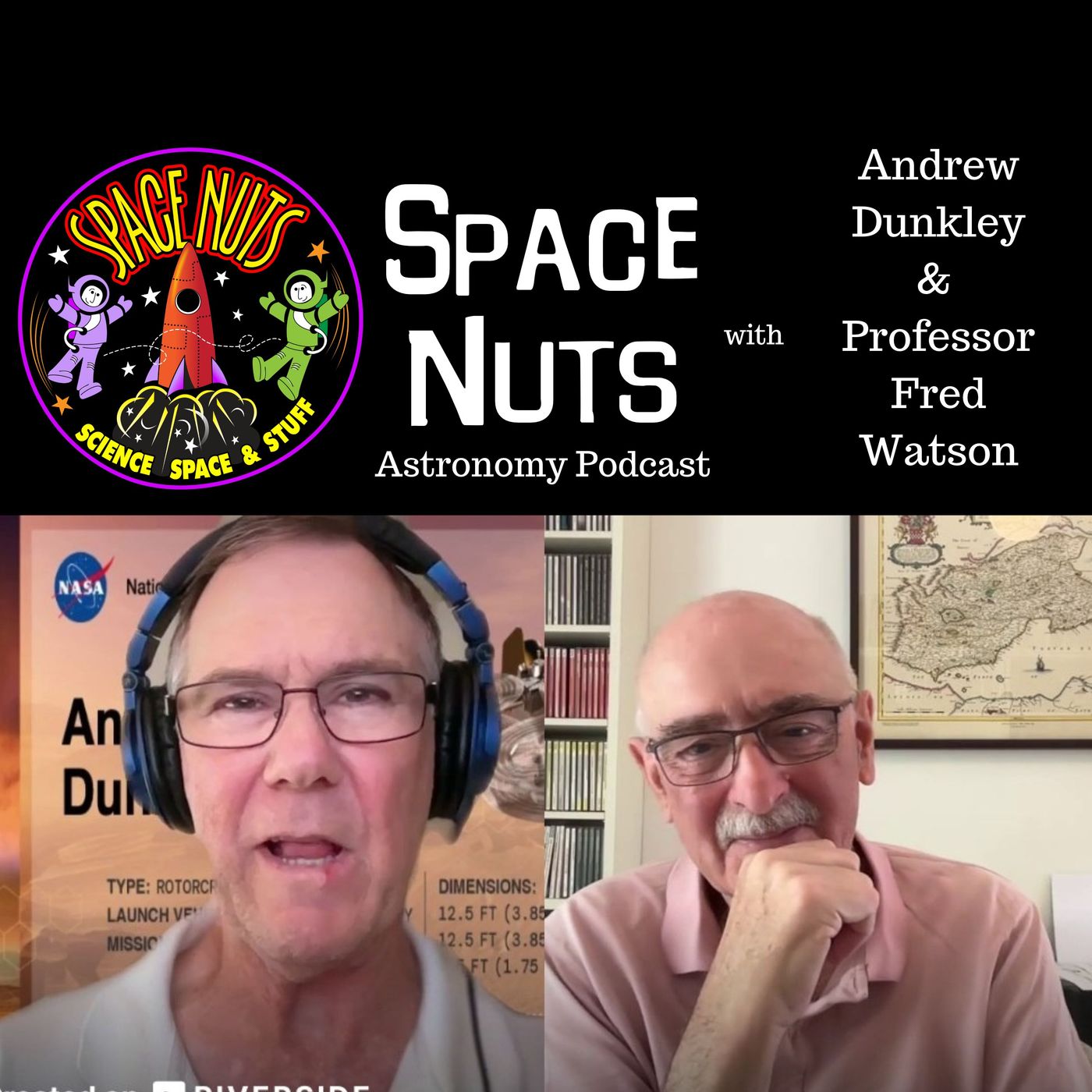
Sponsor Link: This episode of Space Nuts is brought to you with the help and support of NordVPN....the first name you should think of for your online security. To check out special Space Nuts listener deal and save big, visit this URL: www.nordvpn.com.spacenuts (https://www.nordvpn.com/spacenuts) Space Nuts: The M87 Black Hole, a Vanishing Exoplanet and Dragonfly’s Journey to Titan In this episode of Space Nuts, Andrew Dunkley and Professor Fred Watson revisit the Event Horizon Telescope’s landmark image of the black hole in galaxy M87 — and explain how a CSIRO team has now independently confirmed it using artificial intelligence. They then investigate an exoplanet that stopped transiting its star, apparently because the gravity of another planet has tilted its orbit out of view. Finally, Andrew and Fred Watson look ahead to NASA’s Dragonfly mission to Titan, where a flying rotorcraft will explore a moon with methane and ethane lakes. You can even send your name along for the ride. Joi
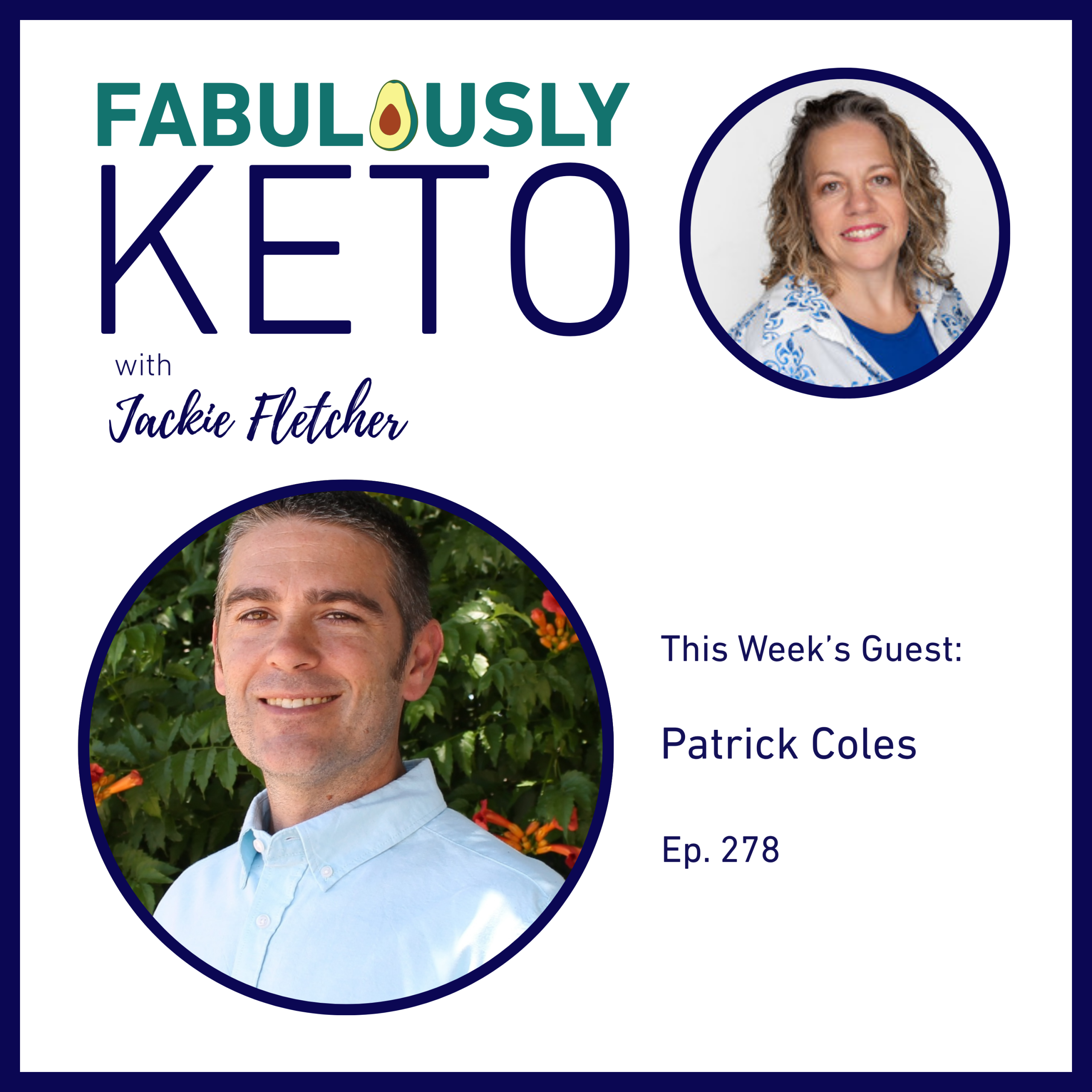
Patrick Coles “I think it’s very important to differentiate between defence mechanisms and actual diseases.” – Patrick Coles Patrick obtained his PhD in Chemical Engineering at Berkeley and his MPhil in Biochemistry at Cambridge. He has co-authored over 170 research papers in physics and computer science. He invented the Toxin Sequestration Theory (TST) of cancer, and he is currently rewriting the theory of disease in terms of toxicity. Patrick’s Top Tips Trust your body. Don’t try to attack your body’s defences. Things like fever, allergies and inflammation are your body protecting you. Give it a healthy, nourishing diet and it’ll do the rest. Carnivore is the diet lowest in toxins. Keto is very good too, because it cuts out sugar, fructose and seed oils. Carnivore just takes it one step further. Keep an open mind and question things. Don’t take things at face value. Trust your own ability to think logically, because you might reason things through better than your doctor Resources Me
Our General Surgery Oral Board Review material includes: 123 audio scenarios 10 interactive video scenarios 97 operative descriptions Oral Board Simulator credits Audio: Each scenario includes two parts. Part A is a perfectly executed general surgery board scenario that mimics the real thing. Scenarios are 5 to 7 minutes long and include a variety of tactics and styles. If you are able to achieve this level of performance in your preparation you are sure to pass the oral exam with flying colors. Part B introduces high-yield commentary to each scenario. This commentary includes tips and tricks to help you dominate the most challenging scenarios in addition to practical, easy-to-understand teaching that covers the most confusing topics we face as general surgeons. We are confident you will find this unique, dual format approach a highly effective way to prepare for the general surgery oral board exam. Please check out the preview episodes below that include Parts A and B, with and withou
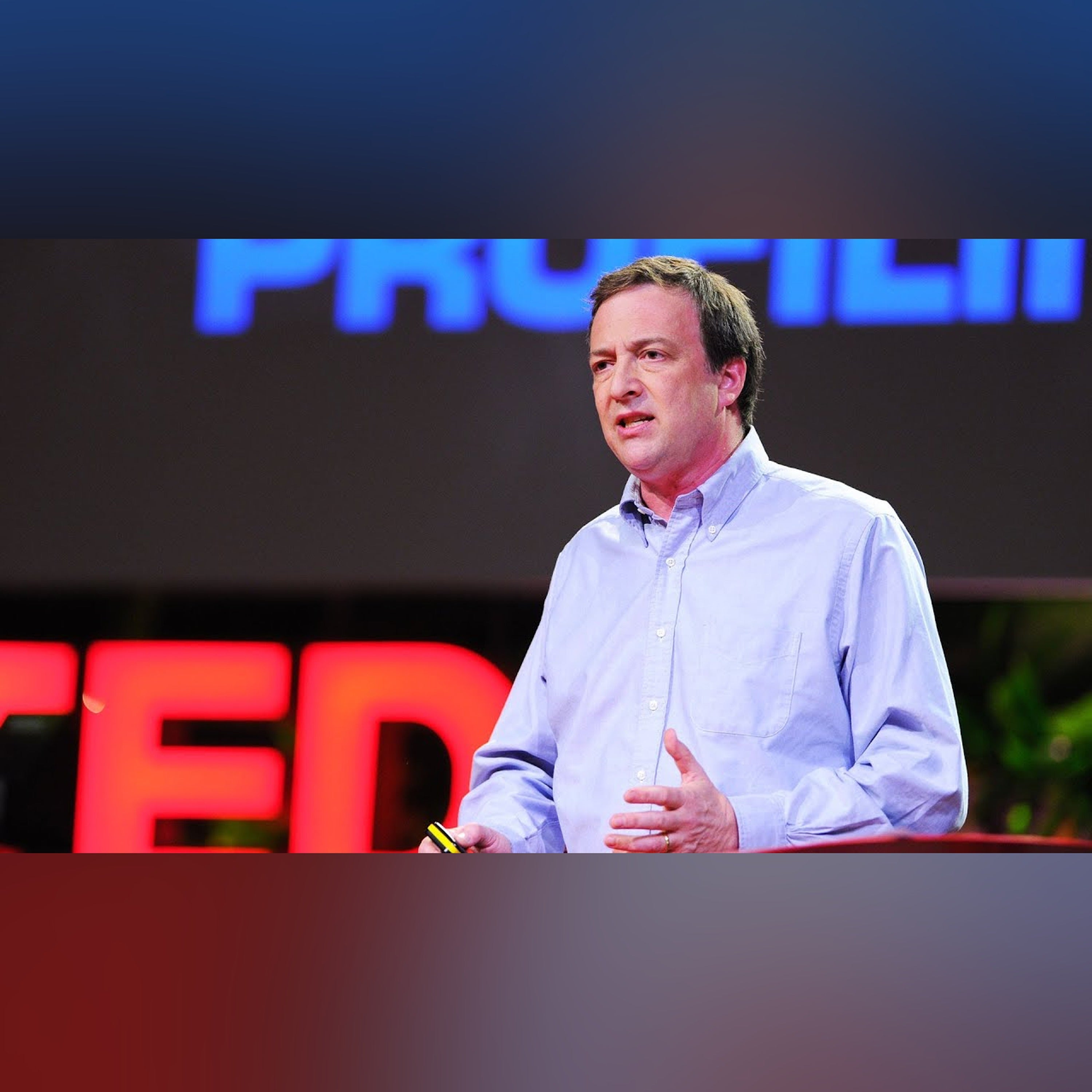
Despite multibillion-dollar investments in cybersecurity, one of its root problems has been largely ignored: who are the people who write malicious code? Underworld investigator Misha Glenny profiles several convicted coders from around the world and reaches a startling conclusion. Uploaded 16-08-13 Talk by Misha Glenny.
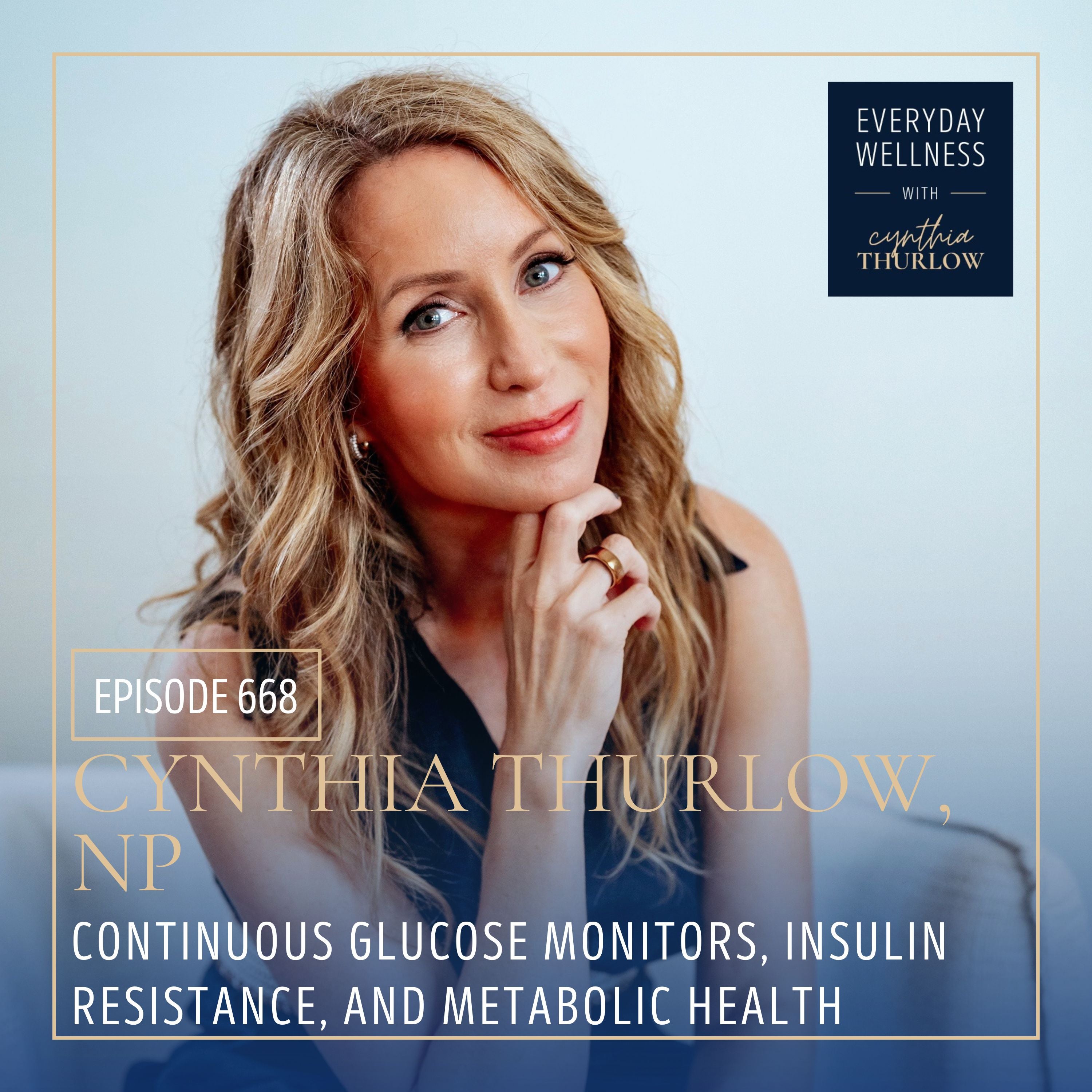
Welcome to this week’s Midlife Minute episode! In this episode, we take a closer look at continuous glucose monitors (CGMs) for individuals without diabetes. Stay tuned to learn what the latest research says, when using a CGM might be worthwhile, and how to interpret your results to understand your own metabolic health—without unnecessary worry. IN THIS EPISODE, YOU WILL LEARN: What the research reveals about CGMs for people without diabetes How CGMs can influence people’s everyday health choices Why glucose responses to the same foods can vary between individuals Why glucose spikes can cause unnecessary anxiety How to approach a CGM trial with a clear plan What to look for when reviewing CGM data Why the gut microbiome matters for personalized nutrition How to decide whether a CGM is worth trying Connect with Cynthia Thurlow Cynthia’swebsite (https://cynthiathurlow.com/). Submit your questions to [email protected] The Midlife Pause Supplement Line (https://themidlifepause.com
Throughout history, prophets and visionaries have claimed to be able to telepathically access knowledge and information that would ultimately steer the course of human history. But if true, where do these individuals get their visions? According to ancient mythologies, there is a universal repository of knowledge known as the Akashic Record. While most mainstream scholars relegate this to the realm of mythology, recent scientific discoveries have opened the possibility that such a repository could actually exist–and is accessible by the human mind. Giorgio A. Tsoukalos meets with neuroscientist Dr. Dario Nardi to measure the brainwaves of Dr. Deepak Chopra as he enters a state of deep meditation to observe the physical chnges in the brain as he connects or taps into something beyond ourselves. Could our ability to tap into the Akashic Record lead to the next giant leap in human evolution–and connect us to other intelligent beings throughout the cosmos?
The warm colors and bright accents of the Bohemian Waxwing might make you think it glows in the dark. For the better part of two thousand years, that’s what people believed. Pliny reported that their feathers “shine like flames” in the dark forests of central Europe. The Germans allegedly used captive birds to light their way at night. But at the end of the sixteenth century, the great Italian birdman Ulysses Aldrovandi dismissed the notion that waxwings emit light. Today, we are fortunate that these winter nomads brighten our days. More info and transcript at BirdNote.org (https://www.birdnote.org/podcasts/birdnote-daily/waxwing-nightlight). Want more BirdNote? BirdNote is a nonprofit. Hosted by Simplecast, an AdsWizz company.
SpaceX Daily Zelensky reports Starshield speed limits resumed at 161 kilometers per hour for frontline troops. Top News Ukraine warns of fresh Starshield disruptions as U.S. envoys arrive in Moscow for talks with Putin Ukrainian President Zelensky stated that Starshield speed limits have resumed at 161 kilometers per hour, hampering frontline military operations. The restrictions affect drone coordination and real-time data links for troops near active combat zones. ... Sources: cnbc.com (https://www.cnbc.com/2026/11/12/starlink-starshield-ukraine-restrictions-spacex.html) · newsquawk.com (https://www.newsquawk.com/headlines/ukrainian-president-zelensky-posts-that-the-spacex-spcx-starshield-system-speed-limits-are-in-effect-at-161-kilometers-per-hour) · straitstimes.com (https://www.straitstimes.com/world/europe/zelenskiy-says-starshield-speed-limited-again-hampering-ukraines-defences) · bloomberg.com (https://www.bloomberg.com/news/articles/2026-11-12/ukraine-says-starshield-limitatio
Are they good swimmers? What are they doing with those gaping jaws? Why are there wild hippos in Colombia? What’s up with pygmy hippos? Actual real life Hippopotomologist Dr. Rebecca Lewison chats about pet hippos, subspecies, daily diets, poo helicopters, terrifying sunscreen, their role as ecosystem engineers, what’s up with their nostrils, and their surprising evolutionary cousins. Visit the Lewison Lab at SDSU (https://www.conservationecologylab.com/) and follow Dr. Lewison on Google Scholar (https://scholar.google.fr/citations?hl=en&user=OUzqVUEAAAAJ) A donation went to The Wechiau Community Hippo Sanctuary (WCHS) (https://wilderinstitute.org/conservation/wechiau-community-hippo-sanctuary/) Full-length (*not* G-rated) Hippopotomology episode + tons of science links (https://www.alieward.com/ologies/hippopotomology) More kid-friendly Smologies episodes! (https://www.alieward.com/smologies) Become a patron of Ologies (https://www.patreon.com/ologies) for as little as a buck a month
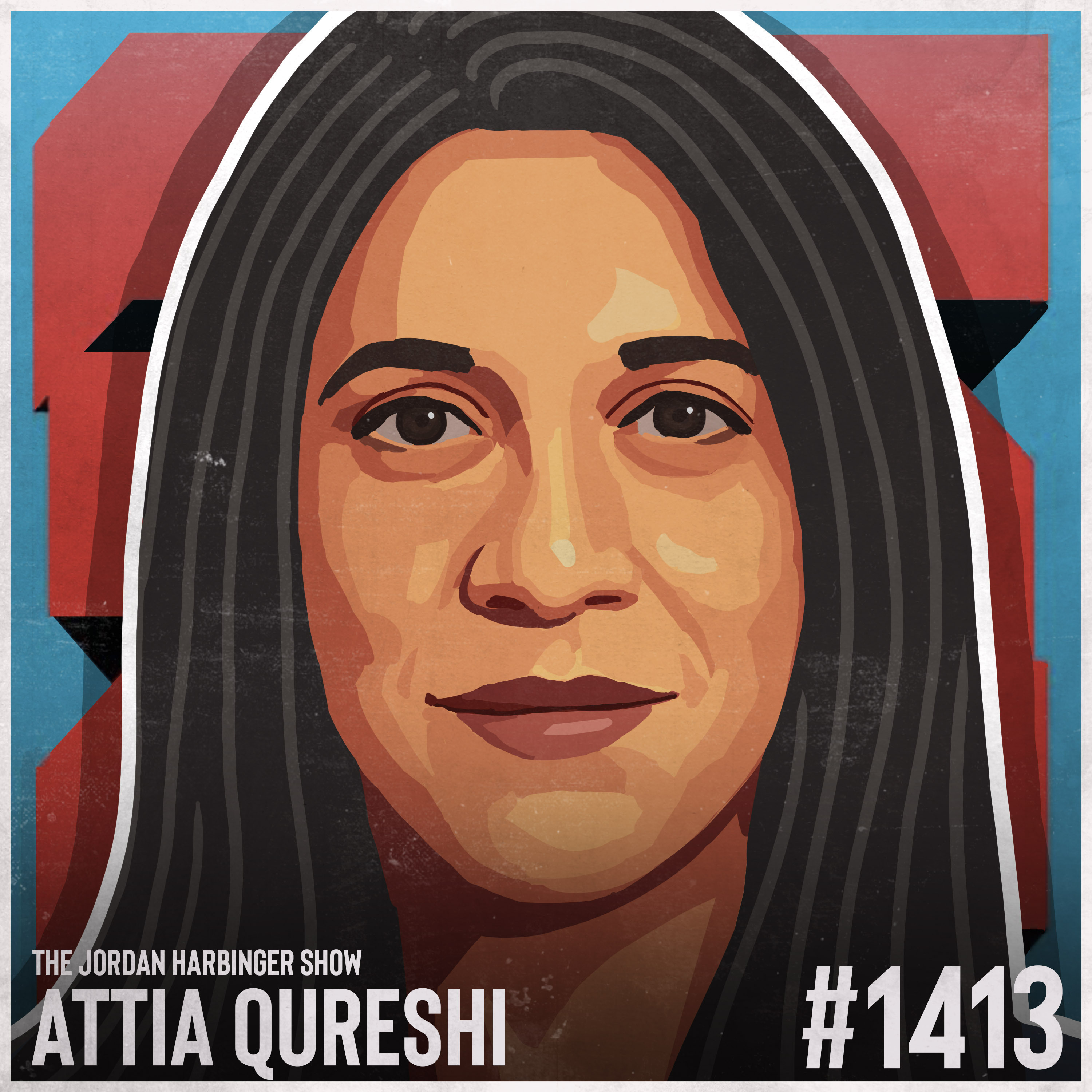
From cartel bosses to cranky neighbors, Attia Qureshi explains how to build negotiation muscle memory in 30 seconds a day — before the stakes get high. Full show notes and resources can be found here: jordanharbinger.com/1413 (https://jordanharbinger.com/1413) What We Discuss with Attia Qureshi: How Attia stood up to a cartel-linked boss derailing a Colombian farming cooperative with a drone, and why showing strength works against bad-faith actors while relational negotiation that meets everyone’s needs wins the other 95 percent of the time. Why small, no-strings gestures of reciprocity (like a box of cherries) can thaw even a hostile relationship and pave the way for a big ask — and the simple test that separates influence from manipulation: would they be upset if you told them exactly what you were doing? Why the “conqueror mentality” and worst-case-scenario thinking keep so many of us from ever making the ask — like the client who took on two promotions’ worth of responsibility over
This week is the 60th anniversary of the very first Mothman sighting, so to mark the occasion, tonight we have a special Best of Mothman episode. Keep it spooky and enjoy! Season 21 Episode 54 of Monsters Among Us Podcast, true paranormal stories of ghosts, cryptids, UFOs and more, told by the witnesses themselves. SHOW NOTES: MAU Merch Shop - https://www.monstersamonguspodcast.com/shop MAU Discord - https://discord.gg/ybjc9KUagY Monsters Among Us Junior on Spotify - Monsterquest "Mothman" - https://www.youtube.com/watch?v=8DLdYna8inY Search for the Mothman - https://www.youtube.com/watch?v=-ZwW7q1mCJc&t=1210s (https://www.youtube.com/watch?t=1210s&v=-ZwW7q1mCJc) Silver Bridge - https://en.wikipedia.org/wiki/Silver_Bridge Mothman Unsolved Mysteries - https://www.youtube.com/watch?v=saciiZan3ug Music from tonight's episode: White Bat Audio Songs: Necronomicon Necromancer Within the Shadows The Shape Returns
In today’s episode of Crash Course Zoology we’re going to solve some phylogenetic mysteries! There are so many more questions we have yet to answer in Zoology so grab some fossils, fire up the DNA sequences, and bring your best hypothesis as we try to figure out where all the baby eels are, explain why spiders seem so lonely, and decide once and for all if horseshoe crabs are arachnids! Learn more about Rae here! https://www.raewynngrant.com (https://www.raewynngrant.com/) Watch our videos and review your learning with the Crash Course App! Download here for Apple Devices: https://apple.co/3d4eyZo Download here for Android Devices: https://bit.ly/2SrDulJ Crash Course is on Patreon! Thanks to the following patrons for their generous monthly contributions that help keep Crash Course free for everyone forever: Michael M. Varughese, Ben Follows, Kyle & Katherine Callahan, Laurel A Stevens, Chris Routh, Evan Lawrence Henderson, Vincent, Emilee Murphy, Michael Wang, Jordan willis, Krystle Yo
In this episode, Clint Smith details his experience as a teenager in New Orleans when Hurricane Katrina made landfall in 2005. The widespread devastation of Hurricane Katrina was a result of faulty levees and a fumbled response by FEMA, and it hit Black residents the hardest. Today, we'll take a closer look at the structural racism that made this disaster so catastrophic. Clint's book, How the Word is Passed is available now! https://bookshop.org/books/how-the-word-is-passed-a-reckoning-with-the-history-of-slavery-across-america/9780316492935 VIDEO SOURCES Modern Racism and Modern Discrimination: The Effects of Race, Racial Attitudes, and Context on Simulated Hiring Decisions - John B. McConahay Jed Horne, Breach of Faith: Hurricane Katrina and the Near Death of a Great American City (New York: Random House, 2006). D’Ann R. Penner and Keith C. Ferdinand, Overcoming Katrina: African American Voices from the Crescent City and Beyond (London, U.K.: Palgrave Macmillan, 2009). Jeremy Levitt
How does our knowledge grow? It turns out there are some different ideas about that. Schemas, Four-Stage Theory of Cognitive Development, and Vygotsky's Theory of Scaffolding all play different roles but the basic idea is that children think about things very differently than adults. Hank explains in today's episode of Crash Course Psychology. Want more videos about psychology? Check out our sister channel SciShow Psych at https://www.youtube.com/scishowpsych! -- Chapters: Introduction: Cognitive Development 00:00 Maturation 1:23 Jean Piaget's Theory of Cognitive Development 1:45 Schemas 2:39 Assimilation & Accommodation 3:03 Sensorimotor Stage of Cognitive Development 3:37 Preoperational Stage of Cognitive Development 4:37 Concrete Operational Stage of Cognitive Development 6:40 Formal Operational Stage of Cognitive Development 7:06 Reception of Piaget's Four-Step Model 7:20 Vygotsky's Theory of Scaffolding 7:48 Review & Credits 8:58 -- Crash Course is on Patreon! Want to find Crash C
Barack Obama was the first Black man elected President in the United States in 2008. In this episode, Clint Smith will explore the early life, political career, presidential campaign, and legislative milestones of Barack Obama. Clint's book, How the Word is Passed, is available now! https://bookshop.org/books/how-the-word-is-passed-a-reckoning-with-the-history-of-slavery-across-america/9780316492935 Crash Course is on Patreon! Thanks to the following patrons for their generous monthly contributions that help keep Crash Course free for everyone forever: Katie, Hilary Sturges, Austin Zielman, Tori Thomas, Justin Snyder, DL Singfield, Amelia Ryczek, Ken Davidian, Stephen Akuffo, Toni Miles, Steve Segreto, Kyle & Katherine Callahan, Laurel Stevens, Stacey Gillespie (Stacey J), Burt Humburg, Allyson Martin, Aziz Y, DAVID MORTON HUDSON, Perry Joyce, Scott Harrison, Mark & Susan Billian, Alan Bridgeman, Rachel Creager, Breanna Bosso, Matt Curls, Jonathan Zbikowski, Jennifer Killen, Sarah & Na
Hank describes the structure and function of your lymphatic system and how it supports your cardiovascular and immune systems. He'll explain how your lymphatic system collects, filters, and returns interstitial fluid back into your bloodstream, and how your lymph nodes and lymph organs activate your immune system to fight off infections. Pssst... we made flashcards to help you review the content in this episode! Find them on the free Crash Course App! Download it here for Apple Devices: https://apple.co/3d4eyZo Download it here for Android Devices: https://bit.ly/2SrDulJ Chapters: Introduction: Airport Security 00:00 The Lymphatic System Structure 2:09 Origins of the Lymphatic System: Capillary Beds 3:12 Lymphatic Vessels 3:47 What Does the Lymphatic System Do? 5:05 Lymph Nodes 6:04 Mucosa-Associated Lymphoid Tissues (MALTs) 6:59 Review 8:04 *** Crash Course is on Patreon! Thanks to the following Patrons for their generous monthly contributions that help keep Crash Course free for ever
From the cars that take us downtown to the airplanes that fly us across the globe, transportation is one of the most visible and personal ways we are impacting the Earth’s climate. In this episode of Crash Course Climate and Energy, we’ll explore the benefits and challenges of electric vehicles, and look at some of the ways we’re trying to decarbonize much larger modes of transportation. Chapters: Introduction: Decarbonizing Transportation 00:00 Greenhouse Gas Emissions from Transportation 1:00 Electric Vehicles 3:13 Designing Pedestrian-Friendly Cities 7:19 Reducing Emissions From Trucks, Ships, & Planes 9:52 Review & Credits 12:58 Sources: *** Crash Course is on Patreon! Thanks to the following patrons for their generous monthly contributions that help keep Crash Course free for everyone forever: Saad Alhamidi, Katie, Austin Zielman, Tori Thomas, Justin Snyder, DL Singfield, Amelia Ryczek, Ken Davidian, Stephen Akuffo, Toni Miles, Steve Segreto, Kyle & Katherine Callahan, Laurel Stev
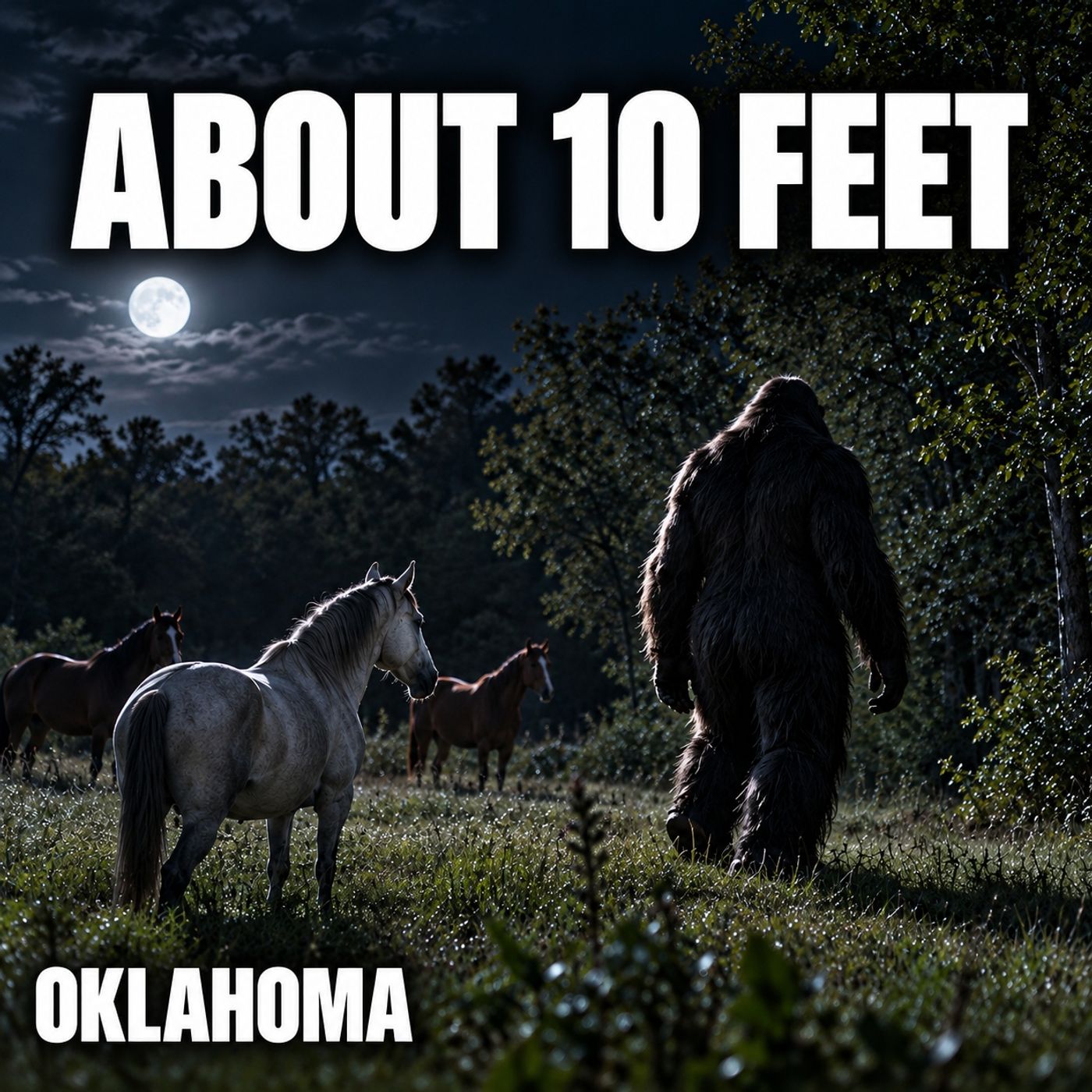
Something was crawling toward her horses. Then it stood up. Watching from her Oklahoma home around midnight, Carrie noticed a small, dark shape creeping through the pasture. It moved almost flat against the ground. When it rose to its feet, she estimated it stood nine to ten feet tall. In this episode of Bigfoot Society, Carrie shares that encounter alongside a daylight sighting with her young niece and strange chattering that followed her boat along a riverbank. An Oregon log-truck driver also describes what happened after he imitated a Bigfoot call above Myrtle Point: the forest fell silent, grunts approached, and trees began swaying. Other callers recount a childhood encounter in Maine and reported Sasquatch activity inside an Oklahoma campground. What was moving through Carrie’s pasture—and why was it approaching her horses that way? Listen to the witnesses describe what they experienced. Get the free Bigfoot hotspots report: https://bit.ly/bfsreport Follow Jeremiah's cancer health
Professional musicians share what makes for great, memorable lyrics, their writing process, and where they get inspiration from. -- "Think Like A Musician" connects you with working musicians who want to help the music-curious and music-passionate hone and share the gift of music with the world. Part interview, part animated course, our second season "Think Like A Songwriter" features artists sharing their insight on the ins and outs of fine-tuning your songwriting and crafting timeless, memorable music. Each episode features free supplemental learning materials developed by Education Through Music (https://etmonline.org) (https://etmonline.org)/) — a nonprofit with over 30 years of experience developing classroom-adaptable curriculum for music educators. Directed by Kozmonot Animation Studio. A special thanks to the musicians who provided their insights and expertise for this video. You can check out their pages here: Support Our Non-Profit Mission ------------------------------------
In which John Green teaches you MORE about To Kill a Mockingbird. In this installment, John teaches you about race, class, and gender in the American south, as seen through the eyes of Scout and Harper Lee. John will talk about how Scout learns about these aspects of the social order as she interacts with the people of the town, learns from Calpurnia, watches the trial of Tom Robinson, and endures the attack of Bob Ewell. You'll also learn a little bit about Demi Moore and Mila Kunis, and John will ask just who is the Mockingbird, anyway? Not that he'll answer that, but he'll ask it. Consider supporting local bookstores by purchasing your books through our Bookshop affiliate link https://bookshop.org/shop/complexly or at your local bookseller. Crash Course is on Patreon! Want to find Crash Course elsewhere on the internet? Facebook - http://www.facebook.com/YouTubeCrashCourse Twitter - http://www.twitter.com/TheCrashCourse Instagram - https://www.instagram.com/thecrashcourse/ CC Kids:
Bird and bat droppings might not sound precious, but guano was once so prized it shaped agriculture, trade and even warfare. Professor Adam Rutherford and Jessica Fostekew explore the surprising story of this pongy but remarkable substance, joined by ecologist Kate Jones, ornithologist Tim Birkhead and comedian Zoe Lyons. From vast seabird colonies off the coast of Peru to bat-filled caves in the tropics, they discover how guano became one of humanity's most valuable natural resources, powering farming booms, helping to drive the production of gunpowder and sustaining entire ecosystems. Along the way they uncover why seagulls may be as dastardly as they seem with their targeted 'drops', what scientists can learn from ancient 'poo cores' and whether it's weird to have never spotted a bat. Most importantly, they discover why nature's least glamorous resource may be one of its most important. Producer: Mel Brown A BBC Studios Production