So, we've been putting off a kind of basic question here. What is money? What is currency? How are the two different. Well, not to give away too much, but money has a few basic functions. It acts as a store of value, a medium of exchange, and as a unit of account. Money isn't just bills and coins. It can be anything that meets these three criteria. In US prisons, apparently, pouches of Mackerel are currency. Yes, mackerel the fish. Paper and coins work as money because they're backed by the government, which is an advantage over mackerel. So, once you've got money, you need finance. We'll talk about borrowing, lending, interest, and stocks and bonds. Also, this episode features a giant zucchini, which Adriene grew in her garden. So that's cool. Special thanks to Dave Hunt for permission to use his PiPhone video. this guy really did make an artisanal smartphone! https://www.youtube.com/watch?v=8eaiNsFhtI8 Crash Course is on Patreon! Thanks to the following Patrons for their generous mon
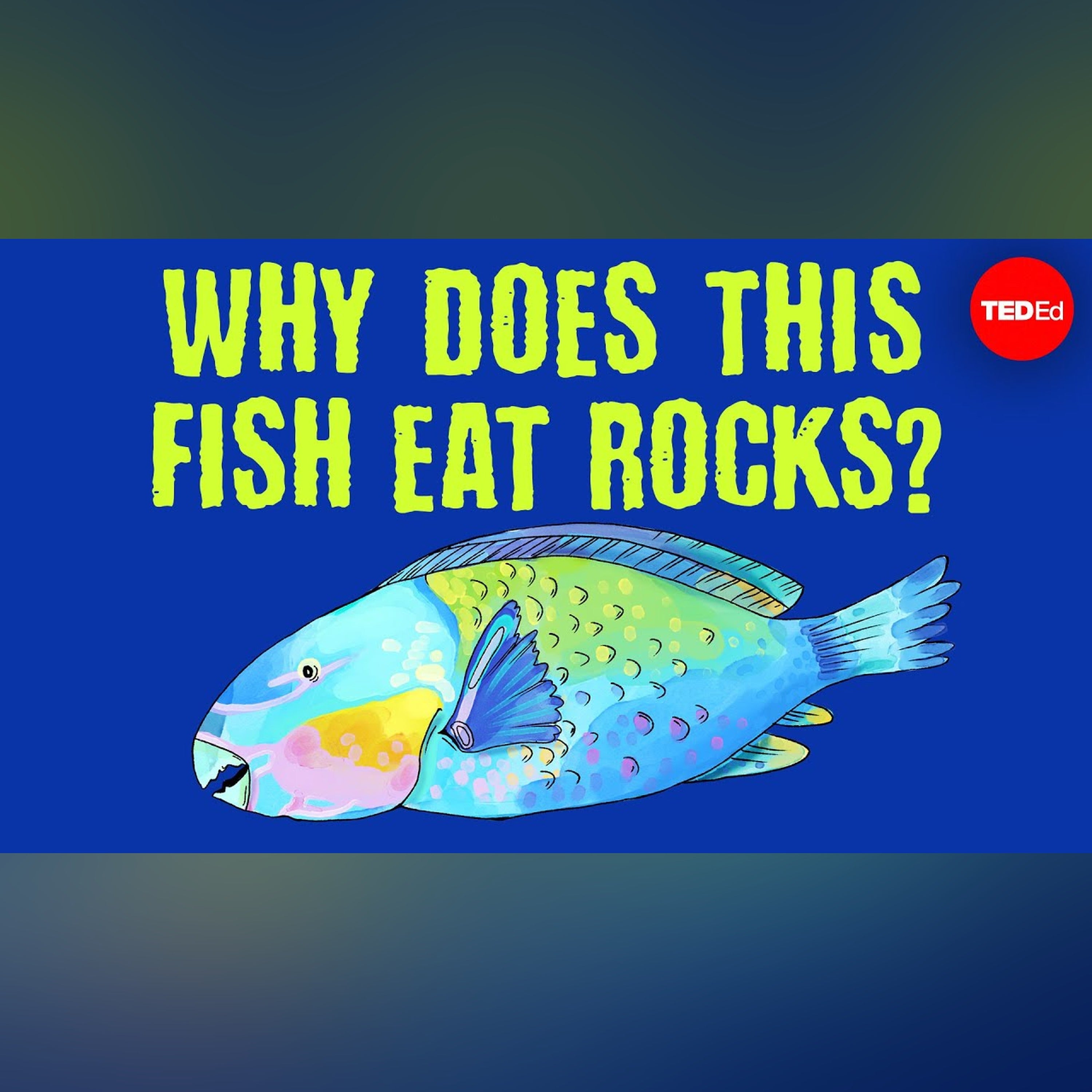
Discover the quirky creature known as the parrotfish, and the key role it plays in keeping coral reefs healthy and thriving. Uploaded 04-08-20 -- As the sun rises over a quiet coral reef, one animal breaks the morning silence. Named for its vibrant scales and beak-like teeth, the parrotfish devours a particularly crunchy breakfast: rocks. Why would any creature take bites out of the seafloor? Mike Gil explores how these quirky and flashy foragers play a key role in defending the essential coral reef ecosystem. Lesson by Mike Gil, directed by Franz Palomares. Sign up for our newsletter: http://bit.ly/TEDEdNewsletter Support us on Patreon: http://bit.ly/TEDEdPatreon Find us on Twitter: http://bit.ly/TEDEdTwitter Peep us on Instagram: http://bit.ly/TEDEdInstagram View full lesson: https://ed.ted.com/lessons/the-big-beaked-rock-munching-fish-that-protect-coral-reefs-mike-gil Thank you so much to our patrons for your support! Without you this video would not be possible! Jose Arcadio Valdes
There’s been plenty of talk about Halter across the sheep and beef industry. But how much more is it than simply "shifting" a mob of cows? Our guest this week, Toby Hurley, chats with Ferg to discuss how the technology is developing and the results customers are seeing in their productivity. Toby is Director of Product at Halter, where he has worked for almost six years after moving across from commercial litigation. He started as the company’s first product manager and led the pasture side of the business before taking on the wider product role. Halter began with virtual fencing, but their technology now gives farmers access to a much broader range of information about their livestock and pastures. Toby explains how and why that development has happened, and what farmers are starting to achieve with it. One Queensland beef operation has increased its breeding cow carrying capacity by 30% since adopting Halter. There are also some interesting flow-on effects for calf and lamb weaning w
This is a Grave Talks CLASSIC EPISODE! PART TWO Losing someone you love as a child can leave questions that never fully go away. The wish for one more moment, one more conversation, one more chance to see them again can stay with you for years. For eight-year-old Jon Kozuska, that impossible wish may have come true. Late one night inside his grandparents’ old Victorian home, Jon headed downstairs for a glass of water. As he reached the landing, he stopped cold. Walking past the bottom of the stairs was his grandfather—solid, full color, completely real. The only problem was that his grandfather had already passed away. That single encounter would stay with Jon for the rest of his life, sparking a fascination with the paranormal that grew from childhood ghost books into real-world investigations and experiments designed to uncover what may exist beyond death. #TheGraveTalks #GhostStories #Paranormal #Apparition #LifeAfterDeath #HauntedHouse #VictorianHouse #Supernatural #ParanormalPodca
This is a Grave Talks CLASSIC EPISODE! In the historic mining town of Victor, the Black Monarch Hotel stands as a place where the past never fully loosened its grip. Once a raucous saloon, casino, and brothel, the building was infamous in the early 1900s as “the finest gentleman’s club this side of the Mississippi.” Its walls have witnessed wealth and violence, indulgence and desperation — and, according to many, something far harder to explain. After a devastating fire in 1899, the structure was rebuilt and renamed, but whatever lingered from its earliest days never truly left. When Adam Zimmerli encountered the long-vacant building generations later, he saw more than decay. He saw an opportunity to restore its grandeur while honoring its strange and unsettled history. Today, the Black Monarch’s Victorian gothic décor, themed rooms, and reputation for unnerving encounters have made it one of the most talked-about haunted hotels in the West. Guests report unexplained sounds, shadowy fi
If nearly all your cells have the same DNA, why are muscle cells so different from skin cells? In this episode, we’ll learn how gene expression is regulated in eukaryotes, and how methylating DNA, modifying histones, and messing with translation not only leads to different types of cells, but allows cells to adapt to the world around them. Introduction: A Cellular Cookbook 00:00 Gene Regulation 1:18 Differential Gene Expression 2:36 Gene Regulation Strategies 3:58 Epigenetic Mechanisms 6:13 Review & Credits 9:22 This series was produced in collaboration with HHMI BioInteractive, committed to empowering educators and inspiring students with engaging, accessible, and quality classroom resources. Visit https://BioInteractive.org/CrashCourse (https://biointeractive.org/CrashCourse) for more information. Are you an educator looking for what NGSS Standards are covered in this episode? Check out our Educator Standards Database for Biology here: https://www.thecrashcourse.com/biologystandards
Even though you probably don't choose to spend a lot of time thinking about it, your pee is kind of a big deal. Today we're talking about the anatomy of your urinary system, and how your kidneys filter metabolic waste and balance salt and water concentrations in the blood. We'll cover how nephrons use glomerular filtration, tubular reabsorption, and tubular secretion to reabsorb water and nutrients back into the blood, and make urine with the leftovers. Pssst... we made flashcards to help you review the content in this episode! Find them on the free Crash Course App! Download it here for Apple Devices: https://apple.co/3d4eyZo Download it here for Android Devices: https://bit.ly/2SrDulJ Chapters: Introduction: Urinary System 00:00 What Do Kidneys Do? 1:25 Urinary System Structure 3:02 Nephrons 4:13 Glomerular Filtration 4:37 Tubular Reabsorption 5:14 Tubular Secretion 8:17 Urine 8:40 Review 9:10 *** Crash Course is on Patreon! Thanks to the following Patrons for their generous monthly
In this episode of Crash Course Chemistry, Hank goes over the ideas of keeping your life balance... well, your chemical life. Equilibrium is all about balance and today Hank discusses Chemical Equilibrium, Concentration, Temperature, and Pressure. Also, he'll chat about Le Chatalier's Principle and Fritz Haber. Pssst... we made flashcards to help you review the content in this episode! Find them on the free Crash Course App! Download it here for Apple Devices: https://apple.co/3d4eyZo Download it here for Android Devices: https://bit.ly/2SrDulJ -- TABLE OF CONTENTS Equilibrium = Balance: 0:19 Chemical Equilibrium: 1:25 Le Chatalier's Principle 4:37 Fritz Haber 5:31 -- Crash Course is on Patreon! Want to find Crash Course elsewhere on the internet? Facebook - http://www.facebook.com/YouTubeCrashCourse Twitter - http://www.twitter.com/TheCrashCourse Instagram - https://www.instagram.com/thecrashcourse/ CC Kids: http://www.youtube.com/crashcoursekids
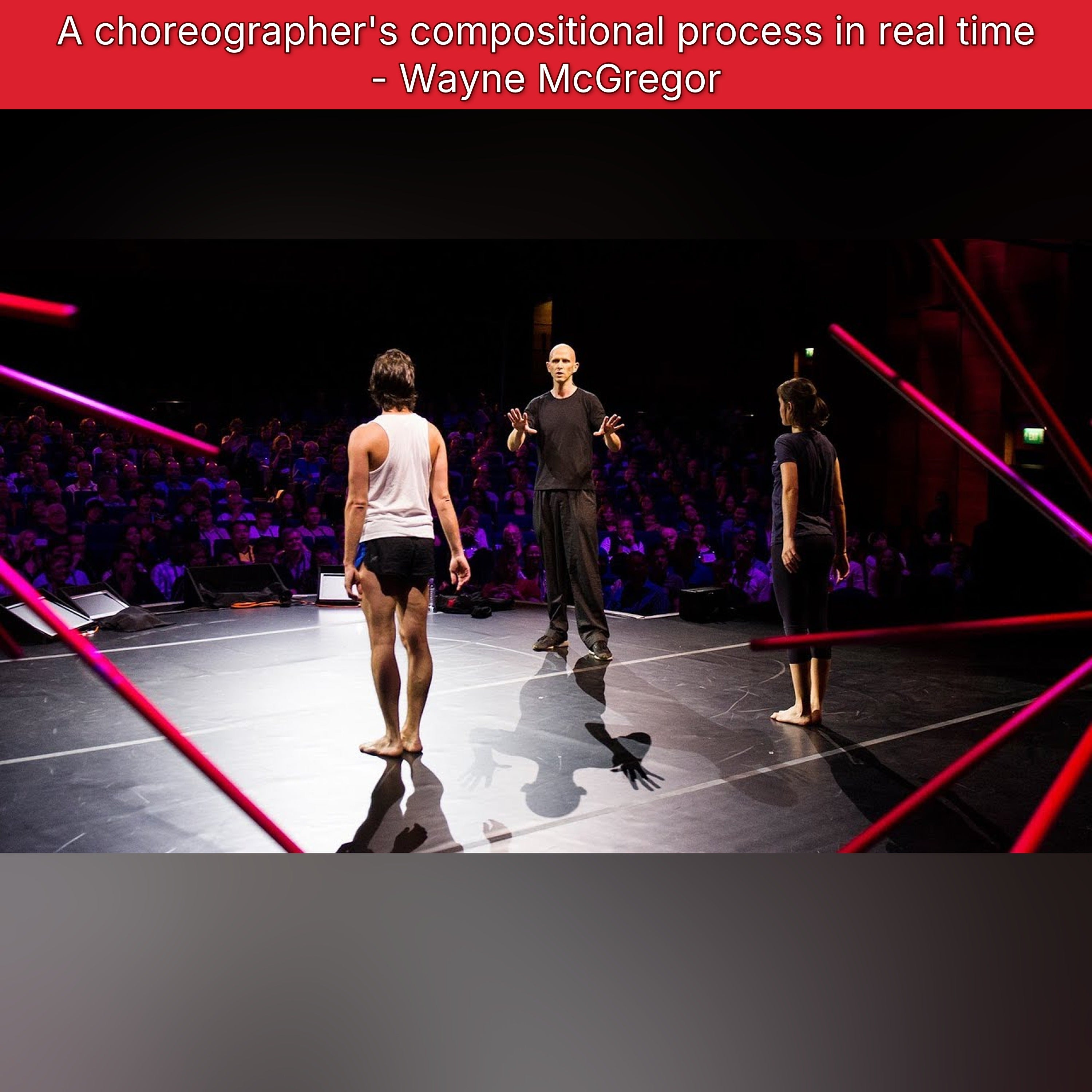
We all use our body on a daily basis, and yet few of us think about our physicality the way Wayne McGregor does. He demonstrates how a choreographer communicates ideas to an audience, working with two dancers to build phrases of dance, live and unscripted, on the TEDGlobal stage. Talk by Wayne McGregor.
View full lesson: http://ed.ted.com/lessons/how-to-spot-a-counterfeit-bill-tien-nguyen Uploaded 16-04-15 Authentic dollar bills are equipped with many security features to make them difficult to forge. But that doesn’t stop counterfeiters from trying to fool people with fakes. Luckily, anyone can help catch a counterfeit; all you need are a few simple tools and a bit of chemistry. Tien Nguyen details the chemistry behind counterfeit cash. Lesson by Tien Nguyen, animation by Lippy.
In which John Green teaches you about American women in the Progressive Era and, well, the progress they made. So the big deal is, of course, the right to vote women gained when the 19th amendment was passed and ratified. But women made a lot of other gains in the 30 years between 1890 and 1920. More women joined the workforce, they acquired lots of other legal rights related to property, and they also became key consumers in the industrial economy. Women also continued to play a vital role in reform movements. Sadly, they got Prohibition enacted in the US, but they did a lot of good stuff, too. The field of social work emerged as women like Jane Addams created settlement houses to assist immigrants in their integration into the United States. Women also began to work to make birth control widely available. You'll learn about famous reformers and activists like Alice Paul, Margaret Sanger, and Emma Goldman, among others. Hey teachers and students - Check out CommonLit's free collection
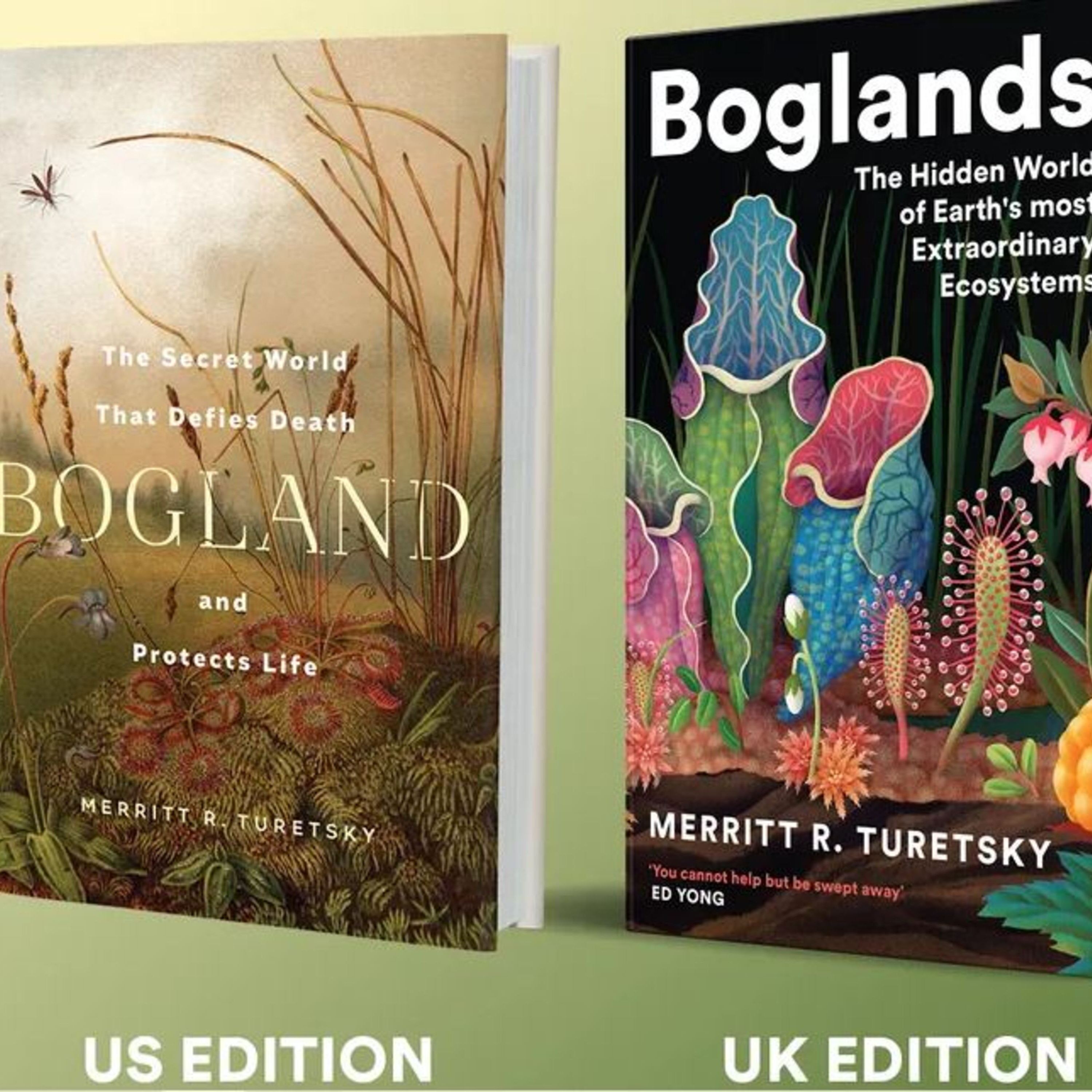
Bogs AKA peatlands are some of the most important ecosystems on our planet but they are all too often overlooked. Home to a bewildering diversity of life and millennia worth of peat stores, boglands are simply incredible ecosystems. These reasons and more are why Dr. Merritt Turetsky has devoted her life to understanding bogs, fighting for bogs, and singing their praises wherever and whenever she can. Today the Queen of Peat joins us to discuss her new book "Bogland" which is her love letter to bogs. Tune in and get a sense for just how special these ecosystems are and learn what you can do to protect them. This episode was produced in part by Claudia, 73315, Atis, Sarracenia, Chris, Gerald, Elise, Maggie, Mamie, A.J., Dallas, Channele, KC, Joe, Diane, Kim, Tanya, Neil, Matthew, April, Dana, Lilith, Sanza, Eva, Yellowroot, Wisewren, Nadia, Heidi, Blake, Josh, Laure, R.J., Carly, Lucia, Dana, Sarah, Lauren, Strych Mind, Linda, Sylvan, Austin, Sarah, Ethan, Elle, Steve, Cassie, Chuck, Aa
In organic chemistry, different reactions can take place at vastly different speeds. To better understand whether a reaction actually will happen, and how useful that reaction is, we need to understand thermodynamics and kinetics. In this episode of Crash Course Organic Chemistry, we’ll review some important concepts from general chemistry, learn how to draw energy diagrams, go over the difference between an intermediate and a transition state, and get an introduction to catalysts. Series Sources: Brown, W. H., Iverson, B. L., Ansyln, E. V., Foote, C., Organic Chemistry; 8th ed.; Cengage Learning, Boston, 2018. Bruice, P. Y., Organic Chemistry, 7th ed.; Pearson Education, Inc., United States, 2014. Clayden, J., Greeves, N., Warren., S., Organic Chemistry, 2nd ed.; Oxford University Press, New York, 2012. Jones Jr., M.; Fleming, S. A., Organic Chemistry, 5th ed.; W. W. Norton & Company, New York, 2014. Klein., D., Organic Chemistry; 1st ed.; John Wiley & Sons, United States, 2012. Loude
Science fiction is full of superpowered mutants, but in reality, mutations are much more diverse and complex. Sometimes, they can change someone’s entire body, and other times, we don’t notice them at all! In this episode, we’ll unpack what mutations are, how they work (including substitutions and frameshift mutations), and how scientists are learning to control mutations using tools like CRISPR/Cas9 and gene therapy. Introduction: Mutations Outside the Movies 00:00 What Are Mutations? 1:20 What Determines Mutations' Effects? 3:10 Types of Mutations 4:16 Positive, Negative, or Neutral? 7:43 Gene Therapy & CRISPR 8:23 Pharmacogenomics 10:59 Review & Credits 11:58 This series was produced in collaboration with HHMI BioInteractive, committed to empowering educators and inspiring students with engaging, accessible, and quality classroom resources. Visit https://BioInteractive.org/CrashCourse (https://biointeractive.org/CrashCourse) for more information. Are you an educator looking for what
View full lesson: http://ed.ted.com/lessons/the-strengths-and-weaknesses-of-acids-and-bases-george-zaidan-and-charles-morton Uploaded 24-10-13 Vinegar may have a powerful smell, but did you know it's actually a weak acid? In the chemical economy, acids actively give away their protons while bases actively collect them -- but some more aggressively than others. George Zaidan and Charles Morton use the currency of subatomic particles to explain this unseen exchange. Lesson by George Zaidan and Charles Morton, animation by Karrot Animation
This week Craig Benzine discusses bureaucracies. Bureaucracies tend to be associated with unintelligible rules and time-wasting procedures, but they play an important, though controversial, role in governing. From the FDA to the EPA, these agencies were established to help the government manage and carry out laws much more efficiently - to bring rule-making and enforcement closer to the experts. But the federal bureaucracy (which is part of the executive branch) has a lot of power and sometimes acts like Congress in creating regulations and like the courts through administrative adjudications. It's all a bit problematic for that whole "separation of powers" thing. So we'll talk about that too, and the arguments for and against increased federal bureaucracy. Support is provided by Voqal: http://www.voqal.org (http://www.voqal.org/) Chapters: Introduction: Craig does paperwork 00:00 What is bureaucracy? 0:51 What do bureaucrats do? 1:34 Bureaucracy & division of powers 2:19 Bureaucracy &
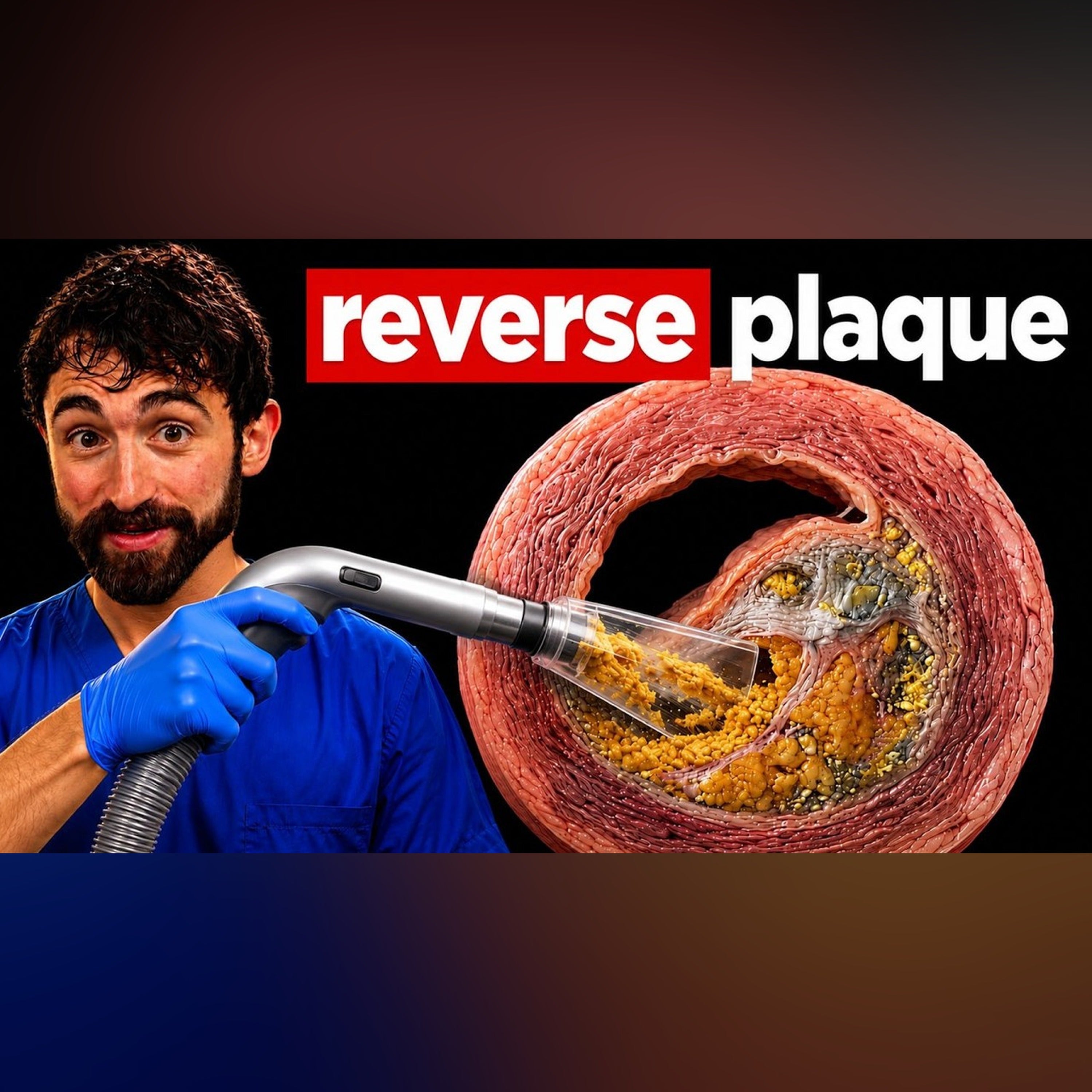
For the written companion, including references and extra nuances, check out StayCurious Metabolism: https://staycuriousmetabolism.substack.com/p/how-to-reverse-atherosclerosis-in?r=40ekz2 Link: https://www.winnowlabs.com/STAYCURIOUS25 Microplastics and Heart Health Letter: https://staycuriousmetabolism.substack.com/p/microplastics-in-my-heart-its-worse?r=40ekz2 Microplastics and Brain Health Letter: https://staycuriousmetabolism.substack.com/p/this-graph-changed-how-i-think-about?r=40ekz2 Sleep Video: https://youtu.be/cgnfJtLc_pY GLP-1 Masterclass Letter: https://youtu.be/a_vJYkb_Rjk Exercise for the Brain Video: https://youtu.be/b7jss3R5E50 Pinealon Letter: https://staycuriousmetabolism.substack.com/p/why-im-trying-this-peptide-for-sleep?r=40ekz2 Nattokinase Letter: https://staycuriousmetabolism.substack.com/p/nattokinase-the-heart-health-supplement?r=40ekz2 TUDCA Letter: https://staycuriousmetabolism.substack.com/p/can-tudca-protect-from-atherosclerosis?r=40ekz2 Chapters 0:00 – Two
So today Craig is going to talk about where our political opinions come from. Of course, most people’s politics are grounded in their ideologies, but there are also other external influences such as the government itself, interest groups, and the media. So we're going to talk about how these influencers factor into the overall public opinion and how their roles have changed over time. Now this stuff may seem like common sense, but it’s important to know where our opinions come from, especially when you consider how quickly the media landscape is changing. Produced in collaboration with PBS Digital Studios: http://youtube.com/pbsdigitalstudios Support is provided by Voqal: http://www.voqal.org (http://www.voqal.org/) All attributed images are licensed under Creative Commons by Attribution 4.0 Want to find Crash Course elsewhere on the internet? Facebook - http://www.facebook.com/YouTubeCrashC... Twitter - http://www.twitter.com/TheCrashCourse Tumblr - http://thecrashcourse.tumblr.com (h
Have you ever been to a Demolition Derby? Then you have an idea of how molecular collisions happen. In this episode, Hank talks about collisions between molecules and atoms, activation energy, writing rate laws, equilibrium expressions, reactions mechanics, and rate-determining steps. And funnel cakes are AWESOME! Pssst... we made flashcards to help you review the content in this episode! Find them on the free Crash Course App! Download it here for Apple Devices: https://apple.co/3d4eyZo Download it here for Android Devices: https://bit.ly/2SrDulJ -- Table of Contents Collisions Between Molecules and Atoms 0:00 Activation Energy 1:32 Writing Rate Laws 3:28 Rate Laws and Equilibrium Expressions 5:30 Reaction Mechanisms 8:06 Rate-Determining Steps 7:04 Crash Course is on Patreon! Want to find Crash Course elsewhere on the internet? Facebook - http://www.facebook.com/YouTubeCrashCourse Twitter - http://www.twitter.com/TheCrashCourse Instagram - https://www.instagram.com/thecrashcourse/ CC
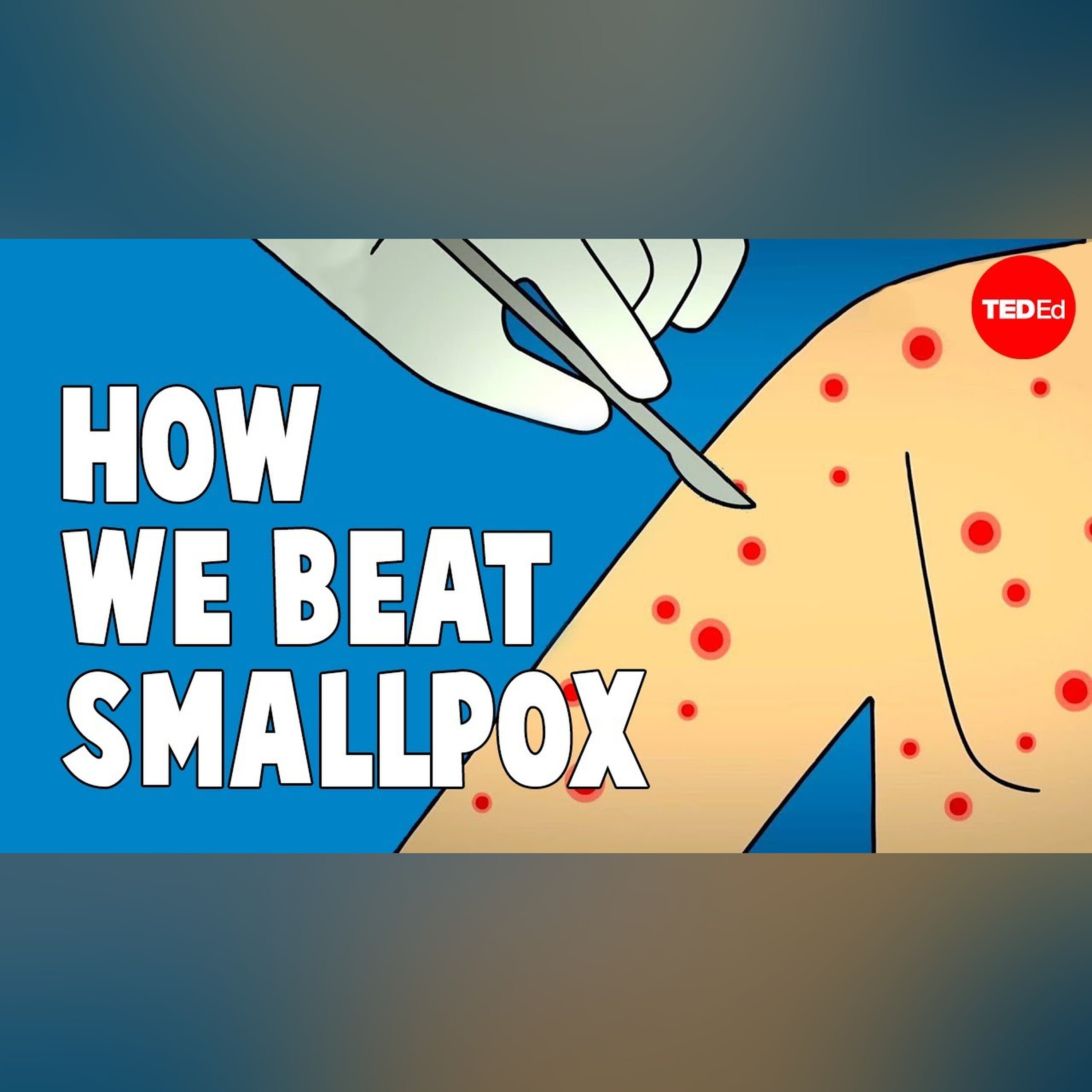
View full lesson: http://ed.ted.com/lessons/how-we-conquered-the-deadly-smallpox-virus-simona-zompi Uploaded 28-10-13 For 10,000 years, humanity suffered from the scourge of smallpox. The virus killed almost a third of its victims within two weeks and left survivors horribly scarred. But Simona Zompi commends the brave souls -- a Buddhist nun, a boy, a cow, a dairymaid and physician Edward Jenner -- who first stopped the spread of this disastrous disease, to make us smallpox-free today. Lesson by Simona Zompi, animation by Augenblick Studios.
There are countless types of plants and animals on Earth, but how do they work? In this episode of Crash Course Biology, we’ll take a bird’s eye view of how multicellular life functions, including how it’s organized, how it regulates itself to maintain homeostasis, and the big question: Why are these living things so wildly complex? Introduction: Bizarre Beasts 00:00 Multicellular Organization 1:16 Cell Specialization 3:34 Why We Aren't Unicellular 4:37 Cons of Multicellularity 5:53 Dr. Rebeca Gerschman 6:44 Homeostasis 8:24 Review & Credits 11:09 This series was produced in collaboration with HHMI BioInteractive, committed to empowering educators and inspiring students with engaging, accessible, and quality classroom resources. Visit https://BioInteractive.org/CrashCourse (https://biointeractive.org/CrashCourse) for more information. Are you an educator looking for what NGSS Standards are covered in this episode? Check out our Educator Standards Database for Biology here: https://www.
The letters in a word don’t always match the sounds they represent, and people can pronounce words in different ways. Lucky for us, linguists have tools to help understand and communicate speech sounds. In this episode of Crash Course Linguistics, we’ll begin our discussion of phonetics, the study of speech sounds, by talking about consonants, and we’ll also get an introduction to the International Phonetic Alphabet, or IPA. Want even more linguistics? Check out the Lingthusiasm podcast, hosted by the writers of Crash Course Linguistics: https://lingthusiasm.com/ Check out Monstrum on Storied: https://youtu.be/KIGmsxBMnjA *** Watch our videos and review your learning with the Crash Course App! Download here for Apple Devices: https://apple.co/3d4eyZo Download here for Android Devices: https://bit.ly/2SrDulJ Crash Course is on Patreon! Thanks to the following patrons for their generous monthly contributions that help keep Crash Course free for everyone forever: Catherine Conroy, Patty L
Is your injury rate telling you next to nothing about fatality risk?For years, 'safety' has been measured by counting what went wrong - e.g. recordables, TRIFR, LTIFR. But serious injuries and fatalities, or SIFS, haven't followed the same consistent downward trend. This raises the question: are we measuring the 'wrong' thing? This video unpacks a 2026 study from Bayona, Hallowell and others who analysed 999 field assessments from 31 utility & construction companies, testing whether two short-term measures predicted serious harm potential. The measures were:a) Pre-job safety brief (PJSB) quality: evaluating the engagement and thoroughness of pre-task discussionsb) High-energy control assessment (HECA): the proportion of high-energy hazards with a direct control in place. They found:1) Companies with better pre-job briefs tended towards better energy controls2) Each 1-point increase in HECA was associated with ~3% fewer expected SIFsThey also found that better pre-job briefs were linked
Welcome to Crash Course Art History! Over the next 22 episodes, Sarah Urist Green will explore the hidden stories behind artworks. We’ll make connections across time and space, unlock the secrets of the past, and look ahead to the art of the future. Episode 1 premieres on April 11. Key texts cited include: Art History Volume 1, 6th edition by Marilyn Stokstad and Michael W. Cothren (2018), Art History Volume 2, 6th edition by Marilyn Stokstad and Michael W. Cothren (2018), Smarthistory: Reframing Art History, edited by Dr. Lauren Kilroy-Ewbank. Sources: https://docs.google.com/document/d/1GW2NKzhpMNMmRyAFJVhFJG9cSfUOMRL-QrcWuHcWcIA/edit?usp=sharing *** Crash Course is on Patreon! Thanks to the following patrons for their generous monthly contributions that help keep Crash Course free for everyone forever: Leah H., David Fanska, Andrew Woods, DL Singfield, Ken Davidian, Stephen Akuffo, Toni Miles, Steve Segreto, Kyle & Katherine Callahan, Laurel Stevens, Burt Humburg, Perry Joyce, Scott