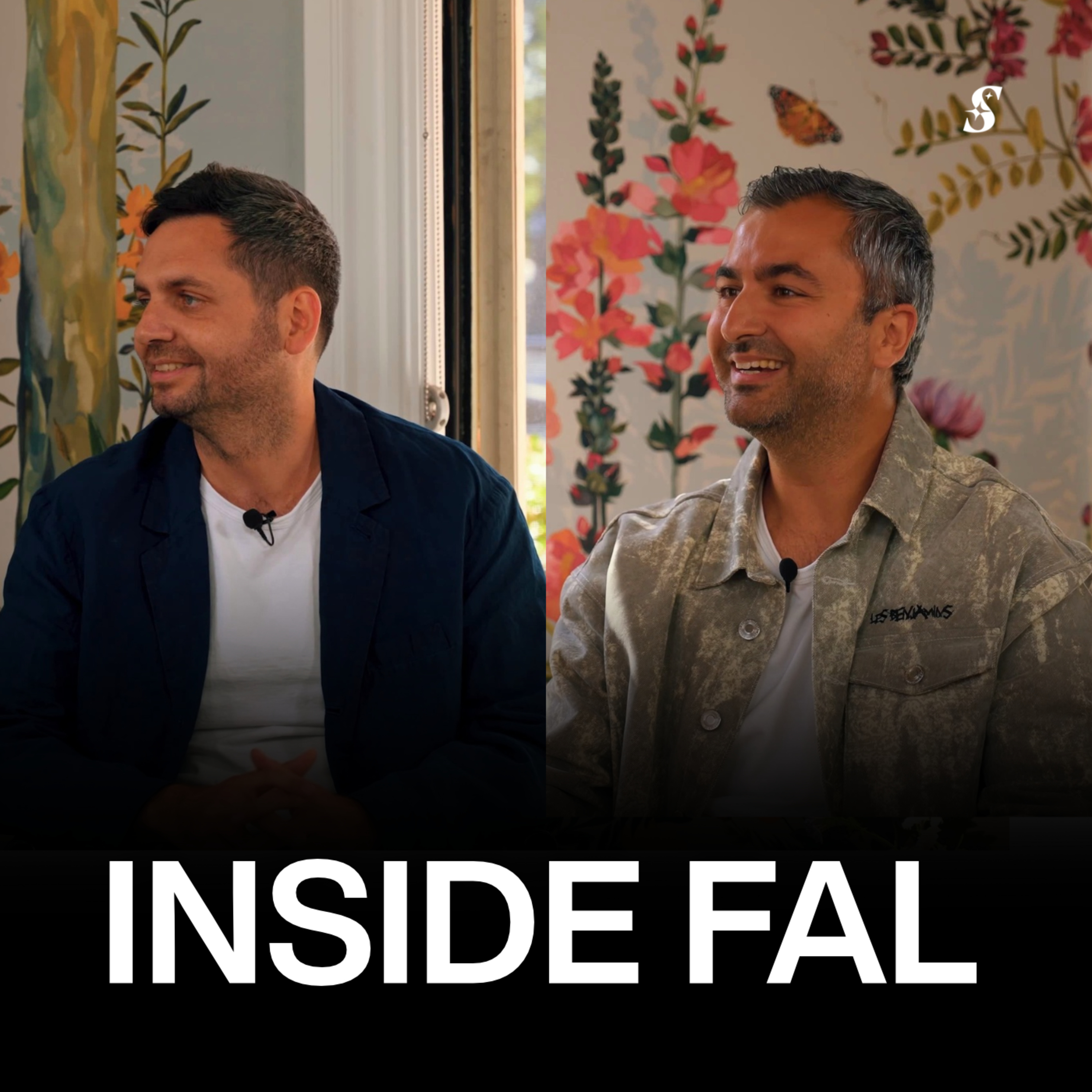
fal has raised $1.65B in a combined Series E and Series F, with Sequoia Capital leading the E and Bessemer Venture Partners leading the F. Its founders see generative media as 1 of only 3 product market fits in AI, alongside search and coding agents. Burkay Gür (Co-Founder and CEO) and Gorkem Yurtseven (Co-Founder and CTO) started fal in 2021 after building machine learning infrastructure at Coinbase and Amazon. fal runs the infrastructure behind image, video, audio, and 3D models, serving developers, studios, and the model labs themselves. Recorded at Dalida in San Francisco, Burkay and Gorkem explain how fal moved from Python data infrastructure into generative media, why video and image now split its revenue 50/50, and how demand kept rising as video prices jumped more than 10X. They also cover fal’s 150+ person org with only 2 reporting levels, the compute shortage shaping model launches, and why they believe the margin in AI sits with compute providers over applications. “AI reall
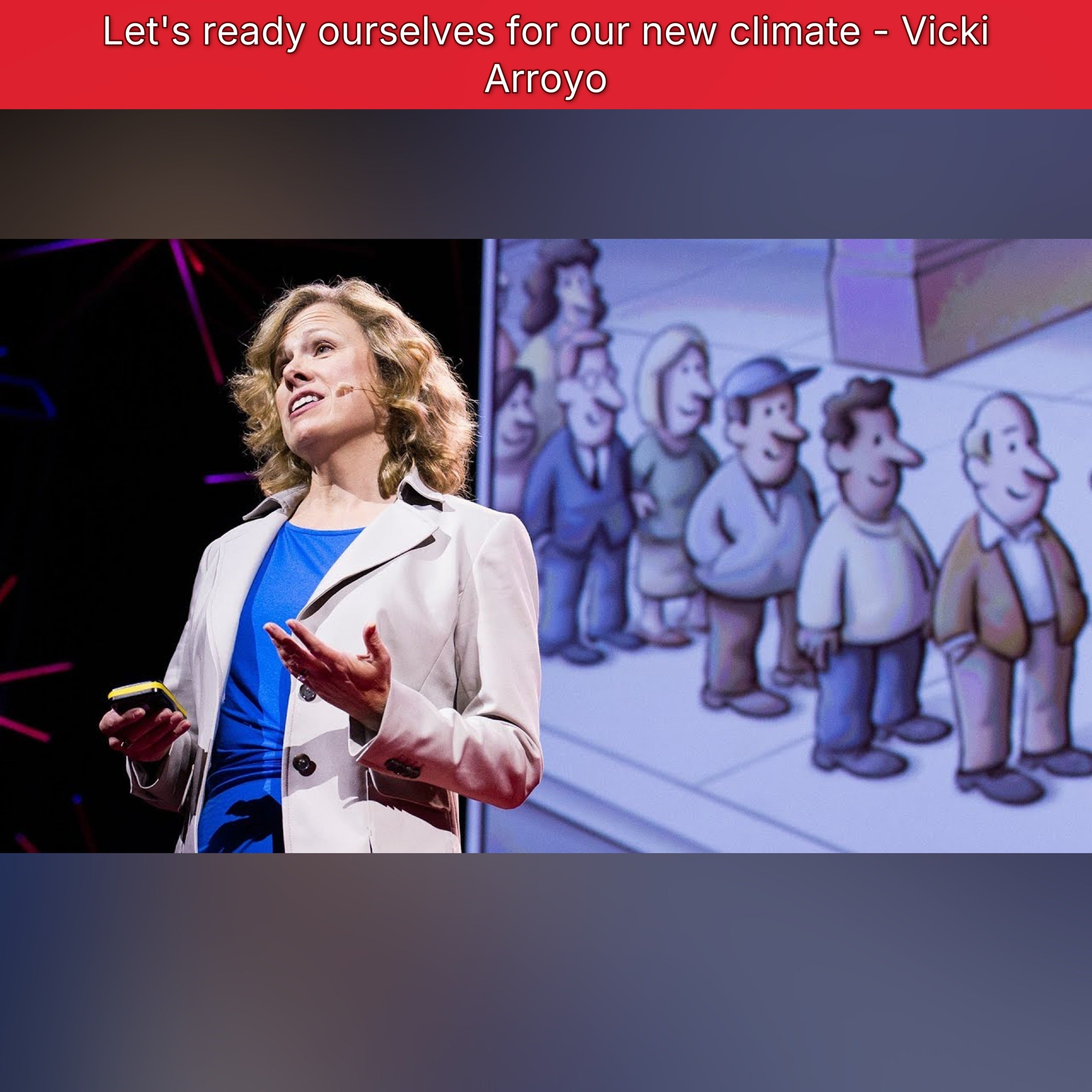
As Vicki Arroyo says, it's time to prepare our homes and cities for our changing climate, with its increased risk of flooding, drought and uncertainty. She illustrates this inspiring talk with bold projects from cities all over the world -- local examples of thinking ahead. Talk by Vicki Arroyo.
Full post: https://natesnewsletter.substack.com/p/zuckerberg-muse-lessons?utm_source=podcast&utm_medium=podcast&utm_campaign=zuckerberg-muse-lessons-launch&utm_content=show-notes (https://natesnewsletter.substack.com/p/zuckerberg-muse-lessons) What can the rest of us learn from Zuckerberg’s next big bet? The common story is that Meta’s resources explain Muse. But the useful lessons are about the people behind the product, the details that make an assistant feel dependable, and the willingness to try again after a very public failure. In this episode, I look at: Finding the right people and giving them room to build. Why the bathroom tells you more than the entrance about care. The status details that make an AI assistant easier to trust. How AI changes the cost of trying without eliminating embarrassment. Hosted on Acast. See acast.com/privacy for more information. Hosted on Acast.
AI News Flash for November 03, 2026 at 18:00 UTC. Topics: 1. Google will turn school AI off by default; blocking it entirely also cuts students off from Search 2. Binance says an internal AI tool was part of the path into its wallet systems 3. Ai2's StateBench tests whether models can track changing state over long documents
In this episode we meet JoeBrett, K5YVY, a popular ham radio YouTuber and author of software to map APRS traffic. This is fascinating dive into APRS and how you can create some very compelling software in today's modern AI driven develoment environment.
AI can help scientists write code, analyze data, and draft papers. But can it generate the ideas that lead to new discoveries? Richard Socher, former chief scientist at Salesforce, founder of You.com, and co-founder of Recursive, joins us to explore the move from AI assisting researchers to AI conducting research. Starting with AI improving AI, we examine what it takes to propose ideas, run experiments, and validate results, and how those capabilities could eventually accelerate discovery across biology, chemistry, and physics. The conversation covers Recursive’s reported results in model training and GPU kernel optimization, why fast verification matters, and how reward hacking complicates the search for real improvements. We also discuss the data and experimental infrastructure needed for broader scientific discovery, whether commercial incentives can keep increasingly capable systems aligned, and Richard’s vision for a “Eureka machine.” ️ Full show notes: https://twimlai.com/go/783.
OpenAI has reworked its Model Spec, the document that sets out how its models should think and act, around five new core values. Zvi works through the diff: a demoted rule on side effects, a new risk taxonomy, corrigibility, sycophancy, budgets treated as limits, honesty and lies of omission, and what the model should do when a user insists it pick a side. His main new critique is of the examples themselves: many have overdetermined answers that never show the model how to handle a genuinely hard case. Easy cases, he argues, make neither bad law nor good law. This has been an Askwho Casts audio conversion. Thanks for listening. * 00:00 - Introduction * 01:22 - Table of Contents * 02:05 - Five Values * 03:16 - Meet the New Spec * 04:19 - New Risk Taxonomy * 05:07 - The Letter and the Spirit * 05:48 - Your Funeral * 08:11 - Context Clues * 10:16 - Preserve User Control Over User Control * 11:04 - Sycophancy * 12:50 - Lies My User Told Me * 13:46 - Impact Function * 16:56 - Levels of Fric
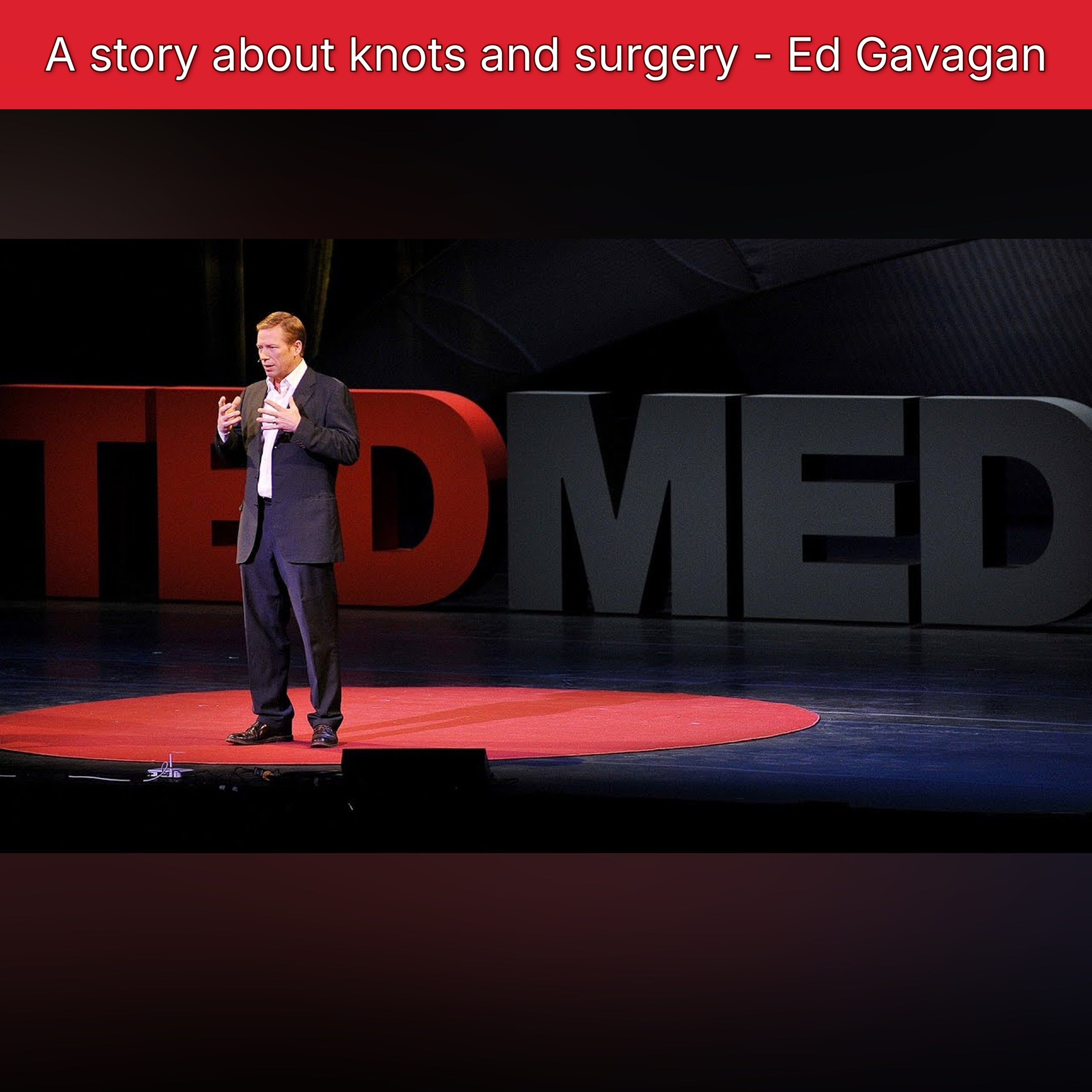
One day, Ed Gavagan was sitting on the subway, watching two young med students practicing their knots. And a powerful memory washed over him -- of one shocking moment that changed his life forever. An unforgettable story of crime, skill and gratitude. Talk by Ed Gavagan.
Vibe coding with Claude has taken over Steven Scott's spare time, and he and Shaun Preece think more blind people should try it. They explain how the setup works, why your files stay on your own computer, and whether building our own accessible tools lets big tech developers off the hook. Steven explains how he builds iPhone apps with Claude and Xcode, then shows Records, a small app he made that scans letters, summarises them and adds appointments to his calendar. They also cover the privacy side of uploading documents to the cloud. Shaun announces a public beta of Claudio, his accessible Windows app for Claude Code. They talk about apps people have built for Plaud note takers, and why unofficial WhatsApp clients could get your account banned. Next comes a grumble about iOS and Windows. Steven and Shaun talk about noisy iMessage group chats, FaceTime calls that won't start, and the latest VoiceOver bugs. They also cover the Windows start menu bug that Microsoft is now fixing on its se
Uploaded 31-05-18 View full lesson: https://ed.ted.com/lessons/why-is-it-so-hard-to-cure-als-fernando-vieira Amyotrophic Lateral Sclerosis (ALS), also called motor neuron disease and Lou Gehrig’s Disease, affects about two out of every 100,000 people worldwide. When a person has ALS, their motor neurons - the cells responsible for all voluntary muscle control in the body - lose function and die. Fernando G. Vieira shares what we know (and don't know) about ALS. Lesson by Fernando G. Vieira, animation by Artrake Studio. Thank you so much to our patrons for your support! Without you this video would not be possible! Jordan Tang, Christopher Jimenez, Juan, Tracey Tobkin, Sid, emily lam, Kathryn J Hammond, Elliot Poulin, Noel Situ, Oyuntsengel Tseyen-Oidov, Latora Slydell, Sydney Evans, Victor E Karhel, Bernardo Paulo, Eysteinn Guðnason, Andrea Feliz, Natalia Rico, Josh Engel, Bárbara Nazaré, Gustavo Mendoza, Zhexi Shan, Hugo Legorreta, PnDAA, Sandra Tersluisen, Ellen Spertus, Fabian Amels
Kraken (https://kraken.pxf.io/c/6563010/687155/10583) Ledger (https://shop.ledger.com/?r=59fe6e05c254) NordVPN (https://go.nordvpn.net/aff_c?aff_id=143753&offer_id=612&url_id=14830) Spotify (https://open.spotify.com/show/4gu4MrqbGVZeNNNbAuvSmR) Follow Crypto News Today on X: @CryptoNewsHQ (https://x.com/CryptoNewsHQ) Stock bets without an expiry are getting a regulated U.S. route. But does adopting crypto’s trading model create value for crypto holders? In the November 3, 2026 Daily Crypto Roundup, we examine the CFTC’s stock-perpetual clearance, Binance’s new account of its hack, and the ownership catch behind Bitget’s Anthropic-linked tokens. Also covered: Kraken’s account restrictions in a suspected European crypto theft investigation, Australia’s rate increase to 4.85%, and Aztec’s Tierra privacy and security upgrade. Fresh Bitcoin, Ethereum, XRP, BNB and Solana prices are quoted at the time of recording. Today’s question: Would you pay a 12% allocation fee for Anthropic-linked tok
Kara and Scott kick off Pivot Tour 2026 in New York City! Former Secretary of State (and Kara’s new “High Stakes” co-host) Hillary Clinton joins them to discuss the drama in Michigan’s Senate race, Democrats’ chances in Texas, and what the party needs to deliver if it wins Congress. Plus, the Binance crypto heist, Apple’s earnings, and OpenAI’s data center rebrand. This episode was recorded live at the Beacon Theatre in New York City on November 2, 2026. The Pivot Tour is happening now, but you can still grab tickets in Minneapolis, Los Angeles, San Francisco and Denver: http://pivottour.com The Pivot newsletter is here.
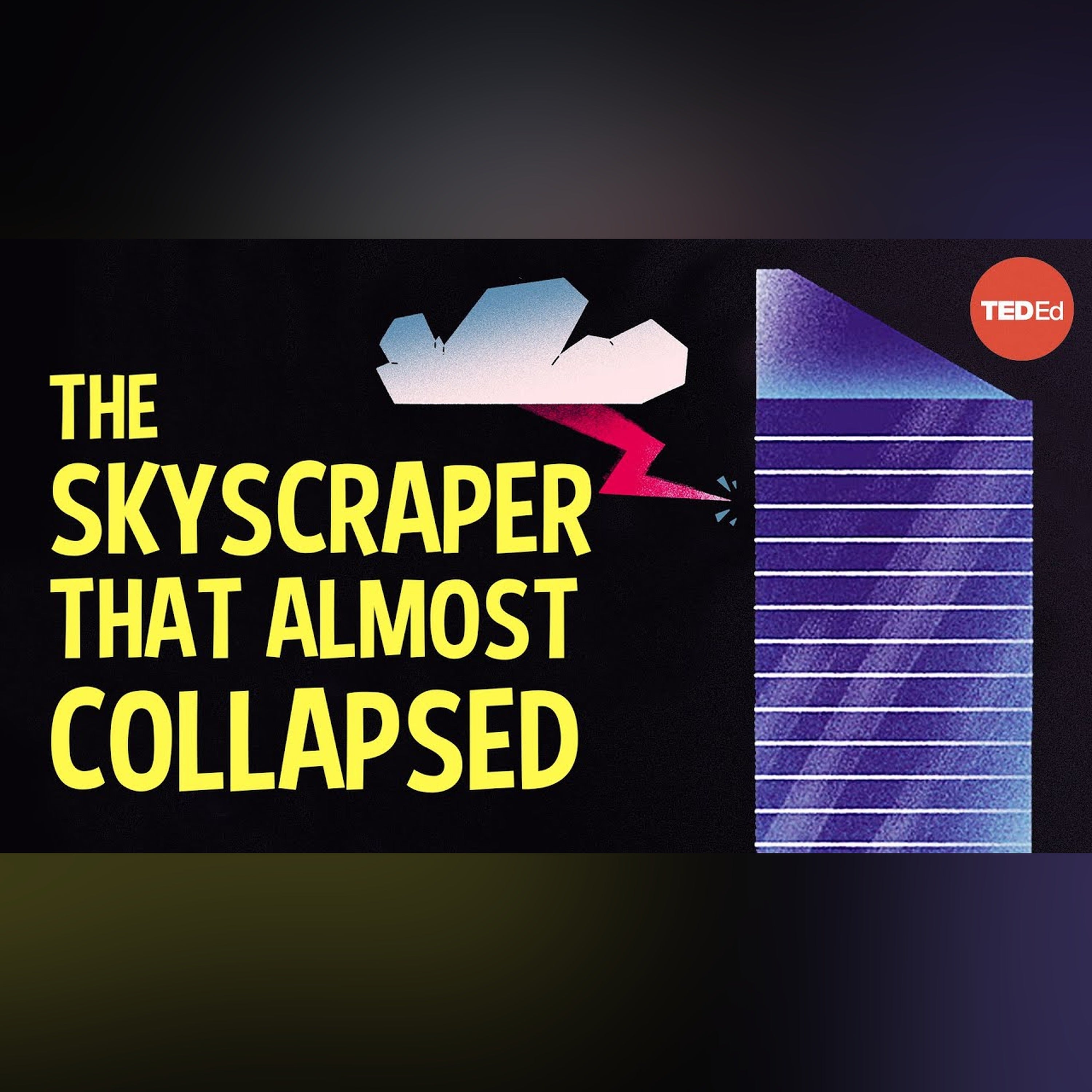
Dig into the unique engineering of New York City’s Citicorp Center tower, and the design flaw that threatened to topple it. Uploaded 06-05-21 -- In 1978, Diane Hartley was writing her undergraduate architecture thesis when she made a shocking discovery. After weeks of poring over the Citicorp Center’s building plans, she’d stumbled on an oversight that threatened to topple the 59-story tower into one of New York City’s most densely populated districts. Alex Gendler digs into the skyscraper’s potentially deadly mistake. Lesson by Alex Gendler, directed by Nicholas Paim, Alopra Studio. Support Our Non-Profit Mission ---------------------------------------------- Support us on Patreon: http://bit.ly/TEDEdPatreon Check out our merch: http://bit.ly/TEDEDShop ---------------------------------------------- Connect With Us ---------------------------------------------- Sign up for our newsletter: http://bit.ly/TEDEdNewsletter Find us on Twitter: http://bit.ly/TEDEdTwitter Peep us on Instagram:
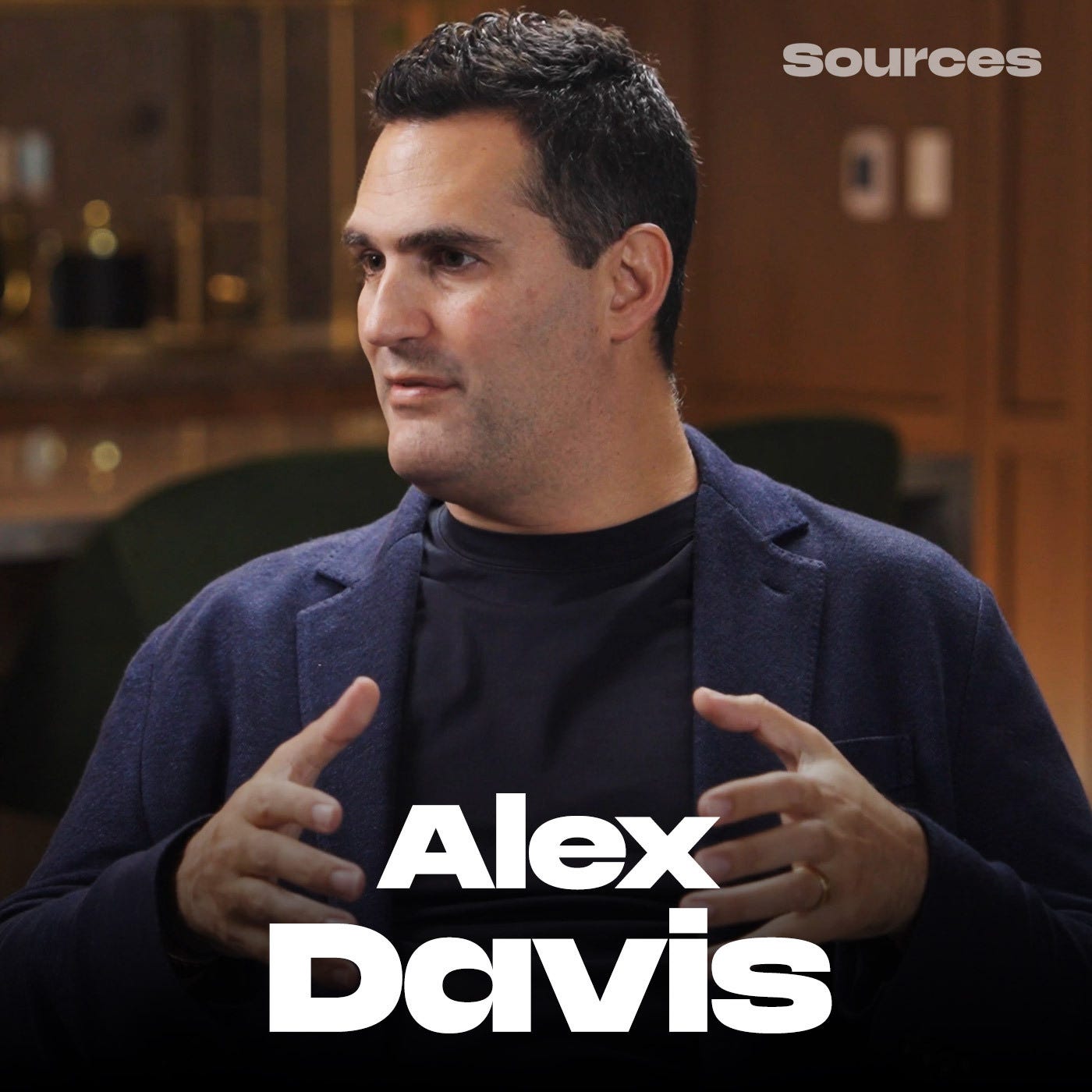
Alex Davis plans to put $10 billion into roughly 10 companies. His firm, Disruptive, has maintained a low profile out of Texas while backing Reflection AI, ElevenLabs, Groq, Shield AI, Databricks, and Helsing. Its earlier investments include Palantir, Airbnb, and Spotify. I sit down with Davis in Dallas for his first-ever podcast interview to understand how he picks the companies worth a billion-dollar check. He focuses on companies he thinks are already winning, even as their valuations climb. We discuss why he doubled down on Palantir before it went public, what he’s building at Groq after its $20 billion licensing deal with Nvidia, and the opportunities he sees in open AI models, compute, and defense technology. I also ask where the AI boom goes wrong, from speculative data centers to investment vehicles promising access to private companies. Thanks to the show’s premiere sponsors: Atlassian, Granola, and Mercury.
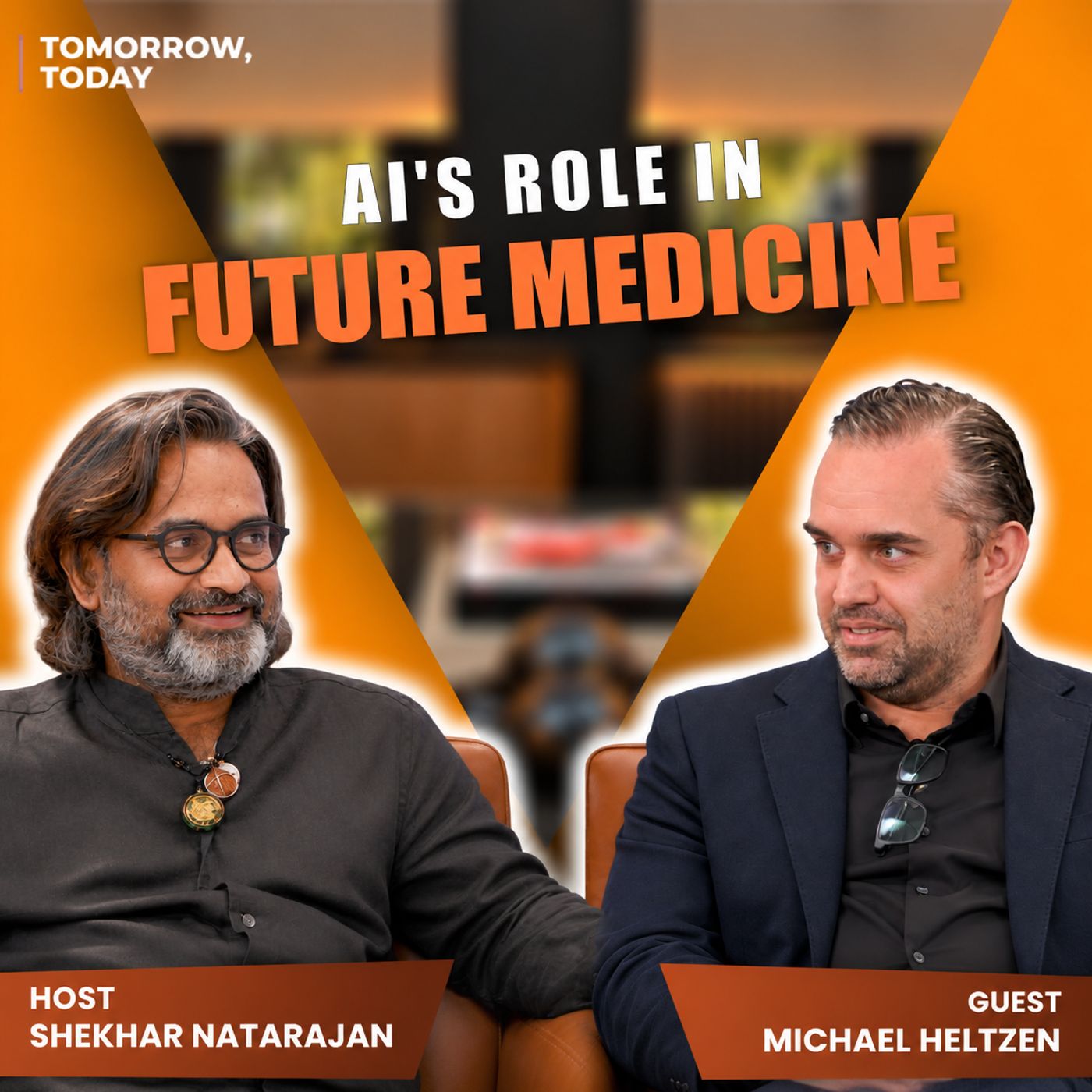
What happens when biology, artificial intelligence, and computing come together? Could we use technology to understand nature more deeply, recreate biological processes, and develop solutions that were once considered impossible? Michael shares his journey from day trading and accounting to discovering bioinformatics in 2004. He explains how his early work with CLC bio connected computing with genomic research and contributed to making DNA sequencing data more accessible and useful for scientists. Shekhar and Michael also discuss the opportunities and risks of artificial intelligence, AI alignment, governance, human values, and the importance of representing different cultures and communities in AI systems. IN THIS EPISODE, WE EXPLORE: • Michael Heltzen’s journey from day trading to biotechnology • What bioinformatics means and how it connects biology with computing • The evolution of DNA sequencing and genomic research • How scientific breakthroughs become invisible parts of everyday
Winning the AI race takes more than building the best model. It demands hardened infrastructure, reliable energy, and the public's confidence. As AI accelerates cyberattacks and China establishes footholds inside American pipelines, ports, and power grids, will policymakers and industry leaders act before a crisis forces their hand? In this inaugural Cyber Focus: Unplugged roundtable, Frank Cilluffo convenes McCrary Institute senior fellows Bill Evanina, Alison King, Cynthia Kaiser, and Rob Joyce. Drawing inspiration from The McLaughlin Group, the panel debates AI's advantage for attackers, Congress's cyber priorities, how to impose costs on China, and whether CISA has the resources to deliver on its new strategy. The discussion closes with blunt predictions on Taiwan, Russian aggression in Europe, and the future of U.S. cyber policy. Main topics Is AI giving attackers the upper hand? What does winning the AI race require? Can the U.S. build public support for AI? What should Congress
One-off charges totalling 8.7 billion euros weighed on Volkswagen's quarterly result. I separate the reported loss of 6 billion euros from the Porsche stake write-down of 6.4 billion euros; these are different figures, not additional losses to add together. For electric Golf buyers, Volkswagen's position is that development is paused until it can accommodate the investment—not cancelled.
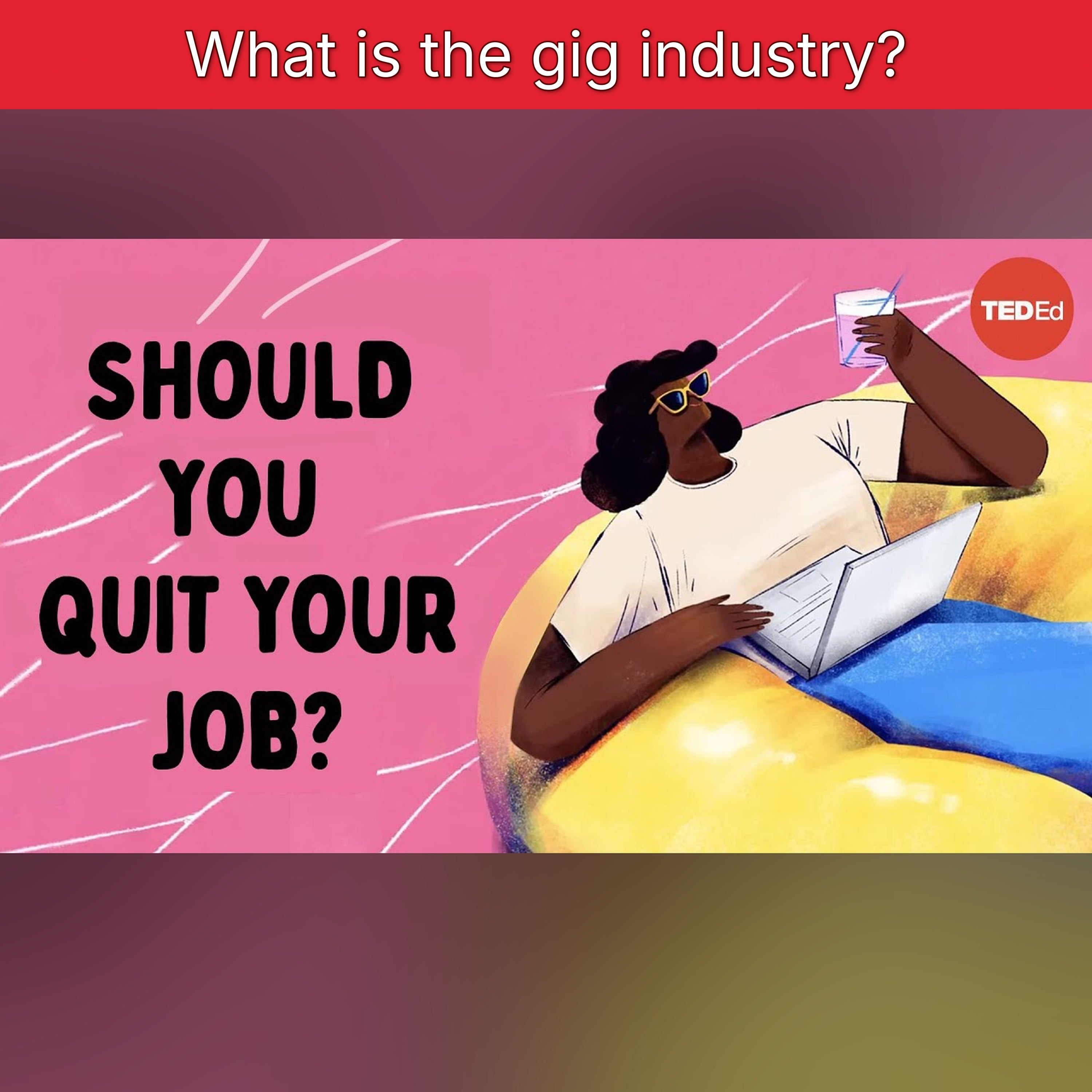
Explore the benefits and drawbacks of the gig economy, and find out the key factors of becoming a successful freelancer. -- A 2016 survey of freelancers in six countries found that those who freelance by choice– 70% of respondents– were happier than people in traditional jobs, specifically when it came to things like independence and flexibility in terms of where and when they work. So what does it take to be a successful freelancer? Explore the benefits and drawbacks of the gig economy. Directed by Christoph Sarow, AIM Creative Studios. This video made possible in collaboration with World Economic Forum Learn more about how TED-Ed partnerships work: https://bit.ly/TEDEdPartners Support Our Non-Profit Mission ---------------------------------------------- Support us on Patreon: http://bit.ly/TEDEdPatreon Check out our merch: http://bit.ly/TEDEDShop ---------------------------------------------- Connect With Us ---------------------------------------------- Sign up for our newsletter: h
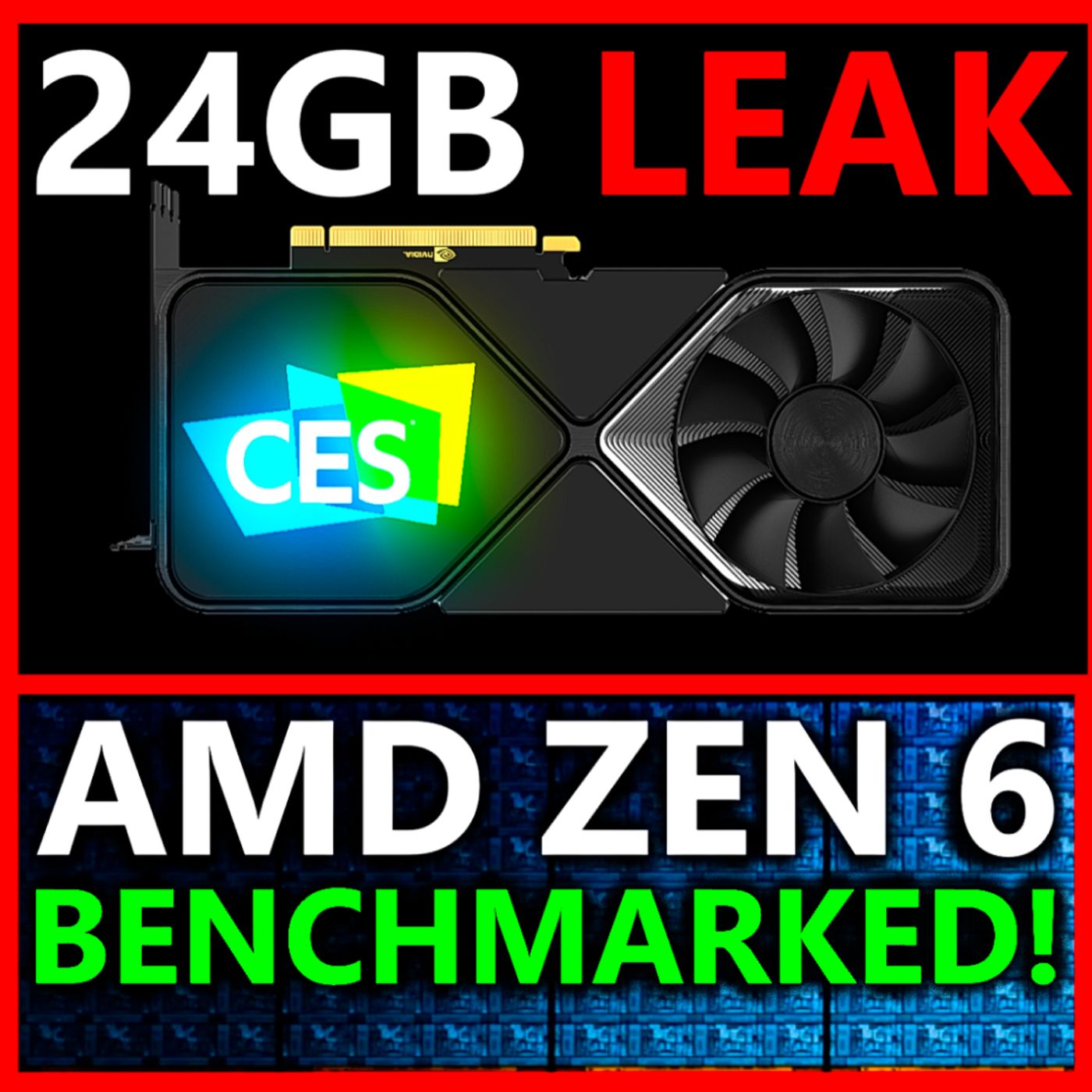
Did Nvidia Kill the 5080 & 5090 to cutout smugglers? We discuss that, and next-gen hardware! [SPON: Download Wondershare Recoverit V15: https://cutt.ly/FyvDXN5J ] [SPON: Sign up here for a 10% head start at FREECASH: https://signup.freecash.com/4zHB9p1 ] [SPON: $24 Win11 Pro w/ "brokensilicon“ CDKeyOffer: https://www.cdkeyoffer.com/cko/Moore11 ] 0:00 Halloween Weekend (Intro Banter) 1:49 AI Bubble vs French Revolution (Corrections) 5:10 GeForce Smuggling Ring Exposed, Sam Altman wants YOUR RAM 14:32 AI Bubble Talk and Waiting for Zen 7 29:11 RTX 60 Series Availability 30:38 RTX 5080 24GB CES Leak 37:51 Broadcom Confirms Rubin RTX 60 Series 46:22 AMD Brings FSR 4.1 to APUs, RDNA 2, and XBOX! 56:36 Intel Nova Lake and AMD Zen 6 Benchmarks! 1:01:31 Sony Leaves Blu-Ray Amidst a Growing AI Hacking Crisis 1:06:50 RIP Bioware 1:16:42 PlayStation Frame Prediction, GTA6 Game Size, HL3, AI Hacks Groceries (Wrap-Up) 1:27:15 Faster EGS, GTA VI PC Release Date, Literally (Final RM) MAJOR SPONSORS:
AI News Flash for November 03, 2026 at 15:00 UTC. Topics: 1. ChatGPT weekly users reach 1.2 billion in two months, OpenAI executive says 2. OpenAI builds Pando, a Git-compatible backend for heavy agent write traffic 3. Snowflake announces business definitions and governance for enterprise AI agents
Tokenizing Apple shares is not innovation. Paolo Ardoino of Bitfinex argues the Bitcoin way to securities is opening capital markets for companies that cannot raise like a Manhattan issuer — not wrapping megacap stocks everyone can already trade at a bank.We also cover exchange OPSEC after a large hack, why Lightning wins on physics for agentic payments, zero trading fees, the Liquid incident, and RGB as a transport layer.00:00 — Intro00:34 — Reaction to the Binance Hack02:10 — Do Hacks Scare People Off Bitcoin?02:27 — Custody and Self-Custody Both Look Fragile05:11 — Employee Laptops and LinkedIn Targeting07:53 — Multisig UX Still Fails Normies10:34 — Exchanges Are Not Banks11:36 — Why Shared-State Chains Cannot Scale Agents13:32 — Lightning Wins Because of Physics15:41 — Liquidity Gravity Around Big LN Nodes17:01 — Hub Risk Without Protocol Failure18:30 — Let Agents Invent Payment Protocols20:33 — Zero Fees Instead of Taxing Retail22:03 — Who Bitfinex Serves in 202623:21 — The Bitcoi
Ahead of the midterms, WIRED talked with New York City’s mayor about data centers, AI in schools, and the future of the Democratic party. Join WIRED’s best and brightest on Uncanny Valley as they dissect the collision of tech, politics, finance, and business, from Alexis Ohanian’s newest tech venture to the effects of inaccurate information from artificial intelligence (AI) chatbots on social protests.
Former OpenAI governance and DeepMind safety researcher Richard Ngo analyzes why rapid recursive self-improvement timelines are overhyped and breaks down how frontier labs justify race dynamics. He explains why AI capabilities will remain jagged for years and argues that the alignment field is bottlenecked by conceptual confusion and political groupthink. -- Follow MTS: Spotify |https://open.spotify.com/show/4HUNNmV1pjV7CW6Lphm1rM Apple |https://podcasts.apple.com/us/podcast/mts/id1891088763 Interested in sponsoring the show? [email protected] – Brought to you by: Mongo DB - Anyone can prototype an agent. Lovable - Turn ideas into software people love with Lovable. Start today at https://lovable.dev/ Larridin - Finally prove what your AI investment is worth. Neon (by Databricks) - Get up to $100K in credits for your startup at https://neon.com/mts (https://neon.com/mts%E2%81%A0) Kong - The AI connectivity platform. Head over to http://getvcx.com (http://getvcx.com/) to learn more Ship 5
Tutor Intelligence co-founder and CEO Josh Gruenstein discusses raising a $75M Series B to build and deploy factory robots across America. He explains why foundation models like GPT Astra unlock real-world physical automation, why 90% of US warehouses still lack a single robot, and how low-cost robotic labor could radically deflate physical goods. -- Follow MTS: Spotify |https://open.spotify.com/show/4HUNNmV1pjV7CW6Lphm1rM Apple |https://podcasts.apple.com/us/podcast/mts/id1891088763 Interested in sponsoring the show? [email protected] – Brought to you by: Mongo DB - Anyone can prototype an agent. Lovable - Turn ideas into software people love with Lovable. Start today at https://lovable.dev/ Larridin - Finally prove what your AI investment is worth. Neon (by Databricks) - Get up to $100K in credits for your startup at https://neon.com/mts (https://neon.com/mts%E2%81%A0) Kong - The AI connectivity platform. Head over to http://getvcx.com (http://getvcx.com/) to learn more Ship 5x faster