A Closer Look at Heart Failure in Type 2 Diabetes - Frankly Speaking Ep 512
10 min
Listen through the publisher, then discuss the episode here or arrange an in-person Roundtable. Your city determines where to meet.
Roundtables are designed for groups of four, with a shared subject and room for everyone to speak. Come for discussion, with no dating expectation.
Credits: 0.25 AMA PRA Category 1 Credit™ CME/CE Information and Claim Credit: https://www.pri-med.com/online-education/podcast/frankly-speaking-cme-512 Overview: Heart failure often goes unrecognized in patients with type 2 diabetes, with important implications for treatment decisions. Listen in as we review evidence on screening for undiagnosed heart failure, examine current guideline recommendations, and discuss how screening results can inform medication management and support more proactive cardiovascular care in primary care practice. Episode resource links: Taylor-Sweet D Targeted Assessment in High-Risk Patients With Diabetes to Identify Undiagnosed Heart Failure (TARTAN-HF). J Am Coll Cardiol. 2026 Aug 11:S0735-1097(26)07132-9 Guest: Alan M. Ehrlich, MD, FAAFP Music Credit: Matthew Bugos Thoughts? Suggestions? Email us at [email protected] The views expressed in this podcast are those of Dr.
Episode information is provided by the publisher. Listening takes place on the publisher’s service.
It's not too often that a giant of physics threatens to overturn an idea held to be self-evident by generations of physicists. Well, that may be the fate of the famous Penrose Singularity Theorem if we're to believe a recent paper by Roy Kerr. Long story short, the terrible singularity at the heart of the black hole may be no more. Roy Kerr Paper: Do Black Holes have Singularities? Check out the Space Time Merch Store PBS Member Stations rely on viewers like you. To support your local station, go to:http://to.pbs.org/DonateSPACE Sign up for the mailing list to get episode notifications and hear special announcements! Search the Entire Space Time Library Here: https://search.pbsspacetime.com/ Hosted by Matt O'Dowd Written by Christopher Pollack & Matt O'Dowd Post Production by Leonardo Scholzer, Yago Ballarini & Stephanie Faria Directed by Andrew Kornhaber Associate Producer: Bahar Gholipour Executive Producers: Eric Brown & Andrew Kornhaber Executive in Charge for PBS: Maribel Lopez Di
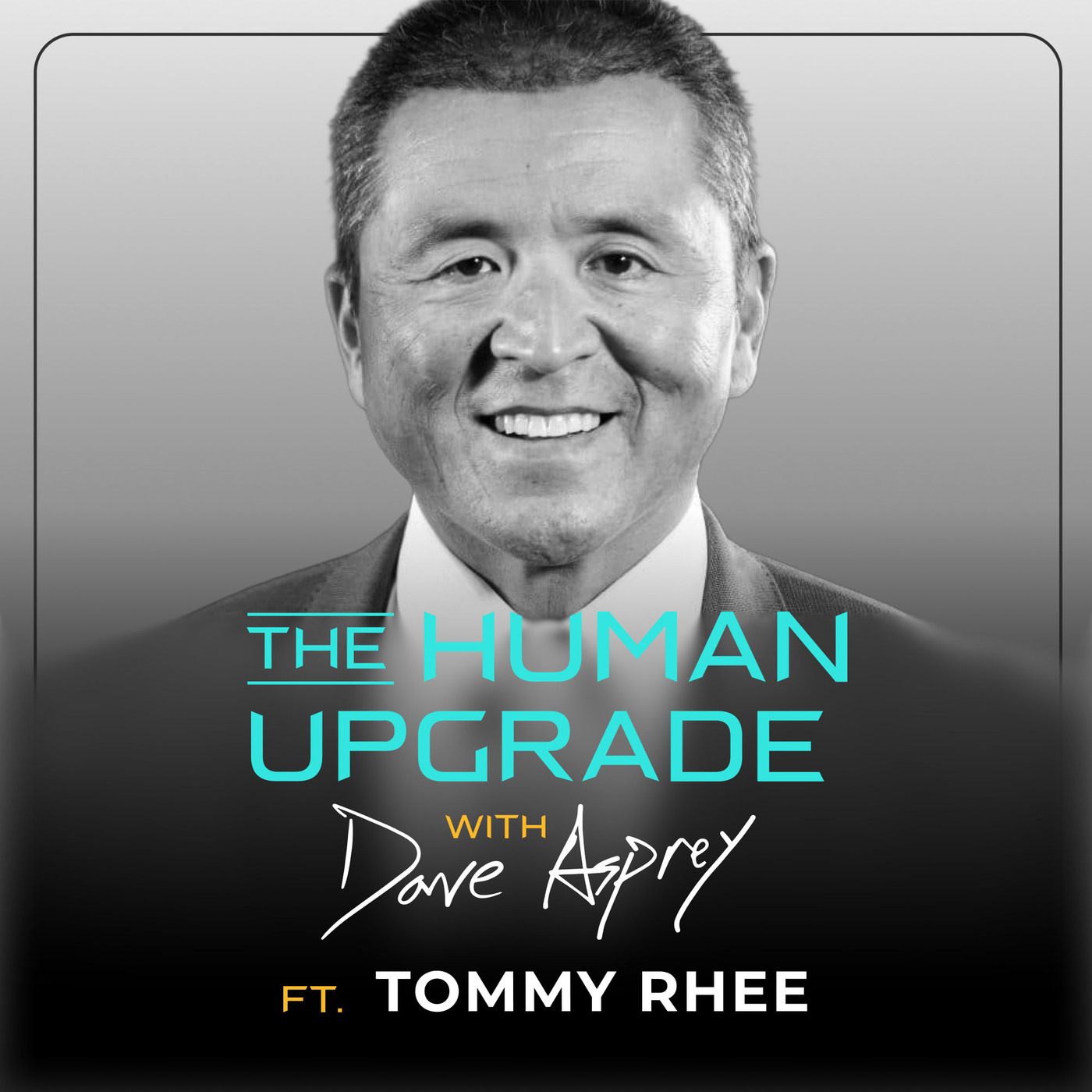
Whole-Body Vibration, Longevity, Nitric Oxide, Bone Density & Cellular Health Host Dave Asprey sits down with Dr. Tommy Rhee, sports chiropractor, regenerative medicine expert, and former practitioner with the Tampa Bay Buccaneers and UCLA Athletics, to explore whole-body vibration, longevity, nitric oxide production, blood circulation, bone density, muscle activation, and the science of mechanical stimulation. Drawing on more than 20 years of clinical experience working with professional and Olympic athletes, Dr. Rhee explains how specific vibration frequencies may influence cellular signaling, cardiovascular function, and physical performance. Dave and Tommy examine why whole-body vibration has become a popular biohacking technology and how just a few minutes of mechanical stimulation may support multiple systems throughout the body. Dr. Rhee explains how standing on a vibration platform creates rapid muscle contractions and mechanical forces that stimulate circulation and may activa
My special guest tonight is author Mike Rothmiller returning to discuss his book called True Crime Chronicles. (https://www.amazon.com/TRUE-CRIME-CHRONICLES-Killers-Outlaws-ebook/dp/B08JGQ11G3/ref=pd_sim_nf_351_4/130-5795280-3412802?_encoding=UTF8&pd_rd_i=B08JGQ11G3&pd_rd_r=c9cac242-34c6-43bd-a164-7abf284e11f5&pd_rd_w=sRMZV&pd_rd_wg=e7C8B&pf_rd_p=90765e8c-a52e-4c61-b338-0577ef37d819&pf_rd_r=FG0MGZA09A8S77SJJ1HF&psc=1&refRID=FG0MGZA09A8S77SJJ1HF) TRUE CRIME CHRONICLES, Volume One, includes stories about Belle Gunness, who had a penchant for killing men and feeding them to her hogs, Dr. Holmes and his "murder castle," The Bloody Benders, and Amelia Dyer, the "baby farmer," the darker side of Wyatt Earp, and the forerunners of the American Mafia, "The Black Hand." Imagine yourself accompanying these reporters visiting the crime scenes, interviewing witnesses, and penning the stories of murder, lynchings, evil, and swift frontier justice. More History on Baby Farming: Baby farming is the h
Shopping in a cost of living crisis means more of us are looking for bargains. But ahead of Black Friday and the Christmas shopping rush, experts are warning consumers to be cautious. Tests on fake make-up, perfumes and skin creams have been shown to contain dangerous substances such as mercury and nicotine. Laura Foster speaks to toxicologist Rani Ghosh and Helen Barnham from the Intellectual Property Office about the health risks linked to fake cosmetics including blistering, blindness and kidney damage. After research by the University of Cambridge and University of East Anglia suggested females with autoimmune diseases are less likely than men to be believed, more and more women have been coming forward to share their experiences. We hear from Beth Smith from East Yorkshire about her long, diagnostic journey and speak to the research lead, Dr Melanie Sloan, about what can be done to stop the gender bias and reduce the likelihood of anyone being misdiagnosed, no matter their gender.
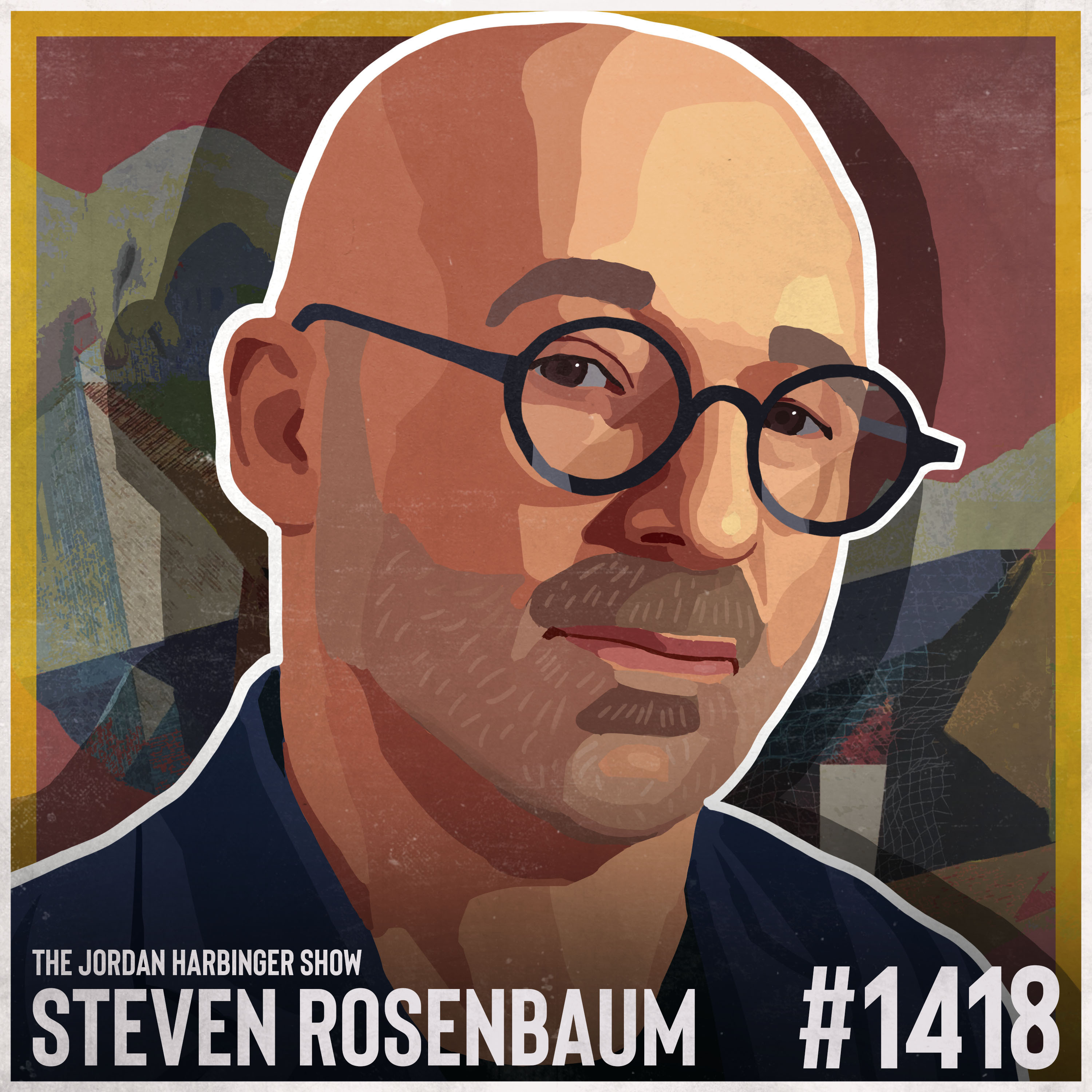
What happens when a book about truth gets caught with fake quotes? Steven Rosenbaum explains how AI fooled him and how to keep it from fooling you. Full show notes and resources can be found here: jordanharbinger.com/1418 (https://jordanharbinger.com/1418) What We Discuss with Steven Rosenbaum: How a former stage illusionist turned media maker sees AI blurring the line between performances we agree to be fooled by and content so convincing we assume it's true — and why "How did it make you feel?" is a better first question than "Is this real?" Why algorithmic feeds distort reality even when every individual post is authentic, amplifying whatever provokes us until we believe the whole world shares our outrage, and how this widens divides between people who likely agree on more than they realize. What changes when AI agents stop suggesting and start choosing for us: paid placement quietly shapes recommendations, options below the fold become invisible, and data-driven decisions about hir
The human brain remains one of the greatest unsolved mysteries in science. We have roughly 86 billion neurons firing in a way that somehow produces intelligence, and yet the brain is still largely a black box. In the early days of AI, researchers looked to the brain for clues about how to build smarter machines. But today, that relationship has been flipped on its head. Join Professor Hannah Fry and neuroscience researchers Maria Eckstein and Kim Stachenfeld to see how scientists are using AI to better understand the human mind. Please leave us a review on Spotify or Apple Podcasts if you enjoyed this episode. We always want to hear from our audience whether that's in the form of feedback, new idea or a guest recommendation! Hosted by Simplecast, an AdsWizz company. See https://pcm.adswizz.com for information about our collection and use of personal data for advertising.
Credits: 0.25 AMA PRA Category 1 Credit™ CME/CE Information and Claim Credit: https://www.pri-med.com/online-education/podcast/frankly-speaking-cme-511 Overview: The prevalence of tick-borne illnesses has exploded over the past 5 years, with many factors favoring a proliferation of ticks and the conditions caused by their bites. Join us as we review the epidemiology and prevalence of alpha-gal syndrome (AGS), common clinical presentations, and practical approaches to diagnosis, management, and prevention of this tick-borne syndrome. Episode resource links: Owens Pickle E, Dye-Braumuller K, Self S, Commins SP, Nolan MS. Tick to table: a scoping review on the global impact of alpha-gal syndrome. J Med Entomol. 2026;63(2):tjag040. doi:10.1093/jme/tjag040 Naseem, Z., Muhammad, A., Chatterjee, A., Rubio-Tapia, A. Alpha-gal syndrome: Recognizing and managing a tick-bite-related meat allergy. Cleve Clin J Med. 2025;92(5):311-319. Published 2025 May 1. doi:10.3949/ccjm.92a.24072 Guest: Susan F
Credits: 0.25 AMA PRA Category 1 Credit™ CME/CE Information and Claim Credit: https://www.pri-med.com/online-education/podcast/frankly-speaking-cme-510 Overview: Genitourinary syndrome of menopause (GSM) often goes unreported unless clinicians ask. This episode helps you proactively identify vaginal and urinary symptoms, understand how intravaginal dehydroepiandrosterone (DHEA) works, evaluate evidence supporting its use for vulvovaginal atrophy (VVA), and guide patient-centered treatment discussions that can improve comfort, sexual health, and quality of life. Episode resource links: Lemos, M. J., Queiroz, L. F., Diniz, A. F., Longo da Silva, C. M., Dos Santos, P. L., de Oliveira Gomide, P., Ferraz, J. M., & De Marco Novellino, A. M. (2026). Intravaginal dehydroepiandrosterone for the treatment of vulvovaginal atrophy: a systematic review and meta-analysis. Menopause (New York, N.Y.), 33(7), 852–858. https://doi.org/10.1097/GME.0000000000002736 Guest: Jill M. Terrien PhD, ANP-BC Music
Keeping personal information private is worth giving up some digital convenience.
Share your view, then see how readers voted. No sign-in required. This poll is shared across stories.
Do you agree or disagree?
Common Quandary
A Common Quandary to discuss
Another conversation to explore, separate from this news story.
Your neighbor keeps playing music at midnight. How many friendly warnings do they get?
A neighbor regularly plays music late enough to disturb your sleep. Friendly requests help briefly, but a formal complaint could threaten their lease in a building with few affordable options.
How far should empathy extend when someone repeatedly ignores your needs?