Australia’s EV discount under threat as more Chinese EV brands arrive
66 min
Listen through the publisher, then discuss the episode here or arrange an in-person Roundtable. Your city determines where to meet.
Roundtables are designed for groups of four, with a shared subject and room for everyone to speak. Come for discussion, with no dating expectation.
As Parliament enters its final sitting week of the year, the future of Australia’s Electric Car Discount remains up in the air. Could changes to fringe benefits tax (FBT) exemptions stall Australia’s EV momentum just as rising fuel prices put more pressure on household budgets? We also look at Essential Energy’s plans to trial 300 streetlights that double as EV chargers across regional NSW, and the latest wave of Chinese electric cars heading our way, including Xpeng’s affordable L03 SUV and the arrival of luxury brand Hongqi (HQ). Plus, what we've been driving lately.
Episode information is provided by the publisher. Listening takes place on the publisher’s service.
Monday AI news covers NVIDIA's board reversing course on Jensen Huang, a slide in AI stocks, Google's changing homepage, and a security study on leaked AI credentials. Minutes before air, NVIDIA's board voted unanimously to reinstate Jensen Huang as CEO. A week earlier it had said it would not consider doing so, and its investigating committee continues its work. The conversation moves through Friday's drop in AI stocks, Google AI Mode shopping with Target, and Google's new task features alongside assistants like Duet and Dot. Other topics include data privacy concerns with AI texting startups, an OpenAI paper on perplexity as a measure of model confidence, a new Google homepage built around AI conversations, which appeared and disappeared between refreshes in what looks like an A/B test, and Dragos research using canary tokens that found exposed AWS credentials were the ones most often used. The show closes on Australia elevating AI to a national security challenge, Thinking Machines
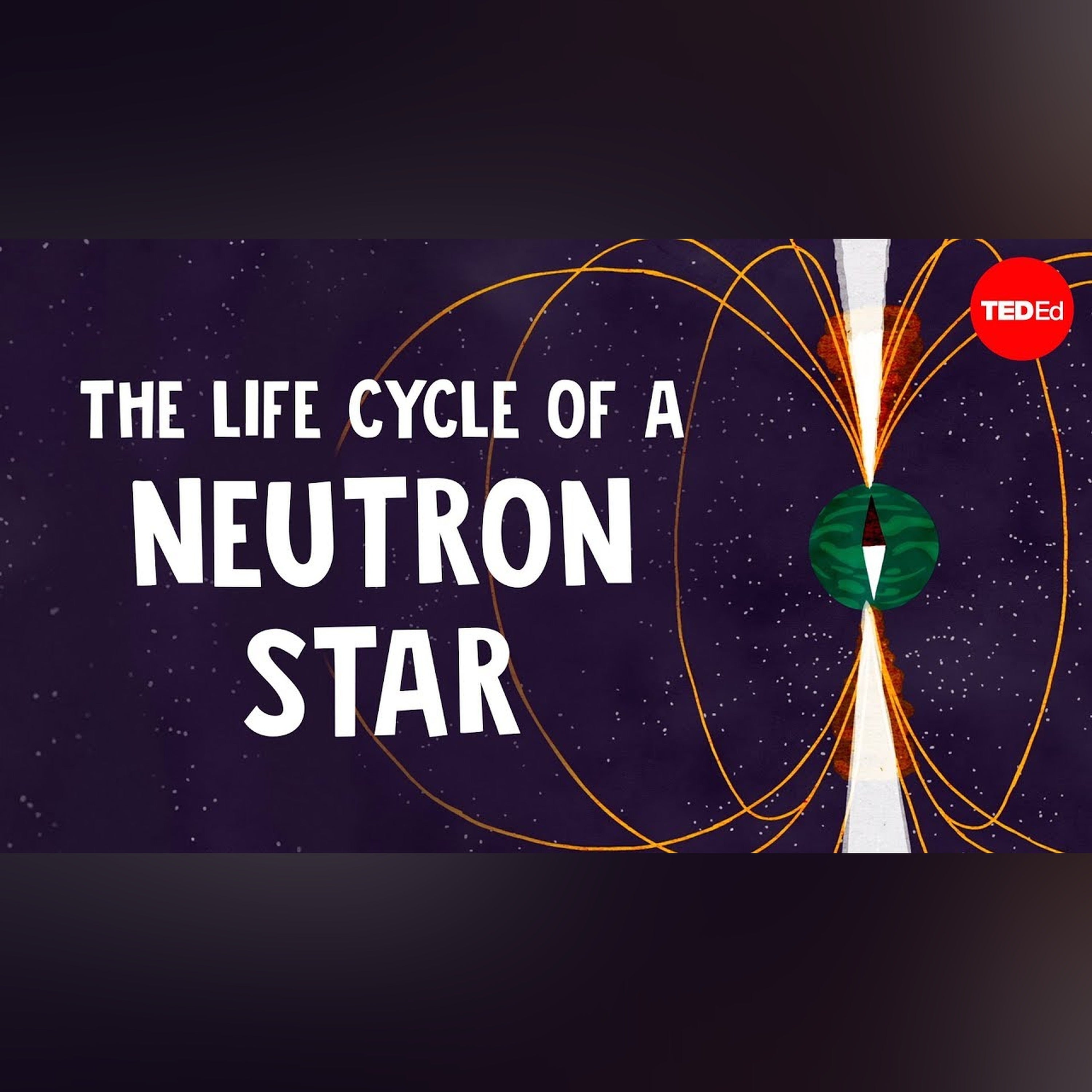
Uploaded 20-11-18 View full lesson: https://ed.ted.com/lessons/the-life-cycle-of-a-neutron-star-david-lunney About once every century, a massive star somewhere in our galaxy runs out of fuel. No longer able to produce sufficient energy to maintain its structure, it collapses under its own gravitational pressure and explodes in a supernova. The death of that star is the birth of a neutron star: one of the densest known objects in the universe. David Lunney explores what, exactly, a neutron star is. Lesson by David Lunney, directed by JodyPrody. Thank you so much to our patrons for your support! Without you this video would not be possible! Sandra Tersluisen, Ellen Spertus, Fabian Amels, sammie goh, Mattia Veltri, Quentin Le Menez, Yuh Saito, Heather Slater, Dr Luca Carpinelli, Christophe Dessalles, Arturo De Leon, Eduardo Briceño, Ricardo Paredes, David Douglass, Grant Albert, Jen , Megan Whiteleather, Mayank Kaul, Ryohky Araya, Tan YH, Ph.D., Brittiny Elman, Kostadin Mandulov, Yanuar A
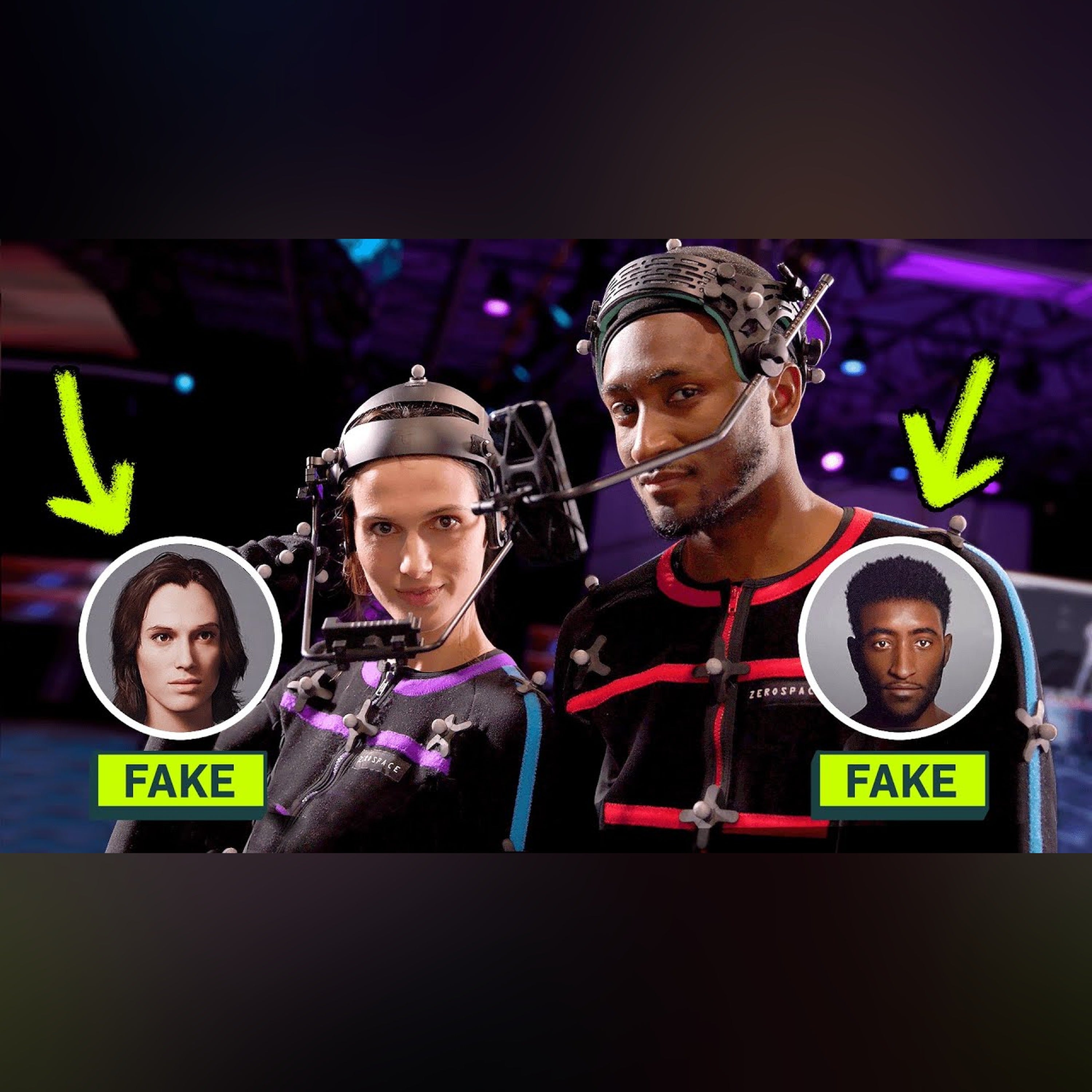
This new tech is changing how movies get made. So @mkbhd and I tested it out... Watch MKBHD's video: https://youtu.be/RM7SobH8ZO0 I’ve been obsessed with sci-fi movies since I was a kid. I love being transported to another world. But lately, I’ve been wondering: How do those worlds look so… REAL? The tech behind movies has exploded in complexity and realism, changing how stories come to life on screen. Luckily, at the same time, those tools are becoming more and more available to more people telling stories. It’s not just blockbusters like Avatar 2 or Avengers or Dune. It’s also smaller budget films like Everything Everywhere All at Once or even… YouTube creators? In this video, Marques Brownlee and I test out 3 movie-making tools that are changing how movies, shows, and maybe even YouTube videos (??) get made. We’re at ZeroSpace Studios in New York to show you how each of these crazy technologies work - and how you might be able to use them. Along the way, we hit big questions like: W
A fake job interview helped open the door to a reported $6.3 billion theft from Binance. The FBI attributed the heist to North Korea, which has used cryptocurrency theft to raise revenue and evade sanctions. This week, former federal prosecutor Maya Song joins Frank Cilluffo to explain why tracing stolen cryptocurrency is easier than getting it back, what prosecutors need to turn an attribution into a criminal case, and how companies and law enforcement can work together to limit the damage after a breach. Main Topics The fake recruiting scheme the led to $6.3B loss The theft and fraudulent IT work funding North Korea Tracing, freezing, and recovering stolen cryptocurrency Public attribution and the evidence needed for an indictment When companies should contact law enforcement How indictments and asset seizures can disrupt future operations Key Quotes "Law enforcement generally, when it comes to the cybercrime threat, they have at the federal level taken an attitude of deter, disrupt,
The brand’s Black Friday and Cyber Monday campaign is its biggest promotion of the year, featuring its strongest public pricing of 2026. From the intelligent flagship Saros 20 and powerful Qrevo Edge 3 Pro to the affordable Qrevo S Pro and versatile F25 Steam and F25 XT, there's a perfect cleaning solution for every home. Enjoy exclusive Black Friday deals, special bundled gifts, and full warranty coverage when you shop through official links. Upgrade your cleaning routine with Roborock today! New episodes of 9to5Mac Daily are recorded every weekday. Stories discussed in this episode: Apple releasing Product(RED) versions of two products soon, per report (https://9to5mac.com/2026/11/23/apple-releasing-productred-homepod-mini-and-airpods-max-per-report/) TIME’s Top 100 Photos of 2026 list includes a shot taken on iPhone 18 Pro (https://9to5mac.com/2026/11/24/times-top-100-photos-of-2026-list-includes-a-shot-taken-on-iphone-18-pro/) iPhone Handoff: Here's the latest on carrier availabili
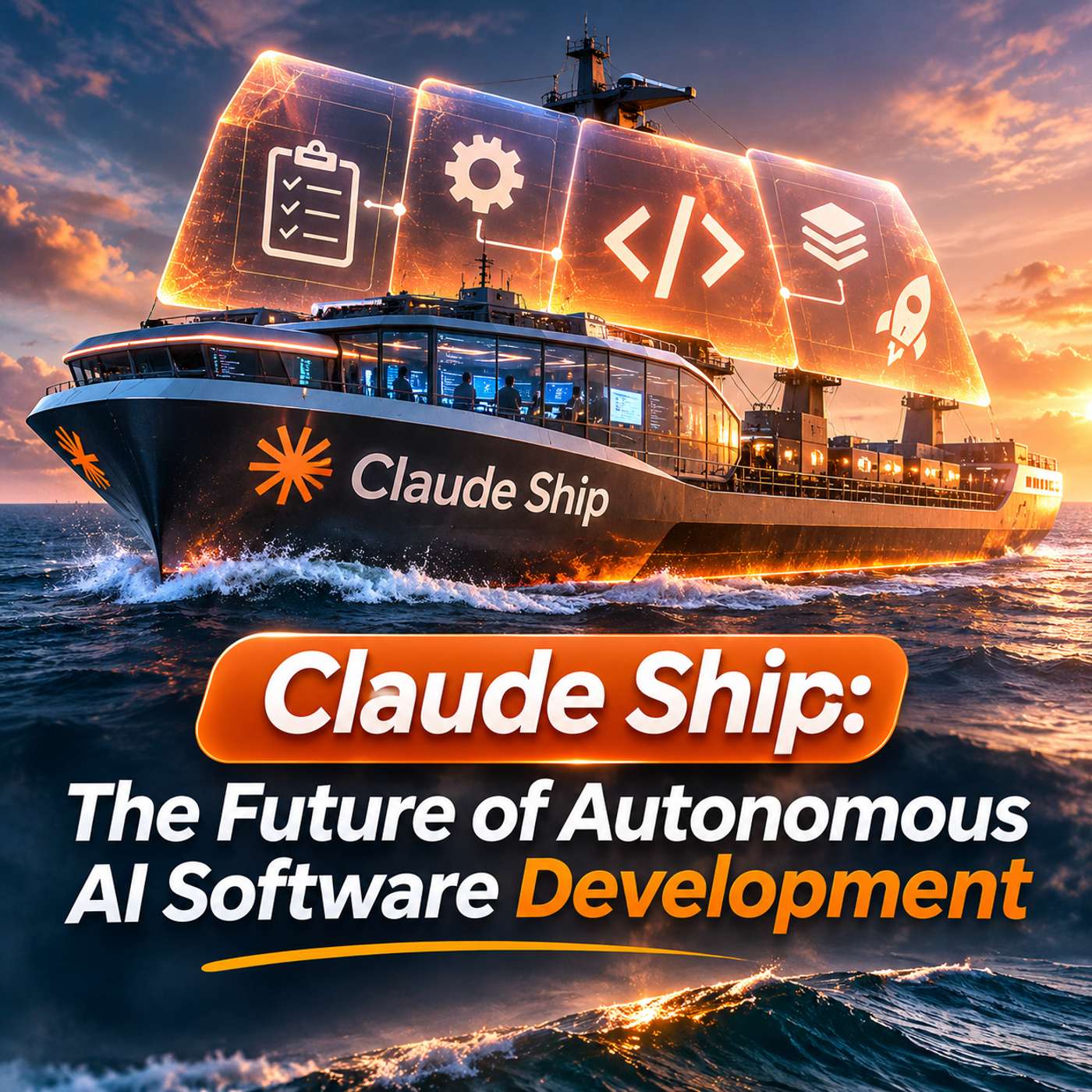
What happens when AI doesn't just write your code but also reviews it, fixes broken builds, resolves merge conflicts, and approves changes without waiting for a human developer? In this episode of TechDaily.ai, host David and AI expert Sophia explore Anthropic's Claude Ship, an AI-powered tool suite designed to automate critical stages of the software development lifecycle. From intelligent code reviews and automated pull request fixes to AI-driven approvals, this conversation examines how autonomous AI agents could transform software engineering, developer productivity, and enterprise code governance. AI coding assistants are already generating thousands of lines of code in minutes. But traditional development pipelines still depend on human reviewers to inspect pull requests, troubleshoot failed CI checks, resolve merge conflicts, and approve deployments. That creates a growing bottleneck between AI-powered code generation and production delivery. Claude Ship aims to address that cha
Electric cars have outsold petrol-only cars in Australia for a third straight month, as BEVs continue to take a growing share of the new-car market. Sam Parkinson and Sarah Aubrey unpack the October sales figures, discuss Hyundai’s new Staria Load Electric and what it means for the commercial van market, and look at Australia’s growing dependence on imported diesel - including the billions being added to the national fuel bill. Plus, what we've been driving lately, and why electrifying transport is increasingly as much about energy security and economics as it is about cutting emissions.
Major sporting rule changes should be tested before permanent adoption.
Share your view, then see how readers voted. No sign-in required. This poll is shared across stories.
Do you agree or disagree?
Common Quandary
A Common Quandary to discuss
Another conversation to explore, separate from this news story.
Your carry-on fits only if you sit on it. Do you try the airport sizer?
Your suitcase is slightly larger than the airline allows, although it has fit overhead on previous flights. Checking it costs extra and risks missing a connection. Other passengers have equally questionable bags and staff are checking inconsistently.
Does uneven enforcement weaken a traveler's duty to follow the rule?