Christa Pike: The Execution That Failed | Cruel and Unusual- Part 1
53 min
Listen through the publisher, then discuss the episode here or arrange an in-person Roundtable. Your city determines where to meet.
Roundtables are designed for groups of four, with a shared subject and room for everyone to speak. Come for discussion, with no dating expectation.
On September 30, 2026, Tennessee attempted to execute Christa Pike. She was given two doses of lethal injection drugs. But she didn't die. What happened inside that execution chamber—and how did a state-sanctioned execution go so terribly wrong? Pike was sentenced to death for the brutal 1995 murder of 19-year-old Colleen Slemmer. Nearly three decades later, Colleen's family arrived expecting to witness the execution of the woman convicted of killing her. Instead, they watched an execution attempt that would raise serious questions about Tennessee's death penalty system. In Part 1 of Cruel and Unusual, Tyrella and Nikita reconstruct the failed execution, the warnings that preceded it, the emergency response, and the aftermath. We examine the people responsible for carrying out the execution, the state's handling of the crisis, and the questions investigators and attorneys are now trying to answer. This isn't a debate about Christa Pike's guilt. It's a question about what happens when the government fails at the one thing it has taken absolute responsibility for doing. And if someone survives an execution, what happens next? Part 2 explores whether Tennessee can legally attempt to execute Christa Pike again and is available NOW for patrons (https://www.patreon.com/c/killerqueenspod). New to This Feels Criminal? Hang with us: Like Us on Facebook (https://www.facebook.com/killerqueenspod/) Bonus Episodes (http://www.patreon.com/killerqueenspod) Support Our AMAZING Sponsors: SKIMS: Shop my favorite loungewear and pajamas at https://www.skims.com (https://www.skims.com/). #skimspartner
Episode information is provided by the publisher. Listening takes place on the publisher’s service.
Matthew Farwell’s conviction settled the federal case against him. It did not settle what may have happened to evidence, what other officers knew, or how many cases depended on his work as a Stoughton police detective. Tony Brueski is joined by retired FBI agents Jennifer Coffindaffer and Robin Dreeke to connect two questions that belong together: could there be more arrests in the Sandra Birchmore case, and should prosecutors review the cases Farwell once investigated? These are not the same question, and neither has an automatic answer. William Farwell, Matthew’s twin, testified under federal immunity. Former Stoughton deputy chief Robert Devine has contested an oversight board’s findings concerning the “Marty Riggs” Facebook account, saying he was hacked. Neither has been charged in Sandra’s death. Coffindaffer lays out what investigators would need: corroborated communications, authenticated account access, consistent timelines and proof of each person’s conduct. Knowing somebody i
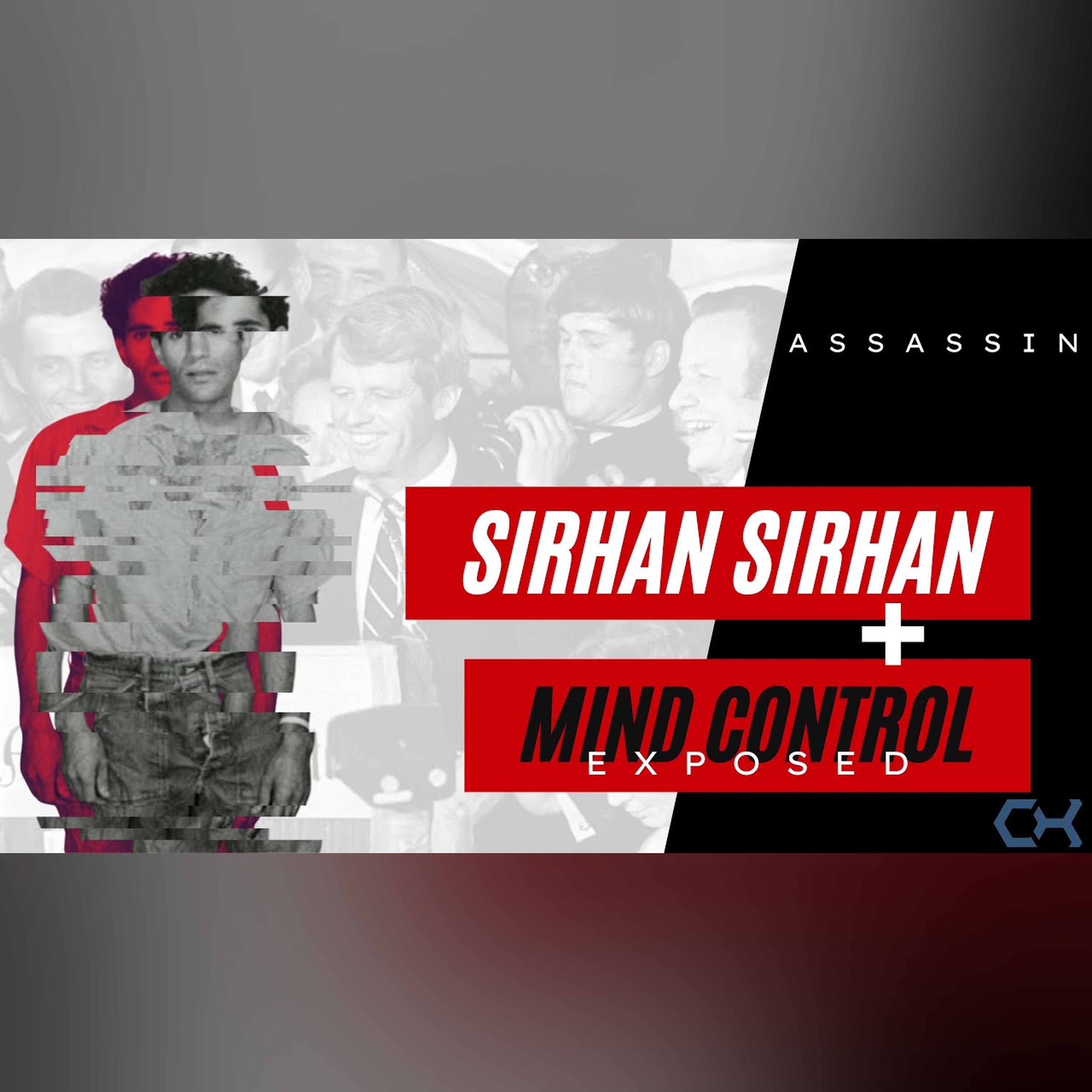
Join NCI University today to master human behavior and influence: Uploaded 05-11-21 This is a dive to discover the possibilities, not the case itself. Sirhan Sirhan, in full Sirhan Bishara Sirhan, (born March 19, 1944, Jerusalem), Palestinian-born Jordanian citizen who was convicted (1969) of fatally shooting U.S. Sen. Robert F. Kennedy on June 5, 1968. He received the death penalty, but the sentence was later commuted to life. Sirhan, a Christian Palestinian, was born in Jerusalem. In 1948 Jordan took control of East Jerusalem and what is now the West Bank, and the following year it granted citizenship to people living in those areas. It is believed that this is how Sirhan became a Jordanian citizen. In the 1950s, he and his family moved to the United States and eventually settled in Pasadena, California. There he attended Pasadena City College and later held odd jobs, notably working at a horse stable and later at a health food store. During this time, Sirhan became vocal in his oppo
In 1959, hundreds of people packed up their lives and moved to a compound outside Waco, Texas, to wait for the end of the world. It never came. In the first part of our 3-part series on the Waco siege, Katie Ring goes back to the beginning: the failed prophecy that shattered a religious movement, the bitter fight over who would lead what was left of it, and the young man from East Texas who showed up at exactly the right moment. Follow America's Most Infamous Crimes to hear the rest of the story: https://pod.link/1882861002 To hear episodes ad-free, subscribe to Crime House+. Need More to Binge? Follow me on Social Instagram: @Crimehouse (https://www.instagram.com/crimehouse/) TikTok: @Crimehouse (https://www.tiktok.com/@crimehouse) X: @crimehousemedia (https://x.com/crimehousemedia)
We brought together two people who have constantly fought each other online. Both of them are on the right…and we brought them together to ask one fundamental question. Is there any pathway through the right-wing civil war that doesn’t end with us destroying each other, only to be ruled by the left? WATCH THE FULL DISCUSSION HERE: https://www.youtube.com/watch?v=xHsn_fAeB78 Nick's Ugly Mug Coffee You can join now at https://Get.BlazeTV.com/Nick to get $50 OFF your first year during our Black Friday Sale! ----- GhostBed mattresses are engineered for cooling, comfort, and support, with 101 nights to try one at home, subject to their trial terms. ----- WORLD Watch is a daily, 10-minute video news program that helps Christian teens understand what's happening in the world through trustworthy reporting and a biblical worldview. It helps families have meaningful conversations about current events and build the critical-thinking skills kids need as they grow up. Try WORLD Watch free for 30 da
1945 MAO Filial Betrayal: The Denunciation of Fang Zhongmou and a Son’s Lifelong Remorse — Part Two Tania Branigan, author of Red Memory: The Afterlives of China’s Cultural Revolution, recounts how Zhang Hongbing, as a teenager, denounced his mother, Fang Zhongmou, for criticizing Mao, leading to her public execution. Decades later, Zhang lives with unbearable guilt and battles construction crews to preserve her precarious, repeatedly relocated grave. (7)
This gripping episode examines five infamous cases where verdicts failed to end public debate. From Lizzie Borden's 1893 acquittal to Sam Sheppard's media circus trial, Michael Peterson's staircase mystery, and Adnan Syed's podcast-fuelled controversy, each case demonstrates how juries deliver answers whilst leaving fundamental questions stubbornly, maddeningly unresolved for generations.
"I can say with 100% confidence I was raped." Those were Jane Doe's words to Cornell University Police. But when the district attorney explained why no criminal charges had been filed, he characterized her signed statement as describing sexual activity that was voluntary, conscious, and consensual. Then a much longer police interview became public. The prosecutor said he'd never seen it. In Part 2, Tyrella and Nikita examine the six-page statement at the center of the controversy, the evidence behind the decision not to prosecute, and why Cornell's own investigation reached very different disciplinary outcomes. What does New York law actually require to establish a sexual offense? How does that differ from a university's consent policy? And what happens when two institutions examine the same night but answer fundamentally different questions? With the case reopened and institutional decisions under renewed scrutiny, the Cornell 7 story raises a question much bigger than one fraternity
At 1:42 a.m., a message appeared in a fraternity group chat at Cornell University. What was happening inside that house—and how many people knew? In October 2024, a Cornell student known as Jane Doe went to the Chi Phi fraternity house to spend time with someone she trusted. What followed would become the subject of a sexual assault investigation, university disciplinary proceedings, and a lawsuit naming seven fraternity members. But the story is far more complicated than a single allegation. There are conflicting accounts of consent, messages sent while the night was still unfolding, people who entered and left the room, and questions about who witnessed what—and whether anyone should have intervened. In Part 1, Tyrella and Nikita reconstruct the night through Jane Doe's statements, the men's accounts, text messages, and investigative records. Because this case isn't just about what allegedly happened inside one room. It's about how many people can be present—and how differently they
Erica Kinsman accused Florida State quarterback Jameis Winston of rape. As she fought to have her allegation taken seriously, Winston became one of the biggest stars in college football—and won the Heisman Trophy. Winston maintained that their encounter was consensual. Prosecutors declined to bring criminal charges. But the questions surrounding the investigation, the university's response, and the treatment of Kinsman didn't disappear. In Part 2 of our examination of The Hunting Ground, Tyrella and Nikita revisit Erica's account and explore what happens when a sexual-assault allegation involves a celebrated college athlete. Then we go beyond the documentary. What did federal investigators actually find at UNC? What happened at Baylor? How do universities balance the rights of complainants and accused students? And have changes to Title IX made campuses safer—or simply changed the way these cases are handled? We also examine the difference between an allegation, a criminal charge, a un
Admissions should consider applicants' circumstances alongside grades and test results.
Share your view, then see how readers voted. No sign-in required. This poll is shared across stories.
Do you agree or disagree?
Common Quandary
A Common Quandary to discuss
Another conversation to explore, separate from this news story.
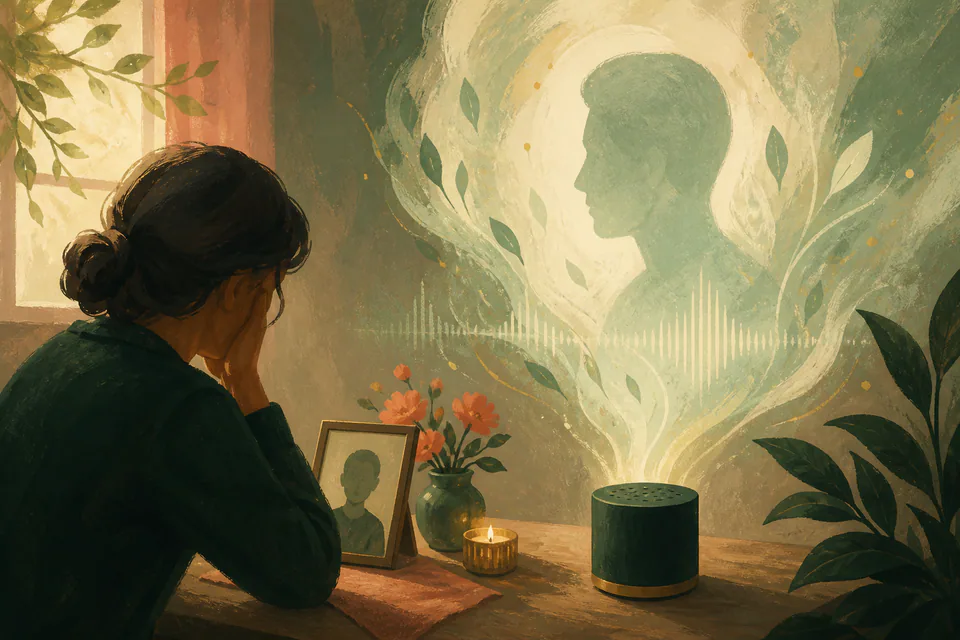
An app can text exactly like someone you lost. Would you keep talking to it?
A service can create a conversational likeness from a deceased person's messages and recordings. A grieving family member finds it comforting, although the deceased never consented to this use of their data.
Can comfort justify creating a voice the dead never authorized?