Ep. 409 (Coffee Time) Is Horsepower More Expensive and Fur Pelts Are Becoming Popular Again
60 min
Listen through the publisher, then discuss the episode here or arrange an in-person Roundtable. Your city determines where to meet.
Roundtables are designed for groups of four, with a shared subject and room for everyone to speak. Come for discussion, with no dating expectation.
Kent is in a tree for the rut, so we start with deer biology and why poaching is the one crime hunters never forgive. Then we dig into why new tractors cost up to $2,000 per horsepower, and how Iowa’s collapsed fur market left raccoons running unchecked across the landscape. BirdHunterSupply.com (for all your bird hunting supplies and dog hunting supplies)
Episode information is provided by the publisher. Listening takes place on the publisher’s service.
The fight for the future of car racing has begun... If you want more optimistic stories about technology, subscribe to support our show! You already know about Formula 1. The car racing sport is famous around the world and is skyrocketing in popularity in the US in part because of the Netflix series Drive To Survive. But Formula 1 has a problem. More and more the cars that we drive are going fully electric, and the cars that they drive… aren’t. That matters, because the real reason F1 gets all this money and attention is that big companies are investing in and advertising their cutting edge tech. If that tech gets outdated, it loses the point - and the extra investment. What is the future of car racing? If it’s electric, does F1 change? Or is someone else going to get there first? Enter Formula E, the all-electric Formula 1. In this video, we explore the future of car racing, explain Formula E’s amazing tech and wild rules, and break down the drama within one of the world’s most popula
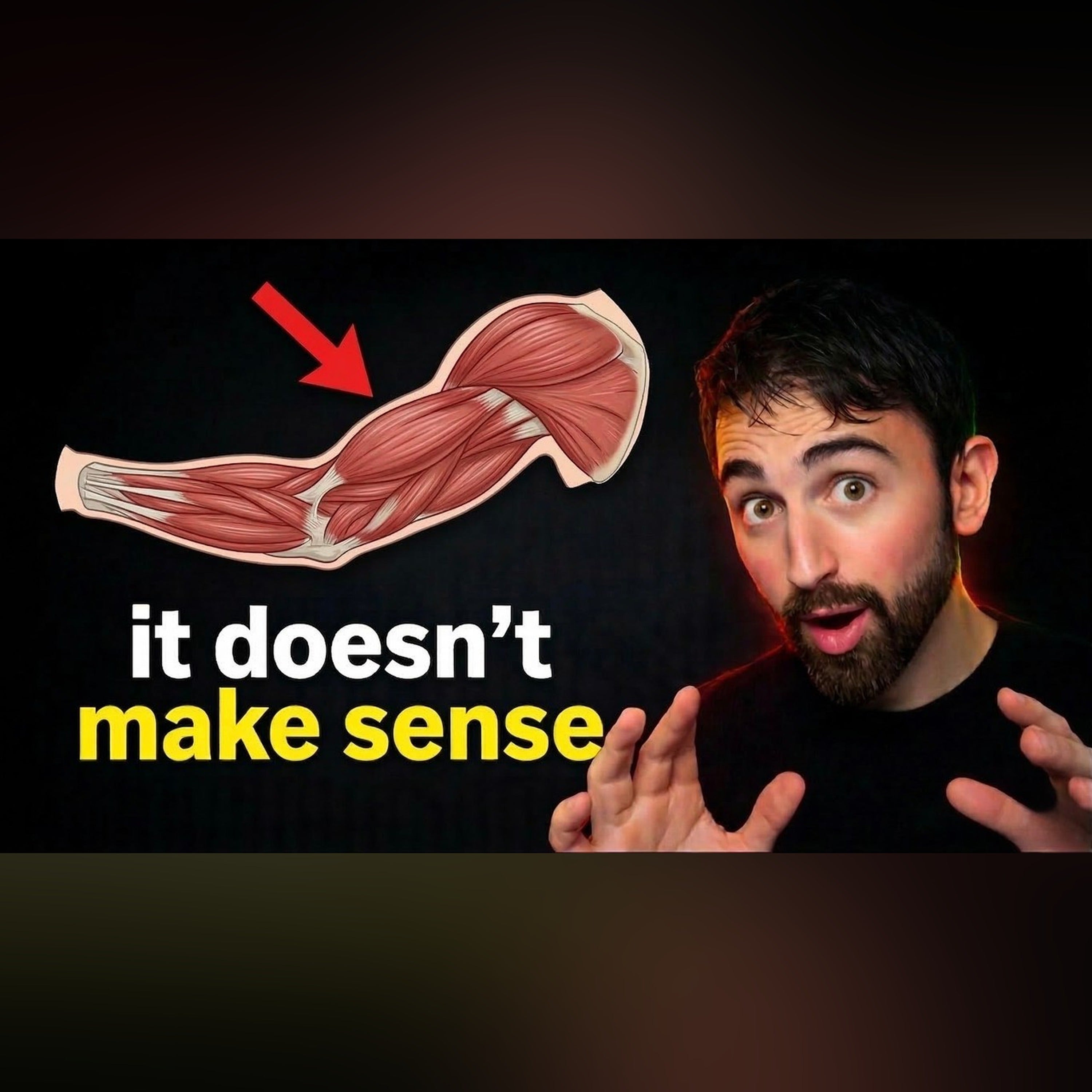
For the written breakdown, references and more nuances, see the StayCurious Letter: https://staycuriousmetabolism.substack.com/p/the-aging-muscle-paradox-how-to-keep?r=40ekz2 Additional referenced letters, including those on creatine and sarcosine can be found at our Muscle Health Archives, here: https://staycuriousmetabolism.substack.com/p/musclehealth Sarcosine Video: https://youtu.be/0thK-Flb1KQ Oleuropein Video: https://youtu.be/ljuimrT2a1s Adapt (Inter-organ Communication) Video: https://youtu.be/R9x5Y57HuoA Creatine Video: https://youtu.be/qdt6xwzeAx0 *When it comes to reputation, quality, and rigorous third-party testing, you really can’t go wrong with Momentous Creatine Monohydrate. It’s extensively tested for heavy metals and banned substances. My personal preference is their pure, unflavored, no dyes or sweeteners, micronized creatine monohydrate * Creatine Ice Cream Recipe Warm 1 pint (473 ml) of Heavy Cream in a pan. While the cream is warm, but not hot, add in 5 egg yolks
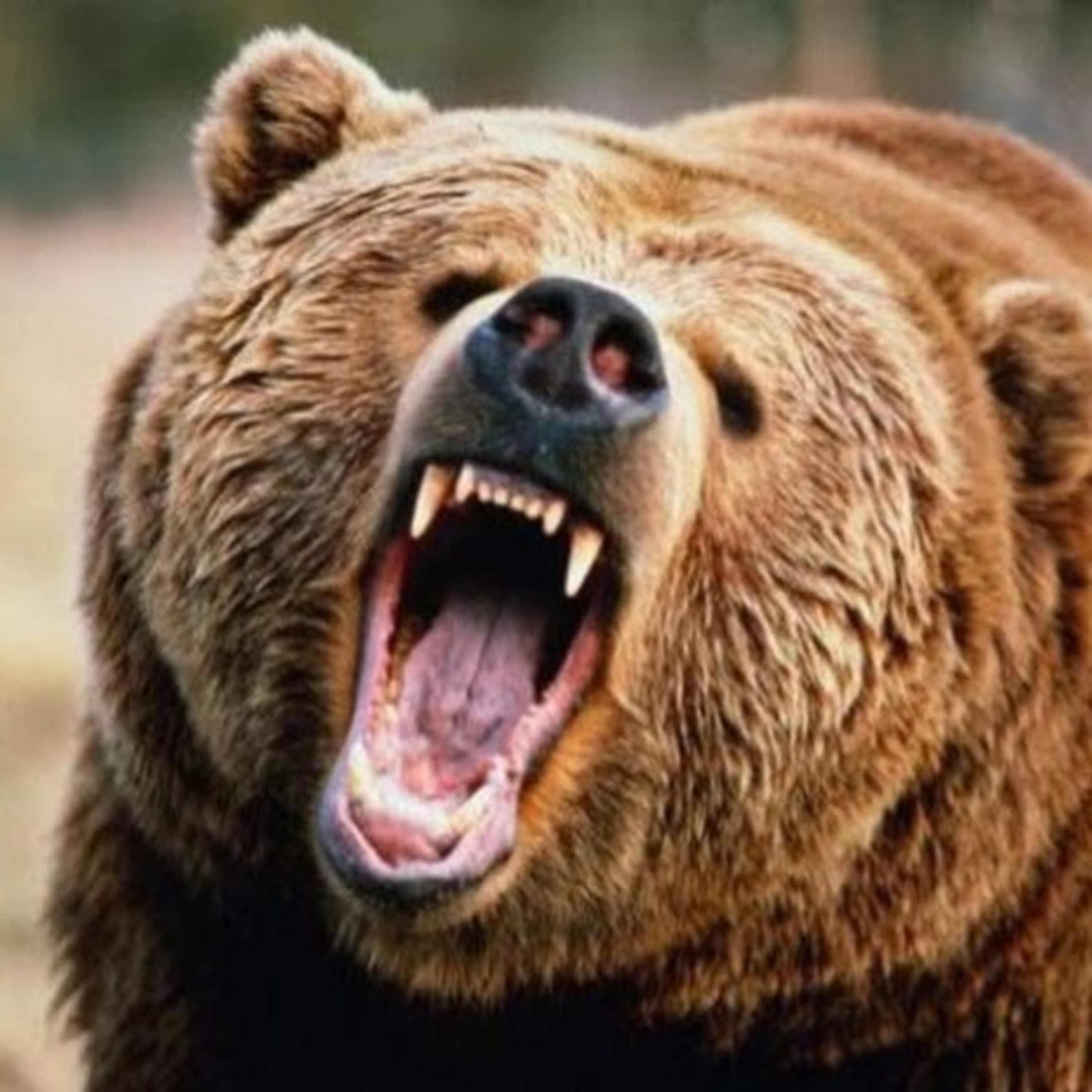
For some reason, it did not stop him.Now I just want to ask you something real quick to put you in the mind of a bear. If you found some of your favorite food just left out and you somehow, like me most of the time, just couldn’t resist the temptation. Bears live and eat by what is detected by their noses, so logically, after eating its fill, a proper expectation would be that the bear would go sleep off a large meal upwind of where its food was cached. The wind carries both scent and sound to the bear as it rests and acts as an alarm to it to defend its cache. The hide was still up in the birch, untouched. He dropped his packboard at the base of the tree and glanced up to see where he would need to climb. Movement in the brush, some three hundred feet away, caught his eye. Two bears, roughly thirty feet apart, moved through the brush. From their color and build, he identified them as grizzlies, also called coastal brown bears.Up to that day, every bear he had met in the wild had chose
This is a Grave Talks CLASSIC EPISODE! PART TWO Preserving history is one thing. Preserving it while uncovering ghostly activity is something else entirely. Saving the Old Properties is a nonprofit dedicated to rescuing endangered historic buildings across Indiana. Founded by Richard Allen and Dann Allen, the organization restores architectural treasures that might otherwise be lost to time. But as walls are opened and floors are lifted, something else often emerges—stories, energy, and sometimes spirits that never left. Joining us are Richard Allen, General Manager Kate Thornberg, and Historian Ted Martin, who share what it’s like to breathe life back into centuries-old structures—while encountering unexplained phenomena within their walls. From shadow figures and strange sounds to the emotional weight that lingers in historic spaces, this conversation explores where preservation meets the paranormal—and how history and hauntings often occupy the same foundation. For more information
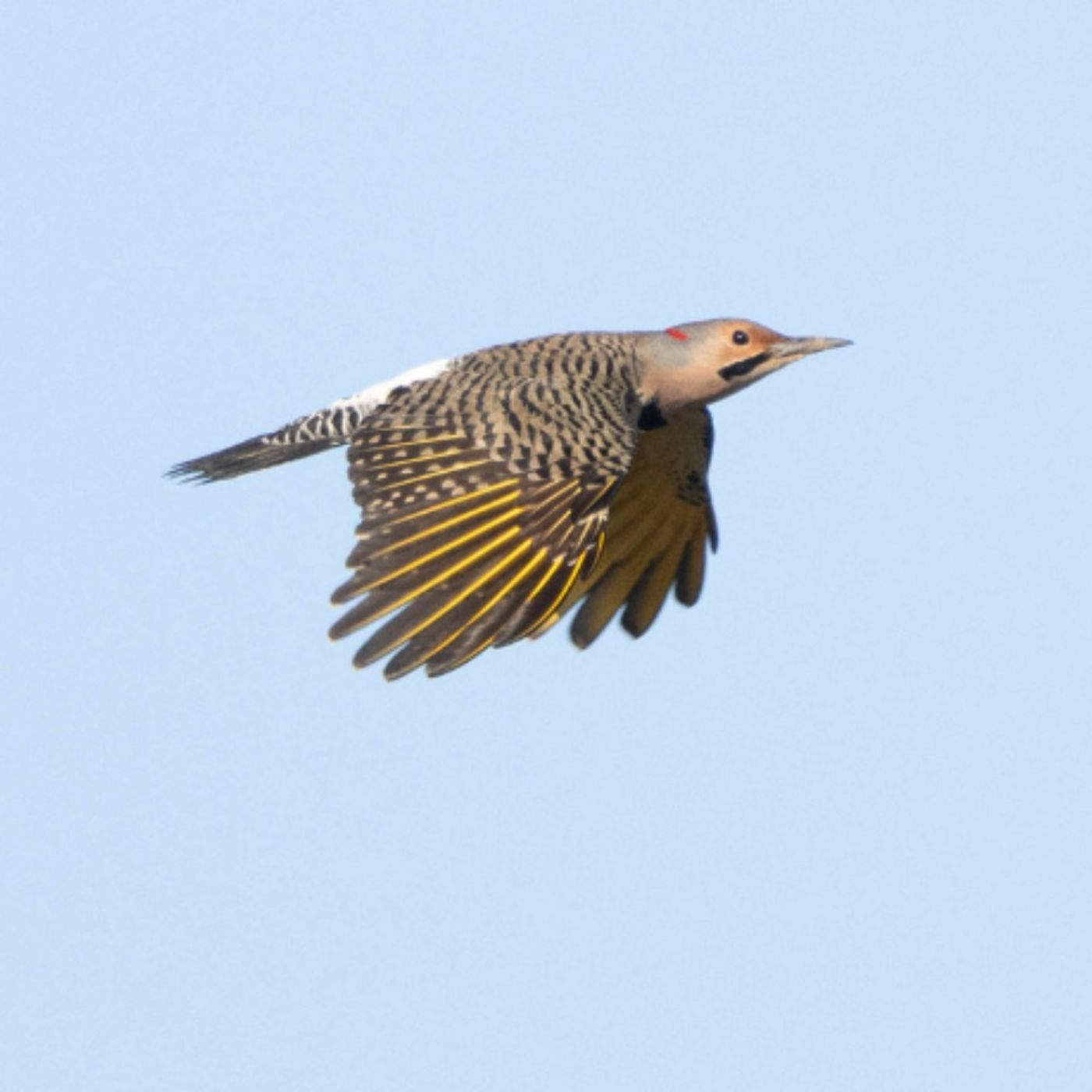
Sometimes all you need to identify a bird is a single feather. Because collecting bird feathers is prohibited in the U.S. to protect birds from poachers, start by taking a photo with a common object for scale. Then you can use online resources like the iNaturalist app or Featherbase website to help you solve the mystery. Keep your prime suspect in mind when you’re back where you found the feather and you might get to see the bird itself — feathers and all. More info and transcript at BirdNote.org (https://www.birdnote.org/podcasts/birdnote-daily/what-if-you-only-have-feather). Want more BirdNote? BirdNote is a nonprofit. Hosted by Simplecast, an AdsWizz company.
Kent takes the host chair for Coffee Time Wednesday. Pierce tells the story of his big Iowa bow buck (and the headlamp blunder before it), we settle the KwikTrip breakfast pizza debate, and Kent digs into a five-state study that found rat poison in up to 100% of fishers tested. iowacovercrop.com (http://iowacovercrop.com/) (for all your cover crop mixes, waterway mixes, forage mixes, small grains, and more)
Kent and Nicolas head to Doug Duren’s Driftless farm after a burn school with the Wisconsin Prescribed Fire Council. Doug explains why fire needs people and how Sharing the Land became a nonprofit, then takes a lightning round on Leopold, the 765 kV power line, CWD, and the land ethic.
Dr. Jim Butler of the Kansas Geological Survey joins us to talk about the Ogallala Aquifer. How fast is it draining, why rain takes years to reach it, and how one group of Kansas irrigators cut water use 25% without losing money. Plus water rights, proposed pipelines, and data centers. iowacovercrop.com (http://iowacovercrop.com/) (for all your cover crop mixes, waterway mixes, forage mixes, small grains, and more) MckayInsAgency.com (for all your financial planning and insurance needs)
People should receive a clear explanation before consenting to personal-data use.
Share your view, then see how readers voted. No sign-in required. This poll is shared across stories.
Do you agree or disagree?
Common Quandary
A Common Quandary to discuss
Another conversation to explore, separate from this news story.
A disgraced billionaire's name is on the beloved campus library. Does it come down?
A major donor funded a beloved public building decades ago. New evidence shows they also caused serious harm that was legal and accepted by many peers at the time. Removing the name may jeopardize future donations.
What does an institution owe the truth when its history funded the present?