Listen through the publisher, then discuss the episode here or arrange an in-person Roundtable. Your city determines where to meet.
Roundtables are designed for groups of four, with a shared subject and room for everyone to speak. Come for discussion, with no dating expectation.
Releasing this on the tails of release of LMHR CCTA study data, here: https://www.metabolismjournal.com/article/S0026-0495(24)00080-5/abstract Follow on X: https://x.com/nicknorwitz/status/1803088031689367761 Quote: "After a mean duration of 4.7 years of carbohydrate restriction-induced elevations in #LDL-cholesterol [mean 272 mg/dl, max 591 mg/dl], a metabolically healthy cohort of subjects on a ketogenic diet [#LMHR] did not have greater atherosclerotic burden than participants from a population based cohort with similar risk profiles but markedly lower [123 mg/dl] LDL-C." JAMA Cardiology Paper: https://pubmed.ncbi.nlm.nih.gov/32049305/ Chapters 0:00 – Introduction 0:41 – Thought Puzzle: Patient A (FH) vs Patient B (LMHR) 2:34 – JAMA Cardiology Study 4:35 – LDL/ApoB vs Plaque Progression Graph 5:20 – Lizards 5:55 – Return to Thought Puzzle Terms - LDL cholesterol: The cholesterol component found in circulating LDL lipoprotein particles. - ApoB: An apolipoprotein on LDL and related particles. There is one ApoB per LDL particle. - Lean Mass Hyper-Responder (LMHR): Defined by the union of LDL-C ≥ 200 mg/dl, HDL-C, ≥ 80 mg/dl and TG ≤ 70 mg/dl. This phenotype occurs primarily in lean people on very low-carbohydrate diets and is explained by the lipid energy model. Nano-Chameleon: Smallest reptile on earth, about the size of a sunflower seed. Found in Madagascar. Cannot save you money on car insurance. Like my shirt? https://metabolismshirts.myspreadshop.com (https://metabolismshirts.myspreadshop.com/)
Episode information is provided by the publisher. Listening takes place on the publisher’s service.
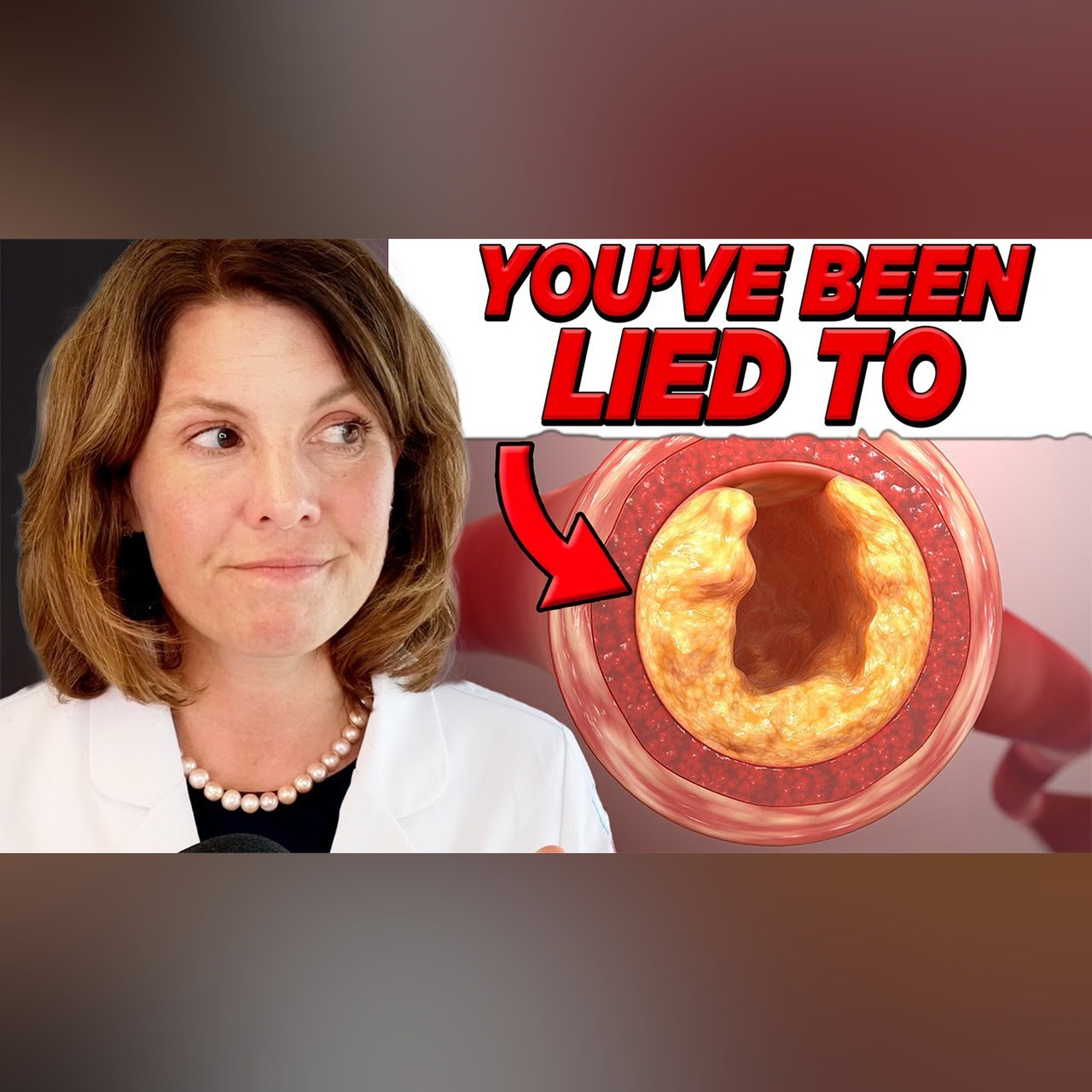
STATINS. They're the first drug doctors reach for if your LDL cholesterol comes back elevated. But there are some major problems that most gloss over. -------------- The Workbook: https://on.bozmd.com/BozWorkbook --------------------- Thanks for checking out the Dr. Boz Channel. See links below resources and recommendations. Tune in Tuesday nights, 4PM Eastern/3PM Central to watch me Live! We improve health - One ketone at a time. --------------------- FREE STUFF 50 Keto Fat-Facts: http://on.bozmd.com/50fat Dr. Boz Ratio Spreadsheet: http://on.bozmd.com/DBR Documentary Playlist: https://on.bozmd.com/AT --------------------- Dr. Boz’s Online Courses: Consistently Keto: http://on.bozmd.com/CK BRAINS: https://on.bozmd.com/BrainsT2R --------------------- WAYS TO SUPPORT THIS CHANNEL: Share Dr. Boz content with people you love. Everyone wins when you share. Buy Dr. Boz Products: Dr. Boz Food Guide: http://on.bozmd.com/FoodGuide Walmart: https://on.bozmd.com/WalmartKetoMap Amazon: https://on
Is your body weight stable, but you're still not eating enough to properly fuel your training, recovery, and overall health? Introducing Why Stable Weight Doesn't Always Mean You're Eating Enough from Jeff Hoehn of the Mind Muscle Connection Podcast (https://www.buzzsprout.com/1508401). Just because your weight isn't changing doesn't necessarily mean you're adequately fueled. In this episode, Jeff breaks down why maintaining a stable body weight doesn't always mean you're meeting your body's energy needs, especially if you're training hard, staying lean, or spending long periods dieting. You'll learn: Why stable body weight doesn't automatically mean adequate energy availability Who is most at risk of underfueling, even when their weight isn't changing How high training output, staying too lean, and chronic dieting can contribute to low energy availability The potential signs of underfueling, including changes in performance, recovery, hormones, and menstrual health Why spending too lo
Today, I’m honored to connect with Dr. Troy Badger. He is a board-certified cardiologist and interventionalist and the founder of Cardiostrong, a concierge preventive cardiology clinic in Provo, Utah, focused on reducing cardiovascular risk, optimizing metabolic health, and improving strength and cardiorespiratory fitness for executives and athletes. In today’s conversation, we discuss Dr. Badger’s gender- and age-specific approach to heart health, including treatment differences for men and women, and diagnoses such as INOCA, SCAD, vasospastic disease, and Takotsubo. We examine emotions and their influence on heart health, coronary ischemia and cardiomyopathies, labs and diagnostics, how Dr. Badger assesses risk in his patients, and the differences between a CAC and a CCTA. Dr. Badger also shares the labs he finds essential for all patients and discusses the role of VO2 Max, cardiovascular training, and lifestyle—specifically nutrition, the use of GLP-1 drugs, and a multidisciplinary
A hypnosis session for anyone facing a high stakes interview or exam. Release the pressure, quieten the nerves and go in feeling calm, clear and ready. In this session: Why high stakes moments make the mind race and the body tense Letting go of the fear of getting it wrong Calming your nerves so you can think clearly under pressure Trusting what you already know and can do Walking in with steady focus and quiet confidence FREE STUFF AND DISCOUNTS: Get $25 to Spend at The Hypnotist Store Find the Hypnosis Session You Need No more scrolling through hundreds of podcast episodes. What's Your Hypnotic Type? About 4 minutes. Take the test (https://adamcox.co.uk/suitability-test/) Work With Adam Directly Trusted by CEOs, celebrities, and royalty worldwide. Connect With Adam All links (https://adamcox.co.uk/links/) | [email protected] | @adamcoxofficial (https://www.instagram.com/adamcoxofficial/) Tags: high stakes interview, exam anxiety, interview nerves, exam stress, performance pressure,
Thanks to Brilliant for supporting PBS. Learn more at: https://www.brilliant.org/spacetime Uploaded 02-12-19 PBS Member Stations rely on viewers like you. To support your local station, go to: http://to.pbs.org/DonateSPACE The universe is big, really, really big. Although according to a new paper, it may literally be infinitely smaller than we previously thought. Sign Up on Patreon to get access to the Space Time Discord! Check out the Space Time Merch Store Hosted by Matt O'Dowd Written by Matt O'Dowd Graphics by Leonardo Scholzer and Adriano Leal Directed by: Andrew Kornhaber Executive Producers: Eric Brown and Andrew Kornhaber End Credits Music by J.R.S. Schattenberg: https://www.youtube.com/channel/UCRl6-nb4iOnsij-vnpAjp0Q Every time you walk out the door, light from the Big Bang strikes your face, enters your eyes. This is the cosmic microwave background radiation - the left-over heat-glow from the very early universe. We can’t see this microwave light with our eyes, but we can ca
Puzzle through the ethical dilemma where two ships are in distress but you can only save one, and decide: which do you choose? Uploaded 21-12-21 -- You are the captain of an interstellar cargo transport headed to port when you receive two distress calls. The first is from a labor ship, whose passengers are running out of oxygen. The other from a luxury space cruiser which has lost a thruster, sending them careening into danger. With only enough time to save one ship, which should you choose? Doug Mackay explores this classic ethical dilemma. Lesson by Doug Mackay, directed by Avi Ofer. This video was produced in collaboration with the Parr Center for Ethics, housed within the renowned Philosophy Department at the University of North Carolina at Chapel Hill. The Parr Center is committed to integrating abstract work in ethical theory with the informed discussion of practical ethical issues, and prides itself on the development of innovative and inclusive approaches to moral and civic edu
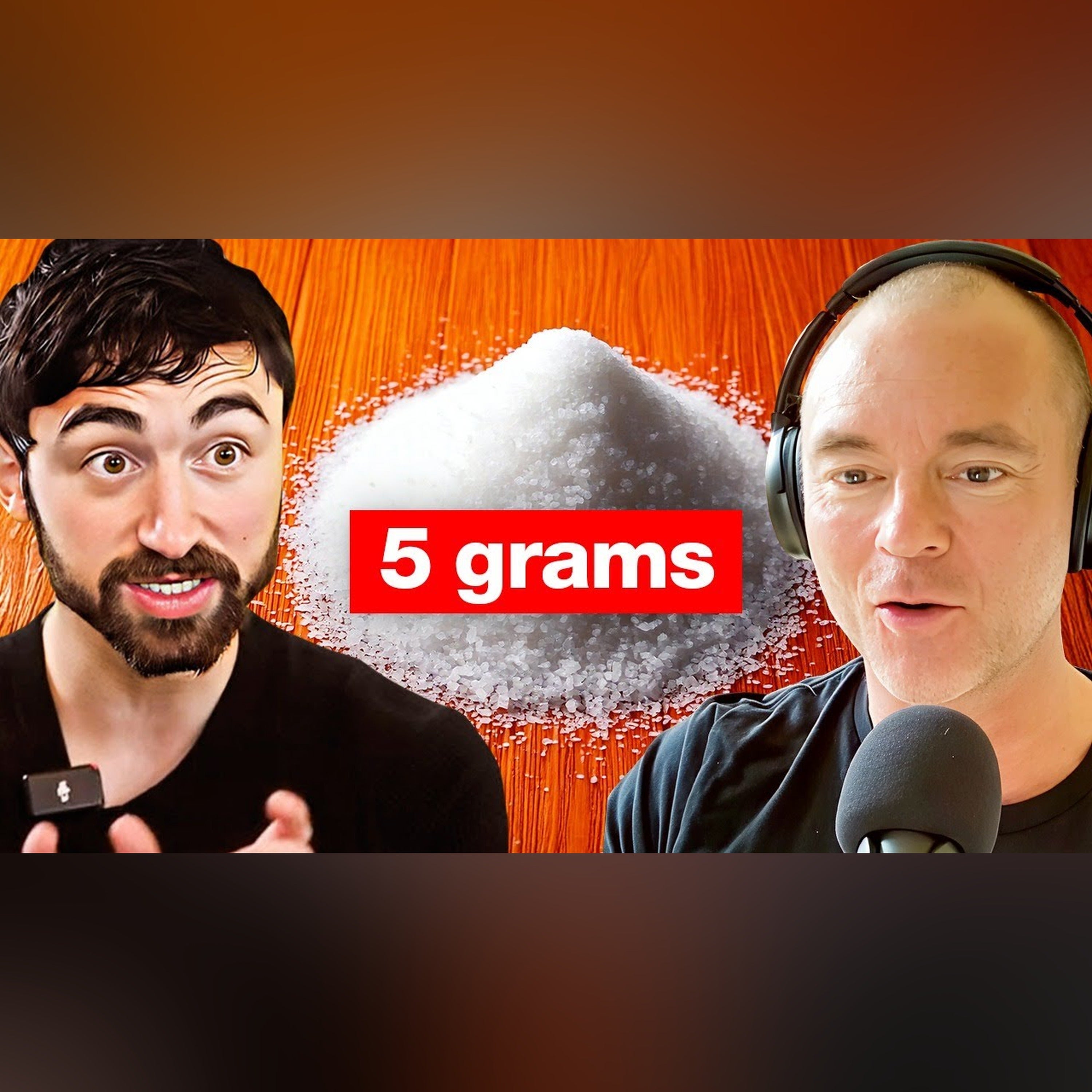
Robb Wolf Interview Part 1: https://youtu.be/Wi-6KttZ54g LMNT “Scandal” Video: https://youtu.be/uI2ewgimH3g Salt, Leptin and Blood Pressure: https://staycuriousmetabolism.substack.com/p/salt-vs-fat-rethinking-the-root-causes?r=40ekz2 Oleuropein and Calcium Signaling: https://youtu.be/ljuimrT2a1s In Part 2 of my conversation with Robb Wolf, we dig into one of the most misunderstood aspects of nutrition and metabolic health: electrolytes. Most people think electrolytes simply matter for athletes or hot summer workouts, but the reality is far more complex. We also get into the science behind sodium, why the old fear of salt never made sense mechanistically, and how obesity and leptin signaling influence salt sensitivity, and more. Chapters 0:00 – Why Electrolytes Matter More Than You Think 3:12 – Low-Carb, Insulin and Hidden Electrolyte Loss 7:38 – How to Know If You’re Sodium Deficient 11:25 – The Truth About Sodium, Obesity and Blood Pressure 21:59 – How Much Sodium You Really Need 29:1
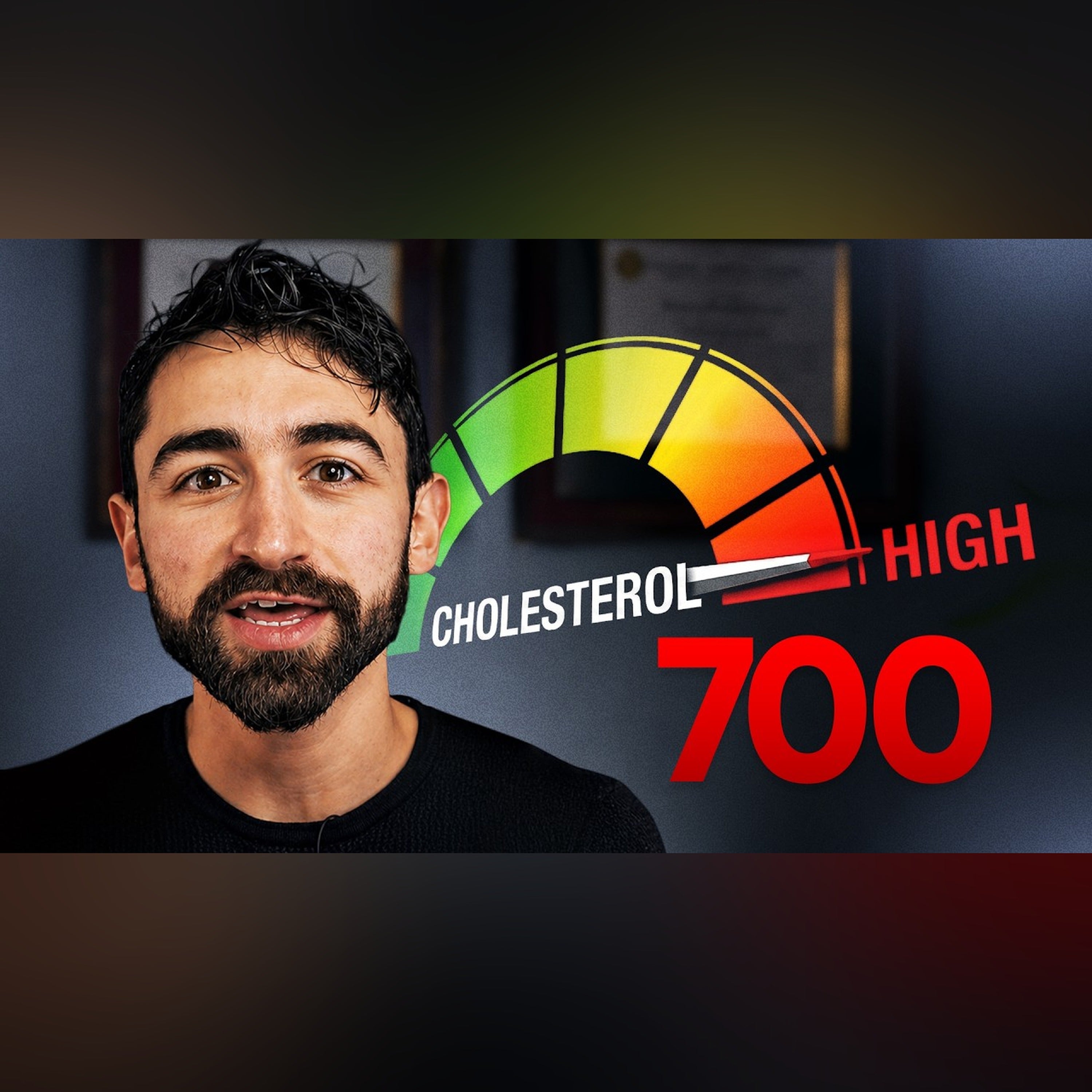
For a written breakdown, more nuances and early access to content, see the associated newsletter: https://open.substack.com/pub/staycuriousmetabolism/p/im-finally-lowering-my-cholesterol?r=40ekz2&utm_campaign=post&utm_medium=web&showWelcomeOnShare=true (https://open.substack.com/pub/staycuriousmetabolism/p/im-finally-lowering-my-cholesterol?r=40ekz2&showWelcomeOnShare=true) Statin RCT Video: https://youtu.be/d9LeDSoYOVc Ezetimibe Video: https://youtu.be/5idzP5ghT7A Bempedoic Acid Letter: https://staycuriousmetabolism.substack.com/p/beyond-cholesterol-the-unfolding?r=40ekz2 Description For the last seven years, despite extremely high cholesterol, I refused cholesterol-lowering medications. But I’ve just changed my mind…sort of. In this video, I walk through the full decision-making process: the risks, the uncertainty, the medical context, and the nuances that made this case unusually complicated. There are three plot twists. This is not medical advice. It’s a detailed look at an unusual
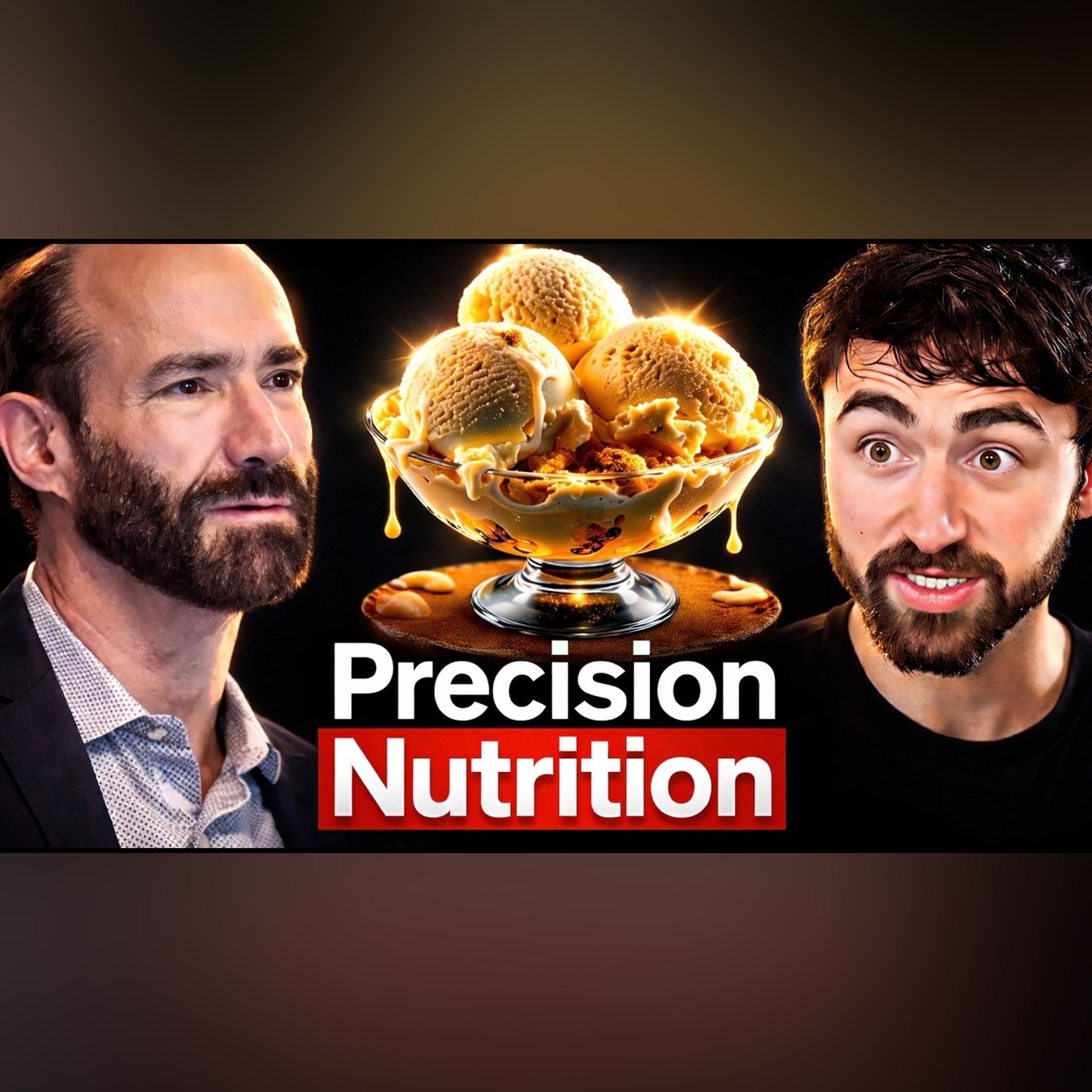
StayCurious Newsletter on Snyder’s Fiber Randomized Controlled Trial: https://staycuriousmetabolism.substack.com/p/fiber-is-good-for-you-is-lazy-science?r=40ekz2 StayCurious Newsletter on Inulin and Fructose Resistance: https://staycuriousmetabolism.substack.com/p/the-fiber-that-fights-fat-how-inulin?r=40ekz2 Snyder Interview 1, Four Types of Diabetes: https://youtu.be/mCrc4gfbK2o Snyder Interview 2, Most Viral Aging Study: https://youtu.be/kMpGkg4zMOU Snyder Interview 3, Most Beautiful Exercise Study: https://youtu.be/_9ywulQF2Ho Why does the same food spike one person’s blood sugar while barely affecting another? In this fourth conversation with Stanford’s Professor Michael Snyder, we explore new research on individualized glycemic responses, insulin resistance subtypes, and why one-size-fits-all nutrition advice keeps failing. From rice spiking glucose more than ice cream, to the power of the grape-to-potato ratio, and beyond, this discussion reveals how metabolism, microbiome, immu
Neighboring communities should share responsibility for problems crossing their boundaries.
Share your view, then see how readers voted. No sign-in required. This poll is shared across stories.
Do you agree or disagree?
Common Quandary
A Common Quandary to discuss
Another conversation to explore, separate from this news story.
Rich parents want to buy their public-school class an art teacher. Should the school say no?
Parents at a well-resourced public school raise enough money for art teachers and smaller classes. Nearby schools cannot raise comparable amounts, widening differences within the same district.
Can helping your own community become unfair to the larger one?