How Diet Affects Your Gallbladder and What Scans Can Show | Dr. Ted Barnett
55 min
Listen through the publisher, then discuss the episode here or arrange an in-person Roundtable. Your city determines where to meet.
Roundtables are designed for groups of four, with a shared subject and room for everyone to speak. Come for discussion, with no dating expectation.
How does what you eat affect your gallbladder and what are doctors actually looking for on a scan? Radiologist Dr. Ted Barnett takes you inside the body to explain gallstones, gallbladder tests, and the connection between diet and gallbladder health. The Rochester Lifestyle Medicine Institute founder joins Chuck Carroll (https://www.chuckcarroll.com/) on The Exam Room for a visual walkthrough of medical images that can make your next conversation with your doctor easier to understand. For Chuck, the questions are personal. Having his gallbladder removed did not resolve his symptoms, and the search for answers continued. Together, they explore why finding a gallstone doesn't automatically explain everything a patient is experiencing. See why some stones stand out on ultrasound but can be difficult to spot on a CT scan, what a HIDA scan measures, and how the body handles bile after gallbladder removal. Plus: gallstones that look like a snow globe, the difference between visceral fat and fat beneath the skin, and why healthy habits extend beyond what's on your plate. IN THIS EPISODE Diet, lifestyle, and gallstone risk Why gallstones can exist for years without symptoms What ultrasound, CT scans, and HIDA scans reveal Calcium, cholesterol, and what gallstones are made of What happens after gallbladder removal Rapid weight loss and gallstone risk Visceral fat, muscle, and what abdominal scans can show Dr. Barnett's The Radiologist's Lens series and RLMI's 15-Day Jumpstart ▶️ Watch This Episode Reversing Diabetes Watch Party Is Available On Demand You can still watch the Reversing Diabetes virtual watch party on demand. Join Chuck for the documentary and a behind-the-scenes conversation with Dr. Neal Barnard, Dr. Hana Kahleova, and former University of Michigan football player Marc Ramirez and his wife, Kim. Explore their personal story, blood sugar regulation, insulin resistance, and the research behind the film. The event benefits the Physicians Committee. Dr. Ted Barnett & Rochester Lifestyle Medicine Institute - About Us -
Episode information is provided by the publisher. Listening takes place on the publisher’s service.
Are rice cakes really worse than sugar, even when they're topped with healthy ingredients? Can your body become dependent on coffee to keep your digestion regular? And why does bloating seem to become such a problem during perimenopause? This week, we're answering your questions and tackling some of the confusing, and often alarming, health advice circulating online. We explore the truth about rice cakes, whether they're really as unhealthy as social media suggests, and how coffee affects our digestion, including whether relying on it for a morning bowel movement is something to worry about. We also look at what our poo can tell us about our gut health, why bloating and digestive changes can become more common during perimenopause, and how to choose a probiotic. Plus, the key risk factors and warning signs of heart disease in women, how to balance healthy eating with fun party food, and some brilliant listener recommendations, including a simple meal-prep formula that makes nourishing
Jason is a medically retired Army veteran from Southern Illinois. After years of dealing with injuries and health challenges—including TBI, PTSD, depression, and chronic knee, back, hip, and shoulder problems—he developed a severe food addiction, gained significant weight, and was taking multiple medications. In 2018, after encouragement from a close friend and psychologist, Jason began a ketogenic diet. He ultimately lost about 80 pounds and was able to discontinue his anxiety and depression medications. In 2023, still struggling with food addiction, cravings, inconsistent energy, allergies, and inflammation, Jason transitioned to a carnivore diet. Since then, he has experienced significant improvements in each of those areas. His experience sparked a deep interest in carnivore nutrition, metabolic health, strength, longevity, and understanding how diet and lifestyle influence physical and mental performance. Today, Jason focuses on continually improving his health, strength, resilien
Can a Psoriasis Diet actually clear your Psoriasis? The truth is many diets such as the Keto Diet can help cure Psoriasis. It’s important to understand how Psoriasis Diets work though. Understand that it takes years of Inflammation to cause Psoriasis. It’s going to take time of Psoriasis Dieting to reverse it. Watch more about Keto and Skin HERE: https://youtu.be/pcYTgHKv8Wg Learn more about reducing Inflammation in my Blog Here: https://bozmd.com/burning-ketones-or-use-steroids-for-inflammation-relief/ This clip's from one of my Weekly Sunday Night Live’s. Watch HERE: https://youtu.be/osOUMEqGo2s ********************************************* Thanks for checking out the Dr Boz Channel. Documentary American Traddiction Playlist: https://on.bozmd.com/AT Tune in Tuesday nights, 6PM Eastern/5PM Central to watch me Live! We improve health - One ketone at a time. Dr Boz’s ONLINE Course Consistently Keto: https://bozmd.com/shop Dr BOZ FAVORITES: http://on.bozmd.com/fav WAYS TO SUPPORT THIS CH
In this episode I Iook at the similarities and differences between health and medicine, where they overlap and how they affect our expectations. Links: WHO: https://www.who.int/about Blood pressure and the DASH diet: https://www.mayoclinic.org/healthy-lifestyle/nutrition-and-healthy-eating/in-depth/dash-diet/art-20048456 Blood pressure management: https://www.england.nhs.uk/london/wp-content/uploads/sites/8/2019/11/NICE-NG136-Visual-Summary.pdf Michael Marmot and inequalities in health: https://www.local.gov.uk/marmot-review-report-fair-society-healthy-lives Relationships and health: https://www.psychologytoday.com/gb/blog/a-new-gps-for-intimate-relationships/202206/the-health-benefits-of-good-relationships The Health Fix: https://www.amazon.co.uk/Health-Fix-Dr-Ayan-Panja/dp/1914239326 Thank you for listening and for your support. It means a lot to me. Hosted on Acast.
A numinous dream helped inspire NPR reporter ALLISON AUBREY’s new book, Your Turn: How to Create A Midlife You Love (https://www.amazon.com/dp/1668207257?plpRedirect=mhFallback&ref=clp_hp_h_pc). In the book, she explores stories of people making big midlife pivots: following their intuition, rediscovering their creativity, and staying open to adventure. For Jungians, the first half of life is about ego development and building a life out in the world. In the second half, our orientation often shifts, and we become interested in the interior, spending time with questions of meaning, and searching for our inner compass. What is deep inside me that is trying to come forward? Many of the transitions Allison writes about began with a difficult experience: the death of someone close, a divorce, the loss of a job, or the last child leaving home. Painful life experiences can often mark our shift to a more interior focus. In her book’s chapter on dreams, Allison draws on Jungian sources (includ
Gluten Sensitivity, Gut Health, Chronic Inflammation, Food Addiction & Big Food Host Dave Asprey sits down with Dr. Peter Osborne, clinical nutrition expert, founder of the Gluten Free Society, and author of No Grain, No Pain, to explore gluten sensitivity, chronic inflammation, gut health, food cravings, brain fog, and the influence of the food industry on modern nutrition. In this special Thanksgiving episode, Dave and Peter challenge conventional thinking about grains, discuss the differences between celiac disease and non-celiac gluten sensitivity, and examine why certain foods may contribute to health problems even when people experience no immediate digestive symptoms. Peter explains how the digestion of gluten produces peptides known as gluteomorphins and discusses their potential relationship with opioid receptors, food cravings, and eating behavior. Dave shares his personal experiences with gluten, brain fog, and persistent carbohydrate cravings, while examining the relationsh
What can garlic, cinnamon, and ginger really do for your health? Dr. Michelle Loy opens the spice cabinet with ten picks and categories that bring more flavor to everyday plant-based meals. The New York-based integrative and lifestyle medicine physician joins Chuck Carroll on The Exam Room to explore herbs, spices, and practical ways to enjoy healthier food without building your routine around expensive supplements. Learn why Dr. Loy crushes garlic and lets it rest, how she uses cinnamon to add sweetness, and why cooking with an herb is different from taking a concentrated extract. The conversation explores the evidence, its limitations, and the importance of preparation and dose. Plus: smoked paprika for carrot dogs, an onion alternative Chuck is curious to try, dill popcorn, colorful herbal teas, and homemade spice blends that let you control the salt. DR. LOY'S TEN PICKS AND CATEGORIES Garlic Cinnamon Ginger, with discussion of turmeric and galangal Smoked paprika Onions, scallions,
Can eating more plants give your skin a glow—and change how attractive you are? Dr. Matt Nagra joins Chuck Carroll to unpack the research behind the "vegans are sexier" headlines. Nagra, a Vancouver-based naturopathic doctor and co-author of research on vegan attractiveness, explains three connections between diet and perceived attractiveness: skin coloration, body odor, and body composition. Find out why carrots, sweet potatoes, tomatoes, and peppers enter the conversation; garlic's surprising effects; and why carbohydrate quality matters more than simply fearing carbs. You will learn: Carotenoids and the science behind the "glow" How researchers test whether diet changes body odor Meat intake, sweat, and the limits of the evidence The surprising garlic findings Plant-forward eating versus a vegan label Body composition without assuming thinner always means better Why beans, fruit, and whole grains belong in the carbohydrate conversation How quickly some changes may appear Matt's rese
Dr. Kerry Graff hoped the doctors in Forks Over Knives were wrong. Then she tried a whole food, plant-based diet herself—and says she lost 25 pounds in three months without feeling hungry. After 17 years in family practice, the experience changed how she understood her own health and how she helped her patients. Dr. Graff joins Chuck Carroll (https://www.chuckcarroll.com/) on The Exam Room to share her journey from skepticism to lifestyle medicine, including the changes she experienced in reflux, constipation, and mood. She also explains why helping someone change their diet means understanding their sleep, stress, relationships, and reasons for wanting to feel better. Today, she brings that personal, practical approach to her work with Lifestyle Telemedicine and as medical director of Rochester Lifestyle Medicine Institute. In this conversation: Why being vegetarian did not automatically mean she was eating well. How she evaluated the nutrition claims that challenged her medical train
Preventive services deserve protected funding even when immediate needs are pressing.
Share your view, then see how readers voted. No sign-in required. This poll is shared across stories.
Do you agree or disagree?
Common Quandary
A Common Quandary to discuss
Another conversation to explore, separate from this news story.
Your boss offers lessons to make you sound “more professional.” Do you take them?
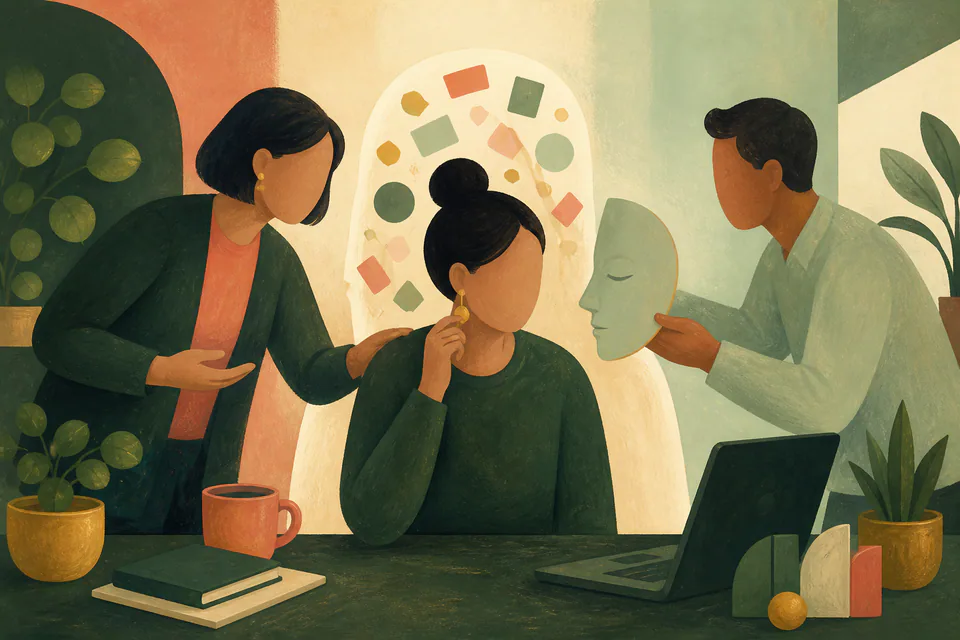
Clients sometimes ask an employee to repeat themselves during calls. Their manager offers company-paid speech coaching framed as clearer communication, but the employee experiences the request as pressure to hide part of their identity.
When does improving communication become demanding conformity?