English-language podcasts

Curious Cases

I Wanna Be Like You Hoo Hoo
28 min

Listen through the publisher, then discuss the episode here or arrange an in-person Roundtable. Your city determines where to meet.

Roundtables are designed for groups of four, with a shared subject and room for everyone to speak. Come for discussion, with no dating expectation.

You've heard the expression 'raised by wolves' but what would actually happen if a baby was raised by chimpanzees? Humans and chimps are nearly 98 per cent similar when it comes to their genetics but their physical differences set them apart from an early age, and while our bigger brains have enabled us to develop language and speech, it turns out that primates are far than us at spatial navigation. Dara and Hannah discover this firsthand when they undertake - and fail - a memory test that is routinely aced by our ape cousins. If you have a scientific mystery for the team to investigate, contact them on [email protected] Contributors: Professor Gilly Forrester - University of Sussex Professor Andrew Whiten - University of St Andrews Stephanie LaFarge - Participant in Project Nim Producer: Marijke Peters Executive Producer: Sasha Feachem A BBC Studios Production

Episode information is provided by the publisher. Listening takes place on the publisher’s service.

Listen at the source ↗

Featured places to meet in Palo Alto, CA

Explore these places and arrange a conversation through ThinkMatch.

City guide for Palo Alto, CA

More from Curious Cases

Curious Cases

Rocket Science

29 min

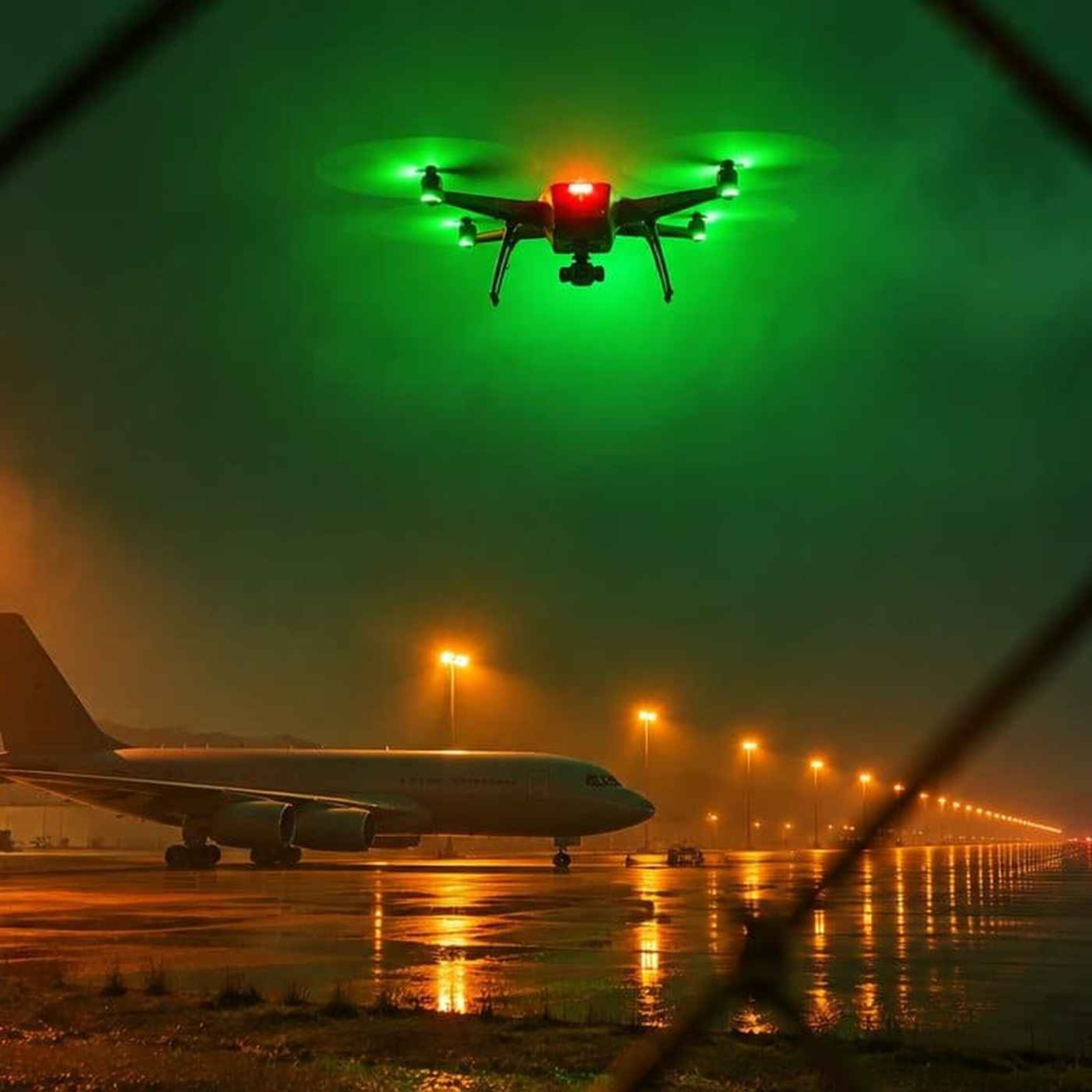
Fireworks have been lighting up our autumn skies for centuries - but what’s actually going on inside those dazzling bursts of colour, sound and stars? Hannah and Dara set out to discover the science behind the sparkle. From the chemistry that creates vivid reds, greens and blues, to the physics that launches shells high above our heads before exploding into perfectly planned patterns, they learn that every firework is a carefully choreographed feat of engineering. Along the way, they explore why some fireworks whistle while others crackle, trace the remarkable history of fireworks from ancient China to modern-day spectacles, and ponder whether drones and laser shows could one day replace the traditional fiery festivities. If you have a curious question for our team, get in touch via [email protected]. Contributors: Jackie Akhavan - Professor of Explosive Chemistry at Cranfield University John Withington - histroian broadcaster and author of ‘A History of Fireworks from Their Origi

Discuss this episode

Curious Cases

Too Cute

29 min

Why do we find the young of other species cute? Finding baby humans adorable makes evolutionary sense, ensuring that we care for them properly. But what about babies of other species? Hannah and Dara go down a fluffy rabbithole of cuteness: pondering the science behind things that make us go 'ahhhh'; exploring the phenomenon of 'cute aggression'; and discovering there can be such a thing as cuteness overload. We also discover what Dara would look like as an elf, and what happens when you make Hannah scientifically less cute. Brace yourselves... If you have a scientific mystery for the team to investigate, contact them on [email protected]. Contributors: Anthony Little – Reader in Psychology at the University of Bath Daniel Mills – Emeritus Professor of Veterinary Behavioural Medicine at the University of Lincoln Chris Holliday – Senior Lecturer in Liberal Arts and Visual Cultures Education at King's College London Producer: Lucy Taylor Executive Producer: Sasha Feachem A BBC Studi

Discuss this episode

Community Poll

Employees should usually have a say in whether their work requires office attendance.

Share your view, then see how readers voted. No sign-in required. This poll is shared across stories.

Do you agree or disagree?

Choose one answer

Common Quandary

A Common Quandary to discuss

Another conversation to explore, separate from this news story.

A pill can erase your most painful memory without changing anything else. Do you take it?

A safe new treatment can remove the emotional pain attached to one chosen memory while leaving the factual memory intact. Losing the pain might bring enormous relief, but the experience shaped your relationships, choices, and sense of who you are.

Are painful memories injuries to heal or parts of ourselves to keep?

Explore this quandary