Kraft Removed Food Dyes in Europe but Not for Kids in the USA | Vani Hari
8 min
Listen through the publisher, then discuss the episode here or arrange an in-person Roundtable. Your city determines where to meet.
Roundtables are designed for groups of four, with a shared subject and room for everyone to speak. Come for discussion, with no dating expectation.
Healthy eating gets harder when the mac and cheese your kid loves was made without the dyes for kids overseas. Check out the full episode: https://lewishowes.com/podcast/how-the-food-industry-is-feeding-you-lies-with-vani-hari/ Vani Hari, a food activist who has pushed Kraft and Subway to change their ingredients, told Lewis what she found when she compared food in Europe with food at home. To avoid a UK warning label about children's attention, Kraft swapped yellow 5 and yellow 6 for paprika and beta carotene overseas. American kids kept the dyes. Vani had quit her corporate job with no plan to support herself, and she started a petition anyway. It passed 200,000 signatures in a week, and parents began sending her letters about their kids. She printed those letters, carried the stack onto Dr. Oz and waved them on camera at Kraft. Sign up for the Greatness newsletter! (https://info.lewishowes.com/newsletter?source=podcast-post-roll) Hosted by Simplecast, an AdsWizz company.
Episode information is provided by the publisher. Listening takes place on the publisher’s service.
Do you have a right to a healthy planet? Dig into the movement to hold governments accountable for climate change inaction. -- Since 2015, an unprecedented movement has been sweeping courts around the world. Groups of young plaintiffs are suing their governments for their inaction on tackling climate change. These suits argue that climate inaction violates their basic human rights. But what do human rights have to do with the environment? Shannon Odell examines our right to a healthy environment, food, health, and water. Lesson by Shannon Odell, directed by Lorenzo Mercanti, AIM Creative Studios. This video was made possible with support from the Open Society Foundations. To learn more about human rights visit: https://ed.ted.com/knowyourrights Learn more about how TED-Ed partnerships work: https://bit.ly/TEDEdPartner A special thanks to John Knox who provided information and insights for the development of this video. Support Our Non-Profit Mission ------------------------------------
The Fair Work Tribunals edition of Wednesday 25 November 2026 (39 decisions, two with headnotes), with the Fair Work Tribunals edition of Tuesday 24 November 2026 (228 decisions, three with headnotes) alongside it. A Full Bench on why the Black Coal award's redundancy relief clause runs through the dispute procedure and not compulsory arbitration; another on appealing a refusal to reinstate and counting the anticipated period; and three rulings where generative AI did some of the drafting: costs and fictitious authorities, an AI-drafted agreement that made a worker an employee, and an AI-prepared witness statement. Fair Work Desk: relief from retrenchment pay goes through the dispute procedure (opening story). R2S Medical & Emergency Response Pty Ltd v Peter Quirk and Others [2026] FWCFB 291 (https://jade.io/article/1307378) - Gibian VP, Dobson and Slevin DP, 5 November 2026. Signal Doctrine and Practice & Procedure. Black Coal Mining Industry Award 2020 cll 32, 34.4, 34.6; Fair Work A
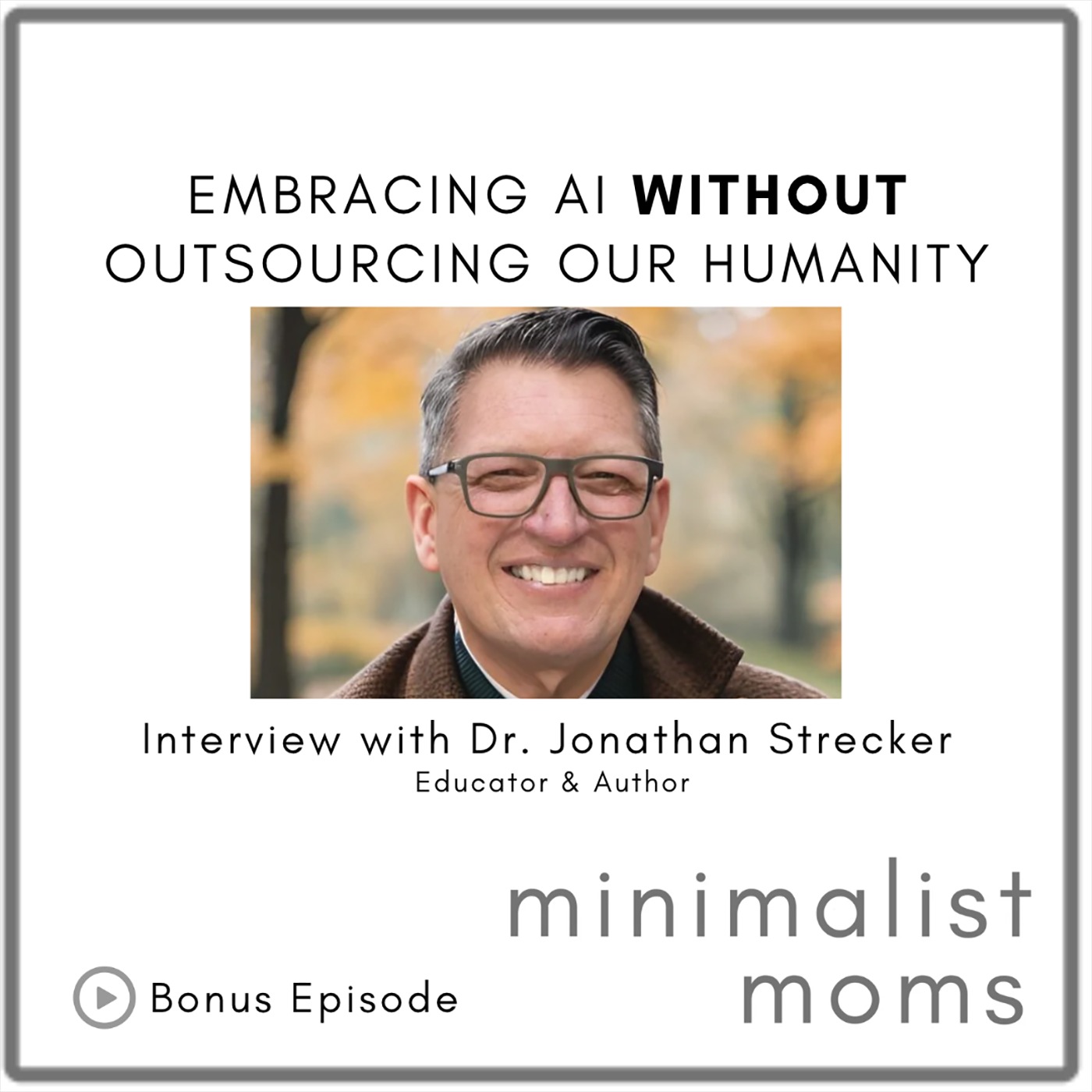
How can we embrace the benefits of AI without outsourcing the very skills that make us human? Today, I'm joined by educator and author Jonathan Strecker to explore the intersection of artificial intelligence, convenience culture, and childhood development. Drawing from his book, Emergence: How Modern Convenience Is Dumbing Down Our Children and What Parents and Schools Can Do About It (https://www.amazon.com/dp/1493094254?asc_item-id=amzn1.ideas.DL4M6AD2Z4ZN&creativeASIN=1493094254&linkCode=ssc&ref_=aip_sf_list_spv_ons_mixed_d_asin&tag=onamzdianebod-20&th=1), Jonathan challenges us to consider what children might be losing in a world increasingly designed to make life easier. We explore the developmental value of boredom, frustration, and struggle, the difference between enhancing our thinking and outsourcing it, and the essential human skills our children need to thrive in an AI-driven future. Rather than taking a fear-based or anti-technology approach, this conversation invites us to
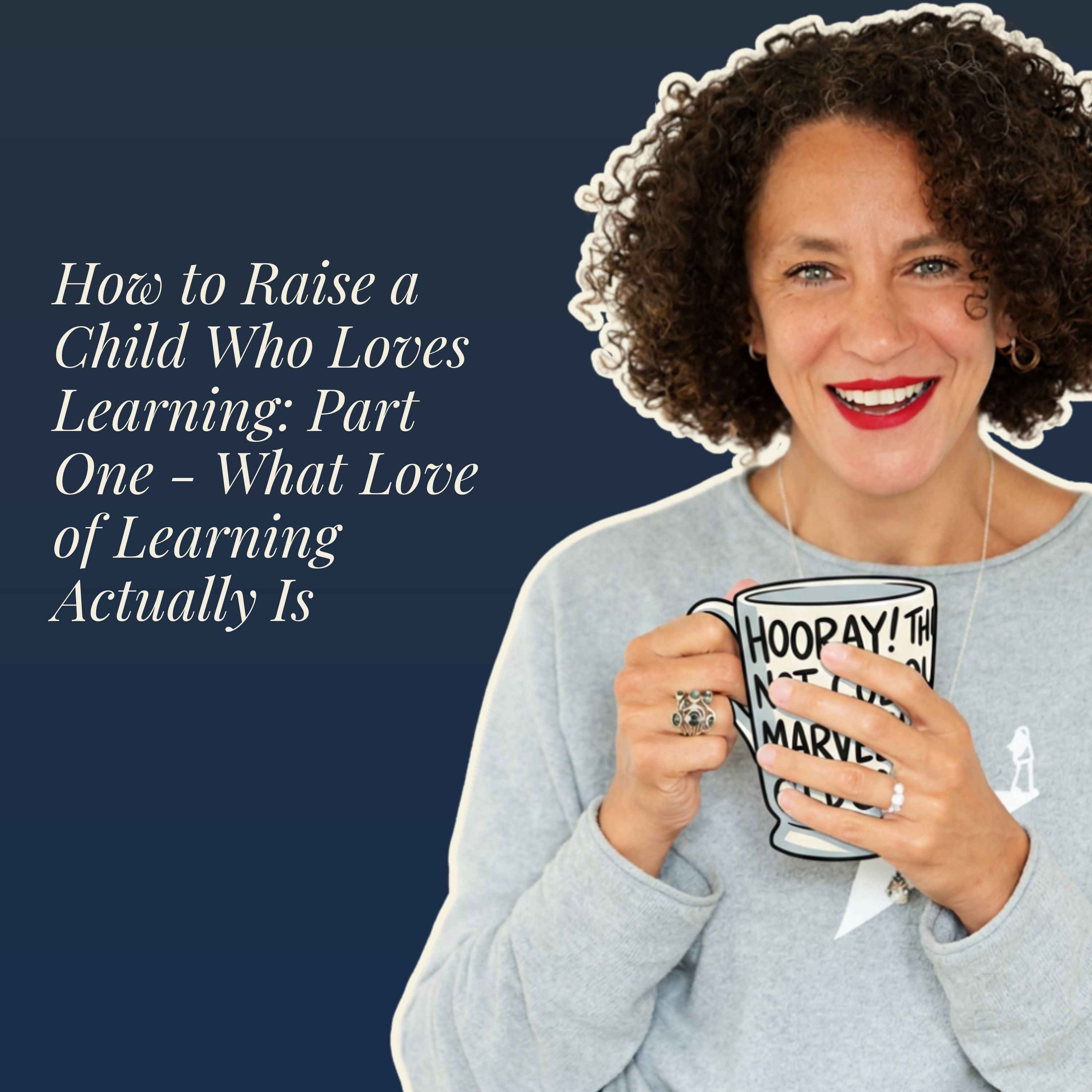
What if your child already loves learning... and you’re just looking for it in the wrong place? This week, I’m exploring one of the questions I get asked more than almost any other: “My child used to be so curious. What happened?” In today’s episode, I challenge one of the biggest myths in modern parenting: that a love of learning looks like a child happily reading, sitting at a desk, completing homework without complaint, and engaging enthusiastically with educational activities. I explain what the research actually tells us and walk you through the psychology of curiosity, the science of intrinsic motivation, why children become obsessed with Minecraft, dinosaurs, trains, or random facts, and why those interests may be far more important than they appear. I also unpack why children seem to have a built‑in radar for anything that feels educational, why homework battles happen so often, and what the evidence really says about homework in the primary years. If you've ever worried that y
Sharing a meal at the same table, a practice known as commensality, helps families and communities build trust and connect across generations. While many people believe the 1621 harvest feast shared by the Pilgrims and the Wampanoag people started an unbroken annual tradition, American Thanksgiving history actually followed a much more uneven path. Indigenous peoples held seasonal harvest and gratitude ceremonies for generations before 1621, and the Plymouth meal was largely forgotten for about 200 years. George Washington issued the first national Thanksgiving proclamation for Thursday, November 26, 1789, and magazine editor Sarah Josepha Hale later persuaded Abraham Lincoln to set a regular November date in 1863. The holiday did not become federal law until 1941, after public confusion over a date change. When gathering for a holiday dinner, Harvard research shows that asking open-ended follow-up questions makes conversations more engaging and boosts likability. Keeping a few neutral
What if the reason you feel lonely isn’t that you don’t have enough people in your life, but that you haven’t been intentional about building deeper connections? In this episode, I’ll show you how to build meaningful adult friendships, find your people, create rituals that strengthen relationships, and become the one who initiates instead of waiting for connection to happen. Because success means nothing if you don’t have people to share it with, and I want to help you build relationships that make your life richer, deeper, and more fulfilling. think about money and build a plan to earn more in 2027. Save your free spot: https://2026workshop.com direction, and focus in life. Rich Roll, and Dr. Steven Gundry. Hosted by Simplecast, an AdsWizz company. See https://pcm.adswizz.com advertising.
A broke actor who thought he was running his own life had to find humility before he could play Jesus. Check out the full episode: https://greatness.lnk.to/2008DM Jonathan Roumie, the actor who plays Jesus in The Chosen, told Lewis he would never have landed that role without a spiritual shift inside him before the call came. “Not even close,” he says. Jonathan knows what broke feels like. You can be broke and an egomaniac, he says, swearing you'll show the world a comeback. “It's not humble if you still think you're in charge.” Now strangers walk up to him and call him Jesus, some of them overcome with emotion. He gently says his own name out loud, “Hey, Jonathan. Nice to meet you,” and reminds them he is extremely flawed. Before every season of playing Christ, he prayed for the same thing: “Lord, let them not see my face. Let them see your face.” Sign up for the Greatness newsletter:http://www.greatness.com/newsletter Hosted by Simplecast, an AdsWizz company.
Building habits starts when you stop breaking the promises you make to yourself. Check out the full episode: https://greatness.lnk.to/1508DM Michael Todd, a pastor, told Lewis he was an emotional eater who hit 270 pounds, eating after wins, losses, funerals and births, often at 2 in the morning. At 35, he could not do five push-ups. Michael stopped buying cars and turned his garage into a gym, with a trainer showing up six days a week. He finished 75 Hard before he was in shape for it. His formula is a decision that becomes a discipline, and a discipline that one day becomes desire. He lost 50 pounds, and he learned to trust his own word again. “I have literally turned into a different person with the same values, but a different vehicle.” Sign up for the Greatness newsletter! (https://info.lewishowes.com/newsletter?source=podcast-post-roll) Hosted by Simplecast, an AdsWizz company.
Trying to avoid stress might be the very thing pulling you toward depression. Check out the full episode: https://greatness.lnk.to/2007DM Alia Crum, a Stanford psychologist, told Lewis that stress only shows up around the things you care about. If Johnny is failing school and he isn't your son, you don't lose a minute of sleep. Alia admits she already worries about her daughter, who is eight, flunking a math exam she isn't even taking yet. The worry comes from loving her, and shutting it off would mean pulling away from what matters. She sees depression as a loss of care and purpose, often because you've cut yourself off from what you love so you won't feel the strain. Her answer for anyone who wants a life with zero stress: “Stop caring.” Sign up for the Greatness newsletter:http://www.greatness.com/newsletter Hosted by Simplecast, an AdsWizz company.
Moving a contested monument to a museum can be better than leaving it unchanged or destroying it.
Share your view, then see how readers voted. No sign-in required. This poll is shared across stories.
Do you agree or disagree?
Common Quandary
A Common Quandary to discuss
Another conversation to explore, separate from this news story.
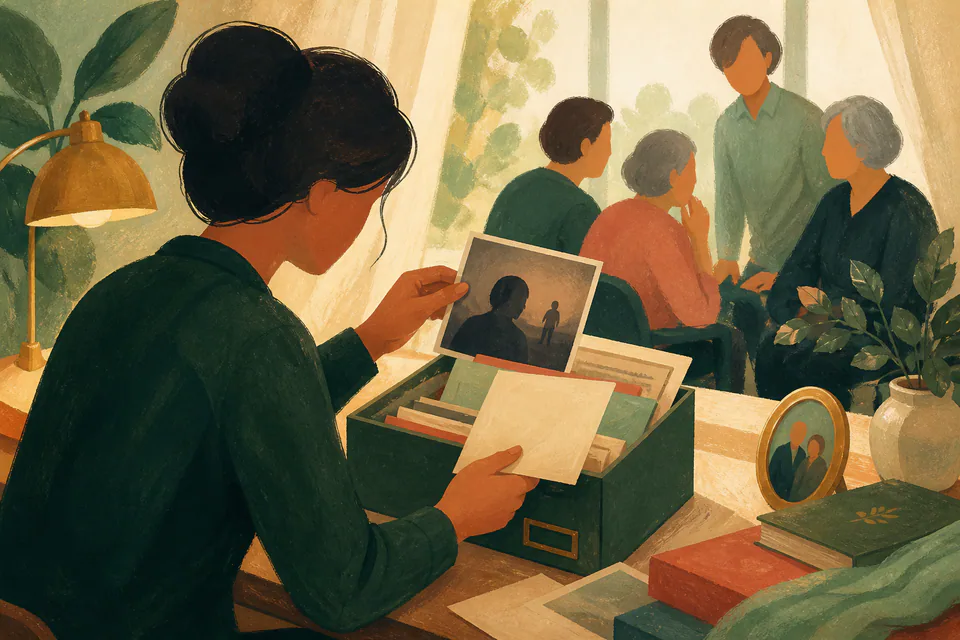
You find a family secret after a relative dies. Does the truth come out?
Sorting through a deceased relative's papers, you discover evidence of a serious betrayal that would change how the family remembers them. Revealing it could answer old questions—and cause fresh pain.