Listen through the publisher, then discuss the episode here or arrange an in-person Roundtable. Your city determines where to meet.
Roundtables are designed for groups of four, with a shared subject and room for everyone to speak. Come for discussion, with no dating expectation.
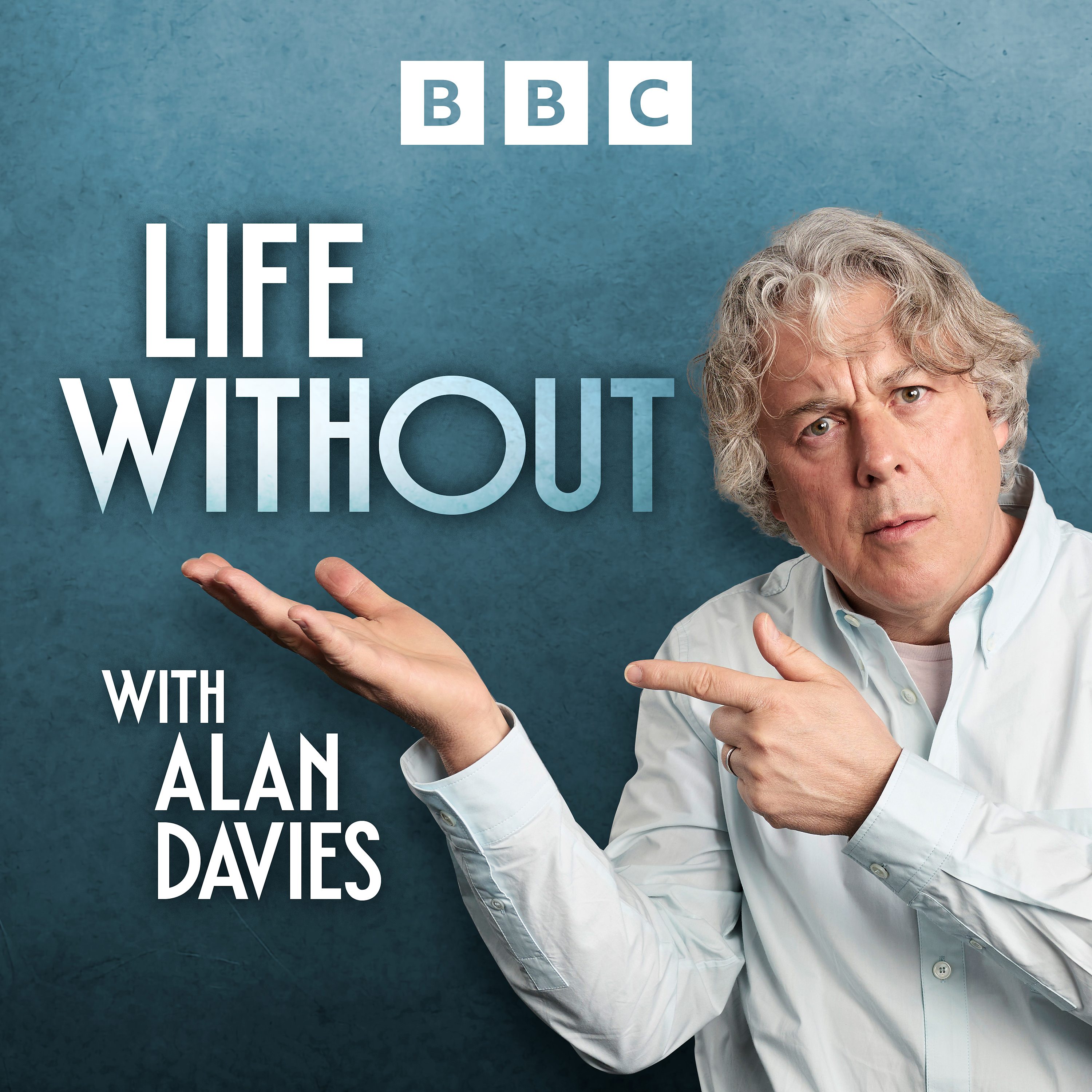
No more tears, for sore eyes or sad films. In this episode of Life Without, Alan Davies turns off the tap. What happens when humanity loses the tears that protect our eyes as well as the ones we cry? Alan examines how tears keep eyes working, why artificial replacements may not be enough, and what changes when emotional weeping vanishes too. From courtrooms to funerals, can society show distress and find comfort without them? Featuring Marc Baker, a psychology researcher at the University of Portsmouth, and actor and theatre maker Andreea Tudose, co-creator of the dystopian cabaret Cry For Me. An ITN production for BBC Radio 4
Episode information is provided by the publisher. Listening takes place on the publisher’s service.
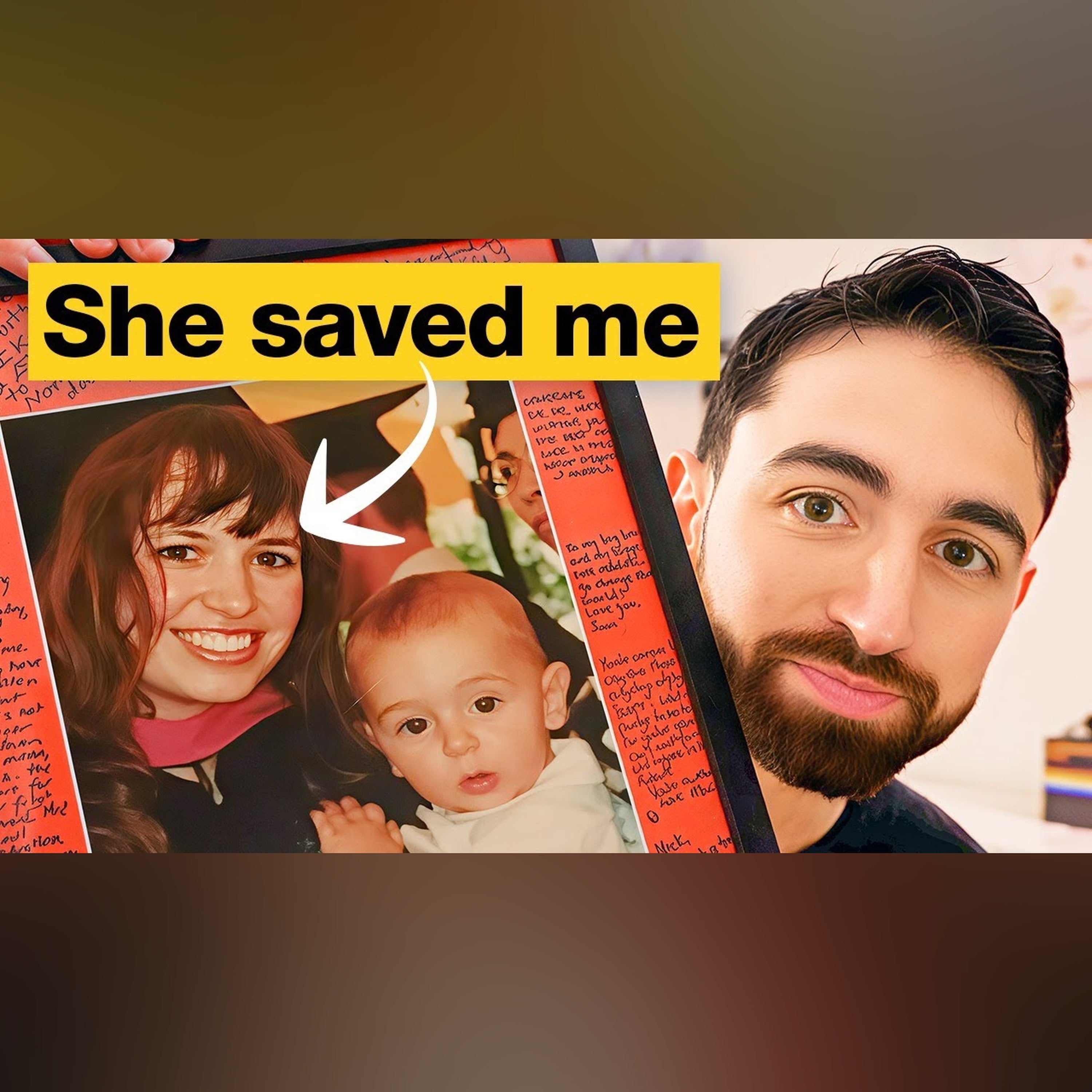
For all the references, links, and a written breakdown, see the associated StayCurious Metabolism Newsletter: https://staycuriousmetabolism.substack.com/p/how-a-mothers-diet-rewrites-her-childrens?r=40ekz2 What your mother ate during pregnancy may shape your cardiovascular health today. New research published in Nature Cardiovascular Research reveals that a maternal Western diet—high in sugar and saturated fat—can epigenetically program her offspring to develop atherosclerosis and heart disease. In this video, I’ll break down how maternal nutrition impacts epigenetic bookmarks activate inflammatory genes, and why this matters for obesity, diabetes, and cardiovascular disease. We’ll also explore how ketogenic diets, healthier nutrition choices, and lifestyle interventions may help reverse this metabolic programming and support lifelong heart health. Most importantly, you’ll see why epigenetic legacy is not destiny. While we may inherit predispositions, lifestyle, nutrition, metabolic he
This new tech is changing how movies get made. So @mkbhd and I tested it out... Watch MKBHD's video: https://youtu.be/RM7SobH8ZO0 I’ve been obsessed with sci-fi movies since I was a kid. I love being transported to another world. But lately, I’ve been wondering: How do those worlds look so… REAL? The tech behind movies has exploded in complexity and realism, changing how stories come to life on screen. Luckily, at the same time, those tools are becoming more and more available to more people telling stories. It’s not just blockbusters like Avatar 2 or Avengers or Dune. It’s also smaller budget films like Everything Everywhere All at Once or even… YouTube creators? In this video, Marques Brownlee and I test out 3 movie-making tools that are changing how movies, shows, and maybe even YouTube videos (??) get made. We’re at ZeroSpace Studios in New York to show you how each of these crazy technologies work - and how you might be able to use them. Along the way, we hit big questions like: W
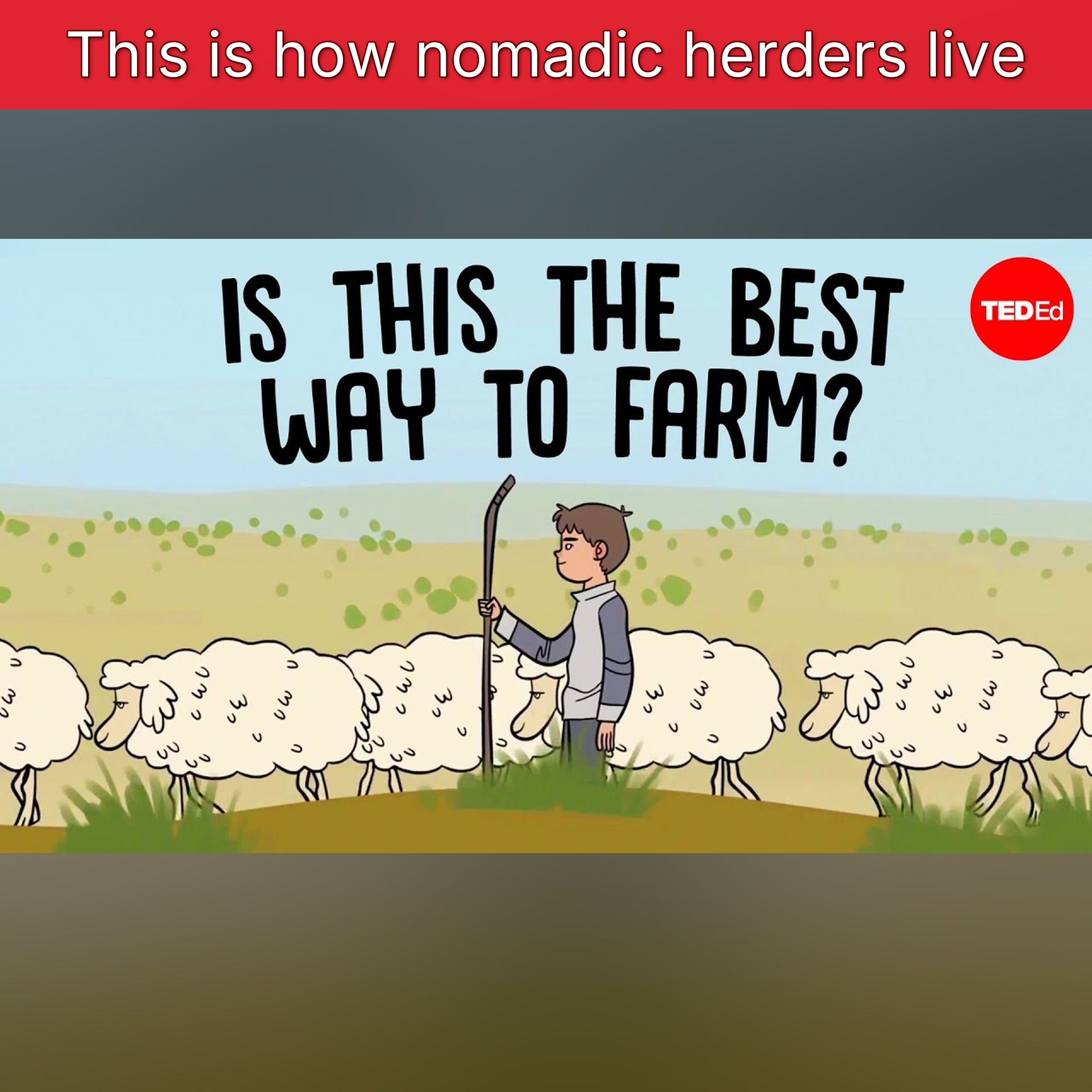
Dig into the challenges of modern pastoralism, a form of agriculture where farmers guide livestock to seasonal grazing areas. -- For millennia, livestock farmers strategically guided animals to seasonal grazing areas. This mobile way of life, known as pastoralism, provided them with wealth, social status, and political independence into the 20th century. But in the last century, political and economic policies have worked against these communities. Take a closer look at the challenges of modern pastoralism. Directed by Anton Bogaty. This video made possible in collaboration with Gates Ventures Learn more about how TED-Ed partnerships work: https://bit.ly/TEDEdPartner A special thanks to Graham Gerrity, Donald Nkrumah, and Obai Khalifa who provided information and insights for the development of this video. Support Our Non-Profit Mission ---------------------------------------------- Support us on Patreon: http://bit.ly/TEDEdPatreon Check out our merch: http://bit.ly/TEDEDShop ---------
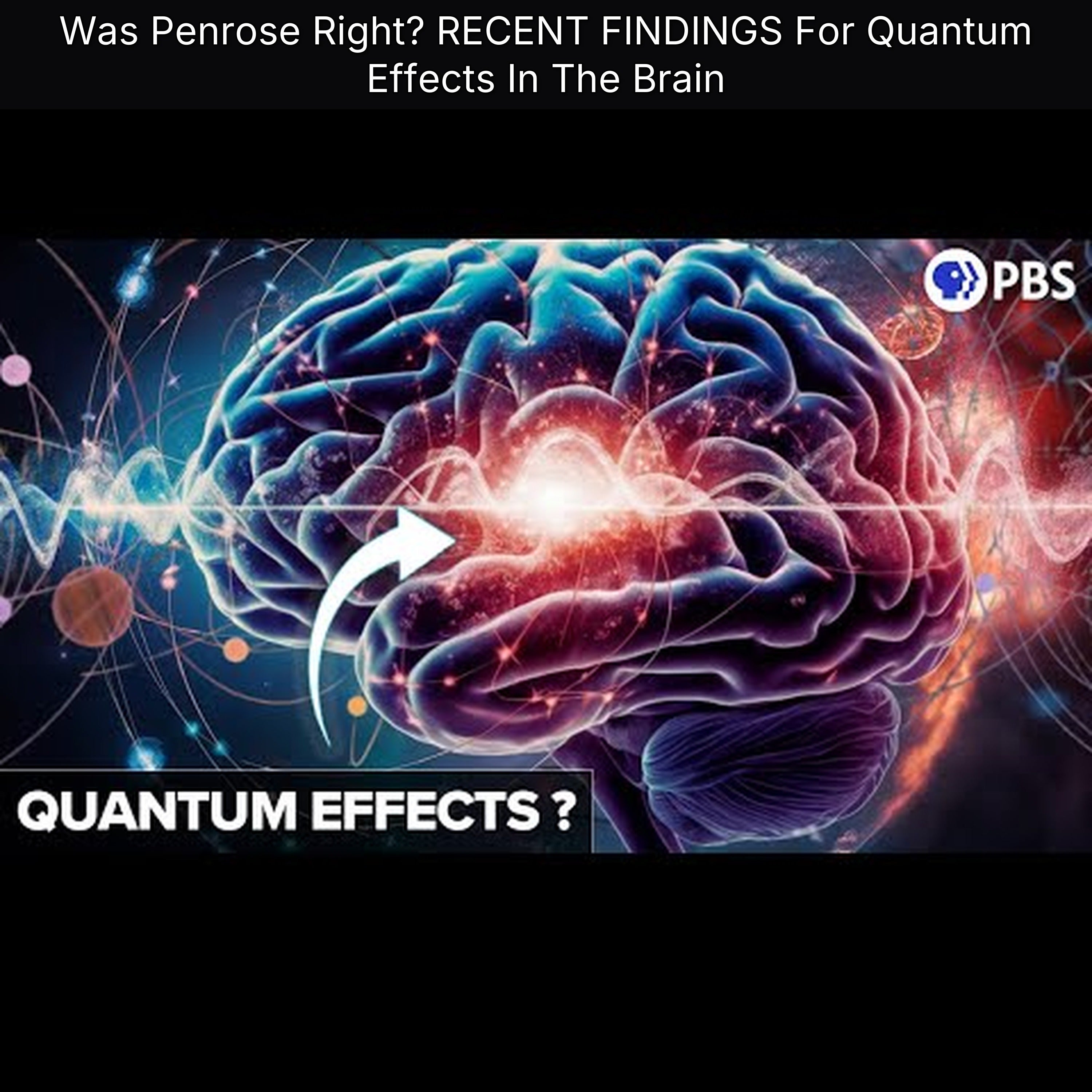
Check out the Space Time Merch Store Sign Up on Patreon to get access to the Space Time Discord! Nobel laureate Roger Penrose is widely held to be one of the most brilliant living physicists for his wide-ranging work from black holes to cosmology. And then there’s his idea about how consciousness is caused by quantum processes. Most scientists have dismissed this as a cute eccentricity—a guy like Roger gets to have at least one crazy theory without being demoted from the supersmartypants club. The most common argument for this dismissal is that quantum effects can’t survive long enough in an environment as warm and chaotic as the brain. Well, a new study has revealed that Penrose’s prime candidate molecule for this quantum activity does indeed exhibit large scale quantum activity. So was Penrose right after all? Are you a quantum entity? PBS Member Stations rely on viewers like you. To support your local station, go to:http://to.pbs.org/DonateSPACE Sign up for the mailing list to get e
Fear has a way of quietly taking control of your life. It convinces you to stay where you are, avoid difficult conversations, delay decisions, tolerate situations you know aren’t good for you, and settle for a life that is far smaller than the one you are capable of living. In this episode of The Strong Life Project, we explore how fear impacts your thinking, your relationships, your career, your leadership, and ultimately your ability to live a meaningful life. Fear doesn’t always look like panic. Sometimes it looks like procrastination, overthinking, making excuses, people pleasing, avoiding conflict, or constantly waiting for the perfect moment. The problem is that every time you allow fear to make a decision for you, you reinforce the belief that you are incapable of handling what comes next. Over time, this creates a pattern of avoidance that undermines confidence, resilience, emotional strength, and personal growth. Learning to manage fear doesn’t mean becoming fearless. It means
In today's brief: A vault for exotic material: the Pentagon's eighth UFO file release shows a contractor planned a buried North Las Vegas vault for hardware and biological samples. The Forest Service Bigfoot files: records back to 1941 include a 1982 patrolman's sighting and footprints in Umatilla National Forest. The spy-plane designer's UFO: Lockheed's Kelly Johnson reported a dark elliptical object in a red sky in 1953; the Air Force said lenticular cloud. A 1,650 mph radar track: eight radar detections at up to 70,000 feet, plus a 1952 CIA flying saucer briefing. The Witch Farm: a Welsh family's claimed poltergeist ordeal becomes a BBC drama. Quick hits: prayers for rain in Murcia, nine discs over Mount Rainier in 1947, and 65 Bigfoot sightings near Yosemite. Every story and source: https://believepod.com/ufo-paranormal-news-21-november-2026/ New episodes every morning. Keep your eyes on the sky. Sources: CBS News: https://www.cbsnews.com/news/ufo-files-pentagon-contractor/ FOX 4:
The Atlantic’s great conveyor belt stops. In this episode of Life Without, Alan Davies closes the Gulf Stream. What happens when one of the ocean’s great express routes no longer carries heat, salt and marine life? Alan explores the Gulf Stream’s role in the wider Atlantic circulation, the animals that use it as an underwater highway, and what its loss could mean for coasts, fisheries and weather. How would a changing current reshape life on both sides of the Atlantic? Featuring Professor David Thornalley, Professor of Ocean and Climate Science at UCL, and Professor Tahseen Jafry, an academic specialising in climate change and inequality at Glasgow Caledonian University. An ITN production for BBC Radio 4
Institutions should demonstrate equal treatment through people's actual experiences, not just written policies.
Share your view, then see how readers voted. No sign-in required. This poll is shared across stories.
Do you agree or disagree?
Common Quandary
A Common Quandary to discuss
Another conversation to explore, separate from this news story.
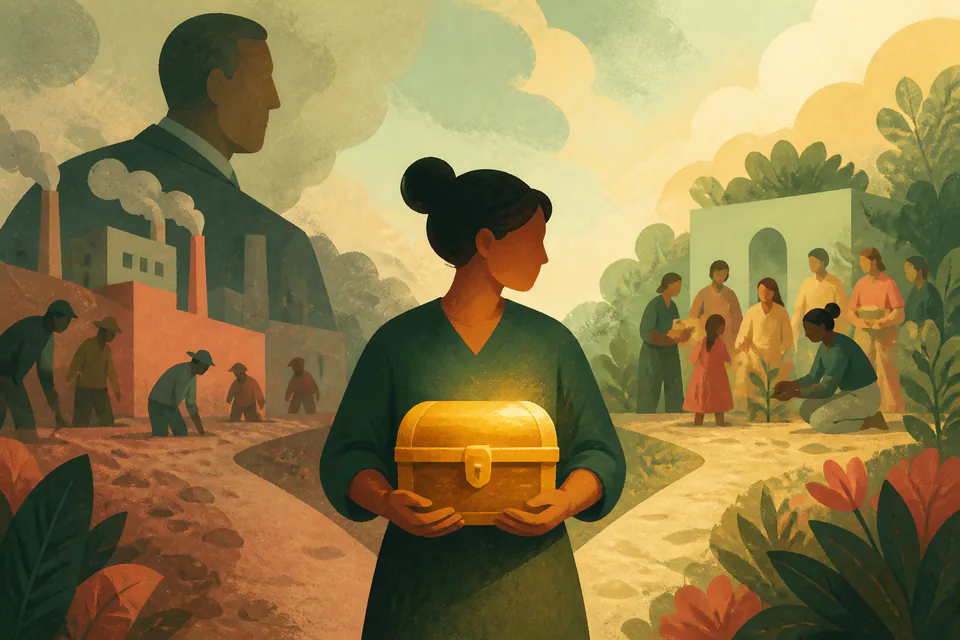
You inherit a fortune made in ways you despise. Can you keep it?
You inherit a substantial sum from a relative who accumulated it through practices you consider exploitative. Keeping it would improve your family's security; donating it could support people harmed by similar practices.
Can ownership be morally clean when its history is not?