Mars May Still Be Volcanically Active, New Evidence Suggests
21 min
Listen through the publisher, then discuss the episode here or arrange an in-person Roundtable. Your city determines where to meet.
Roundtables are designed for groups of four, with a shared subject and room for everyone to speak. Come for discussion, with no dating expectation.
Monday SpaceTime 20261109 Series 29 Episode 134 Growing hints of volcanic activity on Mars The European Space Agency’s ExoMars Trace Gas Orbiter has detected signs of volcanic activity on the red planet. NASA’s Swift Space Telescope destroyed NASA’s Swift gamma space telescope has re-entered the Earth’s atmosphere in an uncontrolled descent, burning up in the skies above the Pacific Ocean. China details its manned Moon program China has released details of its manned Moon program, confirming that it expects to have taikonauts walking on the lunar surface before 2030. The Science Report Study shows patients with female doctors do better in hospitals. El Niño to strengthen to unprecedented levels over the next three months. Claims kids who eat more ultra-processed foods may respond to food differently. Palaeontologists find fossilised dinosaur red blood cells and amino acids. Skeptics guide to rebranding the fake science of homeopathy. Our Guests This Week Swift Program Scientist Ilana Harrus from NASA Greenhill Observatory Director Professor Andrew Cole from the University of Tasmania Our regular guests: Alex Zaharov-Reutt from techadvice.life Tim Mendham from Australian Skeptics Get Our Exclusive NordVPN deal here www.bitesz.com/nordvpn (http://www.bitesz.com/nordvpn) . The discounts and bonuses are incredible! And it’s risk-free with Nord’s 30-day money-back guarantee! If you’d like to support the podcast and gain access to bonus content by becoming a SpaceTime crew member, you can do just that through The Big Bang editions on Patreon, Spotify and Apple Podcasts. Details on the Support page on our website https://www.bitesz.com/show/spacetime/support/ For more SpaceTime and show links: https://linktr.ee/biteszHQ If you love this podcast, please get someone else to listen too. Thank you…
Episode information is provided by the publisher. Listening takes place on the publisher’s service.
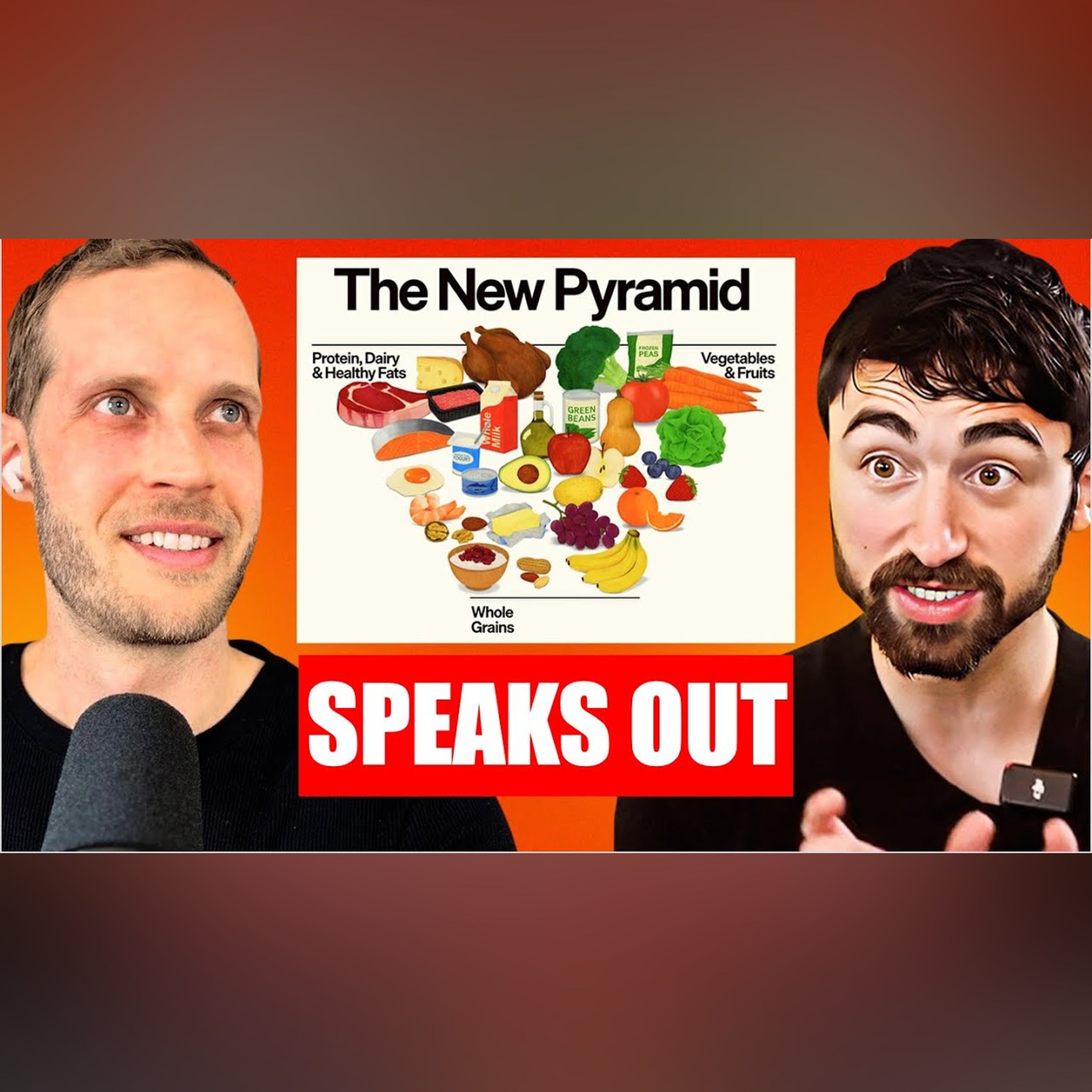
For a written digest on the guidelines, see the StayCurious Metabolism Letter: https://staycuriousmetabolism.substack.com/p/the-new-dietary-guidelines-actually?r=40ekz2 The 2025–2030 Dietary Guidelines are being marketed as a major reset with a simple message: put “real food” back at the center of the American diet. And in a lot of ways, they do represent progress. But when you actually read what’s written, some of the most important details raise real questions. For example, the document still states that saturated fat should not exceed 10% of total daily calories. To separate signal from spin, I’m joined by Dr. Ty Beal PhD, who worked on the evidence review side of the Guidelines process, to explain what the scientific background documents actually say, what happens after scientists submit reviews, and why the final public-facing document can end up with compromises, inconsistencies, or imprecise terminology. If you want a clear, good-faith breakdown—what’s genuinely better, what sti
Check Out All PBS Earth Episodes: https://www.youtube.com/playlist?list=PLnNZYWyBGJ1F8ofFm4H9UTrHxqU8zngK4 Planet Earth is the jewel of the solar system—the shimmery blue oceans, the verdant green forests, the wispy whimsical cloud formations. Saturn is the only competitor for most gorgeous planet with that giant ring system. Hmm… what if we could put the jewel of the Earth in its own ring? Then no contest. Well, there’s an extremely good chance that Earth once DID have a ring system. At least, that’s the proposal by a recent study that has evidence that a mysterious burst in meteor activity nearly half a billion years ago was actually caused by that ancient ring system collapsing onto the Earth. And, you know, if we had a ring once maybe we can have one again. Check Out Joe Scott’s: What Would Happen If The Earth Had Rings? Sign Up on Patreon to get access to this Month’s Livestream Interview with Dr. Matt Caplan! Check out the Space Time Merch Store Sign up for the mailing list to ge
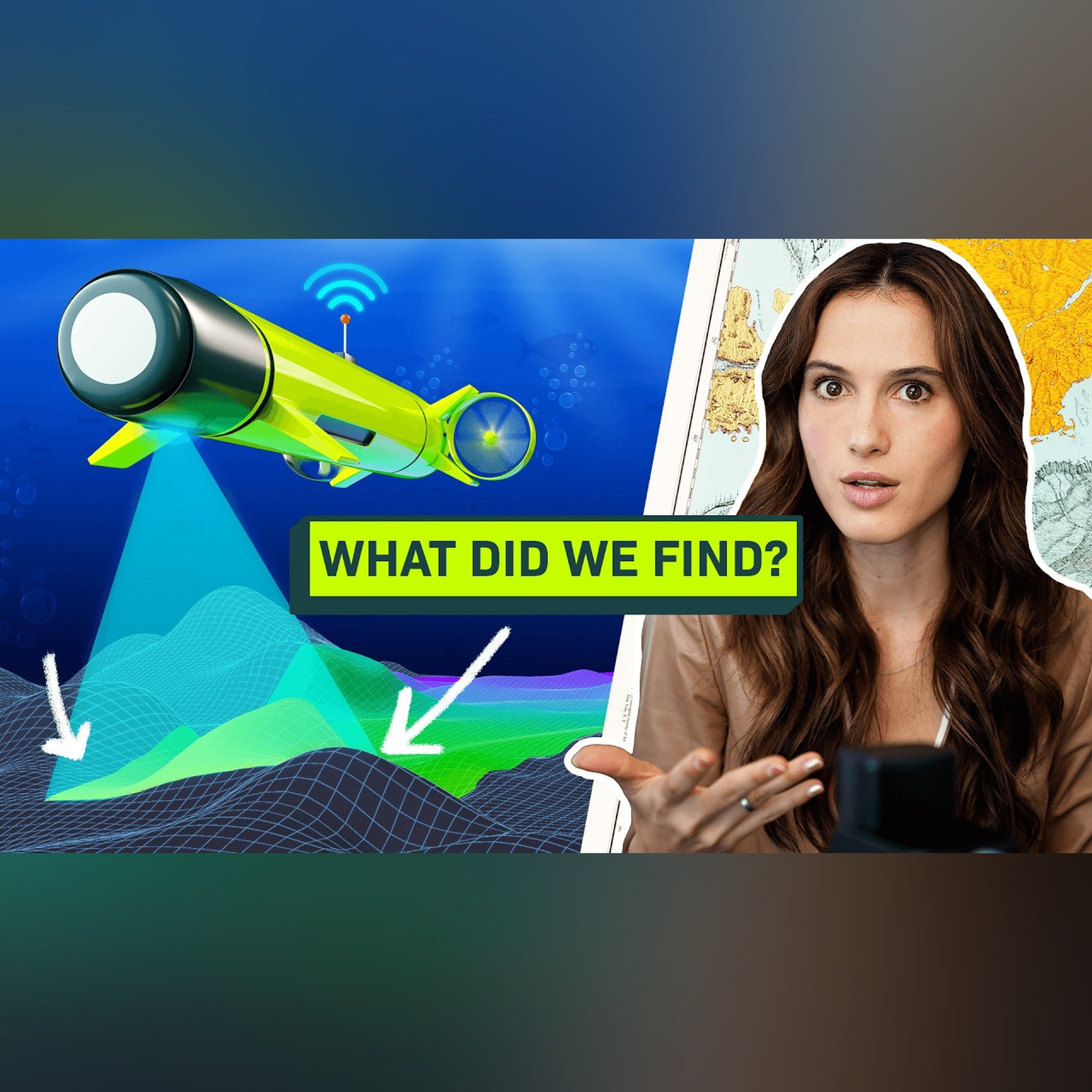
Why deep sea maps are SO BAD (and how to fix it)... Our maps of the ocean are surprisingly bad! On Google Maps it looks like we know so much… but we know less about the ocean floor than we do the surface of Mars. And that’s a big problem, because we are using the ocean all the time: We’re laying internet cables across it, we fight wars in it, we search it during a crisis - like the imploded OceanGate Titan submersible or the missing Malaysia Airlines Flight 370. 71% of the surface of the Earth is water! And yet we have a surprisingly limited view of what’s below it. But that’s also understandable. Because cartographically speaking, water sucks. For Mars or Earth’s surface, we can take pictures. But light doesn’t get to the ocean floor, so we need other ways to see it. The good news is, we’re developing that tech right now, and an international group called Seabed 2030 is working to piece together a better map. There is a terrifying, incredible, alien world on our own planet, and we’re
This is a Grave Talks CLASSIC EPISODE! Commissioned during World War II, the USS Hornet played a vital role in some of the Pacific Theater's most significant battles before continuing her service through the Apollo recovery missions and beyond. Today, the historic aircraft carrier serves as a museum—but many believe some of those who served aboard never truly left. Visitors, volunteers, veterans, and paranormal investigators have all reported unexplained footsteps, shadowy figures, disembodied voices, doors moving on their own, and encounters that continue to fuel the Hornet's reputation as one of America's most haunted ships. In this episode of The Grave Talks, we explore the history of the USS Hornet, the experiences reported throughout the vessel, and the stories that have made this legendary aircraft carrier a destination for both history enthusiasts and paranormal investigators. Join us as we examine whether the echoes heard throughout the ship are simply reminders of its remarkab
BONUS QUESTION STARTS AT 22:03 Watch the video here (with no ads) or on YouTube: https://youtu.be/rcj39PJq6ko Scott Manley’s Starship Flight 15 coverage: https://www.youtube.com/watch?v=uwGBBAv8PBI Vote for the best story here: https://www.youtube.com/@frasercain/posts SpaceX finally catches Starship, Euclid’s first big data release is out, a compelling new explanation for Little Red Dots, and a way to rule out a type of dark matter. And on Space Bites+, China is planning on sending a lander to Callisto. 00:00 Intro 00:17 Starship Catch https://www.universetoday.com/articles/baby-shes-back-spacex-catches-a-starship-from-orbit-for-first-time https://www.universetoday.com/articles/spacex-launches-starship-but-passes-up-booster-catch-for-safetys-sake 05:37 Euclid’s First Big Release https://www.universetoday.com/articles/euclids-first-data-release-a-stepping-stone-to-its-3d-map-of-the-sky 08:39 No GPS? No Problem! https://www.universetoday.com/articles/navigating-lunar-orbit-using-nothing
In this 360° animation, explore the vibrant world of neon signs and learn the science of what makes them glow. Uploaded 19-09-19 -- When the Hoover Dam was completed, it created a huge source of hydroelectric power and zapped a sleepy desert town to life: Las Vegas, Nevada. With the power supply from the dam, Las Vegas soon exploded with vibrant displays. The source of these dazzling lights was electrified neon gas. In this special 360° animation, explore the colorful world of neon signs as Lippy shares what makes them glow. -- How to view this TED-Ed animated 360° video: If you have access to a Google Cardboard viewer and a smart phone: 1. Open this video in the YouTube app on your phone. 2. Hit pause on the video. 3. Tap the 3 vertical dots on the top right corner of the view window. This will slide up a sub-menu where you will choose the quality setting of your video stream. Choose "2160s." Note that if you are not streaming over Wifi, YouTube will only allow "720s" quality. 4. Tap
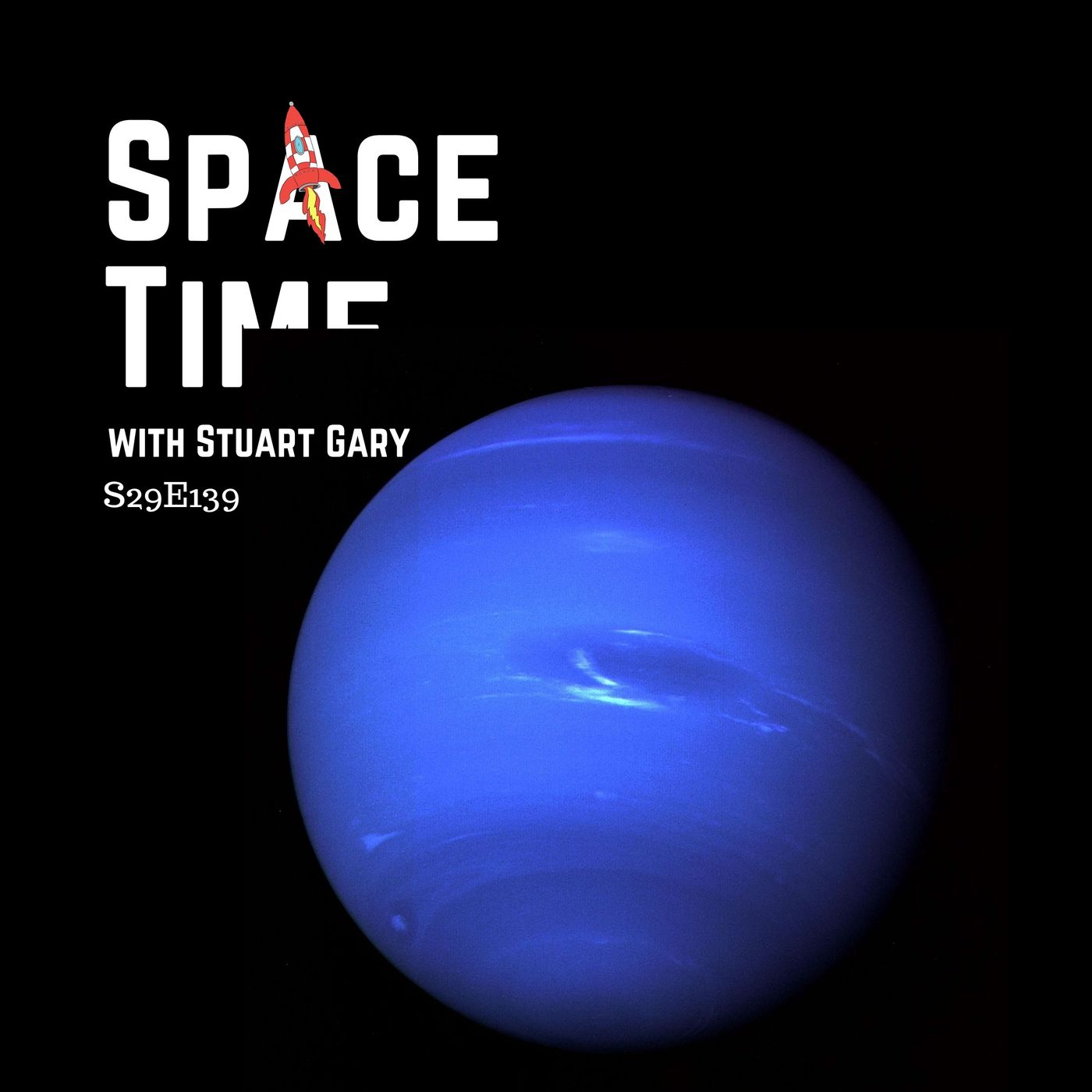
Friday SpaceTime 20261120 Series 29 Episode 139 New clues about origins of the ice giants Uranus and Neptune New study suggests the ice worlds of Uranus and Neptune had very different origins despite their similar locations on the outskirts of the solar system. Astronomers spy the heart of Comet Encke Astronomer have finally put a face to Comet Encke, the source of the Taurid meteor shower which the Earth is currently ploughing through. Fireballs lighting up the skies across America Fireballs have been reported across American skies, but NASA says they won’t associated with the currently active Taurid meteor shower. The Science Report People who frequently jolt awake while falling asleep may have higher anxiety and depression. The world can expect less overall rain, but more shorter, and more intense rainstorms. A new test to detect facial tumour disease in Tasmanian devils earlier. Study shows people on the Arabian peninsula 125 thousand years ago used complex technologies. Skeptics g
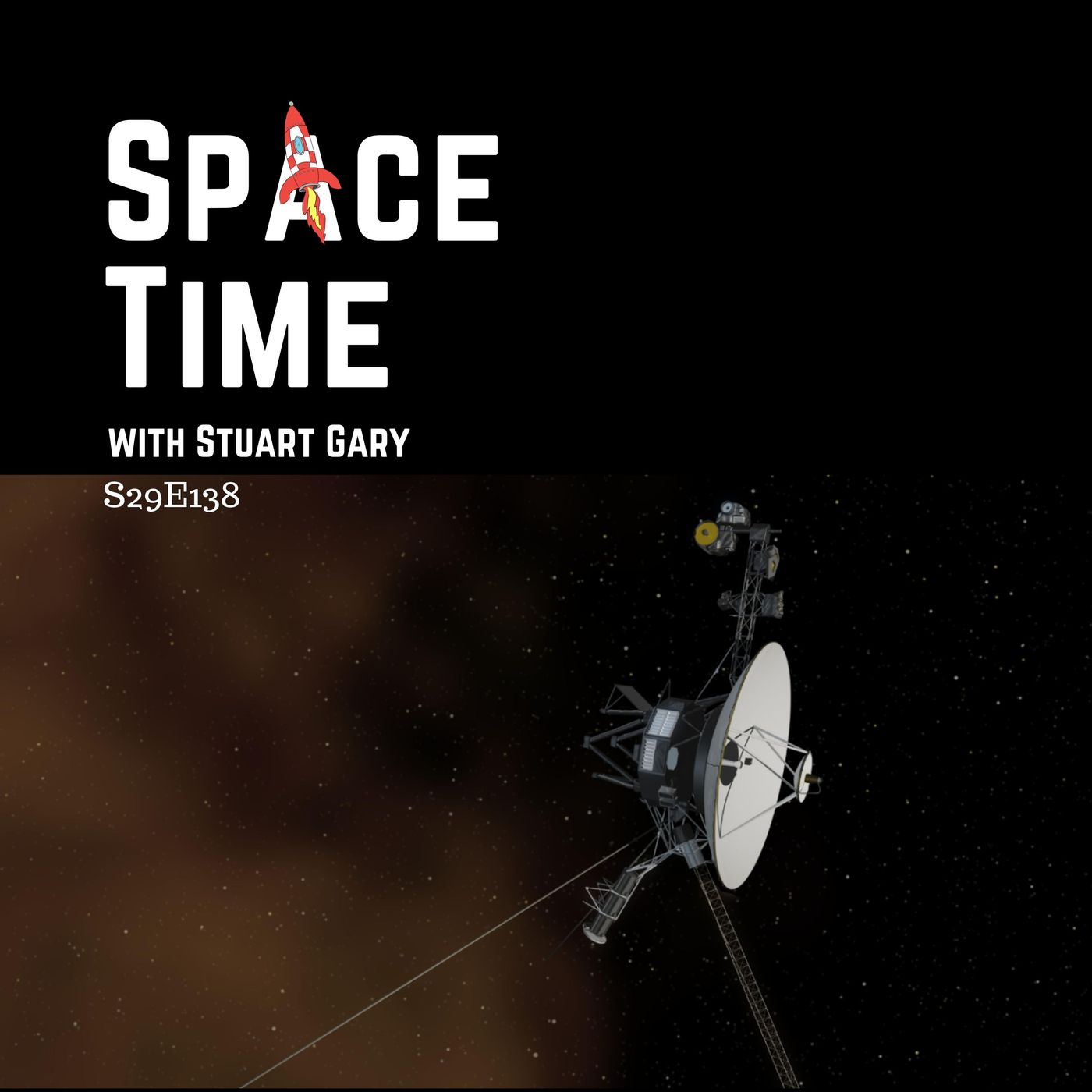
Wednesday SpaceTime 20261118 Series 29 Episode 138 Voyager 1 spacecraft reaches a full light day away from Earth NASA’s Voyager 1 spacecraft has made history today becoming the first man made object to reach a full light day away from Earth. Discovery of a supernova impostor in deep space Astronomers have finally worked out why a giant blue star some 33 time more massive than the Sun undergoes repeated outbursts shining as bright as a supernova. Two more experimental orbital payloads land in the South Australian outback Southern Launch has taken part in two more flights parachuting down into its Koonibba Test Range on the South Australian west coast. The Science Report Study shows vaping worsens your lungs increasing the risk of chronic lung disease. The southern hairy-nosed wombat found to deliver key environmental benefits. Micro plastics found in the blood of lowland tapirs and giant anteaters in the Amazon. Quantum computing pioneer Diraq installs Australia's first quantum computer
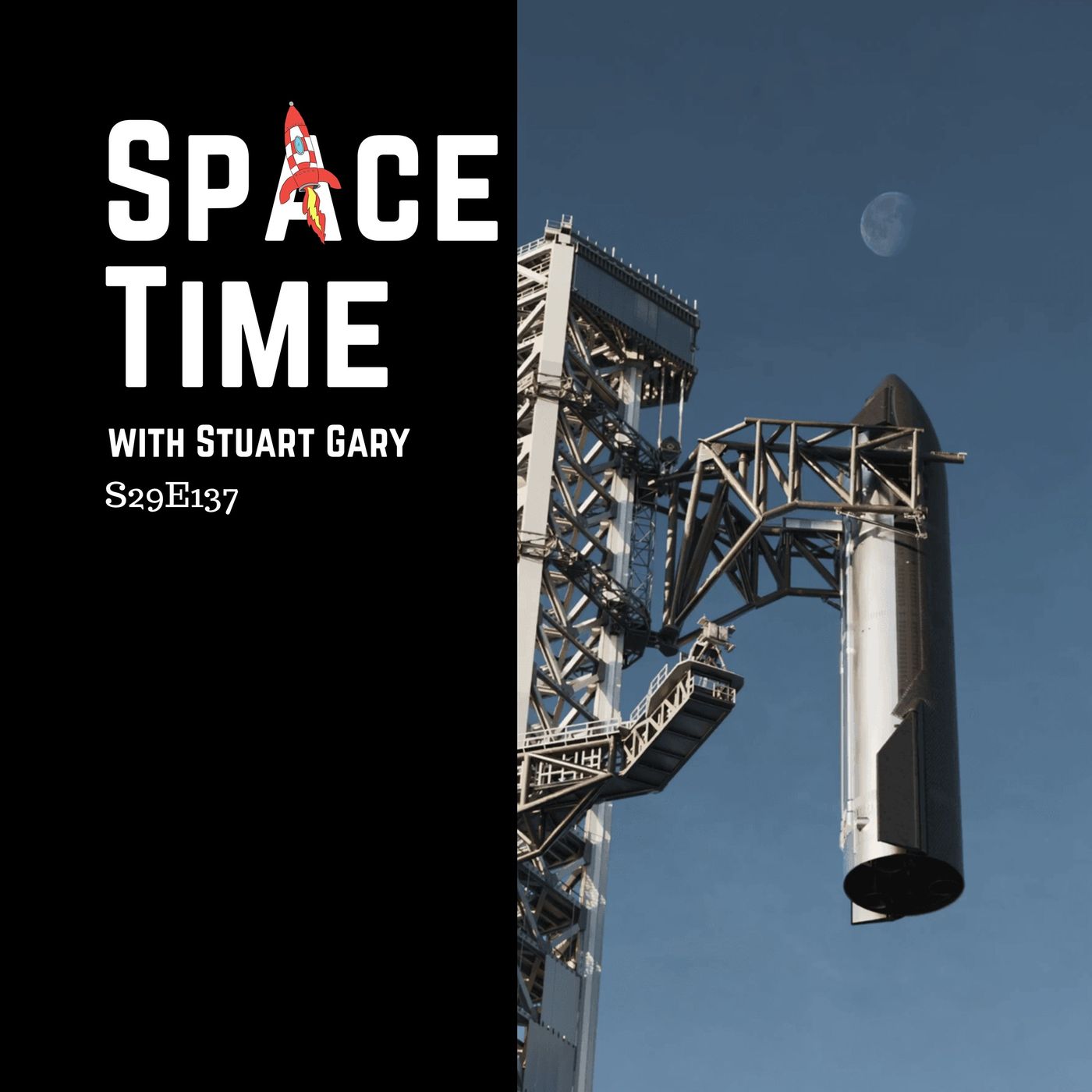
SpaceTime S29E137 S29E138 S29E139 w/c November 16, 2026 Monday SpaceTime 20261116 Series 29 Episode 137 Starship achieves an historic first orbital tower catch SpaceX has made history, successfully catching a Starship on its return from orbit -- back on the same launch pad it had blasted off from 22.5 hours and 14 orbits of the Earth earlier. Could there be life on Saturn’s ice moon Enceladus A new study claims Saturn’s ice moon Enceladus might be more supportive of life than was previously thought. Ancient rocks reveal when Earth’s tectonic engine ‘switched on’ A new study suggests plate tectonics began on planet Earth around two and a half billion years ago. Shiny lava planet challenging expectations Astronomers have discovered that a rocky lava planet once thought to be too extreme to have any atmosphere actually appears to be wrapped in a reflective layer of clouds forming a protective ‘sunscreen’ around the planet. The Science Report ibuprofen linked to a higher risk of acute kidn
Large platforms should make it easier for smaller competitors to connect with their services.
Share your view, then see how readers voted. No sign-in required. This poll is shared across stories.
Do you agree or disagree?
Common Quandary
A Common Quandary to discuss
Another conversation to explore, separate from this news story.
A stranger is behaving horribly in public. Do you record them?
You witness a stranger berating a service worker in public. Recording could create accountability and protect the worker, but posting the video could expose everyone involved to a permanent online audience.
Who gets to decide when public behavior becomes public content?