English-language podcasts

How I AI

OpenClaw for executives: Automate every 1% annoyance
32 min

Listen through the publisher, then discuss the episode here or arrange an in-person Roundtable. Your city determines where to meet.

Roundtables are designed for groups of four, with a shared subject and room for everyone to speak. Come for discussion, with no dating expectation.

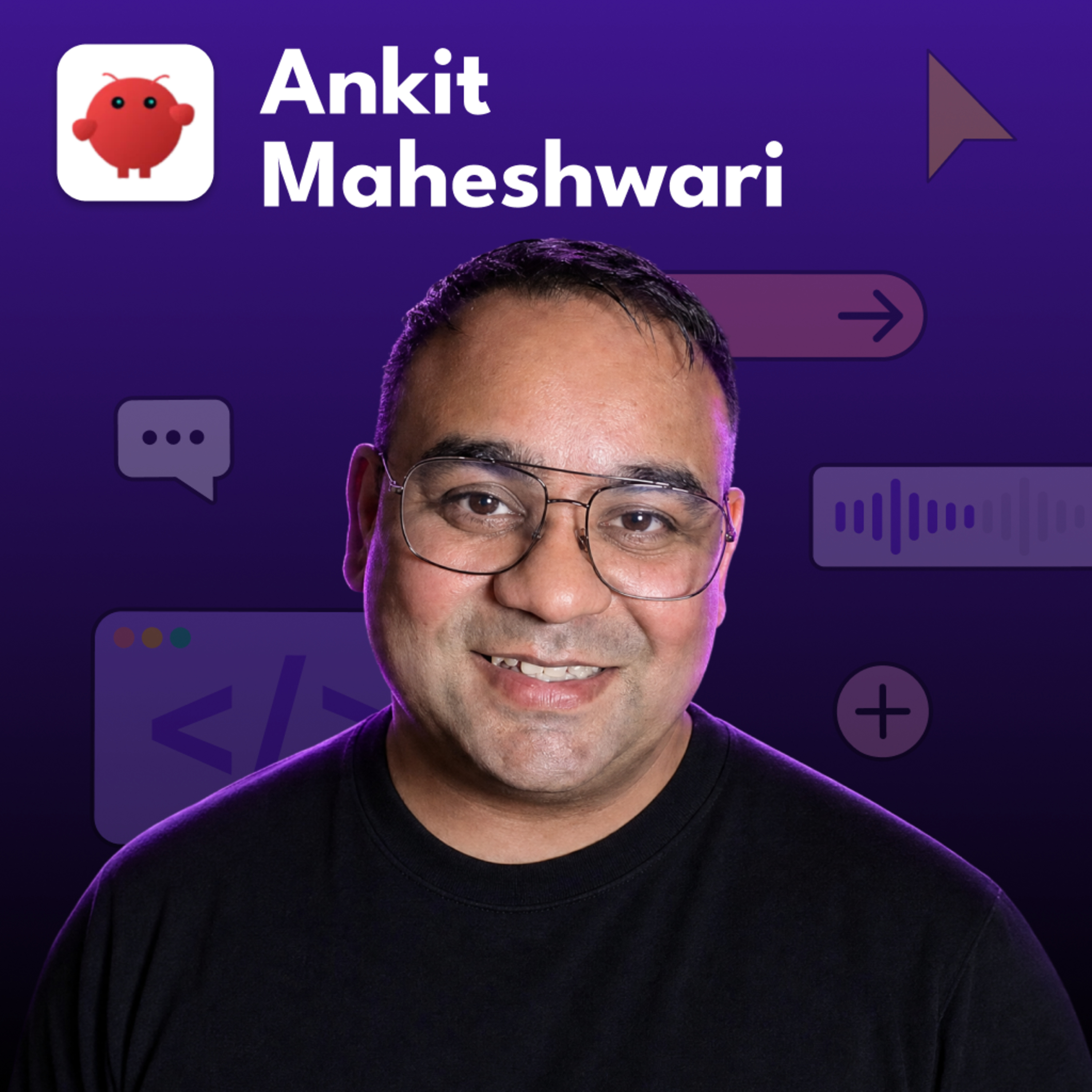
Ankit Maheshwari, the CTO of Innovaccer, walks me through the OpenClaw Jarvis he still runs on a Mac Mini. He started with the approvals that were making him the bottleneck at work, then kept going until the same system was ordering his lunch, calling coworkers who haven’t responded on Slack, negotiating restaurant reservations, and turning on the AC before he gets home. We get into the soul files and guardrails that make it trustworthy, why he split voice calling into its own subagent, and why he’s pressure-testing GLM 5.3 Flash against a $500-to-$600-a-month Anthropic bill. What you’ll learn: Why he’s still on OpenClaw The automation that started it all How soul files and subagents actually work The mid-flight moment that tested his guardrails How Jarvis calls people who don’t reply on Slack Whether a local model can cut a $500-to-$600 bill How Jarvis took over his smart home Why he just talks to OpenClaw like a new hire — Brought to you by: Parallel (https://parallel.ai/howiai)—Web search built for AI scale GiveDirectly (https://givedirectly.org/howiai)—Send cash to the world’s poorest — In this episode, we cover: (00:00) Teaser (02:26) Why OpenClaw (03:57) Approvals (05:01) Flight approvals in Navan, the notification problem, and the domino effect (06:38) Soul files and subagents (07:28) Subagent structure: health coach, email triage, and the master soul (08:45) Why one global agent hallucinated on personas, and the fix (10:53) Why well-scoped subagents beat one agent for everything (11:42) How he builds (15:52) Food ordering (17:36) Travel and restaurants (19:45) Smart home (21:07) The 1% annoyance rule (24:12) Guardrails (25:49) Local models and cost (27:37) What GLM 5.3 Flash can and can’t do — Tools referenced: OpenClaw: https://openclaw.ai/ Bland AI: https://www.bland.ai (https://www.bland.ai/) Navan: https://navan.com (https://navan.com/) Coupa: https://www.coupa.com (https://www.coupa.com/) DoorDash Meal Manager: https://www.doordash.com/business/meal-plans/ GLM 5.3 Flash: https://docs.z.ai/guides/vlm/glm-5.3-flash WhatsApp: https://www.whatsapp.com (https://www.whatsapp.com/) Android Auto: https://www.android.com/auto/ Claude Code: https://claude.ai/code Codex: https://chatgpt.com/codex Slack: https://slack.com (https://slack.com/) ElevenLabs: https://elevenlabs.io (https://elevenlabs.io/) Twilio: https://www.twilio.com (https://www.twilio.com/) — Other reference: REA (Reverse Engineer Anything): https://github.com/morluto/rea — Where to find Ankit Maheshwari: LinkedIn: https://www.linkedin.com/in/ankit-mah X: https://x.com/ankitTwiits Innovaccer: https://innovaccer.com (https://innovaccer.com/) — Where to find Claire Vo: ChatPRD: https://www.chatprd.ai/ Website: https://clairevo.com/ LinkedIn: https://www.linkedin.com/in/clairevo/ X: https://x.com/clairevo — Production and marketing by https://penname.co/.

Episode information is provided by the publisher. Listening takes place on the publisher’s service.

Listen at the source ↗

Featured places to meet in Palo Alto, CA

Explore these places and arrange a conversation through ThinkMatch.

City guide for Palo Alto, CA

More from How I AI

How I AI

Gemini 4 Neon beat GPT-6.2 and Claude in my 25-task AI benchmark

32 min

We’re back in model release season, and I put the newest frontier models through my How I AI bench: 25 tasks across coding, writing, creative, video, prototyping, and personal-assistant work, with six models scored blind. I compare GPT-6.2 Astra and Sol, Claude Fable 5.2 and Opus 5.5, and Gemini 4 Neon and Carbon. I also walk through the SVG, animation, storybook, and prototype tests side by side and share a new eval I built from my own session data: the Claire Annoyance Bench. The dark-horse winner surprised me—and it wasn’t close. What you’ll learn: Why Gemini 4 Neon was the surprise winner of my 25-task benchmark How I blind-score models and blend in LLM-as-judge ratings Why coding no longer separates the frontier models How to build your own Annoyance Bench from your local agent sessions Why my favorite model to work with lost my blind test Where Fable 5.2 shines, and where I’d never use it The animated storybook build that blew my mind The hidden cost of a slow model, even a great

Discuss this episode

How I AI

How I fight token fraud as a solo founder

40 min

Today I’m walking you through a problem that has cost me tens of thousands of dollars over the past year and eaten almost all of my engineering energy: token fraud. I’m the solo founder of ChatPRD, a bootstrapped AI platform for product managers, and fraudsters have been farming our free trials, reselling promo codes, wrapping the product in relays, and installing a custom MCP that ran as a 24/7 compute worker. I’ll walk through the six abuse patterns I’ve seen, the business and technical controls I put in place, the Jev loop that classifies fraud in real time, and why I finally killed free trials for good. If you sell AI, you sell compute. What you’ll learn: What token fraud is and why AI SaaS is uniquely exposed The six attack patterns I’ve seen at ChatPRD Why I finally turned off free trials for good The Roblox and Fortnite maps I accidentally funded Business controls that actually slow fraud down How I use Jev to classify fraud in real time Why your AI support desk can become an at

Discuss this episode

How I AI

Claude Code + Obsidian: My family’s AI brain | Scott Farrar

35 min

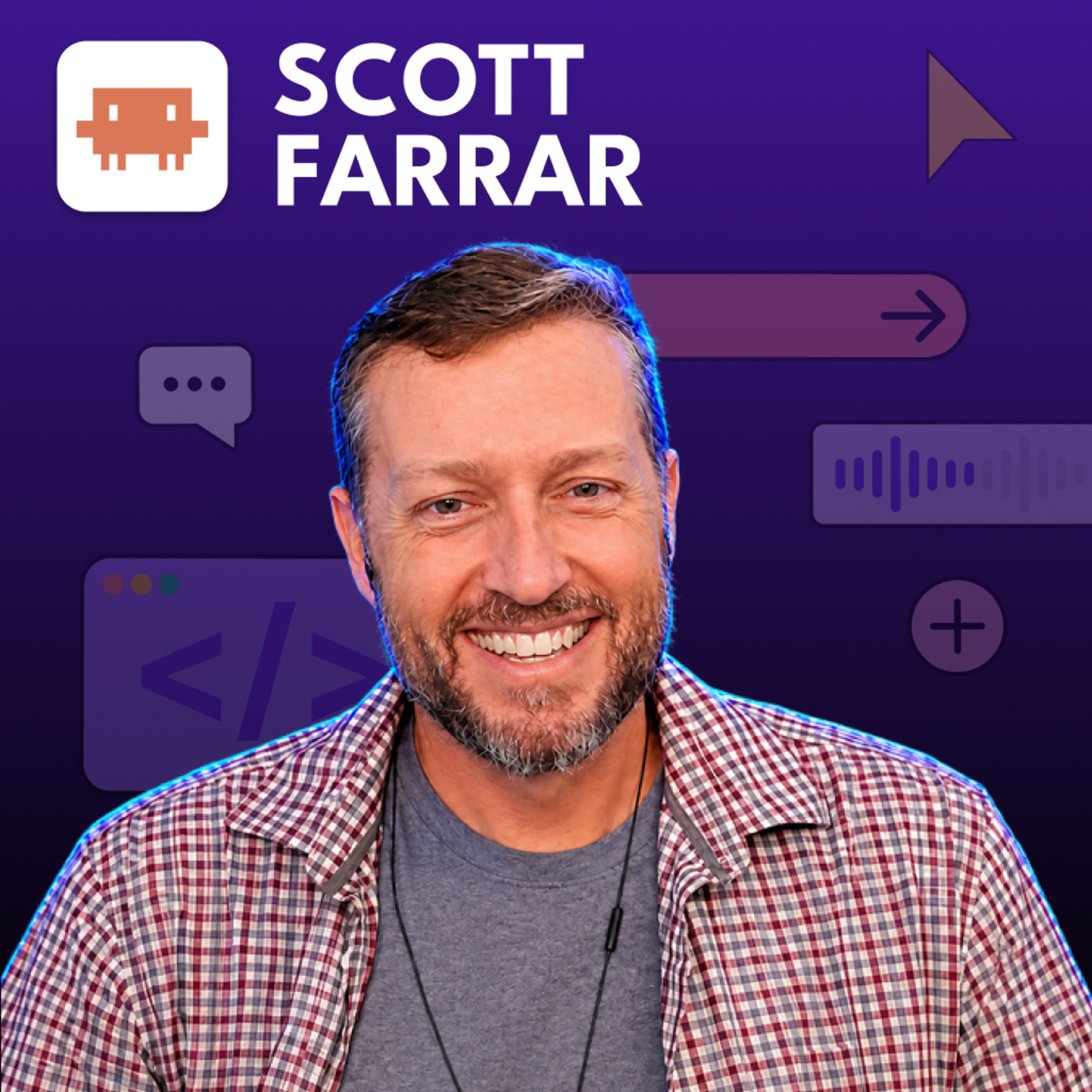
Scott Farrar is a math educator and parent who got tired of AI chats that drift and forget. So he built a household brain in Claude Code: a folder of Markdown files, viewed in Obsidian, that knows his appliances, warranties, insurance documents, and everything on his family’s to-do list. In this episode, Scott shows how he uses it to shop for car insurance, plan repairs, share the system with his wife, and put priority tasks and recent wins on a wall display. We also talk about AI and math learning, and why he wants AI to keep kids doing the thinking. What you’ll learn: Why he moved his home life from AI chat to Claude Code What Claude told him to photograph first How AI made him a sharper insurance shopper The to-do file he keeps coming back to How he and his wife share one household brain Why his wall display has a “recent wins” section How a flipped tutor gets kids to teach the AI — Brought to you by: WorkOS (https://workos.com/)—Make your app enterprise-ready, with SSO, SCIM, RBAC,

Discuss this episode

Community Poll

Institutions should publicly explain how they respond to research misconduct.

Share your view, then see how readers voted. No sign-in required. This poll is shared across stories.

Do you agree or disagree?

Choose one answer

Common Quandary

A Common Quandary to discuss

Another conversation to explore, separate from this news story.

A new email address earns another free month. How many free trials are too many?

A streaming service offers a free month to every new account and makes cancellation deliberately confusing. You discover that slightly different email addresses let you repeat the trial indefinitely without lying about your identity.

Must customers respect the spirit of rules designed to manipulate them?

Explore this quandary