PBS Member Stations rely on viewers like you. To support your local station, go to: http://to.pbs.org/DonateSPACE ↓ More info below ↓ Uploaded 24-01-19 Check out the new Space Time Merch Store! Support Space Time on Patreon The search for a single number: the hubble constant, which is the rate of expansion of our universe, has consumed astronomers for generations. Finally, two powerful and independent methods have refined its measurement to unprecedented precision. The only problem is that they don’t agree. This calls into question some of our most basic assumptions about the universe. Tweet at us! @pbsspacetime Facebook: facebook.com/pbsspacetime Email us! pbsspacetime [at] gmail [dot] com Comment on Reddit: http://www.reddit.com/r/pbsspacetime Help translate our videos! Previous Episode: Why String Theory Is Wrong Hosted by Matt O'Dowd Written by Matt O'Dowd Graphics by Luke Maroldi Directing by Andrew Kornhaber In 1929, Edwin Hubble discovered the universe. He gave us our first inco
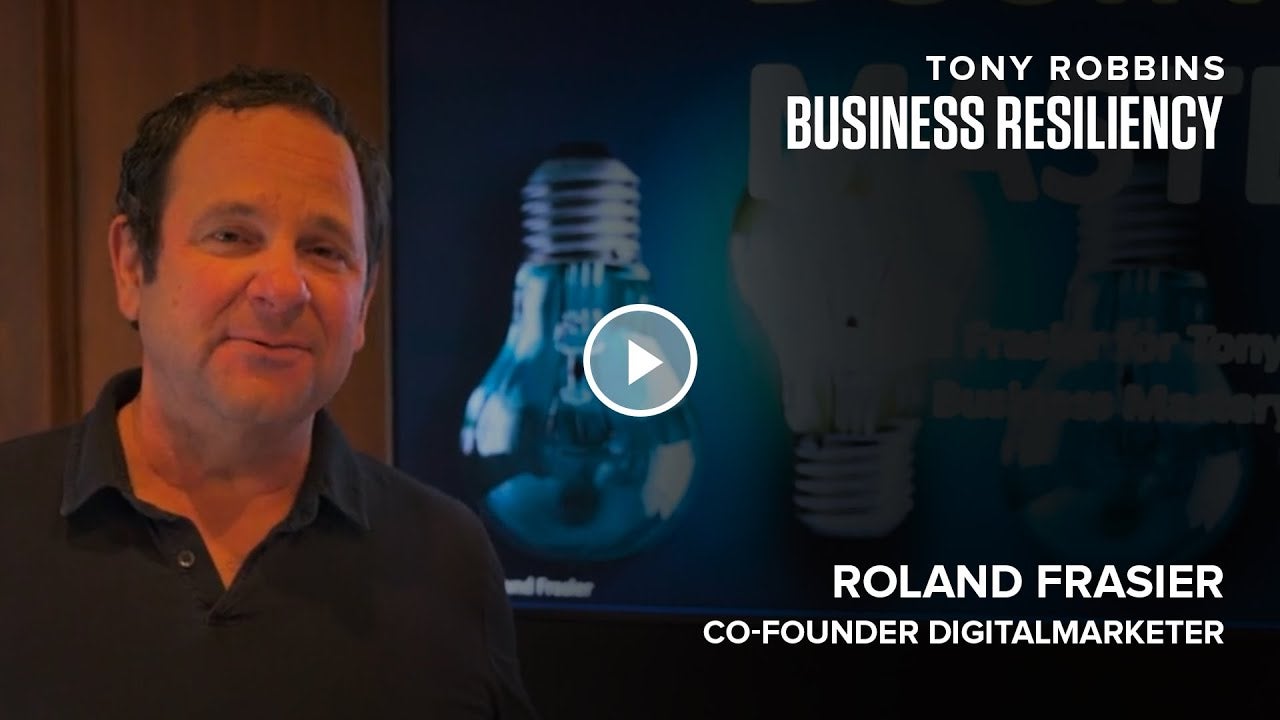
Roland Frasier is a strategic investor, entrepreneur and renowned deal-maker – and he wants to share his powerful strategies to help you grow your business in any economic climate. Uploaded 27-04-20 In an economic winter, your business has three options: freeze and fail, fumble and maybe survive or fight and grow. You want to fight and grow. You want to make it through and not just survive, but thrive. You want to join the ranks of Apple, Starbucks and other famous companies who used downturns to regroup, reassess and come out even stronger on the other side. As Tony Robbins often says, business is 80% psychology and only 20% skill. You can listen to Tony talk about the psychology of success on his podcast at https://www.tonyrobbins.com/podcasts/episode-11 and start putting those tips into action today. Surround yourself with success. Feed your mind the right fuel. And most of all, shift your mindset and defeat your fear of failure. In this video, Roland’s tips combine both psychology
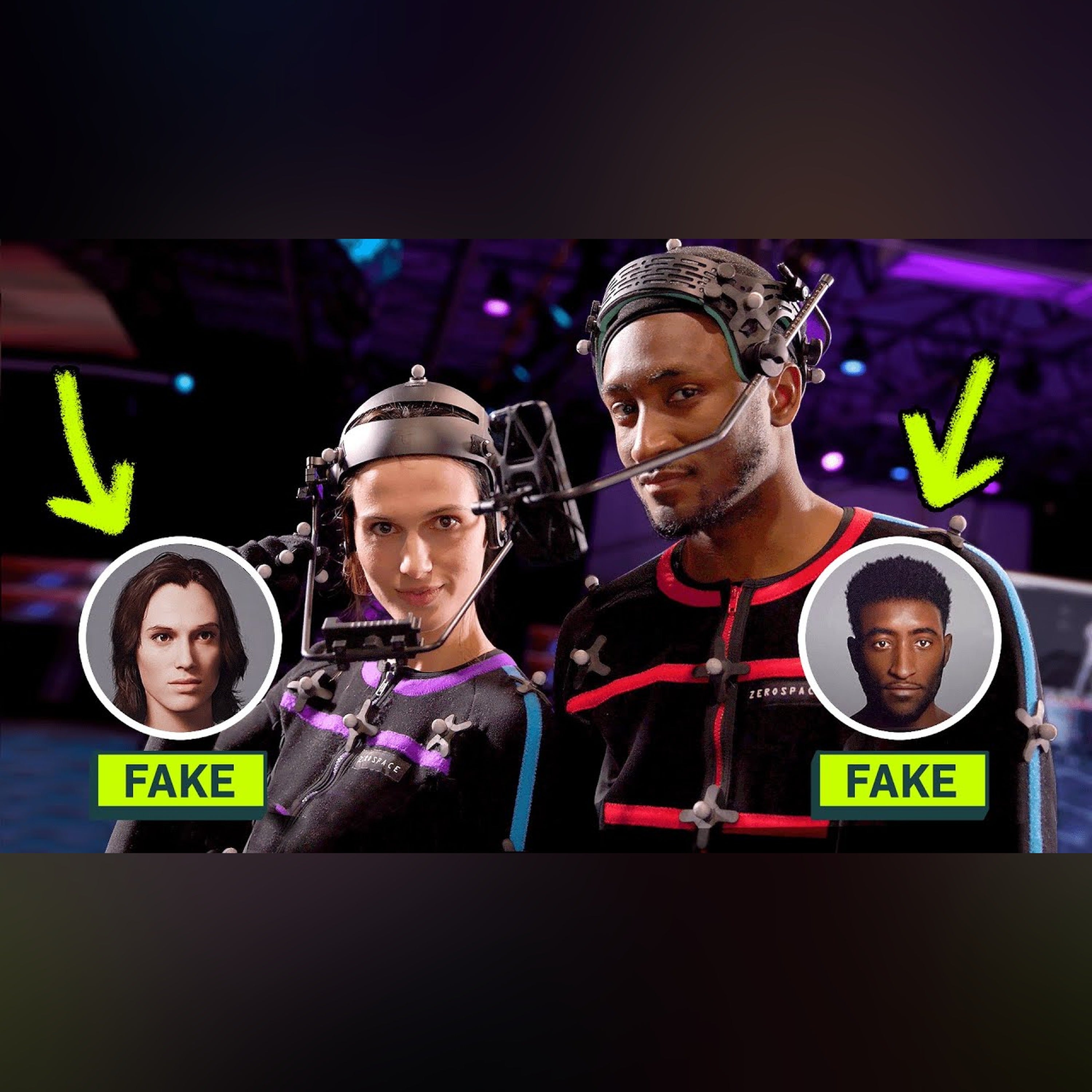
This new tech is changing how movies get made. So @mkbhd and I tested it out... Watch MKBHD's video: https://youtu.be/RM7SobH8ZO0 I’ve been obsessed with sci-fi movies since I was a kid. I love being transported to another world. But lately, I’ve been wondering: How do those worlds look so… REAL? The tech behind movies has exploded in complexity and realism, changing how stories come to life on screen. Luckily, at the same time, those tools are becoming more and more available to more people telling stories. It’s not just blockbusters like Avatar 2 or Avengers or Dune. It’s also smaller budget films like Everything Everywhere All at Once or even… YouTube creators? In this video, Marques Brownlee and I test out 3 movie-making tools that are changing how movies, shows, and maybe even YouTube videos (??) get made. We’re at ZeroSpace Studios in New York to show you how each of these crazy technologies work - and how you might be able to use them. Along the way, we hit big questions like: W
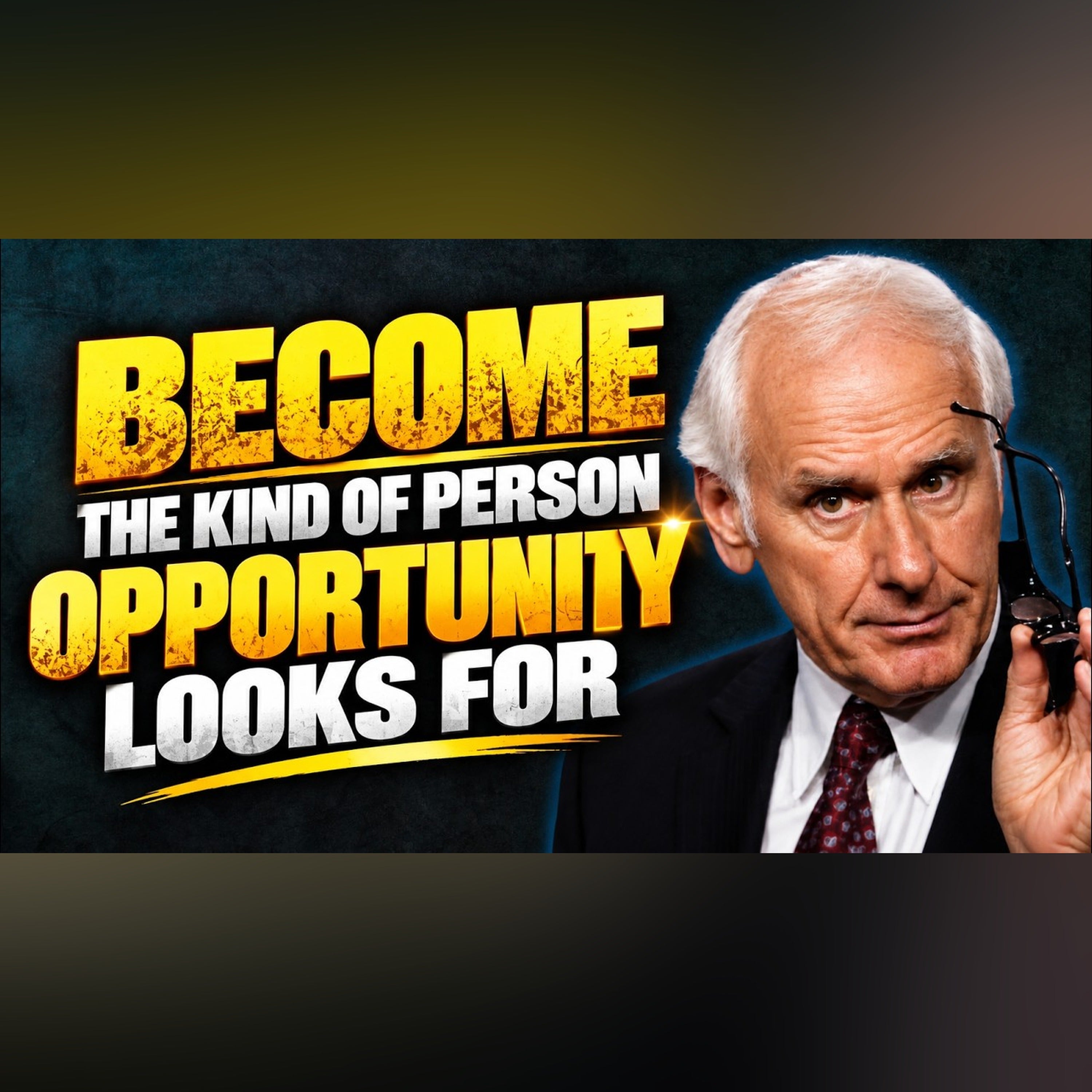
Now that might sound unfair at first. Like I'm telling you some people are just lucky and some people aren't, and there's nothing you can do about it. But that's not what I'm saying at all. I'm saying the opposite. Uploaded 29-09-26 Most people think opportunity is a moment. A phone call, a chance meeting, a lucky break. But opportunity is not a moment. Opportunity is a recognition. Somebody, somewhere, looks at you and sees a quality, a readiness, a way of carrying yourself, and thinks, that's the one. And in that instant, the door opens. Here is the truth: the door doesn't change you. You have to be changed before the door. Opportunity doesn't hand you a new character on the way in. It reveals the character you already brought with you. This seminar walks through five qualities you must understand about becoming the kind of person opportunity looks for. CHAPTERS 0:00 Intro — Opportunity is a recognition, not a moment 2:12 #1 — Excellent work when no one is watching 6:38 #2 — Reliabil
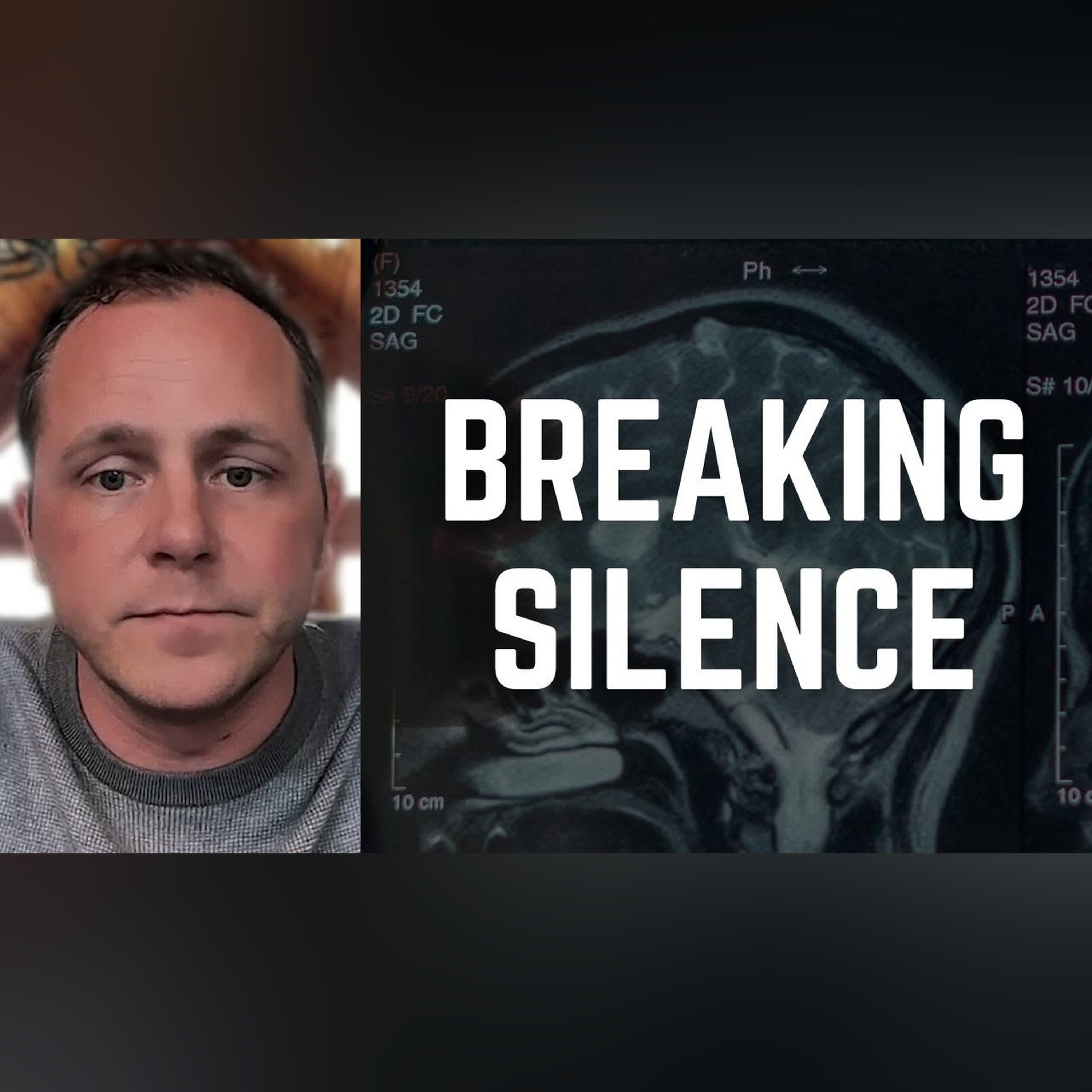
In this video, I finally open up about my diagnosis with Temporal Lobe Epilepsy and possible Mesial Temporal Sclerosis, conditions that have disrupted my life behind the scenes. This revelation comes after years of battling symptoms in secrecy, from memory loss to severe neurological episodes. My decision to come forward is driven by a desire to illuminate the challenges of living with a brain disease, the struggles of maintaining a façade of normalcy, and the personal acceptance of a life-altering reality. Uploaded 06-04-24 Why share this now? Because knowledge is power, but shared knowledge is empowerment. By documenting my journey, I aim to demystify these conditions, provide solace to those silently suffering, and initiate a conversation on the importance of mental and neurological health. This video is just the beginning. I promise to document my experiences, the good days and the bad, in hopes that my journey can offer understanding, hope, and support to those facing similar batt
Hackaday Editors Elliot Williams and Al Williams met to review the week in Hackaday. It was a week for hands, in more ways than one, along with a voice assistant that ditches the cloud, a GPU for twenty cents, glasses that help the visually impaired see with LiDAR, and a virtual mechanical watch that shows you exactly how the real thing ticks. Beyond watch hands, you might like an eighteen-degrees-of-freedom robot hand for under $300 in parts. Or plant your own hands on a spinning wheel to make virtual honey feel sticky and virtual oil feel slippery in VR. For the Can't-Miss Articles, Elliot digs into the truth about hobbyist 3D scanning, photogrammetry versus structured light, and why the meshes you get are rarely the CAD models you wanted. Al, meanwhile, looks at how modern smartphones talk to satellites, bent pipes, flying cell towers, and all. Check out the links below to follow along, and as always, tell us what you think about this episode in the comments (https://hackaday.com/20
Last week, I talked about how to do a Life Audit. This time, I'm talking about what to do AFTER you finish your life audit and it's time to figure out how to make life a bit more manageable. In this episode, I'm sharing some of my recent life misadventures and how I'm learning to embrace structure without demanding perfection. We'll talk about the simple planning system I use to organize my responsibilities, how to prioritize both the non-negotiables and the hopefuls and how to keep procrastination from taking over. Because life rarely goes according to plan, and the goal isn't to get everything done—it's to keep making progress, even when chaos strikes. Podcast Episode Highlights: What to do after the Life Audit (last week's episode) My misadventures in life lately Leaning into structure but not perfection Learning flexibility through non-negotiables and hopefuls Making categories in my planner Giving things priority Problems with procrastination Using this strategy when the chaos com
People often ask me how I manage to “do it all” between running businesses, raising kids, caring for animals, and juggling a million moving parts. I've always loved good systems and streamlining, but I've learned the hard way that even the best systems can't fix a life that's simply too full. In this episode, I'm sharing how I recognize the warning signs of overwhelm, the questions I ask when it's time to start cutting, and how the Pareto Principle helps me decide what actually deserves my time and energy. We'll also talk about the hidden cost of saying “yes,” why sometimes you have to say “no” to perfectly good things, and why the answer isn't always doing more efficiently—it's doing less. Podcast Episode Highlights: People wonder how I 'do it all' Life Cut Audit My love for streamlining and good systems When it's time to cut out things Signs & Symptoms of overwhelm Questions to ask yourself Pareto Principle Saying 'no' to good things The hidden cost of the 'yes' Final thoughts Resour
Landscape restoration needs funding commitments that extend beyond normal political terms.
Share your view, then see how readers voted. No sign-in required. This poll is shared across stories.
Do you agree or disagree?
Common Quandary
A Common Quandary to discuss
Another conversation to explore, separate from this news story.
Your anonymous review could cost a coworker a promotion. Do you sign your name?
A company requests anonymous feedback about a colleague being considered for promotion. You have serious concerns based on direct experience, but anonymity prevents them from asking questions or understanding the context of your criticism.
Does honest criticism require accepting personal accountability for it?