Listen through the publisher, then discuss the episode here or arrange an in-person Roundtable. Your city determines where to meet.
Roundtables are designed for groups of four, with a shared subject and room for everyone to speak. Come for discussion, with no dating expectation.
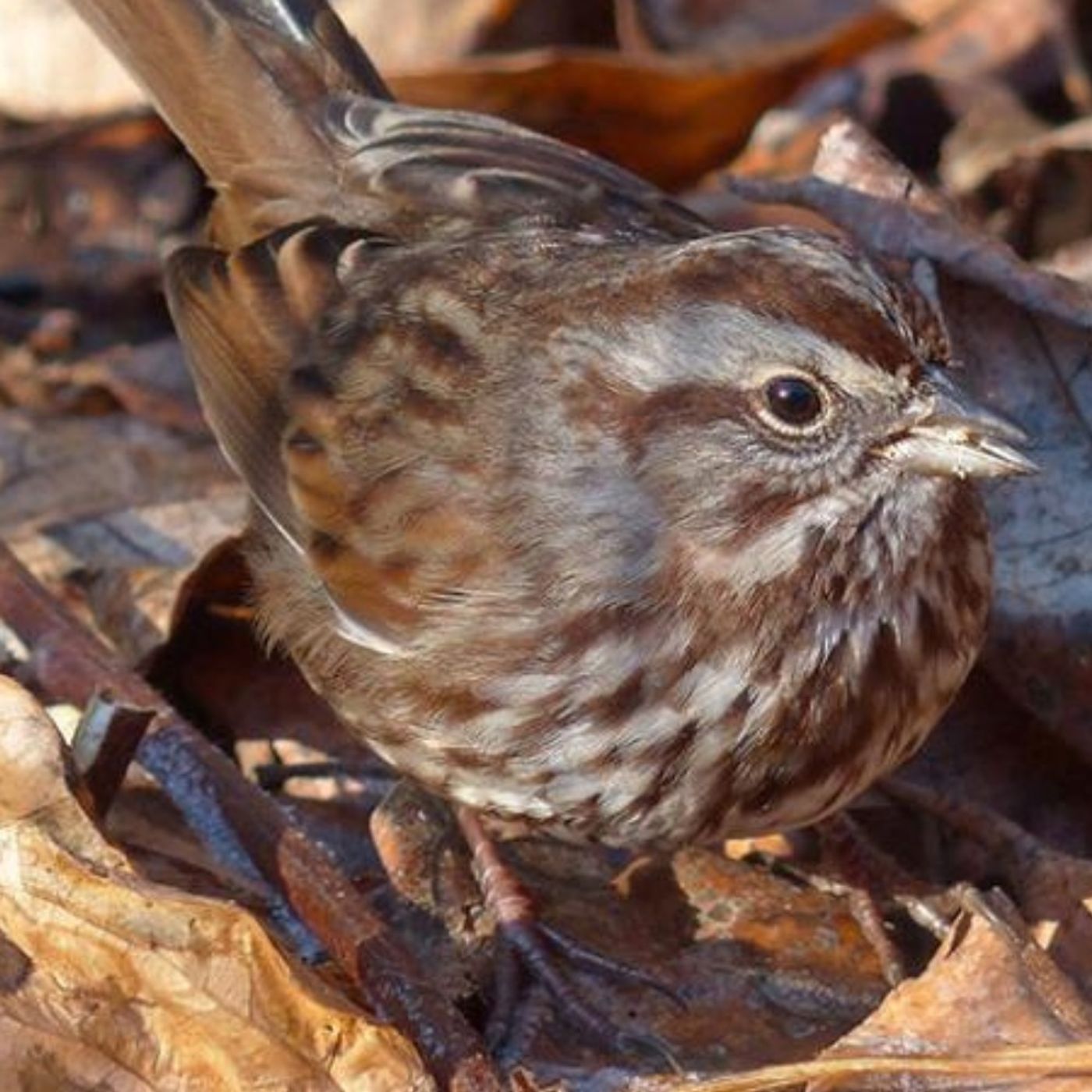
If you watch backyard birds, you will likely see some characteristic behaviors. One example is foraging styles — the behaviors that a bird uses to find food. Some birds, such as sparrows, are famous for their "double-scratch" behavior. The bird jumps forward and back, quite quickly...twice. In each forward jump, the bird lightly hooks leaf litter with its toes. Each return jump pulls the litter aside to expose the food underneath. Other species of birds, like robins, use their bills to simply grab leaf litter and toss it aside. Two strategies, one goal: expose and grab that food! More info and transcript at BirdNote.org (https://www.birdnote.org/podcasts/birdnote-daily/sparrows-kick-robins-pick). Want more BirdNote? BirdNote is a nonprofit. Hosted by Simplecast, an AdsWizz company.
Episode information is provided by the publisher. Listening takes place on the publisher’s service.
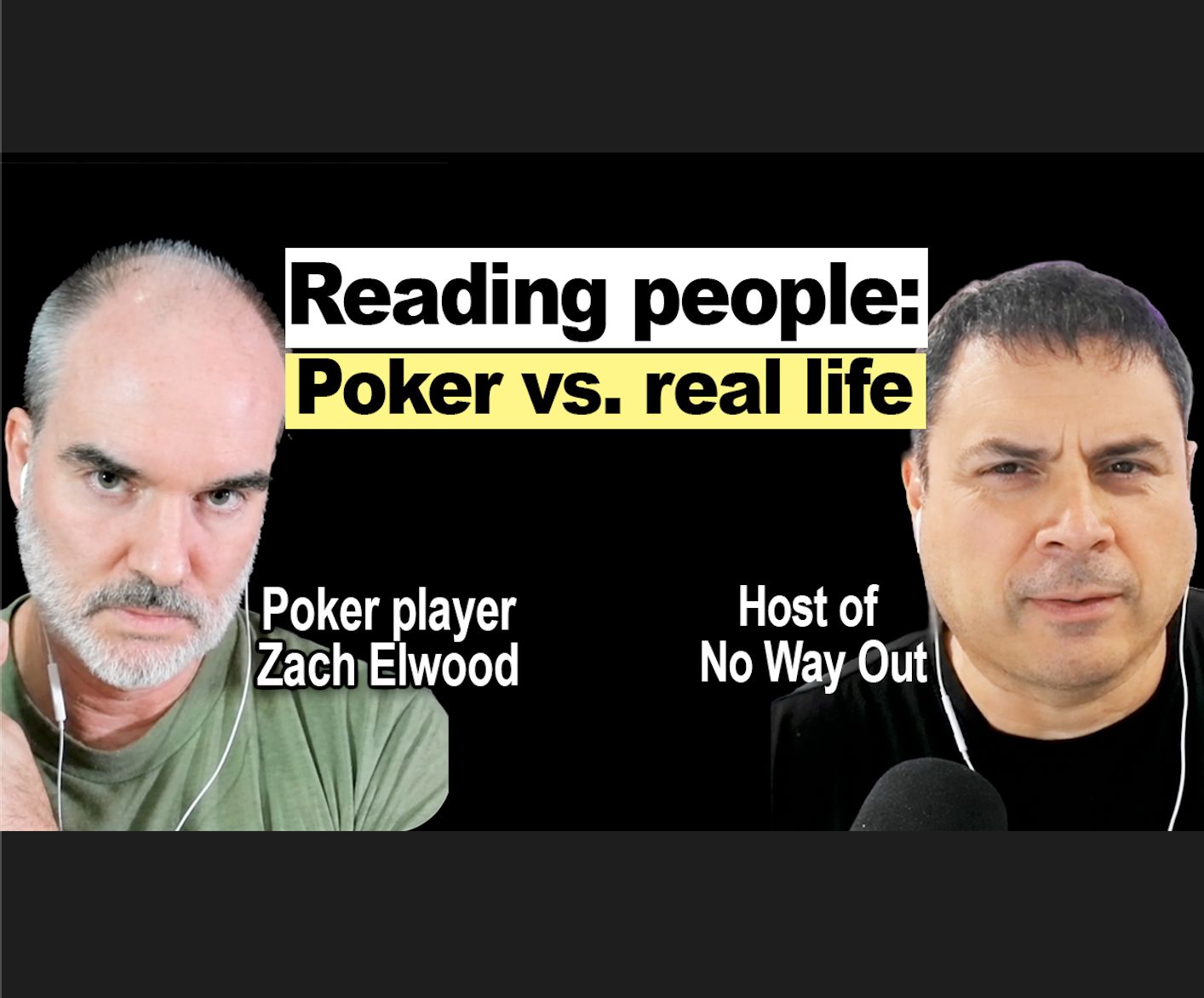
Why is reading nonverbal behavior more practical in games like poker than in real-world, non-game situations? In this episode, originally recorded for the "No Way Out" podcast, I, Zach Elwood, talk about what my poker tells work has taught me about human behavior and decision-making. We discuss what makes some behavioral patterns surprisingly reliable, the importance of situational context, and what’s behind our intuitive reads of people. We also explore why the allure of reading people has spawned an industry of questionable and irresponsible “behavior experts,” how influential figures like Malcolm Gladwell and popular podcasters have helped spread faulty ideas about behavior, and the potential uses and limitations of AI for deception detection. We talk about the legacy of Paul Ekman, who is still perceived by many as an expert on human behavior, but who is the source of many bad ideas in this area. We also discuss what poker can teach us about navigating uncertainty, appreciating the
Here's what nobody tells you about discipline. Uploaded 04-06-26 When people think about discipline, they think about willpower. They think about waking up one morning and deciding with great force of will that they are going to start doing the hard thing every single day for the rest of their lives. And every single one of those people fails. Because willpower is not the engine of discipline. Willpower is the spark. The engine is something else entirely. The engine is the structure you build in your life that makes the disciplined behavior the default — not the effort. And that structure isn't built by deciding. It's built by doing one specific thing every single day for 90 days. The disciplined people you see — the ones who get up early, write the books, build the businesses, save the money — aren't summoning willpower every morning. They are operating inside a structure they built deliberately over time. And the structure does the heavy lifting that the willpower used to. This semin
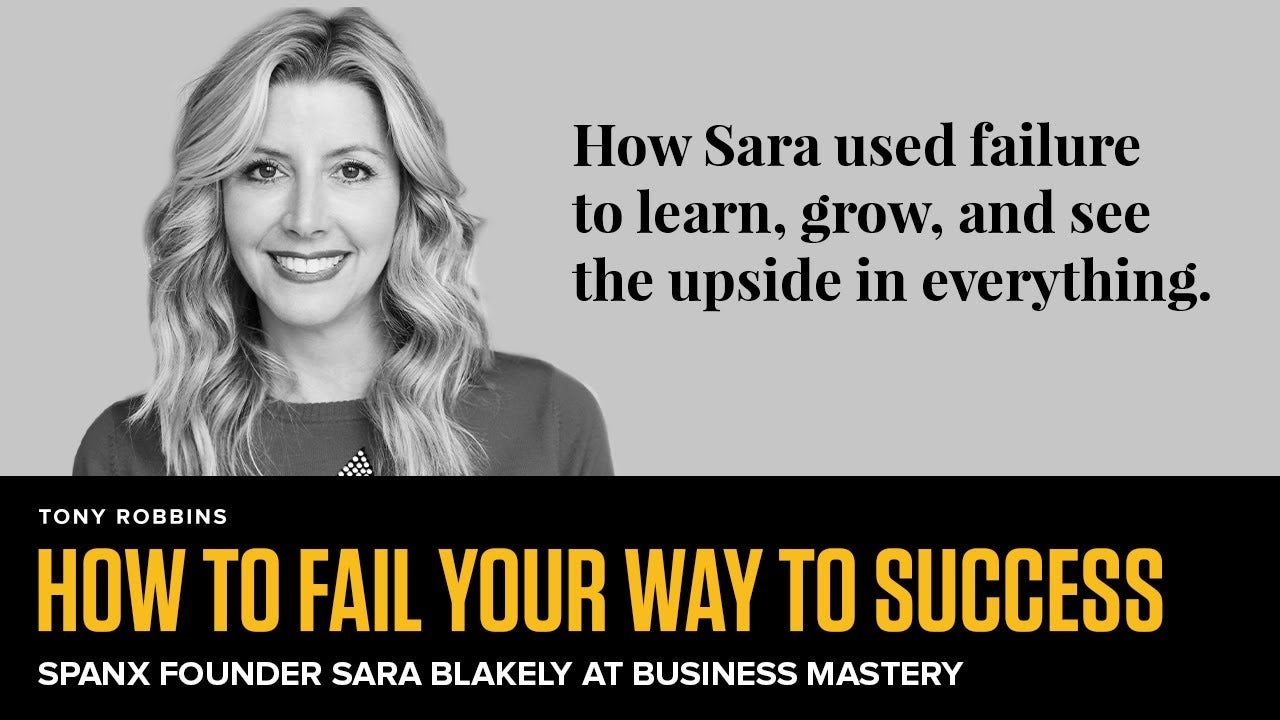
Sara Blakely, founder and CEO of SPANX, shares how failure has been a catalyst to her success – and how she uses it to learn, grow and see the upside in everything. Uploaded 23-06-20 Sara is the founder of shapewear company SPANX (www.spanx.com), and in 2012 – at just 41 years old – she became the first female in the world to become a billionaire, on her own, without the help of an inheritance or spouse. At Business Mastery in Palm Beach, Sara shared the number-one influence on her success: her father, who taught her the value of failure. In fact, he expected it – and he expected her to learn from it. Sara shares, “My definition of failure became not about the outcome, but about not trying.” Fear of failure in business is one of the biggest limiting beliefs that holds business owners and entrepreneurs back. Read how you can overcome this fear at https://www.tonyrobbins.com/stories/business-mastery/overcoming-fear-failure/ and watch this video for real-life examples of how Sara uses fea
PBS Member Stations rely on viewers like you. To support your local station, go to: http://to.pbs.org/DonateSPACE ↓ More info below ↓ Uploaded 12-01-21 Erratum: Figures in episode should be Minev et al. (2019), not Minney et al. (2009). Our apologies to the authors! This is the experiment we talk about: To Catch and Reverse a Quantum Jump Mid-Flight Minev, Mundhada, Shankar, Reinhold, Gutiérrez-Jáuregui, Schoelkopf, Mirrahimi, Carmichael and Devoret (2019), Nature, v.570, p.200 Sign Up on Patreon to get access to the Space Time Discord! Since the very beginning of quantum mechanics, a debate has raged about how to interpret its bizarre predictions. And at the heart and origin of that debate is the quantum jump or quantum leap - the seemingly miraculous and instantaneous transitions of quantum systems that have always defied observation or prediction. At least, until now. Check out the Space Time Merch Store Sign up for the mailing list to get episode notifications and hear special anno
Two people can share a house and still go a week without really looking at each other. These affirmations put warmth back into the ordinary hours, where a marriage is actually kept. Unwind now with our positive sleep affirmations podcast. Hit play, and drift into Good Sleep... Spotify: https://open.spotify.com/show/3OuJvYoprqh7nPK44ZsdKE And start your morning with Optimal Living Daily!
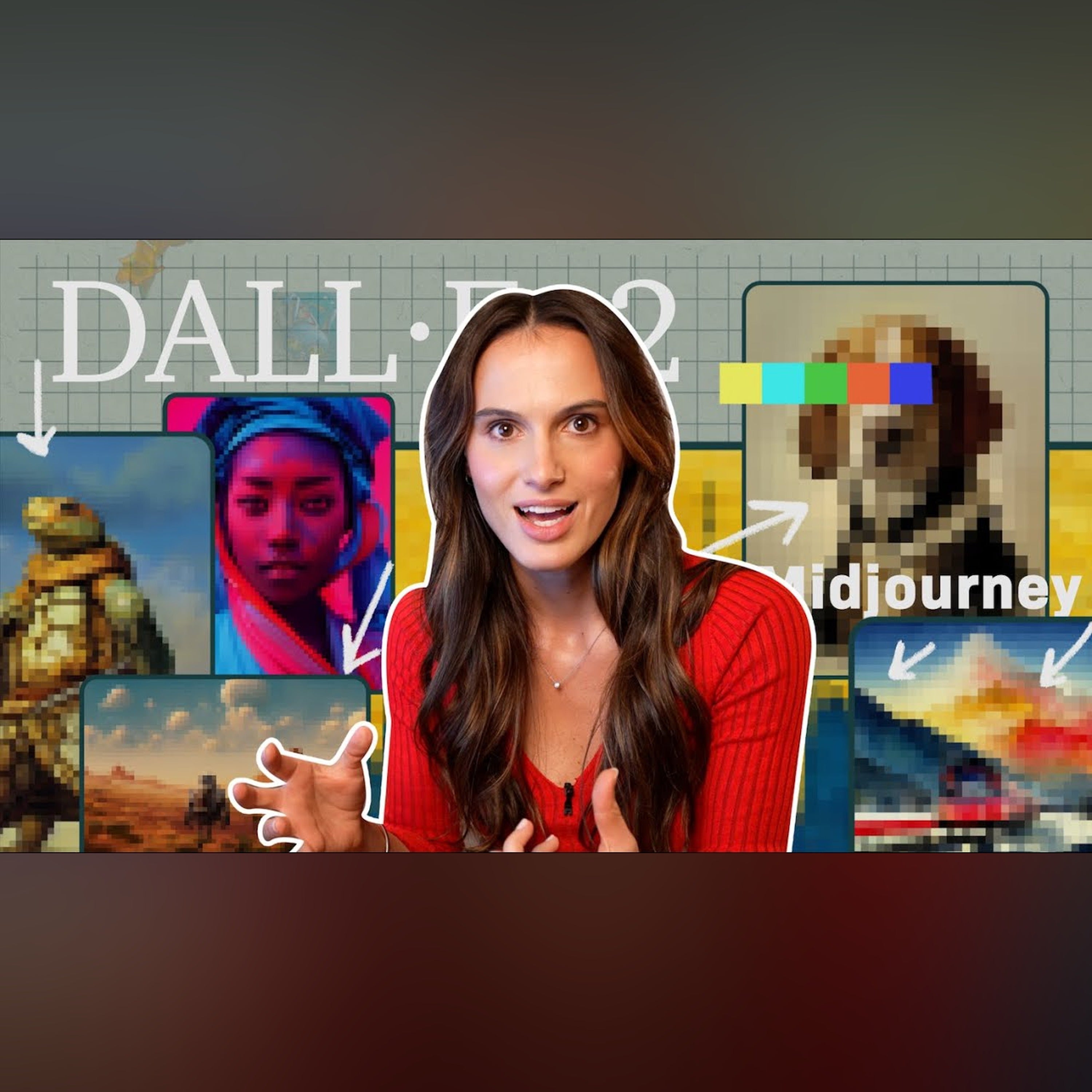
Why DALLE, Midjourney, and other AI image generation tools are so controversial... You’ve probably heard about the AI that can make any image you want. With these, anyone can make art in seconds. Artists, understandably, have concerns about that. This technology has quickly become VERY controversial. Since we got access to DALLE-2 a few weeks ago, my friend Justin and I have been sending our creations back and forth. It’s a lot of fun. Justin is a designer and animator who works with me on Huge If True. He’s an artist. I’m… not so much. What I noticed as Justin and I were making these is: His were way better than mine! It didn’t feel like the AI was leveling the playing field between us. It felt like it was giving me new skills, but it was giving HIM superpowers. So, we set up a little competition to test that… and you voted on the results. Along the way, we’ll explain how these artificial intelligence image generation tools (Open AI's DALLE-2, Midjourney, stable diffusion, and more) r
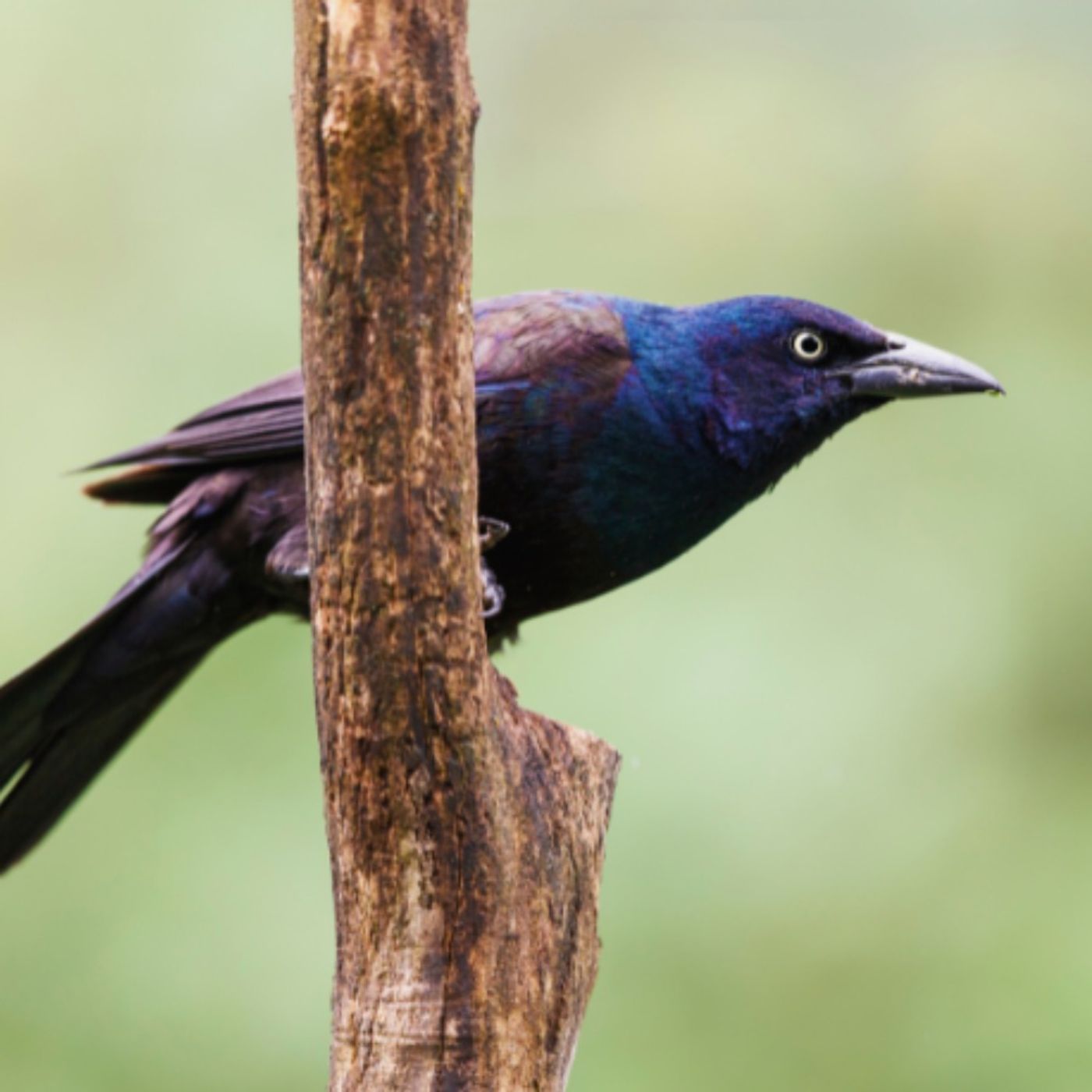
Many people become birders by way of backyard feeders, including BirdNote’s Content Director Jonese Franklin. And while she loves to watch Northern Cardinals and Blue Jays pay a visit for some seed, she’s also enchanted by species that some folks would call “nuisance birds,” especially the Common Grackle. Witnessing the teamwork and dedication these birds display when building their nest is an extraordinary sight to behold – and a reminder that even under-appreciated birds deserve our sympathies. More info and transcript at BirdNote.org (https://www.birdnote.org/podcasts/birdnote-daily/sympathy-grackle). Want more BirdNote? BirdNote is a nonprofit. Hosted by Simplecast, an AdsWizz company.
Haley Scott lives in the Bronx, where she helps other people experience the joy of New York’s wildlife as a bird walk leader. But she maintains a connection with another community of birds outside the city, on the Unkechaug Nation’s land, where she visits her dad’s side of the family. Leading bird walks in New York City with the Feminist Bird Club, Haley emphasizes the importance of recognizing the original inhabitants of the land, the Lenape. More info and transcript at BirdNote.org (https://www.birdnote.org/podcasts/birdnote-daily/haley-scott-new-yorks-indigenous-landscapes). Want more BirdNote? BirdNote is a nonprofit. Hosted by Simplecast, an AdsWizz company.
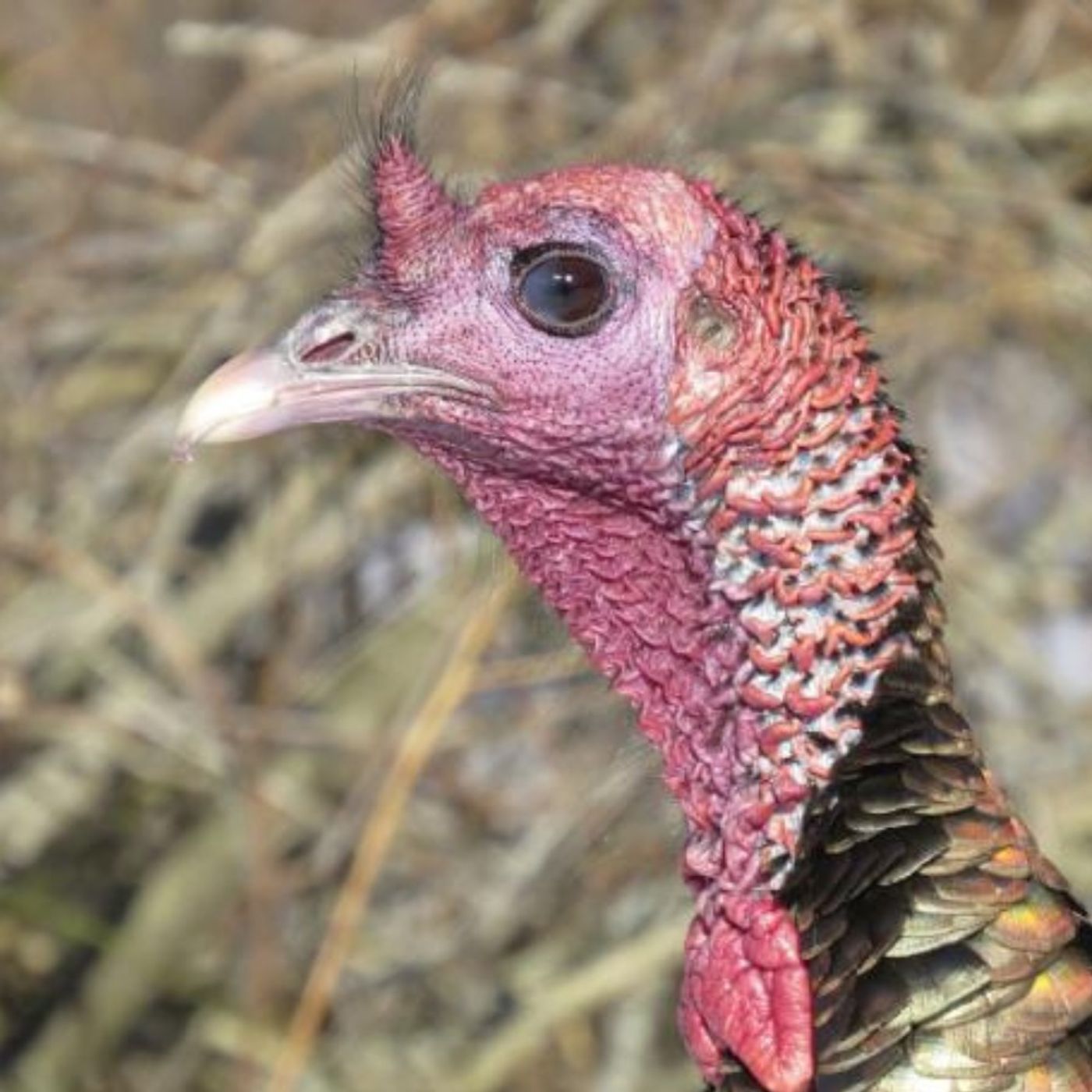
Birds like male turkeys or barnyard roosters have a wrinkly, bumpy flap of red skin called a wattle. But what are wattles for? Birds can’t sweat, so wattles help release excess heat. Wattles are also key to courtship displays. Many other birds, including some storks and plovers, also have wattles. More info and transcript at BirdNote.org (https://www.birdnote.org/podcasts/birdnote-daily/whats-wattles). Want more BirdNote? BirdNote is a nonprofit. Hosted by Simplecast, an AdsWizz company.
Public health information should explain uncertainty even when simpler messages are easier to communicate.
Share your view, then see how readers voted. No sign-in required. This poll is shared across stories.
Do you agree or disagree?
Common Quandary
A Common Quandary to discuss
Another conversation to explore, separate from this news story.
Would you want a doctor to give you a fake pill if the lie might make you feel better?
A patient has persistent symptoms that have not responded to standard treatments. A harmless placebo may help, but its effect could weaken if the clinician fully explains that it contains no active medicine.
Can a beneficial deception respect the person it helps?