English-language podcasts

BirdNote Daily

What's with the Wattles?
2 min

Listen through the publisher, then discuss the episode here or arrange an in-person Roundtable. Your city determines where to meet.

Roundtables are designed for groups of four, with a shared subject and room for everyone to speak. Come for discussion, with no dating expectation.

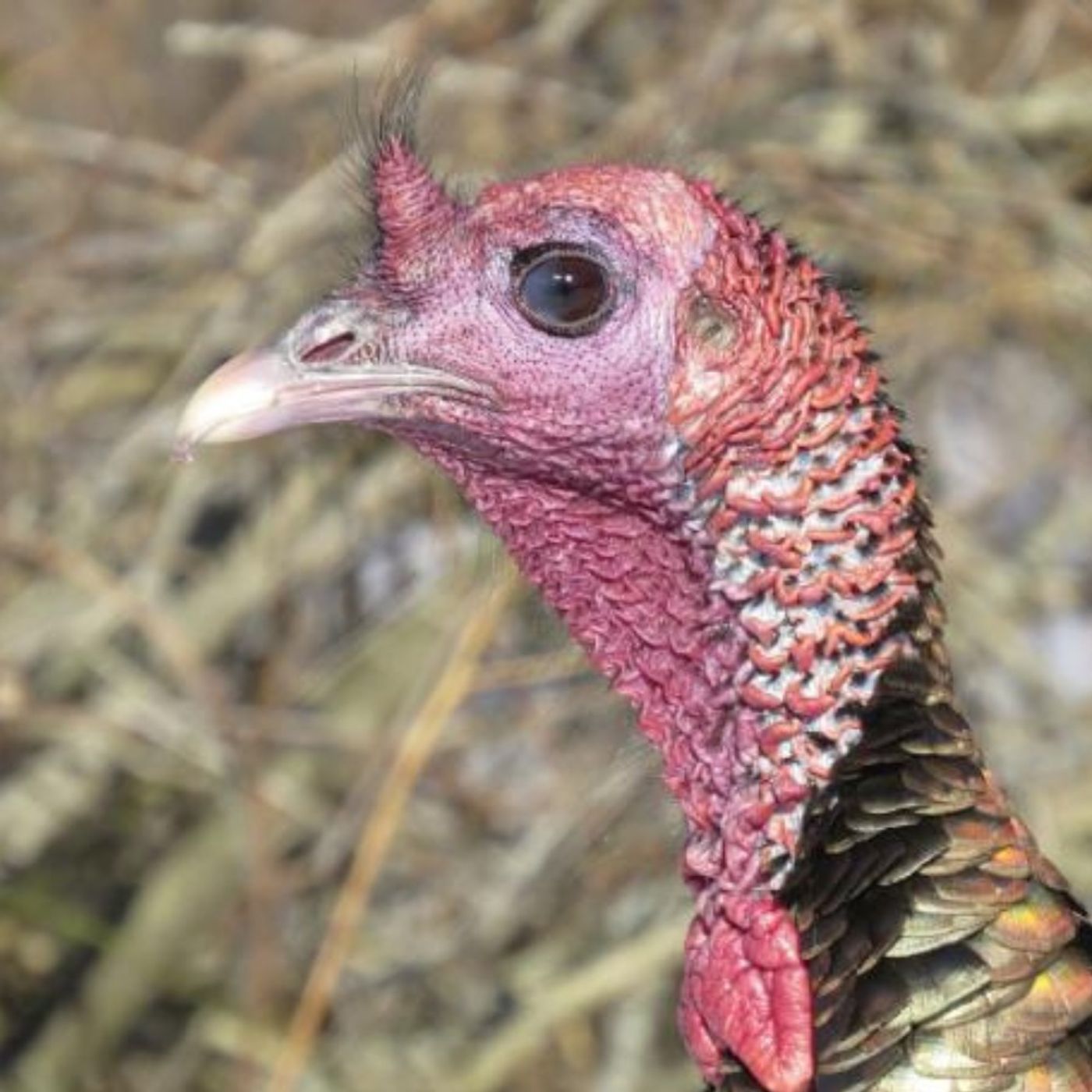
Birds like male turkeys or barnyard roosters have a wrinkly, bumpy flap of red skin called a wattle. But what are wattles for? Birds can’t sweat, so wattles help release excess heat. Wattles are also key to courtship displays. Many other birds, including some storks and plovers, also have wattles. More info and transcript at BirdNote.org (https://www.birdnote.org/podcasts/birdnote-daily/whats-wattles). Want more BirdNote? BirdNote is a nonprofit. Hosted by Simplecast, an AdsWizz company.

Episode information is provided by the publisher. Listening takes place on the publisher’s service.

Listen at the source ↗

Featured places to meet in Palo Alto, CA

Explore these places and arrange a conversation through ThinkMatch.

City guide for Palo Alto, CA

More from BirdNote Daily

BirdNote Daily

Learning to Sing from a Blackbird

2 min

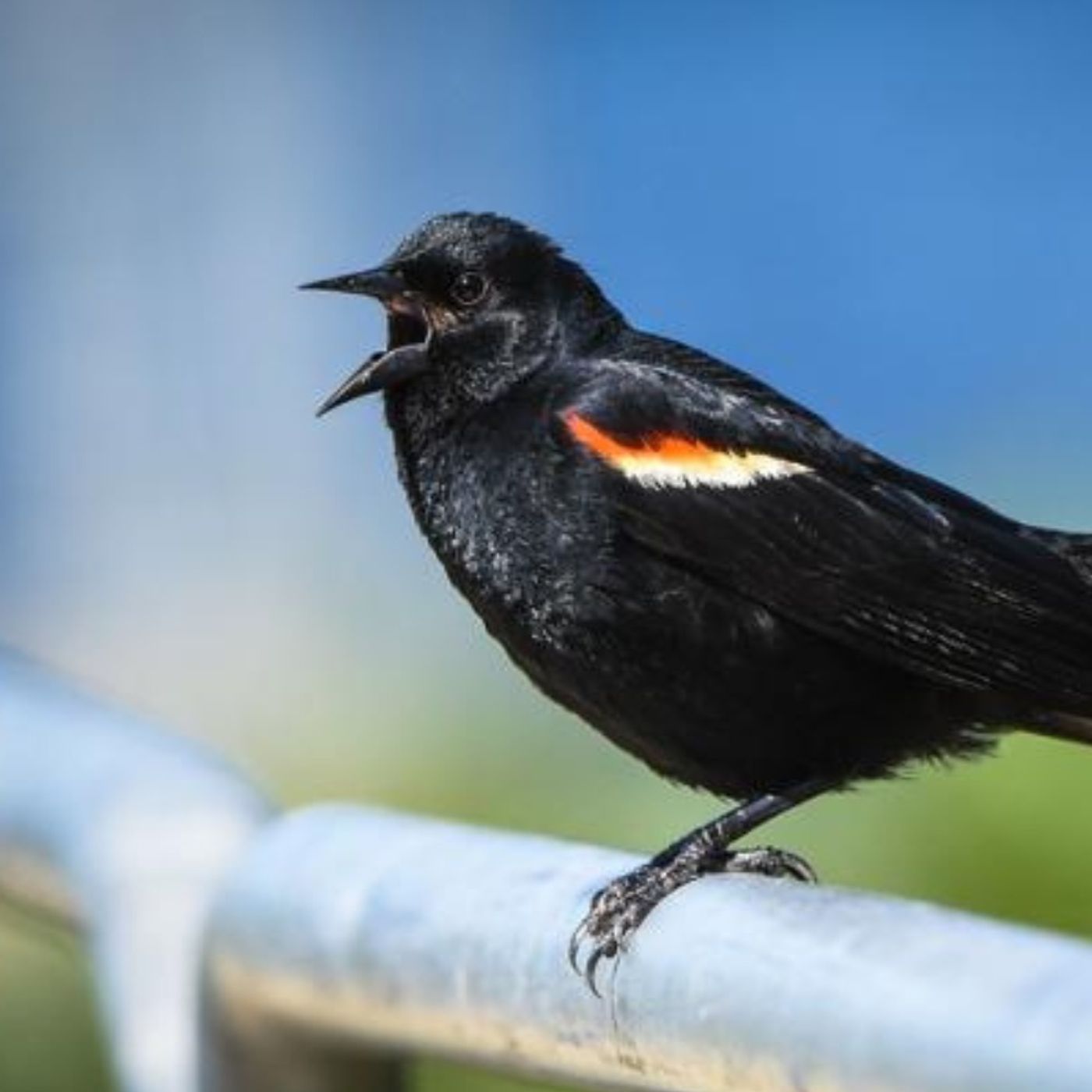
Many years ago, when writer and musician Ray Young Bear was training his singing voice, he took a kind of vocal lesson from the blackbirds. “They have the most complicated song in the world — high pitches and low notes, and then it smooths out, then it kicks up again,” he said. “I would listen to them and try to imitate their singing.” More info and transcript at BirdNote.org (https://www.birdnote.org/podcasts/birdnote-daily/learning-sing-blackbird). Want more BirdNote? BirdNote is a nonprofit. Hosted by Simplecast, an AdsWizz company.

Discuss this episode

BirdNote Daily

All Those Fish in a Puffin's Beak

2 min

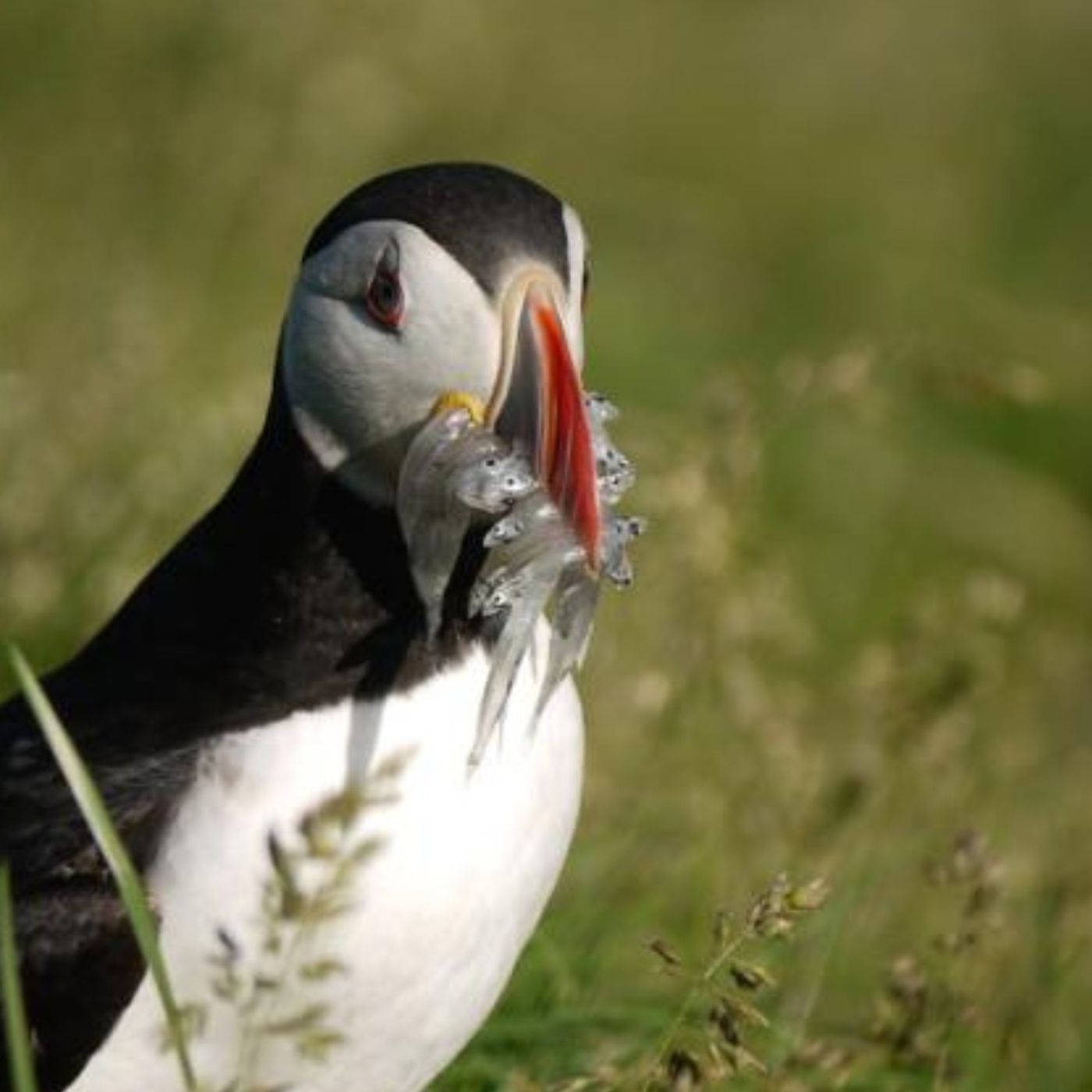
Puffins fly under water into schools of slender fish, filling their large beaks. Fish are wedged into the gape, the stretchy skin at the beak hinge, but the bill edges still line up neatly. The dangling fish won’t slide out because the puffin’s tongue and roof of the mouth are heavily lined with backward-angled spines. When its beak is full, the adult flies back to its nest and feeds it all to a single chick. More info and transcript at BirdNote.org (https://www.birdnote.org/podcasts/birdnote-daily/all-those-fish-puffins-beak). Want more BirdNote? BirdNote is a nonprofit. Hosted by Simplecast, an AdsWizz company.

Discuss this episode

BirdNote Daily

What If You Only Have a Feather?

2 min

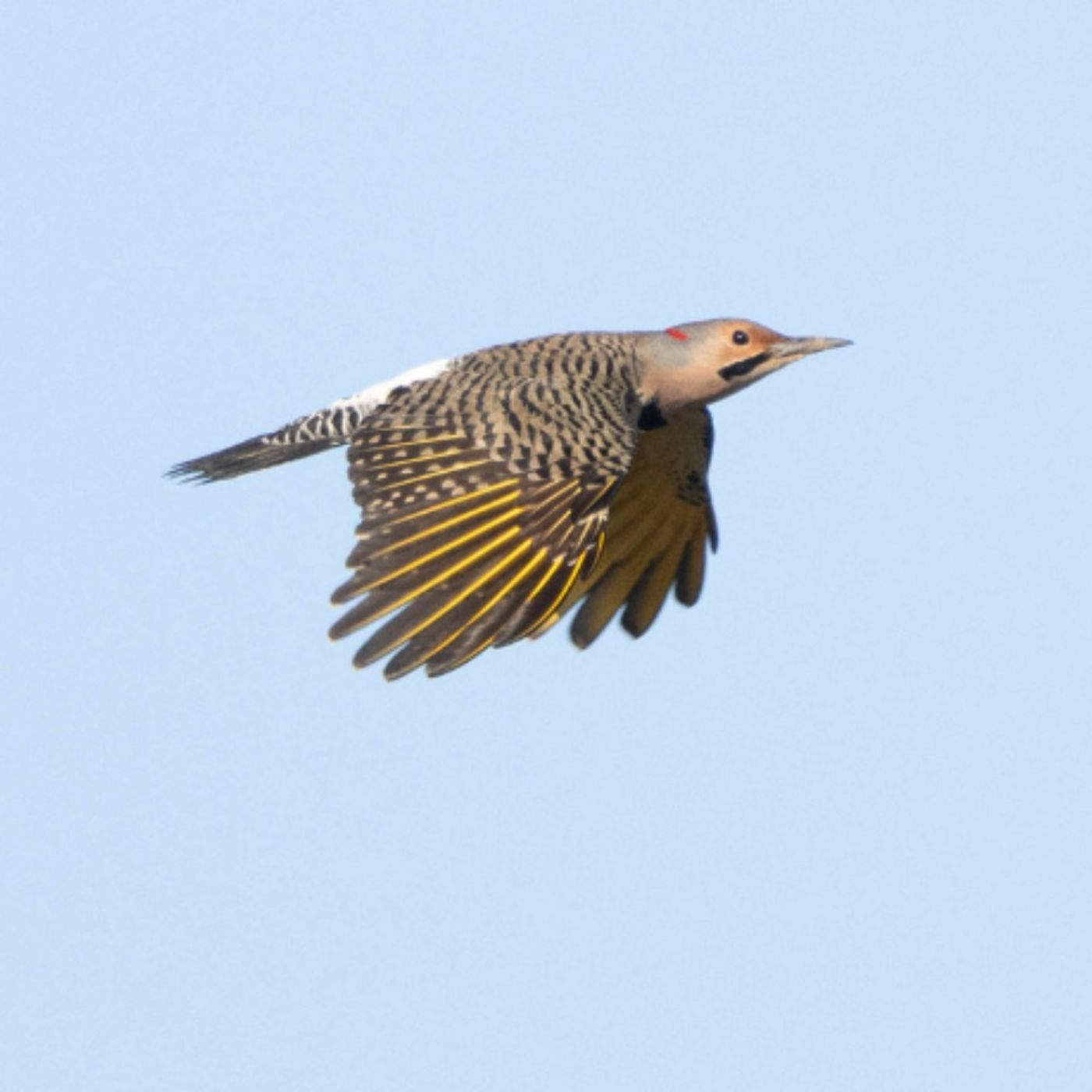
Sometimes all you need to identify a bird is a single feather. Because collecting bird feathers is prohibited in the U.S. to protect birds from poachers, start by taking a photo with a common object for scale. Then you can use online resources like the iNaturalist app or Featherbase website to help you solve the mystery. Keep your prime suspect in mind when you’re back where you found the feather and you might get to see the bird itself — feathers and all. More info and transcript at BirdNote.org (https://www.birdnote.org/podcasts/birdnote-daily/what-if-you-only-have-feather). Want more BirdNote? BirdNote is a nonprofit. Hosted by Simplecast, an AdsWizz company.

Discuss this episode

Community Poll

Leagues should limit financial advantages that make competition persistently unequal.

Share your view, then see how readers voted. No sign-in required. This poll is shared across stories.

Do you agree or disagree?

Choose one answer

Common Quandary

A Common Quandary to discuss

Another conversation to explore, separate from this news story.

You can clone the best dog you ever had. Would you?

After a beloved dog dies, its owner can afford to have it cloned. The procedure is legal and improving, but it uses animals as surrogates and will not recreate the original dog's memories or personality.

What do our obligations to animals permit us to create for our own comfort?

Explore this quandary