English-language podcasts

What Bitcoin Did

The Plan to Make Bitcoin Private | Misha Komarov & Clara Shikhelman
72 min

Listen through the publisher, then discuss the episode here or arrange an in-person Roundtable. Your city determines where to meet.

Roundtables are designed for groups of four, with a shared subject and room for everyone to speak. Come for discussion, with no dating expectation.

“Imagine tomorrow you hear that the US government started putting Bitcoin on their balance sheet. Guess what happens next? Everybody tries to front-run it. Everybody and their mother tries to front-run it.” Misha Komarov and Clara Shikhelman of [[alloc] init] join me to discuss Shielded Bitcoin, their plan to make Bitcoin private. We get into how Bitcoin PIPEs use witness encryption to lock Bitcoin behind a cryptographic proof, how a shielded transaction actually works, why you leave with someone else’s deposit rather than your own, and what it would cost compared with a normal transaction. We also discuss why governments and institutions will need privacy, whether brand new cryptography can be trusted with billions of dollars, how the team plans to pay people to break it, and why they wouldn’t be comfortable with large amounts in it today. Finally, we get into whether Bitcoin’s resistance to change is a feature, whether soft forks are dead, why quantum resistance is a must-have upgrade, and the legal risks of building privacy tools after the Samourai Wallet case. BitGo - Secure your Bitcoin with institutional grade security. AnchorWatch - Insured Bitcoin custody, security & inheritance. Book a consultation: Abundant Mines - Bitcoin mining made simple. https://abundantmines.com (https://abundantmines.com/) FOLLOW: Danny Knowles: https://x.com/_DannyKnowles Misha Komarov:https://x.com/nemothenoone Clara Shikhelman: https://x.com/ClaraShik

Episode information is provided by the publisher. Listening takes place on the publisher’s service.

Listen at the source ↗

Featured places to meet in Palo Alto, CA

Explore these places and arrange a conversation through ThinkMatch.

City guide for Palo Alto, CA

More from What Bitcoin Did

What Bitcoin Did

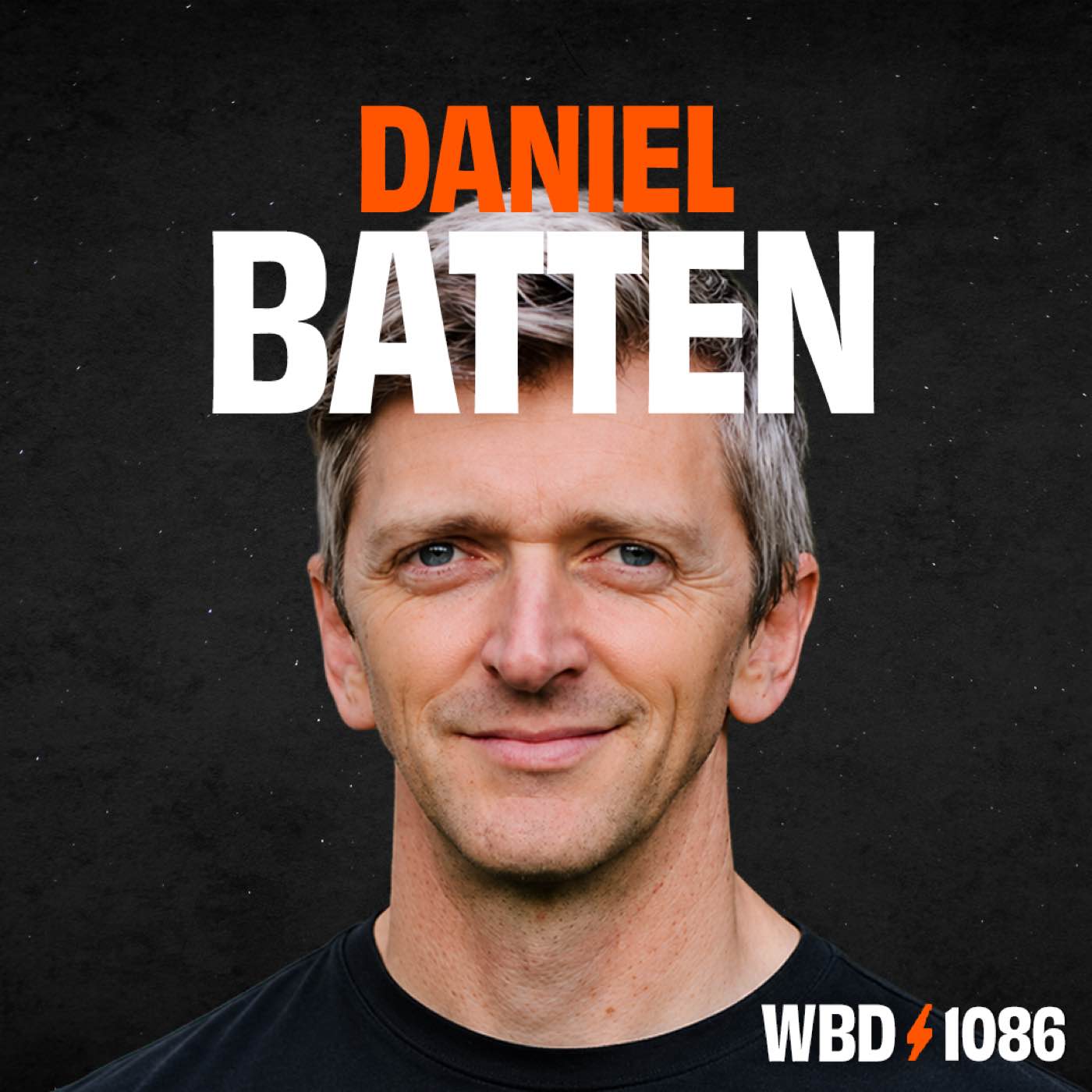
How Bitcoin Turns Trash Into Digital Gold | Daniel Batten

67 min

“We looked at all the other solutions and Bitcoin mining was the only one that made sense.” Daniel Batten joins me to explain how Bitcoin mining can make cleaning up pollution profitable. With his first landfill project in Mexico moving forward, we get into how capturing methane can turn an environmental problem into cheap power, Bitcoin and a new source of income. We discuss the economics of one cent electricity, the upfront costs of getting these sites running, and why carbon credits are essential to making the model work. We also explore why these projects suit Bitcoin mining better than AI data centres, how they could decentralise the network, and what it would take to make Bitcoin carbon negative. We finish with Greenpeace’s campaign against Bitcoin, Troy Cross’s conversations with the artist behind the Skull of Satoshi, and how Bitcoiners challenged the environmental narrative. BitGo - Secure your Bitcoin with institutional grade security. AnchorWatch - Insured Bitcoin custody, s

Discuss this episode

What Bitcoin Did

Why This Bear Market Is Different | Michael Sullivan

66 min

“I just can’t overstate how much fear and anger cloud your judgment.” — Michael Sullivan Michael Sullivan is a writer and Bitcoin sentiment analyst behind Bitcoin Sentiment Weekly. He tracks how Bitcoiners talk online to understand what fear, excitement, conviction and boredom reveal about the market. In this interview, we discuss why buying Bitcoin when it feels easy can lead to worse results, how our emotions shape the narratives we believe, and whether Bitcoiners are losing faith. We also get into AI pulling attention away from Bitcoin, the divide between Bitcoiners and treasury company investors, and how social media can be used to manipulate sentiment. BitGo - Secure your Bitcoin with institutional grade security. AnchorWatch - Insured Bitcoin custody, security & inheritance. Book a consultation: https://www.anchorwatch.com/wbd Abundant Mines - Bitcoin mining made simple. https://abundantmines.com (https://abundantmines.com/) FOLLOW: Danny Knowles: https://x.com/\_DannyKnowles (ht

Discuss this episode

What Bitcoin Did

Can Bitcoin Survive If AI Breaks Encryption? | Michael Dunworth

153 min

“We’re playing for the machines. We just don’t know it yet.” Michael Dunworth joins the show to explain why he’s willing to bet a Bitcoin that RSA encryption will be broken within ten years, and why he believes Bitcoiners need to rethink their security assumptions. We discuss AI-assisted hacking, the risks of third-party services, and why a customer data leak can turn into a physical security threat. Michael explains why he thinks Bitcoin’s social layer is weakening, while we debate development priorities and the trade-offs involved in changing the protocol. We also discuss AI’s appetite for data and energy, what happens to privacy if encrypted information becomes accessible, and Michael’s theories about reconstructing past events. Finally, we explore what money and community could look like in that future, and whether Bitcoin could become a ledger of truth for machines. BitGo - Secure your Bitcoin with institutional grade security. AnchorWatch - Insured Bitcoin custody, security & inh

Discuss this episode

Community Poll

Keeping food affordable should not require producers to work for an unsustainable income.

Share your view, then see how readers voted. No sign-in required. This poll is shared across stories.

Do you agree or disagree?

Choose one answer

Common Quandary

A Common Quandary to discuss

Another conversation to explore, separate from this news story.

Everyone loves the group photo except you. Can you forbid them from posting it?

At a reunion, someone takes a joyful group photo that captures the night perfectly. Everyone looks wonderful except you, caught at an awful angle. The group wants to post it publicly and promises nobody else will care.

How much control should one person have over a memory shared by many?

Explore this quandary