English-language podcasts

TED-Ed

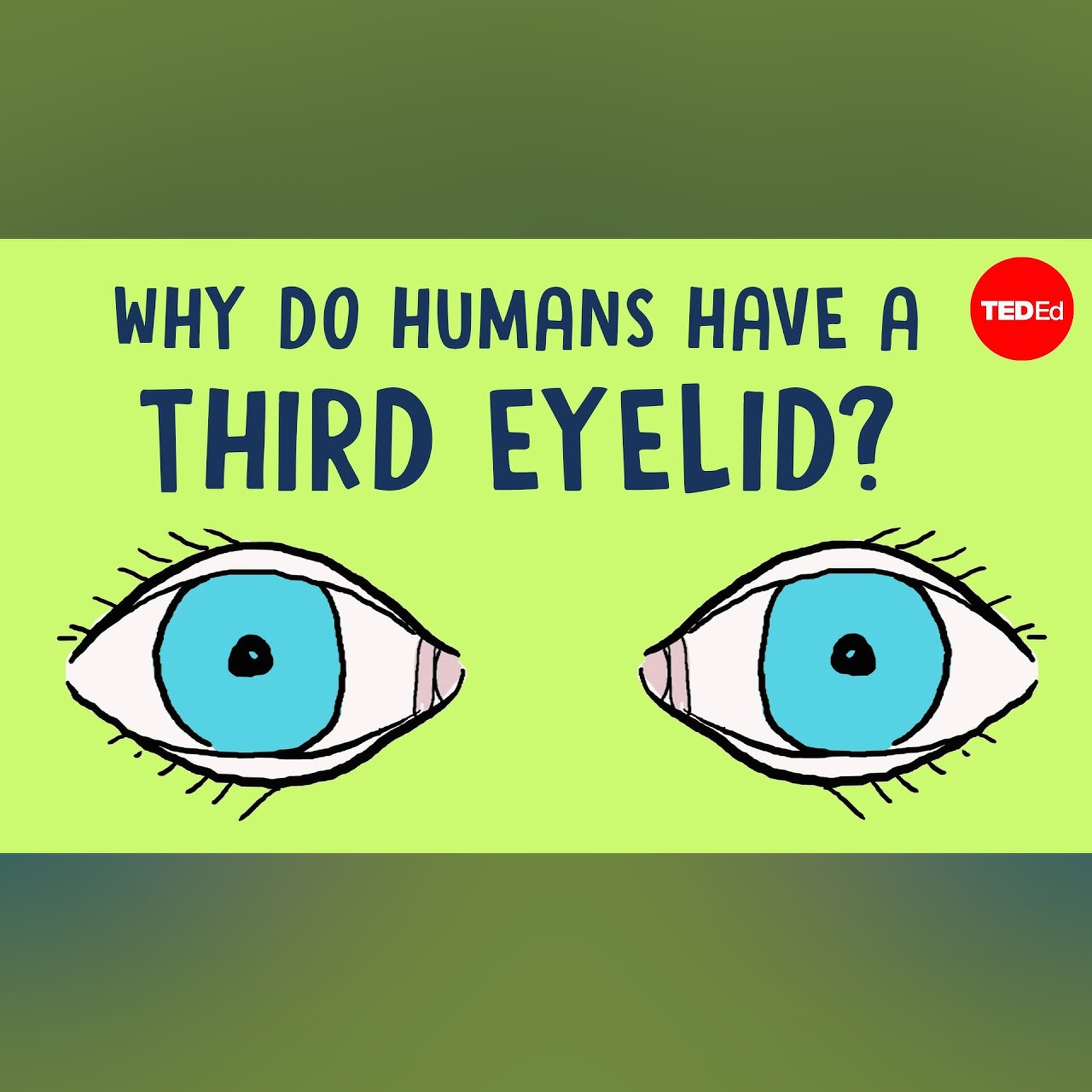
Why do humans have a third eyelid? - Dorsa Amir
7 min

Listen through the publisher, then discuss the episode here or arrange an in-person Roundtable. Your city determines where to meet.

Roundtables are designed for groups of four, with a shared subject and room for everyone to speak. Come for discussion, with no dating expectation.

Discover how evolution and natural selection influence why the human body has vestigial organs— body parts that no longer serve their original purpose. Uploaded 11-11-19 -- You know that little pink thing nestled in the corner of your eye? It’s actually the remnant of a third eyelid. In humans, it’s vestigial, meaning it no longer serves its original purpose. There are several other vestigial structures in the human body, quietly riding along from one of our ancestor species to the next. But why have they stuck around for so long? Dorsa Amir investigates. Lesson by Dorsa Amir, directed by Avi Ofer. Animator's website: https://www.aviofer.com (https://www.aviofer.com/) Sign up for our newsletter: http://bit.ly/TEDEdNewsletter Support us on Patreon: http://bit.ly/TEDEdPatreon Find us on Twitter: http://bit.ly/TEDEdTwitter Peep us on Instagram: http://bit.ly/TEDEdInstagram View full lesson: https://ed.ted.com/lessons/why-do-humans-have-a-third-eyelid-dorsa-amin Thank you so much to our patrons for your support! Without you this video would not be possible! Mark Morris, Catherine Sverko, Misaki Sato, Tan YH, Ph.D., Rodrigo Carballo, SookKwan Loong, Bev Millar, Merit Gamertsfelder, Lex Azevedo, Noa Shore, Taylor Hunter, Kyle Nguyen, MJ Tan Mingjie, Cristóbal Moenne, Goh Xiang Ting Diana, Kevin Wong, Dawn Jordan, Yanira Santamaria, Prasanth Mathialagan, Savannah Scheelings, Susan Herder, Samuel Doerle, David Rosario, Dominik Kugelmann, Siamak H, Tracey Tobkin, Dwight Tevuk, Anthony Kudolo, Mrinalini , Yanuar Ashari, Ivan Todorović, Alex Schenkman, Brittiny Elman, Ryohky Araya, Paul Coupe, David Douglass, Ricardo Paredes, Bill Feaver, Eduardo Briceño, Arturo De Leon, Christophe Dessalles, Janie Jackson, Dr Luca Carpinelli, Heather Slater, Yuh Saito, Quentin Le Menez, Mattia Veltri, Fabian Amels, Sandra Tersluisen and PnDAA.

Episode information is provided by the publisher. Listening takes place on the publisher’s service.

Listen at the source ↗

Featured places to meet in Palo Alto, CA

Explore these places and arrange a conversation through ThinkMatch.

City guide for Palo Alto, CA

More from TED-Ed

TED-Ed

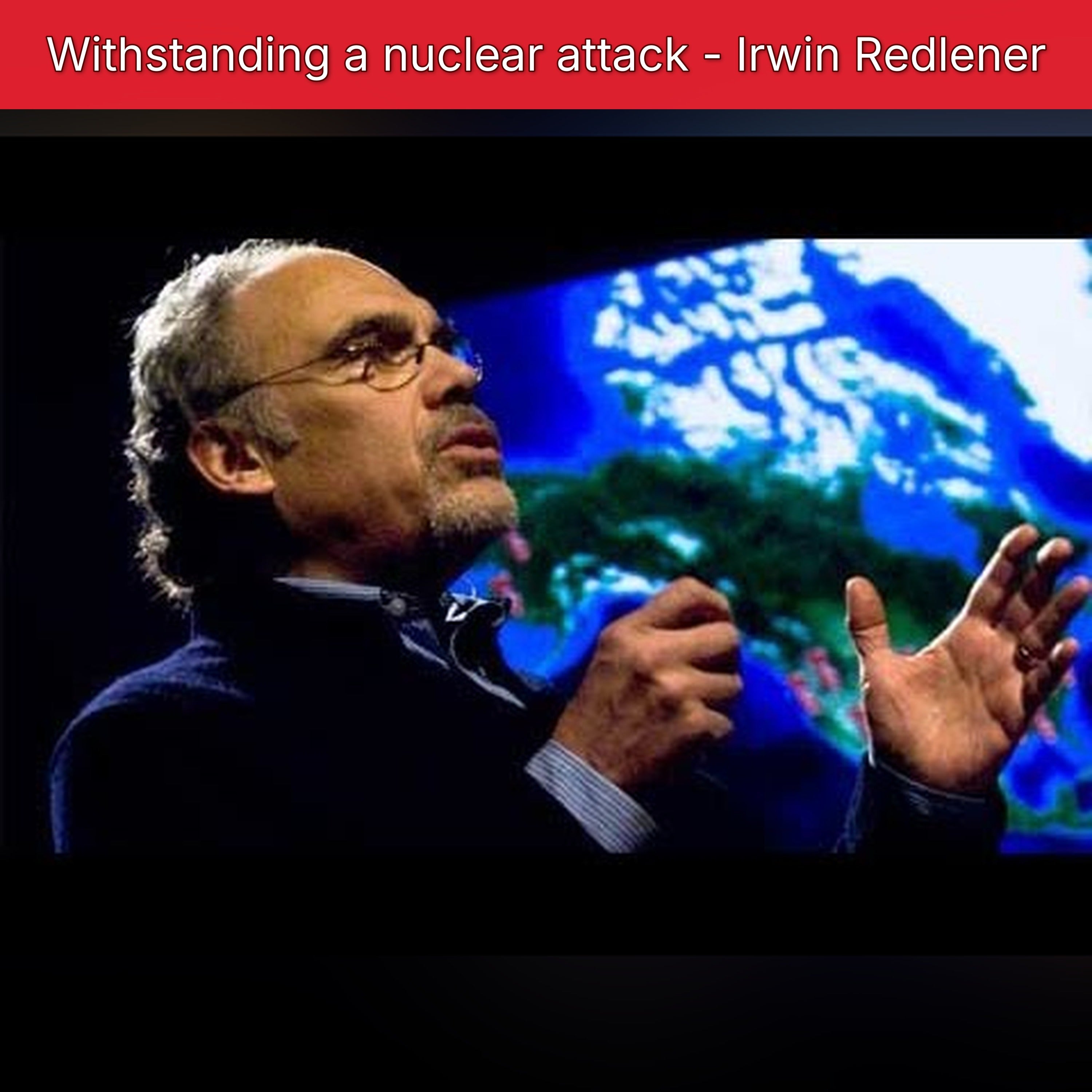
Withstanding a nuclear attack - Irwin Redlener

33 min

View full lesson: http://ed.ted.com/lessons/surviving-a-nuclear-attack-irwin-redlener The face of nuclear terror has changed since the Cold War, but disaster-medicine expert Irwin Redlener reminds us the threat is still real. He looks at some of history's farcical countermeasures and offers practical advice on how to survive an attack. Talk by Irwin Redlener.

Discuss this episode

TED-Ed

The true reason polio poses such a threat

10 min

Explore what makes polio so dangerous, what is causing the 21st century resurgence of cases, and how we can eradicate the disease. -- In 1952, polio was everywhere: killing or paralyzing roughly half a million people annually. Yet just 10 years later, paralytic polio cases in the US dropped by 96% and we were on track to get rid of polio for good. But in recent years, the virus started striking back. So, what’s behind these recent spikes? Explore the dangers of poliovirus and the possibility of eradicating this deadly disease. Directed by Anton Bogaty. This video made possible in collaboration with Gates Ventures Learn more about how TED-Ed partnerships work: https://bit.ly/TEDEdPartner A special thanks to Ananda Bandyopadhyay, Amber Zeddies, and Kathleen O'Reilly who provided information and insights for the development of this video. Support Our Non-Profit Mission ---------------------------------------------- Support us on Patreon: http://bit.ly/TEDEdPatreon Check out our merch: htt

Discuss this episode

TED-Ed

How to fool a GPS - Todd Humphreys

21 min

Todd Humphreys forecasts the near-future of geolocation when millimeter-accurate GPS "dots" will enable you to find pin-point locations, index-search your physical possessions ... or to track people without their knowledge. And the response to the sinister side of this technology may have unintended consequences of its own. (Filmed at TEDxAustin.) Uploaded 26-06-13 Talk by Todd Humphreys.

Discuss this episode

Community Poll

Admissions should consider applicants' circumstances alongside grades and test results.

Share your view, then see how readers voted. No sign-in required. This poll is shared across stories.

Do you agree or disagree?

Choose one answer

Common Quandary

A Common Quandary to discuss

Another conversation to explore, separate from this news story.

Your anonymous review could cost a coworker a promotion. Do you sign your name?

A company requests anonymous feedback about a colleague being considered for promotion. You have serious concerns based on direct experience, but anonymity prevents them from asking questions or understanding the context of your criticism.

Does honest criticism require accepting personal accountability for it?

Explore this quandary