Listen through the publisher, then discuss the episode here or arrange an in-person Roundtable. Your city determines where to meet.
Roundtables are designed for groups of four, with a shared subject and room for everyone to speak. Come for discussion, with no dating expectation.
View full lesson: https://ed.ted.com/lessons/why-it-s-so-hard-to-cure-hiv-aids-janet-iwasa Uploaded 16-03-15 In 2008, something incredible happened: a man was cured of HIV. In over 70 million HIV cases, this was a first, and, so far, a last, and we don’t yet understand exactly how he was cured. But if we can cure people of various diseases, like malaria and hepatitis C, why can’t we cure HIV? Janet Iwasa examines the specific traits of the HIV virus that make it so difficult to cure. Lesson by Janet Iwasa, animation by Javier Saldeña.
Episode information is provided by the publisher. Listening takes place on the publisher’s service.
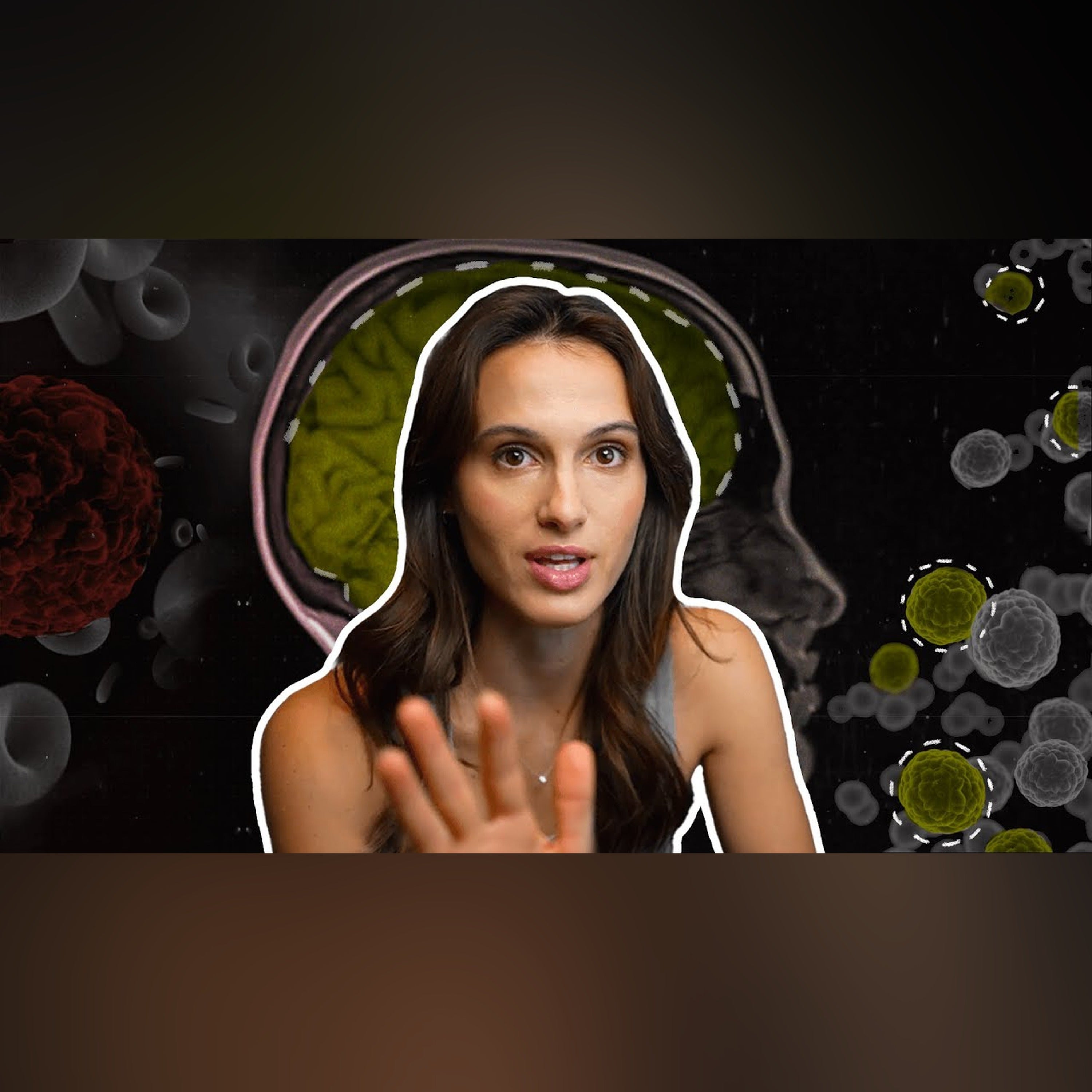
"Curing cancer," explained. We’re not looking for a “cure for cancer” anymore. Cancer is hundreds of diseases, so we’re really in a multi front fight against all of them. Cancer is a problem for us today in a way it wasn’t for previous generations. But, luckily, we also have more and more ways to fight back. I started this episode with endless questions: What is cancer? What causes it? How do we treat cancer? What are the symptoms? Why are some cancers easier to treat than others? Why is cancer so hard to cure? Why do so many people die of cancer? What I found is an incredible, complex, inspiring effort to treat and stop an insidious killer. In this video, we dive deep into how we treat cancer today. But I also found that we may not be helping the greatest number of people we can. In this episode of Huge If True, I want to make the case that while we have made enormous strides in the fight against cancer we have also largely ignored one of the single best ways to save the most lives. I
For extra details and all references, see this newsletter: https://staycuriousmetabolism.substack.com/p/a-keto-diet-cured-my-inflammatory?r=40ekz2 Description: There was a time when I was dying from inflammatory bowel disease. It was my rock bottom. Out of desperation, I tried a ketogenic diet—and within a week, everything changed. My symptoms stopped, inflammation markers dropped, and follow-up testing showed no active disease. In this video, I unpack what may have happened biologically. We walk through human and animal data showing how a ketogenic diet reshapes the gut microbiome, suppresses inflammatory TH17 immune cells, and reduces inflammation not just in the intestines, but system-wide. We even look at fecal transplant experiments demonstrating that the ketogenic microbiome itself can transfer anti-inflammatory effects. This isn’t a promise or a prescription. It’s a personal story, grounded in real data, that explores the tension between lived biology and what medicine has—or ha
Think you can’t get the same Tony Robbins experience when you attend a virtual event? Think again. Uploaded 29-09-20 Never one to let an outside situation affect his movement forward, Tony Robbins took the same energy he puts into his live, in-person events and packaged it for the screen. When he hosted Unleash the Power Within VIRTUAL Australia in 2020, it was jam-packed with the same nonstop energy, strong transformations and interactive activities that his events are famous for. Over 11,000 people in 68 countries in the South Pacific, including Australia, joined together to attend a life-changing virtual event. In the midst of a global pandemic full of uncertainty and fear, thousands of people took a chance on themselves and started the steps necessary to change their lives and outlook for the better. Surrounded by their families, partners, kids and pets, thousands of people connected virtually to learn that decisions change our lives more than situations. Over the course of four po
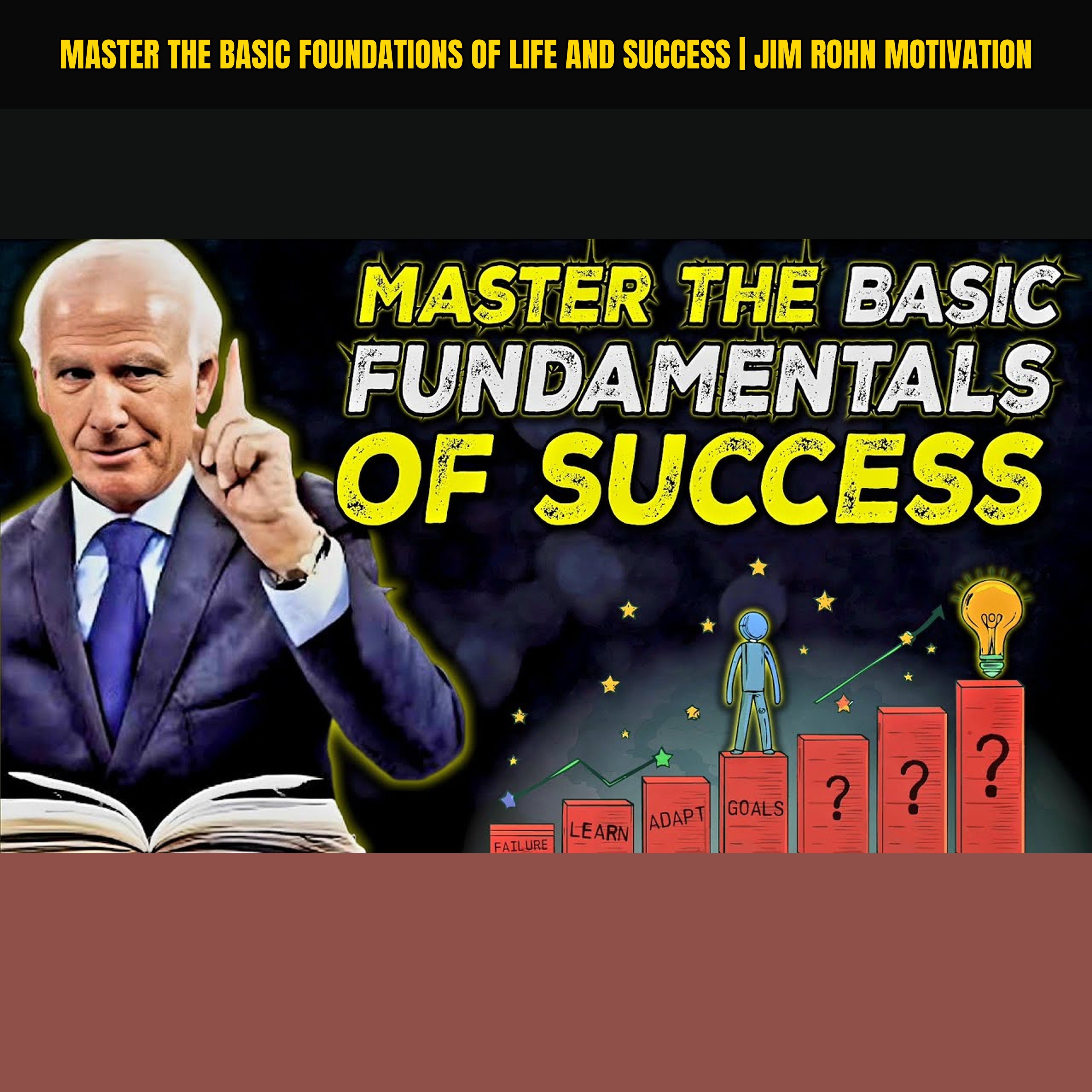
#JimRohnMotivation #JimRohn #JimRohnSpeech Success is not about complexity—it is about mastering the fundamentals. Most people spend their lives looking for shortcuts, hacks, and quick fixes, only to stay stuck in the same cycle of frustration and mediocrity. The truth is, success is built on simple habits, simple disciplines, and simple decisions—repeated consistently over time. In this Jim Rohn Motivation video, learn the timeless principles that separate those who win from those who quit. Key Topics From This Motivational Video: Why most people fail—not because they are not capable, but because they are not consistent The difference between working hard once in a while and executing daily at a high level Why mindset, habits, and discipline are more important than talent or intelligence How the most successful people in the world operate with precision and focus The truth about motivation—it is unreliable, and success comes from discipline This Jim Rohn Motivational Video Is Perfect
Viewers like you help make PBS (Thank you ) . Support your local PBS Member Station here: https://to.pbs.org/DonateSPACE Uploaded 18-04-18 To find out more, visit: https://brilliant.org/SpaceTime Now that gravitational waves are definitely a thing, it’s time to think about some of the crazy things we can figure out with them. In some cases we’re going to need a gravitational wave observatory - in fact, we've already built one. You can further support us on Patreon at https://www.patreon.com/pbsspacetime Get your own Space Time t-shirt at http://bit.ly/1QlzoBi Tweet at us! @pbsspacetime Facebook: facebook.com/pbsspacetime Email us! pbsspacetime [at] gmail [dot] com Comment on Reddit: http://www.reddit.com/r/pbsspacetime Help translate our videos! https://www.youtube.com/timedtext_cs_panel?tab=2&c=UC7_gcs09iThXybpVgjHZ_7g (https://www.youtube.com/timedtext_cs_panel?c=UC7_gcs09iThXybpVgjHZ_7g&tab=2) Previous Episode: The Physics of Life (ft. It's Okay to be Smart and PBS Eons!) https://w
View pictures and support us on Patreon(https://www.patreon.com/user?u=73787379) This episode examines documented black bear encounters involving hikers, hunters, campers, homeowners, and backcountry workers. These incidents range from surprise encounters and defensive attacks to prolonged confrontations where bears returned repeatedly, testing human endurance, decision-making, and survival instincts.Black bears are often described as shy or non-aggressive, but these cases reveal how quickly circumstances can change when food sources, cubs, human behavior, or environmental pressure collide. Each story is carefully researched and presented to highlight what went wrong, what saved lives, and what these encounters reveal about black bear behavior in the wild.
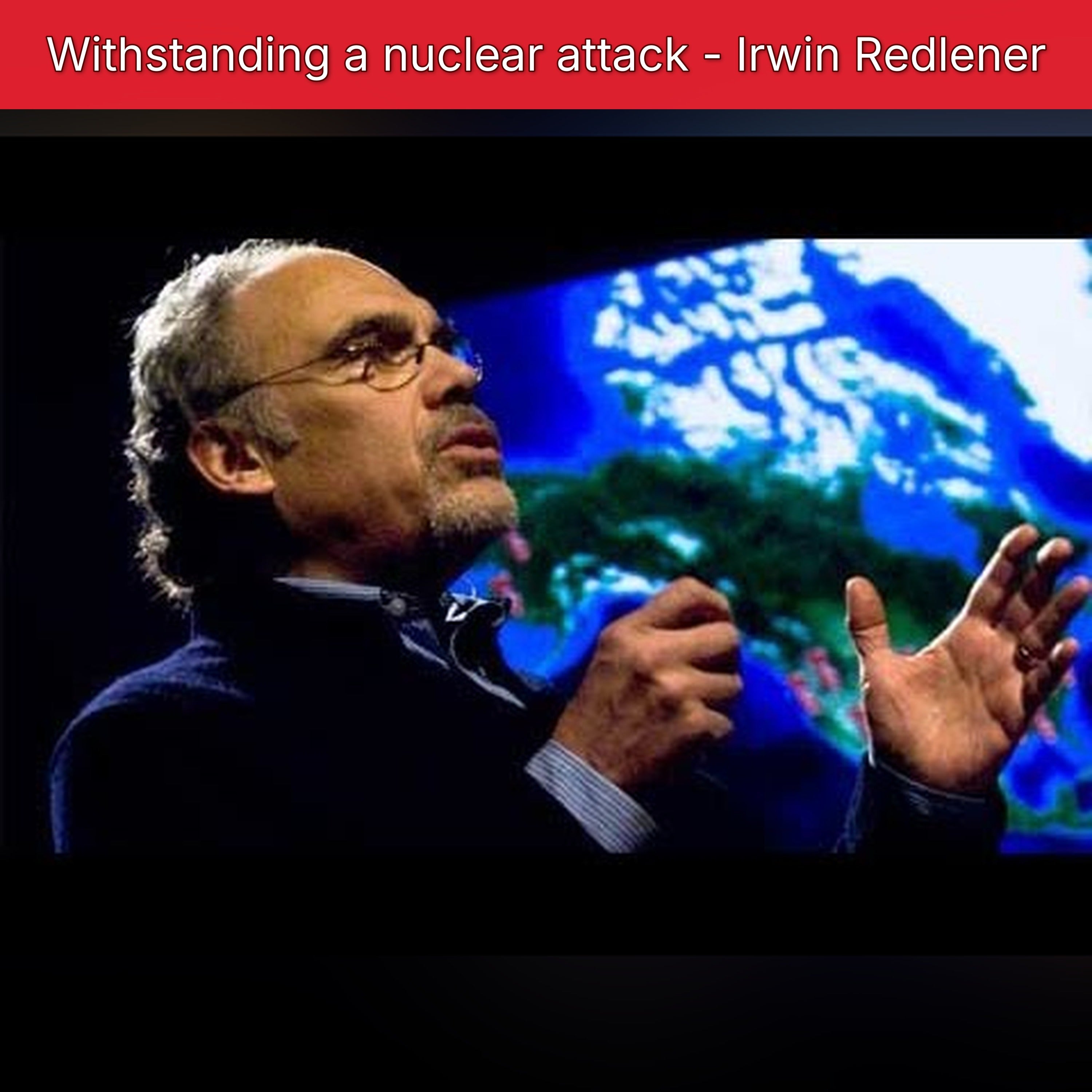
View full lesson: http://ed.ted.com/lessons/surviving-a-nuclear-attack-irwin-redlener The face of nuclear terror has changed since the Cold War, but disaster-medicine expert Irwin Redlener reminds us the threat is still real. He looks at some of history's farcical countermeasures and offers practical advice on how to survive an attack. Talk by Irwin Redlener.
Explore what makes polio so dangerous, what is causing the 21st century resurgence of cases, and how we can eradicate the disease. -- In 1952, polio was everywhere: killing or paralyzing roughly half a million people annually. Yet just 10 years later, paralytic polio cases in the US dropped by 96% and we were on track to get rid of polio for good. But in recent years, the virus started striking back. So, what’s behind these recent spikes? Explore the dangers of poliovirus and the possibility of eradicating this deadly disease. Directed by Anton Bogaty. This video made possible in collaboration with Gates Ventures Learn more about how TED-Ed partnerships work: https://bit.ly/TEDEdPartner A special thanks to Ananda Bandyopadhyay, Amber Zeddies, and Kathleen O'Reilly who provided information and insights for the development of this video. Support Our Non-Profit Mission ---------------------------------------------- Support us on Patreon: http://bit.ly/TEDEdPatreon Check out our merch: htt
Todd Humphreys forecasts the near-future of geolocation when millimeter-accurate GPS "dots" will enable you to find pin-point locations, index-search your physical possessions ... or to track people without their knowledge. And the response to the sinister side of this technology may have unintended consequences of its own. (Filmed at TEDxAustin.) Uploaded 26-06-13 Talk by Todd Humphreys.
Employers should measure outcomes instead of continuously monitoring workers' activity.
Share your view, then see how readers voted. No sign-in required. This poll is shared across stories.
Do you agree or disagree?
Common Quandary
A Common Quandary to discuss
Another conversation to explore, separate from this news story.
The touchscreen asks for a 25% tip while the cashier watches. What do you press?
At a counter-service shop, you place your own order, collect it, and clear the table. The payment screen suggests a twenty-five percent tip while an employee watches you choose.
When does a voluntary custom become an unfair social demand?