Explore what we know about seasonal affective disorder (SAD), and find out the best way to treat these behavioral changes. -- As winter approaches, shorter days spark a cascade of changes within the brains of animals. As a result, groundhogs retreat to their burrows for hibernation, weasels’ coats turn from brown to white, and birds cease their singing. And scientists are finding that seasonal behavioral changes similarly happen for some humans. Kelly Rohan digs into what we know about seasonal affective disorder. Lesson by Kelly Rohan, directed by Avi Ofer. Support Our Non-Profit Mission ---------------------------------------------- Support us on Patreon: http://bit.ly/TEDEdPatreon Check out our merch: http://bit.ly/TEDEDShop ---------------------------------------------- Connect With Us ---------------------------------------------- Sign up for our newsletter: http://bit.ly/TEDEdNewsletter Find us on Twitter: http://bit.ly/TEDEdTwitter Peep us on Instagram: http://bit.ly/TEDEdInstag
View full lesson: http://ed.ted.com/lessons/jessica-wise-how-fiction-can-change-reality Reading and stories can be an escape from real life, a window into another world -- but have you ever considered how new fictional experiences might change your perspective on real, everyday life? From "Pride and Prejudice" to Harry Potter, learn how popular fiction can spark public dialogue and shape culture. Lesson by Jessica Wise, narration by Emilie Soffe, animation by Augenblick Studios.
Practice more problem-solving at https://brilliant.org/TedEd -- As Numberland’s best detective, you thought you’d seen it all. But the desiccated corpses of prominent natural numbers have been showing up all over the city. A lockdown is ordered from sundown to sunrise, and it’s still not enough to stop what can only be described as a vampiric feeding frenzy. Can you figure out why the citizens of Numberland are being attacked? Henri Picciotto shows how. Lesson by Henri Picciotto, directed by Igor Coric, Artrake Studio. Support Our Non-Profit Mission ---------------------------------------------- Support us on Patreon: http://bit.ly/TEDEdPatreon Check out our merch: http://bit.ly/TEDEDShop ---------------------------------------------- Connect With Us ---------------------------------------------- Sign up for our newsletter: http://bit.ly/TEDEdNewsletter Find us on Twitter: http://bit.ly/TEDEdTwitter Peep us on Instagram: http://bit.ly/TEDEdInstagram ------------------------------------
Deep brain stimulation is becoming very precise. This technique allows surgeons to place electrodes in almost any area of the brain, and turn them up or down -- like a radio dial or thermostat -- to correct dysfunction. Andres Lozano offers a dramatic look at emerging techniques, in which a woman with Parkinson's instantly stops shaking and brain areas eroded by Alzheimer's are brought back to life. (Filmed at TEDxCaltech.) Talk by Andres Lozano.
Learn about the life and tragic death of gay rights pioneer Harvey Milk, California’s first openly gay public official. Uploaded 12-03-19 -- By 1973, Harvey Milk had already been many things: naval officer, high school teacher, bit-part actor and wandering hippie. Starting fresh in San Francisco, his belief in a more personal approach to local government led him to run for office in the heart of American gay culture, the Castro. Lillian Faderman details the tenacity and courage of California's first openly gay public official. Lesson by Lillian Faderman, directed by Tomás Pichardo-Espaillat. Sign up for our newsletter: http://bit.ly/TEDEdNewsletter Support us on Patreon: http://bit.ly/TEDEdPatreon Find us on Twitter: http://bit.ly/TEDEdTwitter Peep us on Instagram: http://bit.ly/TEDEdInstagram View full lesson: https://ed.ted.com/lessons/harvey-milk-s-radical-vision-of-equality-lillian-faderman Thank you so much to our patrons for your support! Without you this video would not be possi
The feeling of security and the reality of security don't always match, says computer-security expert Bruce Schneier. In his talk, he explains why we spend billions addressing news story risks, like the "security theater" now playing at your local airport, while neglecting more probable risks -- and how we can break this pattern. (Filmed at TEDxPSU.) Talk by Bruce Schneier.
Uploaded 15-02-18 View full lesson: https://ed.ted.com/lessons/the-coin-flip-conundrum-po-shen-loh When you flip a coin to make a decision, there's an equal chance of getting heads and tails. What if you flipped two coins repeatedly, so that one option would win as soon as two heads showed up in a row on that coin, and one option would win as soon as heads was immediately followed by tails on the other? Would each option still have an equal chance? Po-Shen Loh describes the counterintuitive math behind this question. Lesson by Po-Shen Loh, animation by Augenblick Studios. Thank you so much to our patrons for your support! Without you this video would not be possible! Devin Harris, Tony Trapuzzano, Stephen Michael Alvarez, Tom Lee, Juliana, Jason Weinstein, Kris Siverhus, Alexander Walls, Annamaria Szilagyi, Morgan Williams, Abhijit Kiran Valluri, Mandeep Singh, Peter Owen, Sama aafghani, Vinicius Lhullier, Connor Wytko, سلطان الخليفي, Marylise CHAUFFETON, Marvin Vizuett, Jayant Sahewal
Dig into Noam Chomsky’s theory of universal grammar and decide: are there universal grammar rules and are they hardwired into our brains? Uploaded 29-06-20 -- Language is endlessly variable. Each of us can come up with an infinite number of sentences in our native language, and we’re able to do so from an early age— almost as soon as we start to communicate in sentences. How is this possible? In the early 1950s, Noam Chomsky proposed a theory that the key to this versatility was grammar. Cameron Morin details Chomsky's theory of universal grammar. Lesson by Cameron Morin, directed by Eoin Duffy. Animator's website: https://eoinduffy.me/ Sign up for our newsletter: http://bit.ly/TEDEdNewsletter Support us on Patreon: http://bit.ly/TEDEdPatreon Find us on Twitter: http://bit.ly/TEDEdTwitter Peep us on Instagram: http://bit.ly/TEDEdInstagram View full lesson: https://ed.ted.com/lessons/what-do-all-languages-have-in-common-cameron-morin Thank you so much to our patrons for your support! Wi
View full lesson: http://ed.ted.com/lessons/jackie-jenkins-greeting-the-world-in-peace Conflict and cultural clashes are a part of our global reality, but so is the universal desire for peace. From Bangladesh to Myanmar to Lesotho, discover this inspiring common sentiment in traditional greetings of peace. Lesson by Jackie Jenkins, animation by TED-Ed.
View full lesson: http://ed.ted.com/lessons/the-walk-from-no-to-yes-william-ury Uploaded 18-08-13 William Ury, author of "Getting to Yes," offers an elegant, simple (but not easy) way to create agreement in even the most difficult situations -- from family conflict to, perhaps, the Middle East. (Filmed at TEDxMidWest.) Talk by William Ury.
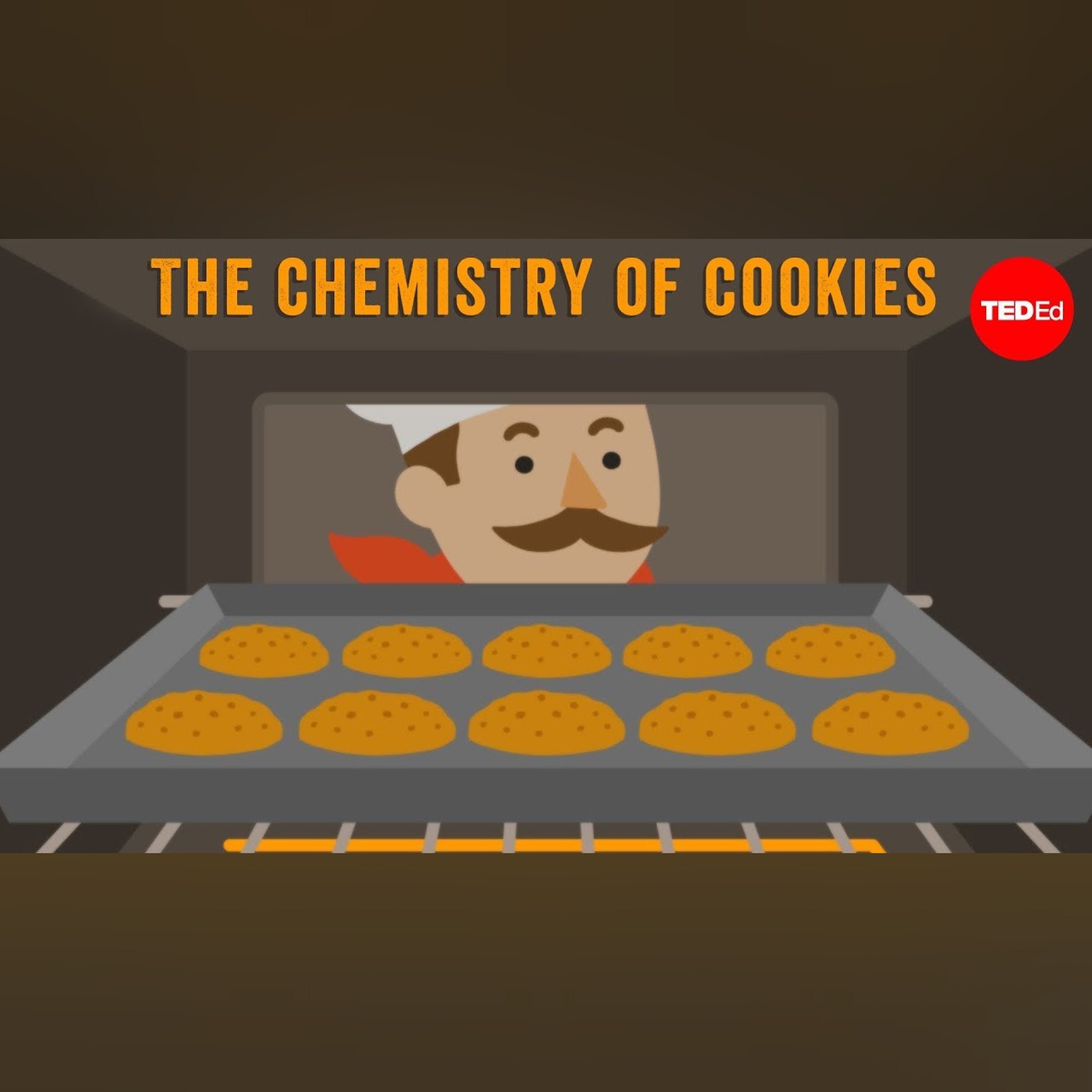
View full lesson: http://ed.ted.com/lessons/the-chemistry-of-cookies-stephanie-warren You stick cookie dough into an oven, and magically, you get a plate of warm, gooey cookies. Except it's not magic; it's science. Stephanie Warren explains via basic chemistry principles how the dough spreads out, at what temperature we can kill salmonella, and why that intoxicating smell wafting from your oven indicates that the cookies are ready for eating. Lesson by Stephanie Warren, animation by Augenblick Studios.
View full lesson: http://ed.ted.com/lessons/mysteries-of-vernacular-lady-jessica-oreck-and-rachael-teel Uploaded 21-11-13 Why do we call women ladies? Well, etymologically-speaking, the word comes from the Old English words for hlaf (bread) and daege (maid), which, combined, mean the female head of the household and eventually indicated high social standing. Jessica Oreck and Rachael Teel follow the word to its contemporary position simply describing a female. Lesson by Jessica Oreck and Rachael Teel, animation by Jessica Oreck.
Explore the sustainability of fossil fuels, nuclear power, and renewable energy and how much space each of these power sources use. Uploaded 16-03-21 -- No matter how we make electricity, it takes up space. Coal requires mines, and plants to convert it into electricity. Nuclear power takes uranium mines, facilities to refine it, a reactor, and a place to store the spent fuel safely. Renewable energy needs wind turbines or solar panels. So how much space would it take to power the whole world? Explore the sustainability of different power sources. Directed by Lisa LaBracio. Animation and art direction by Kevin Herrmann, AIM Creative Studios. In partnership with Bill Gates, inspired by his book "How To Avoid A Climate Disaster": http://bit.ly/PlanForZero Support Our Non-Profit Mission ---------------------------------------------- Support us on Patreon: http://bit.ly/TEDEdPatreon Check out our merch: http://bit.ly/TEDEDShop ---------------------------------------------- Connect With Us -
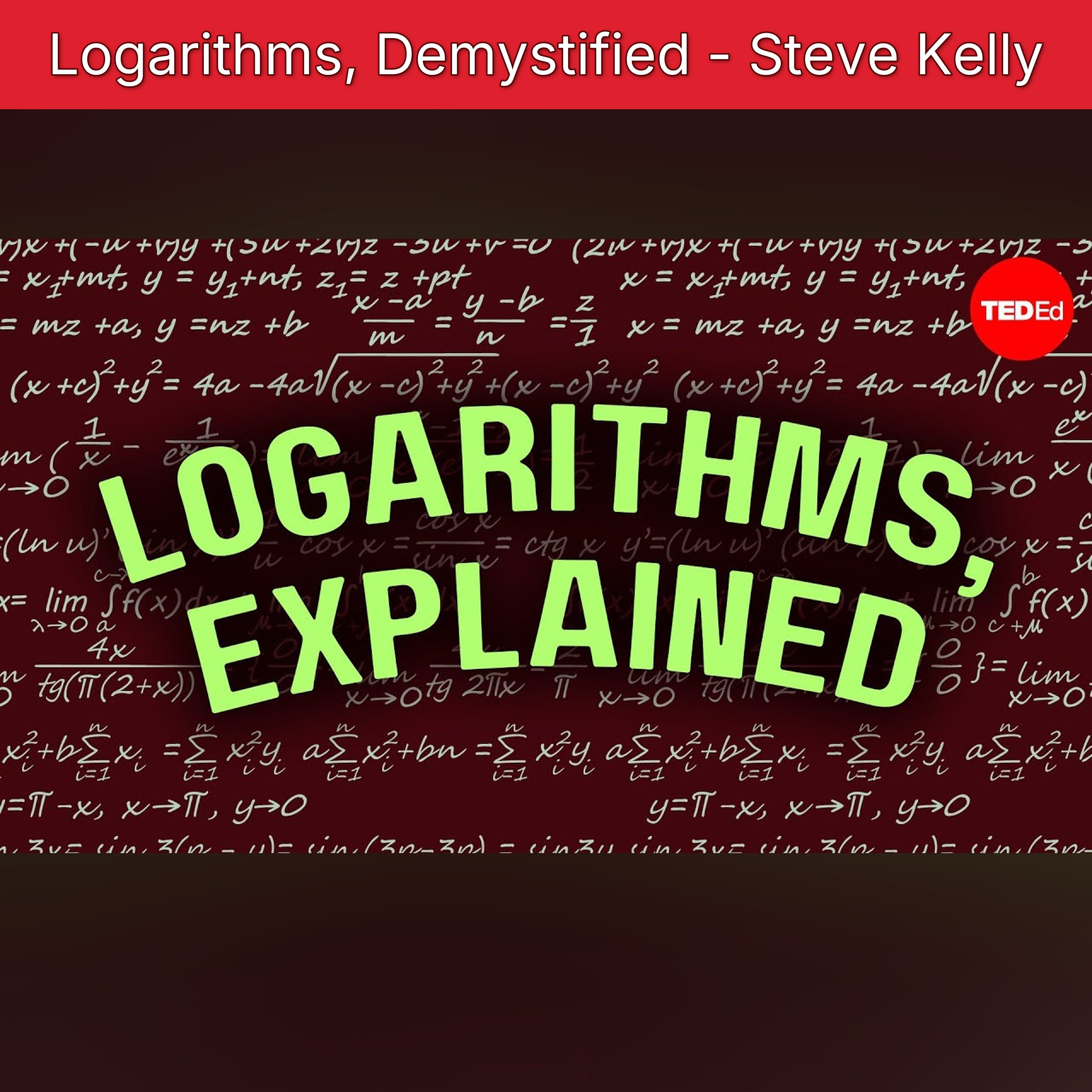
View full lesson: http://ed.ted.com/lessons/steve-kelly-logarithms-explained What are logarithms and why are they useful? Get the basics on these critical mathematical functions -- and discover why smart use of logarithms can determine whether your eyes turn red at the swimming pool this summer. Lesson by Steve Kelly, animation by TED-Ed.
View full lesson: http://ed.ted.com/lessons/how-to-detect-a-supernova-samantha-kuula Uploaded 09-06-15 Just now, somewhere in the universe, a star exploded. In fact, a supernova occurs every second or so in the observable universe. Yet, we’ve never actually been able to watch a supernova in its first violent moments. Is early detection possible? Samantha Kuula details the science behind an early supernova warning system. Lesson by Samantha Kuula, animation by Nick Hilditch.
View full lesson: http://ed.ted.com/lessons/victor-wooten-music-as-a-language Music is a powerful communication tool--it causes us to laugh, cry, think and question. Bassist and five-time Grammy winner, Victor Wooten, asks us to approach music the same way we learn verbal language--by embracing mistakes and playing as often as possible. Lesson by Victor Wooten, produced by TED-Ed.
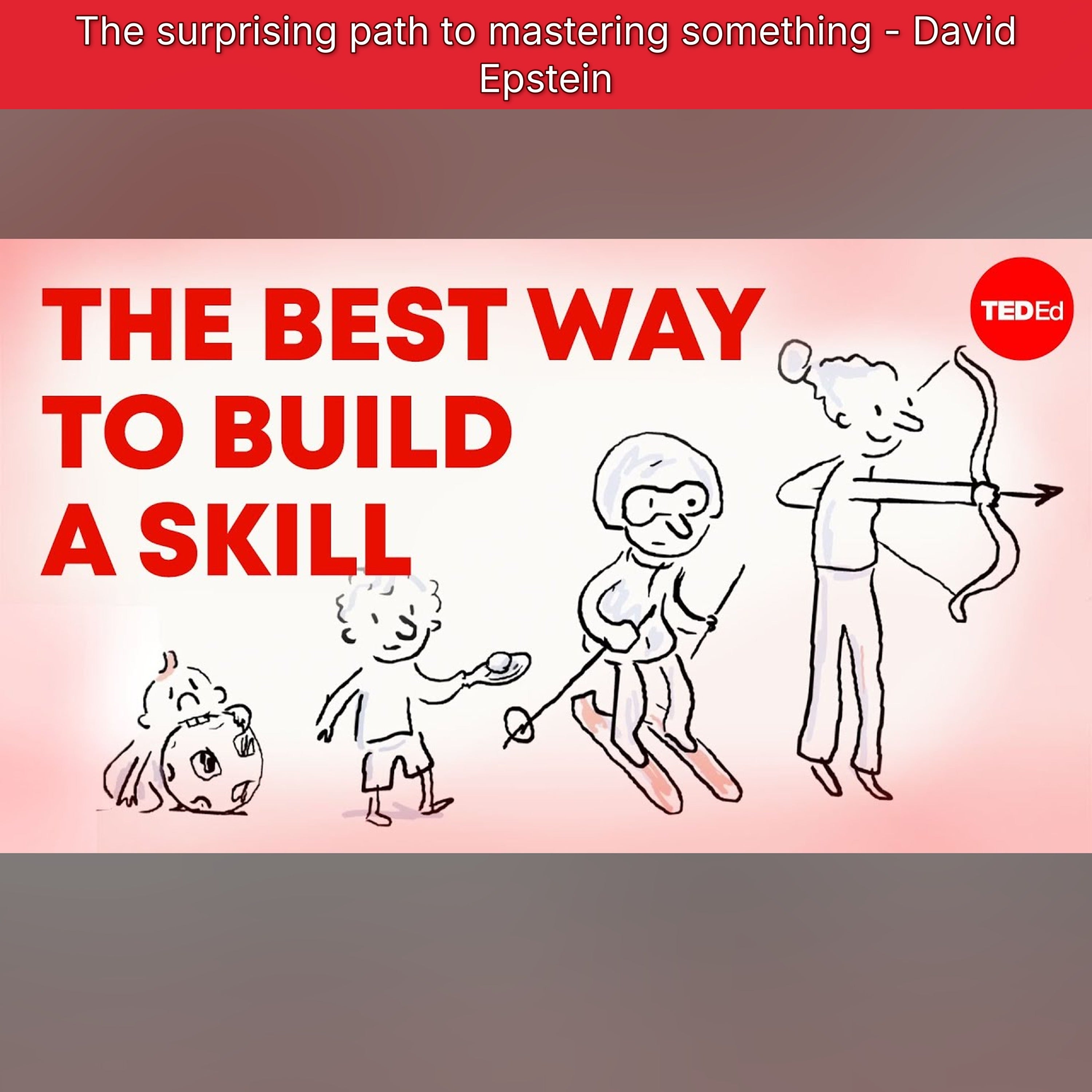
Are we building skills the wrong way? Explore how having a wide range of experience can be better than early specialization. -- There’s a common idea that it takes 10,000 hours of practice to become great at something. From an early age, we are encouraged to choose our path, focus specifically, and start racking up those hours. But, what if these head starts aren’t helping us the way we think they do? What if there’s a better way to excel? David Epstein shares how a different approach could set us up for greater success. Directed by Avi Ofer. This is an animated adaptation of a TEDx Talk given by David Epstein. You can watch the talk in full here: https://www.youtube.com/watch?v=B6lBtiQZSho Education is the ultimate idea worth spreading. That’s why we’ve launched InnovaTED — a program that helps educators develop their brightest ideas and share them with the world. Learn more: https://ed.ted.com/edtalks Support Our Non-Profit Mission ---------------------------------------------- Suppo
View full lesson: http://ed.ted.com/lessons/all-of-the-energy-in-the-universe-is-george-zaidan-and-charles-morton Uploaded 12-11-13 The energy in the universe never increases or decreases -- but it does move around a lot. Energy can be potential (like a stretched-out rubber band waiting to snap) or kinetic (like the molecules that vibrate within any substance). And though we can't exactly see it, every time we cook dinner or shiver on a cold night, we know it's there. George Zaidan and Charles Morton get excited about energy. Lesson by George Zaidan and Charles Morton, animation by Pew36 Animation Studios.
View full lesson: http://ed.ted.com/lessons/a-brief-history-of-religion-in-art-ted-ed Uploaded 16-06-14 Before we began putting art into museums, art mostly served as the visual counterpart to religious stories. Are these theological paintings, sculptures, textiles and illuminations from centuries ago still relevant to us? Jeremiah Dickey describes the evolution of art in the public eye and explains how the modern viewer can see the history of art as an ongoing global conversation. Lesson and animation by TED-Ed.
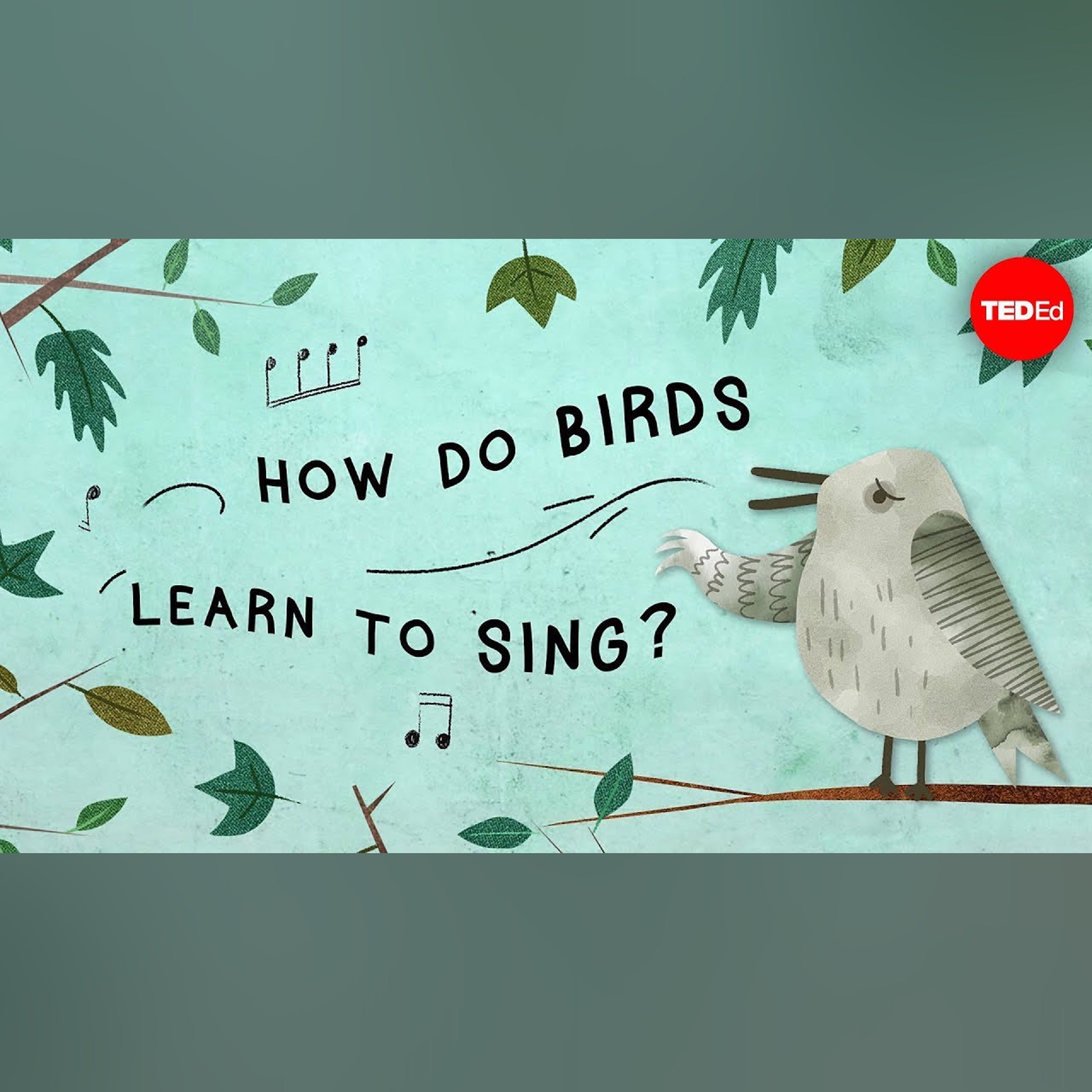
Learn more about TED-Ed's student voice initiative here: http://bit.ly/2sHzrqU Uploaded 20-02-18 -- A brown thrasher knows a thousand songs. A wood thrush can sing two pitches at once. A mockingbird can match the sounds around it — including car alarms. These are just a few of the 4,000 species of songbirds. How do these birds learn songs? How do they know to mimic the songs of their own species? Are they born knowing how to sing? Partha P. Mitra illuminates the beautiful world of birdsong. Lesson by Partha P. Mitra, animation by TED-Ed. Support Our Non-Profit Mission ---------------------------------------------- Support us on Patreon: http://bit.ly/TEDEdPatreon Check out our merch: http://bit.ly/TEDEDShop ---------------------------------------------- Connect With Us ---------------------------------------------- Sign up for our newsletter: http://bit.ly/TEDEdNewsletter Find us on Twitter: http://bit.ly/TEDEdTwitter Peep us on Instagram: http://bit.ly/TEDEdInstagram -----------------
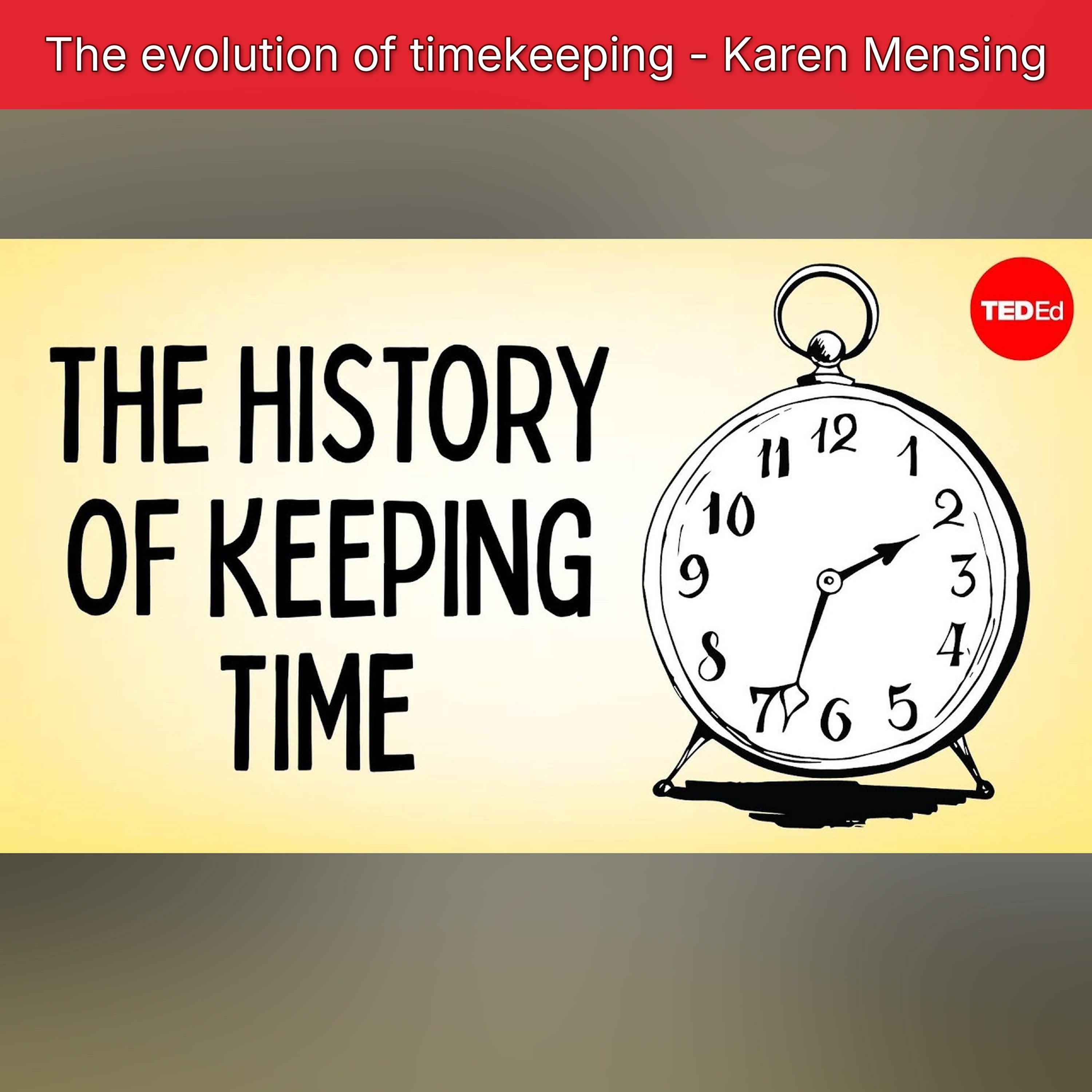
View full lesson: http://ed.ted.com/lessons/the-history-of-keeping-time Where did time-telling come from? What are time zones and why are there so many of them? Get the answers to these questions and more in this journey through the history of time -- from sundials to hourglasses to modern clocks. Lesson by Karen Mensing, animation by Avi Ofer.
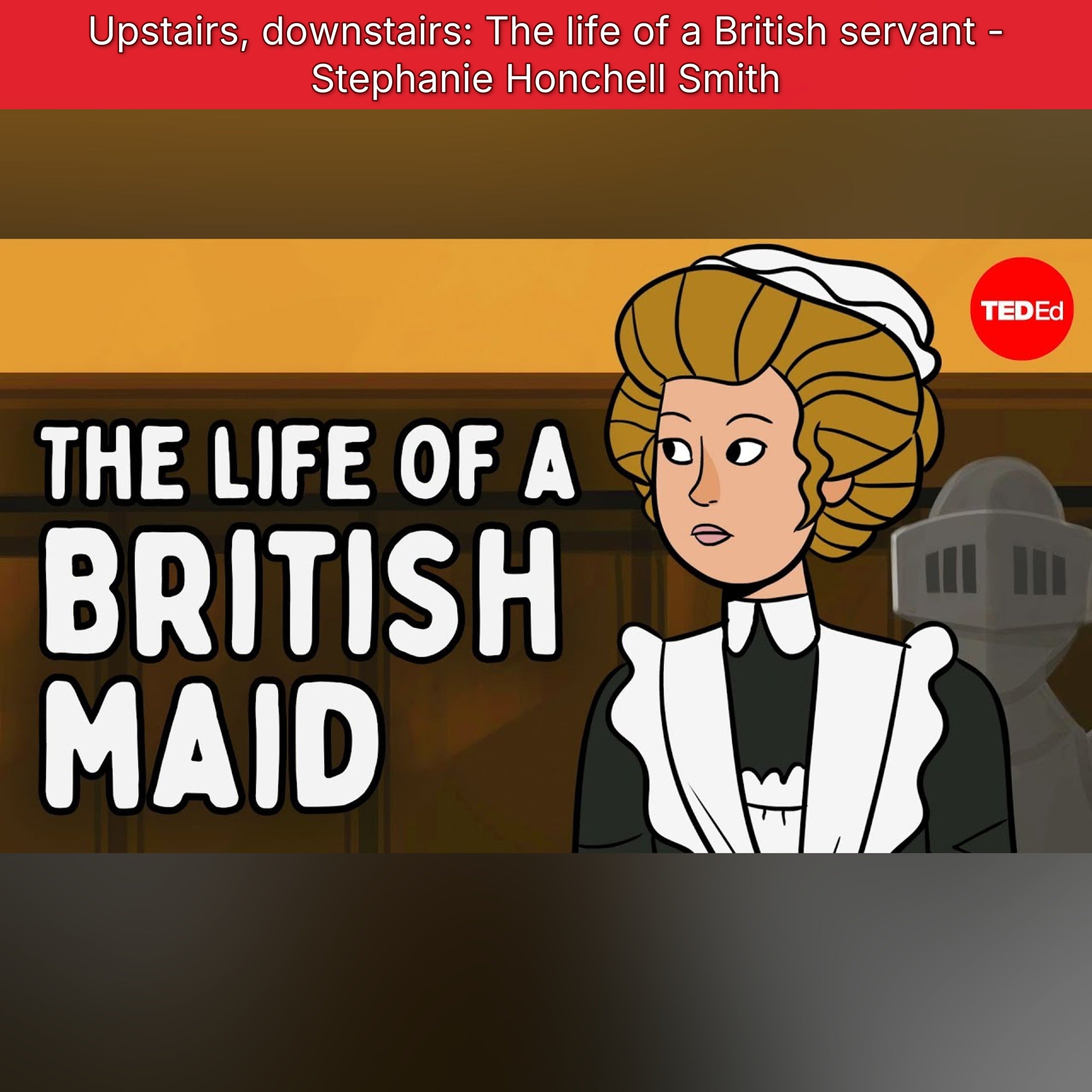
Follow Alice Sutton, a servant in Edwardian England, as she prepares the estate for a visitor and fights for women's suffrage. -- It’s just before dawn in 1906 at Wroxton Abbey, and 16-year-old Alice Sutton’s mind is already spinning. The underhousemaid has a full day ahead of her as the estate prepares for the evening’s guest: Prince Arthur. This is Alice’s chance to prove herself to her new employers — but there are other forces at play. Stephanie Honchell Smith details a day in the life of a servant in Edwardian England. Lesson by Stephanie Honchell Smith, directed by Anton Bogaty. Support Our Non-Profit Mission ---------------------------------------------- Support us on Patreon: http://bit.ly/TEDEdPatreon Check out our merch: http://bit.ly/TEDEDShop ---------------------------------------------- Connect With Us ---------------------------------------------- Sign up for our newsletter: http://bit.ly/TEDEdNewsletter Find us on Twitter: http://bit.ly/TEDEdTwitter Peep us on Instagram
Get to know the story of Quanah Parker, a Native American warrior and leader, and the last chief of the Comanche tribe. Uploaded 02-07-20 -- Late one night in 1871, a group of riders descended on a sleeping army camp, stole about 70 horses, and disappeared. Led by a young chief named Quanah Parker, the raid was the latest in a long series of altercations along the Texas frontier between indigenous people and United States forces. Who was this brave warrior? Dustin Tahmahkera details the life of the last chief of the Comanches. Lesson by Dustin Tahmahkera, directed by Tomás Pichardo-Espaillat. Animator's website: http://bit.ly/TomaticoNet Sign up for our newsletter: http://bit.ly/TEDEdNewsletter Support us on Patreon: http://bit.ly/TEDEdPatreon Find us on Twitter: http://bit.ly/TEDEdTwitter Peep us on Instagram: http://bit.ly/TEDEdInstagram View full lesson: https://ed.ted.com/lessons/the-last-chief-of-the-comanches-and-the-fall-of-an-empire-dustin-tahmahkera Thank you so much to our pa
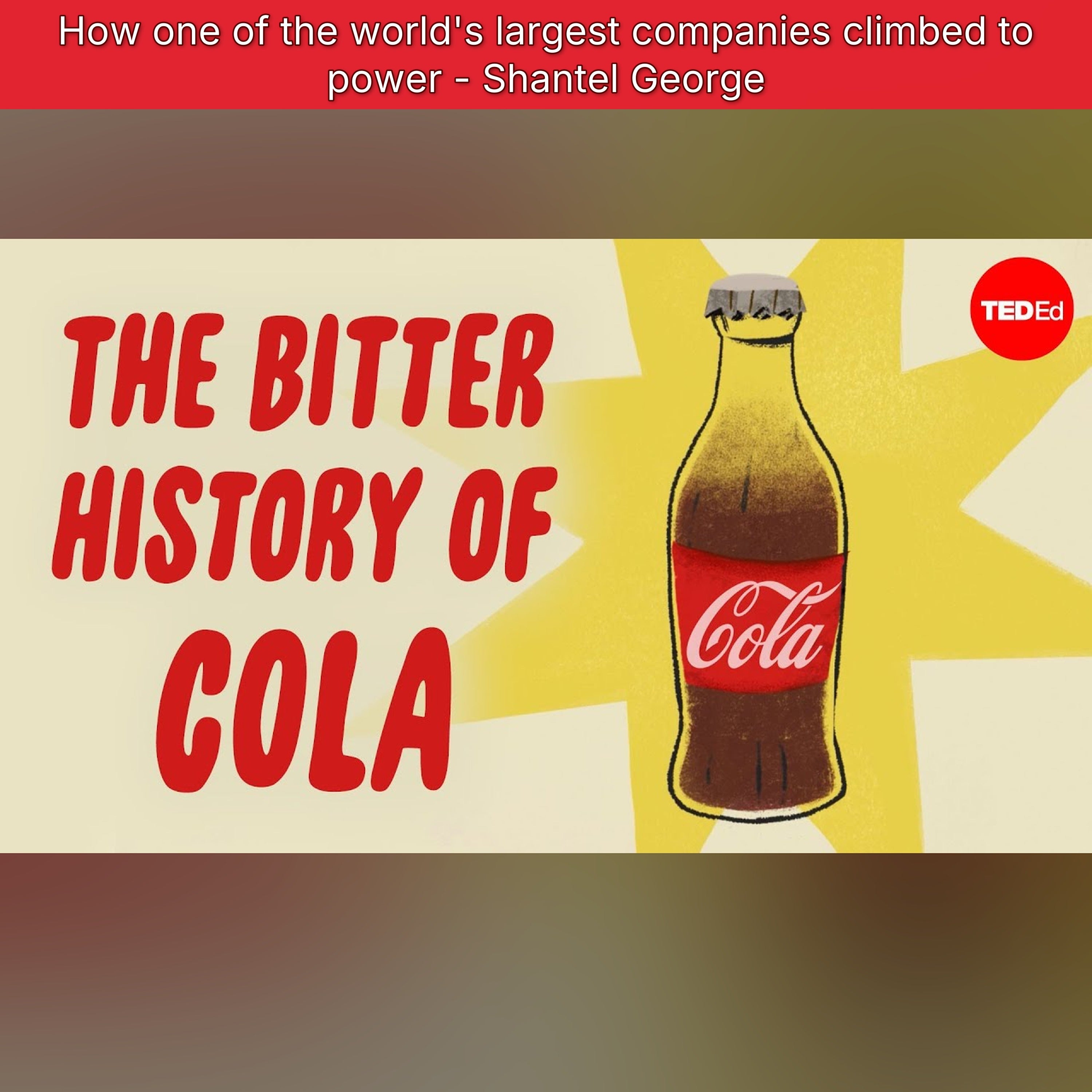
Dig into the bitter history of kola nuts, a sacred ingredient in West African culture and part of Coca-Cola's original recipe. -- The kola nut is the seed of the kola tree, a small evergreen native to the forests of West Africa, where it’s long been integral to the cultural fabric of many communities. So, how did this sacred ingredient end up all around the world? And how did it make its way into the original recipe of a drink that billions of people consume every day? Shantel George explores the bitter history of kola nuts. Lesson by Shantel George, directed by Nikhita Prabhudesai Jeena, Totem Creative. Support Our Non-Profit Mission ---------------------------------------------- Support us on Patreon: http://bit.ly/TEDEdPatreon Check out our merch: http://bit.ly/TEDEDShop ---------------------------------------------- Connect With Us ---------------------------------------------- Sign up for our newsletter: http://bit.ly/TEDEdNewsletter Find us on Twitter: http://bit.ly/TEDEdTwitter