As Tate Britain opens Vanessa Bell & Duncan Grant: Inside Bloomsbury, a major show exploring these pivotal figures in British Modernism in a new light, Ben Luke visits the show and takes a tour with the exhibition’s co-curator, Thomas Kennedy. The Lagos Biennial opens this weekend in the Nigerian city and this fifth edition is called The Museum of Things Unseen. Its three curators are Furen Dai, Chinyere Obieze and Sam Hopkins, and Ben speaks to Chinyere and Sam about their concept for the biennial. And this episode’s Work of the Week is a group of plaster sculptures created by the Belgian artist Constantin Meunier for his magnum opus in Brussels, the Monument to Labour. Meunier’s work is at the heart of a new exhibition at the Petit Palais in Paris called Brussels 1900. Ben talks to Davy Depelchin, head curator of the 19th-century paintings and sculptures department at the Musées Royaux des Beaux-Arts, Belgium, who is one of the curatorial team organising this vast show. Vanessa Bell
Listen to The Hungry Stones by Rabindranath Tagore—an atmospheric classic ghost story of haunting memory, psychological horror, and Indian supernatural fiction. In a lonely marble palace above a shrinking river, a young tax collector discovers that solitude is never truly empty. Footsteps sound where no one walks. Laughter rings out from an invisible bath of unseen maidens. Music trembles through dry, silent halls. Are these memories of a vanished court, or something far more hungry, feeding on the living through echoes of the dead? As night after night the house presses closer around him, the difference between dream, desire and possession begins to thin—and the stones themselves seem to listen. About the Story & Author Originally written in Bengali and collected in Rabindranath Tagore’s short fiction of the early 20th century, The Hungry Stones was first published in English translation in The Hungry Stones, and Other Stories (Project Gutenberg eText #2518: https://www.gutenberg.org/
The nights are drawing in but Sarah and Alex are drawing up plans for a winter chock full of the best new theatre! The pair pick their top shows over the next six weeks - with lashings of musical revivals and exciting new writing. For those who like their shows merry and bright, or those who like a miserly time at the theatre. Plus, the pair digest a big new season announcement at the Old Vic, with Damien Lewis, Milly Alcock, Arinzé Kene and a nice bout of Sondheim. Hosted on Acast.
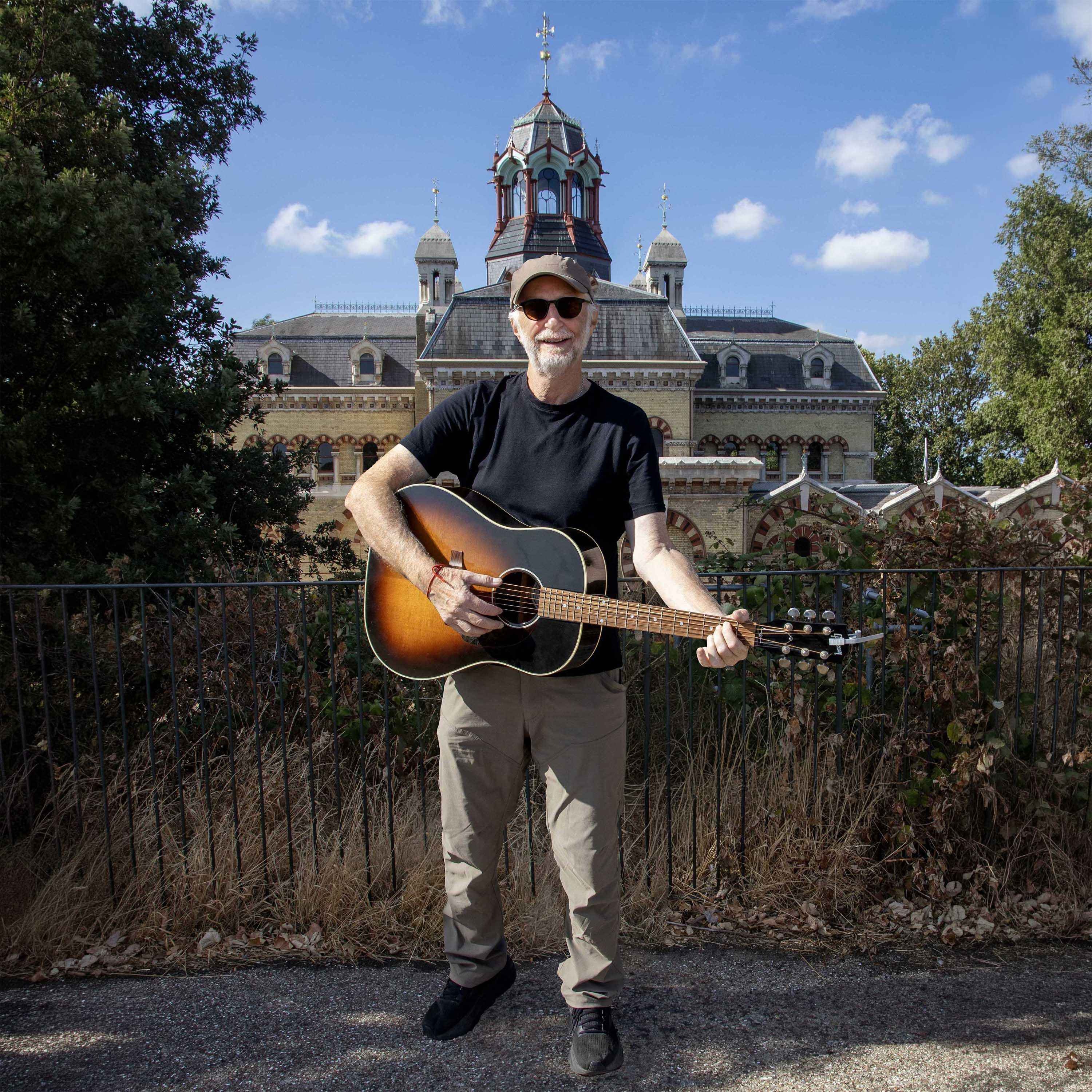
Who better to join us on our 100th walk than Billy Bragg? He takes Matthew along the route of the Northern Outfall Sewer in East London, which was designed by Joseph Bazalgette as part of his revolutionary waste disposal system for London. Nowadays, thank goodness, it is covered by a Greenway which welcomes walkers and cyclists. Along the way Billy reflects on its history, talks about his own early musical career, sings a new song about a Victorian shipping disaster on the Thames, unleashes his ode to the A13 trunk road and visits the grave of his great grand parents. It is a moving, enlightening and often very funny journey in the company of a legendary musician and campaigner. --- Celebrate 100 walks with a piece of Folk on Foot history! Our specially commissioned art print features the names of all 100 walks, with just 100 copies available. Make one yours before they're gone: https://www.folkonfoot.com/print --- We rely on support from our listeners to keep this show on the road. If
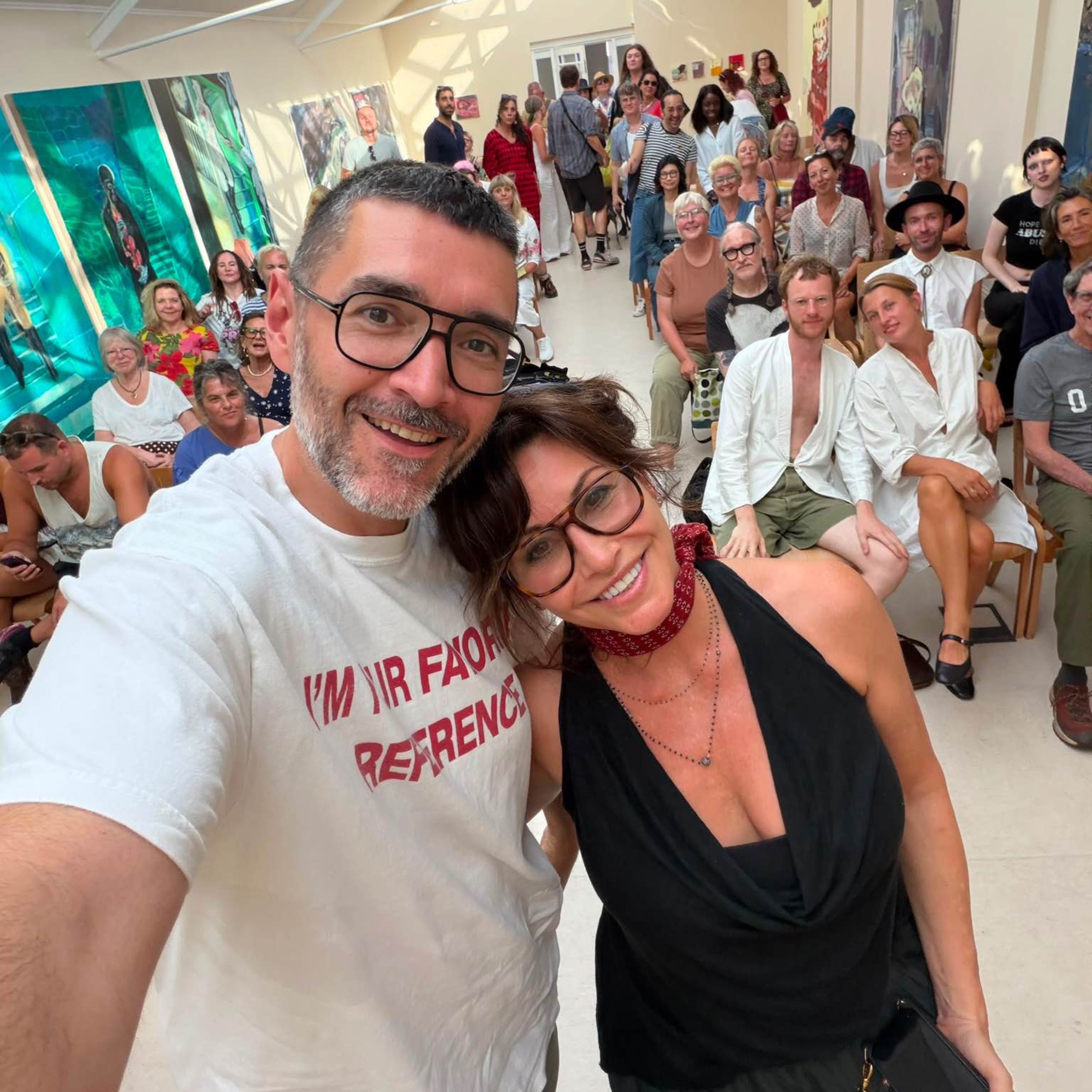
Robert meets actress, singer and author Gina Gershon for a special live Talk Art recorded at TKE Studios in Margate in August 2026. Episode introduced by Dame Tracey Emin. We explore Gina’s lifelong love of art, friendships with artists including Laurie Anderson, Lou Reed and Tracey Emin plus inspiring stories from her own creative adventures acting in Hollywood and writing her inspiring new memoir AplhaPussy. Gina's onscreen career runs from Bound and Showgirls to Face/Off and The Player, alongside stage work including Sam Mendes's Cabaret on Broadway. She's also just come off guest judging RuPaul's Drag Race, not forgetting her role as Hannah in Curb Your Enthusiasm. On top of all that, she's an author several times over, having previously written a memoir about her cat, In Search of Cleo, and co-written the YA novel Camp Creepy Time with her brother Dann. Now she's back with her new memoir, AlphaPussy: How I Survived the Valley & Learned to Love My Boobs, a wild, funny, and refreshi
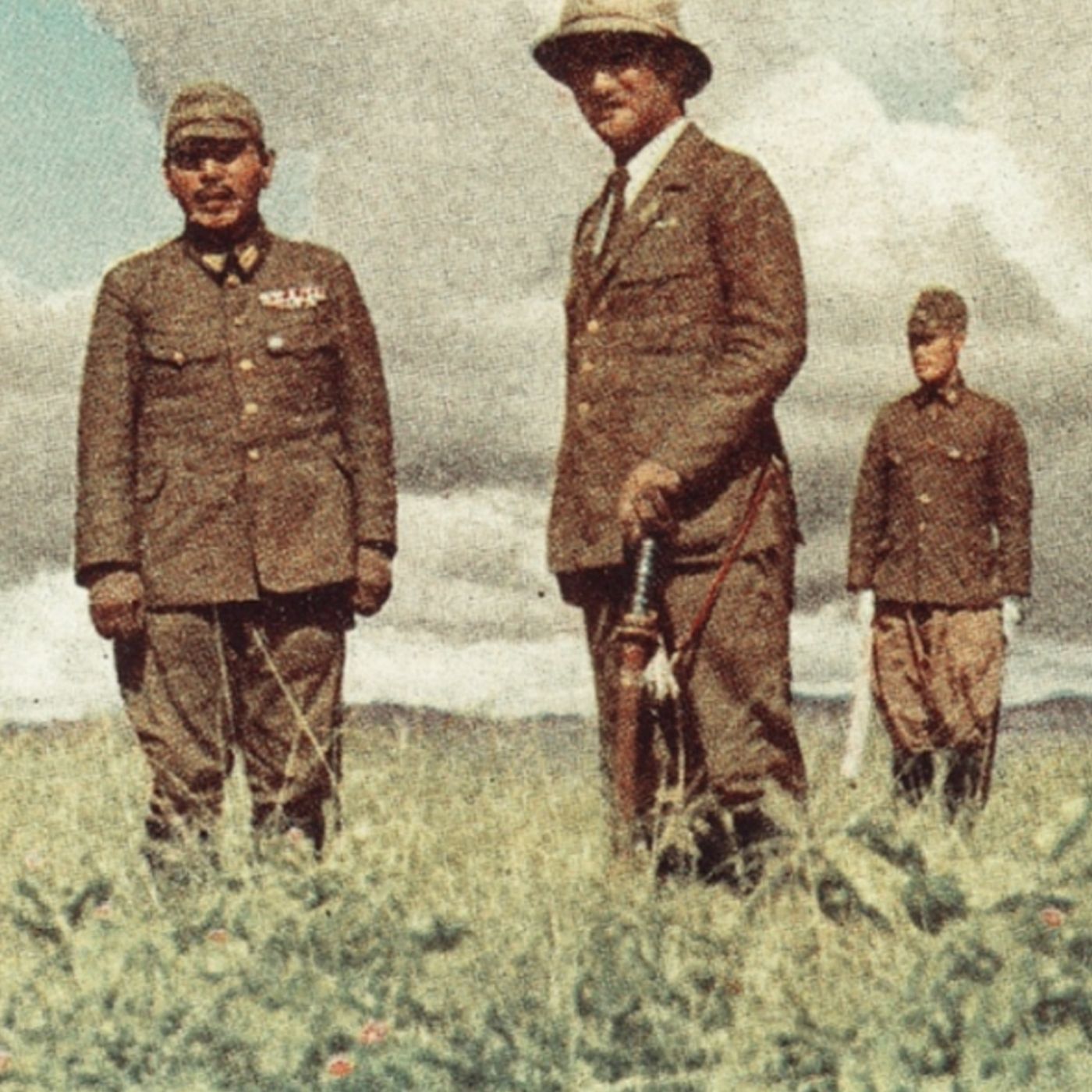
CONTENTS JOHN BATCHELOR SHOW 11-12-26 1942 SINGAPORE Nvidia Scandal Reveals Chinese Espionage — Part One David Shedd discusses the resignation of Nvidia CEO Jensen Huang after revelations of an extramarital affair with Alice Wang, a suspected agent linked to China’s Ministry of State Security. Shedd describes how Wang exploited commercial networks to divert more than seven billion dollars in forbidden GPUs into China. (1) Sabotage Threatens American Artificial Intelligence — Part Two David Shedd argues that Beijing’s sophisticated espionage campaign against Nvidia amounts to strategic sabotage intended to dismantle America’s lead in artificial intelligence. Meanwhile, Wall Street remains deeply vulnerable because corporate leadership repeatedly suppressed early warnings from intelligence officials about Chinese operations targeting microchips. (2) Mike Pence Defends Traditional Conservatism Tal Fortgang discusses Mike Pence’s new book examining traditional Reaganite conservatism versus
1940 POPE PIUS XII Papal Visit Highlights Latin America — Part Four Evan Ellis addresses Brazil’s economic struggles with high national debt and interest rates under President Lula da Silva. He then highlights Pope Leo XIV’s 31,000-mile Latin American tour across Uruguay, Argentina, and Peru, drawing millions with messages of compassion and ethical leadership. (16)
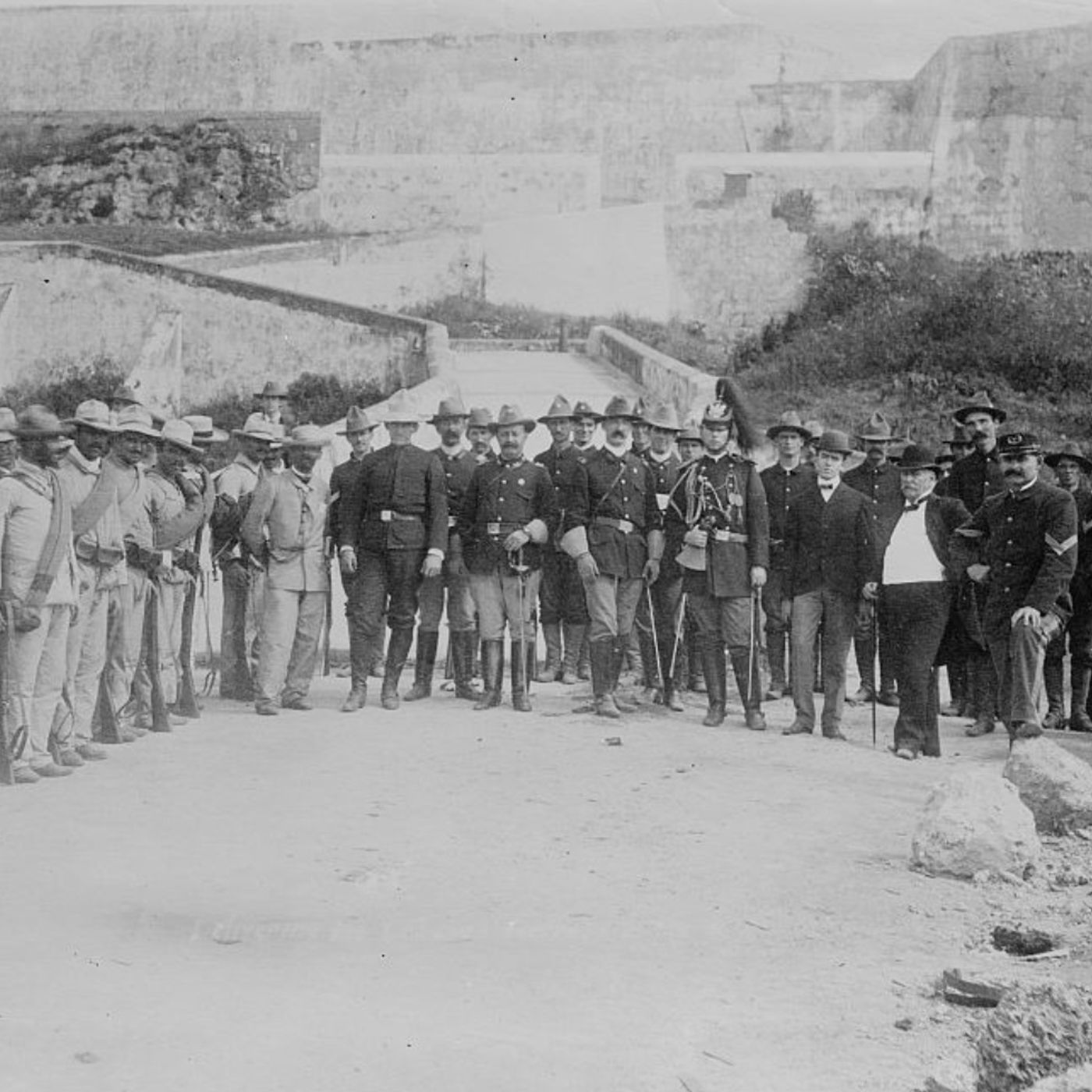
1899 HAVANA Foreign Influence in Cuban Policy — Part Three Evan Ellis analyzes US policy toward Cuba amid tightening sanctions, alongside authoritarian consolidation in Nicaragua. As President Daniel Ortega’s failing health prompts family succession maneuvers, Russia and Chinacontinue expanding military footprints, intelligence posts, and mining concessions within Nicaragua. (15)
In 1930s Chicago, a young small-time grifter is drawn into a world of elaborate cons after a friend is murdered by a ruthless crime boss, and he teams up with a legendary veteran con man to take the man down. Together they assemble a crew of the best swindlers around and plan the ultimate long con, a scheme built on fake betting parlours, staged scenes, and one wrong move that could cost them everything. Paul Newman and Robert Redford are pure movie-star magic, it won Best Picture, and if you have never seen it, The Best Movies You’ve Never Seen, thanks to Fetch and Hisense, is giving you the perfect reason to do so.
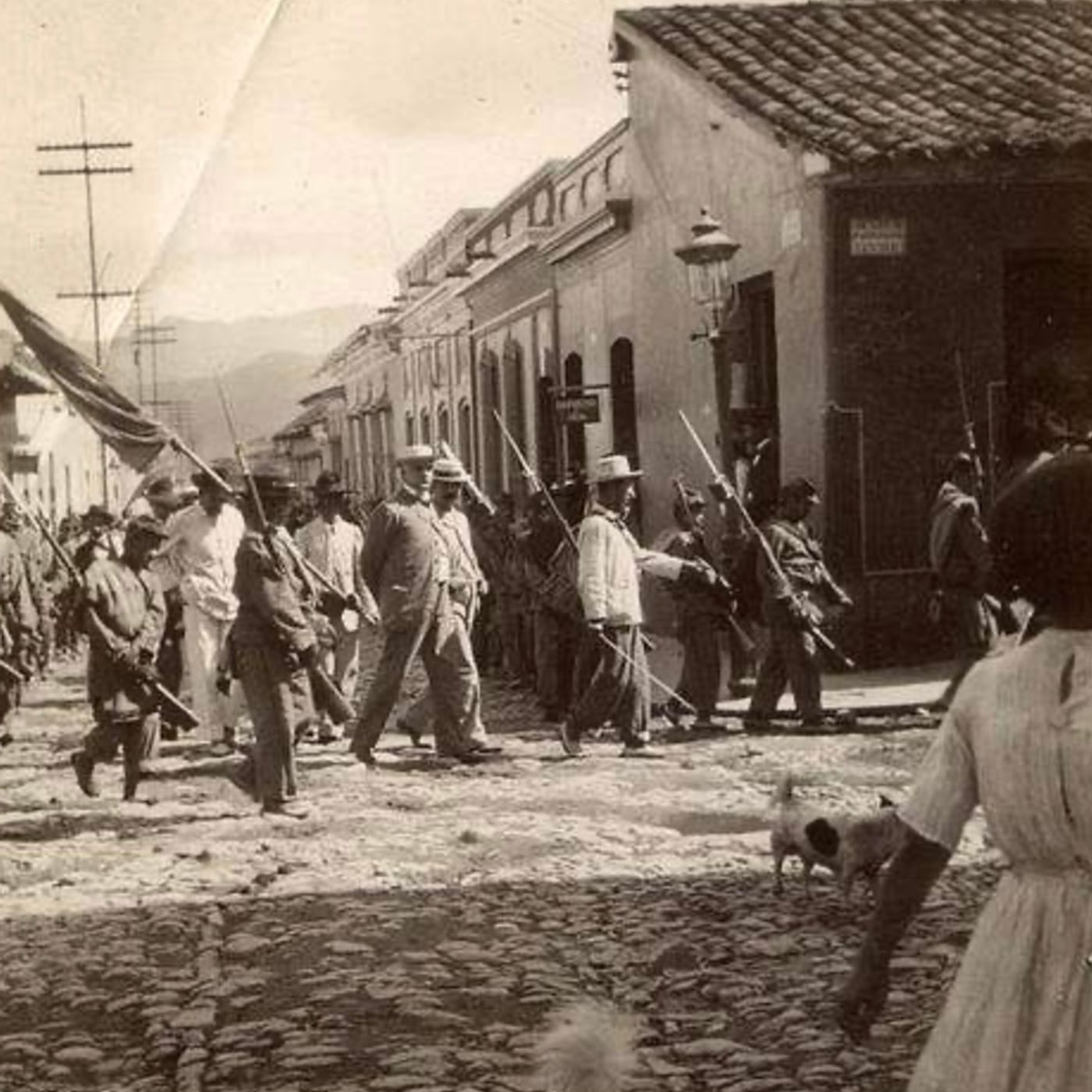
1900 CARACAS Political Uncertainty Surrounding Venezuelan Transition — Part Two Evan Ellis reports on Venezuela as opposition leader María Corina Machado demands democratic elections and the release of political prisoners. With Secretary of State Marco Rubio attempting to negotiate electoral timelines, incoming congressional committee leadership is set to escalate pressure against the regime’s delay tactics. (14)
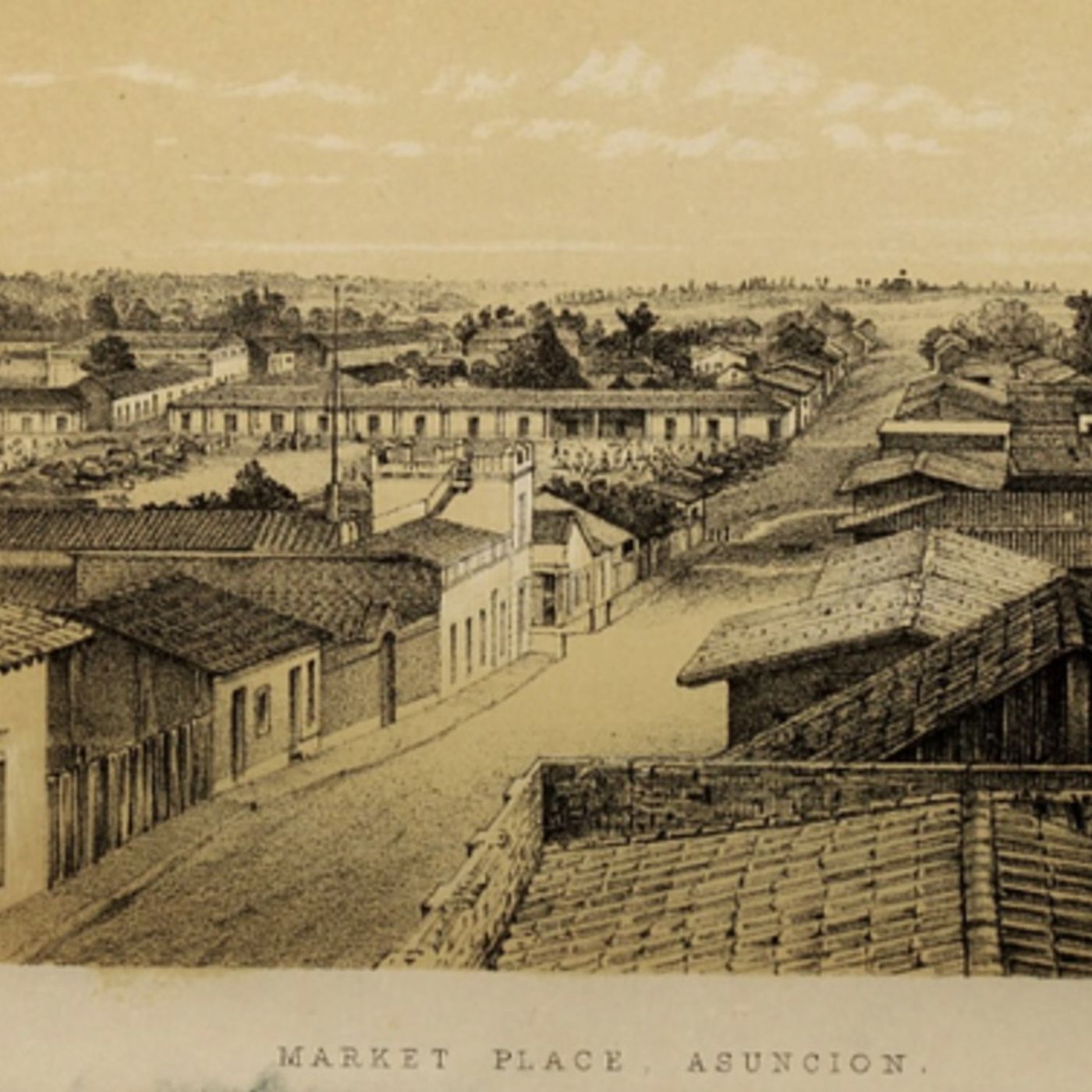
1870 ASUNCION PARAGUAY Banking Scandal Triggers Paraguayan Crisis — Part One Evan Ellis examines the banking scandal in Paraguay that led to the impeachment and imprisonment of President Santiago Peña over fraudulent loan schemes. While former president Horacio Cartes consolidated control of the ruling party, established legal frameworks protected small bank depositors. (13)
1917 KREMLIN Legacy of Cambridge Spy Ring — Part Four Antonia Senior details the decades-long unspooling of the Cambridge Five spy ring, emphasizing Anthony Blunt’s insidious role as a talent spotter grooming recruits. She rejects revisionist sympathy for Blunt, highlighting the devastating damage these ideologically driven betrayals inflicted on Western security. (12)
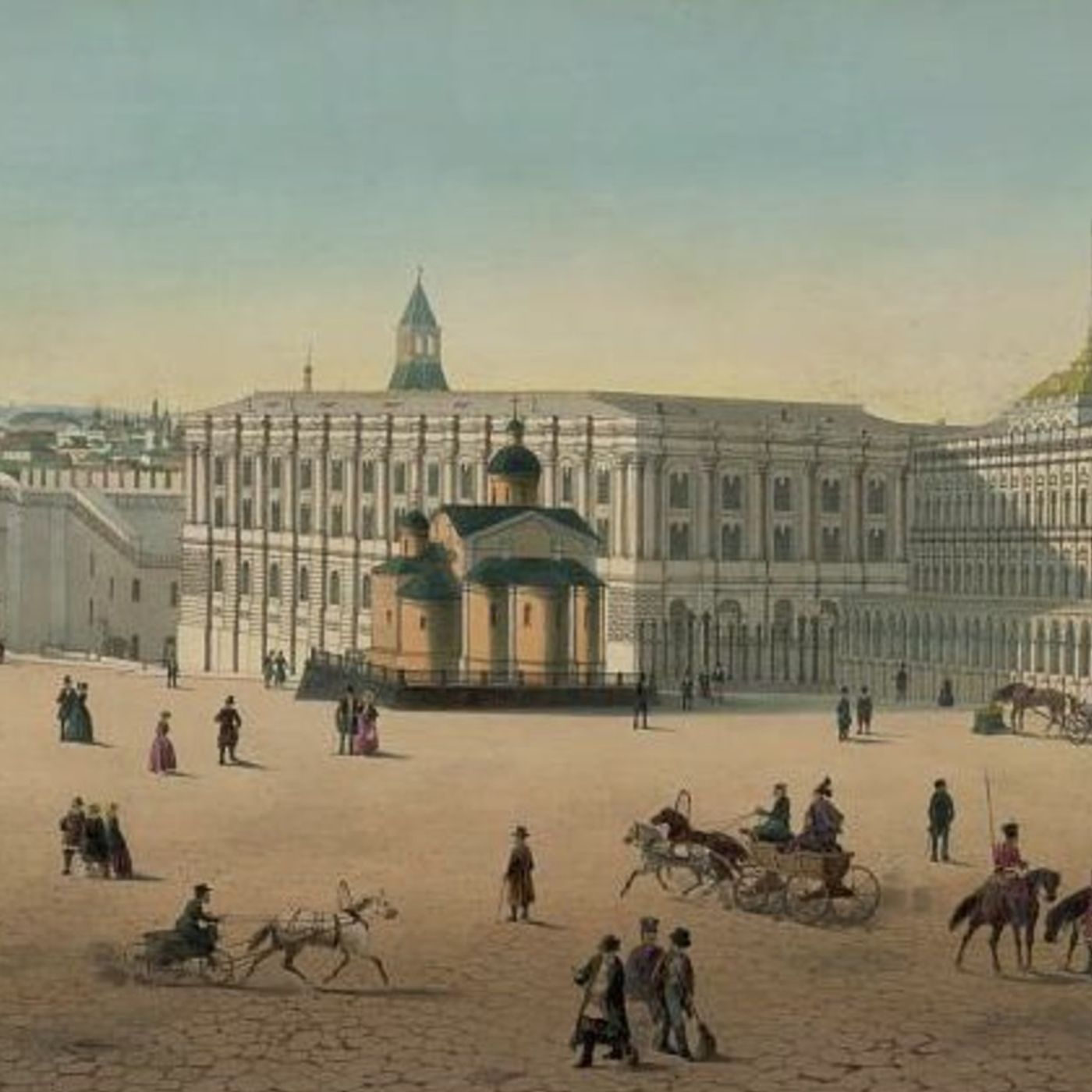
1900 MOSCOW Complex Espionage Dynamics in Wartime — Part Three Antonia Senior explores how Guy Burgess forced his way into Soviet intelligence despite his chaotic temperament, while Anthony Blunt used his MI5 post to pass critical secrets. Ironically, Soviet paranoia at the Lubyanka caused handlers to dismiss genuine intelligence as Western deception. (11)
1870 SIEGE OF PARIS Infiltration of British Intelligence Networks — Part Two Antonia Senior describes how high-trust British institutions enabled Maclean to steal secrets unnoticed before escaping Nazi-occupied Paris with his wife Melinda. Meanwhile, Philby posed as a pro-Franco journalist in Spain before leveraging wartime expansion to infiltrate Britain’s Secret Intelligence Service, MI6. (10)
1881 CAMBRIDGE PEMBROKE Recruiting Cambridge Spies for Stalin — Part One Antonia Senior details how Soviet handler Arnold Deutsch recruited Kim Philby in 1934, and how Philby then brought Donald Maclean into Soviet espionage. Disillusioned by the Great Depression and fascism, these privileged Cambridge ideologues believed violent revolution and spying were necessary to advance Marxist history. (9)
1835 EJ COOPER Versatile Capabilities of Simons Observatory — Part Two On Hotel Mars, Mark Devlin tells David Livingston about the Simons Observatory’s dual capabilities, using small aperture telescopes for gravitational wave searches and a large six-meter telescope for millimeter-wave sky surveys. This versatile setup tracks galactic star formation, interstellar dust, massive galaxy clusters, and fast-changing transient events. (8)
COSMOS 13.4 BILLION EARTH YEARS Mapping Early Cosmic Microwave Background — Part One On Hotel Mars, Mark Devlin tells David Livingston how the Simons Observatory in Chile measures the Cosmic Microwave Background to study light released about 380,000 years after the Big Bang. Scientists analyze minute temperature fluctuations and polarization patterns to search for primordial gravitational wave signatures from the universe’s origin. (7)
1901 COMMONS Changing Dynamics in British Politics — Part Two Anatol Lieven examines British political shifts in which voters favor individual leaders like Andy Burnham and Kemi Badenoch while despising their respective parties. As traditional party infrastructure declines across Europe, dissatisfaction with both main parties and with radical figures creates a distinctive reliance on centrist personalities. (6)
1941 UKRAINE Stalled Negotiations Over Ukraine Conflict — Part One Anatol Lieven analyzes the diplomatic stalemate in the Ukraine war, noting that US proposals on Donbas border adjustments and European security architecture have hit roadblocks. He argues that lasting peace requires negotiating European security alongside territorial issues, warning that a protracted war benefits neither side. (5)
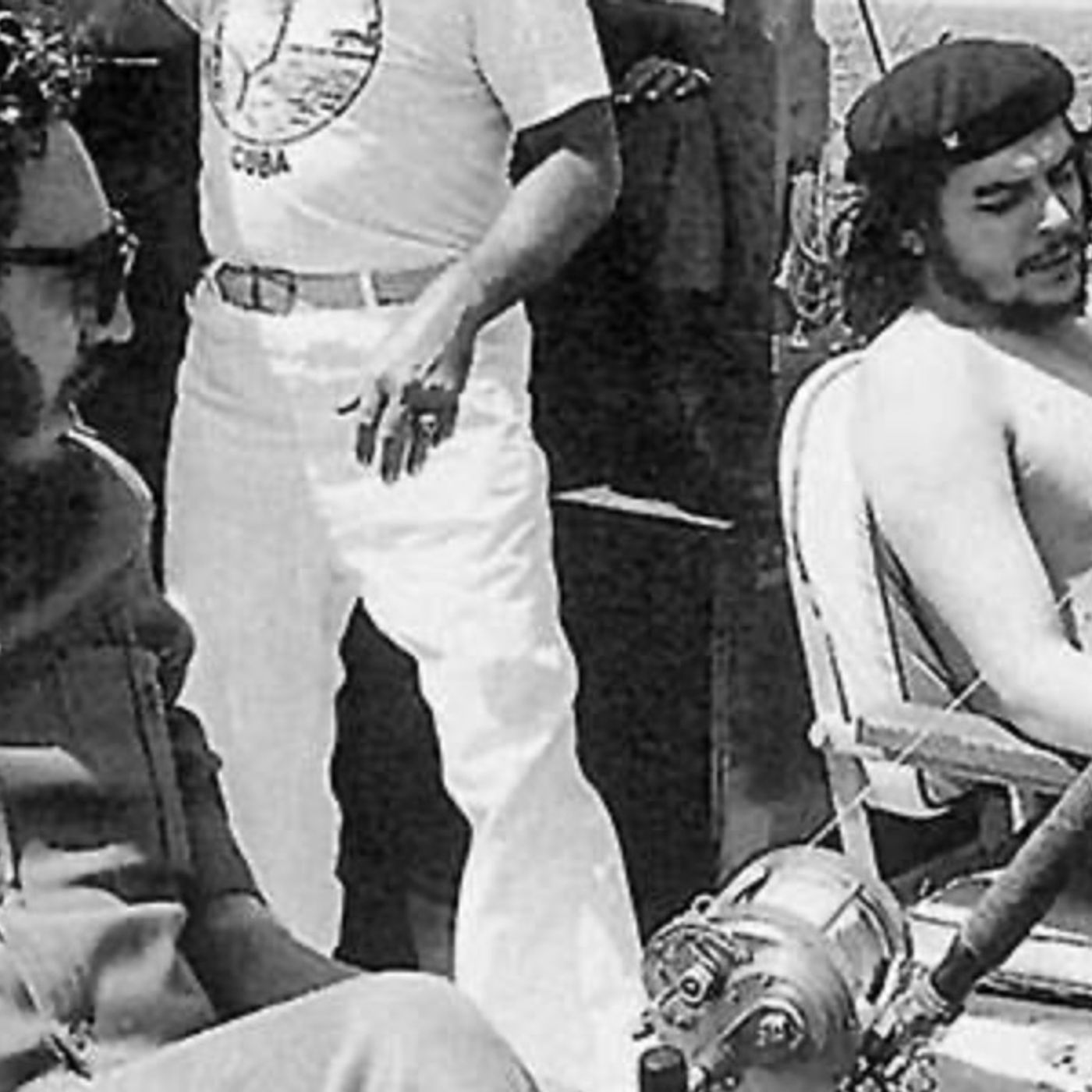
1960 FIDEL CASTRO & CHE GUVERA Mismanagement Causes Cuban Power Blackouts Mary Anastasia O’Grady refutes claims that American sanctions caused Cuba’s severe power blackouts, attributing the crisis to communist infrastructure neglect and financial failure. While US policies target corrupt military conglomerates, Havana uses propaganda to blame Washington and preserve its authoritarian grip. (4)
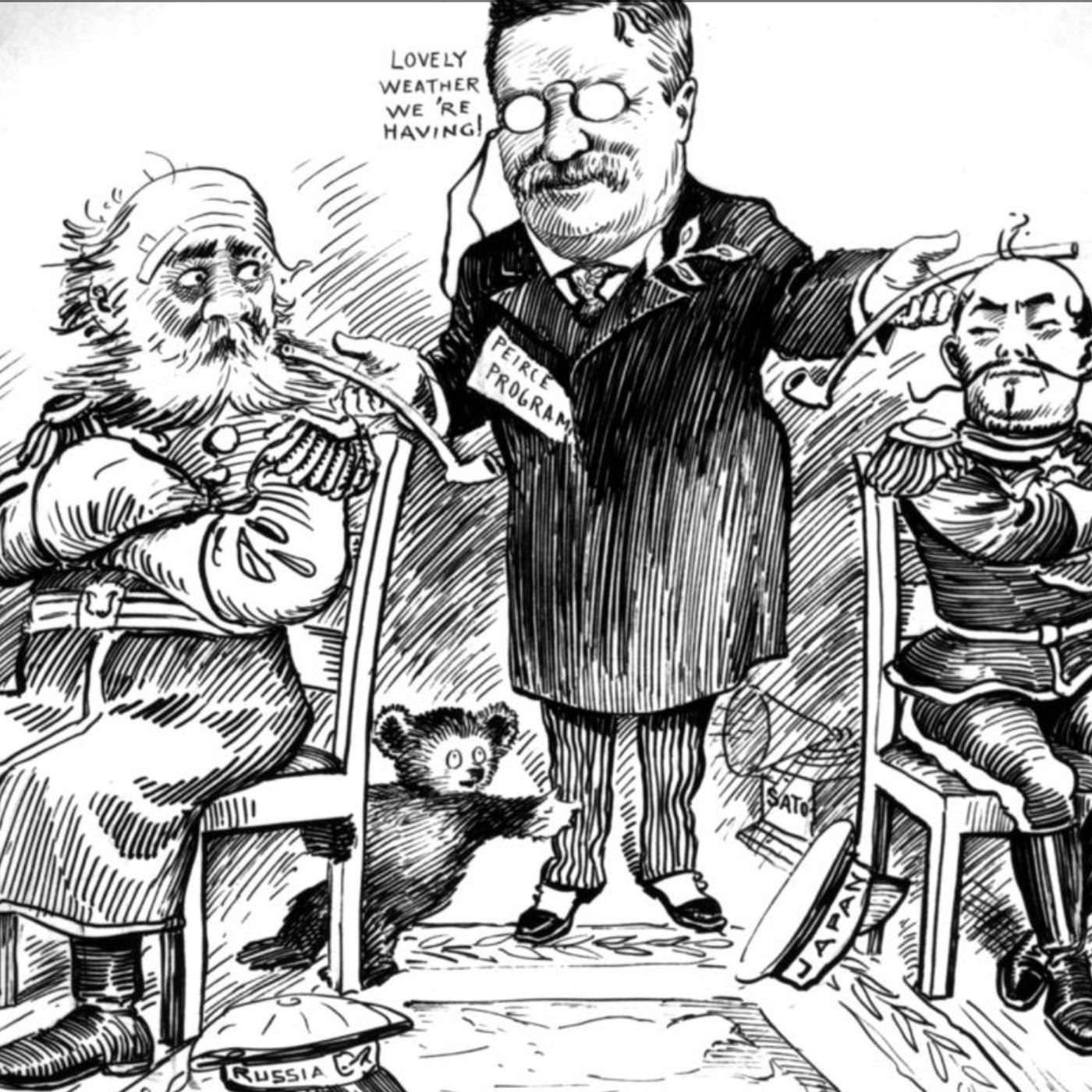
1905 PEACEMAKER ROOSEVELT Mike Pence Defends Traditional Conservatism Tal Fortgang discusses Mike Pence’s new book examining traditional Reaganite conservatism versus rising right-wing populism. Pence champions constitutional limits, free trade, and strong foreign alliances while critiquing populist isolationism, and suggests that recent election setbacks should prompt Republicans to realign with core principles. (3)
FEBRUARY 1954 Sabotage Threatens American Artificial Intelligence — Part Two David Shedd argues that Beijing’s sophisticated espionage campaign against Nvidia amounts to strategic sabotage intended to dismantle America’s lead in artificial intelligence. Meanwhile, Wall Street remains deeply vulnerable because corporate leadership repeatedly suppressed early warnings from intelligence officials about Chinese operations targeting microchips. (2)
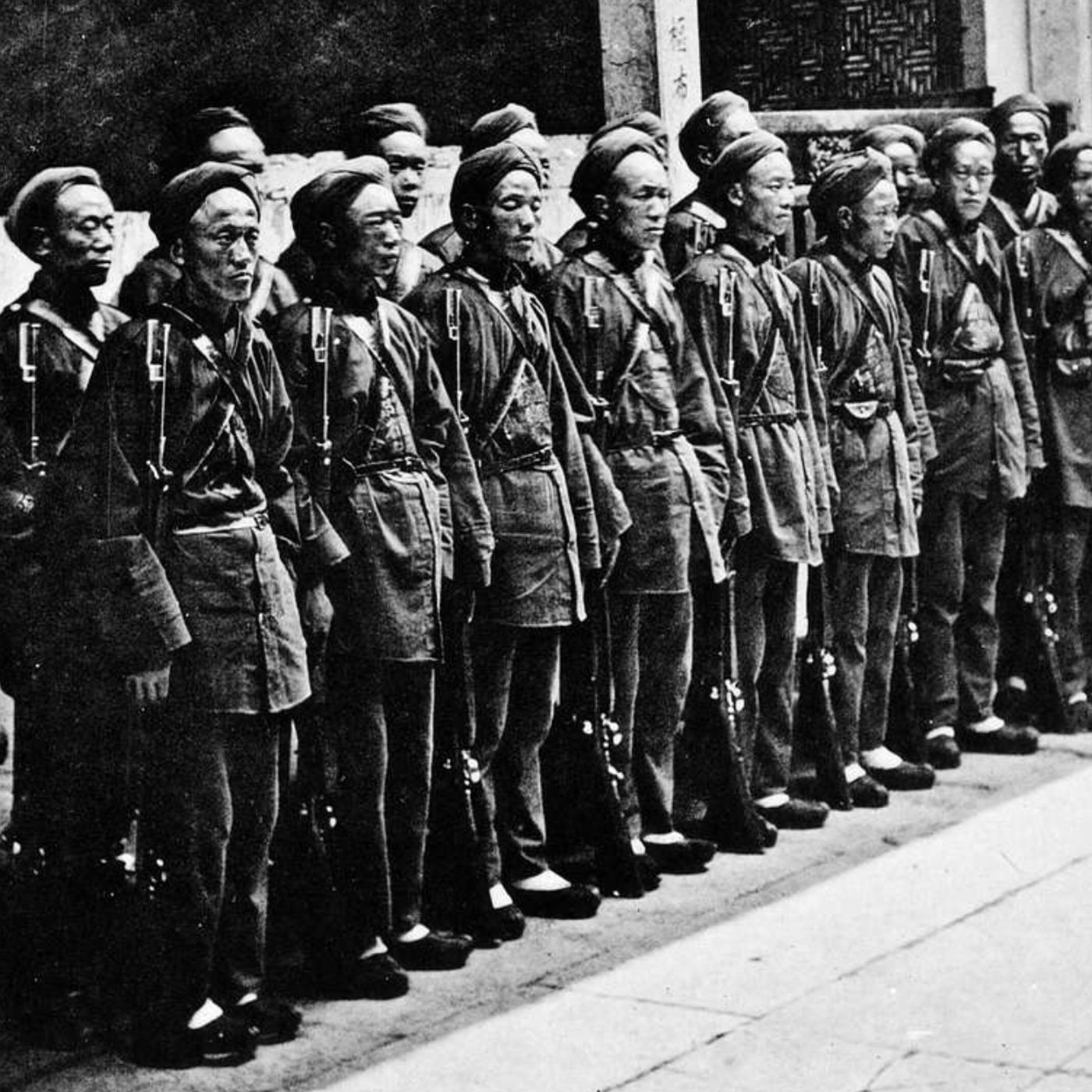
1875 CHINA Nvidia Scandal Reveals Chinese Espionage — Part One David Shedd discusses the resignation of Nvidia CEO Jensen Huang after revelations of an extramarital affair with Alice Wang, a suspected agent linked to China’s Ministry of State Security. Shedd describes how Wang exploited commercial networks to divert more than seven billion dollars in forbidden GPUs into China. (1)
John celebrates a historic Mississippi election: Scott Colom becomes the first Black U.S. senator elected by Mississippi voters since Reconstruction. John also reacts to Pete Hegseth’s entourage being reprimanded for laughing at the Tomb of the Unknown Soldier, and examines the national security questions surrounding Nvidia, its CEO’s alleged ties to a suspected Chinese intelligence asset, and Donald Trump’s role in approving chip sales to China. Dr. Tracy Pearson, John’s official West Coast Pundit Correspondent, joins him to discuss the Nvidia controversy, presidential conflicts of interest, Republican resistance to Trump’s judicial nominees, and threats against congressional oversight. Then comedians Carol Montgomery and Kevin Bartini join John to weigh in on Hegseth’s visit to Arlington, the election results, Colom’s win, and the wave of historic firsts across the country.