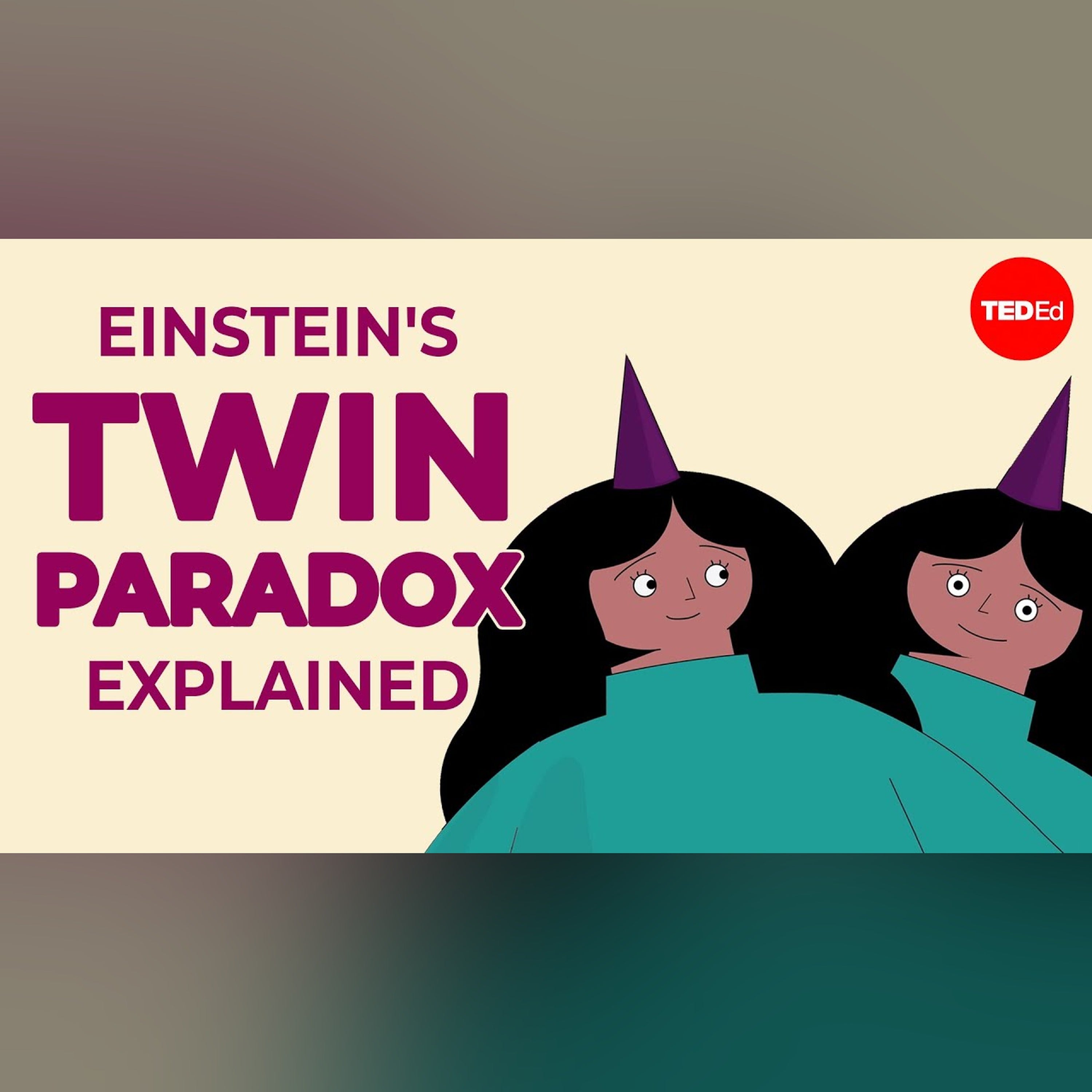
Follow two astronauts into outer space to explore time dilation and Einstein’s theory of relativity through the Twin Paradox thought experiment. Uploaded 26-09-19 -- On their 20th birthday, identical twin astronauts volunteer for an experiment. Terra will remain on Earth, while Stella will board a spaceship. Stella’s ship will travel to visit a star that is 10 light-years away, then return to Earth. As they prepare to part ways, the twins wonder what will happen when they’re reunited. Who will be older? Amber Stuver investigates the “Twin Paradox.” Lesson by Amber Stuver, directed by Aim Creative Studios. Sign up for our newsletter: http://bit.ly/TEDEdNewsletter Support us on Patreon: http://bit.ly/TEDEdPatreon Find us on Twitter: http://bit.ly/TEDEdTwitter Peep us on Instagram: http://bit.ly/TEDEdInstagram View full lesson: https://ed.ted.com/lessons/einstein-s-twin-paradox-explained-amber-l-stuver Thank you so much to our patrons for your support! Without you this video would not be
Thank you to Cyber GhostVPN for Supporting PBS. Learn More About Cyber GhostVPN: https://www.cyberghostvpn.com/PBSSpaceTime Did you know that many of us have up to 4% neanderthal DNA? And that 100% of your DNA may come from outer space? No joke. The biochemistry that defined the coding system of your DNA may have happened off-world, and perhaps even long before Earth existed. Sign Up on Patreon to get access to the Space Time Discord! PBS Member Stations rely on viewers like you. To support your local station, go to:http://to.pbs.org/DonateSPACE Check out the Space Time Merch Store Search the Entire Space Time Library Here: https://search.pbsspacetime.com/ Hosted by Matt O'Dowd Written by Christoper Pollack & Matt O'Dowd Post Production by Leonardo Scholzer, Yago Ballarini & Stephanie Faria Directed by Andrew Kornhaber Associate Producer: Bahar Gholipour Executive Producer: Andrew Kornhaber Executive in Charge for PBS: Maribel Lopez Director of Programming for PBS: Gabrielle Ewing Assi
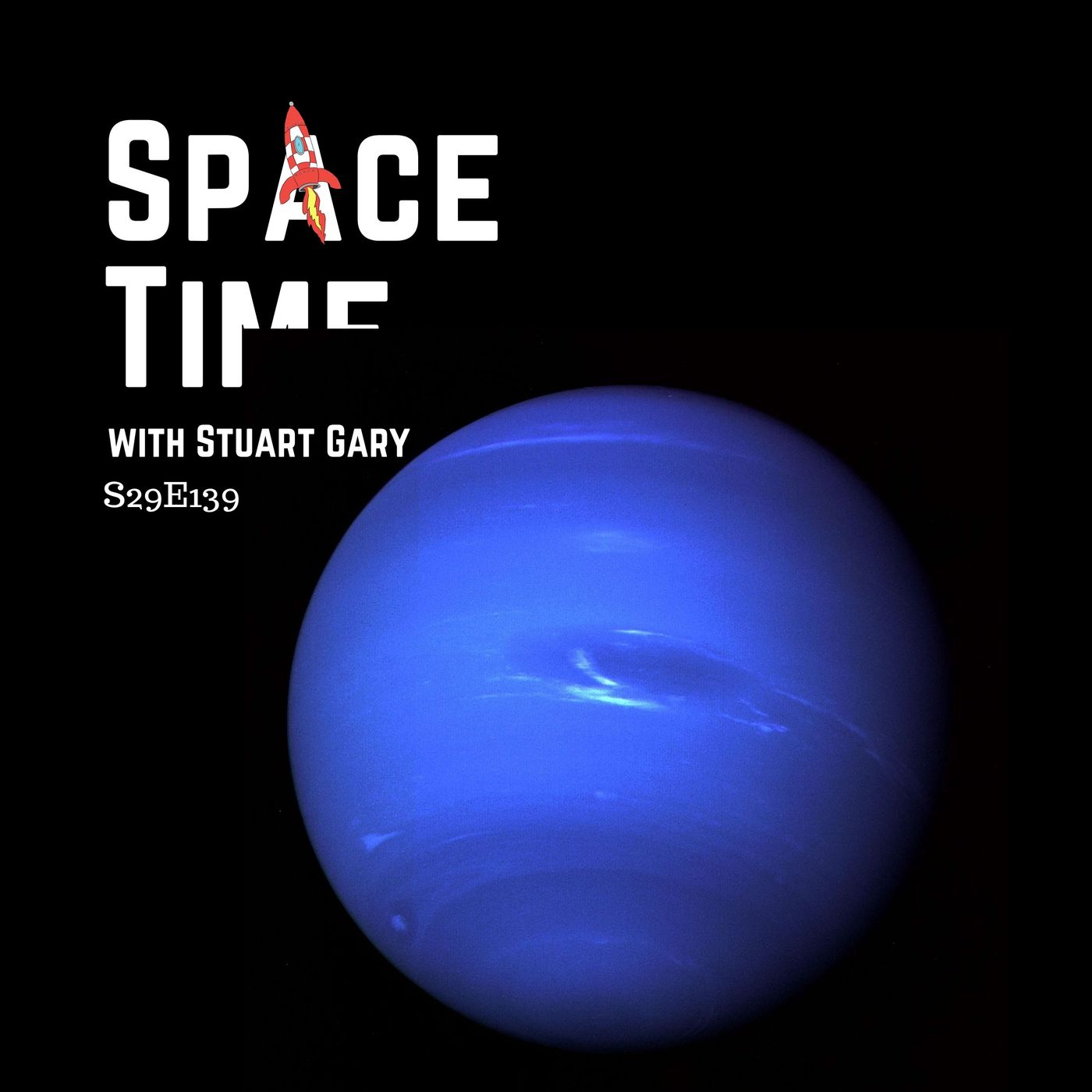
Friday SpaceTime 20261120 Series 29 Episode 139 New clues about origins of the ice giants Uranus and Neptune New study suggests the ice worlds of Uranus and Neptune had very different origins despite their similar locations on the outskirts of the solar system. Astronomers spy the heart of Comet Encke Astronomer have finally put a face to Comet Encke, the source of the Taurid meteor shower which the Earth is currently ploughing through. Fireballs lighting up the skies across America Fireballs have been reported across American skies, but NASA says they won’t associated with the currently active Taurid meteor shower. The Science Report People who frequently jolt awake while falling asleep may have higher anxiety and depression. The world can expect less overall rain, but more shorter, and more intense rainstorms. A new test to detect facial tumour disease in Tasmanian devils earlier. Study shows people on the Arabian peninsula 125 thousand years ago used complex technologies. Skeptics g
Preventing War With AGI: How Energy Hyper-Abundance and Renewables will Save Us Episode release date: 11 Jun 2023 Core Ideas: Metamodernism: Narratives and emergence view of reality - Reduce suffering - Increase prosperity - Increase understanding mantra: Seek knowledge. DISCLAIMER: This is a community-driven show. ---- Keywords: david shapiro, singularity, ai philosophy, superintelligence
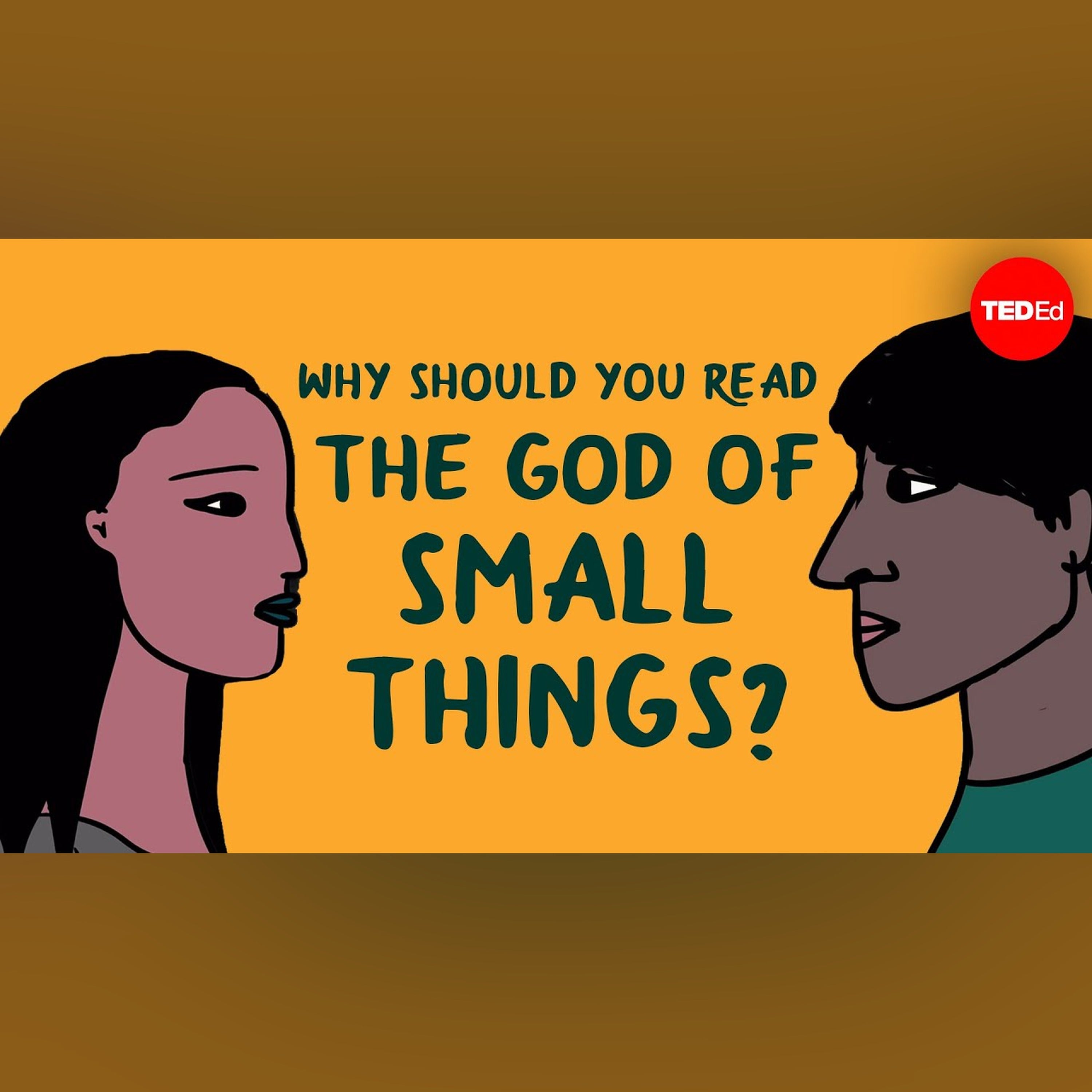
Dig into Arundhati Roy’s “The God of Small Things,” and follow the story of fraternal twins whose lives are destroyed by society’s “Love Laws.” Uploaded 24-09-19 -- Set in a small town in India, “The God of Small Things” revolves around fraternal twins Rahel and Estha, who are separated for 23 years after the fateful hours in which their cousin drowns, their mother’s affair is revealed, and her lover is murdered. The book is set at the point of the twins’ reunion and confronts the social mores of India. Laura Wright dives into Arundhati Roy’s masterful storytelling. Lesson by Laura Wright, directed by Martina Meštrović. Sign up for our newsletter: http://bit.ly/TEDEdNewsletter Support us on Patreon: http://bit.ly/TEDEdPatreon Find us on Twitter: http://bit.ly/TEDEdTwitter Peep us on Instagram: http://bit.ly/TEDEdInstagram View full lesson: https://ed.ted.com/lessons/why-should-you-read-the-god-of-small-things-by-arundhati-roy-laura-wright Thank you so much to our patrons for your suppo
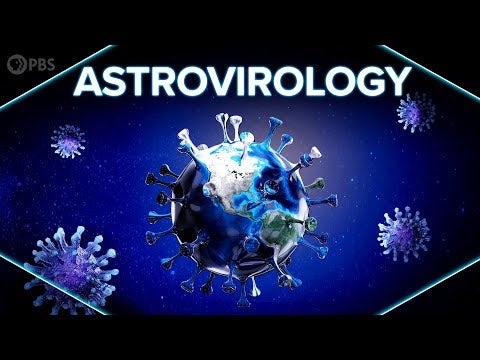
PBS Member Stations rely on viewers like you. To support your local station, go to: http://to.pbs.org/DonateSPACE ↓ More info below ↓ Uploaded 08-06-20 Sign Up on Patreon to get access to the Space Time Discord! Check out the Space Time Merch Store With the global pandemic of Covid 19 still encompassing the world, we are generally not big fans of viruses right now. But we sure are thinking about them a lot. That’s right, even astrophysicists are pondering these bizarre little critters. In fact, astrovirology, although very new, is actually an emerging subfield of astrobiology. And that’s because it turns out viruses don’t just influence organisms - they’re incredibly important on a planetary scale. Perhaps an interplanetary scale. Virology Links: Dr. Vincent Racaniello's Columbia University virology course: PBS Eons Where do Viruses Come From? Hosted by Matt O'Dowd Written by Katie McCormick and Matt O'Dowd Graphics by Leonardo Scholzer, Yago Ballarini, and Pedro Osinski Directed by: A
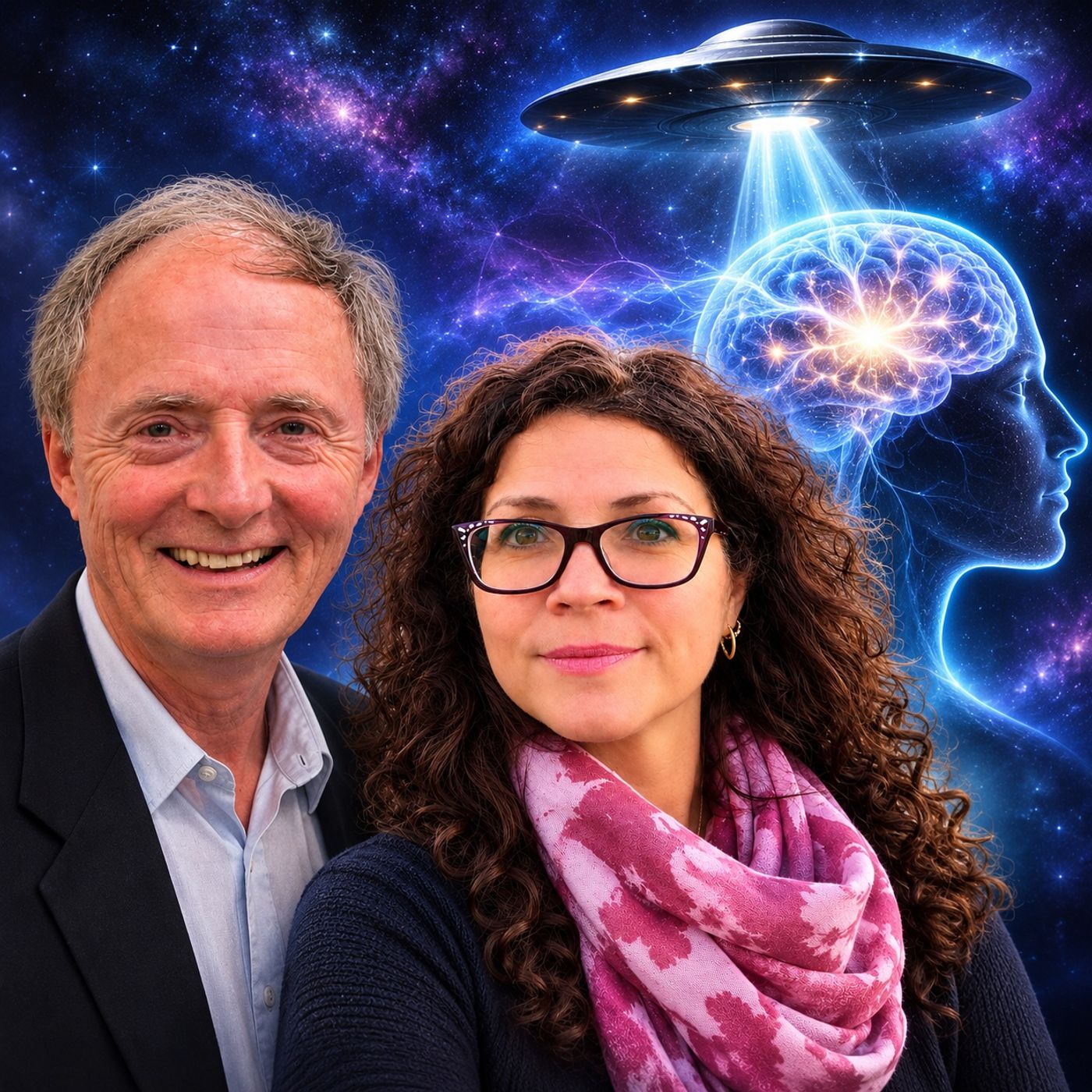
Host Martin Willis welcomes veteran UFO researcher Grant Cameron and author and researcher Desta Barnabe for an intriguing exploration of UFOs, consciousness, creativity, music, and nonhuman intelligence. Discussing their three-book Inspired Series, they examine mysterious creative breakthroughs, Chris Bledsoe's message about music, extraordinary experiences during altered states of consciousness, and the theory that the human brain acts as a receiver of information. Desta recounts her life-changing 2012 UFO encounters and her fiancé's experience of otherworldly music during a medical procedure. The conversation also explores the GATE program, MKUltra, synchronicities, psychic phenomena, alleged consciousness-controlled spacecraft, and whether a higher intelligence may be interacting with humanity in ways we have yet to understand. SHOW NOTES (https://podcastufo.com/show-801-notes-grant-cameron-desta-barnabe/) CONTACT AND SUPPORT Our Website: https://podcastufo.com (https://podcastufo.
3D printing has grown in sophistication since the late 1970s; TED Fellow Skylar Tibbits is shaping the next development, which he calls 4D printing, where the fourth dimension is time. This emerging technology will allow us to print objects that then reshape themselves or self-assemble over time. Think: a printed cube that folds before your eyes, or a printed pipe able to sense the need to expand or contract. Uploaded 23-08-13 Talk by Skylar Tibbits.
Viewers like you help make PBS (Thank you ) . Support your local PBS Member Station here: https://to.pbs.org/DonateSPACE Uploaded 10-04-17 Here's how you can get involved: 1. Tell us what you love about public media using #IlovePBS 2. Learn more about public media at http://pbs.org/value. 3. Find your representative at https://www.govtrack.us/congress/members
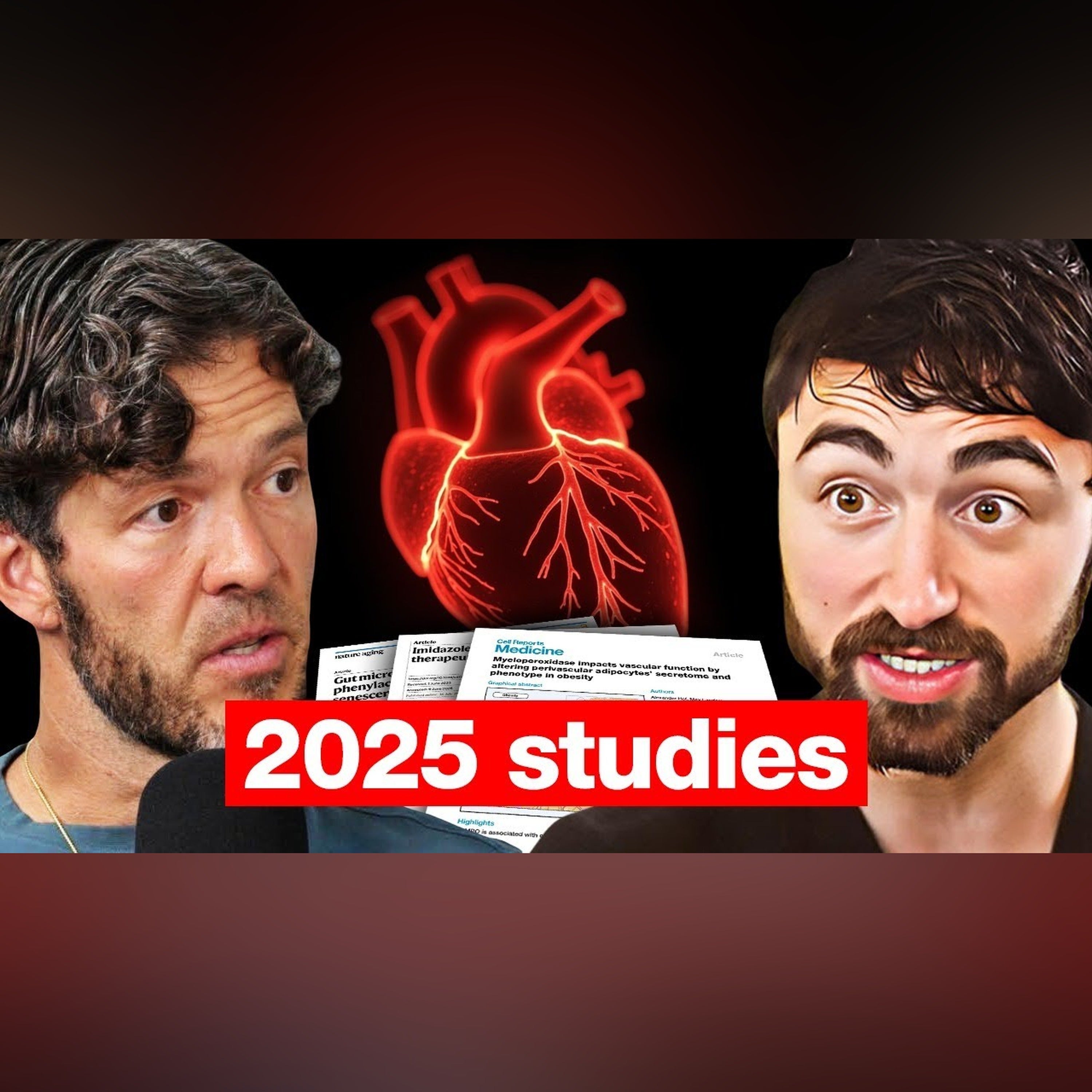
In this conversation with Mike Mutzel, MS from the High Intensity Health channel, we dive into some of the most interesting 2025 heart health studies. We explored the gut-heart axis, how body fat can alter blood vessel function and touch on oxidative stress, inflammation, the microbiome, protein, hormones and how they all relate to heart health. If you are interested in cardiovascular health nutrition, and metabolism, this one is for you! Chapter *Call our service line at 815-STAY-CUR (815-782-9287) or visit https://askchapter.org/staycurious *Learn more about the data, here: https://staycuriousmetabolism.substack.com/p/life-or-death-in-the-fine-print-the?r=40ekz2 Mike’s YouTube Channel: https://www.youtube.com/user/highintensityhealth For Deeper Dive’s into the Content Discussed: *Referenced Videos: Paper 1: Imidazole Propionate and Heart Health https://youtu.be/P7CZvAnB53E Autophagy and Depression https://youtu.be/MCCb5VkckU0 Paper 2: Aging, Phenylacetic Acid and Heart Health https:/
Download a free audiobook version of “Atlas of the Heart“ and support TED-Ed's nonprofit mission: https://www.audible.com/ted-ed Uploaded 14-02-22 -- One day, Echo was drifting through the woods and fell in love with a handsome young hunter named Narcissus. Cursed by Hera to only repeat the last words spoken by another, Echo was unable to converse with him and was soon cruelly rejected. Heartbroken, she died. Seeing this, the goddess Nemesis decided it was time for retribution. Iseult Gillespie details the myth of Narcissus's punishment. Lesson by Iseult Gillespie, directed by Serin İnan, Kozmonot Animation Studio. Support Our Non-Profit Mission ---------------------------------------------- Support us on Patreon: http://bit.ly/TEDEdPatreon Check out our merch: http://bit.ly/TEDEDShop ---------------------------------------------- Connect With Us ---------------------------------------------- Sign up for our newsletter: http://bit.ly/TEDEdNewsletter Find us on Twitter: http://bit.ly/TE
Viewers like you help make PBS (Thank you ) . Support your local PBS Member Station here: https://to.pbs.org/DonateSPACE Uploaded 31-01-18 What happens when a star eats its planets? Find out on today’s Space Time Journal Club. You can further support us on Patreon at https://www.patreon.com/pbsspacetime Get your own Space Time tshirt at http://bit.ly/1QlzoBi Tweet at us! @pbsspacetime Facebook: facebook.com/pbsspacetime Email us! pbsspacetime [at] gmail [dot] com Comment on Reddit: http://www.reddit.com/r/pbsspacetime Help translate our videos! https://www.youtube.com/timedtext_cs_panel?tab=2&c=UC7_gcs09iThXybpVgjHZ_7g (https://www.youtube.com/timedtext_cs_panel?c=UC7_gcs09iThXybpVgjHZ_7g&tab=2) Previous Episode: The End of Habitable Zone RESOURCES Starlifting Kronos and Krios: Evidence for Accretion of a Massive, Rocky Planetary System in a Comoving Pair of Solar-Type Stars Korycansky, Laughlin and Adams 2000 https://deepblue.lib.umich.edu/bitstream/handle/2027.42/41972/10509_2004_Ar
AI Companions: Social Impact - How tech like ChatGPT, virtual companions, and robots will change us Episode release date: 21 Jan 2023 Core Ideas: Metamodernism: Narratives and emergence view of reality - Reduce suffering - Increase prosperity - Increase understanding mantra: Seek knowledge. DISCLAIMER: This is a community-driven show. --- Keywords: ai podcast, prompt engineering, chatbots, tech singularity, post labor economics, ai agents
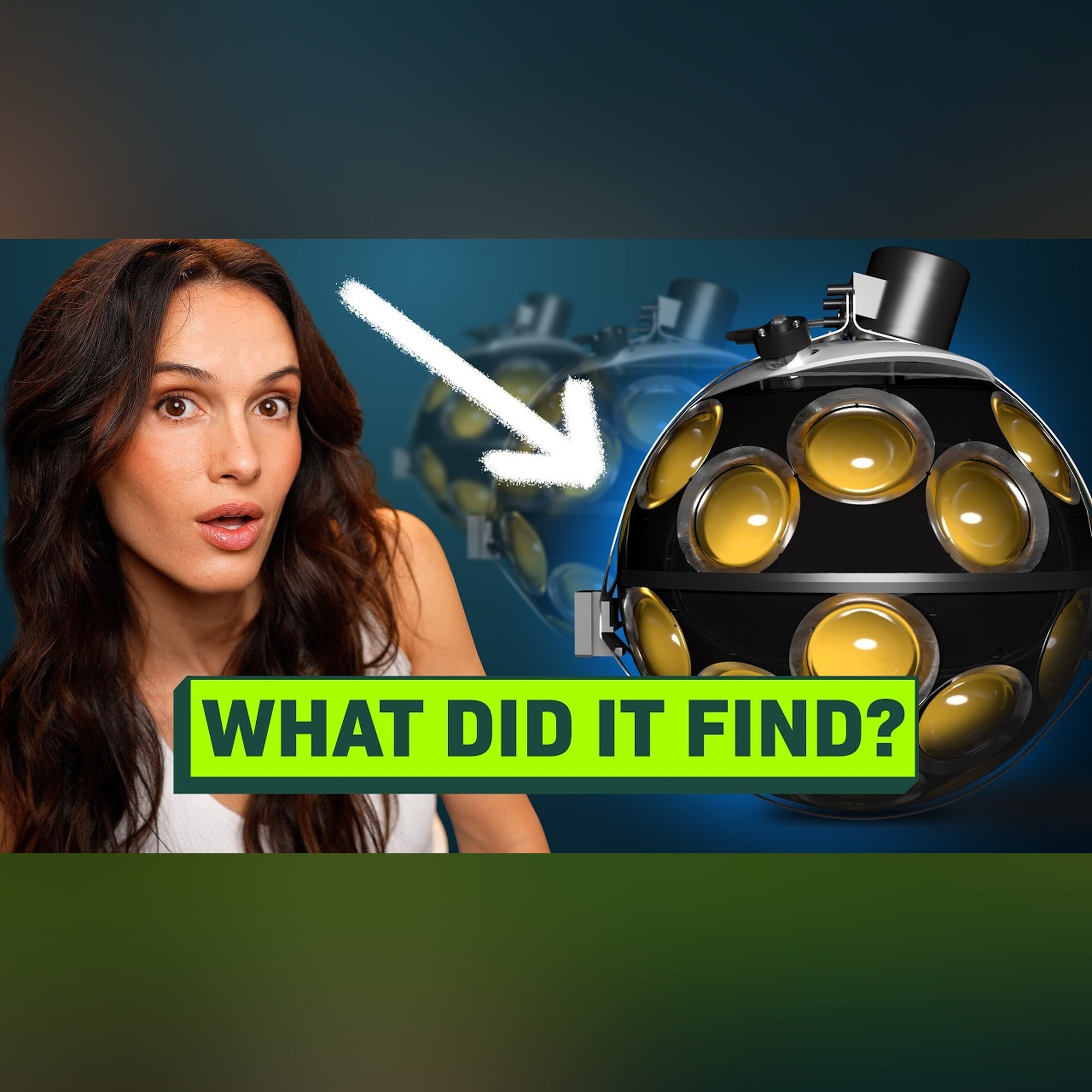
Off the coast of Sicily, there’s a massive underwater machine. It looks like a forest of floating spheres… And on the surface, hidden in an abandoned winery, a computer watches them and waits. And in 2023, they saw something… Something WAY smaller than an electron tore through that forest, setting off a signal nearly 30x more powerful than anything like it we’ve seen before, which means something HUGE must have happened way out in space. This crazy experiment is not alone! Down in Antarctica, buried deep in the ice, are over 5000 more of these mysterious spheres. Together, these two machines – called KM3net and Ice Cube – are part of a massive global effort to give us a brand new way to find and look inside the biggest, most extreme, cosmic events in our universe. But to do it, they need to catch the most elusive particle in all of physics. And in this episode of HUGE* If True, we’re going to show you how… This episode was made possible by AT and T, the official connectivity partner of
Explore the head-scratching problem of dandruff, and find out why it happens, and how it can be treated. Uploaded 09-02-21 -- On top of our heads, there is a type of yeast that lives and dines on all of our scalps. Feasting constantly, it’s in paradise. And in about half of the human population, its activity causes dandruff. So, why do some people have more dandruff than others? And how can it be treated? Thomas L. Dawson explores this head-scratching problem. Lesson by Thomas L. Dawson, directed by Artrake Studio. Support Our Non-Profit Mission ---------------------------------------------- Support us on Patreon: http://bit.ly/TEDEdPatreon Check out our merch: http://bit.ly/TEDEDShop ---------------------------------------------- Connect With Us ---------------------------------------------- Sign up for our newsletter: http://bit.ly/TEDEdNewsletter Find us on Twitter: http://bit.ly/TEDEdTwitter Peep us on Instagram: http://bit.ly/TEDEdInstagram ----------------------------------------
PBS Member Stations rely on viewers like you. To support your local station, go to: http://to.pbs.org/DonateSPACE ↓ More info below ↓ Uploaded 11-05-20 Sign Up on Patreon to get access to the Space Time Discord! Check out the Space Time Merch Store As the 19th century came to a close, physicists were feeling pretty satisfied with the state of their science. The great edifice of physical theory seemed complete. A few minor experiments remained to verify everything. Little did those physicists know that one of those experiments would bring the entire structure crashing down paving the way for the physics revolution of the 20th century. Hosted by Matt O'Dowd Written by Sarah Wells and Matt O'Dowd Graphics by Leonardo Scholzer, Yago Ballarini, and Pedro Osinski Directed by: Andrew Kornhaber Camera Operator: Bahaar Gholipour Executive Producers: Eric Brown and Andrew Kornhaber End Credits Music by J.R.S. Schattenberg: https://www.youtube.com/channel/UCRl6-nb4iOnsij-vnpAjp0Q #space #astrophy
Explore William Shakespeare’s play “The Tempest”, a story of shipwreck, magic and a fight for power. Uploaded 05-02-19 -- Claps of thunder and flashes of lightning illuminate a swelling sea, as a ship buckles beneath the waves. It is no ordinary storm, but a violent and vengeful tempest, and it sets the stage for Shakespeare’s most enigmatic play. Why does this play still resonate with modern readers? Iseult Gillespie investigates. Lesson by Iseult Gillespie, directed by Héloïse Dorsan Rachet. Sign up for our newsletter: http://bit.ly/TEDEdNewsletter Support us on Patreon: http://bit.ly/TEDEdPatreon Find us on Twitter: http://bit.ly/TEDEdTwitter Peep us on Instagram: http://bit.ly/TEDEdInstagram View full lesson: https://ed.ted.com/lessons/why-should-you-read-shakespeare-s-the-tempest-iseult-gillespie Thank you so much to our patrons for your support! Without you this video would not be possible! Eduardo Briceño, Bill Feaver, Ricardo Paredes, David Douglass, Paul Coupe, Jen , Megan Whi
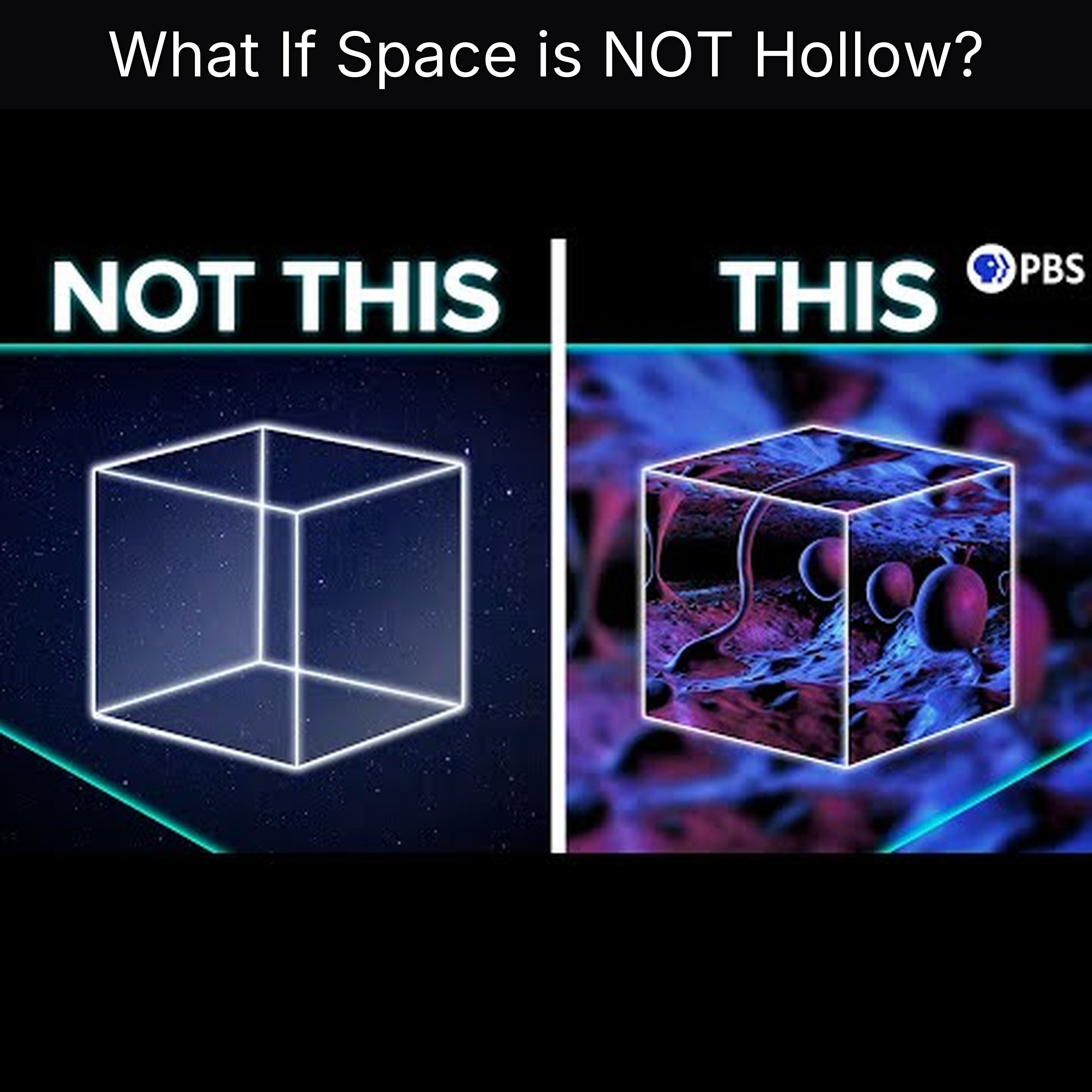
To Learn More About Surfshark Check Out: http://surfshark.deals/spacetime PBS Member Stations rely on viewers like you. To support your local station, go to:http://to.pbs.org/DonateSPACE Sign Up on Patreon to get access to the Space Time Discord! Spacetime on its smallest scales is a seething ocean of black holes and wormholes flickering into and out of existence—or so many physicists think has to be the case. But why should we take this spacetime foam seriously if we’ve never seen any evidence of it? Check out the Space Time Merch Store Search the Entire Space Time Library Here: https://search.pbsspacetime.com/ Hosted by Matt O'Dowd Written by Christopher Pollack & Matt O'Dowd Post Production by Leonardo Scholzer, Yago Ballarini, Adriano Leal & Stephanie Faria Directed by Andrew Kornhaber Associate Producer: Bahar Gholipour Executive Producers: Eric Brown & Andrew Kornhaber Executive in Charge for PBS: Maribel Lopez Director of Programming for PBS: Gabrielle Ewing Assistant Director o
Dig into the complicated history of divorce— from the earliest known divorce laws in ancient Mesopotamia to modern day. Uploaded 28-01-21 -- Formally or informally, human societies across place and time have made rules to bind and dissolve couples. The stakes of who can obtain a divorce, and why, have always been high. Divorce is a battlefield for some of society’s most urgent issues, including the roles of church and state, individual rights, and women’s rights. Rod Phillips digs into the complicated history of divorce. Lesson by Rod Phillips, directed by Chintis Lundgren. Support Our Non-Profit Mission ---------------------------------------------- Support us on Patreon: http://bit.ly/TEDEdPatreon Check out our merch: http://bit.ly/TEDEDShop ---------------------------------------------- Connect With Us ---------------------------------------------- Sign up for our newsletter: http://bit.ly/TEDEdNewsletter Find us on Twitter: http://bit.ly/TEDEdTwitter Peep us on Instagram: http://bi
Viewers like you help make PBS (Thank you ) . Support your local PBS Member Station here: https://to.pbs.org/DonateSPACE Uploaded 08-11-17 Let’s talk about the mysterious zero-point energy and what it really can, and really can’t do. You can further support us on Patreon at https://www.patreon.com/pbsspacetime Get your own Space Time tshirt at http://bit.ly/1QlzoBi Tweet at us! @pbsspacetime Facebook: facebook.com/pbsspacetime Email us! pbsspacetime [at] gmail [dot] com Comment on Reddit: http://www.reddit.com/r/pbsspacetime Help translate our videos! https://www.youtube.com/timedtext_cs_panel?tab=2&c=UC7_gcs09iThXybpVgjHZ_7g (https://www.youtube.com/timedtext_cs_panel?c=UC7_gcs09iThXybpVgjHZ_7g&tab=2) Previous Episode: The Vacuum Challenge | Space Time The quantum field theory predicts that there exists an energy of the vacuum resulting from the non-zero zero-point energies of the quantum fields that fill our universe. As we discussed in our last episode on the vacuum catastrophe, th
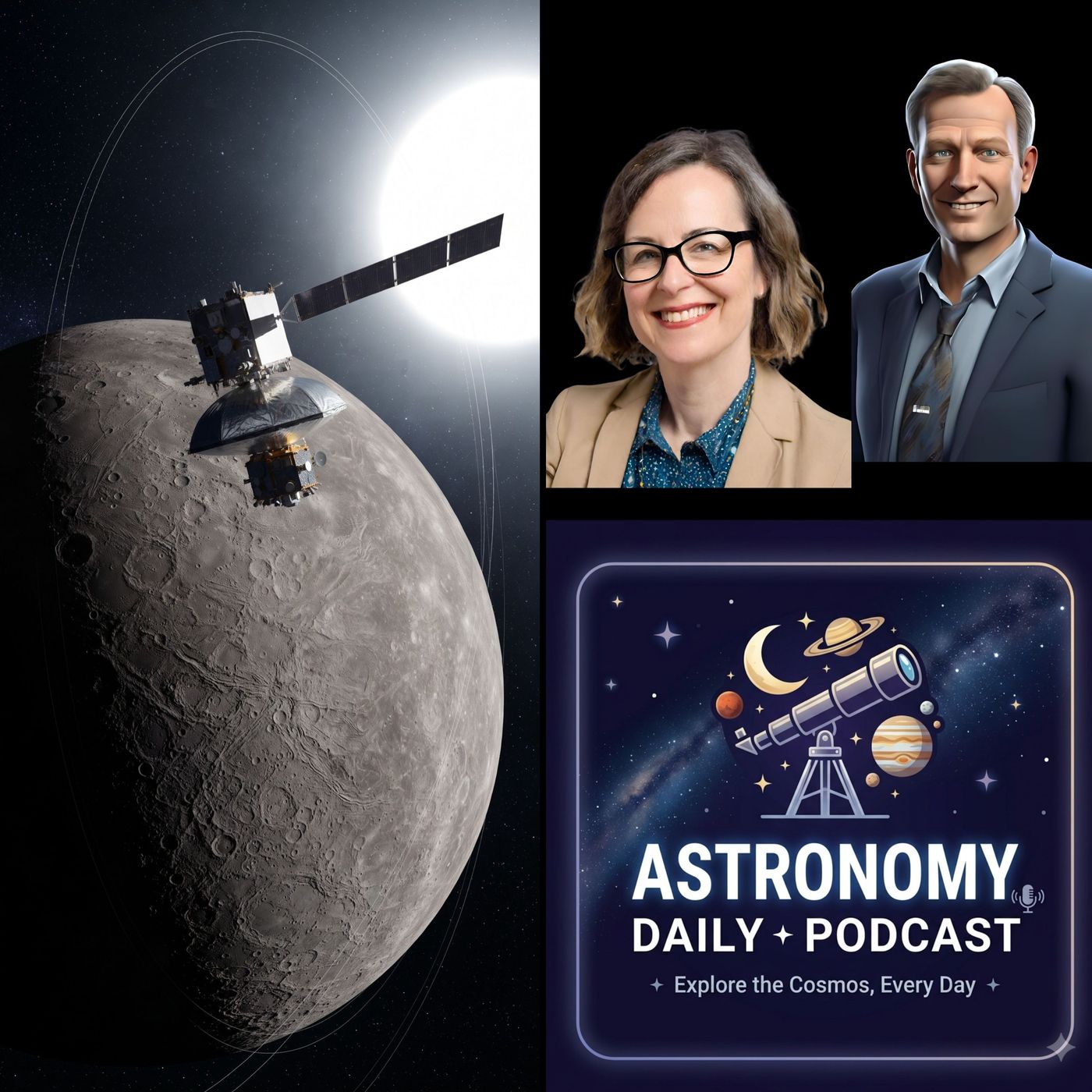
After more than eight years and nine planetary flybys, the ESA/JAXA BepiColombo mission is due to be captured into orbit around Mercury on Saturday 21 November 2026, the first mission to put two spacecraft in orbit there at once. Anna and Avery explain why the closest planet to the Sun is one of the hardest to reach, how the gentle 'weak stability boundary' capture works, and what happens between now and the start of science in April 2027. Also: Webb and a string of survey telescopes reconstruct a giant star swallowing its companion in the Andromeda galaxy; Voyager 1 reaches one light-day from Earth just as it stops sending data; and Fermi maps 450 sources in the under-explored 'MeV gap', including the globular cluster M2. Quick hits on Rocket Lab's 100th Electron, Shenzhou 24's Pakistani astronaut and the Cygnus 'S.S. Jim Lovell'. Skywatch: Mercury at greatest elongation on BepiColombo's arrival day, Andromeda, and M2 for both hemispheres. In this episode BepiColombo: the long way to
Generative AI for CEOs: How to think about AI today, and how to get the most ROI from it Episode release date: 9 Jul 2023 Core Ideas: Metamodernism: Narratives and emergence view of reality - Reduce suffering - Increase prosperity - Increase understanding mantra: Seek knowledge. DISCLAIMER: This is a community-driven show. ------ Keywords: ai philosophy, singularity, ai education, deep learning, openai, tech singularity
Trace the strange history of Graham crackers, invented by minister Sylvester Graham in order to curb the vices of Americans. -- In the 1800s, minister Sylvester Graham believed Americans had a big problem— not just with their bodies, but their souls. He argued that overindulgence was fueling their baser desires, making them immoral and oversexed. To curb this corruption, puritanical reformers advocated for foods they thought curbed a variety of appetites. Stephanie Honchell Smith details the invention of Graham crackers. Lesson by Stephanie Honchell Smith, directed by Anton Bogaty. Support Our Non-Profit Mission ---------------------------------------------- Support us on Patreon: http://bit.ly/TEDEdPatreon Check out our merch: http://bit.ly/TEDEDShop ---------------------------------------------- Connect With Us ---------------------------------------------- Sign up for our newsletter: http://bit.ly/TEDEdNewsletter Find us on Twitter: http://bit.ly/TEDEdTwitter Peep us on Instagram: h
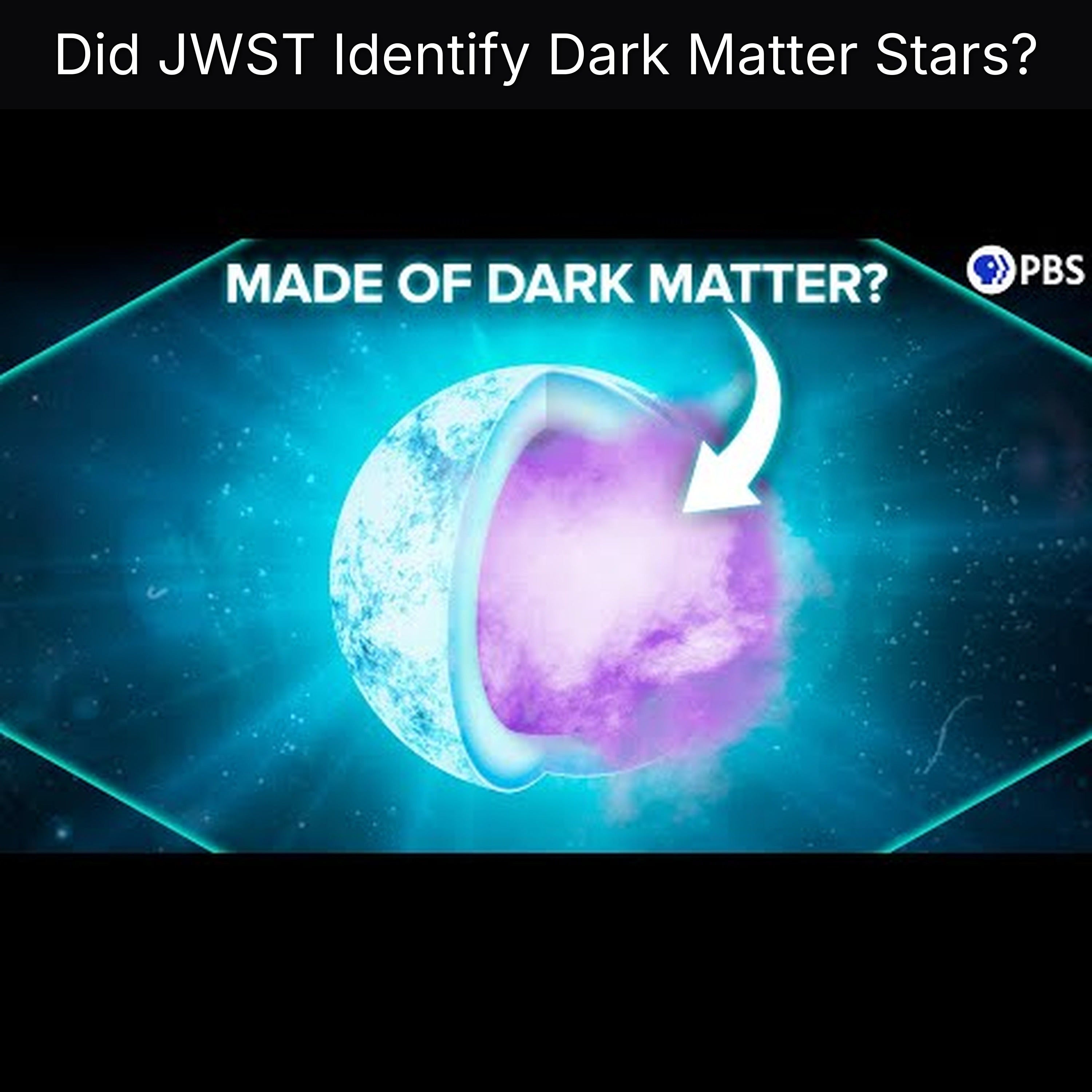
Check Out Human Footprint on PBS Terra: https://youtu.be/-c_KBWyPGaQ PBS Member Stations rely on viewers like you. To support your local station, go to:http://to.pbs.org/DonateSPACE Sign Up on Patreon to get access to the Space Time Discord! We knew that the James Webb Space Telescope would find interesting stuff, especially about the mysterious early times. For example, there are hints that the galaxies we’re seeing are brighter and more regular than expected given the short amount of time they’d had to grow. Well, perhaps no one was expecting that we’d find a completely new type of star—one mostly made of and powered by dark matter and shining as bright as an entire galaxy. Which, by the way, might help us explain those pesky giant galaxies. Check out the Space Time Merch Store Search the Entire Space Time Library Here: https://search.pbsspacetime.com/ Hosted by Matt O'Dowd Written by Matt Caplan & Matt O'Dowd Post Production by Leonardo Scholzer, Yago Ballarini, Adriano Leal & Steph