14/11/26 Farming Today This Week: organic salmon; bluetongue and midges; COP31 and food waste; root veg; school milk.
23 min
Listen through the publisher, then discuss the episode here or arrange an in-person Roundtable. Your city determines where to meet.
Roundtables are designed for groups of four, with a shared subject and room for everyone to speak. Come for discussion, with no dating expectation.
The organic certification body, the Soil Association, is withdrawing from the farmed salmon sector. They cite high fish mortality and welfare and environmental standards. The farms can still be certified, but not to the higher standards The Soil Association says it represents. Great Britain has seen its worst ever outbreak of the livestock disease bluetongue this year. It can kill sheep and cattle and lead to birth defects and infertility, though it's not harmful to humans. It's spread by midges, we speak to a scientist who's trapping and monitoring midges to study how the disease is spread. Tens of thousands of delegates are discussing ways to reduce the impact of waste agree new targets at COP31 in Turkey. The Waste and Resources Action Programme, or WRAP, is calling on the COP to commit to global policies to tackle it. All this week we are looking at root crops. It's been another difficult and expensive year for carrot growers. The trade body estimating yields are likely to be 15-30% below expectation. We speak to one of the country's biggest carrot producers. Traditionally carrots, celeriac and beetroot are grown in fertile soils, ploughed and tilled, to create a fine tilth or bed, for sowing seeds and producing consistent crops. One market garden in Gloucestershire is doing the complete opposite, growing 50 types of vegetables in an organic regenerative system. How do you produce root veg in the stony soils of the Cotswolds, without digging? School milk has been on the menu for generations of pupils, and free or subsidised milk depends on their age and where in the UK they go to school. Now children in Wales may be about to lose the option of their 'free morning milk'. Presenter = Charlotte Smith Producer = Rebecca Rooney
Episode information is provided by the publisher. Listening takes place on the publisher’s service.
View full lesson: http://ed.ted.com/lessons/vermicomposting-how-worms-can-reduce-our-waste-matthew-ross Uploaded 26-06-13 Nearly one third of our food ends up in the trash can. There is hope, however, in the form of worms, which naturally convert organic waste into fertilizer. Matthew Ross details the steps we can all take to vermicompost at home -- and why it makes good business sense to do so. Lesson by Matthew Ross, animation by Cinematic Sweden.
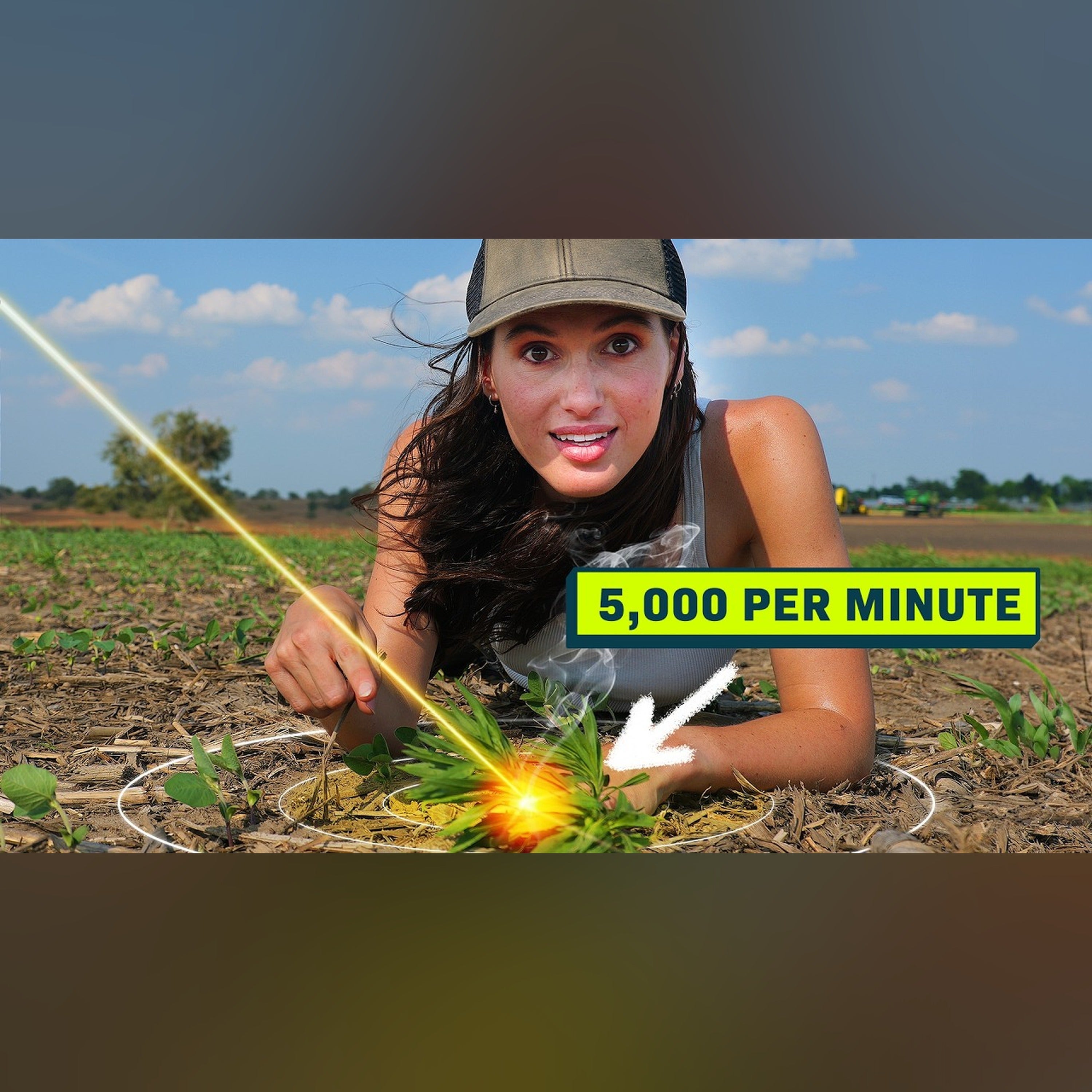
Growing food doesn’t look like I thought… Learn more about Dropbox for teams: https://www.dropbox.com/cleo Thanks Dropbox for sponsoring this video! Right now, we’re living through one of the most pivotal moments in food history… and most people have no idea it’s happening. Experts are calling the “Fourth Agricultural Revolution” and it’s here because we’re facing a big problem: The world’s population is rising, so experts say we’ll need to increase food output to catch up with our current population and feed those new people. But we’ve got to do it in ways that actually protect the Earth long term. Right now, farmers are in a fight to feed the world. So let me show you some of the coolest machines they’re using to do it… Chapters: 0:00 What’s the fourth agricultural revolution? 01:15 Why do we need more food? 1:54 Where does farming tech get tested? 3:00 What were the first 3 agricultural revolutions? 3:58 How do we feed billions more people… better? 4:31 How do farmers grow more food
For extra details and all references, see this newsletter: https://staycuriousmetabolism.substack.com/p/a-keto-diet-cured-my-inflammatory?r=40ekz2 Description: There was a time when I was dying from inflammatory bowel disease. It was my rock bottom. Out of desperation, I tried a ketogenic diet—and within a week, everything changed. My symptoms stopped, inflammation markers dropped, and follow-up testing showed no active disease. In this video, I unpack what may have happened biologically. We walk through human and animal data showing how a ketogenic diet reshapes the gut microbiome, suppresses inflammatory TH17 immune cells, and reduces inflammation not just in the intestines, but system-wide. We even look at fecal transplant experiments demonstrating that the ketogenic microbiome itself can transfer anti-inflammatory effects. This isn’t a promise or a prescription. It’s a personal story, grounded in real data, that explores the tension between lived biology and what medicine has—or ha
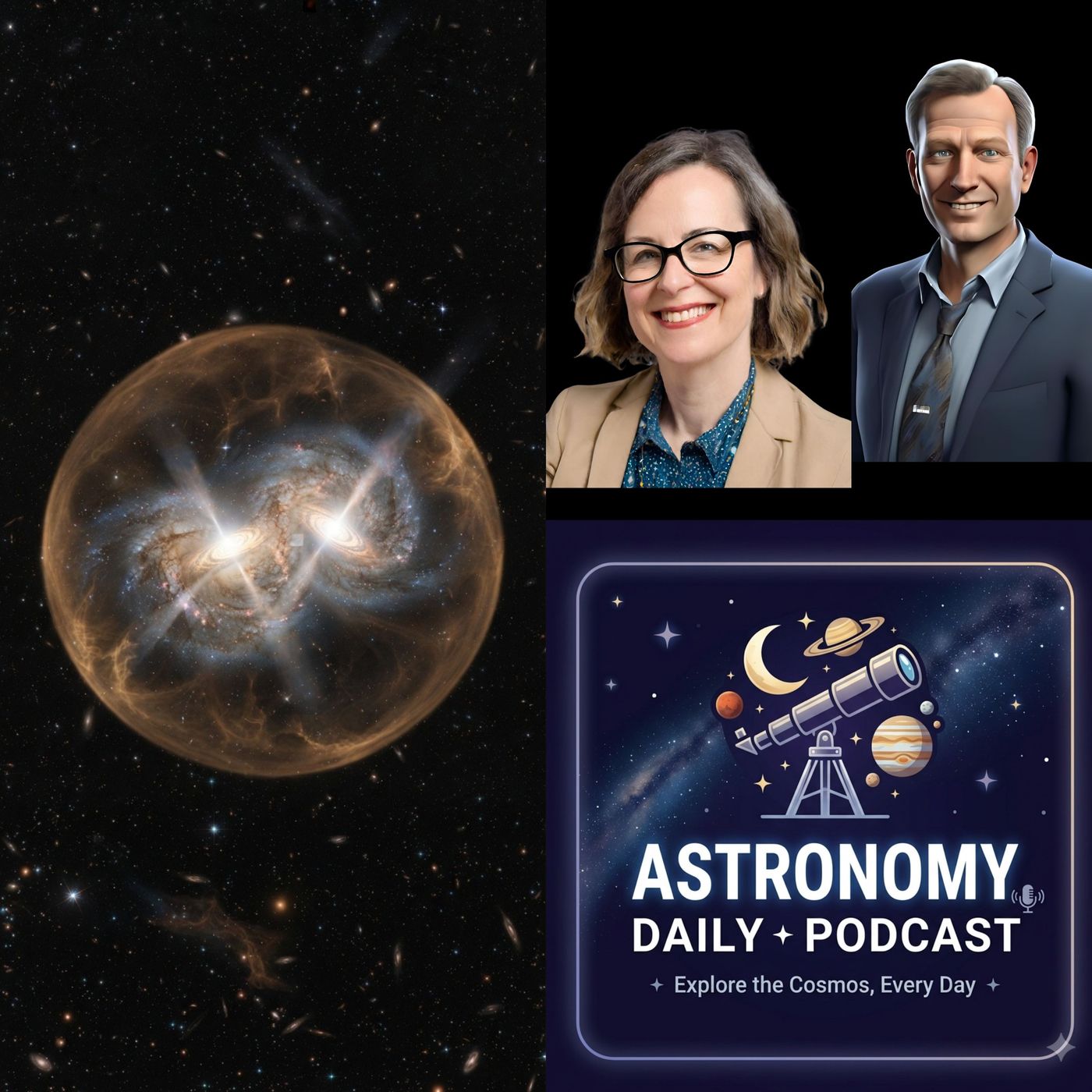
Eleven billion years ago two quasars blazed side by side, and this week astronomers weighed the invisible gas around them by the shadow it casts on the cosmic microwave background. There is 3.6 times more heat in it than gravity can explain. Plus a triple star 28 light-years away that 'should not exist', a pulsar found in ten hours with an algorithm borrowed from cryptography, The Week That Was, and the weekend sky from both hemispheres. In this episode Lead: Hot bubble around the dual quasar J1549+1245 at z = 2.37, measured with ALMA via the thermal Sunyaev–Zel'dovich effect (Hall, Zakamska et al., Nature Astronomy, 18 Nov 2026). Fresh item: Welopōʻai, the closest known triple with two white dwarfs, 28 light-years away (Artigau et al., A&A, 19 Nov 2026). Week That Was: Starship Flight 15 ship catch, CSIRO GenDIReCT and M87, SN 2026ahvu, failed supernovae in gravitational waves (E230); Voyager 1 one light-day, Beta Pictoris ices, heavy-oxygen water, Roman alignment (E231); Terra ends,
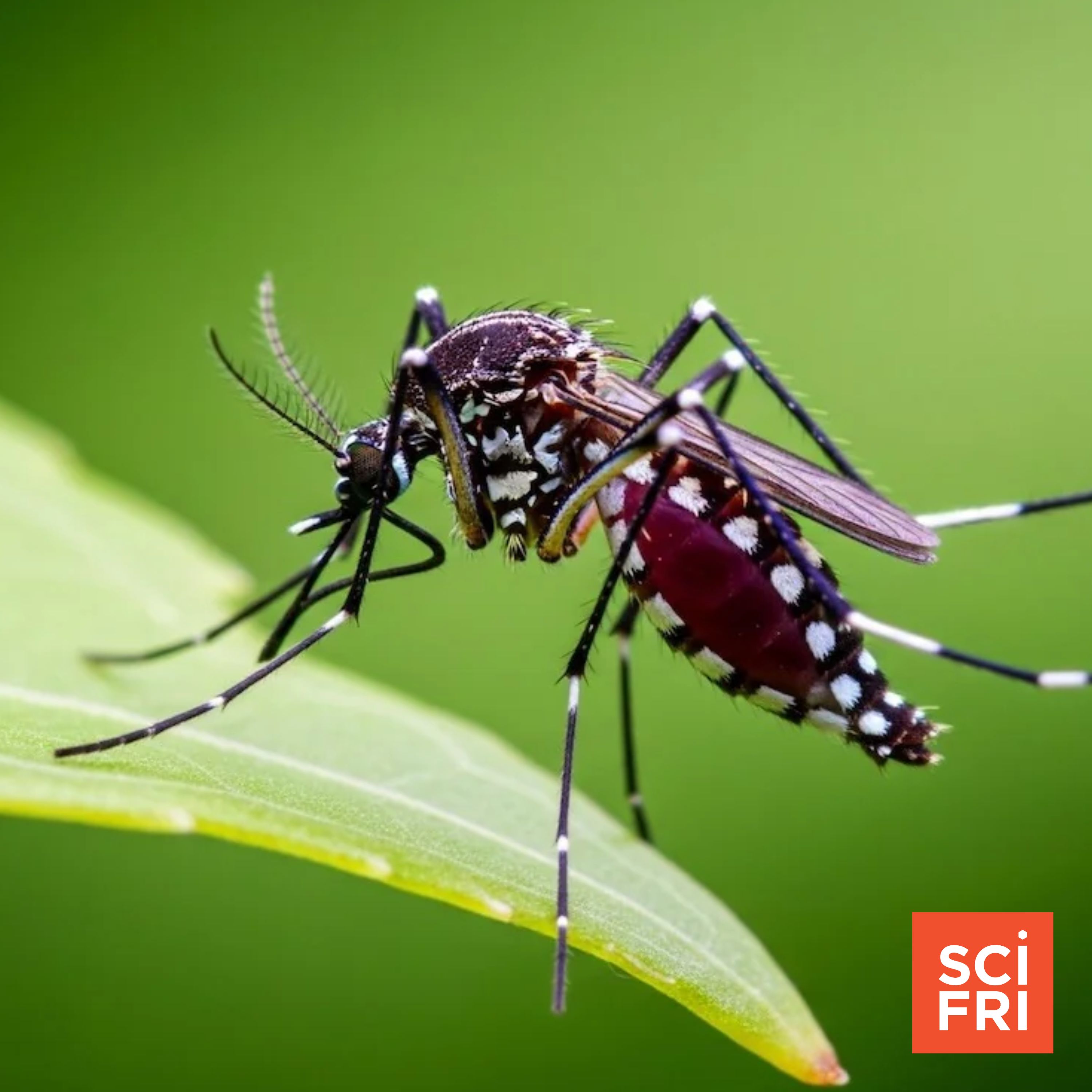
In Florida, three counties have declared states of emergency due to rising cases of dengue (https://www.sciencefriday.com/segments/floridas-dengue-outbreak/)—a viral infection spread by mosquitos carrying the dengue virus. There have been around 1,000 cases (https://www.cdc.gov/dengue/data-research/facts-stats/current-data.html) in the state this year, making it the largest outbreak (https://apnews.com/article/dengue-virus-outbreak-florida-7f0bda2b0a1e7895e834010f38cedb1e) in the continental U.S. in decades. But this is part of a larger story. Over the last couple of decades, the number of dengue cases has surged globally, and dengue is becoming more common in places it hasn’t historically been. So what’s behind these shifts? And what public health measures should we be thinking about? Flora chats about this with epidemiologist Gabriela Paz-Bailey, chief of CDC’s dengue branch in San Juan, Puerto Rico. Guest: Dr. Gabriela Paz-Bailey is an epidemiologist and chief of the dengue branch i
For some reason, it did not stop him.Now I just want to ask you something real quick to put you in the mind of a bear. If you found some of your favorite food just left out and you somehow, like me most of the time, just couldn’t resist the temptation. Bears live and eat by what is detected by their noses, so logically, after eating its fill, a proper expectation would be that the bear would go sleep off a large meal upwind of where its food was cached. The wind carries both scent and sound to the bear as it rests and acts as an alarm to it to defend its cache. The hide was still up in the birch, untouched. He dropped his packboard at the base of the tree and glanced up to see where he would need to climb. Movement in the brush, some three hundred feet away, caught his eye. Two bears, roughly thirty feet apart, moved through the brush. From their color and build, he identified them as grizzlies, also called coastal brown bears.Up to that day, every bear he had met in the wild had chose
The government says tomorrow's UK-EU summit will result in a food and drink trade deal which will cut back on paperwork, ease pressure on prices and add 'up to £5billion a year to our economy'. Behind the headlines are complicated talks on complicated rules governing things like food safety, pesticides, and genetic modification and gene editing. Today we're going to look at the possible impact on England's biotechnology sector. As part of this week's focus on trees, we're talking walnuts: most of those we eat here in the UK are imported, but a couple of sheep farmers in Warwickshire hope to change that, and have diversified into both importing and growing walnut trees. Presented by Charlotte Smith and produced by Beatrice Fenton.
The EU and UK will hold a long-awaited summit in Brussels later. A new trade agreement could remove checks and paperwork faced by exporters since Brexit. It's anticipated that the new deal will mean realigning with EU rules on aspects of agricultural production here in the UK, including regulation of pesticides. Farming leaders have warned this could strip British farmers of several products used to protect their crops and raise costs and are calling for a phased transition but wildlife and environmental groups want the negotiations to be a starting point for what they describe as a "far more ambitious plan" to cut pesticide use and restore nature. Farmers in England will be able to apply to a £15 million fund to help them dig new reservoirs and install water storage tanks from the end of the month. It's part of a wider drought resilience package announced by the prime minister back in August. The government's now confirmed the application window for round three of the water management
The UK's significant talks towards re-alignment with the EU will take place this Friday, and food and farming will be central to the discussions. Food trade was one of the areas most impacted by Brexit, and now re-drawing the EU UK relationship could cause disruption too. But will it be beneficial for farmers and food producers? We ask the president of the National Farmers Union. Government figures have shown a dramatic drop in new woodland creation in Scotland in 2025, falling well short of the Scottish Government's own original target of 18,000 hectares. In fact less than half of that was planted - a drop of 44% compared to 2024. That roughly mirrors a big cut in the cash for the Scottish Government’s forestry grant scheme, of 41%. But foresters say it’s more complicated than just a direct effect of cuts. And we speak to Lantra - a charity which helps young people into rural careers, training and education - about how Alan Milburn's report into NEETs might improve prospects for young
Paid endorsements should be clearly distinguished from independent recommendations.
Share your view, then see how readers voted. No sign-in required. This poll is shared across stories.
Do you agree or disagree?
Common Quandary
A Common Quandary to discuss
Another conversation to explore, separate from this news story.
Your roommate's partner sleeps over six nights a week. Are they now a roommate?
Your roommate's partner stays almost every night, showers daily, and keeps food in the kitchen. They are pleasant and spend weekends elsewhere, but pay no rent or utilities. The lease limits overnight guests.
When does welcome presence become an obligation to contribute?