77. Digital wallets: less paperwork, more time for farming
Listen through the publisher, then discuss the episode here or arrange an in-person Roundtable. Your city determines where to meet.
Roundtables are designed for groups of four, with a shared subject and room for everyone to speak. Come for discussion, with no dating expectation.
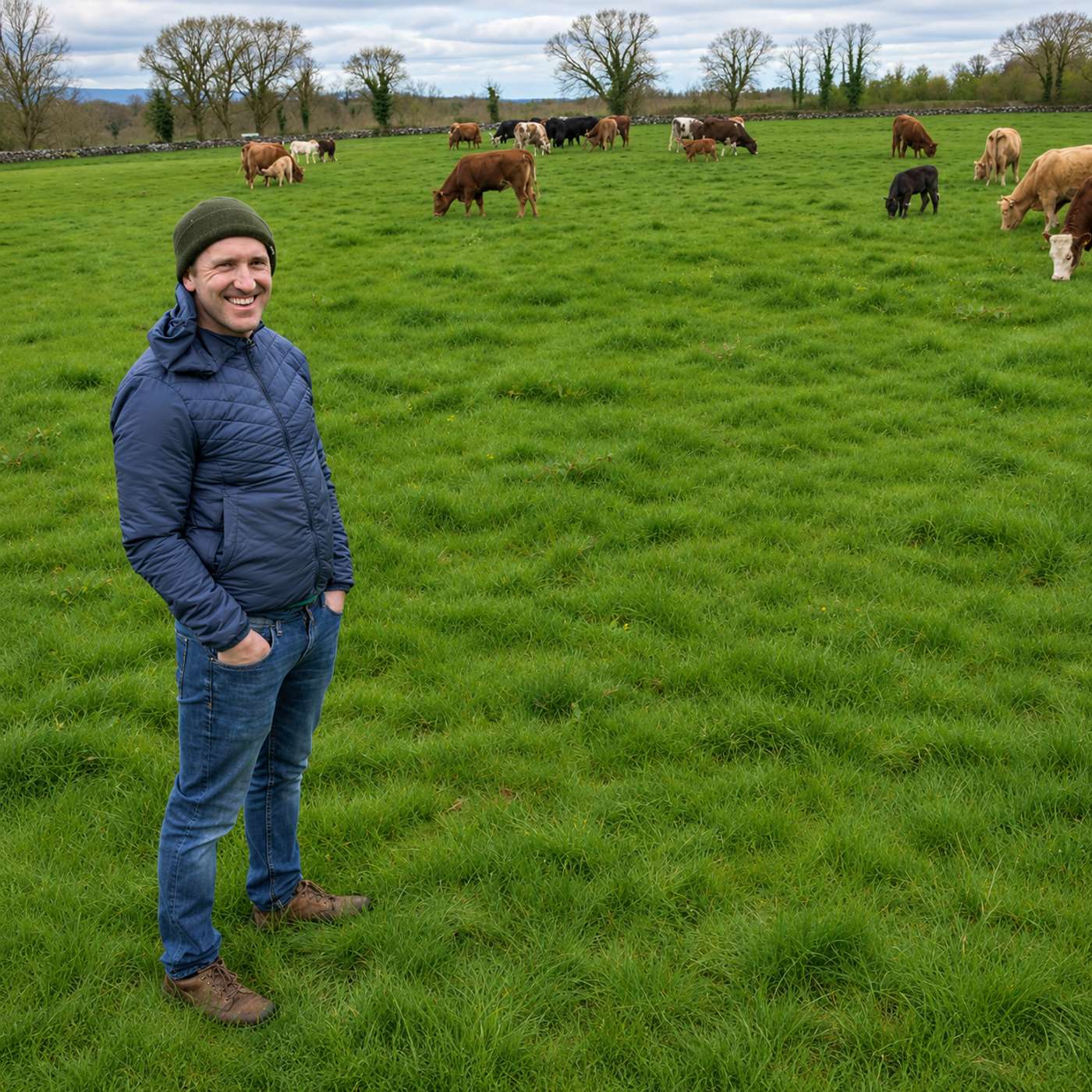
Farmers have always had to deal with the weather. But for many, there is a second test of patience that comes round just as reliably: paperwork. Inspections, certificates and forms often ask for the same information again and again, from different authorities, companies and systems — and every hour spent on administration is an hour taken away from the farm. The European Commission is exploring how digital wallets could change that. The idea is simple: a secure digital tool in which farmers keep trusted, verified information — from proof of identity to an organic certificate — and share it only with whom they choose, only when they choose. The work is still developing, and farmers are helping to shape it along the way. In this episode of Food for Europe, we hear from Kimmo Tammi, a forestry farmer in southern Finland and legal adviser at MTK, the organisation representing Finnish farmers and forest owners, about what farmers need from a wallet and why they must be involved from the start. Seth van Hooland from the Commission's agricultural data governance team explains how a wallet could simplify organic certification and what preparatory work is under way. Jürgen Vangeyte, head of the technology department at the Flemish research institute ILVO, shows how wallets could work alongside the Common European Agricultural Data Space — and how that could give farmers their Sunday mornings back. And Michiel Sweerts, who leads work on wallet adoption in the Commission's digital identity and trust unit, explains where farmers could use a wallet, and how they remain in control of what they share. So, could a digital wallet mean less paperwork and more time for farming? Listen to find out.
Episode information is provided by the publisher. Listening takes place on the publisher’s service.
Listen at the source ↗