English-language podcasts

The Quanta Podcast

Audio Edition: Amid Life’s Chaos, a Meticulous Mathematician Finds Stability

30 min

Listen through the publisher, then discuss the episode here or arrange an in-person Roundtable. Your city determines where to meet.

Roundtables are designed for groups of four, with a shared subject and room for everyone to speak. Come for discussion, with no dating expectation.

Before he won a Fields Medal for his pioneering work balancing randomness and order, Yu Deng had to achieve equilibrium in his own life. The article Amid Life’s Chaos, a Meticulous Mathematician Finds Stability (https://www.quantamagazine.org/yu-deng-wins-the-fields-medal-2026-for-his-work-on-the-random-data-problem-20260723/) first appeared on Quanta Magazine.

Episode information is provided by the publisher. Listening takes place on the publisher’s service.

Listen at the source ↗

Featured places to meet in Palo Alto, CA

Explore these places and arrange a conversation through ThinkMatch.

City guide for Palo Alto, CA

More from The Quanta Podcast

The Quanta Podcast

A New Era for the Origins of Life

33 min

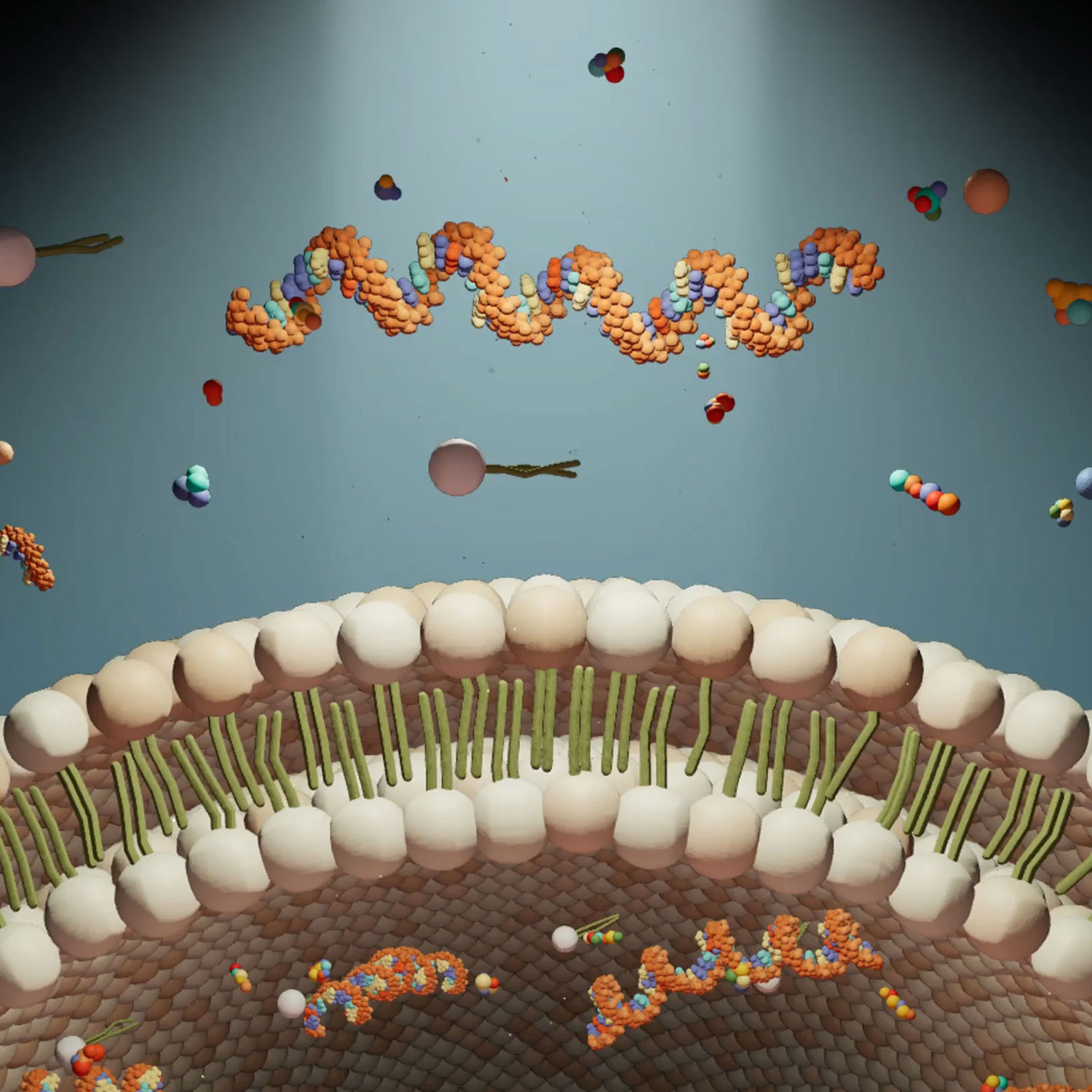
How did life begin? For researchers, pursuing an answer has been something of a saga. For decades, scientists have weathered sociological and scientific strife that challenged the fundamental approach to understanding the origins of life. Done arguing over which type of molecule started it all, a new wave of researchers are deconstructing what life is, does, and could be — and are even trying to create it themselves. On this episode of The Quanta Podcast, host Samir Patel speaks with writer Yasemin Saplakoglu on this new, deeply collaborative and interdisciplinary era, and what it could mean for understanding life on Earth and elsewhere. This topic was covered in a recent story (https://www.quantamagazine.org/the-evolving-story-of-how-chemistry-became-biology-20261112/) for Quanta Magazine.

Discuss this episode

The Quanta Podcast

Do AI Models Know What They're Thinking About?

34 min

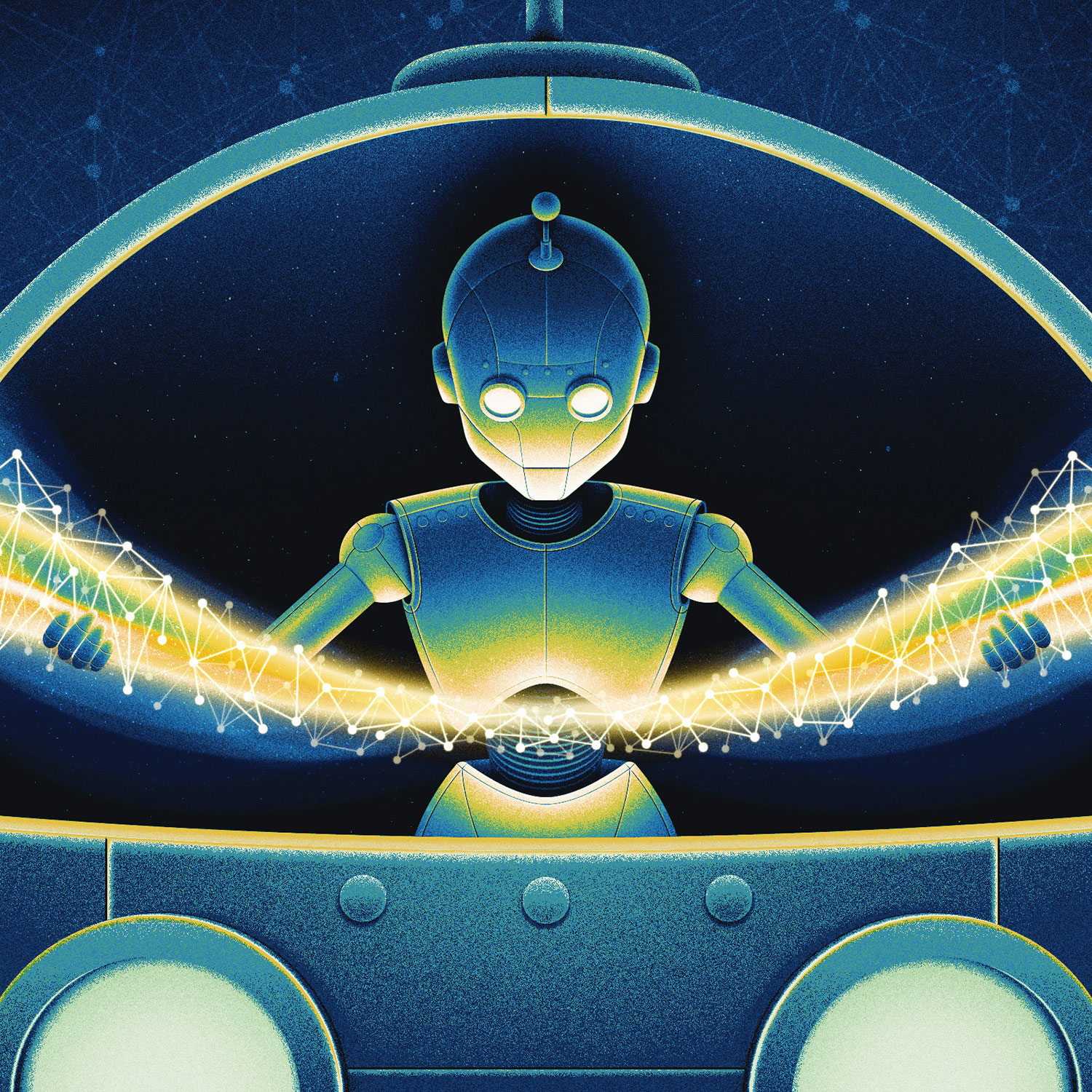
After over a century of studying introspection in humans and animals, researchers are beginning to explore the phenomenon in unlikely new subjects: large language models. These systems, which are based on mathematical structures called neural networks, excel at cognitive tasks that until recently seemed exclusive to humans. Can they introspect as well? On this episode of The Quanta Podcast, host Samir Patel speaks with staff writer Ben Brubaker about “injecting” thoughts into LLM neural networks — and what researchers are doing to map out AI’s capacity for introspection. This topic was covered in a recent story (https://www.quantamagazine.org/new-research-tests-whether-ai-models-know-their-own-thoughts-20261104/) for Quanta Magazine.

Discuss this episode

The Quanta Podcast

The Math of Democracy Never Quite Works Out

The French mathematician Nicolas de Condorcet was a passionate believer in democracy, but he also discovered a frustrating paradox within it: A majority can sometimes vote itself into a logical loop. Mathematicians have now found that this “logical loop” maps onto a strange topological shape: the Klein bottle, a surface with no distinct inside or outside. On this episode of The Quanta Podcast, host Samir Patel speaks with writer Alex Stone about this new connection between this centuries-old voting paradox and the Klein bottle — and how it illustrates just how difficult it is to translate a group of individual preferences into a single choice. This topic was covered in a recent story (https://www.quantamagazine.org/how-voting-is-like-a-klein-bottle-20261026/) for Quanta Magazine.

Discuss this episode

Community Poll

Public information should be withheld only when there is a clear reason for confidentiality.

Share your view, then see how readers voted. No sign-in required. This poll is shared across stories.

Do you agree or disagree?

Choose one answer

Common Quandary

A Common Quandary to discuss

Another conversation to explore, separate from this news story.

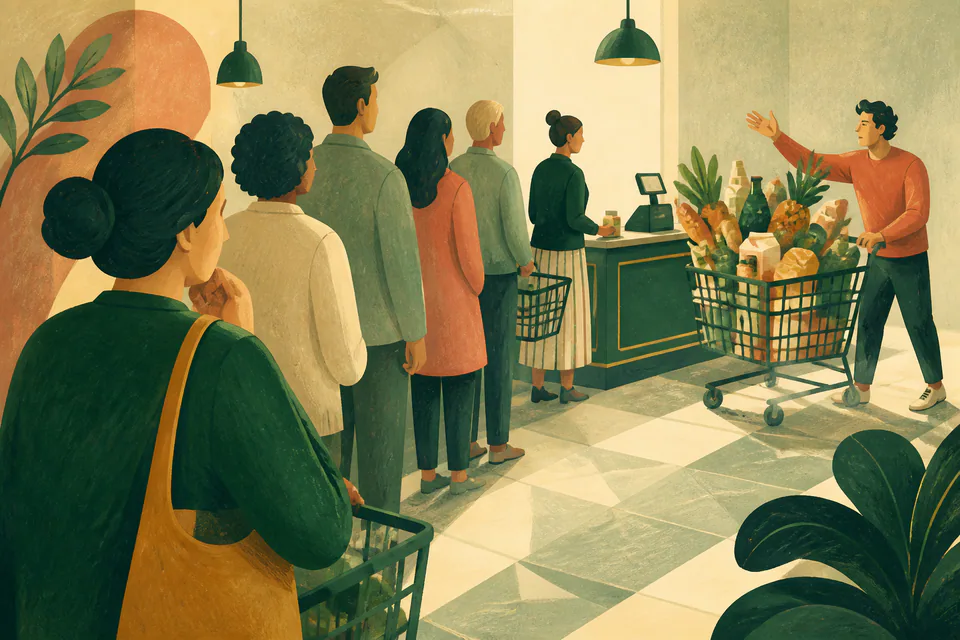
Someone holds a grocery line spot while their partner fills the cart. Is that cutting?

A shopper with one item stands ahead of you in a long checkout line. Just before reaching the register, their partner arrives with a cart packed to the top and joins them. They insist they were shopping together all along.

Can one person reserve a place in line for an unknown amount of work?

Explore this quandary