Listen through the publisher, then discuss the episode here or arrange an in-person Roundtable. Your city determines where to meet.
Roundtables are designed for groups of four, with a shared subject and room for everyone to speak. Come for discussion, with no dating expectation.
The shadowy world of wildlife crime is estimated to be one of the four biggest illegal trades in the world. It runs the gamut from the international smuggling of ivory and exotic pets to hare coursing and badger baiting. The impacts of wildlife crime vary - in some cases it means a threat to endangered species, in others it takes the form of cruelty to individual animals. Could the unregulated world of social media make it easier than ever for wildlife criminals to evade the authorities? Or will advances in tech - including exciting forensic breakthroughs - be enough to stop them in their tracks? With panellists: - Fiona Howie, wildlife veterinary pathologist at Scotland's Rural College - Neil D’Cruze, UK Director of international animal welfare organisation Four Paws - Christian Plowman, Program Manager - Wildlife Cybercrime at the International Fund for Animal Welfare Presented by Tom Heap & Helen Czerski Producer - Beth Sagar-Fenton Assistant Producer - Georgia Graham Editor - Alasdair Cross
Episode information is provided by the publisher. Listening takes place on the publisher’s service.
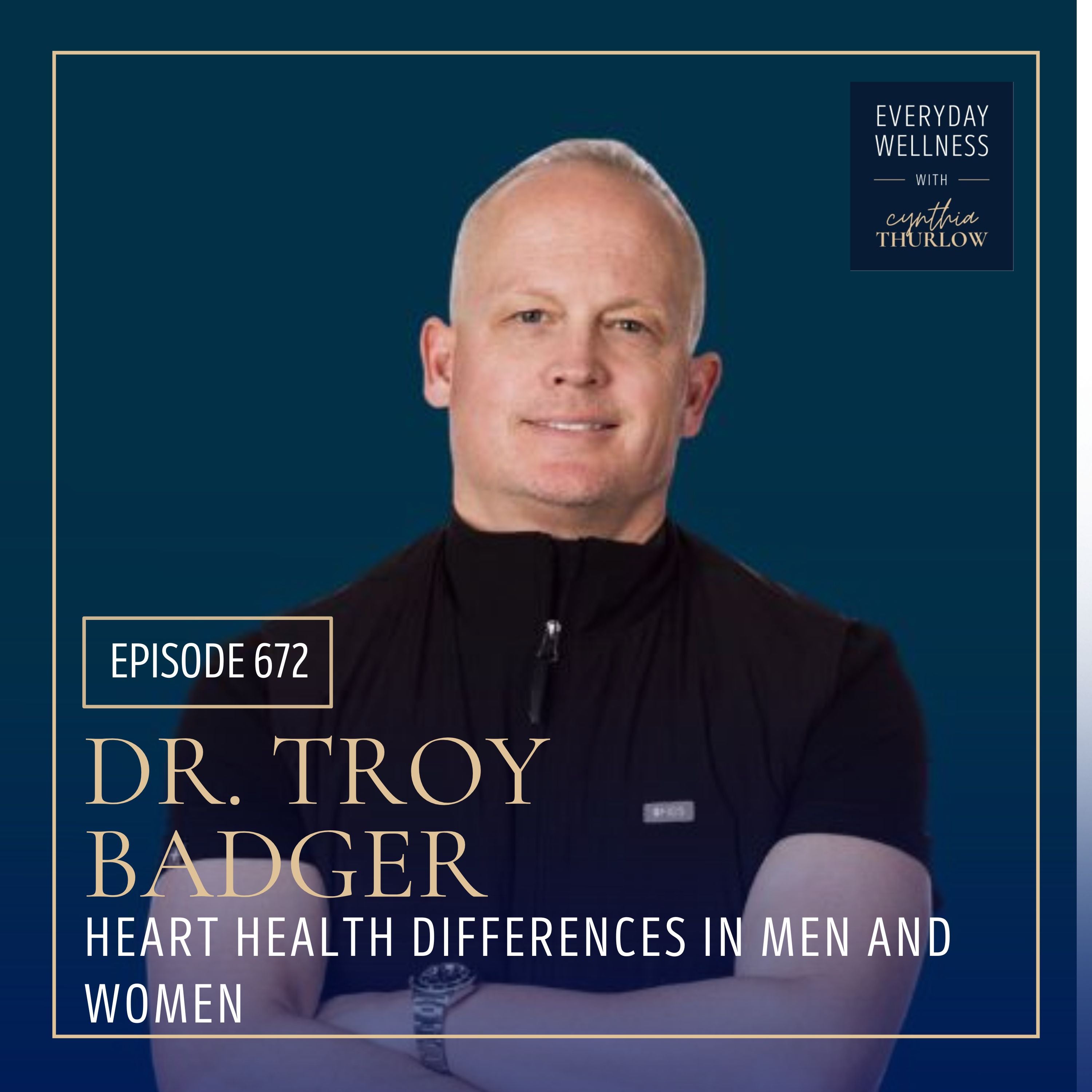
Today, I’m honored to connect with Dr. Troy Badger. He is a board-certified cardiologist and interventionalist and the founder of Cardiostrong, a concierge preventive cardiology clinic in Provo, Utah, focused on reducing cardiovascular risk, optimizing metabolic health, and improving strength and cardiorespiratory fitness for executives and athletes. In today’s conversation, we discuss Dr. Badger’s gender- and age-specific approach to heart health, including treatment differences for men and women, and diagnoses such as INOCA, SCAD, vasospastic disease, and Takotsubo. We examine emotions and their influence on heart health, coronary ischemia and cardiomyopathies, labs and diagnostics, how Dr. Badger assesses risk in his patients, and the differences between a CAC and a CCTA. Dr. Badger also shares the labs he finds essential for all patients and discusses the role of VO2 Max, cardiovascular training, and lifestyle—specifically nutrition, the use of GLP-1 drugs, and a multidisciplinary
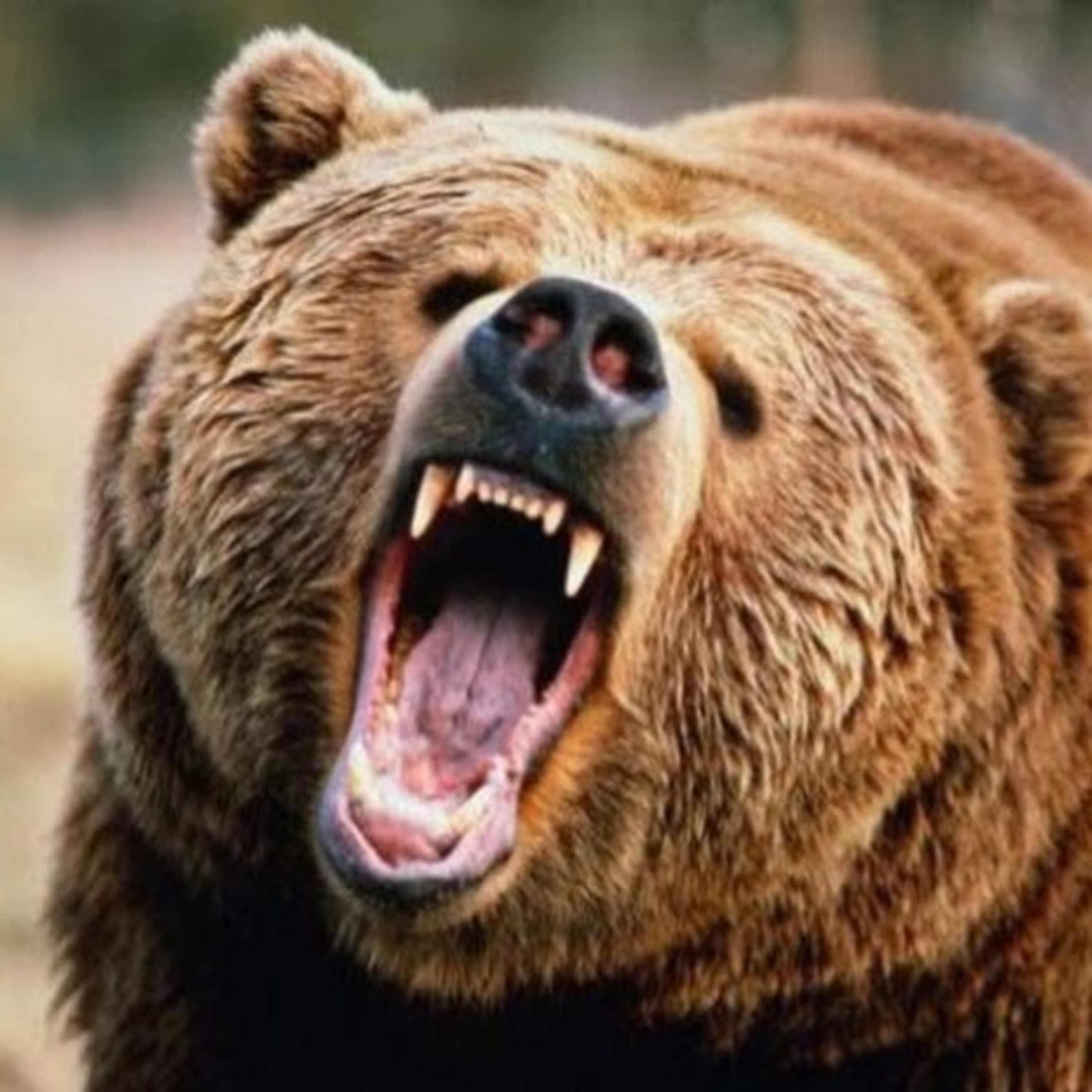
This episode of Scary Bear Attacks explores real, documented bear encounters across Montana — a state known for its vast wilderness, grizzly bear populations, and dangerous human-wildlife conflicts. From remote hiking trails to backcountry campsites, these stories reveal what happens when people unexpectedly cross paths with powerful predators.In this episode, you’ll hear how these Montana bear attacks unfolded, what triggered the encounters, and how quickly routine outdoor activities can turn into life-or-death situations. Each story is based on real incidents and highlights the risks faced by hikers, hunters, campers, and residents living near bear country.This Christmas series counts down some of the most intense true bear attack stories ever recorded — and Montana has more than its share of chilling encounters.Support the channel and view exclusive photos and early releases on Patreon: https://www.patreon.com/user?u=73787379▶️ Watch more true bear attack stories here:https://www.yo
Fear has a way of quietly taking control of your life. It convinces you to stay where you are, avoid difficult conversations, delay decisions, tolerate situations you know aren’t good for you, and settle for a life that is far smaller than the one you are capable of living. In this episode of The Strong Life Project, we explore how fear impacts your thinking, your relationships, your career, your leadership, and ultimately your ability to live a meaningful life. Fear doesn’t always look like panic. Sometimes it looks like procrastination, overthinking, making excuses, people pleasing, avoiding conflict, or constantly waiting for the perfect moment. The problem is that every time you allow fear to make a decision for you, you reinforce the belief that you are incapable of handling what comes next. Over time, this creates a pattern of avoidance that undermines confidence, resilience, emotional strength, and personal growth. Learning to manage fear doesn’t mean becoming fearless. It means
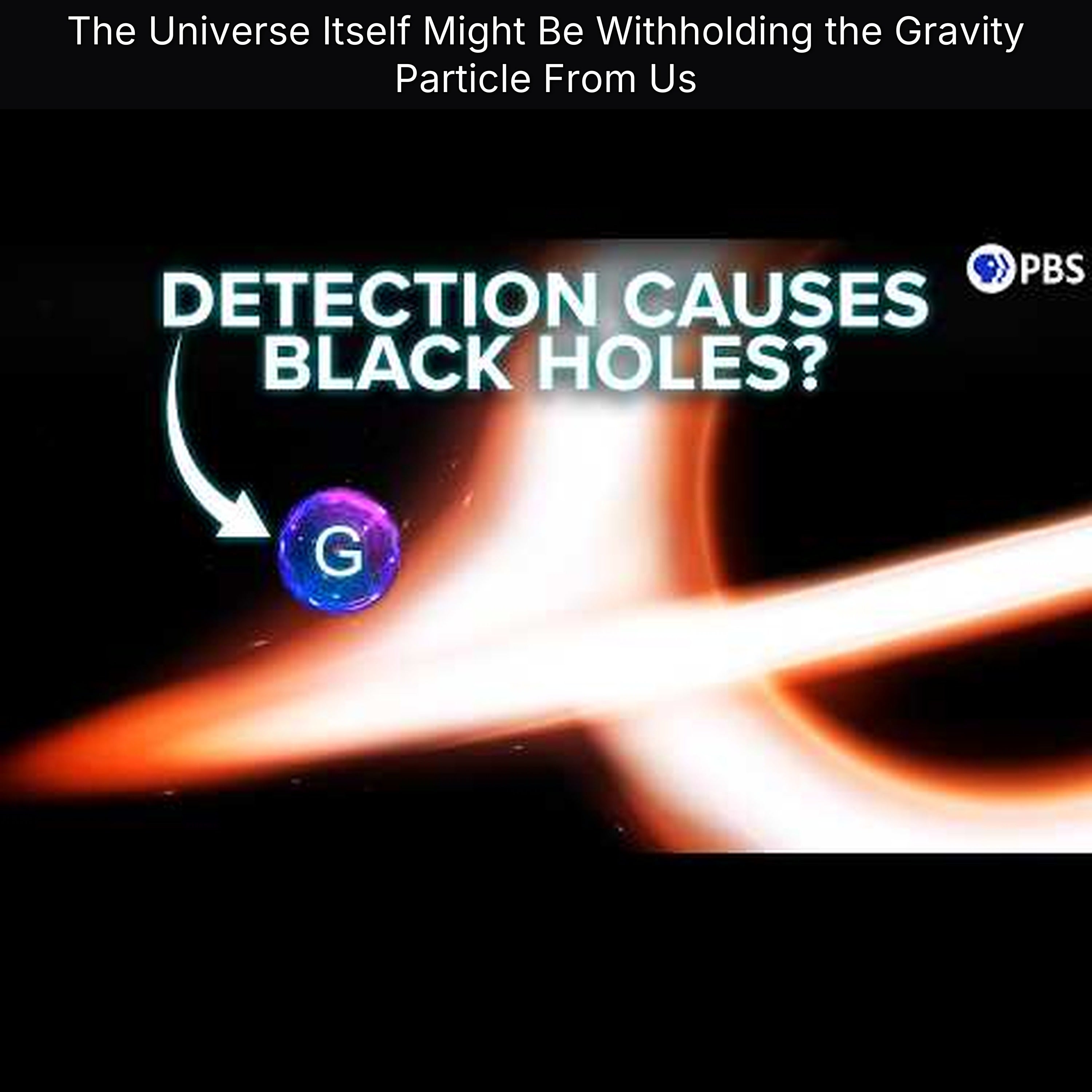
Head to https://brilliant.org/Spacetime/ to start learning for free for 30 days. To progress to the next level in understanding reality, we need to combine quantum mechanics and Einstein’s general relativity. And to do that, most physicists believe we need a theory of quantum gravity .. which means we need gravitons. But it also seems like the laws of physics make it impossible to ever detect this quantum particle of gravity. Almost like the universe is set up to keep the final answer forever out of our reach. So, can we outsmart the universe, catch a graviton, and finally solve physics? Sign Up on Patreon to get access to the Space Time Discord! Check out the Space Time Merch Store Sign up for the mailing list to get episode notifications and hear special announcements! Search the Entire Space Time Library Here: https://search.pbsspacetime.com/ Hosted by Matt O'Dowd Written by Richard Dyer & Matt O'Dowd Post Production by Leonardo Scholzer Directed by Andrew Kornhaber Associate Produc
When should artists get paid in a world with AI music? Artificial intelligence is changing how music gets made - and how musicians get paid. AI is letting people clone artists’ voices, create completely new songs as fake collaborations, generate lyrics in seconds, even produce full tracks just by typing in a few words. It’s all causing some to say AI will be “the death of music.” Technology causes turning points in history. And I think we’re in one right now for music. The stakes are high: If we get this wrong, we could jeopardize how human musicians make money and art. But if we get it right, we have an opportunity to leap ahead in how we as humans get to express ourselves. To really understand what’s happening with AI music, you need to understand how the music industry ALREADY works - and how it could be changing. In this video, I took a deep dive into that topic with the help of two people right in the thick of it: The artist Grimes and CEO of Spotify Daniel Ek. Chapters: 00:00 Wha
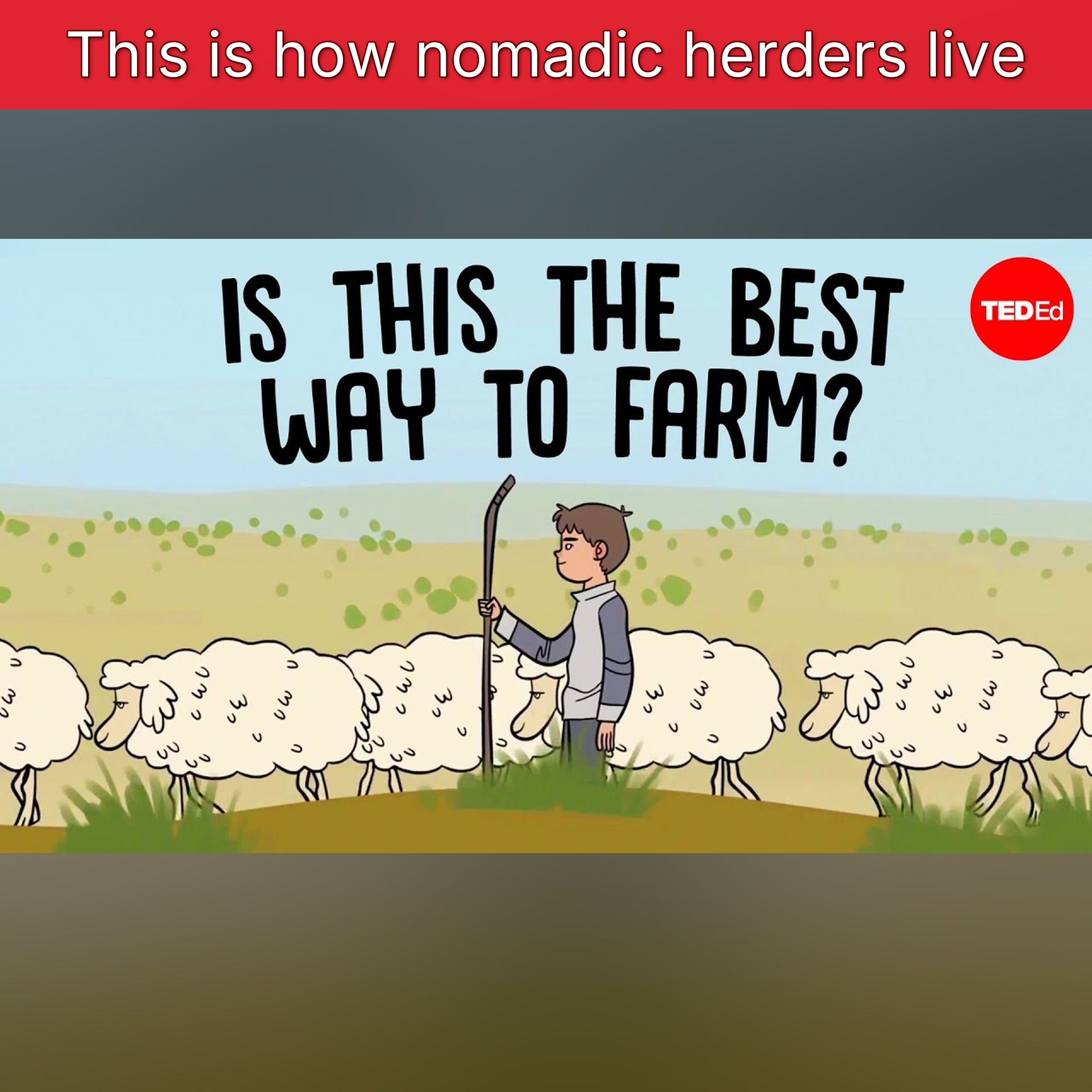
Dig into the challenges of modern pastoralism, a form of agriculture where farmers guide livestock to seasonal grazing areas. -- For millennia, livestock farmers strategically guided animals to seasonal grazing areas. This mobile way of life, known as pastoralism, provided them with wealth, social status, and political independence into the 20th century. But in the last century, political and economic policies have worked against these communities. Take a closer look at the challenges of modern pastoralism. Directed by Anton Bogaty. This video made possible in collaboration with Gates Ventures Learn more about how TED-Ed partnerships work: https://bit.ly/TEDEdPartner A special thanks to Graham Gerrity, Donald Nkrumah, and Obai Khalifa who provided information and insights for the development of this video. Support Our Non-Profit Mission ---------------------------------------------- Support us on Patreon: http://bit.ly/TEDEdPatreon Check out our merch: http://bit.ly/TEDEDShop ---------
It was known as the Great Smog. In 1952, London was blanketed for five days in a thick toxic layer of soot and sulphur dioxide, leading to thousands of premature deaths. The outcome was the Clean Air Act of 1956. In this programme, Helen Czerski and Tom Heap ask what's changed in the seventy years which have passed since then. How clean is the air we now breathe? Panel: Dr Gary Fuller, Honorary Senior Lecturer, Imperial College in London Dr Kathy Davies, Environment Historian, Northumbria University Beth Gardiner, Journalist and author Producer: Emma Campbell Assistant Producers: Toby Field and Georgia Graham
Street design should prioritize pedestrians and public transport over private cars.
Share your view, then see how readers voted. No sign-in required. This poll is shared across stories.
Do you agree or disagree?
Common Quandary
A Common Quandary to discuss
Another conversation to explore, separate from this news story.
You match with a friend's ex from ten years ago. Do you need permission to go out?
A dating app matches you with someone your close friend dated seriously a decade ago. Both are now single and rarely speak, but the breakup was painful at the time. The match asks you to keep the first date private.
Do old relationships create lasting claims over a friend's future choices?