Listen through the publisher, then discuss the episode here or arrange an in-person Roundtable. Your city determines where to meet.
Roundtables are designed for groups of four, with a shared subject and room for everyone to speak. Come for discussion, with no dating expectation.
We’d like to recommend a podcast called It Turns Out, hosted by award-winning journalist Kara Miller. The idea behind the show is that things we assume to be true are often far more complicated and surprising once you look at the research and talk to the experts who study them. We think you'll love it!
Episode information is provided by the publisher. Listening takes place on the publisher’s service.
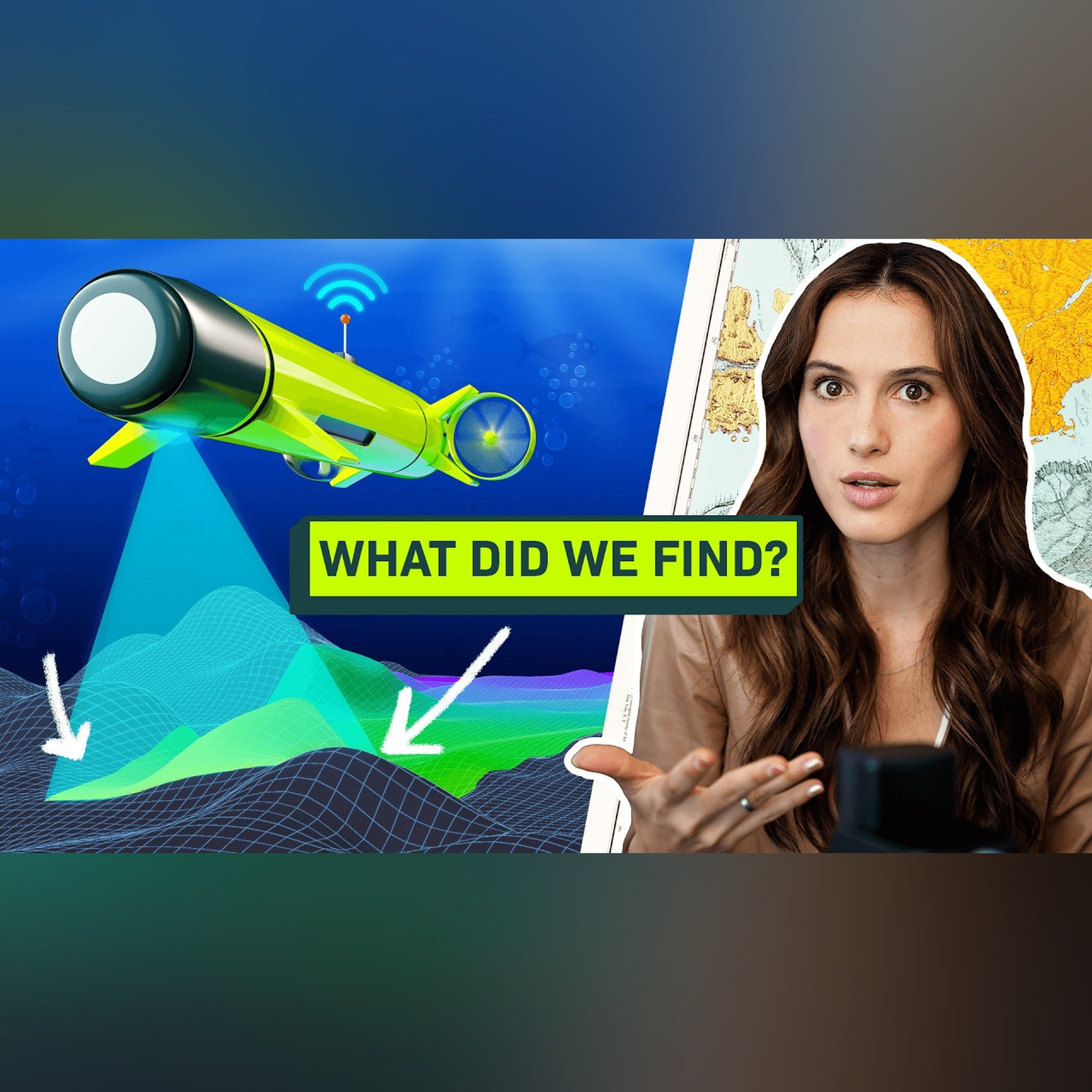
Why deep sea maps are SO BAD (and how to fix it)... Our maps of the ocean are surprisingly bad! On Google Maps it looks like we know so much… but we know less about the ocean floor than we do the surface of Mars. And that’s a big problem, because we are using the ocean all the time: We’re laying internet cables across it, we fight wars in it, we search it during a crisis - like the imploded OceanGate Titan submersible or the missing Malaysia Airlines Flight 370. 71% of the surface of the Earth is water! And yet we have a surprisingly limited view of what’s below it. But that’s also understandable. Because cartographically speaking, water sucks. For Mars or Earth’s surface, we can take pictures. But light doesn’t get to the ocean floor, so we need other ways to see it. The good news is, we’re developing that tech right now, and an international group called Seabed 2030 is working to piece together a better map. There is a terrifying, incredible, alien world on our own planet, and we’re
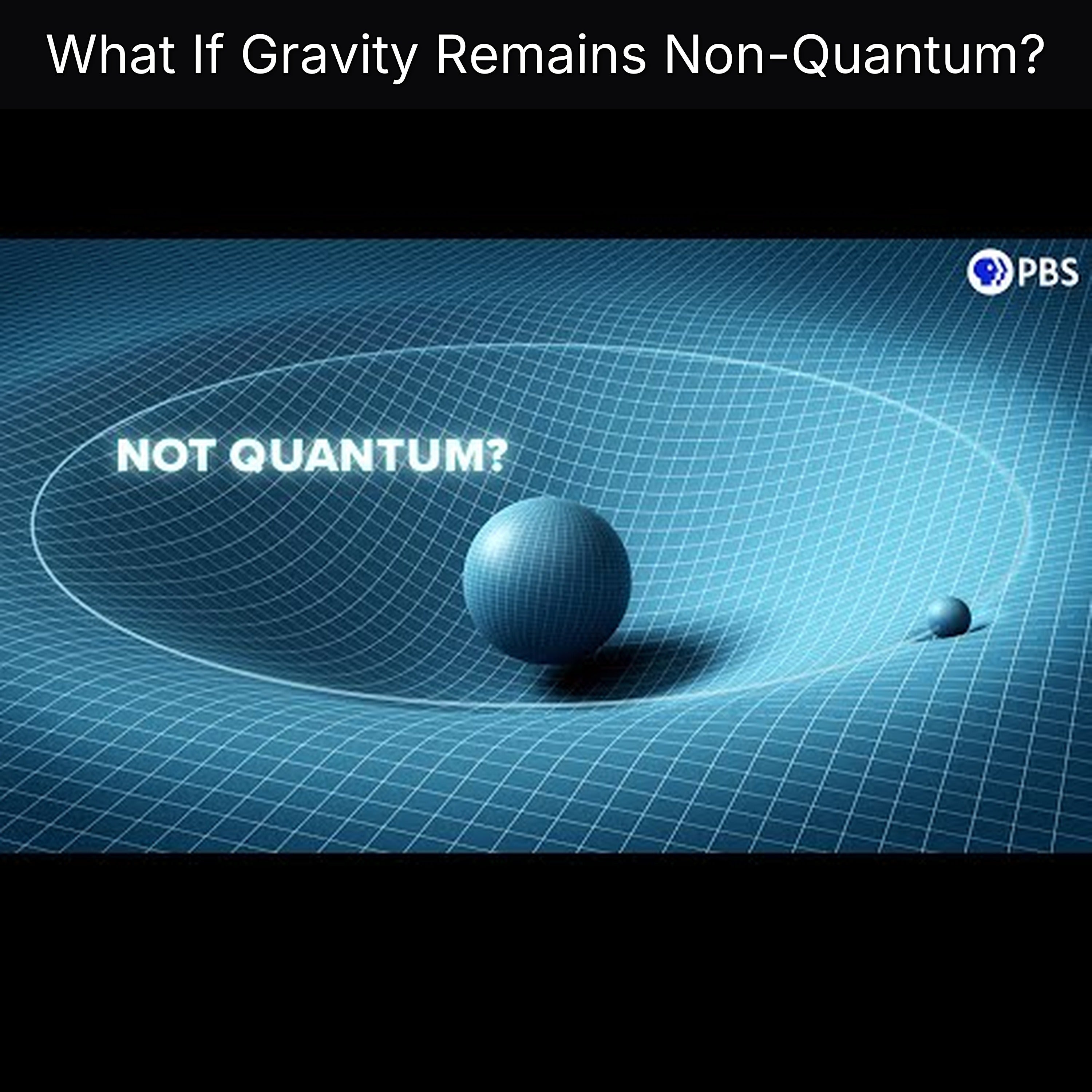
Take the PBS Annual Fan Survey: https://to.pbs.org/pbssurvey2023d PBS Member Stations rely on viewers like you. To support your local station, go to:http://to.pbs.org/DonateSPACE Sign Up on Patreon to get access to the Space Time Discord! The holy grail of theoretical physics is to come up with a quantum theory of gravity. But after a century of trying we really have no idea how close we are, or it it's even possible. But we shouldn't feel bad because it turns out that the universe is doing everything it its power to make this as difficult as possible. Or it's telling us that it isn't. Should we take the hint? Check out the Space Time Merch Store Sign up for the mailing list to get episode notifications and hear special announcements! Search the Entire Space Time Library Here: https://search.pbsspacetime.com/ Hosted by Matt O'Dowd Written by Christopher Pollack & Matt O'Dowd Post Production by Leonardo Scholzer, Yago Ballarini & Stephanie Faria Directed by Andrew Kornhaber Associate Pr
In Brought to You By: How Corporations Warped the Truth, Conned the Public, and Broke Democracy (https://bookshop.org/a/12343/9781639736331), Amy Westervelt exposes the plot hidden within the familiar story of science denial. Over the last century, Big Industry has built a vast apparatus of think tanks, lobbyists, sponsored university labs, and obliging news networks to con the public and fool decision-makers, poisoning the informational ecosystem and warping the nature of truth along the way. With her signature wit and incisiveness, Westervelt introduces the masterminds of corporate misinformation: Herb Schmertz, the public relations pioneer who made Mobil “the thinking man's oil company;” Richard Edelman, the PR guy who helped the dairy industry vilify oat milk; David Petraeus, the disgraced spy chief using counter-insurgency tactics to discredit climate science; and many more. She shows how these company men have worked to usher in an era of unprecedented corporate control. Only by
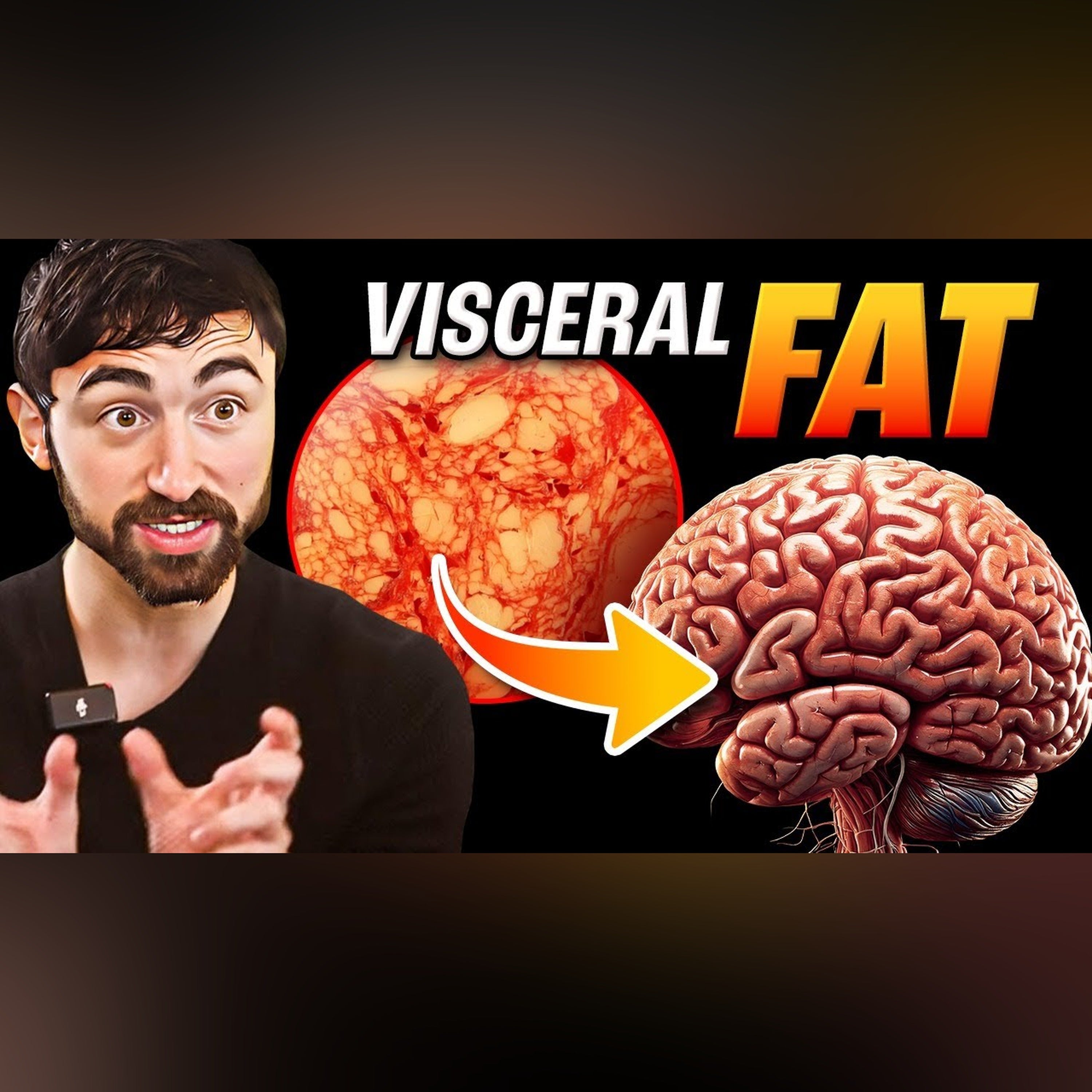
For all references and even deeper nuances, check out the StayCurious Metabolism letter: https://staycuriousmetabolism.substack.com/p/can-visceral-fat-cause-depression?r=40ekz2 Chapter *Call our service line at 815-STAY-CUR (815-782-9287) *Learn more about the data, here: https://staycuriousmetabolism.substack.com/p/life-or-death-in-the-fine-print-the?r=40ekz2 Visceral Fat Randomized Controlled Trial Video: https://youtu.be/lDeegZ1wtAI Description: Most people think of fat as extra weight—something cosmetic or something to “burn off.” But new science is showing something far more profound: visceral fat is an endocrine organ that sends biochemical messages across the entire body, including directly into the brain. And those messages can change mood, increase stress sensitivity, and even promote depression. In this video, we break down a brand-new study revealing how visceral fat releases tiny molecular packages called extracellular vesicles. Inside those vesicles is a specific microRNA—
A kiss can be wonderful. It can create an instant connection, spark romance, or make you feel closer to someone. But a kiss can also have the opposite effect — and sometimes ruin everything. So what makes kissing so powerful, and why can one kiss make such a difference? There's some fascinating science behind it. https://www.scientificamerican.com/article/why-we-kiss/ We spend an enormous amount of time worrying about what's going to change. What's next? What's coming? How do we prepare? But what if we're paying attention to the wrong things? Some of the most important forces shaping our lives never change, and understanding them may be far more valuable than trying to predict the future — something humans are notoriously bad at. Morgan Housel, partner at The Collaborative Fund and author of Same as Ever: A Guide to What Never Changes (https://amzn.to/3SwWn6u) (https://amzn.to/3SwWn6u)), joins me to explain why the things that stay the same may be the most important things to understan
This is a Grave Talks CLASSIC EPISODE! Preserving history is one thing. Preserving it while uncovering ghostly activity is something else entirely. Saving the Old Properties is a nonprofit dedicated to rescuing endangered historic buildings across Indiana. Founded by Richard Allen and Dann Allen, the organization restores architectural treasures that might otherwise be lost to time. But as walls are opened and floors are lifted, something else often emerges—stories, energy, and sometimes spirits that never left. Joining us are Richard Allen, General Manager Kate Thornberg, and Historian Ted Martin, who share what it’s like to breathe life back into centuries-old structures—while encountering unexplained phenomena within their walls. From shadow figures and strange sounds to the emotional weight that lingers in historic spaces, this conversation explores where preservation meets the paranormal—and how history and hauntings often occupy the same foundation. For more information on Saving
In this episode of Tiny Show and Tell Us, a listener asks if the film company Kodak really knew about the Trinity atomic bomb test before the public, leading us down a fascinating story about radioactive fallout, x-ray film, and secret agreements. Then we tackle a mind-boggling question: if there are birds that look blue, then why don't any bird feathers contain blue pigment? Related episodes you may enjoy: When movies caught fire: The history and science of nitrocellulose film (https://www.acs.org/pressroom/tiny-matters/nitrocellulose-film.html) [BONUS] Decoding dinosaur colors and the failure of postpartum care (https://www.acs.org/pressroom/tiny-matters/dinosaur-colors-and-postpartum-care.html)
In the late 1950s, a tuberculosis drug was repurposed as the world’s first antidepressant. Then the selective serotonin reuptake inhibitor (SSRI) Prozac ushered in a new era of antidepressants. Today SSRIs are some of the most widely prescribed drugs in the country, but gaps still exist in our biological understanding of mental health, the overall efficacy of antidepressants, and predicting serious side effects. In response, some scientists and physicians are turning to different classes of drugs altogether to treat depression. Listen to Chain Reaction by ACS wherever you get podcasts and at acs.org/chainreaction. (http://acs.org/chainreaction)
This week we’re sharing a special episode from the brand-new fifth season of Going Wild with Dr. Rae Wynn-Grant, the multi-award-winning podcast from our our friends at PBS’ Nature (https://www.pbs.org/wnet/nature/). In this new season, host and acclaimed wildlife ecologist, Dr. Rae Wynn-Grant, heads out into the field to bring you closer to the people, the animals, the sounds and the stories that make these wild spaces so magical and so worth protecting. Like in today’s episode, featuring soil ecologist and social media sensation, Jordon King, who gives Dr. Rae Wynn-Grant a proper initiation into the Florida Everglades, where even the dirt has a story to tell. But with drought transforming the wetlands in one of the region's driest seasons, they're discovering that what's missing can be just as fascinating as what's beneath their feet. For more episodes like this, be sure to follow Going Wild with Dr. Rae Wynn-Grant (https://play.megaphone.fm/q6eirfjdsckwxrpmdryvwq) on Apple Podcasts,
Waste-reduction policies should make responsible choices easy for households.
Share your view, then see how readers voted. No sign-in required. This poll is shared across stories.
Do you agree or disagree?
Common Quandary
A Common Quandary to discuss
Another conversation to explore, separate from this news story.
Your ex's streaming password still works. When does borrowing become stealing?
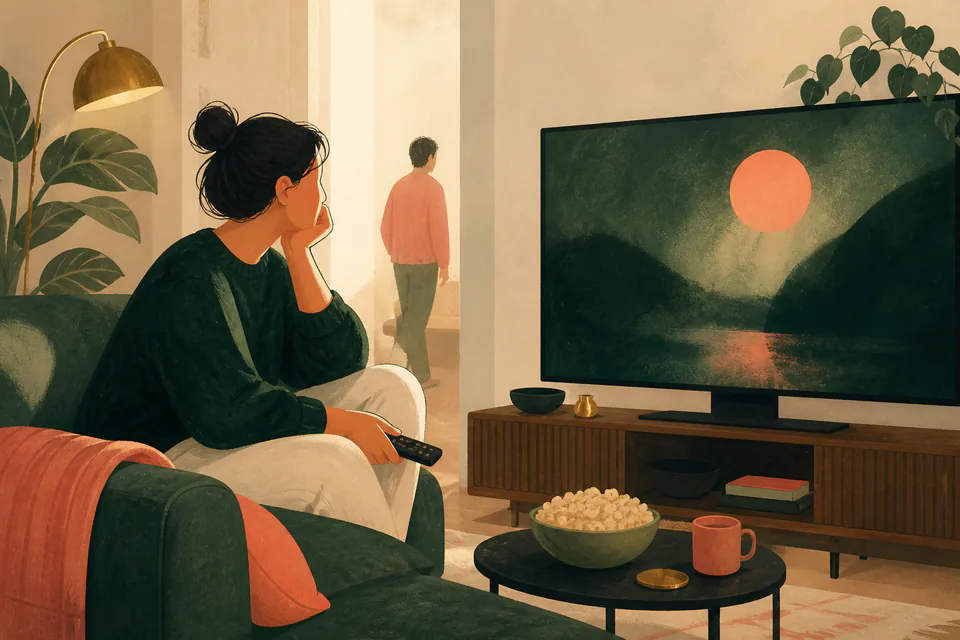
Months after a friendly breakup, your television remains logged into your ex's streaming account. They have never mentioned it, the service allows several screens, and your viewing does not increase their monthly bill.
Can silence count as permission when asking might end the benefit?