Listen through the publisher, then discuss the episode here or arrange an in-person Roundtable. Your city determines where to meet.
Roundtables are designed for groups of four, with a shared subject and room for everyone to speak. Come for discussion, with no dating expectation.
Migraine is much more than a headache. It can bring visual disturbances, sensitivity to light and sound, nausea and days of brain fog, and its unpredictability can make everyday life difficult. In this episode of Change Your Mind with New Scientist, health journalists Cat de Lange and Helen Thomson explore what happens in the brain during a migraine. Joined by Professor Peter Goadsby, a leading migraine researcher, they discuss the condition’s neurological basis, the role of hormones, and the new treatments targeting CGRP. In this episode we also unpack Cat’s own experience with Migraine and sort fact from fiction to tackle some of the internet’s favourite home remedies. Produced by Emily Bird We want to hear from you, get in touch at [email protected] Find out more about migraine at New Scientist https://www.newscientist.com/article/2516371-fresh-understanding-of-the-causes-of-migraine-reveals-new-drug-targets/
Episode information is provided by the publisher. Listening takes place on the publisher’s service.
When should artists get paid in a world with AI music? Artificial intelligence is changing how music gets made - and how musicians get paid. AI is letting people clone artists’ voices, create completely new songs as fake collaborations, generate lyrics in seconds, even produce full tracks just by typing in a few words. It’s all causing some to say AI will be “the death of music.” Technology causes turning points in history. And I think we’re in one right now for music. The stakes are high: If we get this wrong, we could jeopardize how human musicians make money and art. But if we get it right, we have an opportunity to leap ahead in how we as humans get to express ourselves. To really understand what’s happening with AI music, you need to understand how the music industry ALREADY works - and how it could be changing. In this video, I took a deep dive into that topic with the help of two people right in the thick of it: The artist Grimes and CEO of Spotify Daniel Ek. Chapters: 00:00 Wha
In this meditation, I invite you to reflect on the changing light of autumn as we move towards the darker days of winter. As the daylight hours grow shorter, we can sometimes feel that we are losing something. Yet the contemplative life invites us to receive each season as it is, discovering beauty and sacredness in the present moment. Beginning with the breath, we explore the difference between the changing light around us and the unchanging light of divine presence within. From the gentle light of morning to the lamps that illuminate our evenings, every expression of light becomes an invitation to awareness. As we breathe, we allow ourselves to be filled with divine light, offering compassion, peace and prayer to those in need. Chapters: 00:00 – Introduction: Autumn light 01:10 – Entering meditation with intention 01:58 – Relaxing the body and following the breath 02:48 – Returning to the present moment 03:12 – Becoming aware of the light within 03:40 – The gift of divine light 04:10
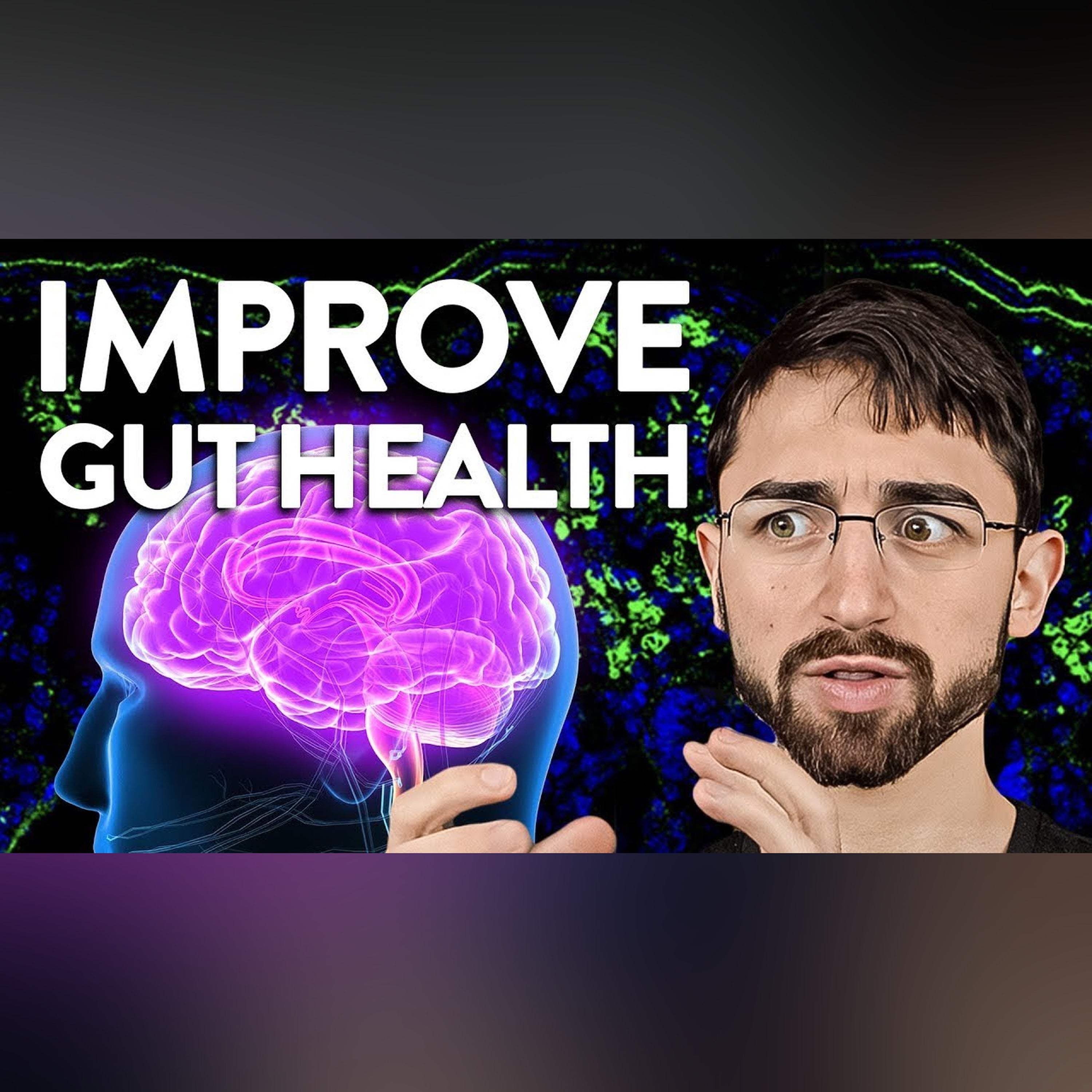
Paper: https://www.cell.com/cell/fulltext/S0092-8674(24)00779-7 How does stress impact gut health? New science reveals a pathway whereby an emotion regulation center in the brain, the amygdala, signals to intestinal glands in the gut that feed particular good gut bacteria to improve gut health. Stress inhibits this pathway, leading to changes in the microbiome and “tummy troubles.” These new data provide mechanistic insights into how certain stress reduction practices, including those reviewed in this video, may help to improve gut health and reduce unpleasant symptoms – bloating, diarrhea, and constipation – plagues many of us. What’s good for the mind is good for the gut, and what good for the gut is good for the brain. #guthealth #mentalhealth #anxietyrelief Chapters 0:00 – How Does Stress Impact Gut Health? 0:57 – New Paper in Cell 2:40 – Lactobacillus are Fed by Brunner’s Glands 3:29 – Vagus Nerve Controls Brunner’s Glands 4:35 – Bloating. Yikes! 5:04 – The Amygdala controls the M
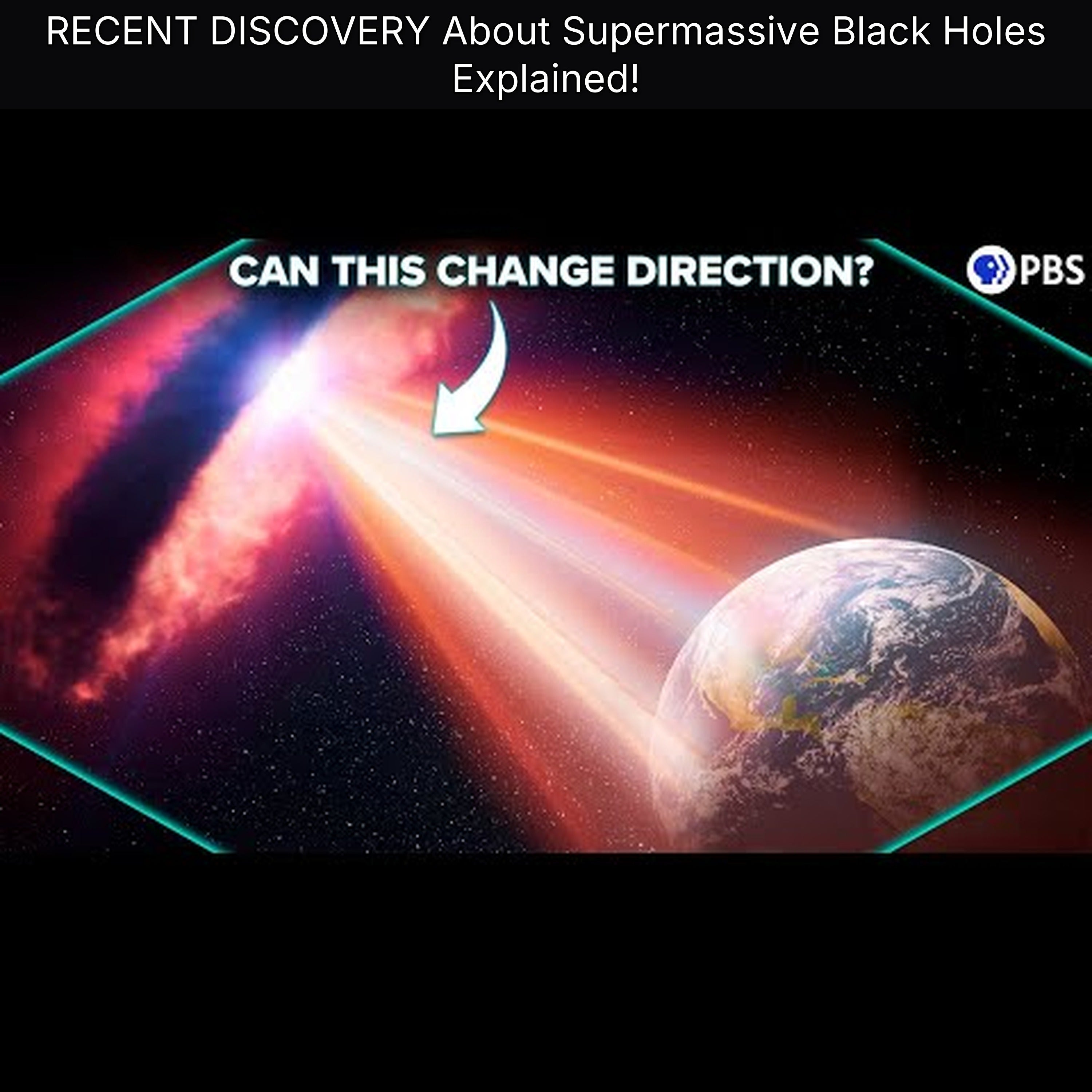
PBS Member Stations rely on viewers like you. To support your local station, go to:http://to.pbs.org/DonateSPACE Sign Up on Patreon to get access to the Space Time Discord! Astrophysicists have discovered a black hole that for millions of years has been blasting vast particle beams in opposite directions across the sky. And has recently swiveled to point its one of these jets directly at us. Is this an intergalactic death ray of an alien civilization that has suddenly noticed us? Absolutely not, and there’s no danger at all. But it’s a pretty cool phenomenon anyway, and something we’ve never seen before. Check out the Space Time Merch Store Sign up for the mailing list to get episode notifications and hear special announcements! Search the Entire Space Time Library Here: https://search.pbsspacetime.com/ Hosted by Matt O'Dowd Written by Matt O'Dowd Post Production by Leonardo Scholzer, Yago Ballarini, Pedro Osinski, Caique Oliveira, Adriano Leal & Stephanie Faria Directed by Andrew Korn
Dig into what makes head lice so difficult to get rid of, and the effectiveness of our most common treatments. -- For as long as humans have had lice, we’ve fought hard to get rid of them. Nit combs, the fine-tooth brushes used to remove lice and their sticky eggs, have been found among the ancient remains of cultures across the globe. Today it’s estimated we spend billions of dollars each year treating infestations. So why are lice so difficult to get rid of? Nazzy Pakpour digs into these stubborn insects. Lesson by Nazzy Pakpour, directed by Oksana Kurmaz. Support Our Non-Profit Mission ---------------------------------------------- Support us on Patreon: http://bit.ly/TEDEdPatreon Check out our merch: http://bit.ly/TEDEDShop ---------------------------------------------- Connect With Us ---------------------------------------------- Sign up for our newsletter: http://bit.ly/TEDEdNewsletter Find us on Twitter: http://bit.ly/TEDEdTwitter Peep us on Instagram: http://bit.ly/TEDEdInstag
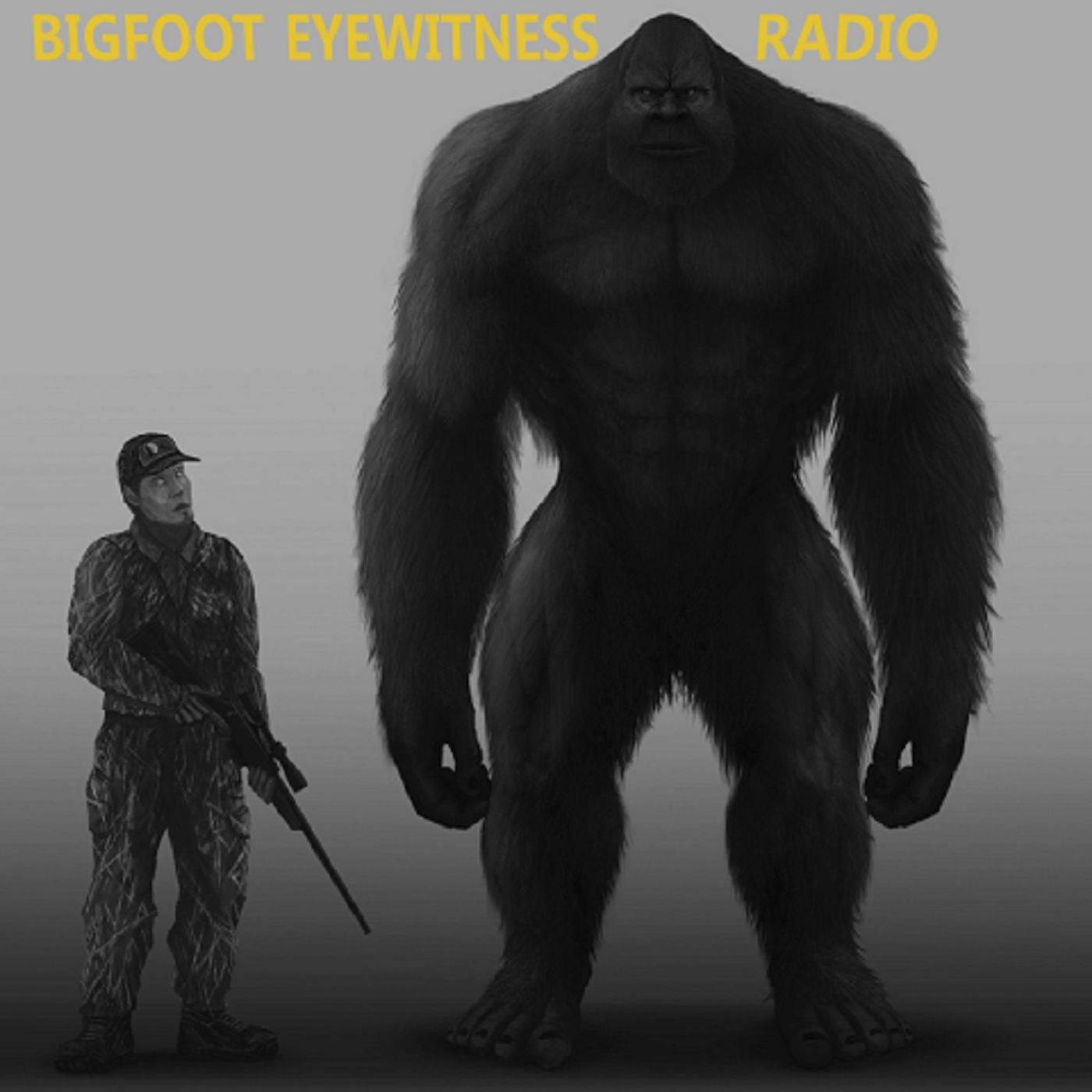
For most of her life, Emily Mayles, tonight's guest, felt right at home in the woods of southeastern Ohio. Whether she was mushroom hunting, digging ginseng, or simply enjoying the outdoors, being surrounded by nature was something she loved. That all changed after a series of terrifying experiences convinced her that something enormous and mysterious was lurking in the forests near her home. Emily's first frightening experience happened in March of 2020, when an unbelievably powerful scream erupted from the woods behind her house. The sound was so terrifying that she found herself practically paralyzed with fear. Years later, she and her husband heard something equally disturbing while standing on their back deck. This time, however, the sounds seemed to be coming from multiple locations. As frightening as those experiences were, neither could have prepared Emily for what she would witness on the Fourth of July, while riding through the Ohio countryside on the back of her husband's mo
Have you noticed that ADHD seems to be everywhere these days? More and more people are talking about it, and diagnoses are on the rise. But does that mean more of us are actually developing ADHD, or are we simply getting better at recognising something that has always been there? We often associate ADHD with childhood hyperactivity, but the condition is more complex, and growing awareness is prompting more people to seek a diagnosis. So what distinguishes ADHD from everyday traits, and what’s happening in the brain? In this episode of Change Your Mind, health journalists Cat de Lange and Helen Thomson explore the science of ADHD. They discuss how it can affect attention, motivation and emotional regulation, why it may be missed in girls and women, and how hormonal changes could influence symptoms. Joining them is neuroscientist Professor Ellie Dommett of King’s College London. Together, they look at what research can tell us about ADHD, the role of medication, and what evidence suggest
Chances are you’ve eaten something ultra-processed already today, but should you be worried? Many of us have a sense that ultra-processed food could be harming our bodies, but what impact does it have on our brains? In this episode of Change Your Mind with New Scientist health Journalists Helen Thomson and Cat de Lange ask whether the food we eat is damaging our mental health, increasing our risk of dementia or even making us age prematurely. With help from doctor, broadcaster and researcher Chris van Tulleken they explore how ultra-processed food really impacts the brain and whether we should be making changes to our own diets. Produced by Emily Bird Get in touch at [email protected] Find out more about Ultra-processed foods at New Scientist: https://www.newscientist.com/article/2519704-how-worried-should-you-be-about-ultra-processed-foods/ Sources: Calories from UPF: https://www.ucl.ac.uk/news/2024/oct/toddlers-get-nearly-half-their-calories-ultra-processed-foods Daniel
Elected representatives should serve people who voted against them as seriously as their supporters.
Share your view, then see how readers voted. No sign-in required. This poll is shared across stories.
Do you agree or disagree?
Common Quandary
A Common Quandary to discuss
Another conversation to explore, separate from this news story.
A likable but unreliable former employee lists you as a reference. How honest are you?
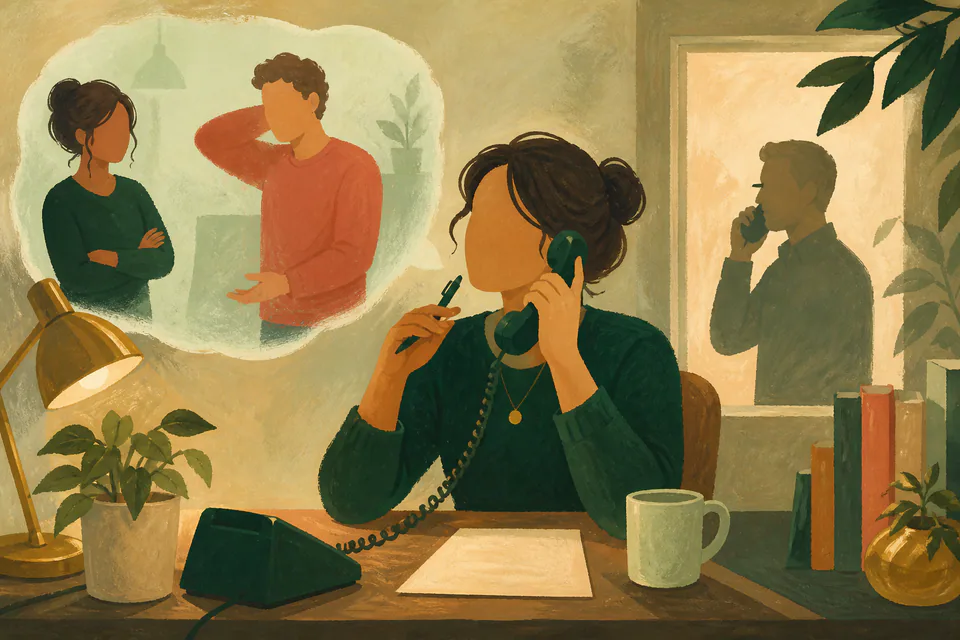
A former employee who was unreliable but personally likable lists you as a reference without asking. Their prospective manager calls and asks only whether you would hire them again.
How much truth do you owe a stranger when it may cost someone a fresh start?