English-language podcasts

Science Friday

Puzzling over the most expansive ideas in the universe
19 min

Listen through the publisher, then discuss the episode here or arrange an in-person Roundtable. Your city determines where to meet.

Roundtables are designed for groups of four, with a shared subject and room for everyone to speak. Come for discussion, with no dating expectation.

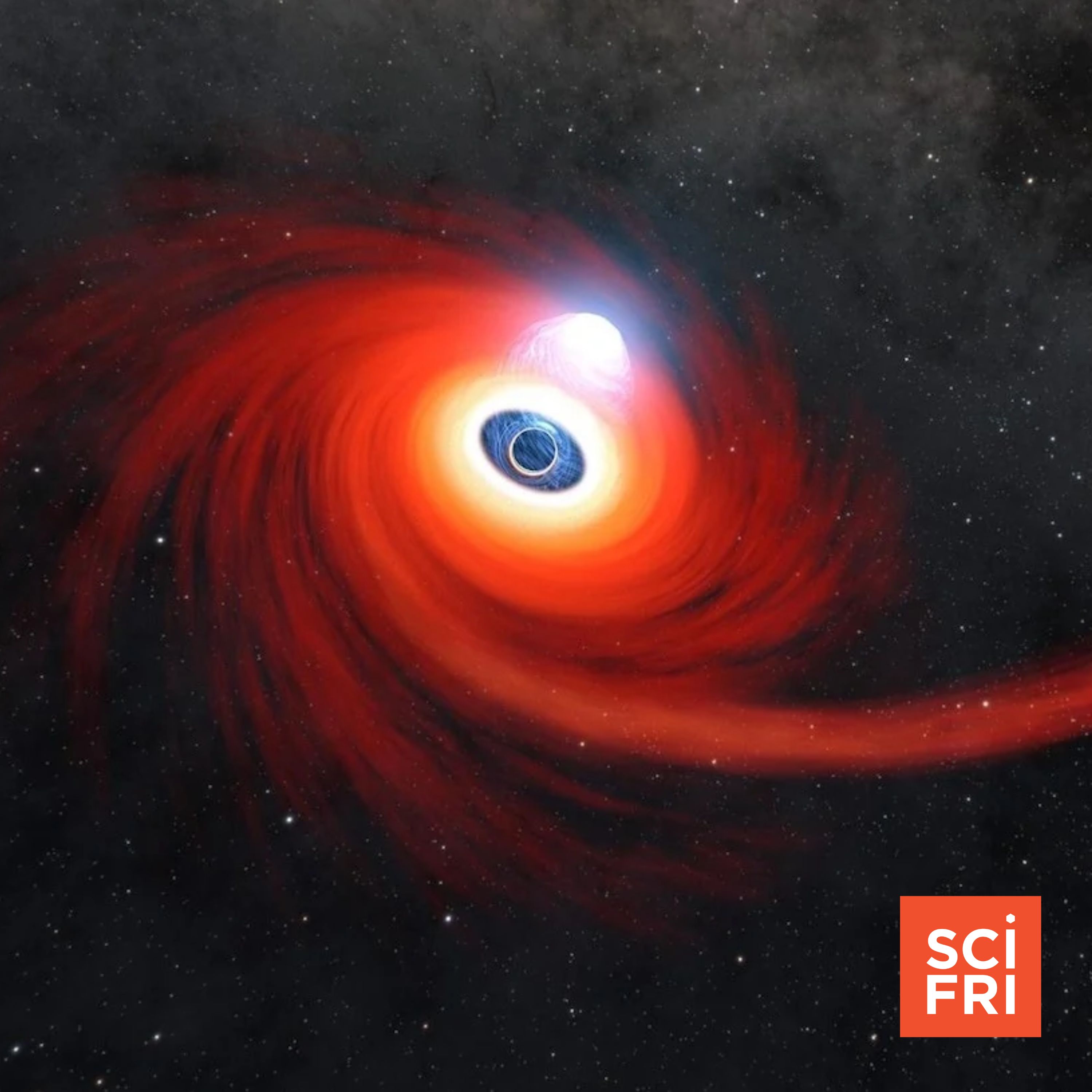
How do black holes work, and could they be attached to mini-universes? Is there only one universe, or a multitude of different universe possibilities? And is time travel ruled out by the laws of physics? Astrophysicist Janna Levin wrestles with these ideas and more in a new YouTube miniseries called “In Theory.” (https://www.youtube.com/watch?v=DzXwaYNCL5Y) She joins Ira to talk about some of the weird and wonderful mysteries of the universe (https://www.sciencefriday.com/segments/most-expansive-ideas-in-the-universe-astrophysics?%2Futm_source=wnyc) and spacetime. Guest: Dr. Janna Levin is the Claire Tow Professor of Physics and Astronomy at Barnard College. She’s also host of a new StarTalk miniseries called “In Theory.” Transcripts for each episode are available within 1-3 days at sciencefriday.com. (https://www.sciencefriday.com/segments/most-expansive-ideas-in-the-universe-astrophysics?%2Futm_source=wnyc) Got a science question that’s keeping you up at night? Call us: 877-472-4374 Hosted by Simplecast, an AdsWizz company.

Episode information is provided by the publisher. Listening takes place on the publisher’s service.

Listen at the source ↗

Featured places to meet in Palo Alto, CA

Explore these places and arrange a conversation through ThinkMatch.

City guide for Palo Alto, CA

More from Science Friday

Science Friday

Florida's dengue outbreak mirrors a global trend

13 min

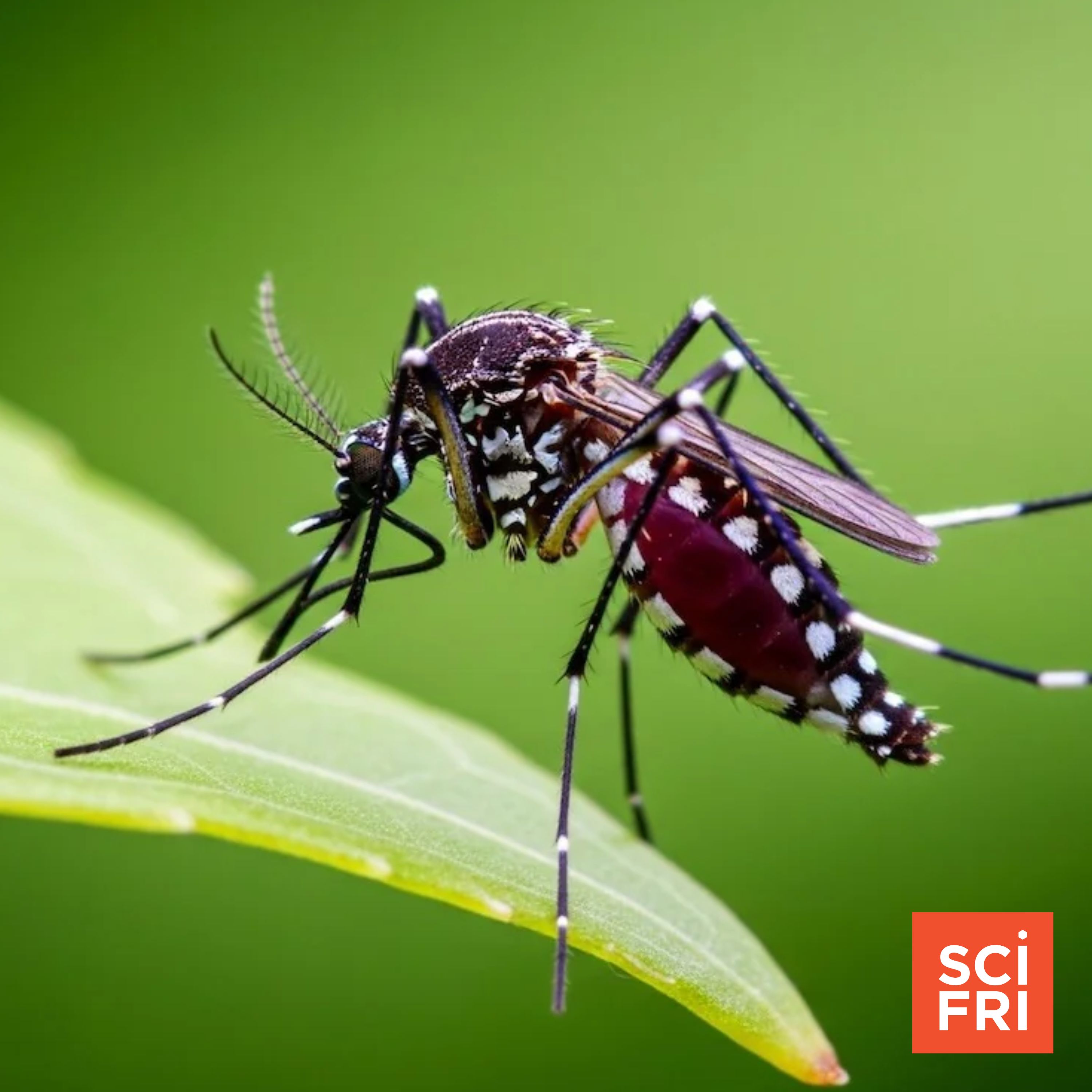
In Florida, three counties have declared states of emergency due to rising cases of dengue (https://www.sciencefriday.com/segments/floridas-dengue-outbreak/)—a viral infection spread by mosquitos carrying the dengue virus. There have been around 1,000 cases (https://www.cdc.gov/dengue/data-research/facts-stats/current-data.html) in the state this year, making it the largest outbreak (https://apnews.com/article/dengue-virus-outbreak-florida-7f0bda2b0a1e7895e834010f38cedb1e) in the continental U.S. in decades. But this is part of a larger story. Over the last couple of decades, the number of dengue cases has surged globally, and dengue is becoming more common in places it hasn’t historically been. So what’s behind these shifts? And what public health measures should we be thinking about? Flora chats about this with epidemiologist Gabriela Paz-Bailey, chief of CDC’s dengue branch in San Juan, Puerto Rico. Guest: Dr. Gabriela Paz-Bailey is an epidemiologist and chief of the dengue branch i

Discuss this episode

Science Friday

Voyager 1 is a full light-day away, and still going

14 min

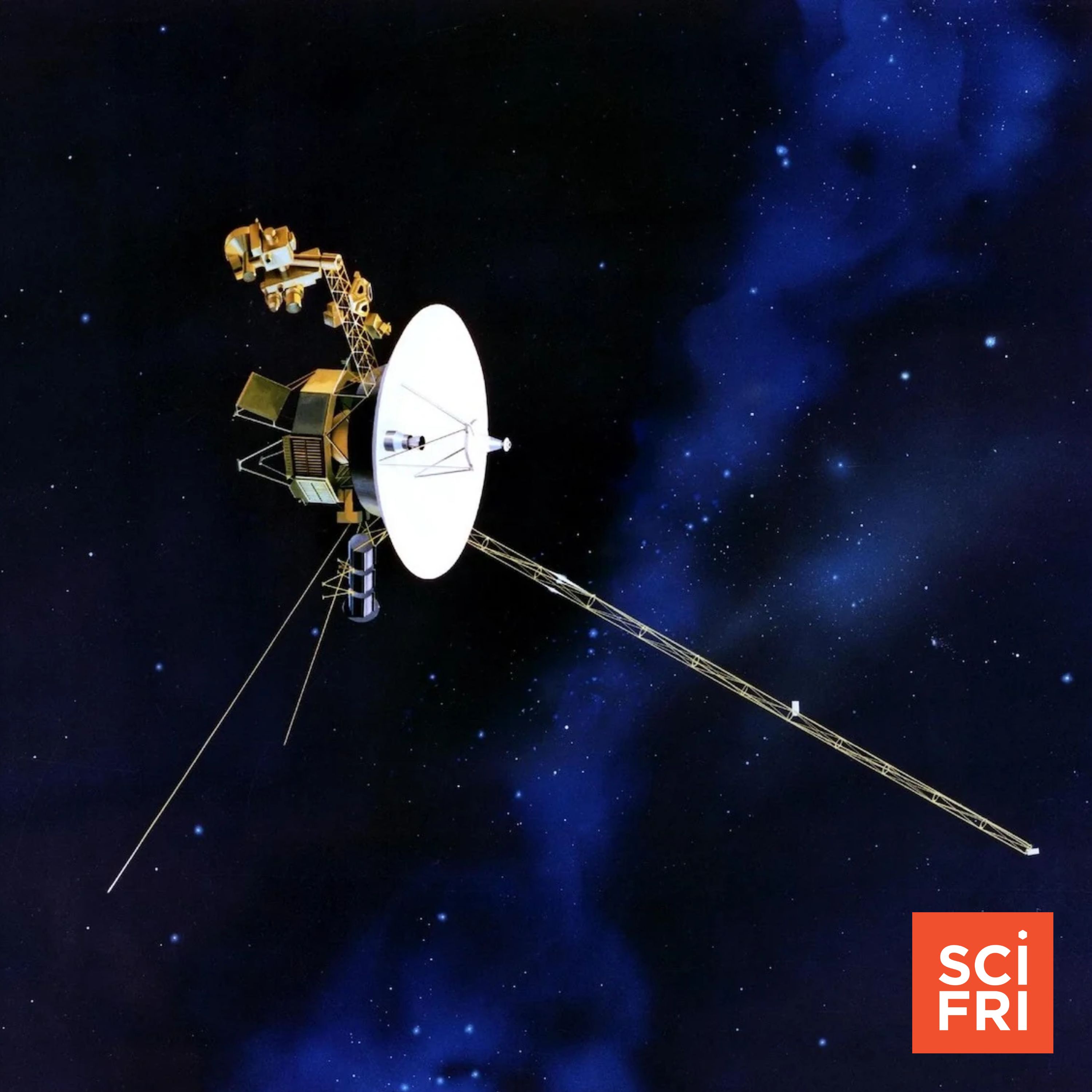
On November 18, the Voyager 1 spacecraft reached a cosmic milestone (https://www.sciencefriday.com/segments/voyager-1-is-a-full-light-day-away/), passing one light-day in distance from Earth, over 16 billion miles. That means that any transmission to or from Voyager takes a full 24 hours to arrive. NASA’s Jennifer Rocca joins Ira Flatow to mark the achievement, and look back on the legacy of the nearly 50-year flight of Voyager 1. Then, in an archival interview (https://www.sciencefriday.com/segments/are-we-there-yet-voyager-1-finally-answers-yes/) from 2013, Ira talks about the mission with the late Ed Stone, who managed the Voyager project for 50 years. Guest: Jennifer Rocca is NASA JPL deputy division manager for astrophysics flight projects. Transcripts for each episode are available within 1-3 days at sciencefriday.com (https://www.sciencefriday.com/segments/voyager-1-is-a-full-light-day-away/). Got a science question that’s keeping you up at night? Call us: 877-472-4374 Hosted by

Discuss this episode

Science Friday

The neuroscience behind ‘mommy brain’

20 min

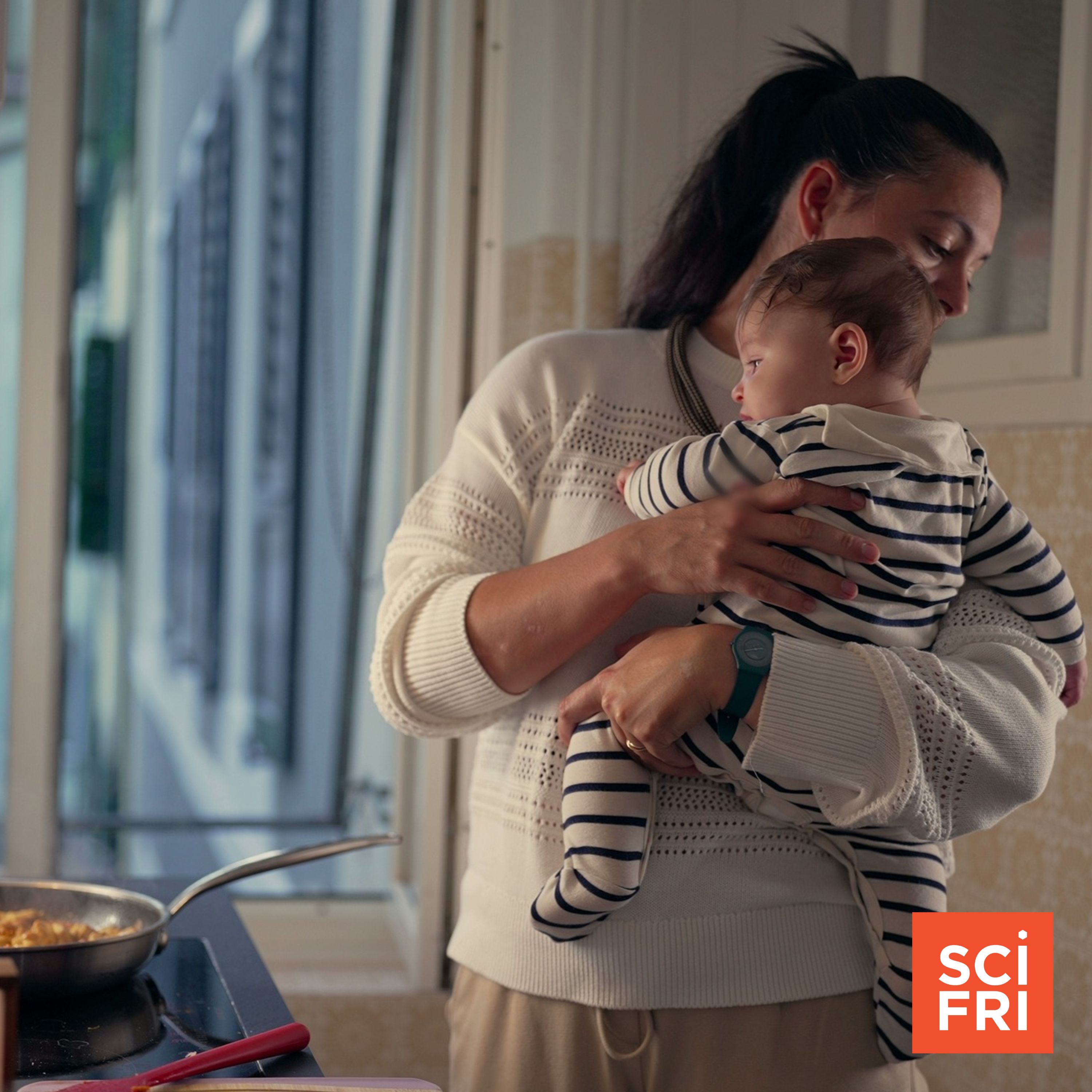
The term “mommy brain” has been popularized to describe a range of changes people experience (https://www.sciencefriday.com/segments/neuroscience-behind-mommy-brain/) during pregnancy and postpartum. They can include forgetfulness and brain fog, or larger personality changes, like a sudden fear of heights or increased paranoia. But how much of this can be tied to changes in the brain? And what happens to the brains of parents who haven’t given birth themselves? Neuroscientist Susana Carmona studies brain changes in pregnancy and parenthood. She joins Flora to talk about what she’s learned, and her new book, “A Mother’s Brain.” (https://bookshop.org/a/18570/9780262054782) Read an excerpt from “A Mother's Brain: The New Science of the Neuro-Maternal Revolution” (https://www.sciencefriday.com/articles/a-mothers-brain-book-excerpt/) Guest: Dr. Susana Carmona is a neuroscientist and author of “A Mother’s Brain: The New Science of the Neuro-Maternal Revolution.” She’s based in Madrid, Spain.

Discuss this episode

Community Poll

Public officials should meet ethical standards higher than the minimum required by law.

Share your view, then see how readers voted. No sign-in required. This poll is shared across stories.

Do you agree or disagree?

Choose one answer

Common Quandary

A Common Quandary to discuss

Another conversation to explore, separate from this news story.

A likable but unreliable former employee lists you as a reference. How honest are you?

A former employee who was unreliable but personally likable lists you as a reference without asking. Their prospective manager calls and asks only whether you would hire them again.

How much truth do you owe a stranger when it may cost someone a fresh start?

Explore this quandary