Listen through the publisher, then discuss the episode here or arrange an in-person Roundtable. Your city determines where to meet.
Roundtables are designed for groups of four, with a shared subject and room for everyone to speak. Come for discussion, with no dating expectation.
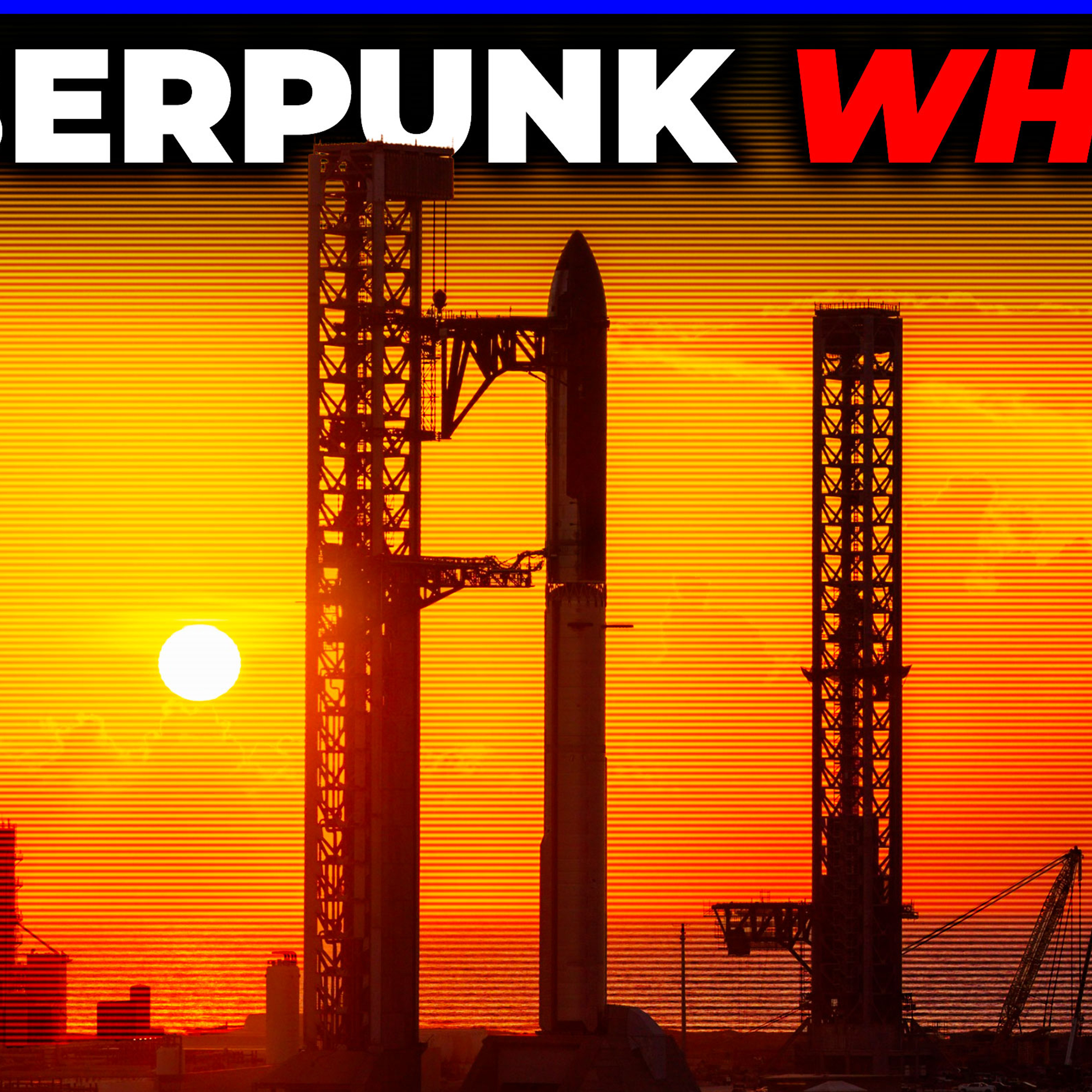
BONUS QUESTION STARTS AT 14:05 Watch the video here (with no ads) or on YouTube: https://youtu.be/29zYt-NR11k How will augmented children grow up? What's the most useful skill one can master right now? Is the cyberpunk already here? And in Q&A+, can you hack starlinks to act as GPS? 00:00 Intro 00:23 [@jeffhans1] Would children born with brainchips giving them language and math without having to learn them be more advanced or harmed by not having to learn those things? 08:33 [@TomSchultz78] what is the most usefullskill for a person at the current age? 11:20 [@HanSolo__] Are we already in cyberpunk? 14:05 [@jeffhans1] Would a Starlink reading be more accurate than GPS? 15:40 Final thoughts
Episode information is provided by the publisher. Listening takes place on the publisher’s service.
Viewers like you help make PBS (Thank you ) . Support your local PBS Member Station here: https://to.pbs.org/DonateSPACE Uploaded 11-07-18 In simple terms a gauge theory is one that has mathematical parameters, or “degrees of freedom” that can be changed without affecting the predictions of the theory. You can further support us on Patreon at https://www.patreon.com/pbsspacetime Get your own Space Time t-shirt at http://bit.ly/1QlzoBi Tweet at us! @pbsspacetime Facebook: facebook.com/pbsspacetime Email us! pbsspacetime [at] gmail [dot] com Comment on Reddit: http://www.reddit.com/r/pbsspacetime Help translate our videos! Previous Episode: Will A New Neutrino Change The Standard Model? https://www.youtube.com/watch?v=0mXW1zPlxEE&t (https://www.youtube.com/watch?t=&v=0mXW1zPlxEE) As far as we can tell, mathematics is the language in which the universe is written. Our laws of physics are equations of motion, along with some associated constants. Previously we’ve talked a bit about the sy
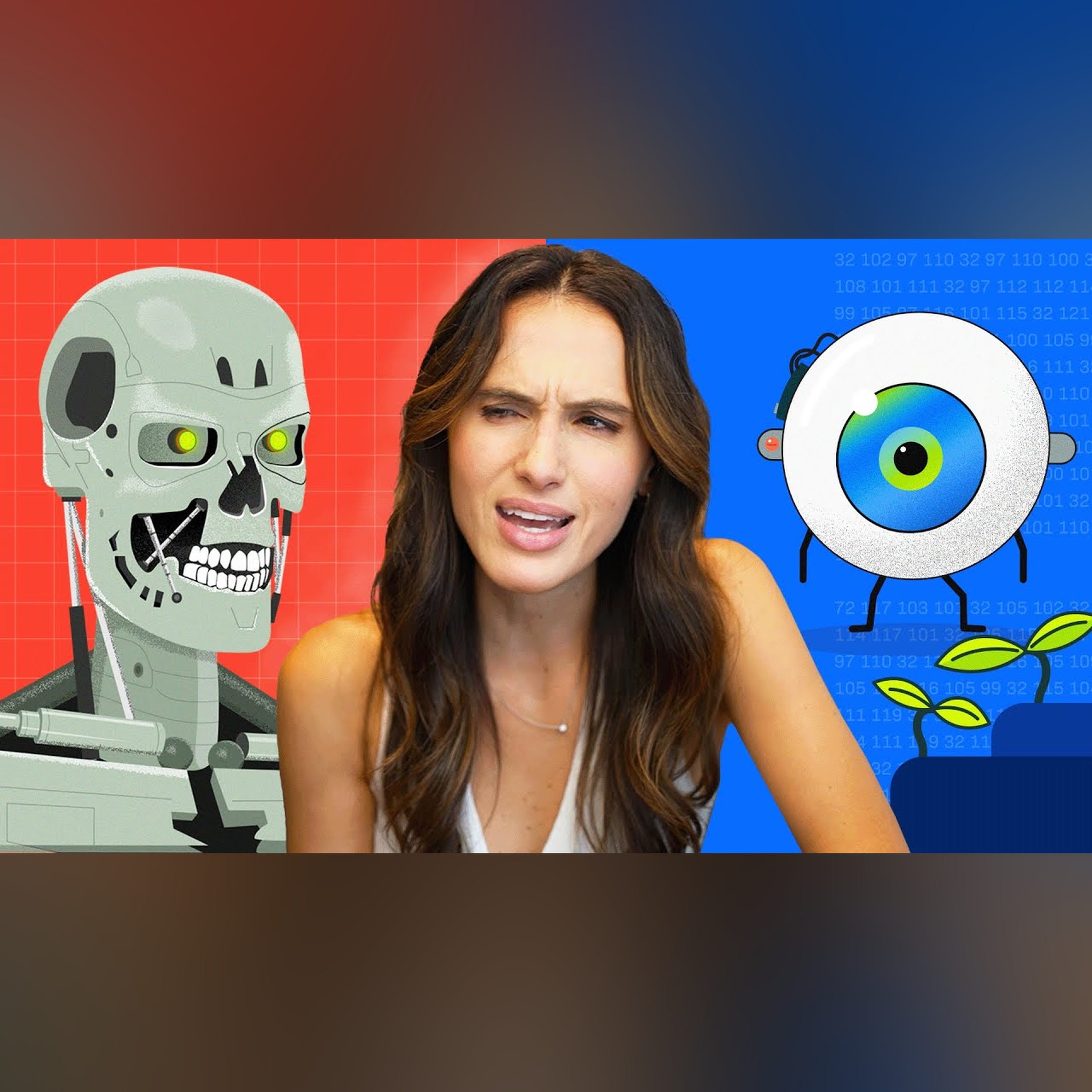
AI is here. Now what? Everyone’s talking about artificial intelligence and machine learning. There are lots of names thrown around - OpenAI’s ChatGPT and DALLE-2, Google’s Bard, Meta’s LLaMa 2, Midjourney, AlphaFold… Right now, we’re in this weird moment where lots of smart people agree we’re on the cusp of a truly world-changing technology. But some seem to be saying it's going to lead to human extinction while others are saying it’s “more profound than fire.” But it all feels so VAGUE. I want to know: How specifically would AI kill me? Or totally transform my life for the better? In this video, that’s what I’m going to try to learn. We dive into what the most extreme bad and good AI futures actually look like, so that you and I can get ready. And more importantly, so we can make sure that we get our real future RIGHT. Chapters: 00:00 Why is AI so confusing? 1:13 What is AI? 2:37 Why is everyone talking about AI now? 5:12 Why is AI dangerous? 6:22 How would AI kill me? 8:08 Should we
In this 360° animation, explore the vibrant world of neon signs and learn the science of what makes them glow. Uploaded 19-09-19 -- When the Hoover Dam was completed, it created a huge source of hydroelectric power and zapped a sleepy desert town to life: Las Vegas, Nevada. With the power supply from the dam, Las Vegas soon exploded with vibrant displays. The source of these dazzling lights was electrified neon gas. In this special 360° animation, explore the colorful world of neon signs as Lippy shares what makes them glow. -- How to view this TED-Ed animated 360° video: If you have access to a Google Cardboard viewer and a smart phone: 1. Open this video in the YouTube app on your phone. 2. Hit pause on the video. 3. Tap the 3 vertical dots on the top right corner of the view window. This will slide up a sub-menu where you will choose the quality setting of your video stream. Choose "2160s." Note that if you are not streaming over Wifi, YouTube will only allow "720s" quality. 4. Tap
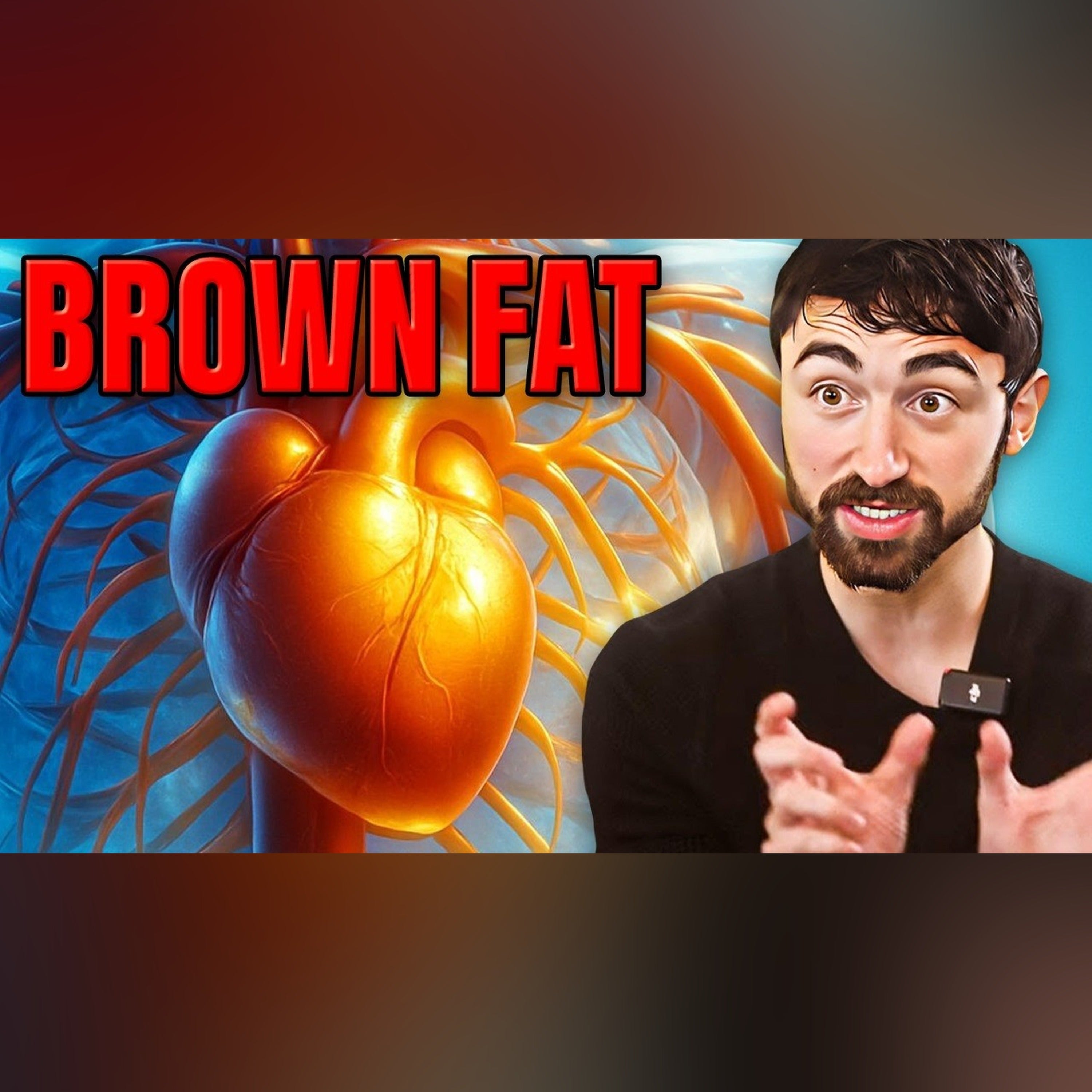
For all references and a written breakdown, see the associated StayCurious Metabolism Newsletter: https://staycuriousmetabolism.substack.com/p/the-fat-derived-hormone-that-could?r=40ekz2 Exciting new research in 2025 suggests that a fat-derived hormone called 12,13-diHOME may help to reverse age-related decline in cardiac function and slowing heart aging. The best part? You can boost it naturally — not with drugs or supplements, but with a simple lifestyle intervention that’s accessible today. In this video, we break down the latest metabolic health and longevity science on how this lipid hormone made by brown fat cells declines with age, how that hormonal drop contributes to cardiovascular aging, and what evidence-based lifestyle interventions can increase 12,13-diHOME to more youthful levels. If you care about heart health, reversing aging, and boosting metabolic resilience, this is essential science you should know. CHAPTER *Call our service line at 815-STAY-CUR (815-782-9287) or vi
When a family moved into an apartment in New York, they had no idea just how much history the building held. Over the years, it had reportedly served several purposes, including a city hall and a jail. But they wouldn't learn those details until after some frightening experiences had already begun. On their very first night, the mother came running into her son's room, terrified by a man who had appeared in her bedroom. He hadn't simply frightened her. According to her account, he'd made it very clear that the family wasn't welcome. And things only became stranger from there. As the family settled in, they experienced unexplained sounds, unsettling physical encounters, and incidents that made them question what was actually moving around their home. Had something remained behind from the building's long history? And was it determined to make the new occupants leave? #RealGhostStoriesOnline #TrueGhostStories #HauntedApartments #HauntedJail #HistoricHauntings #NewYorkGhostStories #Parano
A kiss can be wonderful. It can create an instant connection, spark romance, or make you feel closer to someone. But a kiss can also have the opposite effect — and sometimes ruin everything. So what makes kissing so powerful, and why can one kiss make such a difference? There's some fascinating science behind it. https://www.scientificamerican.com/article/why-we-kiss/ We spend an enormous amount of time worrying about what's going to change. What's next? What's coming? How do we prepare? But what if we're paying attention to the wrong things? Some of the most important forces shaping our lives never change, and understanding them may be far more valuable than trying to predict the future — something humans are notoriously bad at. Morgan Housel, partner at The Collaborative Fund and author of Same as Ever: A Guide to What Never Changes (https://amzn.to/3SwWn6u) (https://amzn.to/3SwWn6u)), joins me to explain why the things that stay the same may be the most important things to understan
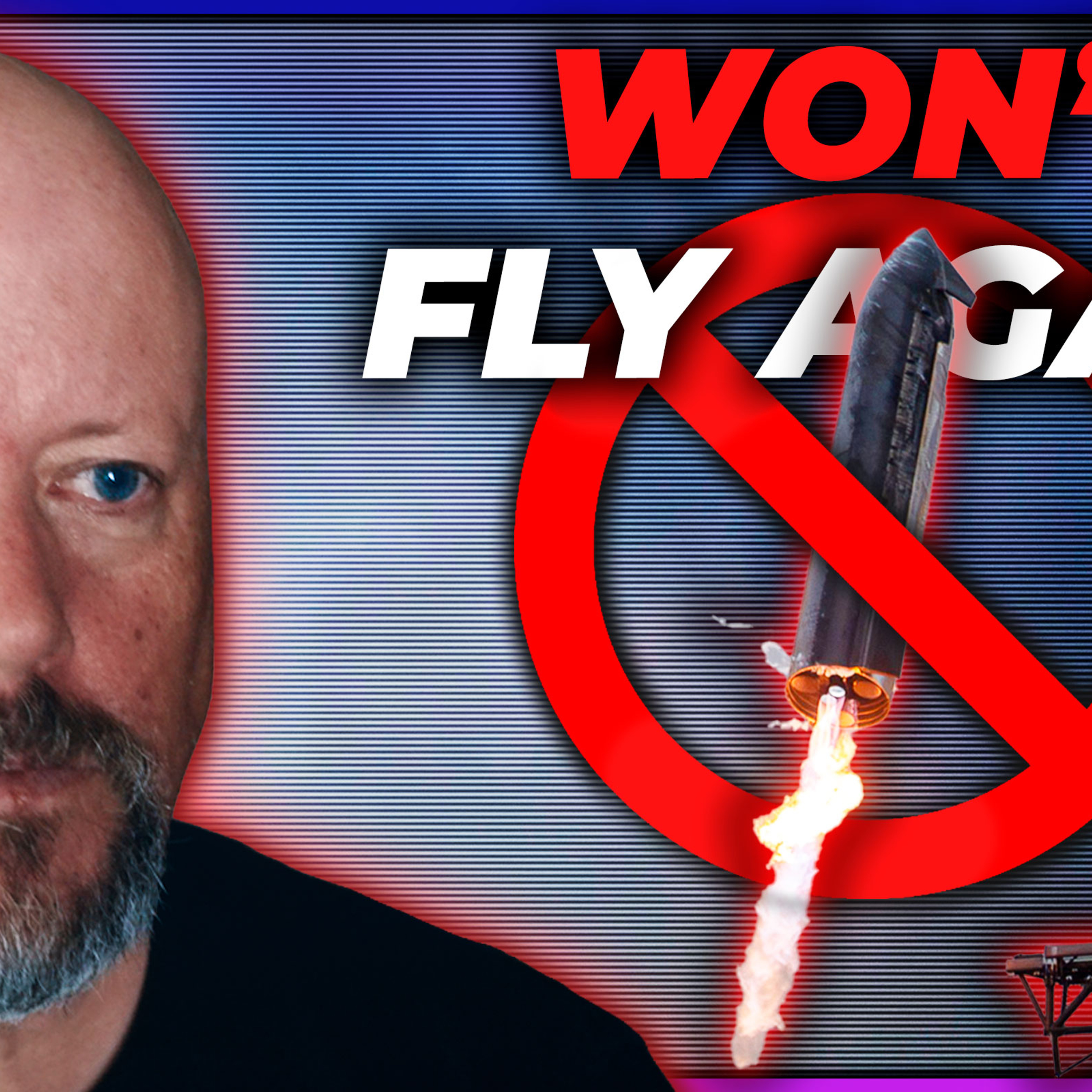
BONUS QUESTION STARTS AT 22:03 Watch the video here (with no ads) or on YouTube: https://youtu.be/rcj39PJq6ko Scott Manley’s Starship Flight 15 coverage: https://www.youtube.com/watch?v=uwGBBAv8PBI Vote for the best story here: https://www.youtube.com/@frasercain/posts SpaceX finally catches Starship, Euclid’s first big data release is out, a compelling new explanation for Little Red Dots, and a way to rule out a type of dark matter. And on Space Bites+, China is planning on sending a lander to Callisto. 00:00 Intro 00:17 Starship Catch https://www.universetoday.com/articles/baby-shes-back-spacex-catches-a-starship-from-orbit-for-first-time https://www.universetoday.com/articles/spacex-launches-starship-but-passes-up-booster-catch-for-safetys-sake 05:37 Euclid’s First Big Release https://www.universetoday.com/articles/euclids-first-data-release-a-stepping-stone-to-its-3d-map-of-the-sky 08:39 No GPS? No Problem! https://www.universetoday.com/articles/navigating-lunar-orbit-using-nothing
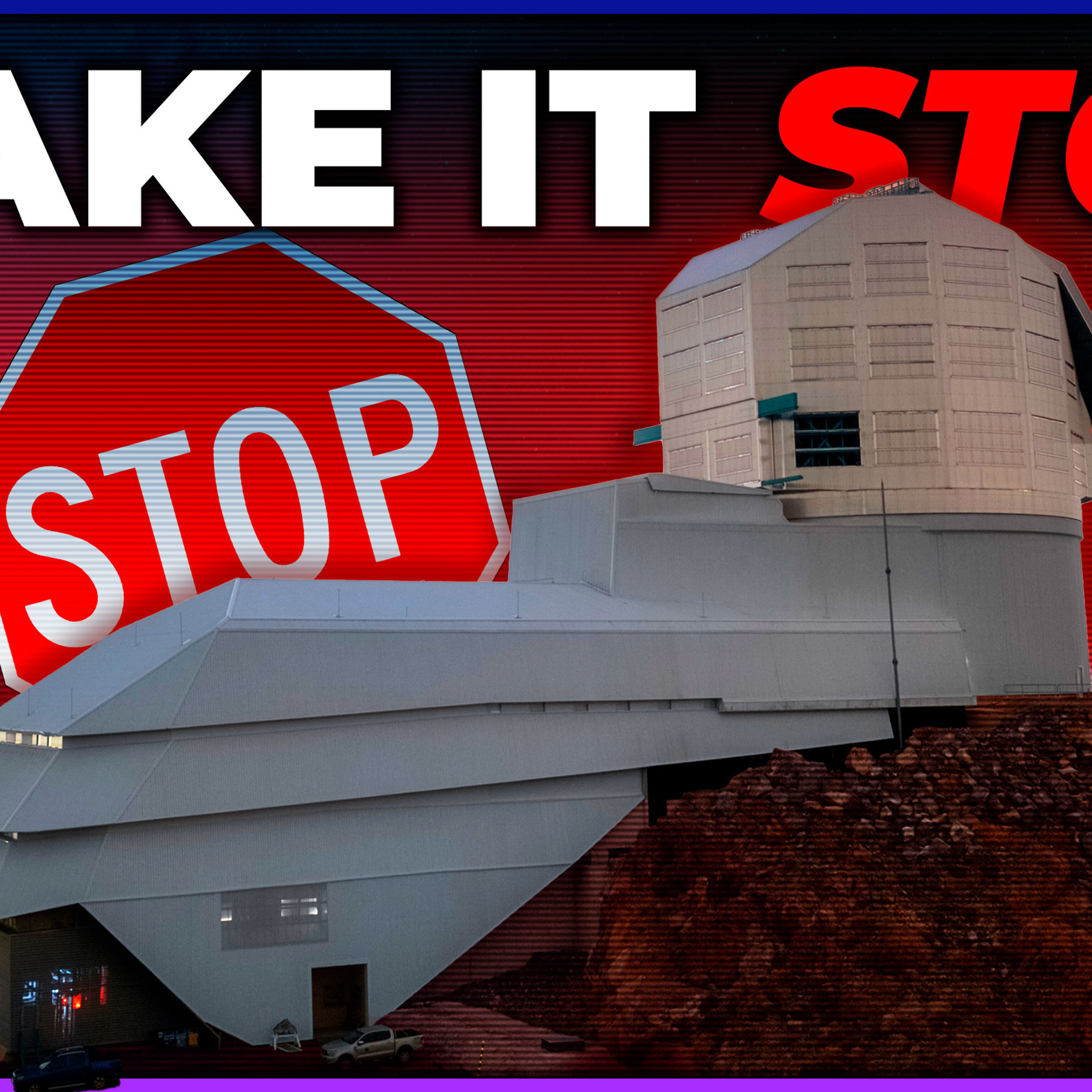
BONUS PART STARTS AT 33:07 Watch here (with no ads) or on YouTube: https://youtu.be/wKs1AUkNOX4 Rubin’s Data Pipeline Interview: https://youtu.be/VKrpJODdEM0 Rubin’s Meteorite Hunting Interview: https://youtu.be/CgAEIutaM5w Rubin’s Director Interview: https://youtu.be/HQKswmYpxKE Guest: Sean MacBride https://seanmacb.github.io/ Vera Rubin's doing the most comprehensive survey of the night sky. But there are certain events that can require it to stop whatever it's doing and go see what's happening elsewhere. These are called Target of Opportunity events. What exactly can trigger such behaviour and what's the procedure? Finding out in this interview. Rubin's Target of Opportunity Program https://rubinobservatory.org/explore/how-rubin-works/lsst/rubins-too-program 00:00 Intro 01:52 Rubin's Target of Opportunity program 10:46 Kilonova 18:04 What science does Rubin bring 25:19 Milky Way supernova 27:52 The process for Target of Opportunity 33:07 Sky pollution with satellites 41:07 Current o
BONUS QUESTION STARTS AT 12:02 Watch the video here (with no ads) or on YouTube: https://youtu.be/SnKwe-h9zCQ What's the current role of AI in real Astronomy research? What events this year caught me off guard? Are we living in a huge black hole? And in Q&A+, what's going on with all the AI cookiecutter science channels on YouTube? 00:00 Intro 00:25 [@rJaune] Can you point out places in Astronomy where Machine Learning has been an important part of discovery? 03:58 [@paigepotter4682] What’s a recent “this wasn’t on my bingo card” astronomical discovery or development? 05:35 [@Marko21] What’s going on with Juno mission, is it still orbiting Jupiter? 08:18 [@vistotutti6037] Is our entire Universe inside an enormous Black Hole? 12:02 [@lindsayboe4914] Am I concerned about all of the AI cookiecutter "science" channels that are popping up on YT spewing misinformation? 16:50 Final thoughts
Public spaces should allow peaceful disagreement while preventing intimidation.
Share your view, then see how readers voted. No sign-in required. This poll is shared across stories.
Do you agree or disagree?
Common Quandary
A Common Quandary to discuss
Another conversation to explore, separate from this news story.
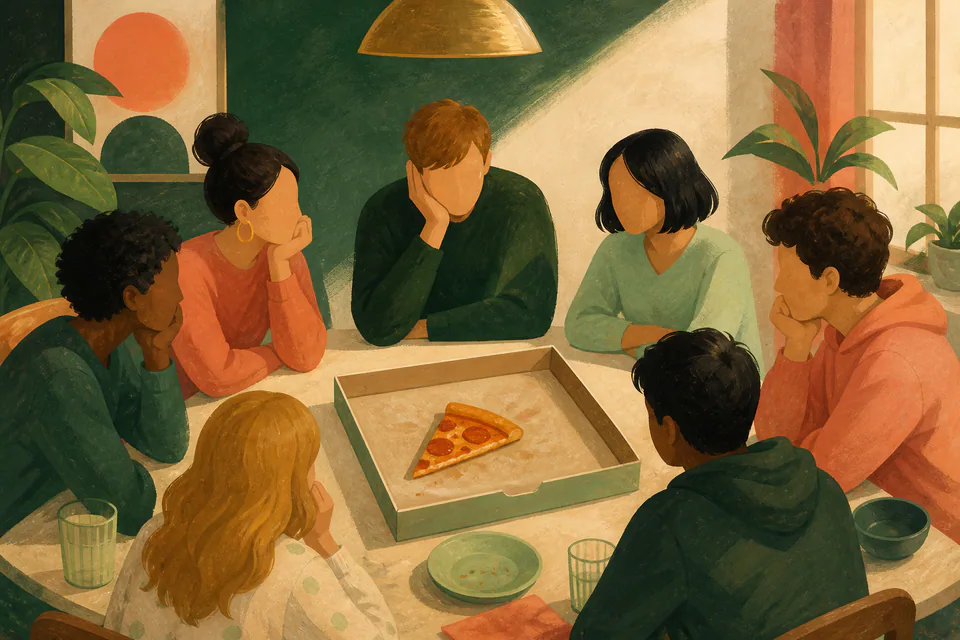
One slice of pizza remains and everyone is pretending not to want it. Can you take it?
Six friends have been circling the last slice of pizza for twenty minutes. Nobody claims it when you ask, yet two people keep glancing at the box. You are still hungry and paid the same share as everyone else.
Does politeness require leaving something that nobody will openly claim?