English-language podcasts

The Rest Is Science

Why Sharks Attack The Internet

50 min

Listen through the publisher, then discuss the episode here or arrange an in-person Roundtable. Your city determines where to meet.

Roundtables are designed for groups of four, with a shared subject and room for everyone to speak. Come for discussion, with no dating expectation.

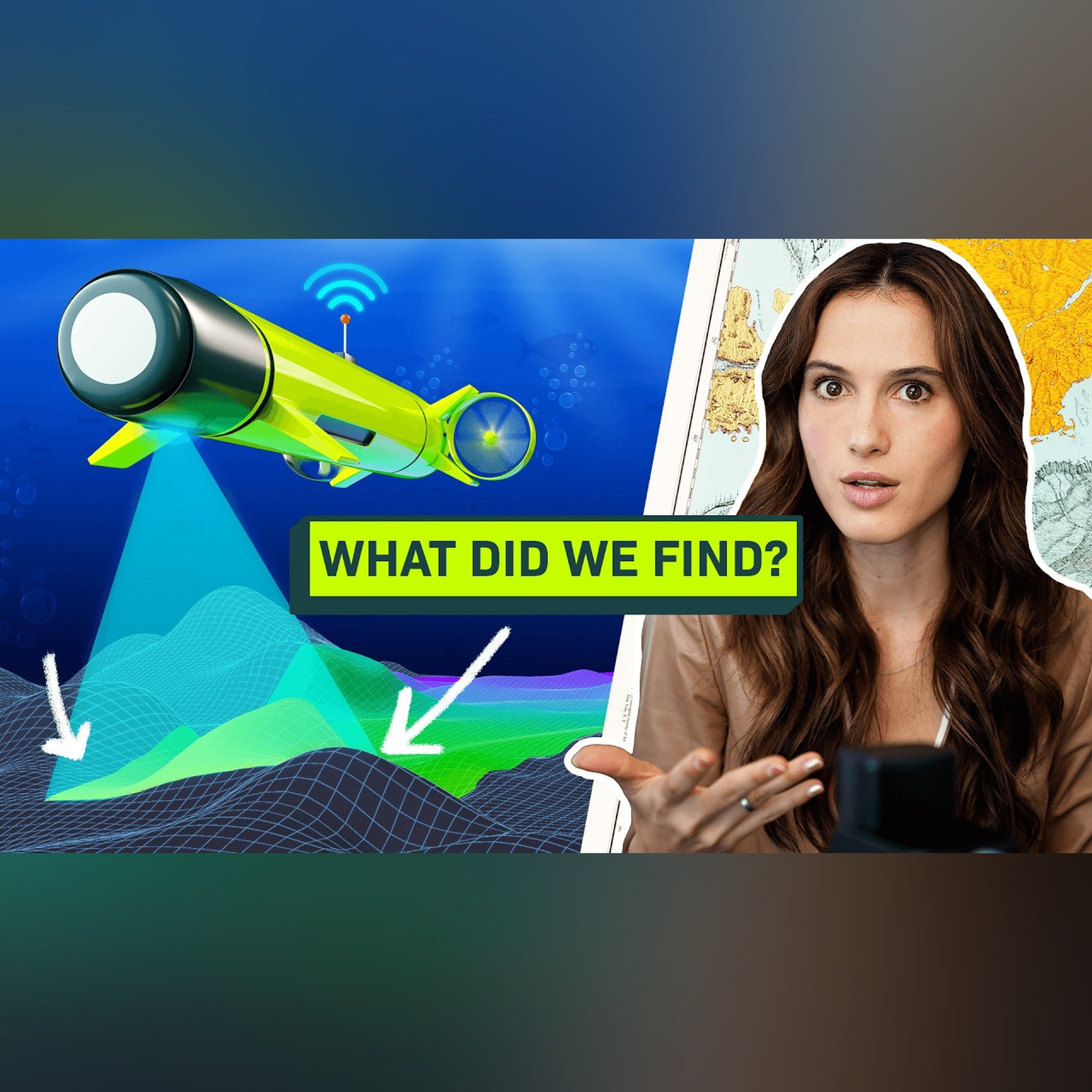
Every week, around three undersea internet cables get damaged badly enough to need urgent repair... and the culprit usually isn’t sabotage. Submarine cables carry more than 99% of the world’s international data, from your video calls to global financial transactions. Yet they lie on the ocean floor, where fishing gear and dragging ship anchors cause huge amounts of the damage. In this episode of The Rest Is Science, Professor Hannah Fry and Michael Stevens (Vsauce) investigate the hidden network of underwater cables holding the internet together, and the problems that come with running it across the bottom of the ocean. How do you lay a cable across an entire ocean? What happens when one breaks miles below the surface? And in the age of satellites, why are we still relying on cables on the seabed? ------------------- A company limited by guarantee. Registered address: 2 Redman Place, London, E20 1JQ. ------------------- ------------------- Video Producer: Adam Thornton + Oli Oakley + Jack Meek Animator: Sam Benson Video & Social: Bex Tyrrell Producer: Simona Rata + Lucy Lipscombe Senior Producer: Lauren Armstrong-Carter Chief Digital Officer: Samuel Oakley Exec Producer: Neil Fearn

Episode information is provided by the publisher. Listening takes place on the publisher’s service.

Listen at the source ↗

Featured places to meet in Palo Alto, CA

Explore these places and arrange a conversation through ThinkMatch.

City guide for Palo Alto, CA

More from The Rest Is Science

The Rest Is Science

Mapping Cancer’s Life Story

34 min

Why can’t eating more stop the wasting syndrome that cancer can cause? In The Rest Is Science’s first ever interview, Professor Hannah Fry and Michael Stevens (Vsauce) sit down with Professor Mariam Jamal-Hanjani, lung cancer specialist and Chief Clinician at Cancer Research UK. Cachexia is a wasting syndrome that affects around 80% of people with advanced cancer. Some patients die from it rather than from cancer itself. Professor Mariam explains how cancer hijacks the body’s metabolism, and how Team CANCAN. They also explore what the PEACE autopsy study reveals about how cancer spreads, how the TRACERx study led to LungVax, the first ever lung cancer prevention vaccine trial, and the rogue extrachromosomal DNA (ecDNA) found in aggressive cancers. Along the way: lung cancer in people who’ve never smoked, how immunotherapy changed cancer treatment, and Hannah’s own experience of cervical cancer and what the HPV vaccine could mean for future generations. Could we one day vaccinate agains

Discuss this episode

The Rest Is Science

What's The Deal With Boomers?

65 min

Boomers were born into a world that bent itself around them. So why do they seem so annoyed by the one they built? Professor Hannah Fry and Michael Stevens (Vsauce) tackle the question the internet can't stop asking: what's the deal with boomers? Was it a baby boom that changed everything, or did everything change because of the babies? Is a "generation" even a real thing, or just a label we all agreed to believe in? And how does the flower-power rebel of the 60s become the "don't tell me what to do" voice of today? Along the way, Hannah and Michael go looking for the very first baby of every generation, find out just how long boomers might be with us, and uncover three little letters that might explain it all. ------------------- A company limited by guarantee. Registered address: 2 Redman Place, London, E20 1JQ. ------------------- ------------------- Video Producer: Adam Thornton + Oli Oakley + Jack Meek Animator: Sam Benson Video & Social: Bex Tyrrell Producer: Simona Rata + Lucy L

Discuss this episode

The Rest Is Science

The Secrets Michael Keeps From Himself

36 min

Is it better to own something amazing, or to actually experience it? Michael has built a collected a whole shelf of things he refuses to look at, smell or open, and he's about to defend every one of them. Professor Hannah Fry and Michael Stevens (Vsauce) are back with Field Notes, a show-and-tell where the star attractions stay firmly sealed. Is a puzzle still a puzzle if the answer is staring you in the face? What does the tail of a comet smell like, and why will Michael never find out? And what is hiding inside a mystery can that's been sitting on his shelf for years? Then it's over to your questions. Can you wake up from surgery knowing something you never learned? What is the oldest everyday object we still use, and where does Lizzo come into it? ------------------ A company limited by guarantee. Registered address: 2 Redman Place, London, E20 1JQ. ------------------- ------------------- Video Producer: Adam Thornton + Oli Oakley + Jack Meek Animator: Sam Benson Video & Social: Bex

Discuss this episode

Community Poll

A workable temporary compromise is often better than delaying all action.

Share your view, then see how readers voted. No sign-in required. This poll is shared across stories.

Do you agree or disagree?

Choose one answer

Common Quandary

A Common Quandary to discuss

Another conversation to explore, separate from this news story.

Your roommate's partner sleeps over six nights a week. Are they now a roommate?

Your roommate's partner stays almost every night, showers daily, and keeps food in the kitchen. They are pleasant and spend weekends elsewhere, but pay no rent or utilities. The lease limits overnight guests.

When does welcome presence become an obligation to contribute?

Explore this quandary