1943 Cambridge Spy Ring Origins and Early Betrayals — Part One Antonia Senior, author of Stalin’s Apostles: The Cambridge 5 and the Making of the Soviet Empire, describes how Soviet intelligence recruited gifted Cambridge students, including working-class outlier John Cairncross, who passed Bletchley Park decrypts and atomic secrets to Moscow. Donald Maclean exploited high-level British diplomatic access in Washington to pass secret discussions on the formation of NATO to Joseph Stalin. (9)
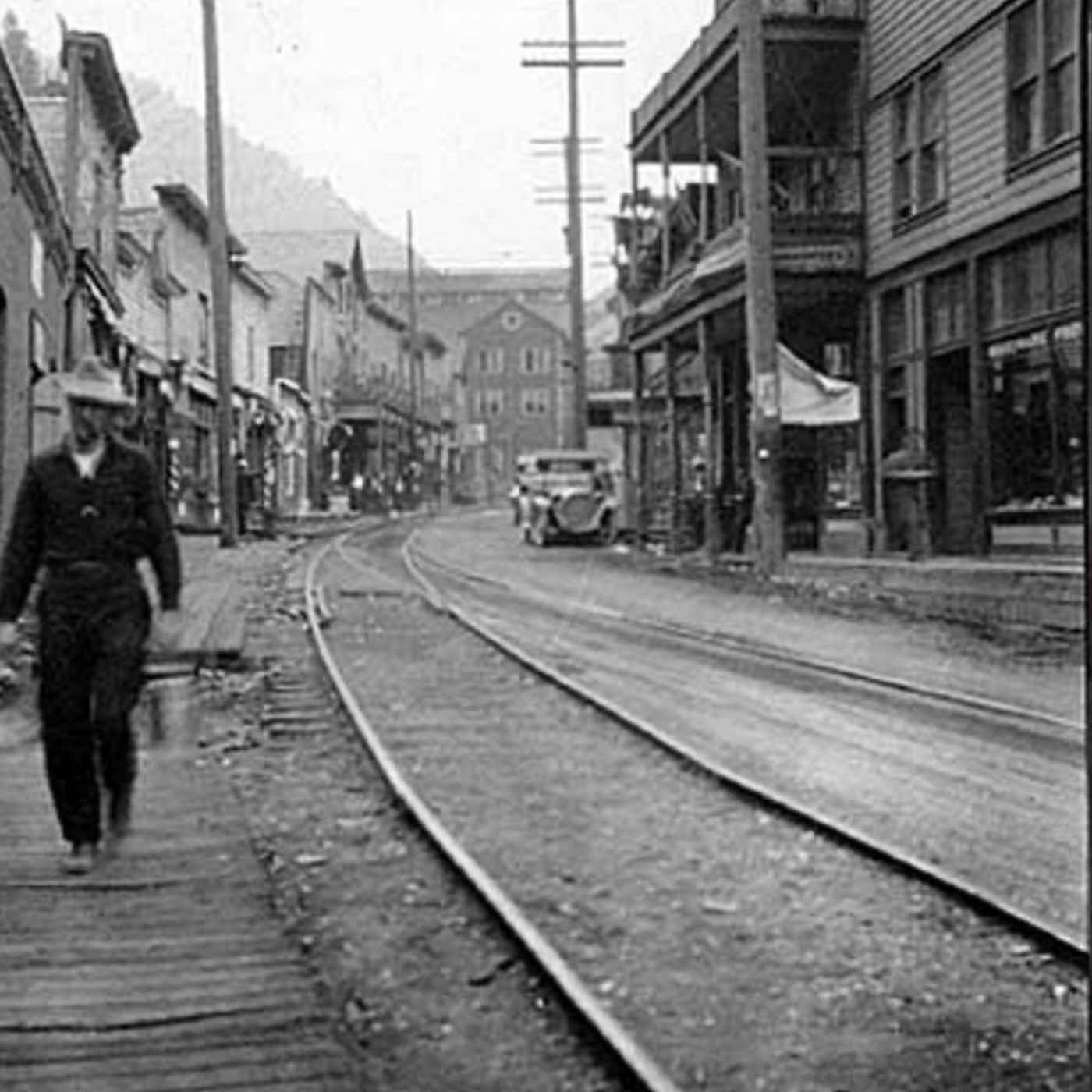
1900 HECLA MINE NORTHERN IDAHO Small Business Confidence and Artificial Intelligence Integration — Part Two Gene Marks reports that small business surveys reflect steady employment growth, resilient hiring, and record startup application filings nationwide. Entrepreneurs show robust confidence by rapidly adopting artificial intelligence reporting tools, while data center construction provides crucial ongoing support to regional commercial building sectors. (8)
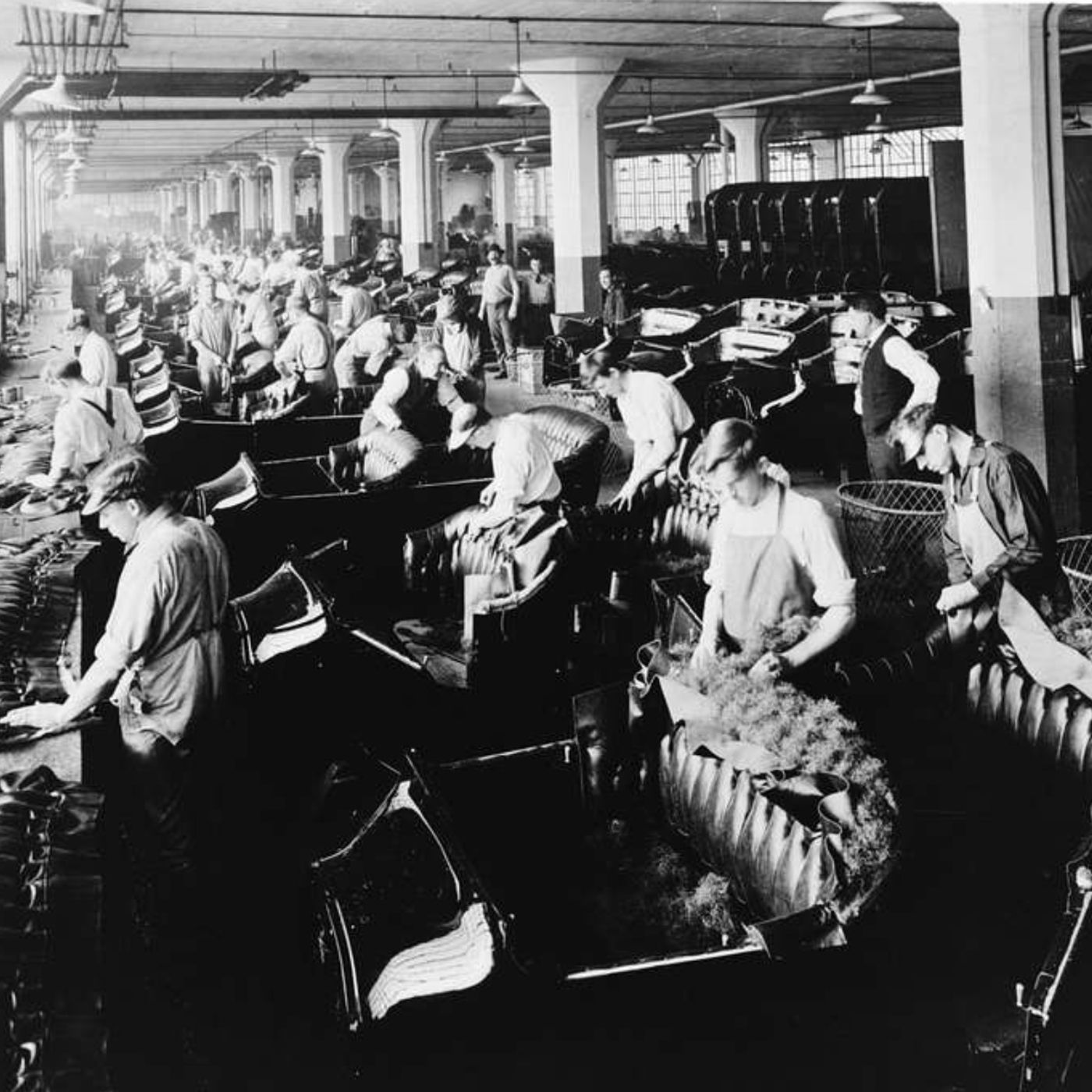
1920 DODGE BROTHERS Tape Manufacturing Resilience Amid Inflation — Part One Gene Marks describes pressure-sensitive tape manufacturers navigating elevated raw material costs and international tariffs while maintaining strong sales growth. US domestic manufacturing expands through supply chain reshoring, while consumer spending drives resilient holiday retail despite housing market stagnation and persistent Producer Price Indexincreases. (7)
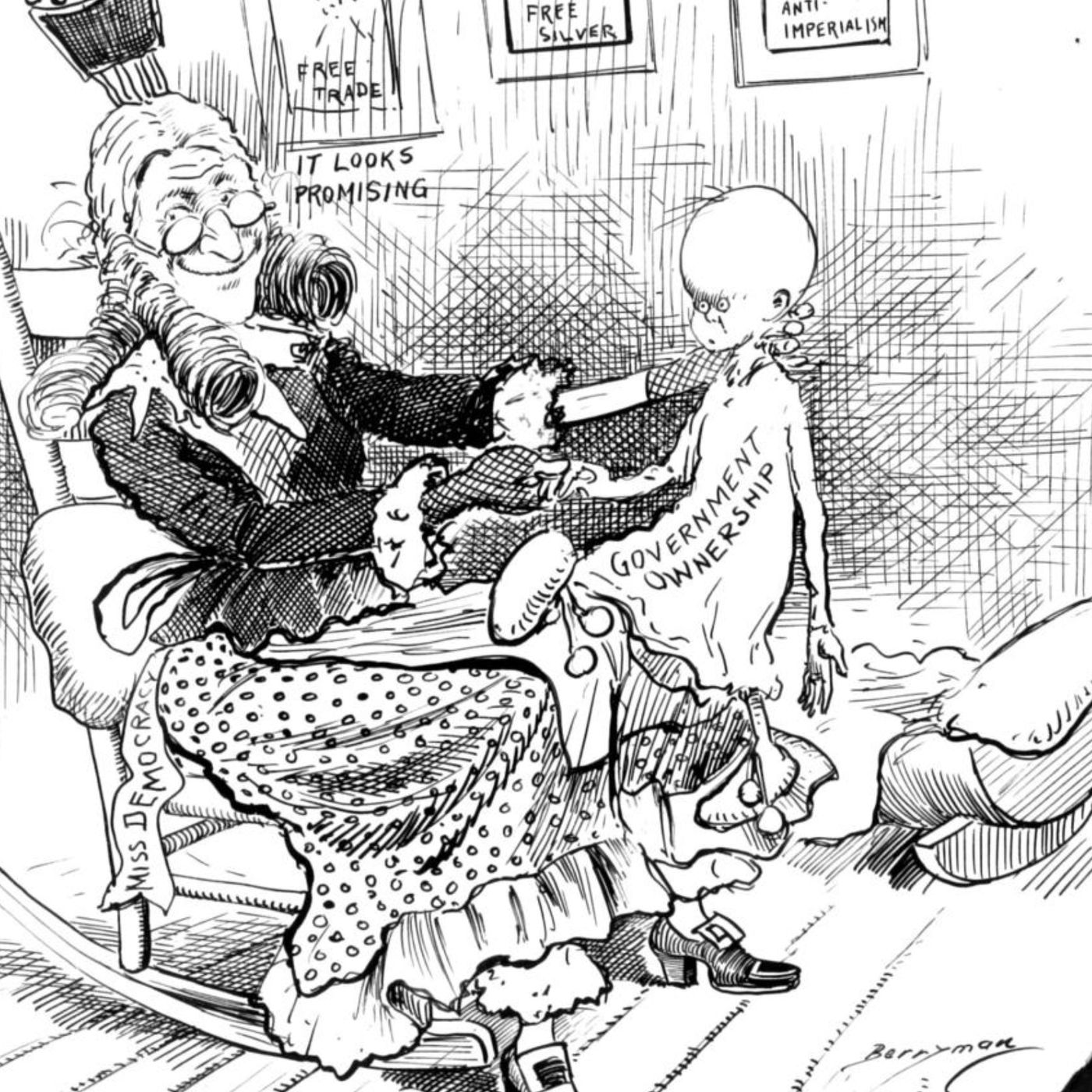
1905 MISS DEMOCRACY Political Existential Risks and Unaffordable Policy Proposals Véronique de Rugy observes that political rhetoric frequently frames opposing presidential candidates as existential national threats, while party candidate selection remains flawed. She sharply criticizes progressive proposals, including universal basic income, free childcare, Medicare for All, and wealth taxes, as fiscally unaffordable and unsustainable over the long term. (6)
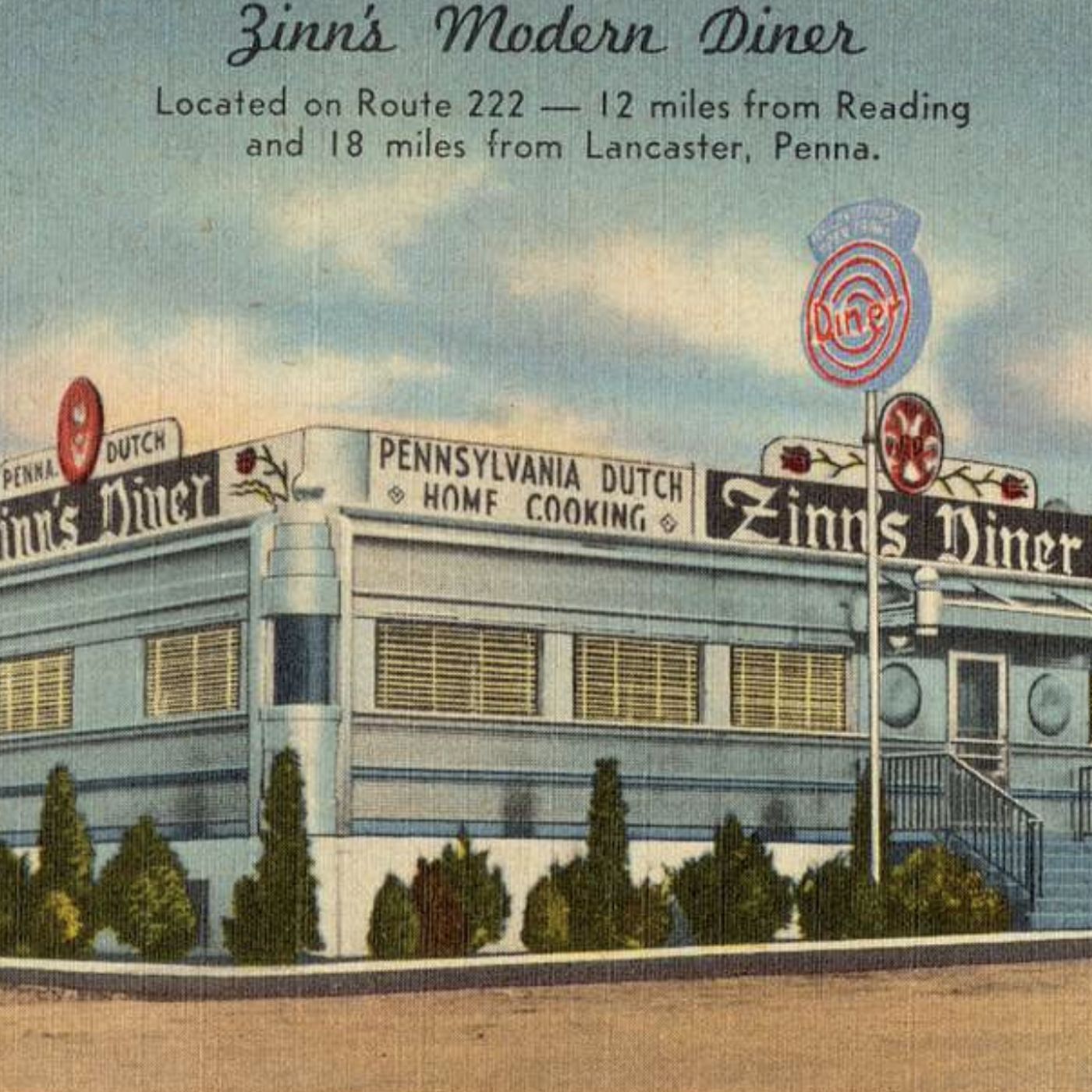
1945 ZINN'S MODEL DINER LANCASTER PA Lancaster County Employment Resiliency and Holiday Shopping Jim McTague reports that Lancaster County maintains a robust local economy, with exceptionally low unemployment, active holiday retail shopping, and lower gas prices. Local historical innovations like the Pennsylvania long rifle and the Conestoga wagon contrast with modern debates over the water consumption of regional data centers. (5)
FEBRUARY 1930 Public Engagement Demanded for AI Constitutional Alignment — Part Two Kevin Frazier explores practical alignment methods, including red-teaming protocols and constitutional classifiers designed to prevent model misuse. He emphasizes the urgent need for institutionalized public consultation so that broader societal values, rather than corporate preferences alone, shape future artificial intelligence governance. (4)
JULY 1952 Artificial Intelligence Constitutionalism Defines AI Governance Rules — Part One Kevin Frazier discusses how leading technology developers publish internal alignment documents, such as Anthropic’s constitution for Claude, to guide AI model behavior. He compares these governance frameworks to administrative rulemaking, advocating heightened transparency, public notice, and formal administrative procedures to oversee powerful AI systems. (3)
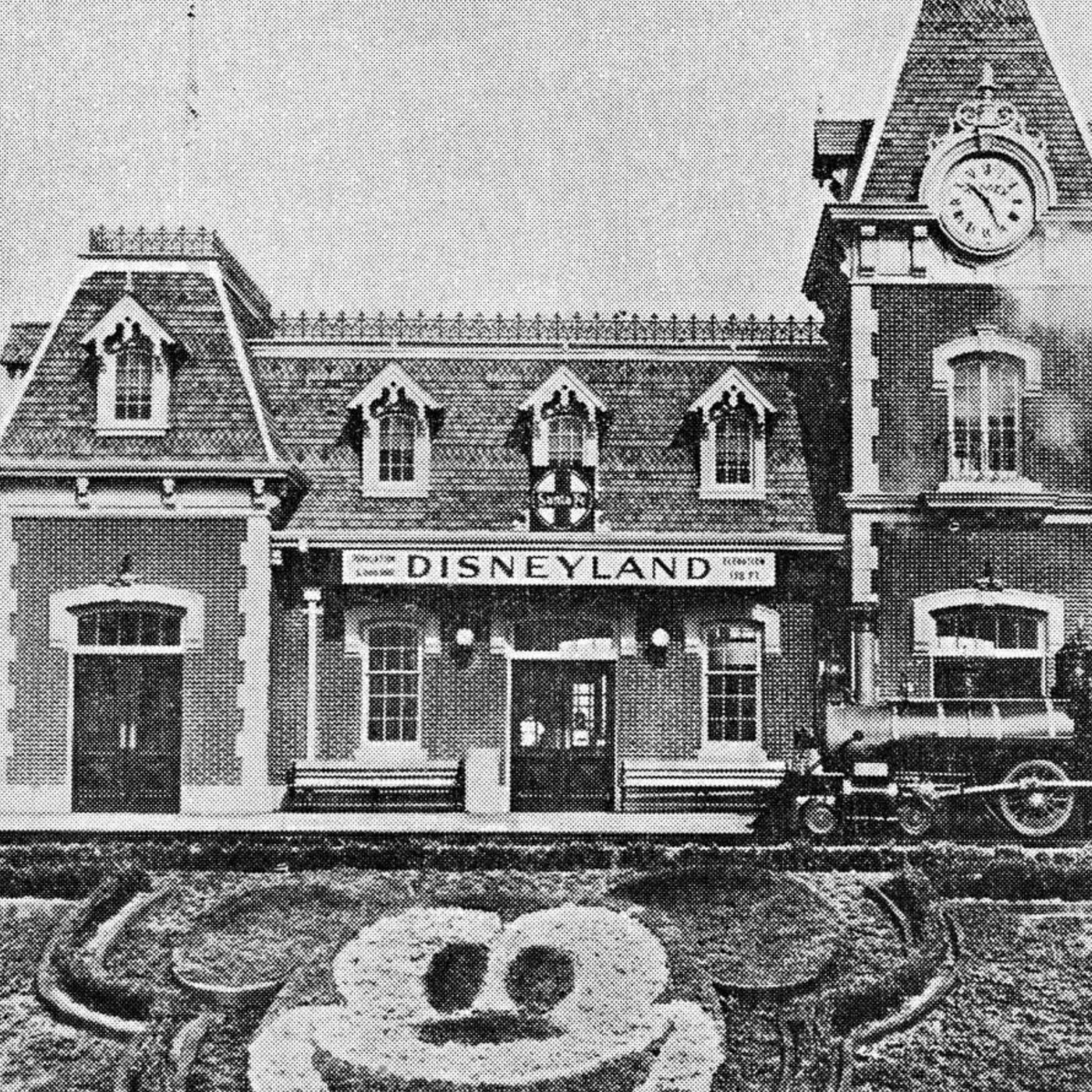
1957 Disneyland Expansion Projects and Historic Casino Transformation — Part Two Jeff Bliss describes Disneyland’s expansive theme park developments, including new themed lands and corporate Imagineering facilities in Cypress. Meanwhile, historic Las Vegas landmarks such as the Showboat and Imperial Palace undergo creative destruction, making way for modern commercial and residential development and updated entertainment venues. (2)
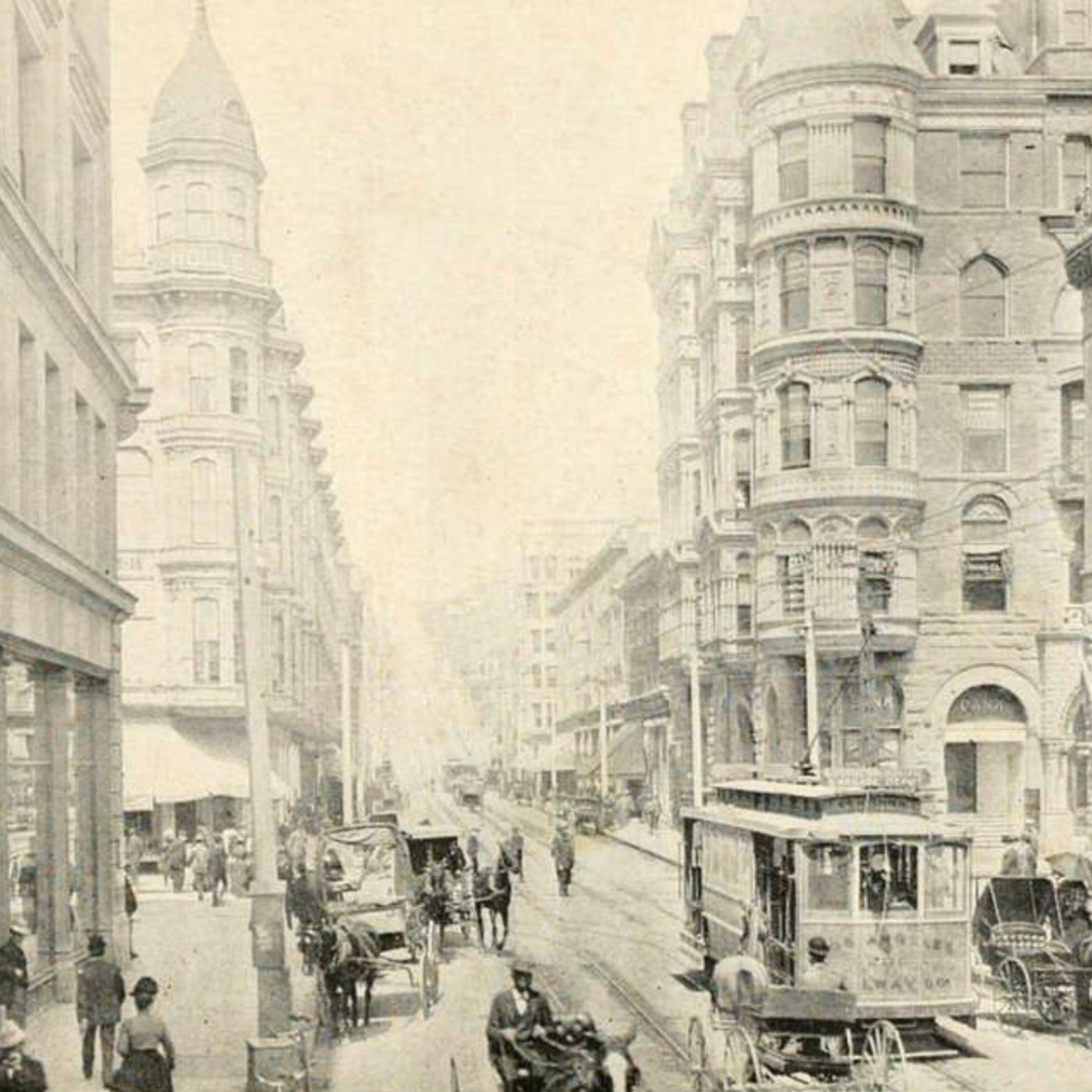
1903 DOWNTOWN LA Severe Atmospheric Rivers Impact Southern California Coastline — Part One Jeff Bliss reports that massive atmospheric river storms are bringing damaging surf and unusually warm sea temperatures to Southern California’s coastal waters. Severe high waves threatening beachfront property highlight local coastal vulnerabilities, while historical surge projections underscore broader municipal unpreparedness for a major tsunami along the region’s Pacific beaches. (1)
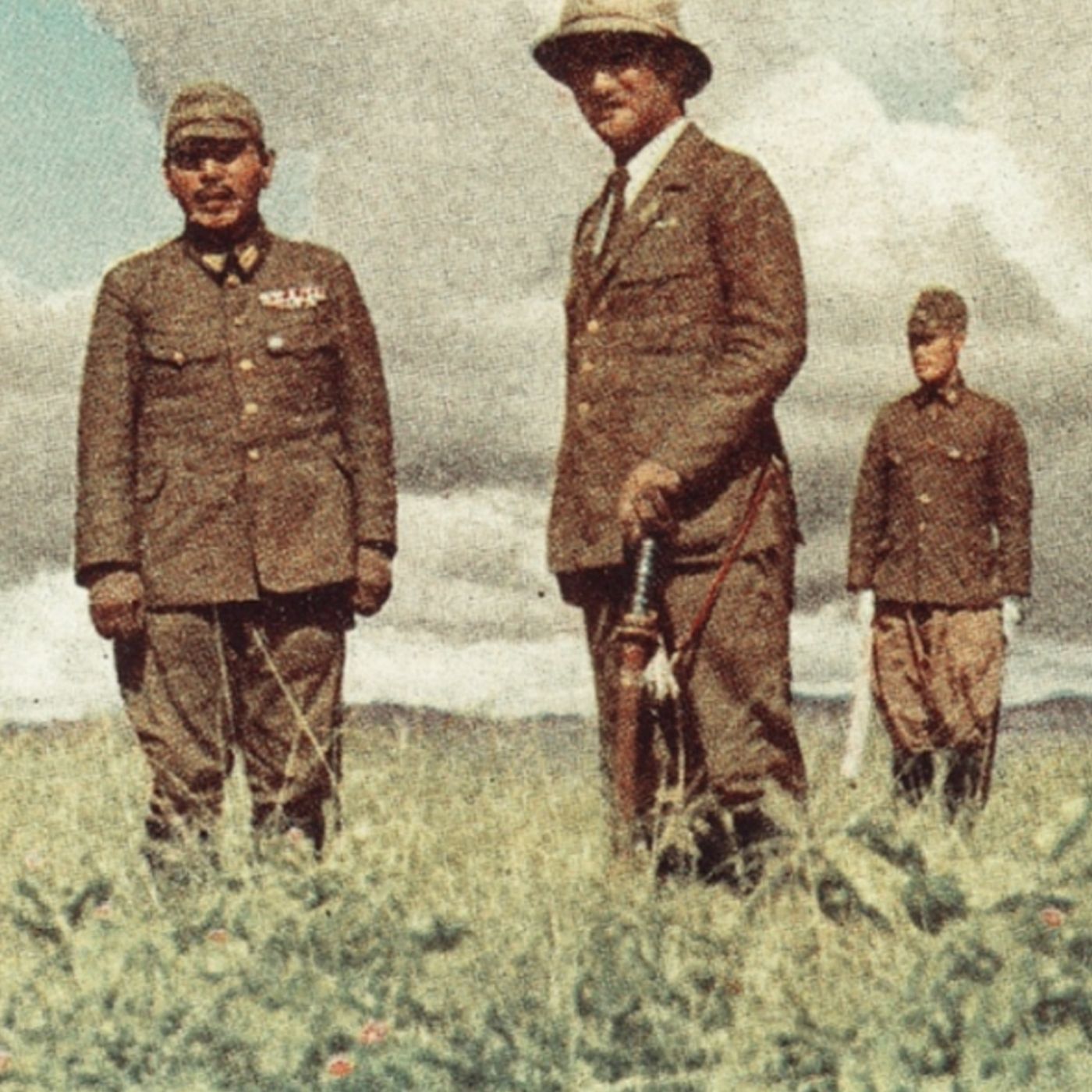
CONTENTS JOHN BATCHELOR SHOW 11-12-26 1942 SINGAPORE Nvidia Scandal Reveals Chinese Espionage — Part One David Shedd discusses the resignation of Nvidia CEO Jensen Huang after revelations of an extramarital affair with Alice Wang, a suspected agent linked to China’s Ministry of State Security. Shedd describes how Wang exploited commercial networks to divert more than seven billion dollars in forbidden GPUs into China. (1) Sabotage Threatens American Artificial Intelligence — Part Two David Shedd argues that Beijing’s sophisticated espionage campaign against Nvidia amounts to strategic sabotage intended to dismantle America’s lead in artificial intelligence. Meanwhile, Wall Street remains deeply vulnerable because corporate leadership repeatedly suppressed early warnings from intelligence officials about Chinese operations targeting microchips. (2) Mike Pence Defends Traditional Conservatism Tal Fortgang discusses Mike Pence’s new book examining traditional Reaganite conservatism versus
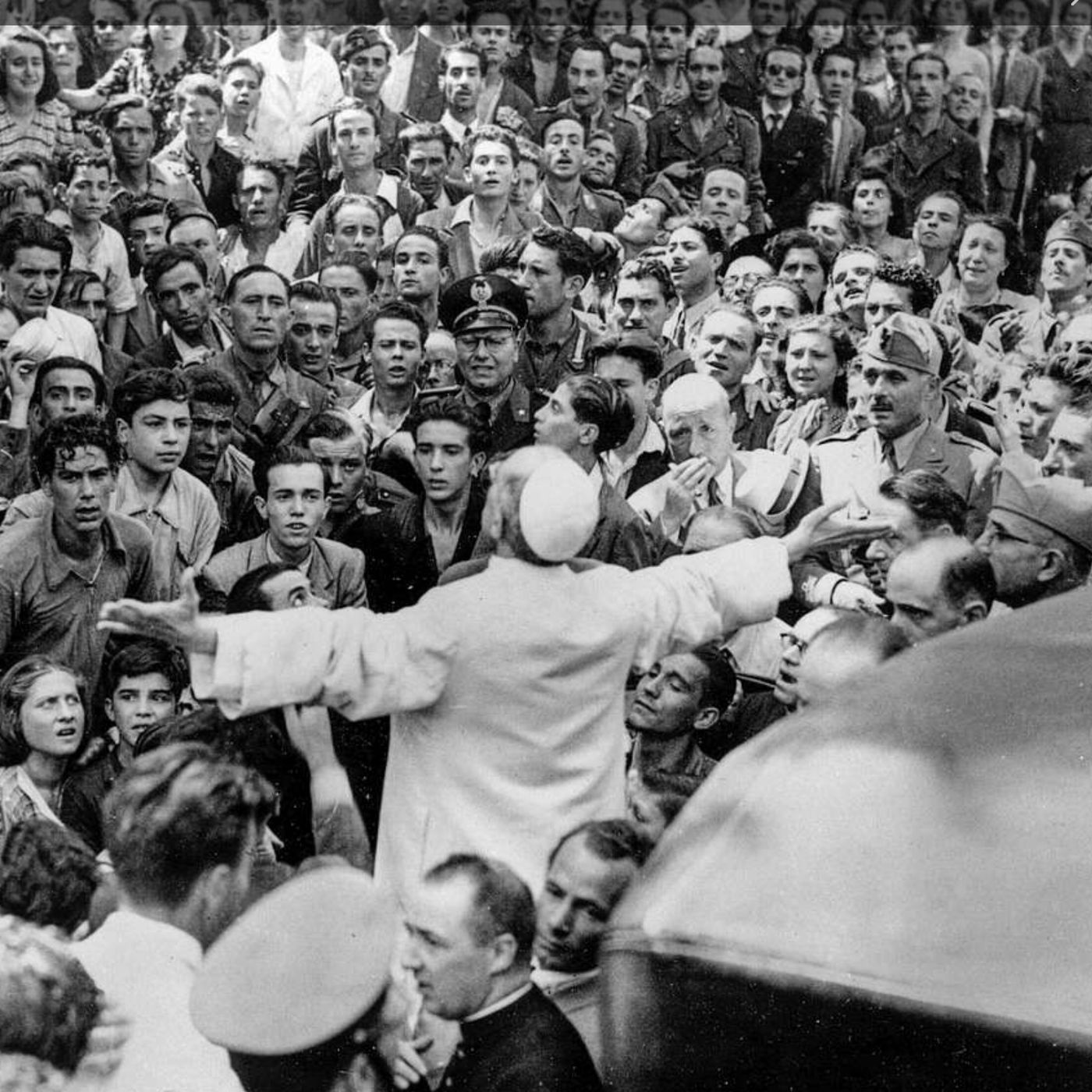
1940 POPE PIUS XII Papal Visit Highlights Latin America — Part Four Evan Ellis addresses Brazil’s economic struggles with high national debt and interest rates under President Lula da Silva. He then highlights Pope Leo XIV’s 31,000-mile Latin American tour across Uruguay, Argentina, and Peru, drawing millions with messages of compassion and ethical leadership. (16)
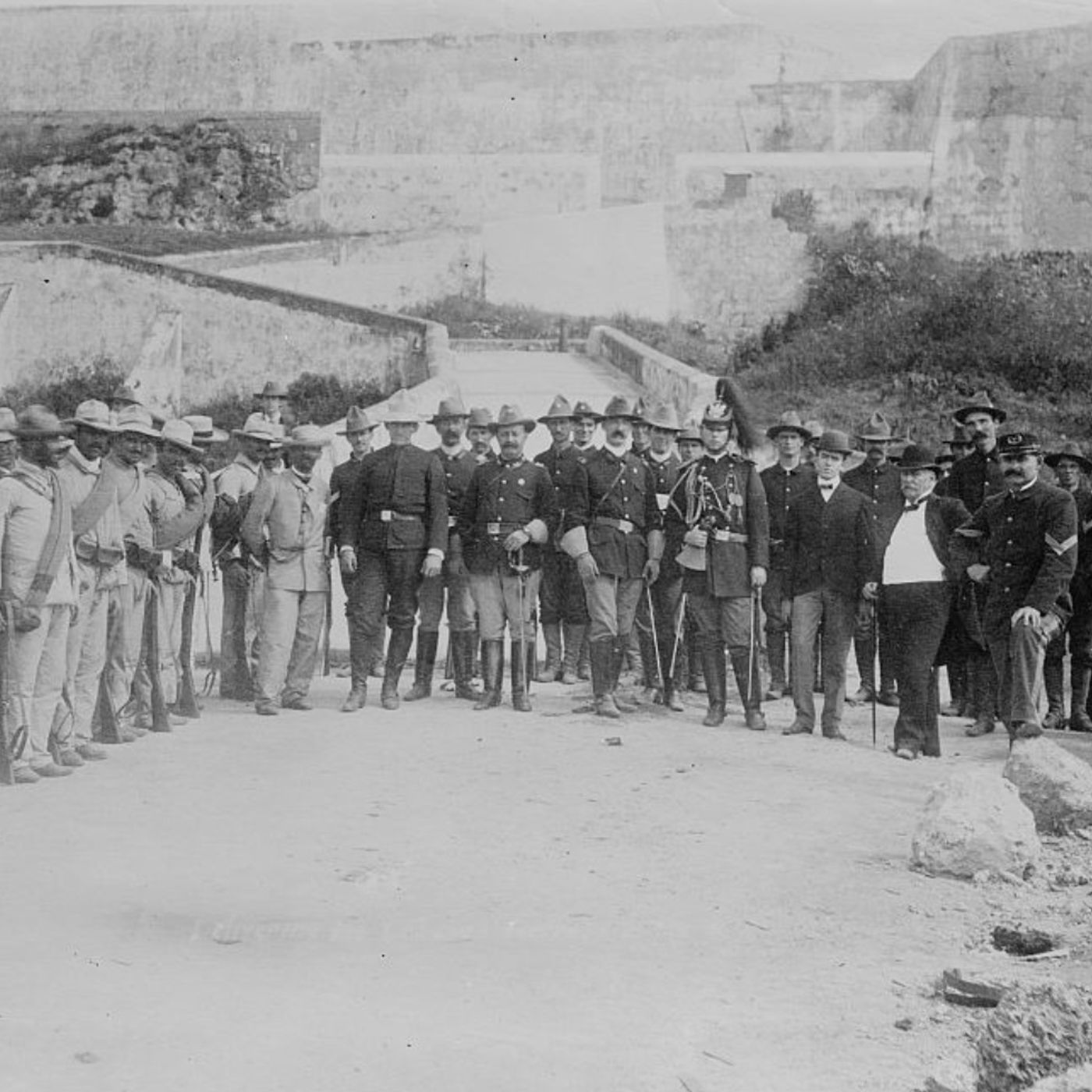
1899 HAVANA Foreign Influence in Cuban Policy — Part Three Evan Ellis analyzes US policy toward Cuba amid tightening sanctions, alongside authoritarian consolidation in Nicaragua. As President Daniel Ortega’s failing health prompts family succession maneuvers, Russia and Chinacontinue expanding military footprints, intelligence posts, and mining concessions within Nicaragua. (15)
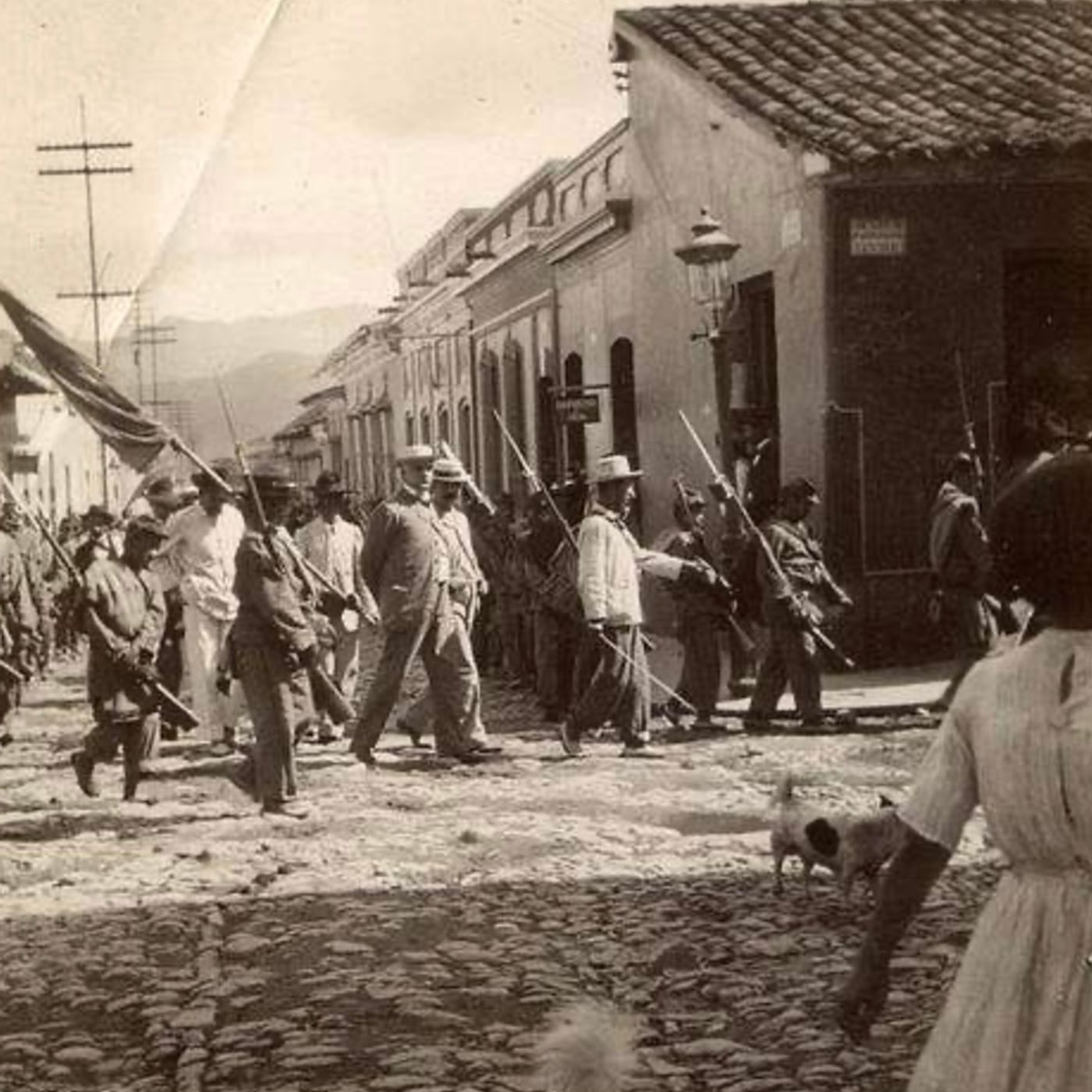
1900 CARACAS Political Uncertainty Surrounding Venezuelan Transition — Part Two Evan Ellis reports on Venezuela as opposition leader María Corina Machado demands democratic elections and the release of political prisoners. With Secretary of State Marco Rubio attempting to negotiate electoral timelines, incoming congressional committee leadership is set to escalate pressure against the regime’s delay tactics. (14)
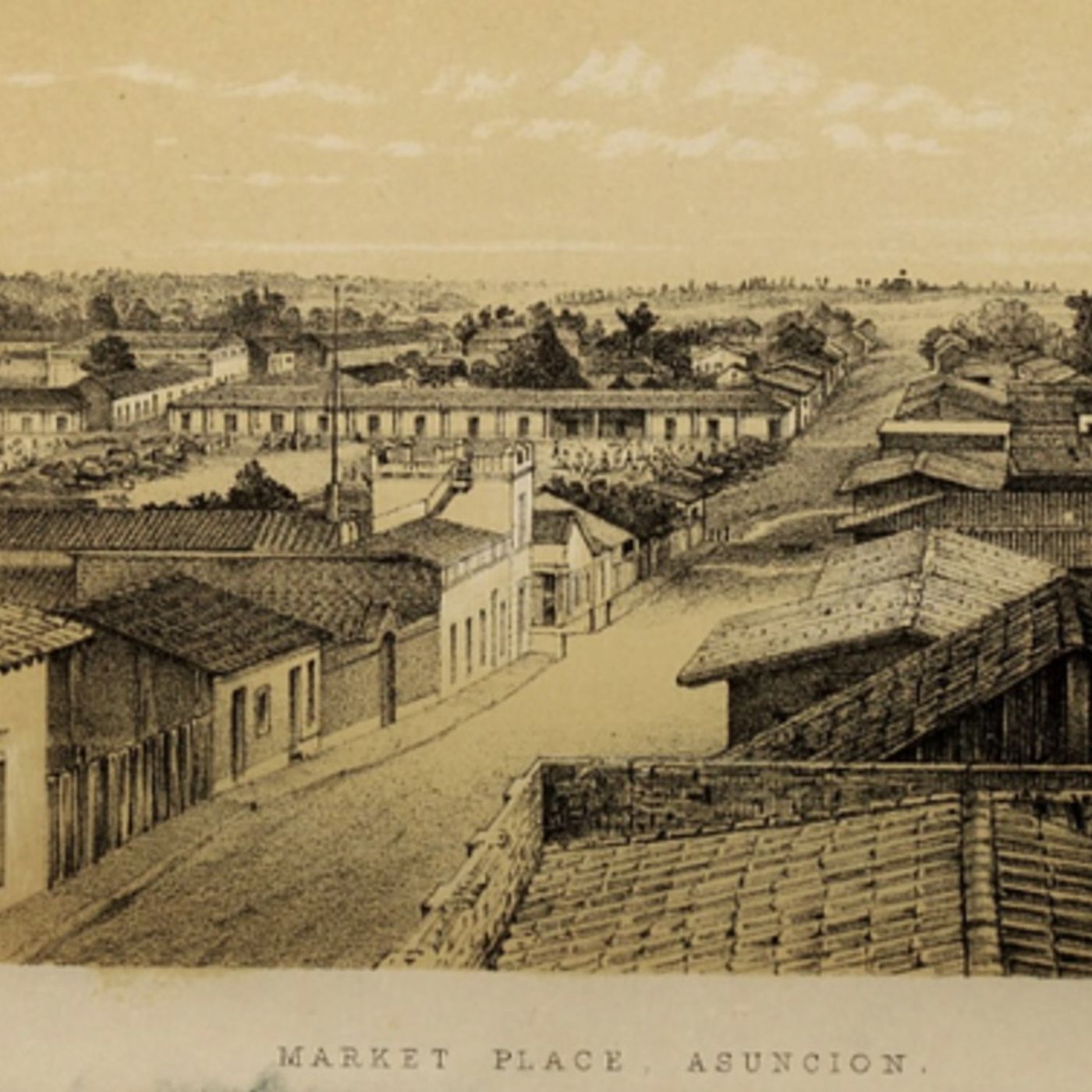
1870 ASUNCION PARAGUAY Banking Scandal Triggers Paraguayan Crisis — Part One Evan Ellis examines the banking scandal in Paraguay that led to the impeachment and imprisonment of President Santiago Peña over fraudulent loan schemes. While former president Horacio Cartes consolidated control of the ruling party, established legal frameworks protected small bank depositors. (13)
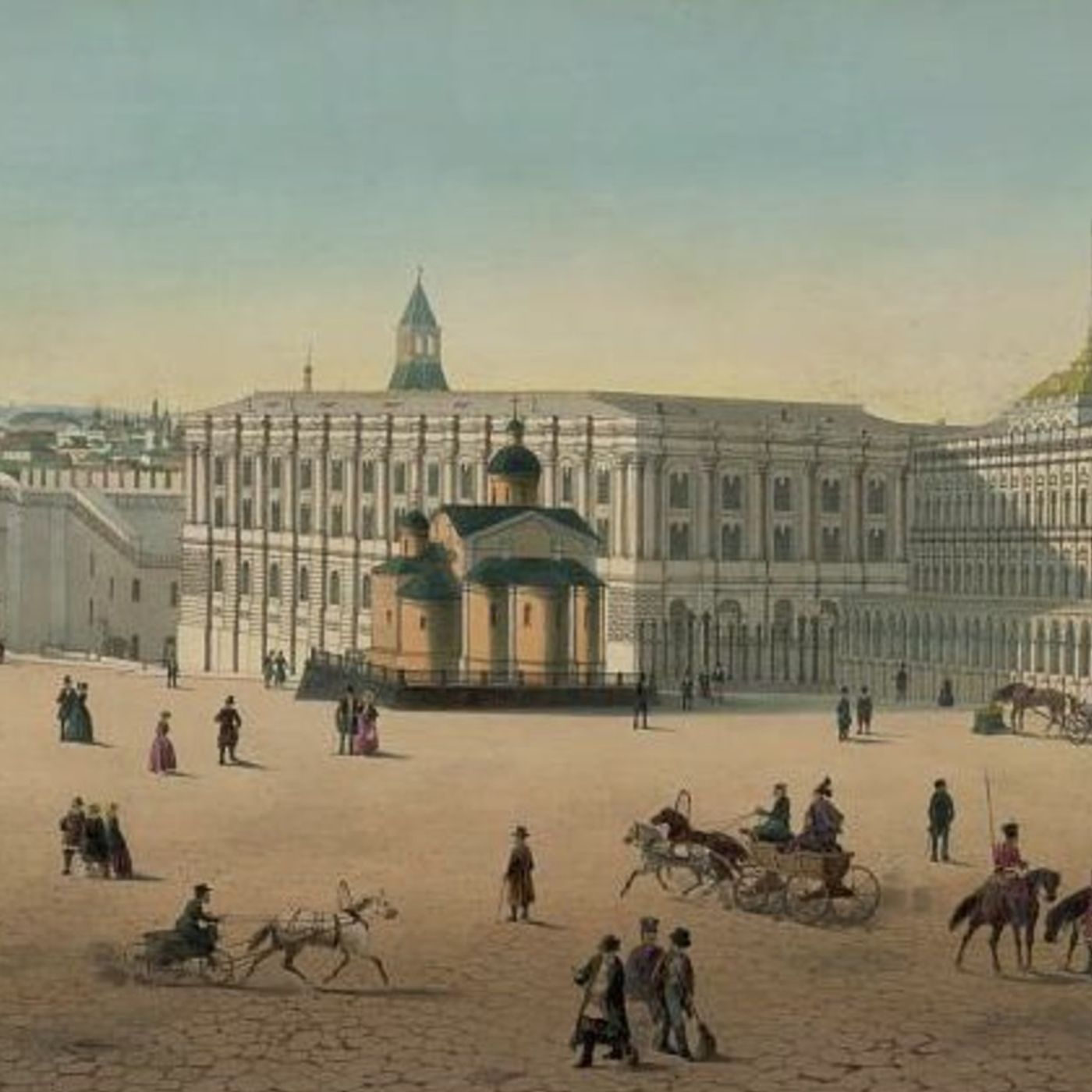
1917 KREMLIN Legacy of Cambridge Spy Ring — Part Four Antonia Senior details the decades-long unspooling of the Cambridge Five spy ring, emphasizing Anthony Blunt’s insidious role as a talent spotter grooming recruits. She rejects revisionist sympathy for Blunt, highlighting the devastating damage these ideologically driven betrayals inflicted on Western security. (12)
1900 MOSCOW Complex Espionage Dynamics in Wartime — Part Three Antonia Senior explores how Guy Burgess forced his way into Soviet intelligence despite his chaotic temperament, while Anthony Blunt used his MI5 post to pass critical secrets. Ironically, Soviet paranoia at the Lubyanka caused handlers to dismiss genuine intelligence as Western deception. (11)
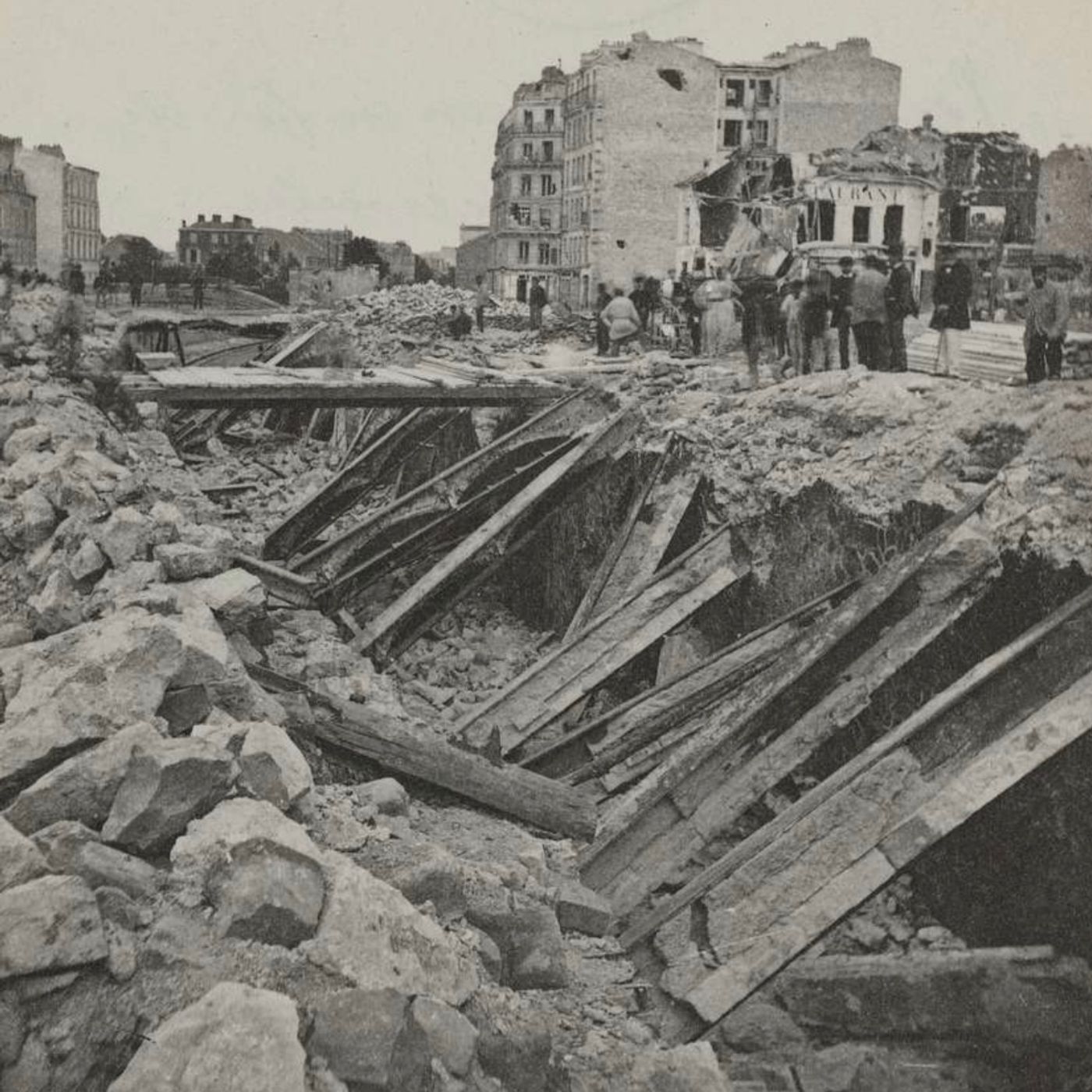
1870 SIEGE OF PARIS Infiltration of British Intelligence Networks — Part Two Antonia Senior describes how high-trust British institutions enabled Maclean to steal secrets unnoticed before escaping Nazi-occupied Paris with his wife Melinda. Meanwhile, Philby posed as a pro-Franco journalist in Spain before leveraging wartime expansion to infiltrate Britain’s Secret Intelligence Service, MI6. (10)
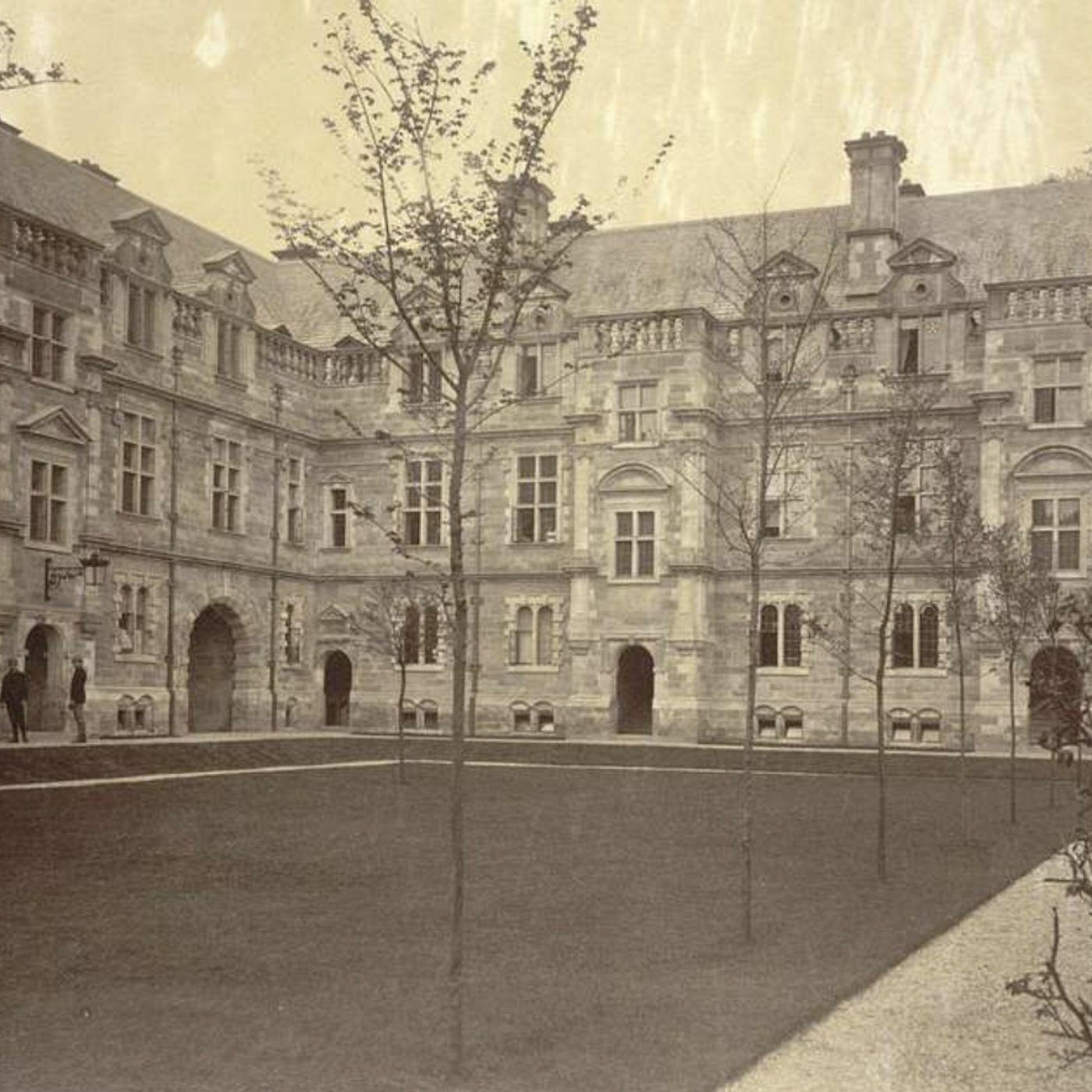
1881 CAMBRIDGE PEMBROKE Recruiting Cambridge Spies for Stalin — Part One Antonia Senior details how Soviet handler Arnold Deutsch recruited Kim Philby in 1934, and how Philby then brought Donald Maclean into Soviet espionage. Disillusioned by the Great Depression and fascism, these privileged Cambridge ideologues believed violent revolution and spying were necessary to advance Marxist history. (9)
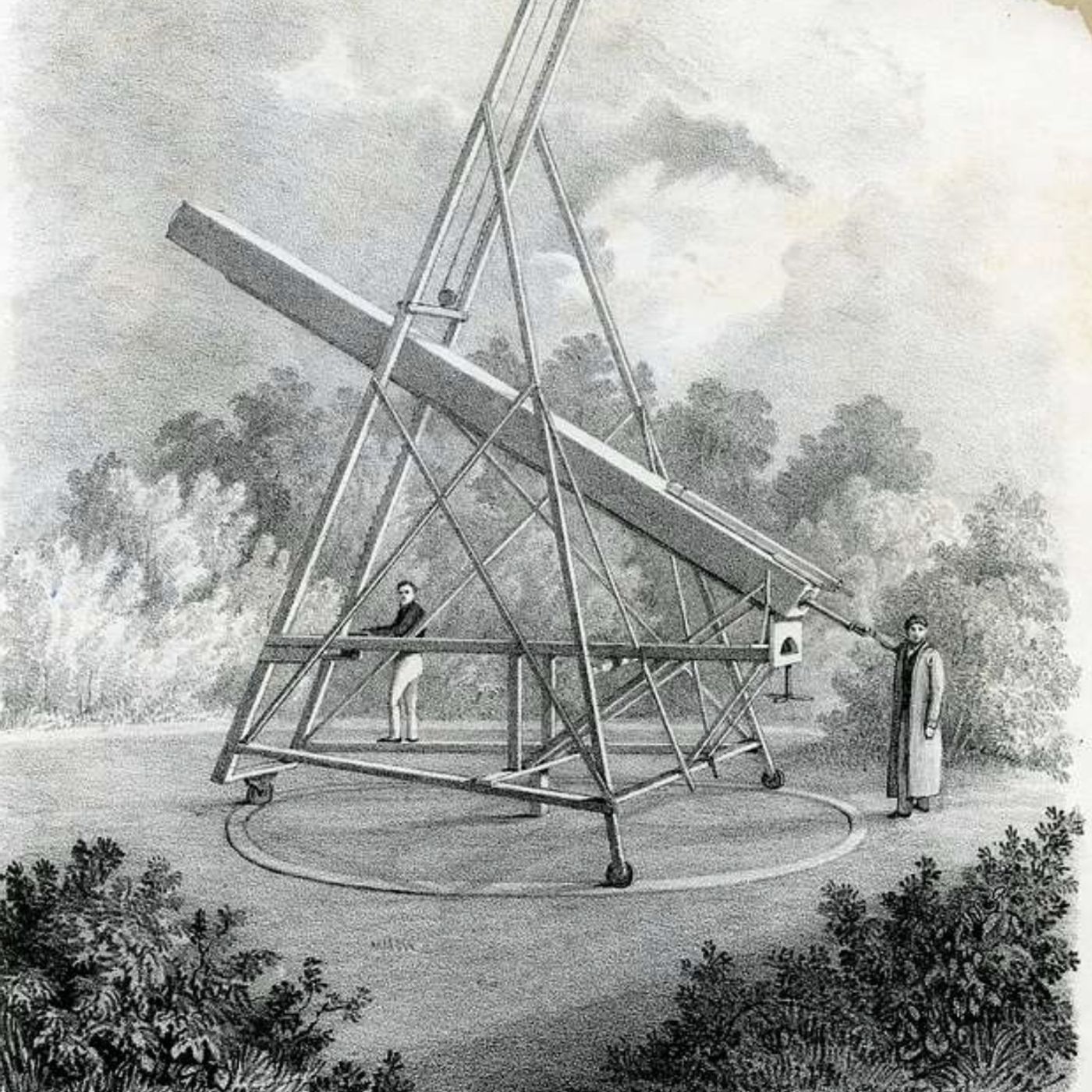
1835 EJ COOPER Versatile Capabilities of Simons Observatory — Part Two On Hotel Mars, Mark Devlin tells David Livingston about the Simons Observatory’s dual capabilities, using small aperture telescopes for gravitational wave searches and a large six-meter telescope for millimeter-wave sky surveys. This versatile setup tracks galactic star formation, interstellar dust, massive galaxy clusters, and fast-changing transient events. (8)
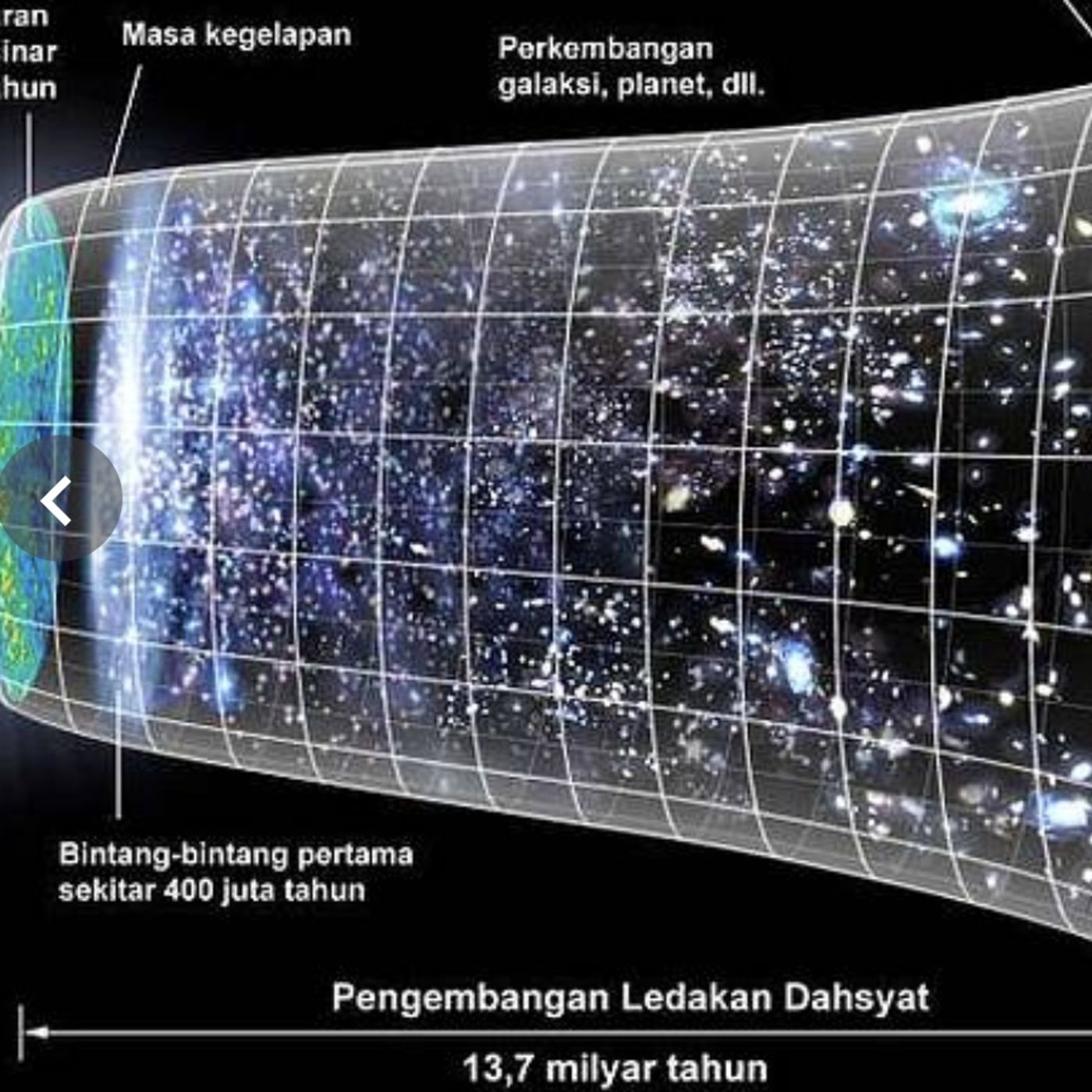
COSMOS 13.4 BILLION EARTH YEARS Mapping Early Cosmic Microwave Background — Part One On Hotel Mars, Mark Devlin tells David Livingston how the Simons Observatory in Chile measures the Cosmic Microwave Background to study light released about 380,000 years after the Big Bang. Scientists analyze minute temperature fluctuations and polarization patterns to search for primordial gravitational wave signatures from the universe’s origin. (7)
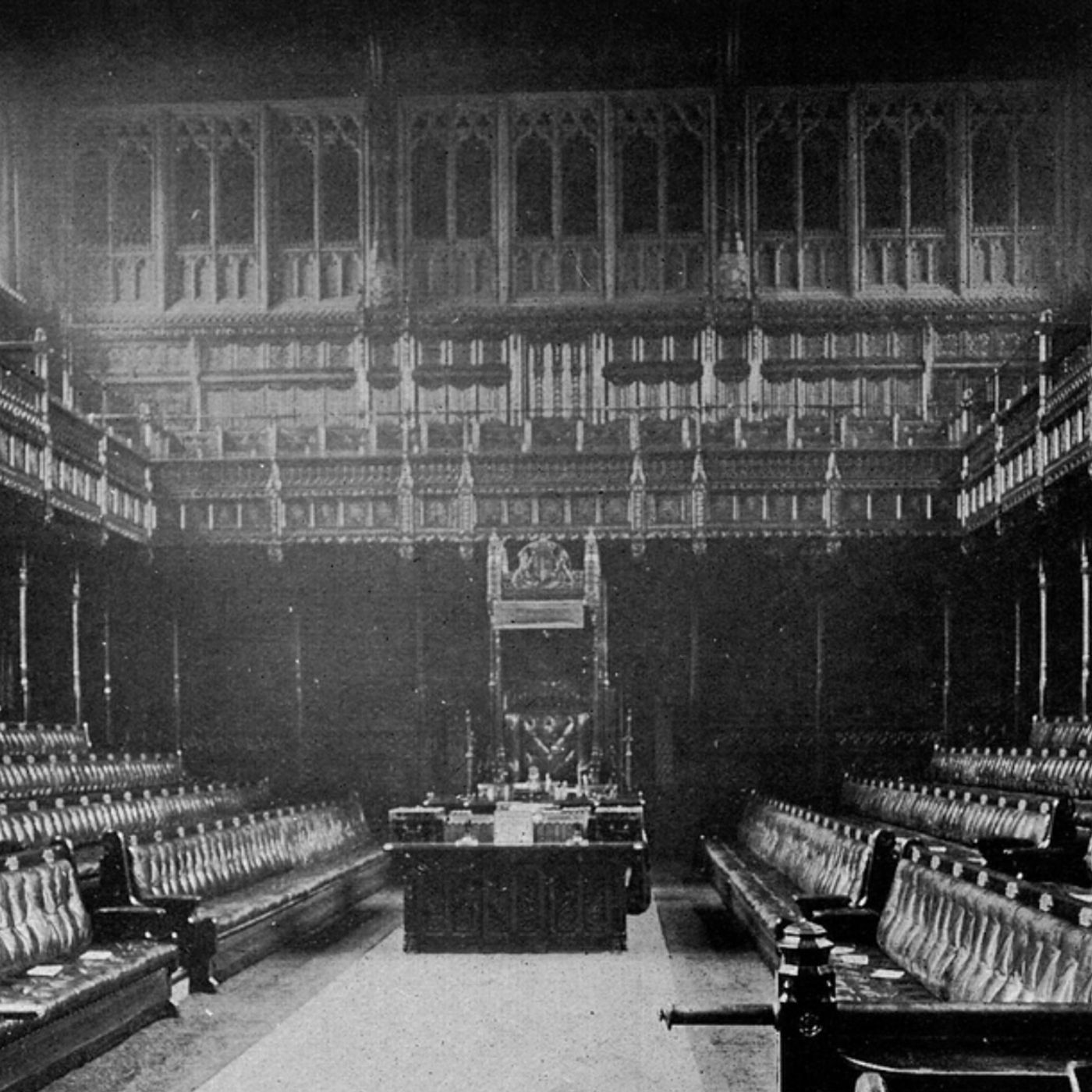
1901 COMMONS Changing Dynamics in British Politics — Part Two Anatol Lieven examines British political shifts in which voters favor individual leaders like Andy Burnham and Kemi Badenoch while despising their respective parties. As traditional party infrastructure declines across Europe, dissatisfaction with both main parties and with radical figures creates a distinctive reliance on centrist personalities. (6)
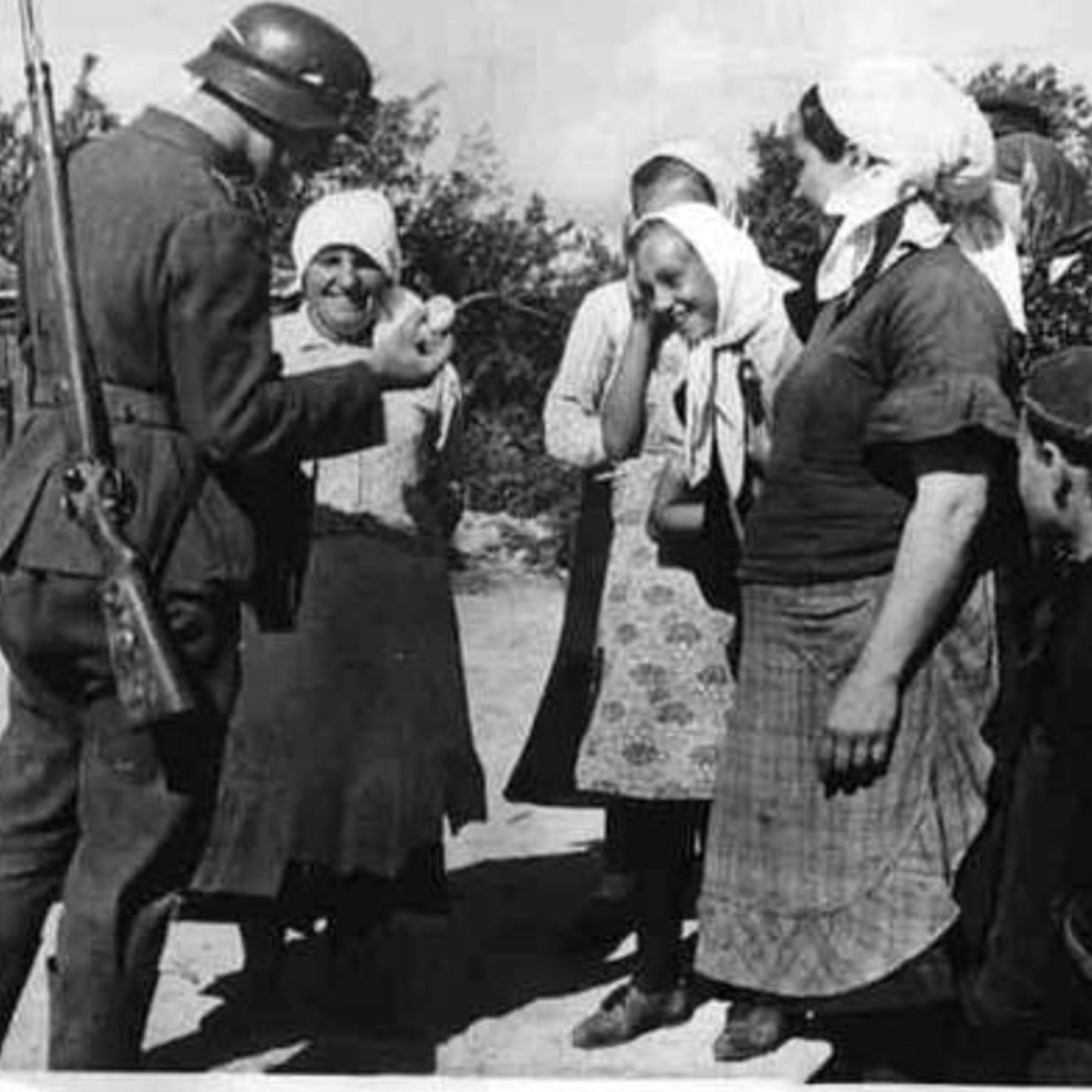
1941 UKRAINE Stalled Negotiations Over Ukraine Conflict — Part One Anatol Lieven analyzes the diplomatic stalemate in the Ukraine war, noting that US proposals on Donbas border adjustments and European security architecture have hit roadblocks. He argues that lasting peace requires negotiating European security alongside territorial issues, warning that a protracted war benefits neither side. (5)
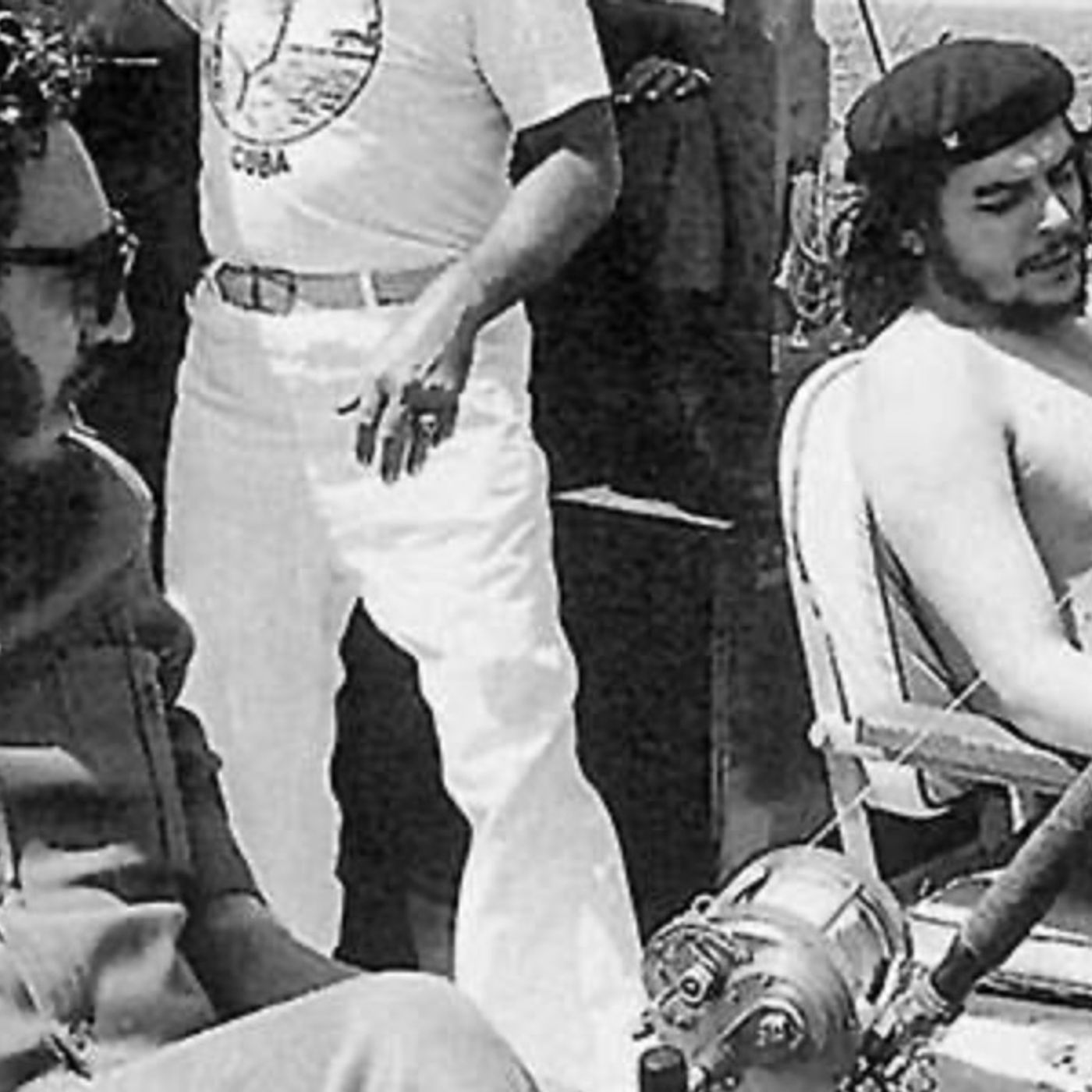
1960 FIDEL CASTRO & CHE GUVERA Mismanagement Causes Cuban Power Blackouts Mary Anastasia O’Grady refutes claims that American sanctions caused Cuba’s severe power blackouts, attributing the crisis to communist infrastructure neglect and financial failure. While US policies target corrupt military conglomerates, Havana uses propaganda to blame Washington and preserve its authoritarian grip. (4)
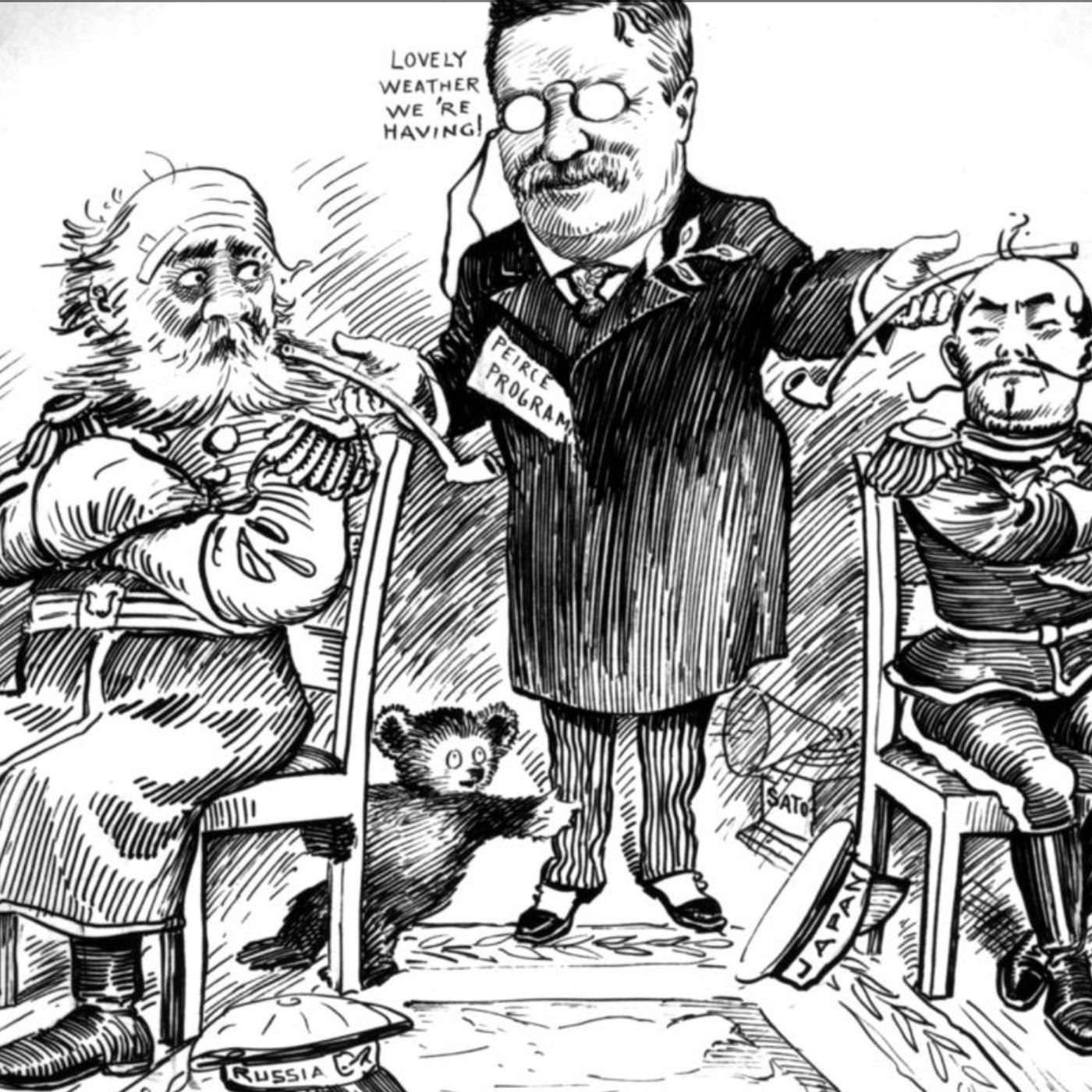
1905 PEACEMAKER ROOSEVELT Mike Pence Defends Traditional Conservatism Tal Fortgang discusses Mike Pence’s new book examining traditional Reaganite conservatism versus rising right-wing populism. Pence champions constitutional limits, free trade, and strong foreign alliances while critiquing populist isolationism, and suggests that recent election setbacks should prompt Republicans to realign with core principles. (3)