All the magic that we know is in the transfer of electrons. Reduction (gaining electrons) and oxidation (the loss of electrons) combine to form Redox chemistry, which contains the majority of chemical reactions. As electrons jump from atom to atom, they carry energy with them, and that transfer of energy is what makes all life on Earth possible. Watch this video in Spanish on our Crash Course en Español channel! https://youtu.be/B-2h7u665AM Thank you to the following chemistry teachers for their assistance: James Sarbinoff Rachel Wentz Edi González Lucas Moore Chris Conley Addie Clark Julia Rosinski Special Thanks to Matt Young at the University of Montana (Geosciences Department, Environmental Biogeochemistry Lab) who helped with the chemical demonstrations. Pssst... we made flashcards to help you review the content in this episode! Find them on the free Crash Course App! Download it here for Apple Devices: https://apple.co/3d4eyZo Download it here for Android Devices: https://bit.ly/
Learn more about TED-Ed Clubs here: https://ed.ted.com/clubs Uploaded 10-05-18 Check out the TED-Ed Clubs YouTube channel: https://www.youtube.com/channel/UCskU_g7t6b5ecsA1CTS3y9Q View full lesson: https://ed.ted.com/lessons/when-will-the-next-ice-age-happen-lorraine-lisiecki Throughout Earth’s history, climate has varied greatly. For hundreds of millions of years, the planet had no polar ice caps. Without this ice, the sea level was 70 meters higher. At the other extreme, about 700 million years ago, Earth became almost entirely covered in ice, during an event known as “Snowball Earth.” What causes these swings in the planet’s climate? Lorraine Lisiecki investigates. Lesson by Lorraine Lisiecki, animation by CUB Animation. Thank you so much to our patrons for your support! Without you this video would not be possible! Rishi Pasham, Jhuval , SookKwan Loong, Daniel Day, Nick Johnson, Bruno Pinho, Javier Aldavaz, Rodrigo Carballo, Marc Veale, Boytsov Ilya, Bozhidar Karaargirov, maxi kobi
In addition to just being beautiful one-of-a-kind panoramas in the sky, clouds can tell us so much about how energy and weather patterns flow around the globe. Today, we'll talk about how clouds form, the three main types (cirrus, status, and cumulus), explain how and why we get rain, and end with a discussion on humidity and how high humidity can feel hot and sticky on a warm day but comfortable on a cold day. So join us and countless people throughout history and look up -- at the clouds! Watch our videos and review your learning with the Crash Course App! Download here for Apple Devices: https://apple.co/3d4eyZo Download here for Android Devices: https://bit.ly/2SrDulJ Crash Course is on Patreon! Thanks to the following patrons for their generous monthly contributions that help keep Crash Course free for everyone forever: Aziz, Christine Phelan, Nick, DAVID MORTON HUDSON, Perry Joyce, Scott Harrison, Mark & Susan Billian, Junrong Eric Zhu, Alan Bridgeman, Jennifer Smith, Matt Curls,
What makes a painting worth millions of dollars? In this episode of Crash Course Art History, we’re looking at the history behind today’s art industry and how we determine an artwork’s financial value. We’ll also learn how the big business of buying and selling art runs on imperialism, and how people in the art world are fighting back. Crash Course Art History: Episode #19 Introduction: Million-Dollar Paintings 00:00 Patronage 00:53 The Free Market 01:55 Appraisal 03:59 Colonialism & Art 06:17 The Gallery Industrial Complex 08:10 Review & Credits 10:07 Image Descriptions: https://docs.google.com/document/d/1ETiCxe4GrVzFii7dBhF42oHx1EUCCh5y12wbtUjsH8A/edit Sources: https://docs.google.com/document/d/1GW2NKzhpMNMmRyAFJVhFJG9cSfUOMRL-QrcWuHcWcIA/edit?usp=sharing *** Support us for $5/month on Patreon to keep Crash Course free for everyone forever! https://www.patreon.com/crashcourse Or support us directly: https://complexly.com/support Join our Crash Course email list to get the latest ne
Common climate wisdom used to be that buying solar panels was one of the smartest long-term investments an individual could make – pay once up front for decades of carbon-free electricity. But it turns out layers of red tape make that process slower – and much more expensive – than it needs to be. And with federal rollback of longstanding tax credits and stiff competition from China, the U.S. solar industry is facing new headwinds. Still, the future could be bright: More states are looking at allowing plug-in or balcony solar. Energy affordability nonprofits like Permit Power are helping state governments reduce red tape and costs for home solar. And solar developers see new potential in the millions of acres of commercial rooftops. Plus, researchers continue to work on new ways to maximize the power a solar cell can produce. This week we take a look at what the next era of solar power might look like. Guests: Bernadette del Chiaro (https://www.climateone.org/people/bernadette-del-chia
The Vera C. Rubin Observatory in Chile has already uncovered two previously unknown Milky Way companions using early test data: an extremely faint galaxy and a star cluster hidden by dust. These discoveries offer an early glimpse of what the observatory’s ambitious decade-long sky survey could reveal about our galaxy’s history, its formation, and the mysteries of dark matter. This episode includes AI-generated content.
Could a simple change in heating sequence make nuclear fusion easier to achieve? Researchers at Princeton Plasma Physics Laboratory have refined the Lawson criterion, suggesting that heating plasma before increasing its density could reduce the energy needed for fusion ignition. Their model also accounts for real-world reactor challenges, potentially helping scientists design more efficient fusion power plants. This episode includes AI-generated content.
View full lesson: http://ed.ted.com/lessons/how-do-you-decide-where-to-go-in-a-zombie-apocalypse-david-hunter Can geography save your life in case of, say, a zombie apocalypse? Understanding the push and pull factors that create geographic movement -- or how people, resources, and even ideas travel -- might help you determine the location that's best for survival. David Hunter playfully analyzes the geography skills that you'd need to escape the zombies. Lesson by David Hunter, animation by Provincia Studio.
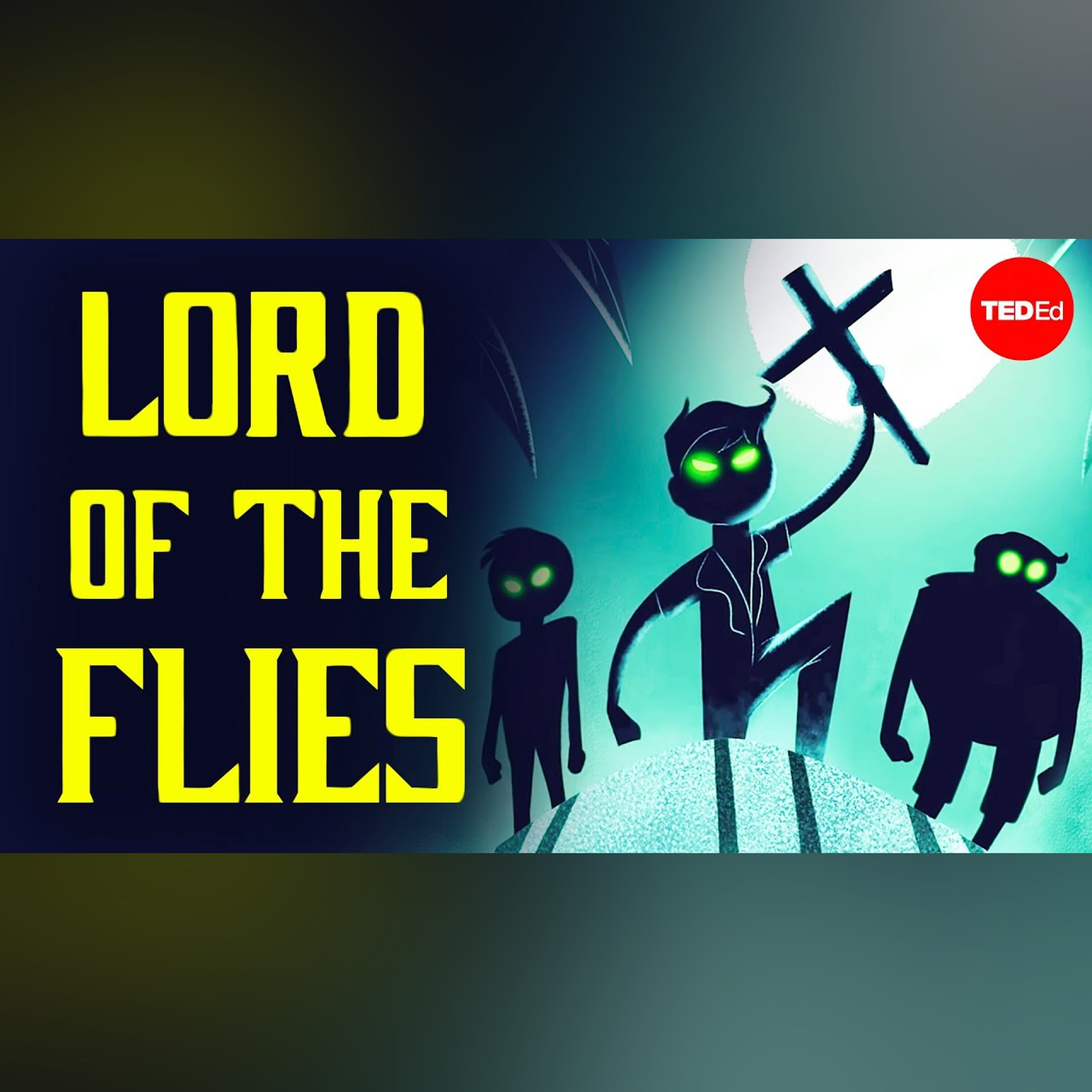
Explore William Golding’s timeless satire, “Lord of the Flies,” which follows a group of shipwrecked boys as they descend into anarchy. Uploaded 12-12-19 -- After witnessing the atrocities of his fellow man in World War II, William Golding was losing his faith in humanity. Later, during the Cold War, as superpowers began threatening one another with nuclear annihilation, he was forced to interrogate the very roots of human nature and violence. These musings would inspire his first novel: “Lord of the Flies.” Jill Dash dives into the timeless satire. Lesson by Jill Dash, directed by Lucy Animation Studio. Animator's website: https://www.silviaprietov.com (https://www.silviaprietov.com/) Sign up for our newsletter: http://bit.ly/TEDEdNewsletter Support us on Patreon: http://bit.ly/TEDEdPatreon Find us on Twitter: http://bit.ly/TEDEdTwitter Peep us on Instagram: http://bit.ly/TEDEdInstagram View full lesson: https://ed.ted.com/lessons/why-should-you-read-lord-of-the-flies-by-william-goldi
On March 17, 2015, tens of thousands of Mexican farmworkers went on strike in San Quintin, Baja California, to protest horrible working conditions on the farms that produce most of the fresh fruits and vegetables you consume. Calling themselves the "slaves of the twenty-first century," these mostly Indigenous men, women, and children rose up in defiance of the conditions of modern slavery, forced labor, sexual harassment, and "hunger wages." This ethnography provides an in-depth look into how Indigenous farmworkers organize in the fields and their communities to improve wages and working conditions. Since the strike, the farmworkers have organized a union to fight for justice in the fields. In this work, author James Daria accompanies these farmworkers as they struggle for dignity. Daria also charts the tensions inside the farmworker movement as women struggle to gain greater power in the home as well as at work. In an era of complex global integration, Daria shows us how what we eat i
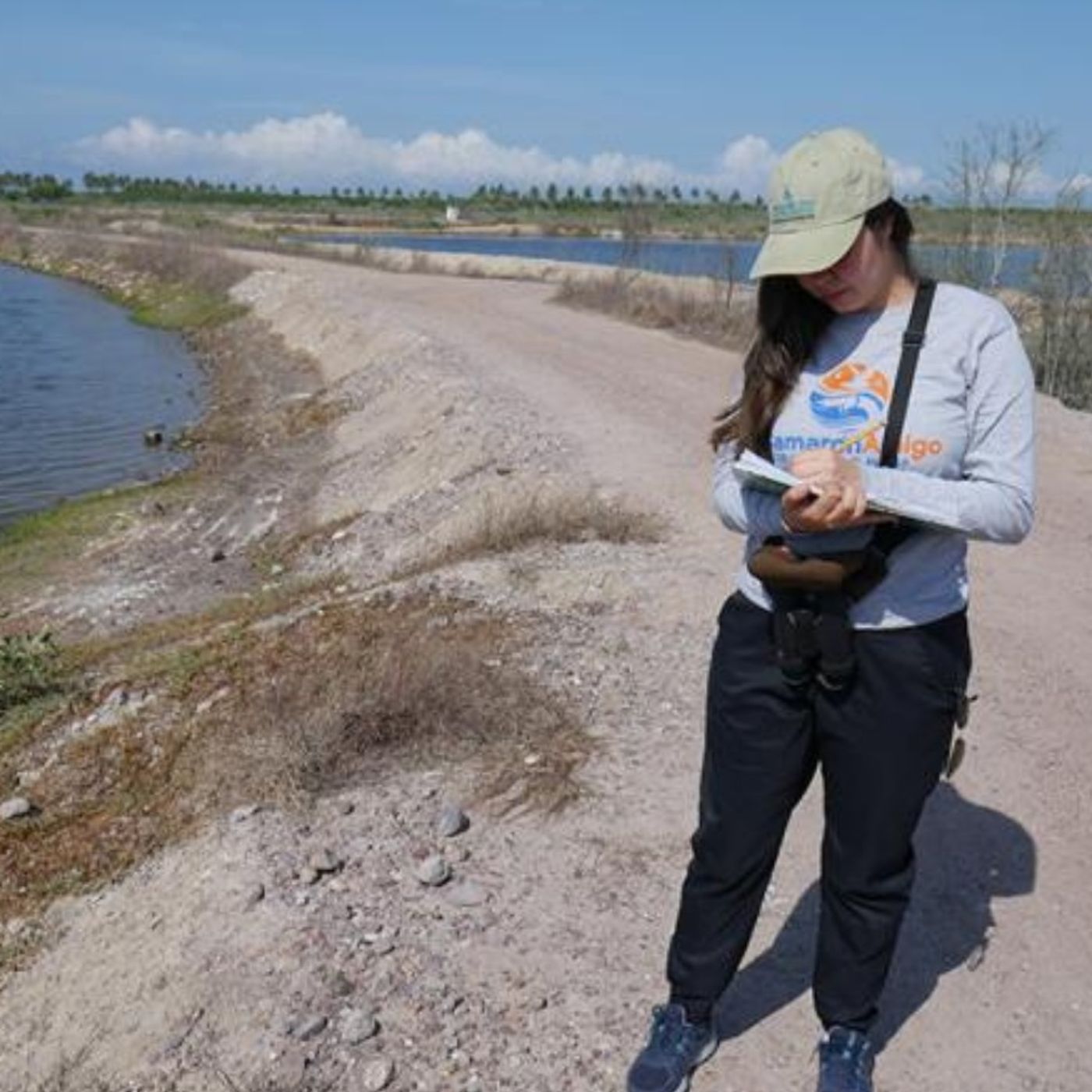
Along the coast of Sinaloa in México, there are species of shorebirds with one of the longest migrations in the Western Hemisphere. One such species is the Western Sandpiper, here known as el playerito occidental, wants to eat. But wetland habitats where they find their food are affected by the shrimp farming industry. Juanita Fonseca works with the Western Hemisphere Shorebird Reserve Network and with Manomet, creating guidelines that help shrimp farmers share the coastline with shorebirds. Listen to this episode in Spanish here (https://www.birdnote.org/podcasts/birdnote-en-espanol/la-migracion-invernal-del-playerito-occidental). More info and transcript at BirdNote.org (https://www.birdnote.org/podcasts/birdnote-daily/western-sandpipers-winter-migration). Want more BirdNote? BirdNote is a nonprofit. Hosted by Simplecast, an AdsWizz company.
What revolutionary disability politics look like today, with lessons for larger liberatory movements. In recent political times, disability identity has been mobilized in ways that paradoxically compound bodily injury and disability. This single-issue approach obscures the oppression of disabled people and prevents solidarity across difference. In Disability, Revolution (https://bookshop.org/a/12343/9780520388178) (U California Press, 2026), Robert McRuer introduces alternatives to "one-dimensional disability," providing an accessible overview of disability justice movements and their relevance to larger emancipatory coalitions. Exploring the most prominent examples from the past several decades, the book focuses on the convergence of queer and crip movements, mad pride, intersectional disability justice work, neurodiversity, and the globalization of disability alliances. Essential for anyone interested in disability politics, this book shows how these multivalent movements help us ima
SpaceX Daily SpaceX targets the first upper-stage catch on Starship Flight 15 for November 13, advancing full rapid reuse of both stages. Top News SpaceX sets November 13 target for first Starship upper-stage catch SpaceX Vice President of Launch Kiko Dontchev announced the November 13 target for Flight 15 at the UP.Summit. The mission will attempt to catch both the Super Heavy booster and the Ship with the tower arms. ... Sources: keeptrack.space (https://keeptrack.space/x-report/spacex-brief-2026-11-06) · teslarati.com (https://www.teslarati.com/spacex-starship-catch-nov-13) · nasaspaceflight.com (https://www.nasaspaceflight.com/2026/11/blue-origin-new-glenn-gs3-northstar-engine/) · actionnews5.com (https://www.actionnews5.com/2026/11/06/spacexai-build-2-more-ai-data-centers-southaven/) · cursor.com (https://cursor.com/changelog) · hromadske.ua (https://hromadske.ua/en/amp/war/273886-ukraine-seeks-new-starshield-deal-with-us-as-contract-nears-expiration-in-2027) · breakingdefense.com
Love won over your skeptical dad, but his adult kids still treat you like an interloper. Is it about you, or the inheritance? Welcome to Feedback Friday! And in case you didn't already know it, Jordan Harbinger (@JordanHarbinger (https://twitter.com/JordanHarbinger)) and Gabriel Mizrahi (@GabeMizrahi (https://twitter.com/GabeMizrahi)) banter and take your comments and questions for Feedback Friday right here every week! If you want us to answer your question, register your feedback, or tell your story on one of our upcoming weekly Feedback Friday episodes, drop us a line at [email protected]. Now let's dive in! Full show notes and resources can be found here: jordanharbinger.com/1410 (https://jordanharbinger.com/1410) On This Week's Feedback Friday: A year and a half ago, you were torn between your older Australian boyfriend and a family convinced it was all daddy issues, so you wrote us for some advice (episode 1187 (https://www.jordanharbinger.com/family-under-threat-thanks-
In which John Green teaches you about the War of 1812. The War of 1812 was fought between the United States and its former colonial overlord England. It started in, you guessed it 1812. The war lasted until 1815, and it resolved very little. John will take you through the causes of the war, tell you a little bit about the fighting itself, and get into just why the US Army couldn't manage to make any progress invading Canada. And yes, Canadians, we're going to talk about the White House getting burned down. The upshot: no territory changed hands, and most of the other bones of contention were solved prior to the actual war. Although nothing much changed for the US and England, the Native Americans were the big losers. Tecumseh was killed, and the Indian tribes lost a lot of their territory. Watch as John lays it all out for you. Chapters: Introduction: The War of 1812 00:00 Causes for The War of 1812 - British Impressment of American Sailors 0:44 Henry Clay and the Warhawks 2:13 America
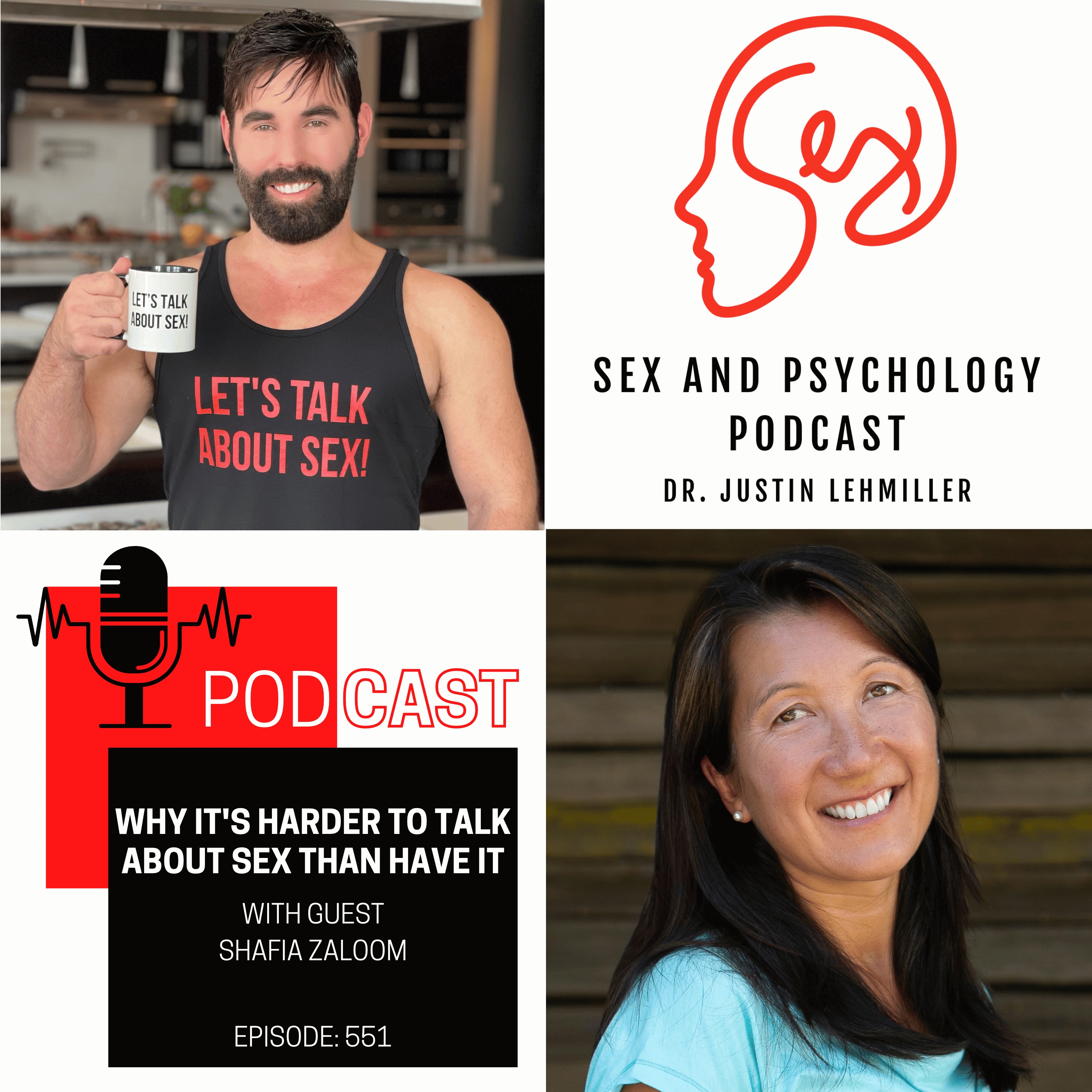
For something that so many of us enjoy doing, sex can be surprisingly difficult to talk about. We might feel comfortable getting naked with a partner but struggle to tell them what we want, what we don't enjoy, or how we're really feeling. And when we avoid these conversations, it can lay the basis for misunderstanding and conflict, while also limiting opportunities for mutual pleasure. In this episode, we're exploring why sexual communication can feel so vulnerable, as well as how to become someone your partner feels safe opening up to. I am joined once again by Shafia Zaloom (https://www.shafiazaloom.com/), a health educator, consultant, and author whose work centers on human development, community building, ethics and social justice. She is the author of Sex, Teens, and Everything in Between (https://link.amazon/B0bZdVAnE) as well as the new book Getting Real About Sex Ed: What Today’s Students Need. (https://link.amazon/B0gaZvOAD) Some of the specific topics we cover include: What
Today we are talking about the life -- and death -- of stars. Low-mass stars live a long time, fusing all their hydrogen into helium over a trillion years. More massive stars like the Sun live shorter lives. They fuse hydrogen into helium, and eventually helium into carbon (and also some oxygen and neon). When this happens they expand, get brighter, and cool off, becoming red giants. They lose most of their mass, exposing their cores, and then cool off over many billions of years. Check out the Crash Course Astronomy solar system poster here: http://store.dftba.com/products/crashcourse-astronomy-poster -- Chapters: Introduction: Low Mass Stars 00:00 Hydrogen Fusion 1:21 Life Cycle of Low Mass Stars 2:22 Larger Stars (Like Our Sun) Live Shorter Lives 3:10 Fueled By Fusion 3:58 Red Giants 5:45 White Dwarfs 8:08 The Fate of the Earth 8:59 Review 11:07 -- PBS Digital Studios: http://youtube.com/pbsdigitalstudios Follow Phil on Twitter: https://twitter.com/badastronomer Want to find Crash C
When is yoga religious, and when is it… not religious enough? In this episode of Crash Course Religions, we’ll find out why these frameworks we call “religions” are so hard to define, and why our definitions have real-life consequences. Introduction: Is Yoga a Religion? 00:00 What Are Religions? 01:32 The History of "Religion" 05:48 Impacts of the "Religion" Label 08:46 Review & Credits 10:11 Sources: https://docs.google.com/document/d/1IRPhziWfx72dIlGC1xIuEPWqb_uwnumdtYnmmsR4jto/edit?usp=sharing *** Support us for $5/month on Patreon to keep Crash Course free for everyone forever! https://www.patreon.com/crashcourse Or support us directly: https://complexly.com/support Join our Crash Course email list to get the latest news and highlights: https://mailchi.mp/crashcourse/email Get our special Crash Course Educators newsletter: http://eepurl.com/iBgMhY Thanks to the following patrons for their generous monthly contributions that help keep Crash Course free for everyone forever: Emily Be
In this episode, we cover molecular structure and the key spectroscopy techniques you need to know for the MCAT. We'll explore the intricacies of Nuclear Magnetic Resonance spectroscopy, breaking down the chemical shifts and spin-splitting essentials for understanding hydrogen and carbon bonds in various compounds. You'll learn how to identify functional groups using Infrared (IR) spectroscopy and how mass spectrometry can help determine molecular weights and identify unknown compounds. We'll also touch on UV-Vis spectroscopy and its role in quantifying compounds based on absorption spectra. (00:00) Intro (01:50) Introduction to absorption spectra and molecular structure (01:52) Absorption spectroscopy and its applications (03:39) IR spectroscopy: Analyzing functional groups with infrared radiation (07:57) Key IR peaks to know for the MCAT (09:52) Visible light and its role in determining compound color (10:57) UV-Vis spectroscopy: Connecting visible and ultraviolet light for compound
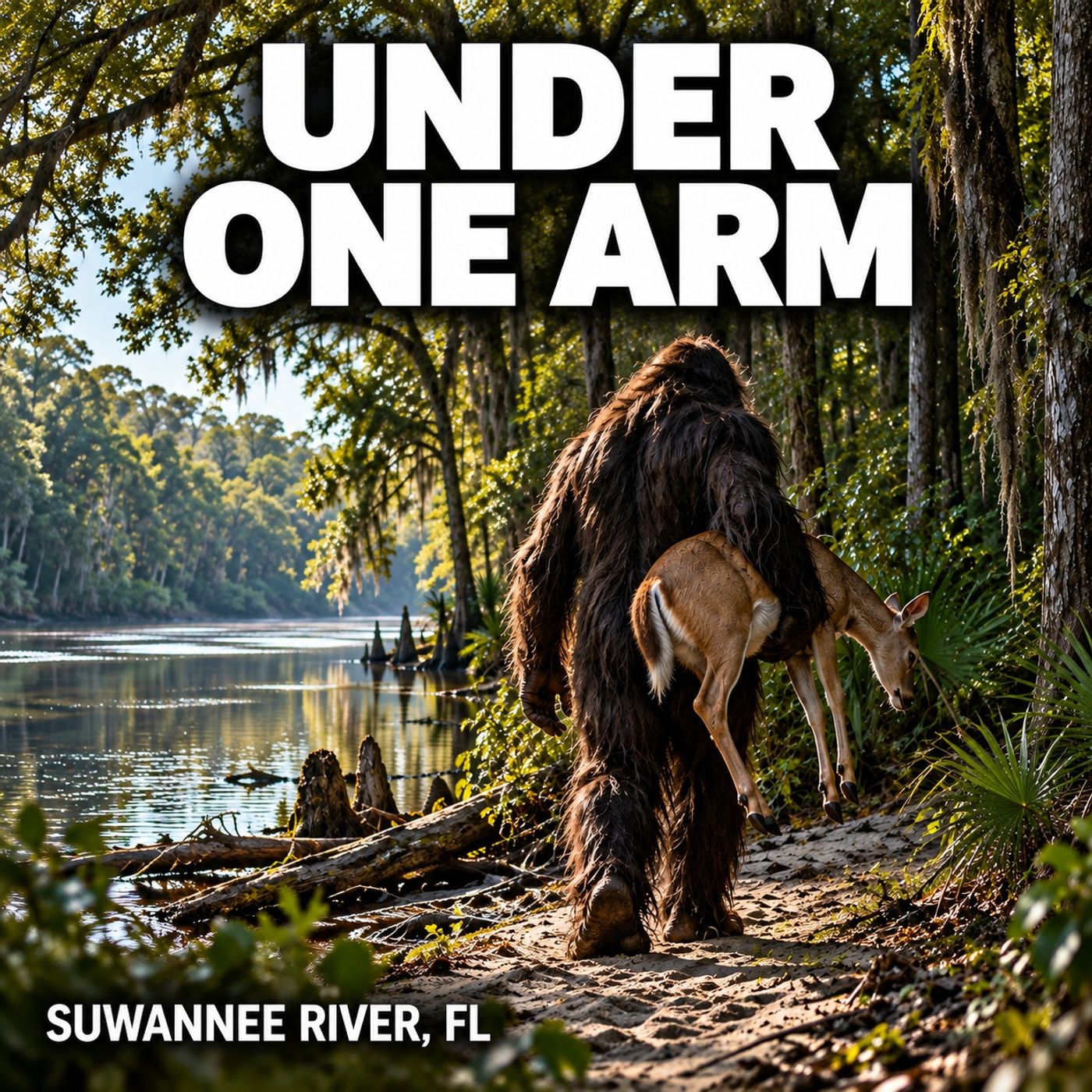
A Florida hunter watches a dark, long-haired figure step from the trees, grab a deer, and walk away carrying it under one arm. He says he was just 30 yards away. In this episode of Bigfoot Society, Jerry describes his encounter along the Suwannee River and the large barefoot impressions he found afterward. Then, deep in Oregon’s mountains above Gold Beach, a stranded couple discovers an enormous footprint while struggling to find their way out. Finally, gold prospector Jericho shares the experiences that kept drawing him back to a wooded valley near Marcola, Oregon: a bark he could feel through his body, strange figures he believed he could see in his recordings, and signs of what he interpreted as an entire Bigfoot community. His friend kicked a soccer ball into the valley. Four days later, Jericho found it beside the road behind a tree. Who moved the ball—and what kept bringing him back? Get the free Bigfoot hotspots report: https://bit.ly/bfsreport Follow Jeremiah's cancer health up
View full lesson here: http://ed.ted.com/lessons/a-brief-history-of-plural-word-s-john-mcwhorter Uploaded 22-07-13 All it takes is a simple S to make most English words plural. But it hasn't always worked that way (and there are, of course, exceptions). John McWhorter looks back to the good old days when English was newly split from German -- and books, names and eggs were beek, namen and eggru! Lesson by John McWhorter, animation by Lippy.
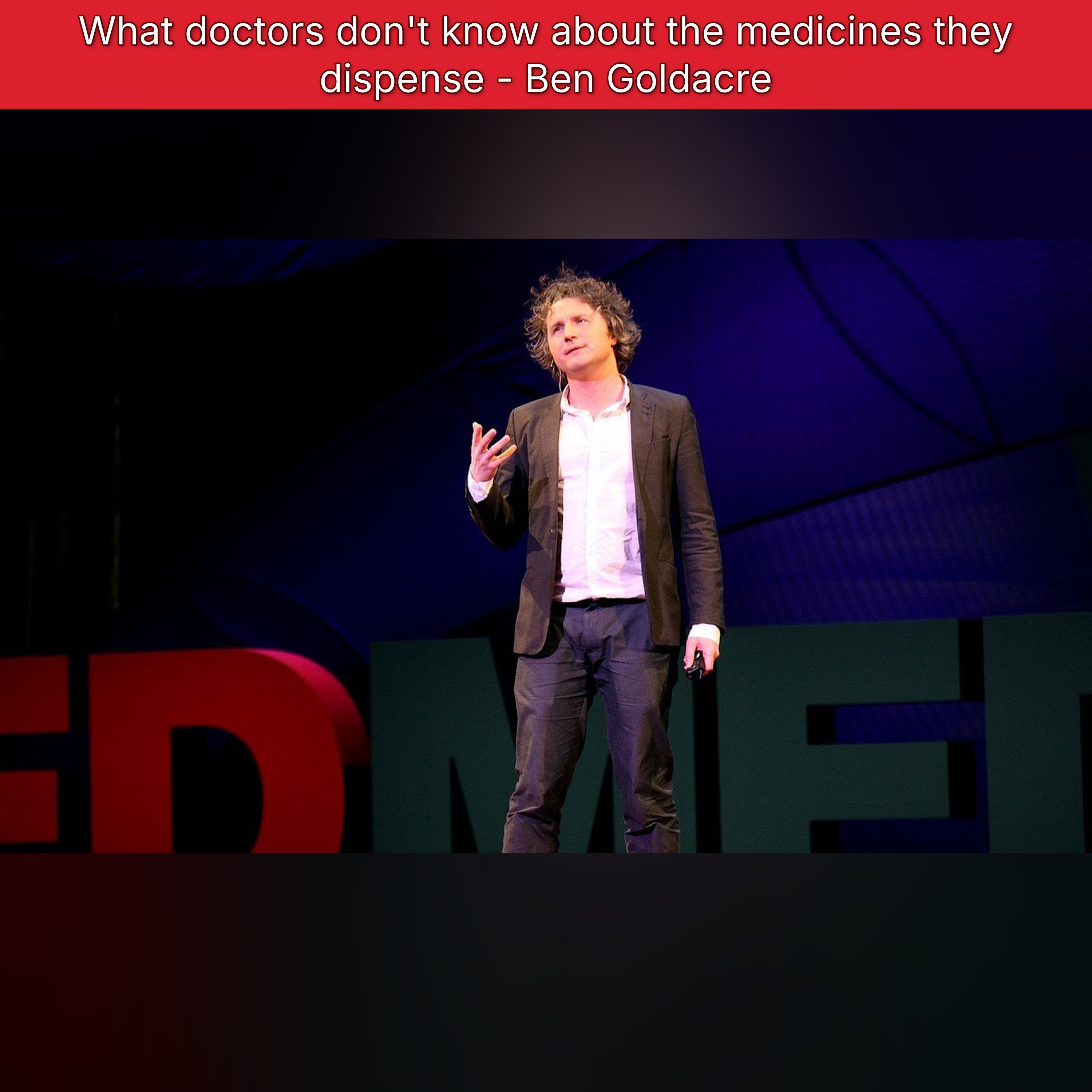
When a new drug gets tested, the results of the trials should be published for the rest of the medical world -- except much of the time, negative or inconclusive findings go unreported, leaving doctors and researchers in the dark. In this impassioned talk, Ben Goldacre explains why these unreported instances of negative data are especially misleading and dangerous. Talk by Ben Goldacre.
Welcome to Crash Course Outbreak Science! What do pathogens actually do to us that makes us sick? Why do societies respond to outbreaks of infectious diseases the way they do? How can we stop the next outbreak? These are the kinds of questions we'll ask ourselves and answer as best we can over the next 15 episodes of this series. Join us and Dr. Pardis Sabeti as we look at outbreaks from the microscopic level, to the big picture, so that we can work together to stop future outbreaks and create a healthier future for everyone. *** Watch our videos and review your learning with the Crash Course App! Download here for Apple Devices: https://apple.co/3d4eyZo Download here for Android Devices: https://bit.ly/2SrDulJ Crash Course is on Patreon! Thanks to the following patrons for their generous monthly contributions that help keep Crash Course free for everyone forever: Toni Miles, Oscar Pinto-Reyes, Erin Nicole, Steve Segreto, Michael M. Varughese, Kyle & Katherine Callahan, Laurel A Steven
A lot of ionic compounds dissolve in water, dissociating into individual ions. But when two ions find each other and form an insoluble compound, they suddenly fall out of the solution in what's called a precipitation reaction. In this episode of Crash Course Chemistry, we learn about precipitation, precipitates, anions, cations, and how to describe and discuss ionic reactions. Watch this video in Spanish on our Crash Course en Español channel: https://youtu.be/w_EEk317jnk Pssst... we made flashcards to help you review the content in this episode! Find them on the free Crash Course App! Download it here for Apple Devices: https://apple.co/3d4eyZo Download it here for Android Devices: https://bit.ly/2SrDulJ Table of Contents Precipitate Reactions 0:34 Determining Precipitates 1:35 Writing Precipitate Reactions 6:31 Calculating Molar Mass Equation 8:52 Crash Course is on Patreon! Want to find Crash Course elsewhere on the internet? Facebook - http://www.facebook.com/YouTubeCrashCourse Twi