Year End Q&A
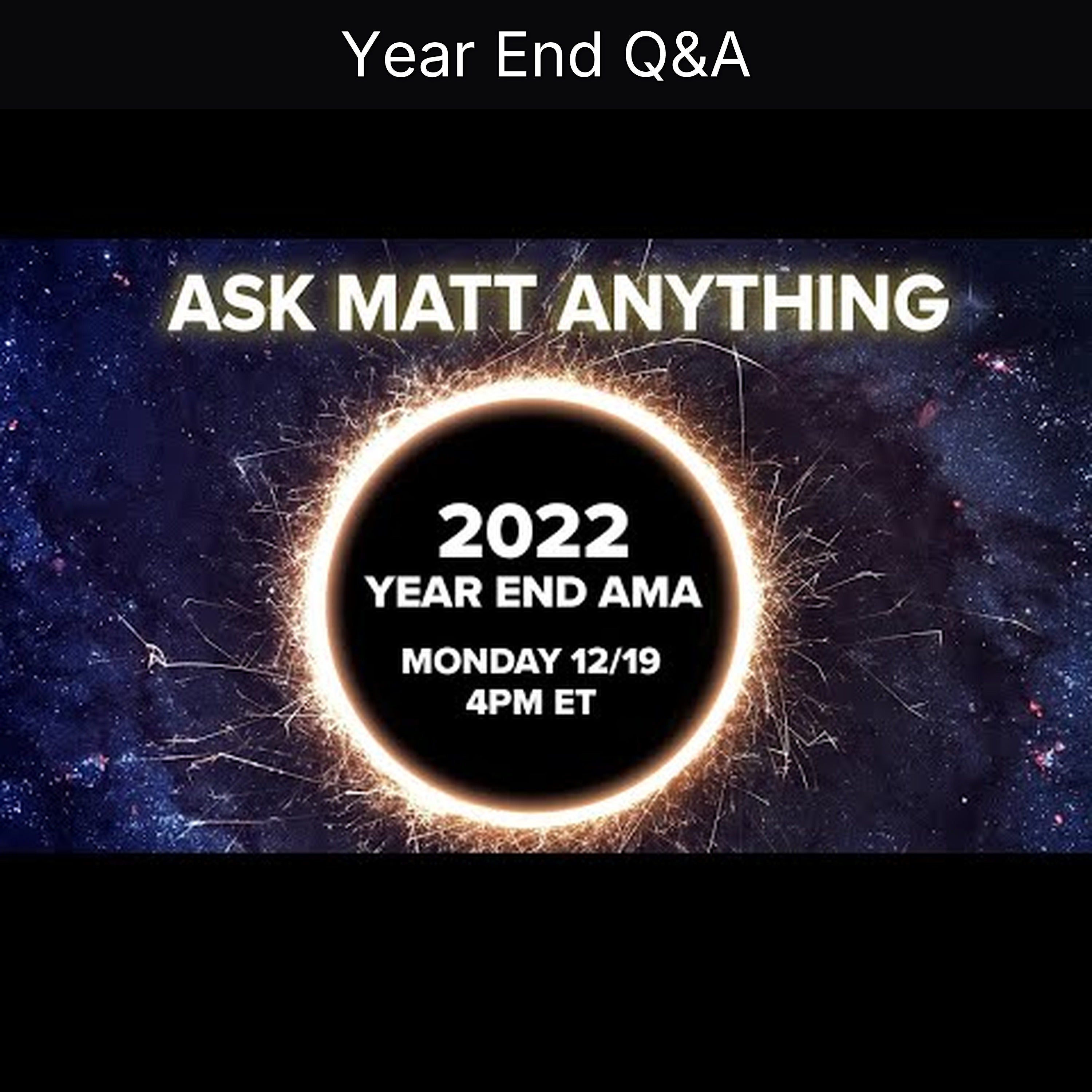
In this 2022 end of year, Ask Matt anything, Matt discussed the upcoming year ahead for Space Time, Black Holes, the problem with the question of free will, the nature of photons of light and more!
Discuss this episodeEnglish-language podcasts
Podcasts
Explore Science shows and recent episodes, share comments, and meet through ThinkMatch Roundtables.
Shows: 429 · Episodes: 4,887
 Research To Practice | Oncology Videos
 The Answer Is Transaction Costs
 Real Organic Podcast
 Fish of the Week!
 Trent Loos Podcast
 Crime Pays But Botany Doesn't
 All Creatures Podcast
 The Behavioral Observations Podcast with Matt Cicoria
 Sleepy Facts
 Realm of Quantum Mechanics
 The Organic Grower Podcast
 BioCentury This Week
In this 2022 end of year, Ask Matt anything, Matt discussed the upcoming year ahead for Space Time, Black Holes, the problem with the question of free will, the nature of photons of light and more!
Discuss this episodeExplore how your immune system’s vast network of cells, tissues, and organs coordinate your body’s defenses against bacteria, viruses and toxins. Uploaded 08-01-18 -- The immune system is a vast network of cells, tissues, and organs that coordinate your body’s defenses against any threats to your health. Without it, you’d be exposed to billions of bacteria, viruses, and toxins that could make something as minor as a paper cut or a seasonal cold fatal. So how does it work? Emma Bryce takes you inside the body to find out. Lesson by Emma Bryce, animation by Cabong Studios. Sign up for our newsletter: http://bit.ly/TEDEdNewsletter Support us on Patreon: http://bit.ly/TEDEdPatreon Find us on Twitter: http://bit.ly/TEDEdTwitter Peep us on Instagram: http://bit.ly/TEDEdInstagram View full lesson: https://ed.ted.com/lessons/how-does-the-immune-system-work-emma-bryce Thank you so much to our patrons for your support! Without you this video would not be possible! Antero Semi, Yanuar Ashari, Mri
Discuss this episodeMost people think of diamonds as expensive jewelry, or maybe as super-hard drills. But everyone’s missing the coolest story here… We’ve built giant machines that can recreate the conditions inside our planet. And found new ways to make diamonds way cheaper, now unlocking the hidden potential of this super material. People are sending diamonds into space, adding them to massive computers, and using them to help solve one of the biggest technological problems we’re about to face. This is about pushing the limits of material science to benefit all of us. So in this video, we’re getting rare access inside a lab where they make diamonds to see how they actually do it… And we’re gonna shrink down inside your computer to show you why diamonds are not what you think. Chapters: 00:00 Diamonds are not what you think 01:38 Where do natural diamonds come from? 02:17 Why are diamonds so hard? 03:48 What's a diamond's secret superpower? 05:09 Why does my computer get so hot? 05:50 How small is a tra
Discuss this episodeArtificial Intelligence Masterclass
Private ChatGPT instance with ChromaDB backend, builds personal KB articles, updates User Profile!Episode release date: 5 Jun 2023Spreading awareness about the works of some of the leading educators in the AI revolution. Core Ideas: Metamodernism: Narratives and emergence view of reality - Reduce suffering - Increase prosperity - Increase understanding mantra: Seek knowledge. ELABORATE: Add depth and detail to understanding, weaving comprehensive and nuanced explanations.DISCLAIMER: This is a community-driven show. ---------------Private ChatGPT instance with ChromaDB backend, builds personal KB articles, updates User Profile!Episode release date: 5 Jun 2023Spreading awareness about the works of some of the leading educators in the AI revolution. Core Ideas: Metamodernism: Narratives and emergence view of reality - Reduce suffering - Increase prosperity - Increase understanding mantra: Seek knowledge. ELABORATE: Add depth and detail to understanding, weaving comprehensive and nuanced e
Discuss this episodeView pictures and Support us at Patreonhttps://www.patreon.com/user?u=73787379 In today's deep-dive into the "Scary Bear Attacks" archives, we explore three chilling accounts where the distance between predator and prey vanished. These black bear encounters remind us that sometimes, "they just got too close."Experience these stories through an immersive ASMR-style soundscape . Listen to the crunch of dry leaves, the heavy rhythmic breathing of a stalking predator, and the unsettling silence of the deep Idaho woods. This episode combines rigorous historical research with high-fidelity audio to put you directly in the center of the encounter. In this episode: The Stealth of the Black Bear: Understanding why these predators often go unnoticed until it is too late. Proximity Danger: Why "too close" is a death sentence in the backcountry. Survival Science: Breaking down the predatory behavior exhibited in these three specific cases.Whether you are here for the bear attack survival stories,
Discuss this episodeThe adventure begins! Episode 1: Ethic awakens in a mysterious cell. Can she and robot Hedge solve the programming puzzles blocking their escape? Uploaded 30-09-19 -- This is episode 1 of our animated series “Think Like A Coder.” This 10-episode narrative follows a girl, Ethic, and her robot companion, Hedge, as they attempt to save the world. The two embark on a quest to collect three artifacts and must solve their way through a series of programming puzzles. Lesson by Alex Rosenthal, directed by Kozmonot Animation Studio. Supported by Endless: https://endlessnetwork.com (https://endlessnetwork.com/) A special thank you to the programmers who assisted in the development of this series: Eric Wastl, Sara Kladky, Ryan Harvey, Dan Bernier, Eden Girma, Matt Gruskin, and James Griffith. And thank you Dan Finkel, whose idea inspired the lock-picking puzzle. Sign up for our newsletter: http://bit.ly/TEDEdNewsletter Support us on Patreon: http://bit.ly/TEDEdPatreon Find us on Twitter: http://b
Discuss this episodeViewers like you help make PBS (Thank you ) . Support your local PBS Member Station here: https://to.pbs.org/DonateSPACE Uploaded 23-08-18 Thanks to Wix for supporting PBS Digital Studios. You can go to https://bit.ly/2o1DSHZ to get started on Wix Code! In 100 trillion years the era of stars will be over. We live in an unusual age – the age when the stars still shine. We should count ourselves lucky – nearly all of future history will be dark. But events will still unfold in that long, cooling darkness, and civilizations may endure. So how will the universe and its far-future denizens spend eternity? You can further support us on Patreon at https://www.patreon.com/pbsspacetime Get your own Space Time t-shirt at http://bit.ly/1QlzoBi Tweet at us! @pbsspacetime Facebook: facebook.com/pbsspacetime Email us! pbsspacetime [at] gmail [dot] com Comment on Reddit: http://www.reddit.com/r/pbsspacetime Help translate our videos! Previous Episode: Quantum Theory's Most Incredible Prediction What
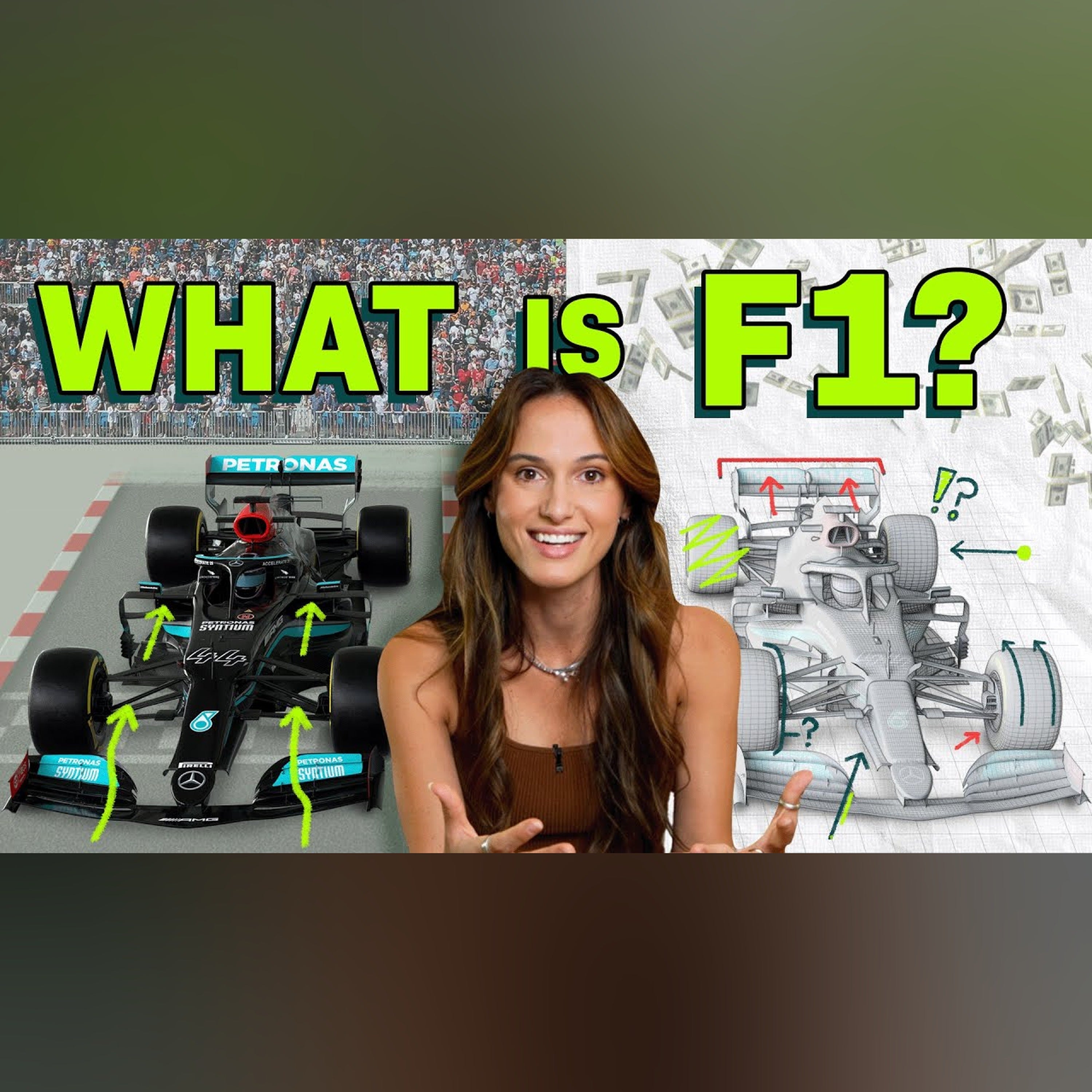
Discuss this episodeF1 isn’t just a car race. It’s a science experiment. You’ve been hearing about F1 too, right? Formula 1 is skyrocketing in popularity in the US, driven in part by the Netflix series Drive To Survive. In this video, we’ll break down exactly what you need to know to keep up with this crazy, expensive sport everyone’s suddenly obsessed with. But we’ll also take a deeper look at the big (HUGE*!) question here, which is: Why do this? Why pour so much money, so many bright minds, so much technological effort into F1… into entertainment? The answer is in what we get in return. Formula 1 is much more than a car race. It’s a space program, for the road. Chapters: 00:00 Why is F1 so popular right now? 01:32 Is F1 worth it? 02:09 WTF is F1? 04:15 How does an F1 race work? 04:57 How does F1 scoring work? 05:36 How does an F1 car work? 07:39 What does an F1 team cost? 08:44 Do F1 teams make money? 09:40 Is F1 wasteful? 10:15 Why is F1 a science experiment? 11:23 Does F1 tech help road cars… really?
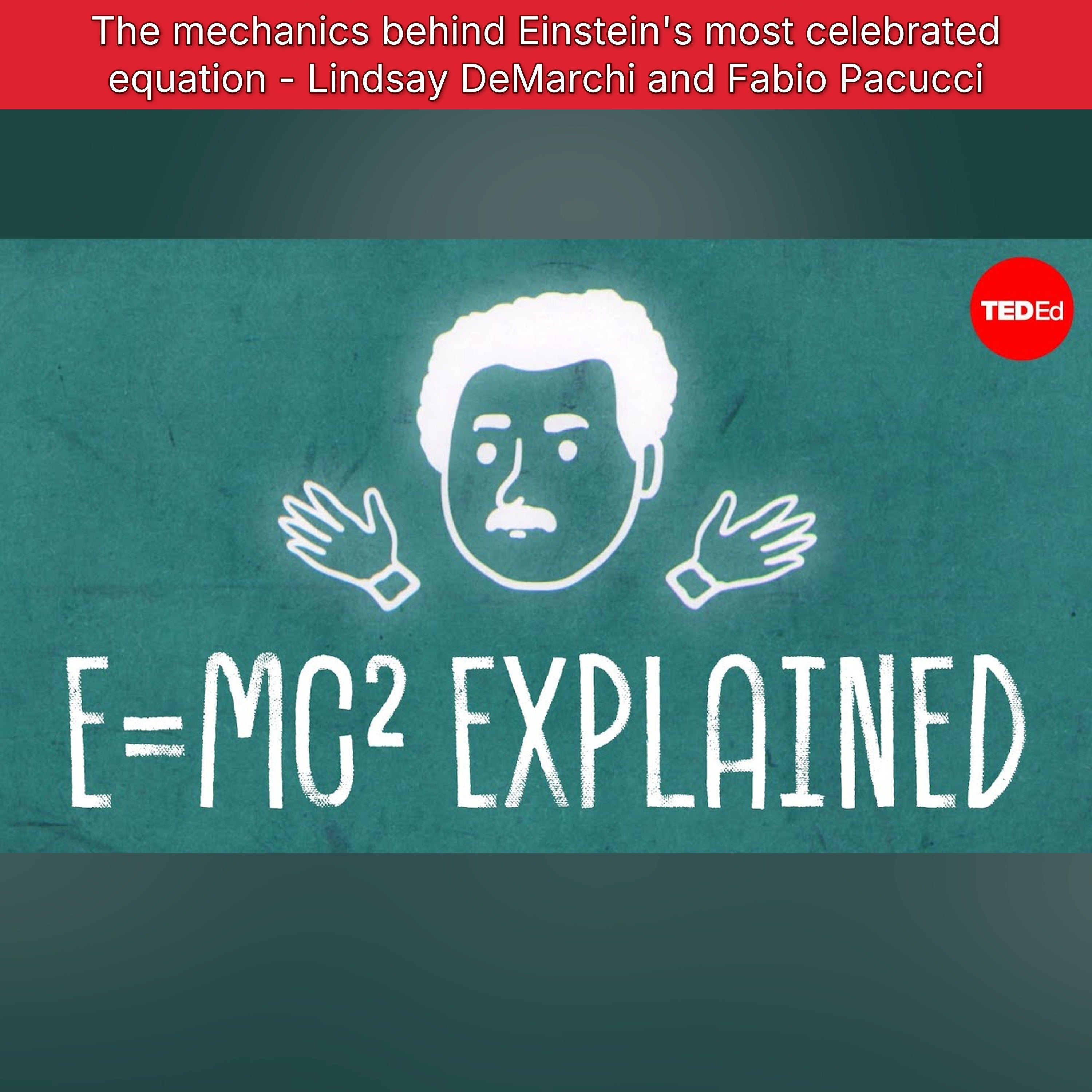
Discuss this episodeLearn more at https://brilliant.org/TedEd -- Ever since Einstein published his Special Theory of Relativity, one equation has been the bane of humans hoping to explore the stars: E=mc². In addition to informing our understanding of gravity, space, and time, this formula implies that traveling at or beyond light speed is impossible. Why is that? Lindsay DeMarchi and Fabio Pacucci explain the physics behind this unbreakable speed limit. Lesson by Lindsay DeMarchi and Fabio Pacucci, directed by Igor Ćorić, Artrake Studio. This video made possible in collaboration with Brilliant Learn more about how TED-Ed partnerships work: https://bit.ly/TEDEdPartner Support Our Non-Profit Mission ---------------------------------------------- Support us on Patreon: http://bit.ly/TEDEdPatreon Check out our merch: http://bit.ly/TEDEDShop ---------------------------------------------- Connect With Us ---------------------------------------------- Sign up for our newsletter: http://bit.ly/TEDEdNewsletter Fi
Discuss this episodePBS Member Stations rely on viewers like you. To support your local station, go to: http://to.pbs.org/DonateSPACE ↓ More info below ↓ Uploaded 07-02-19 You can check out Google's Science Journal app at http://g.co/ScienceJournal Check out the new Space Time Merch Store! Support Space Time on Patreon Email your answers to: [email protected] With the subject heading: Negative Mass Challenge Question Invisible to the naked eye, our night sky is scattered with the 100s of billions of galaxies the fill the known universe. Like the stars, these galaxies form constellations – hidden patterns that echo the reverberations of matter and light in an epoch long before galaxies ever formed. These are the baryon acoustic oscillations, and they may hold the key to understanding the nature of dark energy. Tweet at us! @pbsspacetime Facebook: facebook.com/pbsspacetime Email us! pbsspacetime [at] gmail [dot] com Comment on Reddit: http://www.reddit.com/r/pbsspacetime Help translate our videos! Prev
Discuss this episodeThe Strong Life Project Podcast
You cannot genuinely love someone while only accepting the parts of them that are convenient, comfortable, or easy to deal with. Real relationships require us to accept that people are complex, imperfect, and sometimes difficult. If we want meaningful relationships, we must learn to love people as whole human beings rather than expecting them to fit neatly into the expectations we have created for them. In this episode of The Strong Life Project, Shaun O’Gorman explores what it means to love people without constantly trying to change, control, fix, or reject the parts of them that make us uncomfortable. Too often, we tell people we love them while simultaneously criticising their personality, dismissing their emotions, or demanding they behave differently to make our own lives easier. This does not mean accepting toxic behaviour, abandoning boundaries, or tolerating disrespect. Loving someone fully and maintaining healthy boundaries can coexist. The challenge is learning the difference
Discuss this episodeThe Grave Talks | Haunted, Paranormal & Supernatural
A weekend tour of a historic estate wasn’t supposed to be paranormal. She knew nothing about ghost stories connected to the property and hadn’t gone there hoping to experience anything unusual. Then she stepped into an upstairs hallway and suddenly felt that she needed to leave. One bedroom was worse. Nothing appeared, nothing moved, and nobody else seemed bothered—but she could not shake the feeling that the room was already occupied. That night, back in her own home, she woke convinced someone was standing beside her bed. Over the next few days, she heard breathing directly behind her, caught movement in reflections, and began feeling the same invisible presence even while sitting at work. She had never believed much in the idea that something could attach itself to a person. Now she was beginning to wonder whether she had left that estate alone. #ParanormalAttachment #GhostStories #HauntedEstate #HauntedPlaces #Paranormal #SpiritAttachment #GhostEncounter #Unexplained #Haunting #Att
Discuss this episodeGrowing up in her family's home, a young girl experienced things she couldn't explain. It began with a voice whispering directly into her ear. Years later, she awoke to find a little boy standing in her bedroom, staring into a mirror. The experiences frightened her, but she eventually learned to live with the possibility that her childhood home was haunted. When she returned years later with a child of her own, the strange activity continued. Her son made an unsettling comment about people he claimed to see, mysterious voices called out through the house, and a family photograph appeared to capture something unexpected. For years, the family accepted that unexplained things sometimes happened there. But following a death in the family, something changed. The house suddenly felt different, and the activity seemed to disappear. Had the spirits finally moved on—or had they been there for someone all along? #RealGhostStoriesOnline #TrueGhostStories #HauntedFamilyHome #ChildhoodHaunting #Gh
Discuss this episodeIn this calm and sleepy facts episode, we drift quietly into the deepest, most mysterious objects in the universe, places where gravity is so intense that not even light can escape. We begin with the basics of what a black hole actually is, not a cosmic vacuum cleaner but simply a region of space where matter has collapsed so completely that it warps the fabric of spacetime around it. We follow the life of a massive star as it burns through its fuel and collapses in on itself, crossing the threshold where nothing can stop gravity from winning. We explore the anatomy of a black hole, from the event horizon, the invisible boundary beyond which there is no return, to the singularity at the center where our understanding of physics breaks down entirely. From there we turn to the supermassive black holes sitting quietly at the centers of nearly every large galaxy, including Sagittarius A star at the heart of our own Milky Way, roughly four million times the mass of the Sun, and the enormous
Discuss this episodeArtificial Intelligence Masterclass
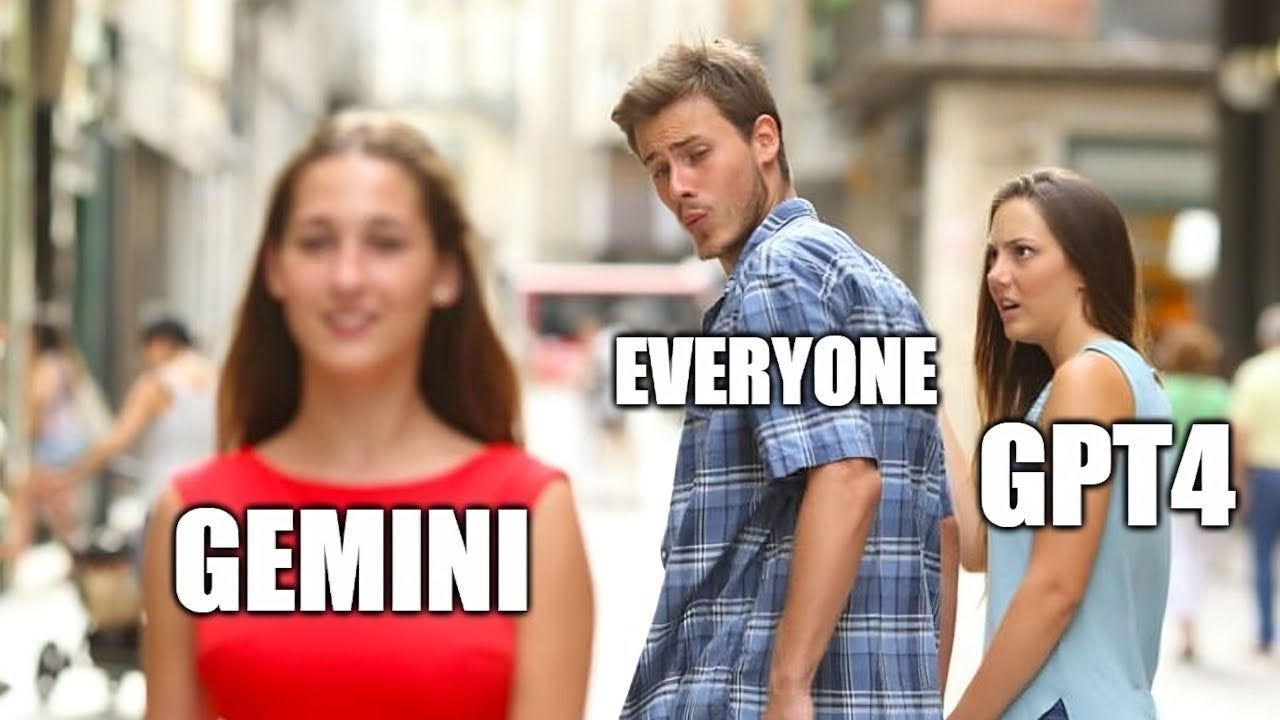
Did Gemini just dethrone GPT4? My first thoughts on Google DeepMind vs OpenAI and their future Episode release date: 7 Dec 2023 Core Ideas: Metamodernism: Narratives and emergence view of reality - Reduce suffering - Increase prosperity - Increase understanding mantra: Seek knowledge. DISCLAIMER: This is a community-driven show. ------ Keywords: ai future, future technology, openai, ai podcast
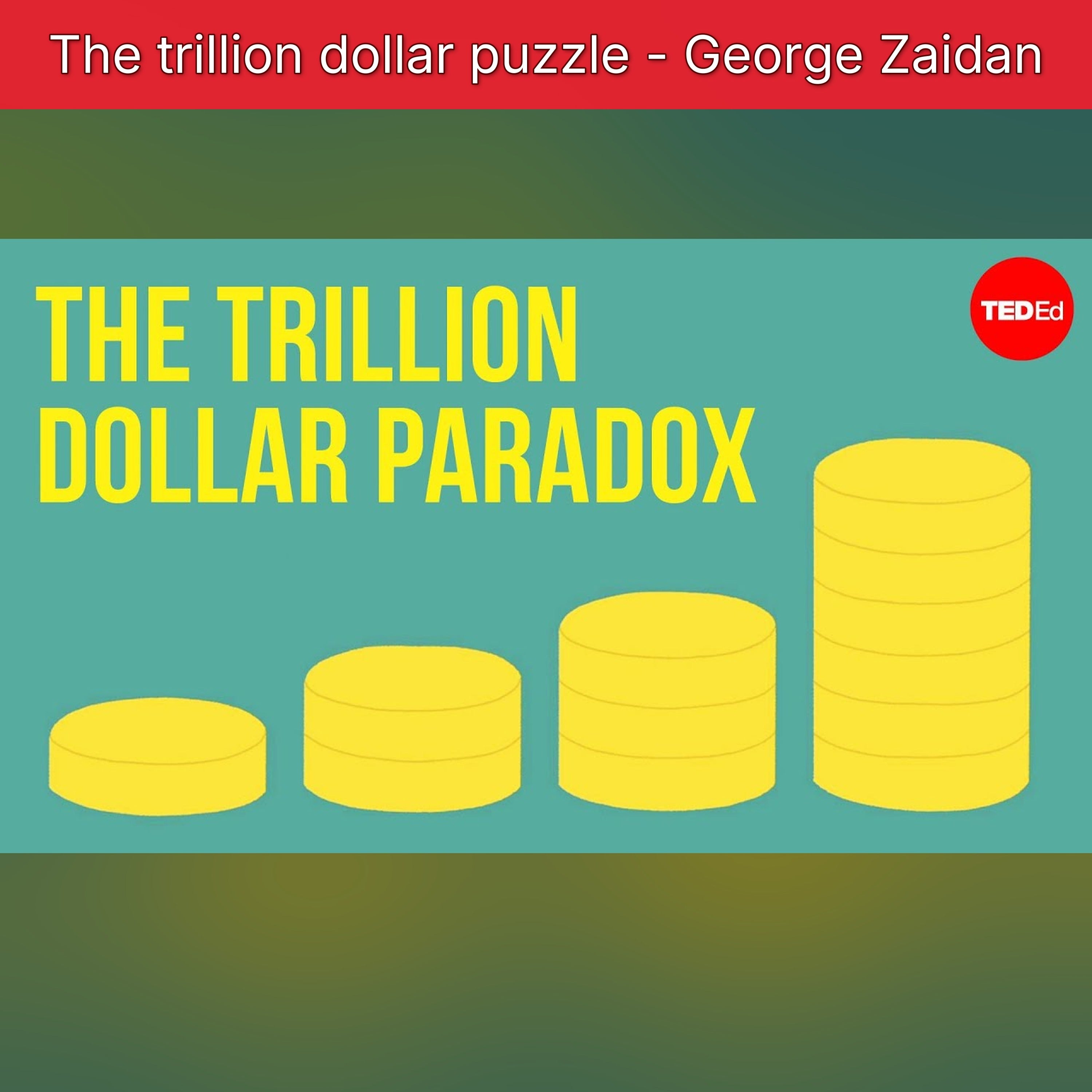
Discuss this episodeExplore the possibility of transitioning to a green economy, and if the trillion-dollar up-front cost is worth the investment. -- Global warming is very, very expensive: extreme weather, rising sea levels, crop failures, health issues, and industry disruptions all cost money. So, what’s the best way forward? Is the estimated trillion-dollar price tag that comes with transitioning the world to clean energy worth the cost of investment? George Zaidan explores what it would take to become a green economy. Lesson by George Zaidan, directed by Sofia Pashaei. This video made possible in collaboration with Speed & Scale Learn more about how TED-Ed partnerships work: https://bit.ly/TEDEdPartner A special thanks to Michael Grubb who provided information and insights for the development of this video. Support Our Non-Profit Mission ---------------------------------------------- Support us on Patreon: http://bit.ly/TEDEdPatreon Check out our merch: http://bit.ly/TEDEDShop ------------------------
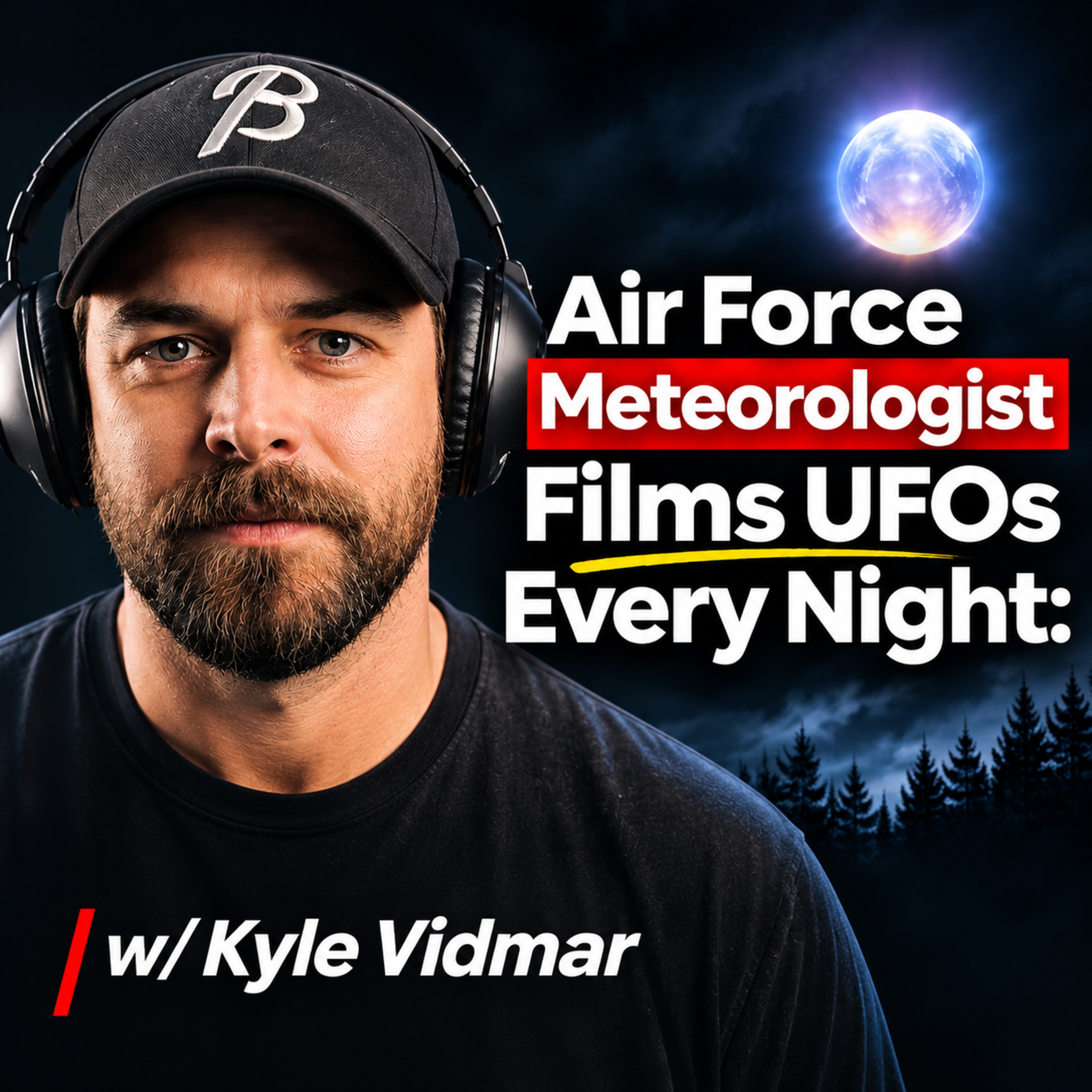
Discuss this episodeKyle Vidmar served as a U.S. Air Force meteorologist supporting the A-10s of the 175th Fighter Squadron, and he spent years looking at the sky for a living without any interest in UFOs. Then, in February 2024, he watched a small orange orb rise over the treeline outside his house and shoot off. In this clip from UAP Files Podcast S3E53, Kyle tells me about that night and then shares his screen to show some of the best footage he has filmed on his night-vision-to-colour camera. In this clip: • February 2024: an orange orb about 150 ft up, and bursting into tears • Bringing his wife outside, asking it to “show me something”, and both of them seeing it • A second and third object, as if on demand • His AirPods dying within minutes, and the green dot he still remembers • Footage: low floating orbs, a “hypersonic” object compared with a real meteor, and a green pulse in slow motion • What he calls his best capture of all time, coming out of a thunderstorm • Objects showing up through comple
Discuss this episodeTHE SKINCARE INDUSTRY'S DIRTY SECRETS — WHAT ARE YOU REALLY PUTTING ON YOUR SKIN? MICHAEL JACO welcomes DR. HABIB SKAFF and JENNIFER ALLEN of SKIN WISDOM for an eye-opening conversation about misleading skincare labels, hidden ingredients, consumer safety, and a new approach to skin recovery! “CLEAN.” “NATURAL.” “NON-TOXIC.” — WHAT DO THESE LABELS REALLY MEAN? Millions of people trust the promises printed on skincare products. But Dr. Habib Skaff explains why popular marketing terms may not mean what consumers think they do. From hypoallergenic to chemical-free, the conversation examines the difference between persuasive advertising and meaningful product standards. BIG BEAUTY, BIG CLAIMS & THE BATTLES OVER SKINCARE LABELING! Michael and his guests revisit legal disputes involving major beauty brands, including Sephora, Clinique, and Almay. Why have terms such as clean and hypoallergenic been so difficult to standardize? And how much information do consumers actually receive about the
Discuss this episodeDive into Herman Melville’s classic novel “Moby Dick,” the story of Captain Ahab’s hunt for revenge against the white whale who bit off his leg. Uploaded 26-05-20 -- A mountain separating two lakes. A room papered floor to ceiling with bridal satins. The lid of an immense snuffbox. These seemingly unrelated images take us on a tour of a sperm whale’s head in Herman Melville’s "Moby Dick." Though the book features pirates, typhoons, high-speed chases, and giant squid, it’s anything but a conventional seafaring adventure. Sascha Morrell digs into the classic novel. Lesson by Sascha Morrell, directed by Martina Meštrović. Animator's website: https://vimeo.com/martinamestrovic Sign up for our newsletter: http://bit.ly/TEDEdNewsletter Support us on Patreon: http://bit.ly/TEDEdPatreon Find us on Twitter: http://bit.ly/TEDEdTwitter Peep us on Instagram: http://bit.ly/TEDEdInstagram View full lesson: https://ed.ted.com/lessons/why-should-you-read-moby-dick-sascha-morrell Thank you so much to o
Discuss this episodeArtificial Intelligence Masterclass
Why I'm (Probably) never getting brain augmentation - but one thing I might Episode release date: 22 Dec 2023 Core Ideas: Metamodernism: Narratives and emergence view of reality - Reduce suffering - Increase prosperity - Increase understanding mantra: Seek knowledge. DISCLAIMER: This is a community-driven show. --- Keywords: artificial intelligence, david shapiro, singularity, ai education, cognitive ai, ai philosophy, prompt engineering, agi
Discuss this episodePBS Member Stations rely on viewers like you. To support your local station, go to: http://to.pbs.org/DonateSPACE ↓ More info below ↓ Uploaded 22-12-20 Check Out Weathered on PBS Terra https://www.youtube.com/watch?v=znSN7ZFIaOg&ab_channel=PBSTerra (https://www.youtube.com/watch?ab_channel=PBSTerra&v=znSN7ZFIaOg) Sign Up on Patreon to get access to the Space Time Discord! We often think of quantum mechanics as only affecting only the smallest scales of reality, with classical reality taking over at some intermediate level. But in his 1944 book, What is Life?, the quantum physicist Erwin Schrödinger suggested that “incredibly small groups of atoms, much too small to display exact statistical laws, do play a dominating role in the very orderly and lawful events within a living organism.” Schrodinger was a visionary - and perhaps very specifically in this case. Because it turns out we might need all the weirdness of quantum mechanics to explain birds. Check out the Space Time Merch Store
Discuss this episodeOn the 3rd Day of Christmas, Scary Bear Attacks takes you to New England, where black bear encounters have escalated into frightening and sometimes deadly attacks.This episode explores three true bear attacks that occurred across New England, examining how these encounters unfolded, what triggered the bears’ behavior, and how ordinary people suddenly found themselves face-to-face with a powerful predator. From wooded backroads to residential areas, these incidents show how close human and bear territories have become.Told through calm, narrated storytelling, this episode is designed for late-night and bedtime listening while still presenting real, documented bear attack stories. Many listeners turn to Scary Bear Attacks not only for education, but also for the steady, relaxing narration that allows them to listen comfortably even as the stories grow intense.If you enjoy true wildlife encounters, narrated survival stories, and real bear attack documentaries, you’re in the right place.Su
Discuss this episodeTake a journey into the respiratory system to see how ventilators bypass constricted airways and help damaged lungs send oxygen to the body. Uploaded 21-05-20 -- In the 16th century, physician Andreas Vesalius described how a suffocating animal could be kept alive by inserting a tube into its trachea and blowing air to inflate its lungs. Today, Vesalius’s treatise is recognized as the first description of mechanical ventilation— a crucial practice in modern medicine. So how do our modern ventilators work? Alex Gendler explains the life-saving technology. Lesson by Alex Gendler, directed by Artrake Studio. Animator's website: https://www.artrake.com (https://www.artrake.com/) Sign up for our newsletter: http://bit.ly/TEDEdNewsletter Support us on Patreon: http://bit.ly/TEDEdPatreon Find us on Twitter: http://bit.ly/TEDEdTwitter Peep us on Instagram: http://bit.ly/TEDEdInstagram View full lesson: https://ed.ted.com/lessons/how-do-ventilators-work-alex-gendler Thank you so much to our pat
Discuss this episodeYou can learn more about The Great Courses Plus here: http://ow.ly/3qDN30hIvdb Uploaded 07-11-18 Viewers like you help make PBS (Thank you ) . Support your local PBS Member Station here: https://to.pbs.org/DonateSPACE Some see string theory as the one great hope for a theory of everything – that it will unite quantum mechanics and gravity and so unify all of physics into one glorious theory. You can further support us on Patreon at https://www.patreon.com/pbsspacetime Get your own Space Time t-shirt at http://bit.ly/1QlzoBi Tweet at us! @pbsspacetime Facebook: facebook.com/pbsspacetime Email us! pbsspacetime [at] gmail [dot] com Comment on Reddit: http://www.reddit.com/r/pbsspacetime Make Sure To Check Out The Great Courses Plus "The Great Courses Plus is currently available to watch through a web browser to almost anyone in the world and optimized for the US, UK, and Australian markets. The Great Courses Plus is currently working to both optimize the product globally and accept credi
Discuss this episode