Did Comets Really Bring the Ingredients for Life to Earth?
38 min
Listen through the publisher, then discuss the episode here or arrange an in-person Roundtable. Your city determines where to meet.
Roundtables are designed for groups of four, with a shared subject and room for everyone to speak. Come for discussion, with no dating expectation.
Could comets have delivered the ingredients for life on early Earth? A University of Cambridge study challenges this long-standing theory, suggesting that high-speed impacts may have destroyed fragile organic molecules before they could trigger prebiotic chemistry. Mars may have offered more favorable conditions, but the findings raise new questions about how life’s essential building blocks first appeared. This episode includes AI-generated content.
Episode information is provided by the publisher. Listening takes place on the publisher’s service.
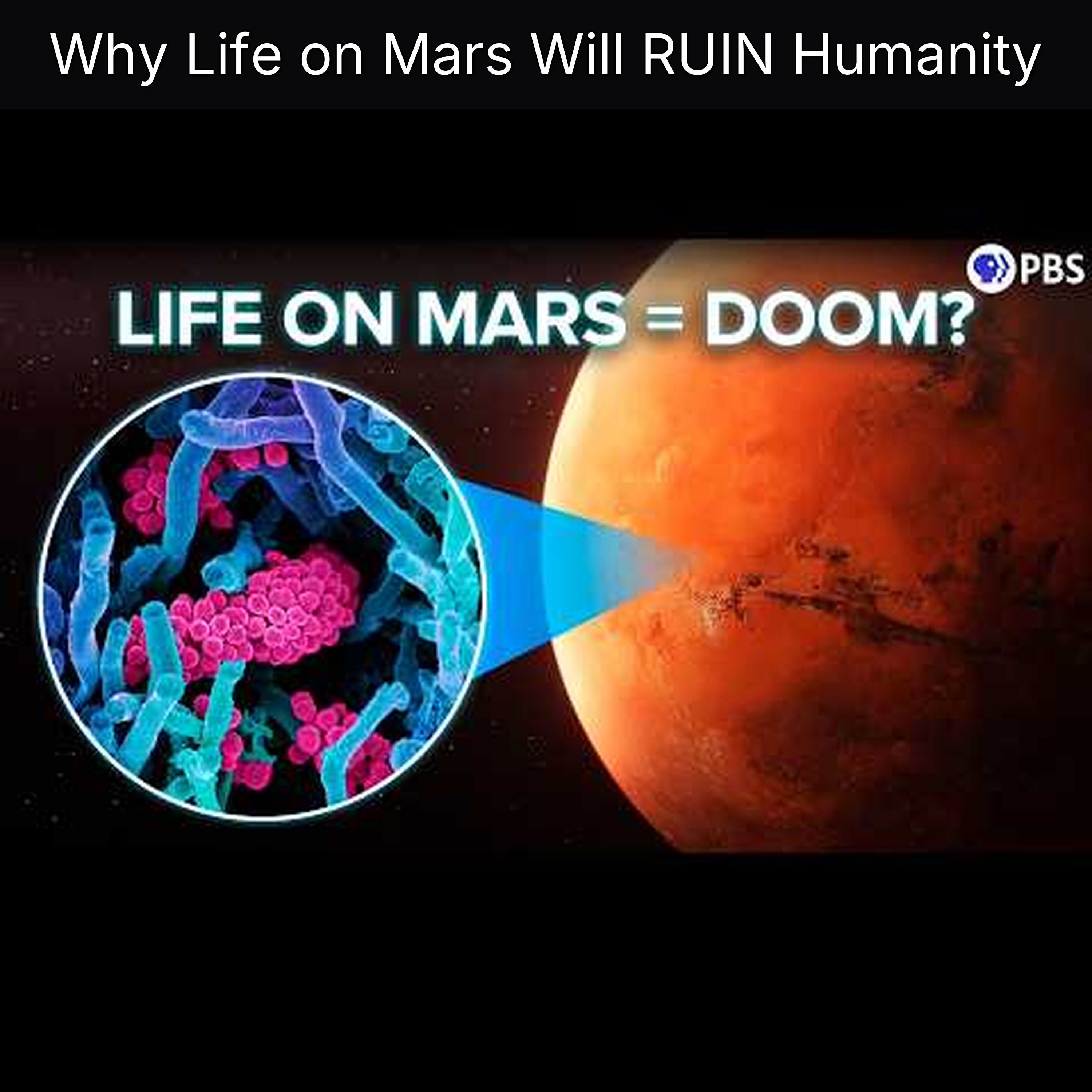
Where on Earth did life begin? Explore the hydrothermal vents in Earth’s crust as simple compounds gave way to complex life. Uploaded 26-08-19 -- Billions of years ago, simple organic compounds assembled into more complex coalitions that could grow and reproduce. At the time, Earth had widespread volcanic activity and a hostile atmosphere that made it almost devoid of a suitable environment for living things. So where did life begin? Luka Wright searches for the cradle of life that gave rise to the billions of species that inhabit our planet. Lesson by Luka Seamus Wright, directed by Nick Hilditch. Sign up for our newsletter: http://bit.ly/TEDEdNewsletter Support us on Patreon: http://bit.ly/TEDEdPatreon Find us on Twitter: http://bit.ly/TEDEdTwitter Peep us on Instagram: http://bit.ly/TEDEdInstagram View full lesson: https://ed.ted.com/lessons/the-mysterious-origins-of-life-on-earth-luka-seamus-wright Thank you so much to our patrons for your support! Without you this video would not
I Ate 1000 Sardines in a Month, Video: https://youtu.be/_Th54GWd8WY How Sardines Supercharged my Metabolism, Letter: https://staycuriousmetabolism.substack.com/p/the-weird-anti-insulin-hormone-that?r=40ekz2 Omega-6/3 Ratio Can Be Misleading, Letter: https://staycuriousmetabolism.substack.com/p/how-we-got-omega-fat-wrong-this-will?r=40ekz2 Best Omega-3 for the Brain, Letter: https://staycuriousmetabolism.substack.com/p/why-omega-3-supplements-dont-work?r=40ekz2 If you want to get your Omega-3 via Omega Quant, click on this link: https://omegaquant.com/ref/864 Fatty Acid Research Institute: https://www.faresinst.org (https://www.faresinst.org/) Description: In this conversation, I sit down with Professor William Harris, one of the world’s leading experts on omega-3 and omega-6 fatty acids, to cut through confusion around fish oil, seed oils, cardiovascular health, and brain health. We break down what omega-3 and omega-6 fats actually are, why their chemistry matters, and how they’re conv
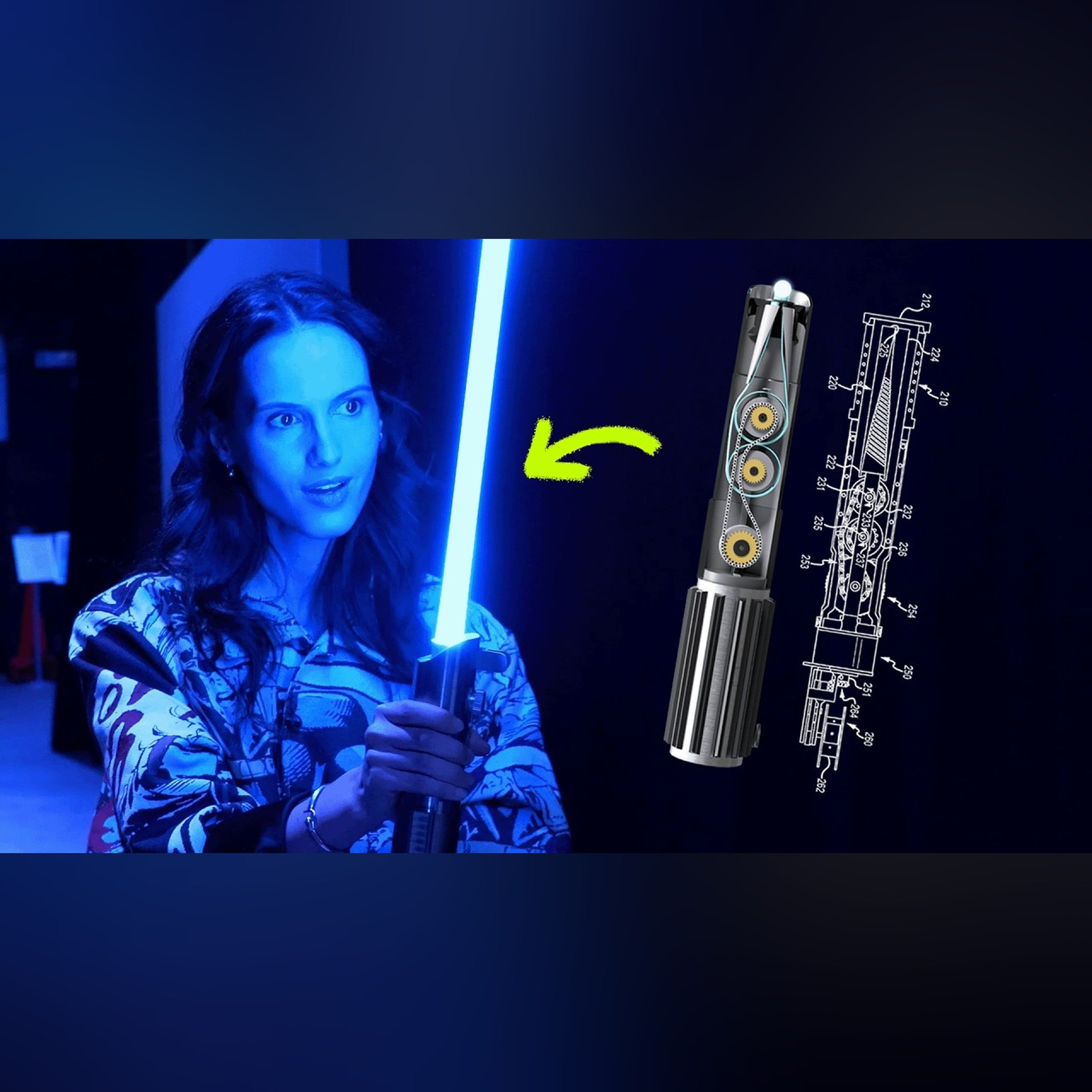
I tested Disney’s coolest new tech… Go to https://surfshark.com/cleo for 4 extra months of Surfshark Today I’ve been invited behind the scenes at Walt Disney Imagineering, the place where Disney brings their craziest ideas to life - from STUNT ROBOTS to a real life version of The Force, to adorable little droids! On this show Huge If True, we explore how tech can improve people’s lives - by living longer, going farther, doing more. But the reason I’ve loved Disney since I was a kid is they use tech to improve lives another way… by making people happy. And that means they end up pushing forward tech in some crazy, unexpected ways. So let me take you inside the magic, to show you the cutting edge tech they’re building… how it works… and what happens when we put it to the test! Chapters: 0:00 What is Disney building next? 1:11 What does Walt Disney Imagineering do? 1:52 What are Disney’s new droids really like? 2:47 How do Disney’s new droids work? 5:08 What’s the world’s most realistic l
Scientists are rethinking how particles behave when moving at extreme speeds through matter. New research into quark-gluon plasma, the exotic fluid that existed moments after the Big Bang, reveals unexpected patterns in particle motion that challenge traditional physical models. The findings could offer a powerful new way to investigate the properties of the universe’s earliest matter. This episode includes AI-generated content.
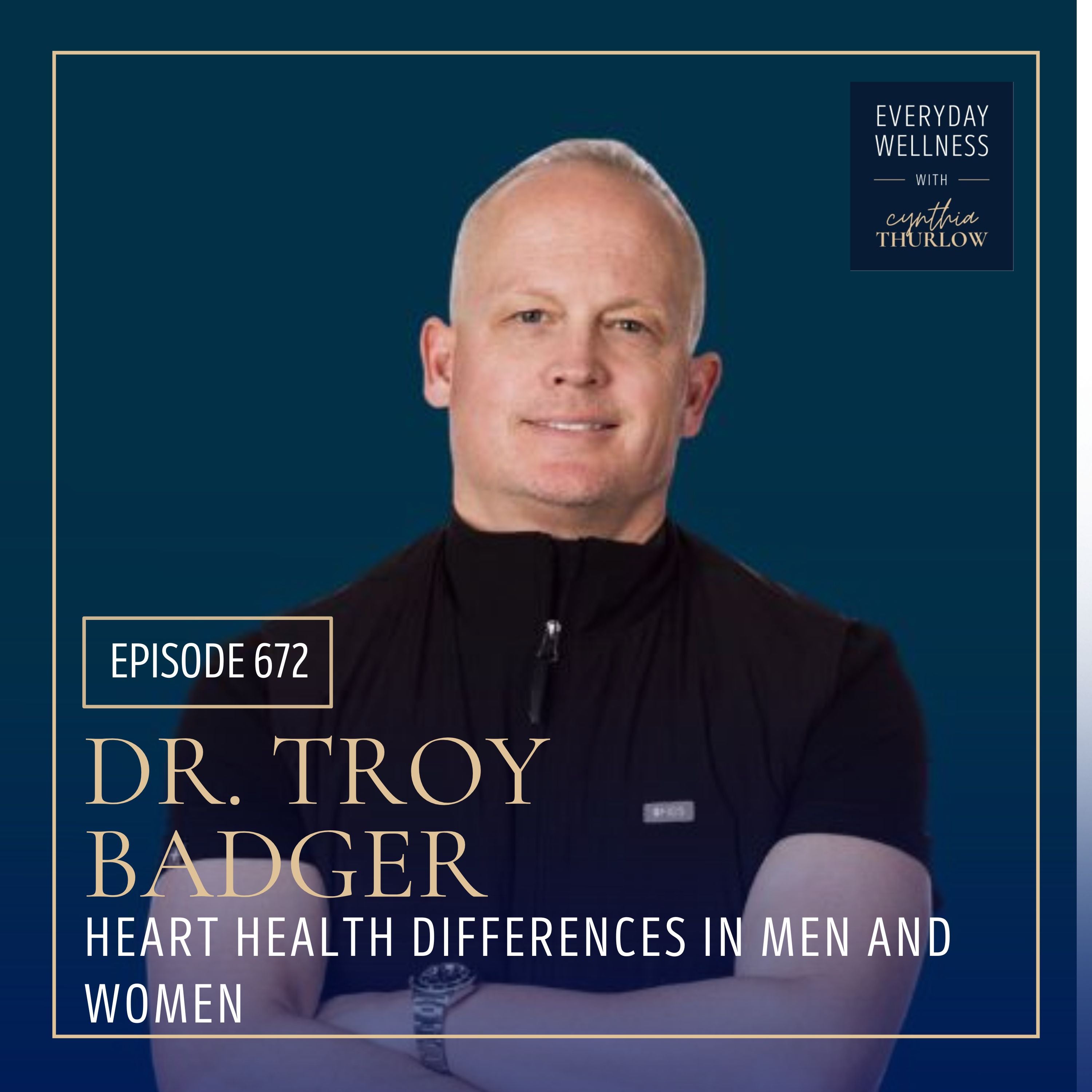
Today, I’m honored to connect with Dr. Troy Badger. He is a board-certified cardiologist and interventionalist and the founder of Cardiostrong, a concierge preventive cardiology clinic in Provo, Utah, focused on reducing cardiovascular risk, optimizing metabolic health, and improving strength and cardiorespiratory fitness for executives and athletes. In today’s conversation, we discuss Dr. Badger’s gender- and age-specific approach to heart health, including treatment differences for men and women, and diagnoses such as INOCA, SCAD, vasospastic disease, and Takotsubo. We examine emotions and their influence on heart health, coronary ischemia and cardiomyopathies, labs and diagnostics, how Dr. Badger assesses risk in his patients, and the differences between a CAC and a CCTA. Dr. Badger also shares the labs he finds essential for all patients and discusses the role of VO2 Max, cardiovascular training, and lifestyle—specifically nutrition, the use of GLP-1 drugs, and a multidisciplinary
The Euclid space telescope has uncovered a remarkable collection of cosmic gravitational lenses, offering new opportunities to investigate some of the universe’s greatest mysteries. These natural magnifying glasses reveal distant galaxies through the distortion of light, providing astronomers with valuable clues about dark matter, cosmic structure, and the hidden architecture of the universe. This episode includes AI-generated content.
A mysterious radio signal is drawing astronomers attention with its remarkably regular flashes every eight minutes. Its source challenges expectations about which stellar remnants can produce such signals, while offering a promising new way to uncover hidden objects across our galaxy. This episode includes AI-generated content.
A massive new simulation is offering an unprecedented look at the universe's earliest stages, exploring how the first structures emerged from cosmic darkness. The research provides fresh insights into the mysterious era that shaped the cosmos and how the universe evolved into the vast structure we see today. This episode includes AI-generated content.
Street design should prioritize pedestrians and public transport over private cars.
Share your view, then see how readers voted. No sign-in required. This poll is shared across stories.
Do you agree or disagree?
Common Quandary
A Common Quandary to discuss
Another conversation to explore, separate from this news story.
Your friend spent five years writing a terrible novel. What do you say?
A close friend asks for your candid opinion of a novel they have spent five years writing. You find it confusing and unlikely to be published, but writing it has given them purpose during a difficult period.
Is kindness sometimes a reason to withhold an honest judgment?