Can you rewire your brain to turn down chronic pain? Your pain is real, but your brain decides how loud that pain feels and new science shows that self-hypnosis may offer a new route to pain relief. One that goes beyond relying on pills alone. In today’s episode, Stanford psychiatrist Dr. David Spiegel, who has spent decades researching pain, explains how the brain controls pain. You’ll learn why chronic pain can be worsened by fear, anxiety and poor sleep. David explains how pain signals travel from your body to your brain, and why the brain can turn them up or down. He also shares how tools like hypnosis can help with pain management. By the end of the episode, you’ll have a simple 7-step self-hypnosis exercise for drug-free pain relief you can try at home. Build healthy habits. Download the ZOE app today Join ZOE (https://zoe.com/buymembership) Follow ZOE onInstagram (https://www.instagram.com/zoe/). Timecodes 00:00 Intro 01:49 Is your pain really in your brain? 09:07 Can't sleep? H
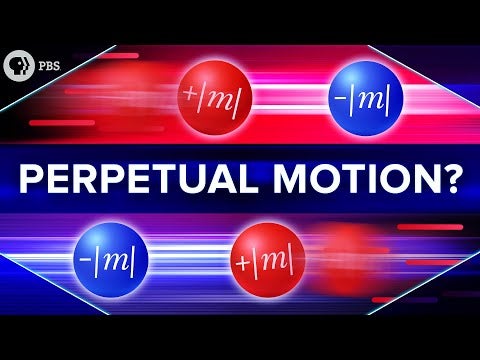
PBS Member Stations rely on viewers like you. To support your local station, go to: http://to.pbs.org/DonateSPACE ↓ More info below ↓ Uploaded 30-01-19 Check out the new Space Time Merch Store! Support Space Time on Patreon Email your answers to: [email protected] With the subject heading: Negative Mass Challenge Question Challenge question: if 1kg of apples is $5 and 2kg is $10, how much is -1kg of apples? The answer? Priceless. Because you could use negative-mass apples to build warp drives, travel in time, and construct a perpetual motion machine. In fact that last one will be today’s actual challenge question. Tweet at us! @pbsspacetime Facebook: facebook.com/pbsspacetime Email us! pbsspacetime [at] gmail [dot] com Comment on Reddit: http://www.reddit.com/r/pbsspacetime Help translate our videos! Previous Episode: Why String Theory Is Wrong Hosted by Matt O'Dowd Written by Matt O'Dowd Graphics by Luke Maroldi Directing by Andrew Kornhaber Exotic matter – matter with negative m
In this calm and sleepy facts episode, we slip quietly into the world of dreams, the extraordinary theater the mind builds every single night from nothing but fragments of memory, emotion, and imagination. We begin with the basics of what a dream actually is, a vivid mental experience that occurs during sleep, most intensely during rapid eye movement sleep, and we trace the architecture of a full night, learning how the brain cycles through stages roughly every 90 minutes, with each REM period growing longer and more dream rich as the night goes on. We visit the moment in 1953 when Eugene Aserinsky and Nathaniel Kleitman first discovered REM sleep in a Chicago laboratory, and we explore the curious state of muscle atonia, the temporary paralysis that keeps the body still while the dreaming mind races. From there we wade into the deep question of why we dream at all, from Freud's wish fulfillment theory to the activation synthesis model to the idea that dreams help consolidate memories
This is a Grave Talks CLASSIC EPISODE! PART TWO What if hearing the voices of the dead wasn’t strange—but simply your everyday reality? For Kelly McCarville, growing up meant living in a world where spirits were never far away. As a child, she didn’t question it. She assumed everyone else could hear them too. Whispers in quiet rooms, shadows that seemed to linger with intent, feelings of presence that were more real than imagined—all of this was as natural as breathing to her. In her home, among her family, it was simply part of life. But as she grew older, it became clear that not everyone had these same abilities. What Kelly thought was “normal” wasn’t the experience of most children. And instead of fading with time, her connection to the other side only deepened. The voices became clearer. The sensations stronger. The glimpses of spirits undeniable. Kelly’s gift was not meant to be silenced—it was meant to be used. Over the years, she embraced her abilities and learned how to harnes
Gluten Sensitivity, Gut Health, Chronic Inflammation, Food Addiction & Big Food Host Dave Asprey sits down with Dr. Peter Osborne, clinical nutrition expert, founder of the Gluten Free Society, and author of No Grain, No Pain, to explore gluten sensitivity, chronic inflammation, gut health, food cravings, brain fog, and the influence of the food industry on modern nutrition. In this special Thanksgiving episode, Dave and Peter challenge conventional thinking about grains, discuss the differences between celiac disease and non-celiac gluten sensitivity, and examine why certain foods may contribute to health problems even when people experience no immediate digestive symptoms. Peter explains how the digestion of gluten produces peptides known as gluteomorphins and discusses their potential relationship with opioid receptors, food cravings, and eating behavior. Dave shares his personal experiences with gluten, brain fog, and persistent carbohydrate cravings, while examining the relationsh
Sponsor Link: This episode of Space Nuts is brought to you with the support of Uncommon Goods — a one-stop gift shop for everyone on your list. We’re all out of the ordinary. Space Nuts: BepiColombo Reaches Mercury, Planet X2 and a New Idea About Dark Energy In this episode of Space Nuts, Andrew Dunkley and Professor Fred Watson explore three big stories from across the Solar System and beyond. After an eight-year journey, the BepiColombo mission has reached Mercury, where its two spacecraft will investigate the planet’s oversized metal core, magnetic field and battered surface. Then they consider new modelling that suggests a distant planet — dubbed Planet X2 — could explain the unusual orbits of icy objects beyond Neptune, and how the Vera C. Rubin Observatory might help find it. Finally, Andrew and Fred Watson discuss a possible explanation for dark energy rooted in the known physics of the strong nuclear force. Join them for a close-up look at Mercury, a search for a hidden world a
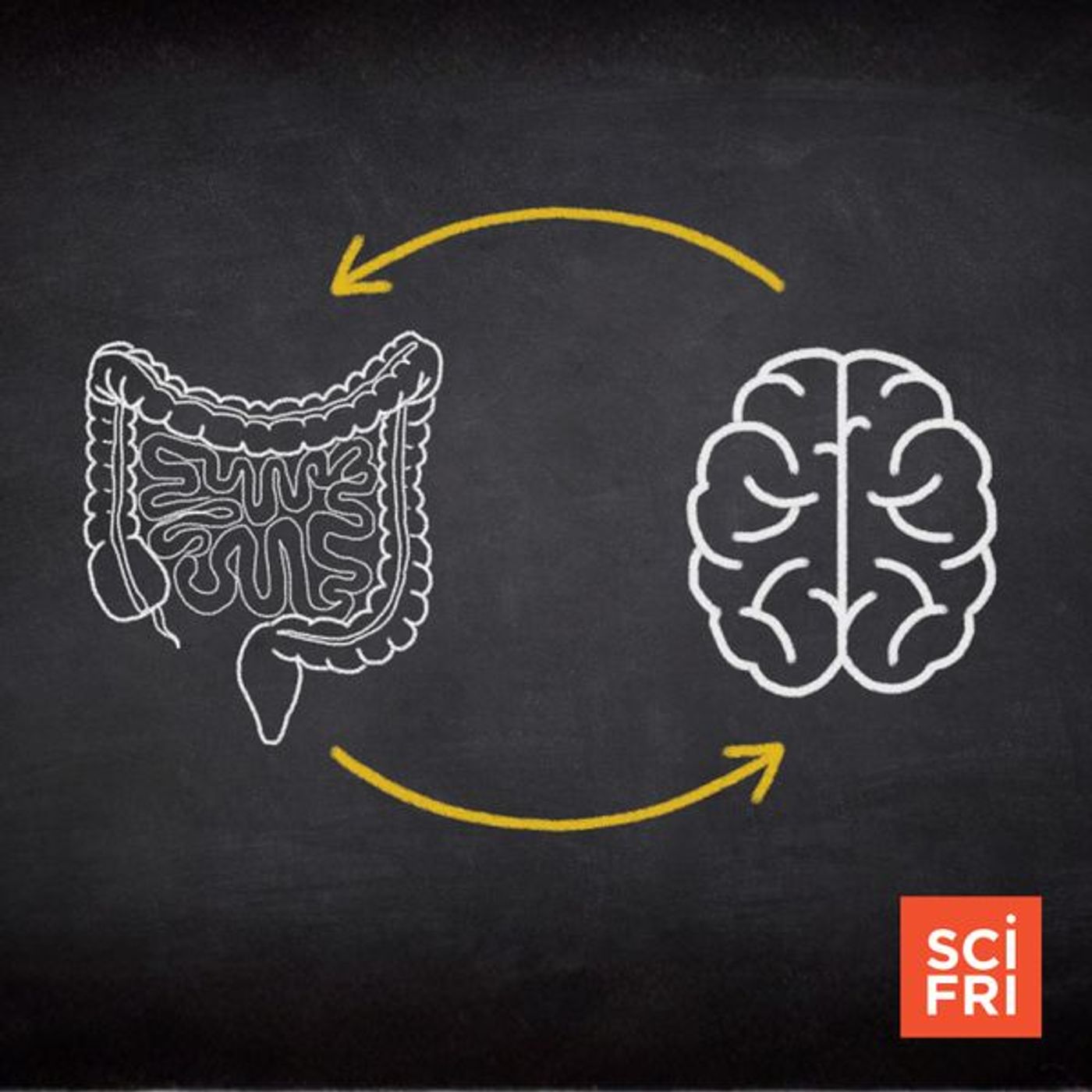
Gut feelings, trusting your gut, butterflies: We have lots of expressions about how our brains and our bowels are intertwined. But how well do we understand the science of this on the biomolecular level? And which of those organs is actually in the driver’s seat? Flora churned through the details (https://www.sciencefriday.com/segments/gut-brain-connection-ibs-parkinsons-depression/) with neurogastroenterologists Emeran Mayer and Trisha Pasricha on stage at the 2026 Aspen Ideas Festival in Colorado this past July. Guests: Dr. Emeran Mayer is distinguished research professor at the David Geffen School of Medicine at UCLA, and executive director of the G. Oppenheimer Center for Neurobiology of Stress and Resilience. Dr. Trisha Pasricha is a neurogastroenterologist and physician-scientist at Beth Israel Deaconess Medical Center as well as an assistant professor of medicine at Harvard Medical School. A transcript for this episode is available at sciencefriday.com. (https://www.sciencefrida
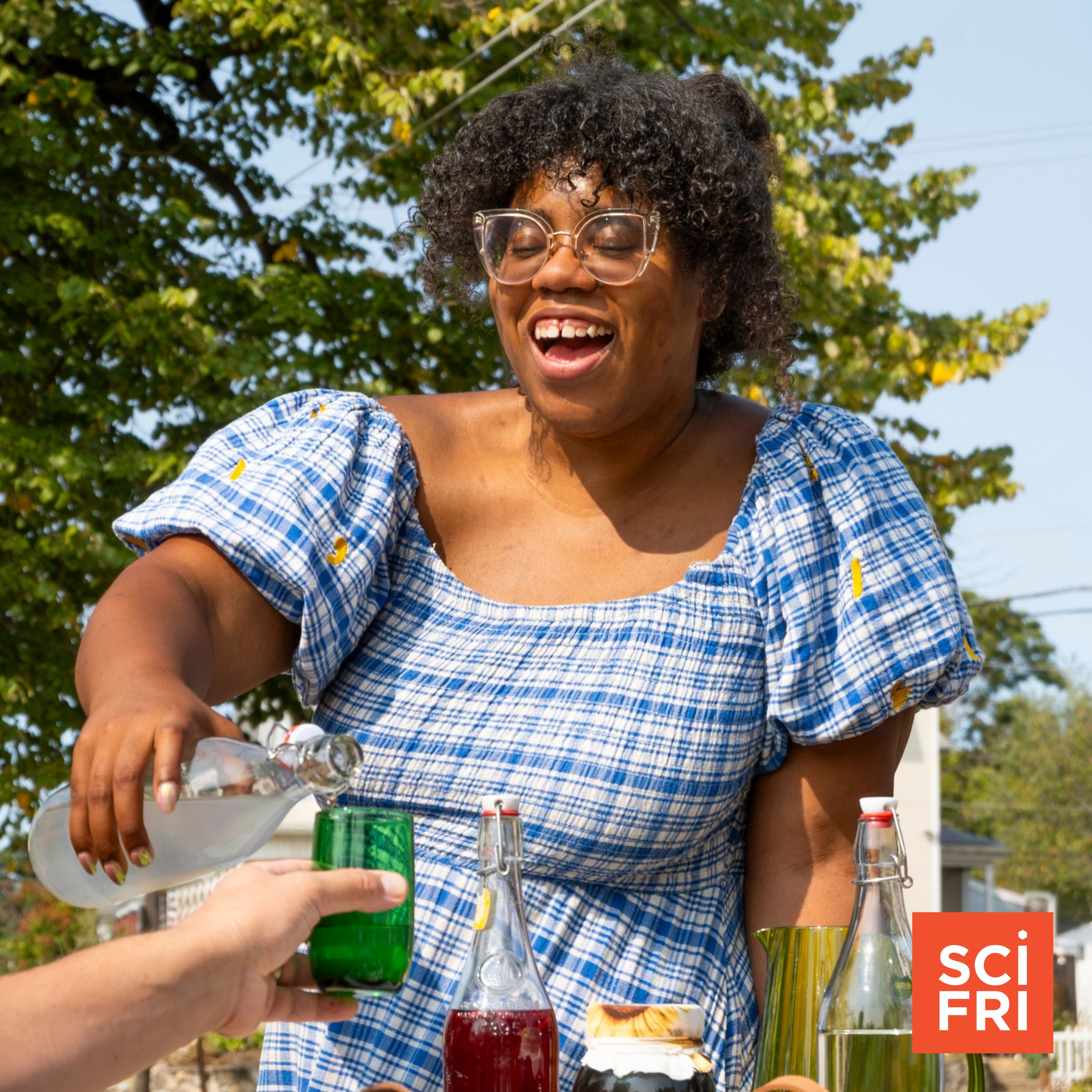
Grab your pocket knife and your wicker basket because we are going on a quiet hunt with the internet’s favorite forager, Alexis Nikole Nelson (https://www.sciencefriday.com/segments/foraging-with-alexis-nikole-nelson/). Known online as Black Forager (https://www.instagram.com/blackforager/), she teaches people about the foods that are found right in their neighborhood and how to cook with them. She is also the author of the cookbook and foraging guide “Happy Snacking, Don’t Die.” (https://bookshop.org/a/18570/9781668002544) Alexis chats with Flora about the joy of foraging and why it’s about more than just food—it carries a long, important history. Check out a recipe for acorn pancakes (https://www.sciencefriday.com/articles/happy-snacking-dont-die-book-excerpt/) with smoked hickory syrup from “Happy Snacking, Don’t Die.” Guest: Alexis Nikole Nelson is a forager and outdoor educator. She’s also the author of the foraging guide and cookbook “Happy Snacking, Don’t Die.” Transcripts for e
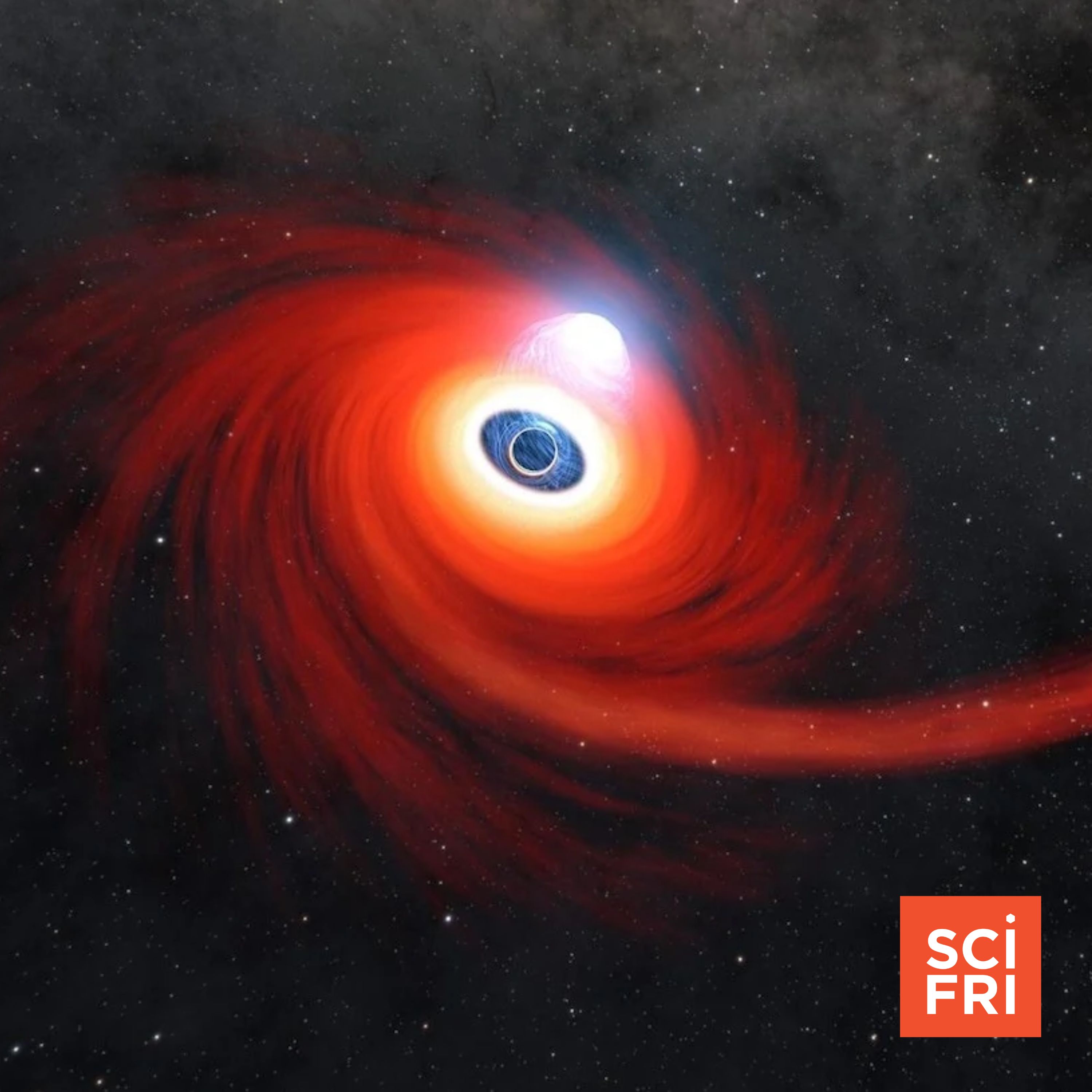
How do black holes work, and could they be attached to mini-universes? Is there only one universe, or a multitude of different universe possibilities? And is time travel ruled out by the laws of physics? Astrophysicist Janna Levin wrestles with these ideas and more in a new YouTube miniseries called “In Theory.” (https://www.youtube.com/watch?v=DzXwaYNCL5Y) She joins Ira to talk about some of the weird and wonderful mysteries of the universe (https://www.sciencefriday.com/segments/most-expansive-ideas-in-the-universe-astrophysics?%2Futm_source=wnyc) and spacetime. Guest: Dr. Janna Levin is the Claire Tow Professor of Physics and Astronomy at Barnard College. She’s also host of a new StarTalk miniseries called “In Theory.” Transcripts for each episode are available within 1-3 days at sciencefriday.com. (https://www.sciencefriday.com/segments/most-expansive-ideas-in-the-universe-astrophysics?%2Futm_source=wnyc) Got a science question that’s keeping you up at night? Call us: 877-472-4374
Public funding for a small group can be justified when the wider community also benefits.
Share your view, then see how readers voted. No sign-in required. This poll is shared across stories.
Do you agree or disagree?
Common Quandary
A Common Quandary to discuss
Another conversation to explore, separate from this news story.
An old friend refuses to use someone's new name. Do you correct them at the reunion?
At a reunion, an old friend repeatedly uses the name a former classmate had years ago. They say shared history gives the old name affectionate meaning; the classmate has clearly introduced themselves with a different name.
When does preserving your shared past deny who someone is now?