Listen through the publisher, then discuss the episode here or arrange an in-person Roundtable. Your city determines where to meet.
Roundtables are designed for groups of four, with a shared subject and room for everyone to speak. Come for discussion, with no dating expectation.
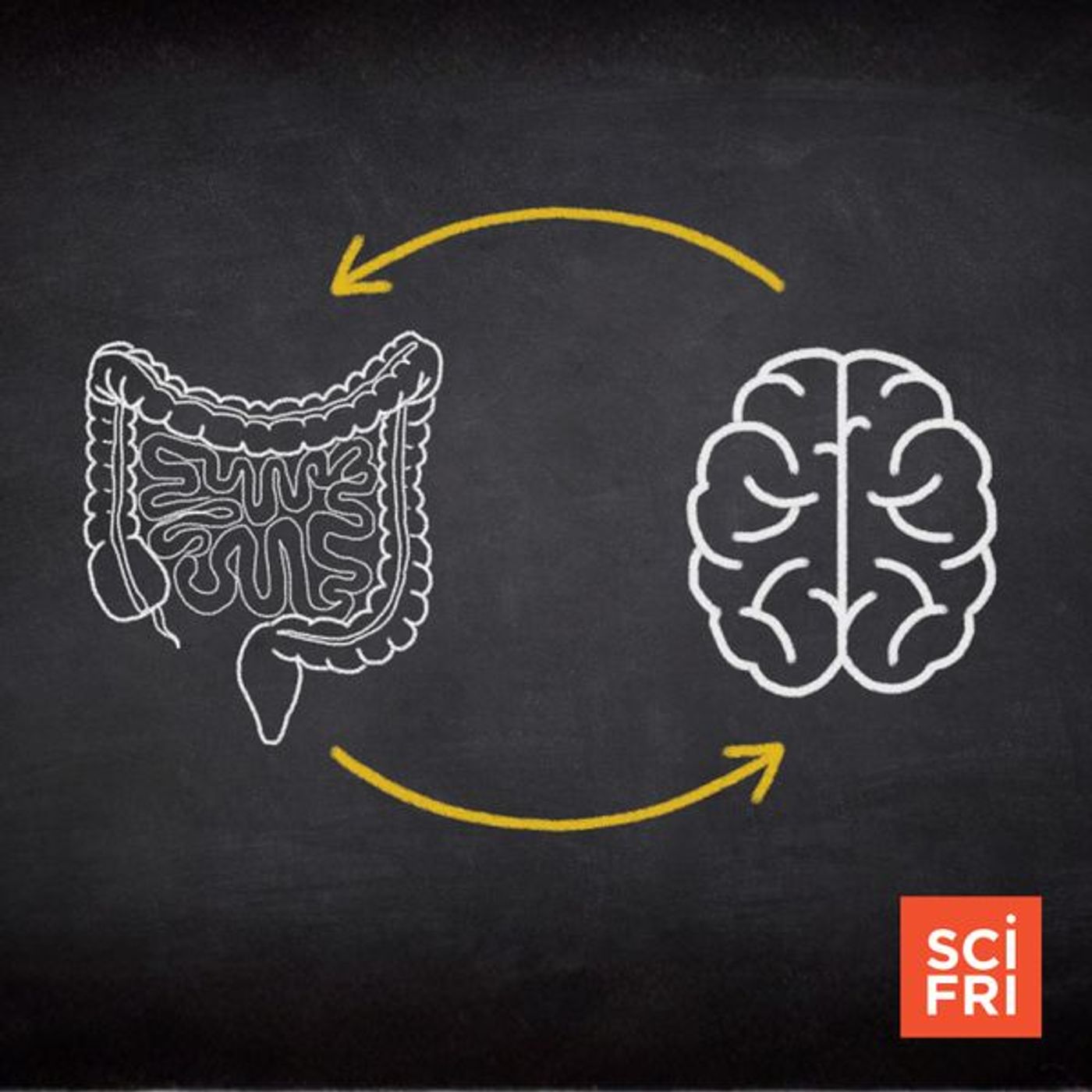
Gut feelings, trusting your gut, butterflies: We have lots of expressions about how our brains and our bowels are intertwined. But how well do we understand the science of this on the biomolecular level? And which of those organs is actually in the driver’s seat? Flora churned through the details (https://www.sciencefriday.com/segments/gut-brain-connection-ibs-parkinsons-depression/) with neurogastroenterologists Emeran Mayer and Trisha Pasricha on stage at the 2026 Aspen Ideas Festival in Colorado this past July. Guests: Dr. Emeran Mayer is distinguished research professor at the David Geffen School of Medicine at UCLA, and executive director of the G. Oppenheimer Center for Neurobiology of Stress and Resilience. Dr. Trisha Pasricha is a neurogastroenterologist and physician-scientist at Beth Israel Deaconess Medical Center as well as an assistant professor of medicine at Harvard Medical School. A transcript for this episode is available at sciencefriday.com. (https://www.sciencefriday.com/segments/gut-brain-connection-ibs-parkinsons-depression/) Got a science question that’s keeping you up at night? Call us: 877-472-4374 Hosted by Simplecast, an AdsWizz company.
Episode information is provided by the publisher. Listening takes place on the publisher’s service.
Can you turn the lessons you learn from experience into a repeatable system for making better decisions? Ray Dalio argues that writing down the principles behind your decisions, testing them against history, and eventually turning them into algorithms can help. In this archive conversation, Ray joins a16z’s Alex Rampell and Sonal Chokshi to discuss decision-making under uncertainty, learning from mistakes, and why understanding cause and effect matters more than blindly trusting a black-box model. They also get into radical open-mindedness, judging people on process rather than outcomes, building teams around complementary strengths, and why knowing what you don’t know may be more valuable than what you do. Resources: Follow Ray Dalio on X:https://x.com/RayDalioX Blog (https://blog.x.com/en/insights/finance-tweets-of-the-month--april-2017) Follow Alex Rampell on X:https://x.com/arampellAndreessen Horowitz (https://a16z.com/author/alex-rampell/) Follow Sonal Chokshi on X:https://x.com/s
This is a Grave Talks CLASSIC EPISODE! What if hearing the voices of the dead wasn’t strange—but simply your everyday reality? For Kelly McCarville, growing up meant living in a world where spirits were never far away. As a child, she didn’t question it. She assumed everyone else could hear them too. Whispers in quiet rooms, shadows that seemed to linger with intent, feelings of presence that were more real than imagined—all of this was as natural as breathing to her. In her home, among her family, it was simply part of life. But as she grew older, it became clear that not everyone had these same abilities. What Kelly thought was “normal” wasn’t the experience of most children. And instead of fading with time, her connection to the other side only deepened. The voices became clearer. The sensations stronger. The glimpses of spirits undeniable. Kelly’s gift was not meant to be silenced—it was meant to be used. Over the years, she embraced her abilities and learned how to harness them in
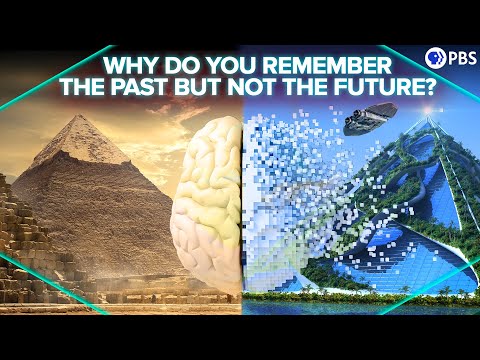
PBS Member Stations rely on viewers like you. To support your local station, go to: http://to.pbs.org/DonateSPACE ↓ More info below ↓ Uploaded 08-12-20 Sign Up on Patreon to get access to the Space Time Discord! The laws of physics don’t specify an arrow of time - they don’t distinguish the past from the future. The equations we use to describe how things evolve forward in time also perfectly describe their evolution backwards in time. So the brain is a thing ruled by the laws of physics - why does the brain and the conscious experience that emerges from it, see the arrow of time so clearly? In other words why do we remember the past and not the future? Check out the Space Time Merch Store Sign up for the mailing list to get episode notifications and hear special announcements! Hosted by Matt O'Dowd Written by Matt O'Dowd Graphics by Leonardo Scholzer, Yago Ballarini, Pedro Osinski and Adriano Leal Directed by: Andrew Kornhaber Assistant Producer: Setare Gholipour Executive Producers:
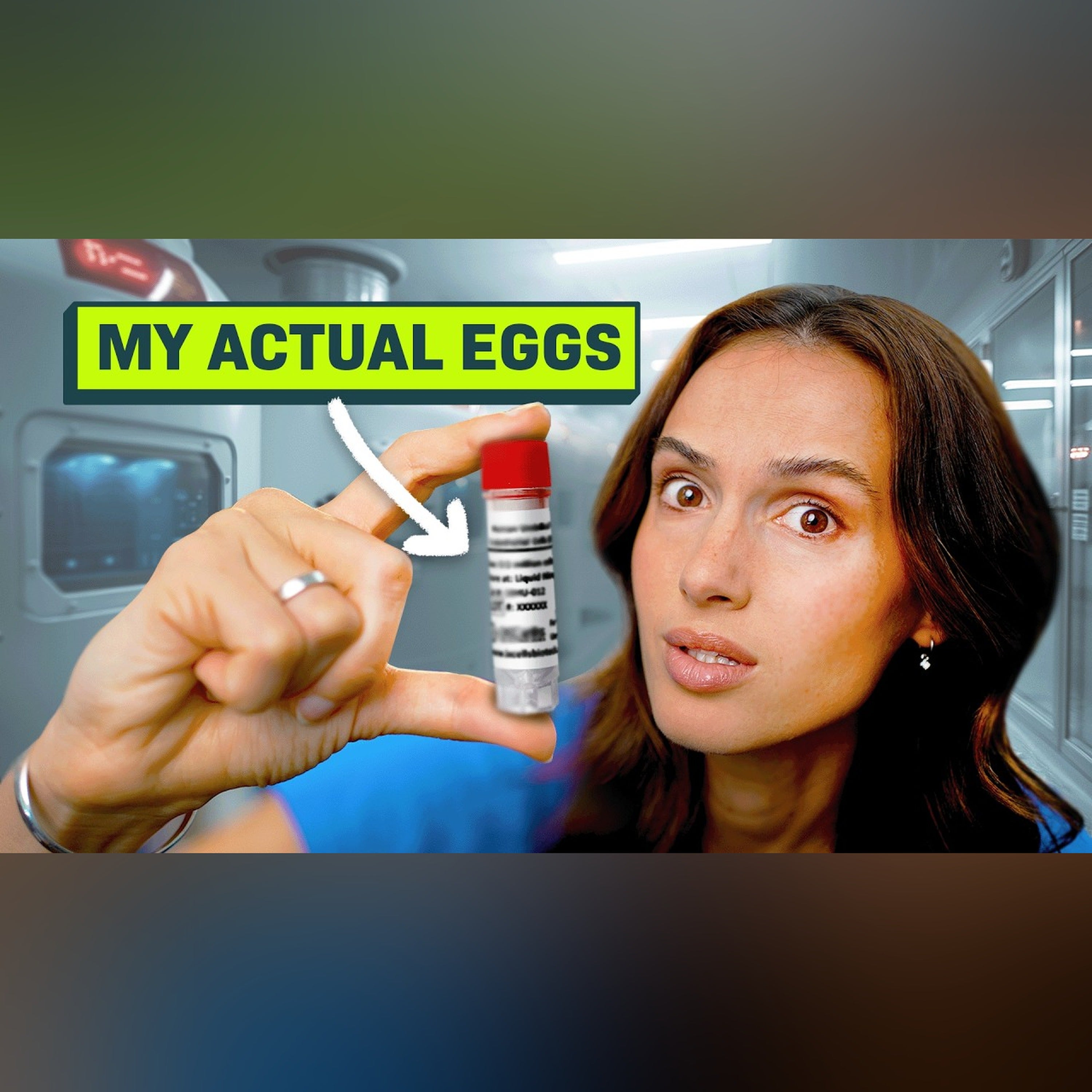
Your body doesn't work like you think... Take your personal data back with Incogni. How and when people are having kids is changing, but our bodies aren't. As we get older, it can get harder to have kids when we want to. So smart people figured out it’s possible to remove eggs, freeze them, and unfreeze them to use later. They can even fertilize those eggs to make embryos and freeze those. Basically, humans invented cryosleep! … Just for tiny cells. It’s totally sci-fi - and you need to know about it. This is a level of control over our bodies no species has ever had before. It’s already changing people’s lives - and how our species can reproduce. But there are real concerns about whether it’s worth it. Because let me tell you, the process is not easy. I’ve been taking medication for two weeks. And at the same time, I’ve been doing research, talking to doctors, and learning as much as I can about the cutting edge of fertility tech. In this video, I'm going to take you behind the scenes
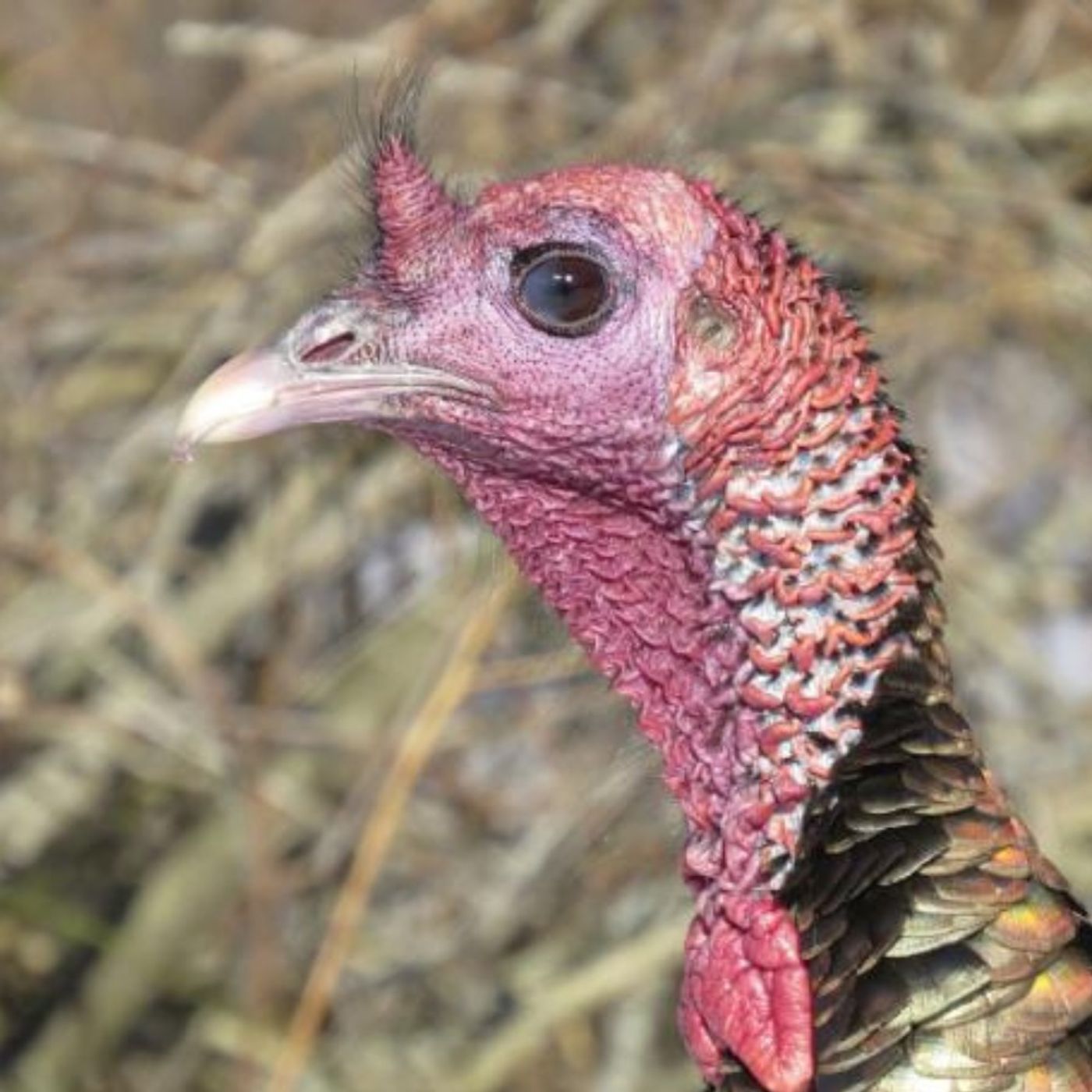
Birds like male turkeys or barnyard roosters have a wrinkly, bumpy flap of red skin called a wattle. But what are wattles for? Birds can’t sweat, so wattles help release excess heat. Wattles are also key to courtship displays. Many other birds, including some storks and plovers, also have wattles. More info and transcript at BirdNote.org (https://www.birdnote.org/podcasts/birdnote-daily/whats-wattles). Want more BirdNote? BirdNote is a nonprofit. Hosted by Simplecast, an AdsWizz company.
Post Labor Economics: How will the economy work after AGI? Recent thoughts and conversations Episode release date: 16 Nov 2023 Core Ideas: Metamodernism: Narratives and emergence view of reality - Reduce suffering - Increase prosperity - Increase understanding mantra: Seek knowledge. DISCLAIMER: This is a community-driven show. ----------- Keywords: heuristic imperatives, ai research, superintelligence, agi, ai ethics, artificial intelligence, post labor economics
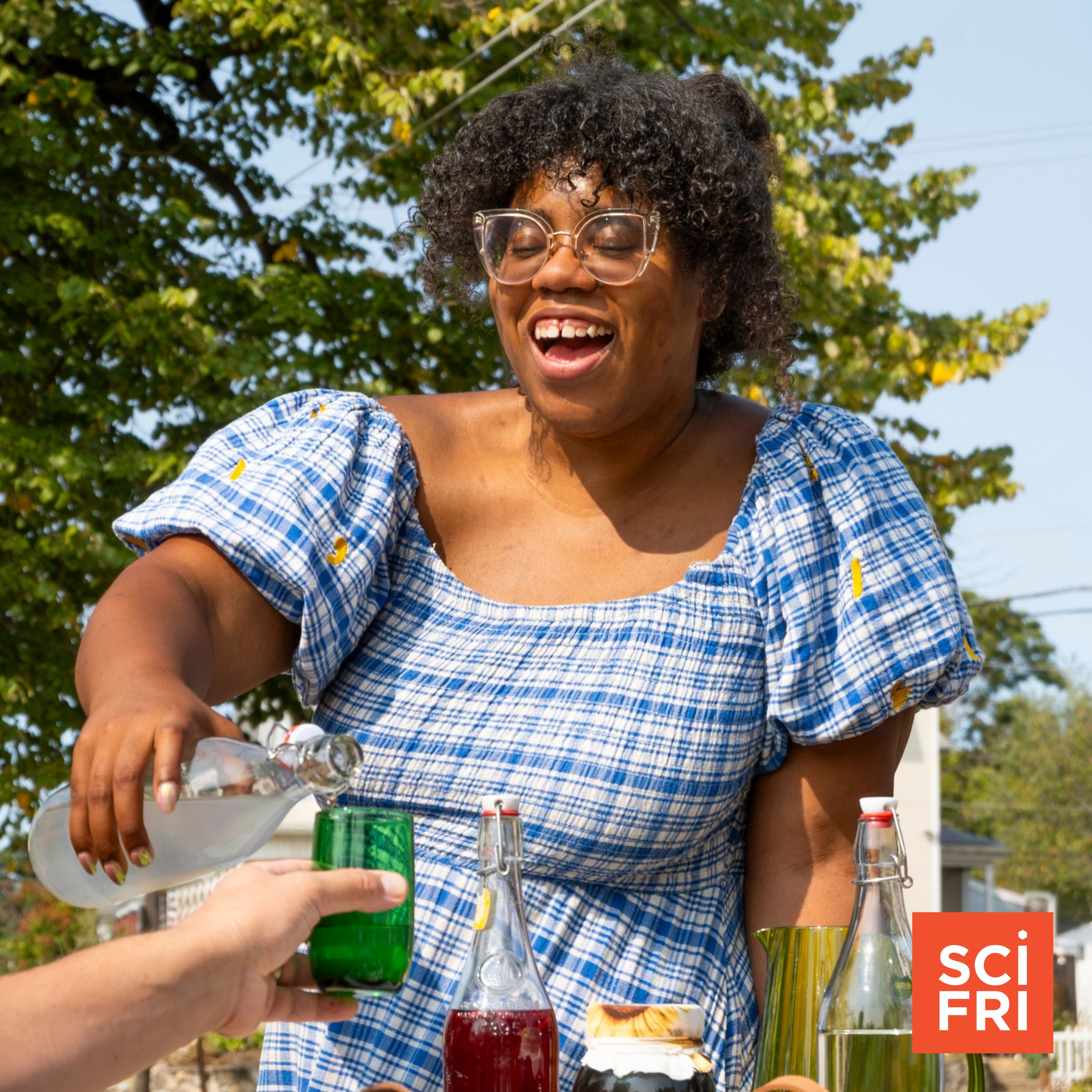
Grab your pocket knife and your wicker basket because we are going on a quiet hunt with the internet’s favorite forager, Alexis Nikole Nelson (https://www.sciencefriday.com/segments/foraging-with-alexis-nikole-nelson/). Known online as Black Forager (https://www.instagram.com/blackforager/), she teaches people about the foods that are found right in their neighborhood and how to cook with them. She is also the author of the cookbook and foraging guide “Happy Snacking, Don’t Die.” (https://bookshop.org/a/18570/9781668002544) Alexis chats with Flora about the joy of foraging and why it’s about more than just food—it carries a long, important history. Check out a recipe for acorn pancakes (https://www.sciencefriday.com/articles/happy-snacking-dont-die-book-excerpt/) with smoked hickory syrup from “Happy Snacking, Don’t Die.” Guest: Alexis Nikole Nelson is a forager and outdoor educator. She’s also the author of the foraging guide and cookbook “Happy Snacking, Don’t Die.” Transcripts for e
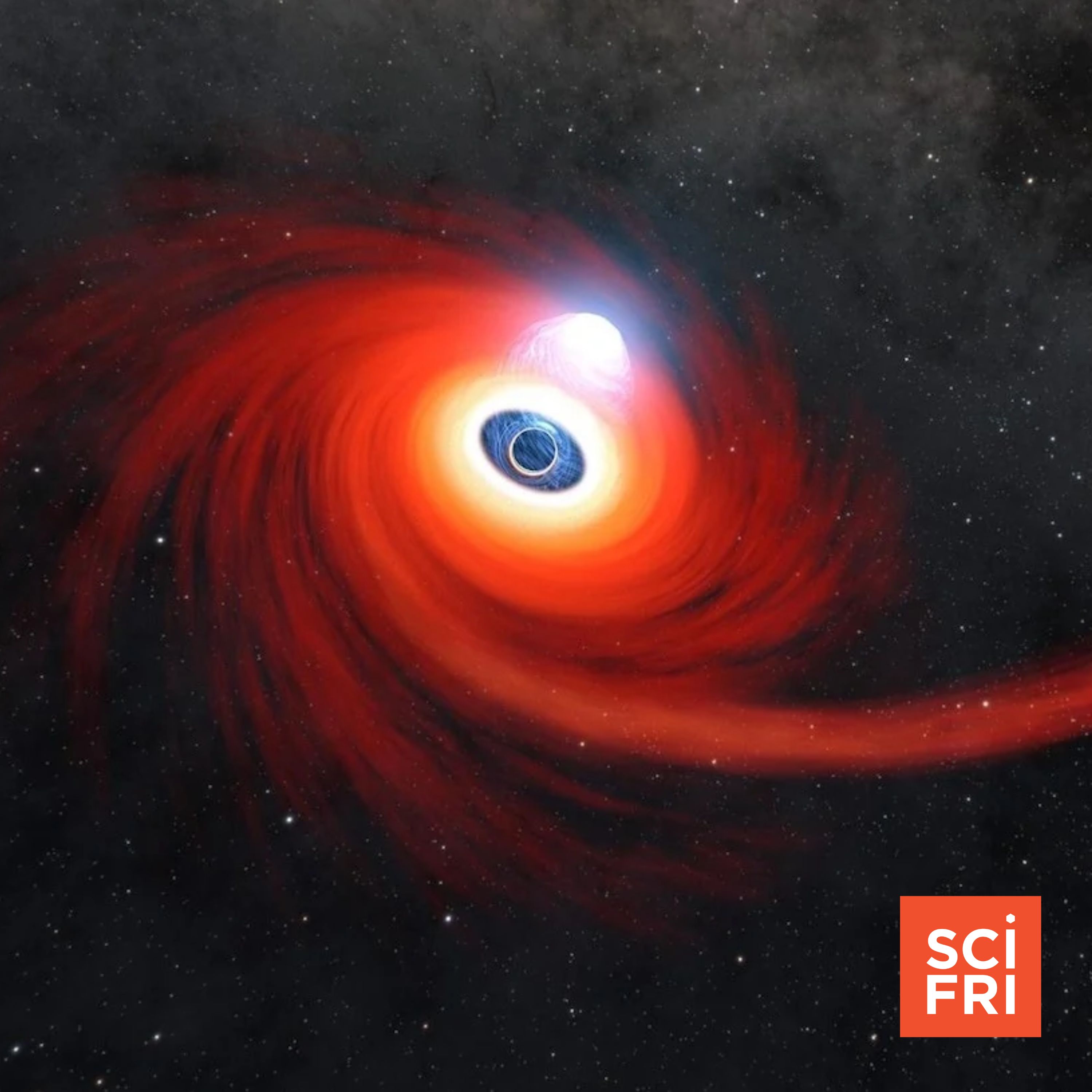
How do black holes work, and could they be attached to mini-universes? Is there only one universe, or a multitude of different universe possibilities? And is time travel ruled out by the laws of physics? Astrophysicist Janna Levin wrestles with these ideas and more in a new YouTube miniseries called “In Theory.” (https://www.youtube.com/watch?v=DzXwaYNCL5Y) She joins Ira to talk about some of the weird and wonderful mysteries of the universe (https://www.sciencefriday.com/segments/most-expansive-ideas-in-the-universe-astrophysics?%2Futm_source=wnyc) and spacetime. Guest: Dr. Janna Levin is the Claire Tow Professor of Physics and Astronomy at Barnard College. She’s also host of a new StarTalk miniseries called “In Theory.” Transcripts for each episode are available within 1-3 days at sciencefriday.com. (https://www.sciencefriday.com/segments/most-expansive-ideas-in-the-universe-astrophysics?%2Futm_source=wnyc) Got a science question that’s keeping you up at night? Call us: 877-472-4374
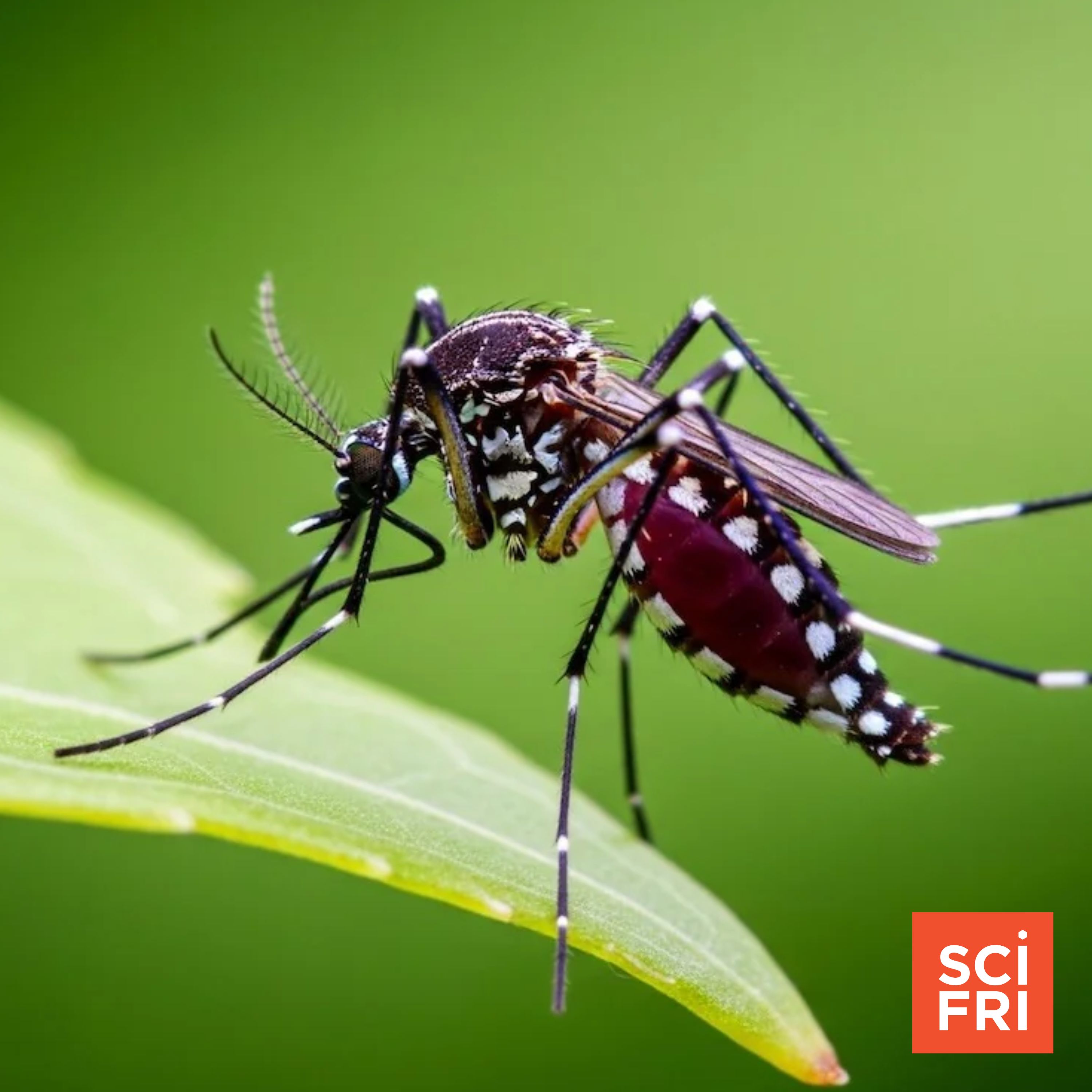
In Florida, three counties have declared states of emergency due to rising cases of dengue (https://www.sciencefriday.com/segments/floridas-dengue-outbreak/)—a viral infection spread by mosquitos carrying the dengue virus. There have been around 1,000 cases (https://www.cdc.gov/dengue/data-research/facts-stats/current-data.html) in the state this year, making it the largest outbreak (https://apnews.com/article/dengue-virus-outbreak-florida-7f0bda2b0a1e7895e834010f38cedb1e) in the continental U.S. in decades. But this is part of a larger story. Over the last couple of decades, the number of dengue cases has surged globally, and dengue is becoming more common in places it hasn’t historically been. So what’s behind these shifts? And what public health measures should we be thinking about? Flora chats about this with epidemiologist Gabriela Paz-Bailey, chief of CDC’s dengue branch in San Juan, Puerto Rico. Guest: Dr. Gabriela Paz-Bailey is an epidemiologist and chief of the dengue branch i
Reinterpreting familiar stories for new audiences is usually worthwhile.
Share your view, then see how readers voted. No sign-in required. This poll is shared across stories.
Do you agree or disagree?
Common Quandary
A Common Quandary to discuss
Another conversation to explore, separate from this news story.
An app can text exactly like someone you lost. Would you keep talking to it?
A service can create a conversational likeness from a deceased person's messages and recordings. A grieving family member finds it comforting, although the deceased never consented to this use of their data.
Can comfort justify creating a voice the dead never authorized?