Listen through the publisher, then discuss the episode here or arrange an in-person Roundtable. Your city determines where to meet.
Roundtables are designed for groups of four, with a shared subject and room for everyone to speak. Come for discussion, with no dating expectation.
Music has a remarkable ability to transport us to another time and place. A familiar song can bring back vivid memories or stir emotions we haven't felt in years. This week, music psychologist Elizabeth Margulis (https://music.princeton.edu/people/elizabeth-h-margulis) explores how our brains transform sounds into deeply personal experiences, and why the meaning of music always depends on the listener. Then, psychologist Daisy Fancourt (https://profiles.ucl.ac.uk/44526-daisy-fancourt) returns to the show to answer listener questions about the healing benefits of the arts. What makes a painting a masterpiece? Why do you remember some paintings and forget others? If an AI that knows nothing about art can pick masterpieces by using only pixels, what does that tell us? We explore these questions on the Hidden Brain Youtube channel — you can watch the video here. (https://www.youtube.com/watch?t=326s&v=PFY96JwLHTQ) Hosted by Simplecast, an AdsWizz company.
Episode information is provided by the publisher. Listening takes place on the publisher’s service.
In this calm and sleepy facts episode, we slip quietly into the world of dreams, the extraordinary theater the mind builds every single night from nothing but fragments of memory, emotion, and imagination. We begin with the basics of what a dream actually is, a vivid mental experience that occurs during sleep, most intensely during rapid eye movement sleep, and we trace the architecture of a full night, learning how the brain cycles through stages roughly every 90 minutes, with each REM period growing longer and more dream rich as the night goes on. We visit the moment in 1953 when Eugene Aserinsky and Nathaniel Kleitman first discovered REM sleep in a Chicago laboratory, and we explore the curious state of muscle atonia, the temporary paralysis that keeps the body still while the dreaming mind races. From there we wade into the deep question of why we dream at all, from Freud's wish fulfillment theory to the activation synthesis model to the idea that dreams help consolidate memories
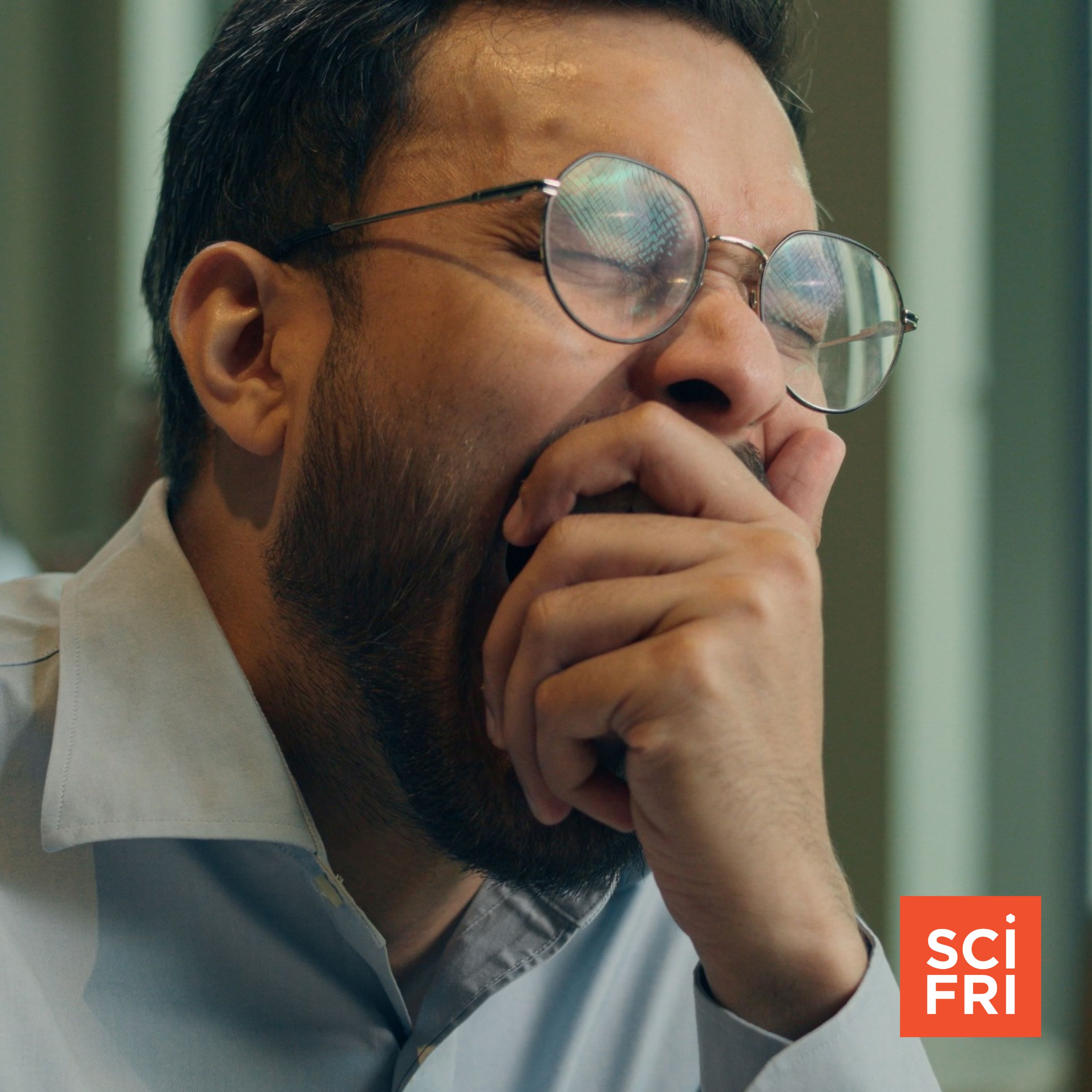
Just about every animal with a backbone yawns (maybe even dinosaurs), but why we do it is still something of a mystery. A SciFri listener from Texas recently spotted some research (https://www.sciencedirect.com/science/article/pii/S1569904826000340?sm_guid=MTA2NTcwNnw4NzU2NTUyMHwtMXxya2F6bWllckBzY2llbmNlZnJpZGF5LmNvbXw5MTQ5NDU2fHwwfDB8MzM3ODk1MDI2fDIzNTV8MHwwfHwyMDA1ODQ2fDA1) that suggests yawning could play a role in clearing waste products from the brain, and asked us to get to the bottom of it. Biomechanical engineer Lynne Bilston, an author on that study, joined Flora in May to discuss the findings (https://www.sciencefriday.com/segments/why-we-yawn-brain-waste-cleaning/) and what they could mean for neurodegenerative diseases like Alzheimer’s. Plus, about a third of Americans aren’t getting the recommended seven hours of sleep per night, according to a CDC report (https://www.cdc.gov/nchs/products/databriefs/db559.htm) from April. We check in with sleep researcher Stuti Jaiswal to
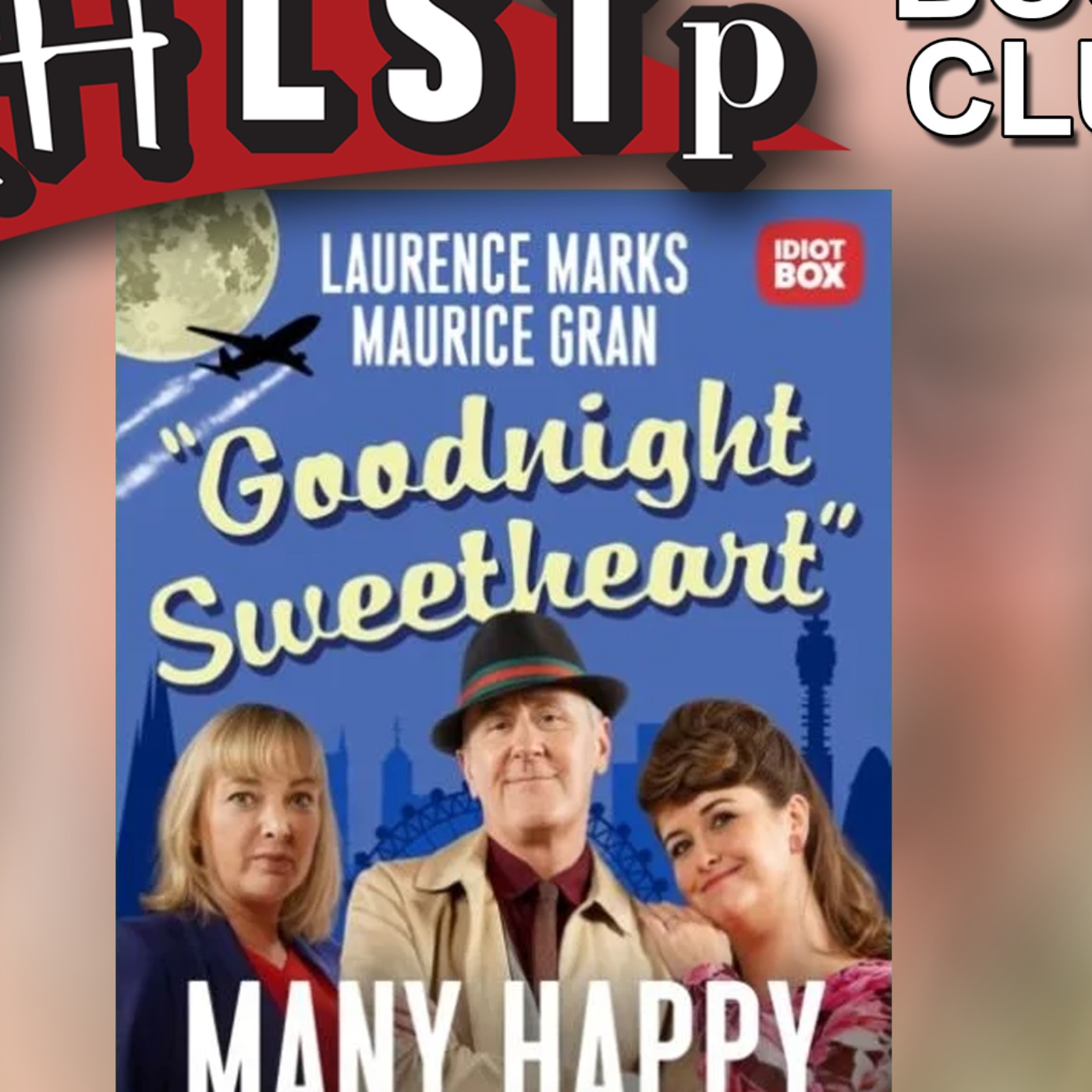
RHLSTP Book Club #203 - Goodnight Sweetheart - Many Happy Returns - Rich chats to the men behind some of the country’s best loved sitcoms, Marks and Gran, about their new novelisation of Goodnight Sweetheart. They talk about how the book came about, why the BBC might not have gone ahead with a new series when they had the chance and how they kickstarted this book, the challenge of getting all the backers’ names into the story (including Richard’s) and the serendipity of Gary having to travel from the early 60s to 2016 and back in this incarnation. They also chat about the differences between writing a sitcom and a novel, why this lets us delve further into the brain of Gary Sparrow, whether Gary is a baddie or we forgive him because we’re all lying our way through our lives, will there will be more novels in the future and if so how will they get out of the substantial cliffhanger and some lovely writerly griping about the state of the industry from all participants. Watch our TWITCH C
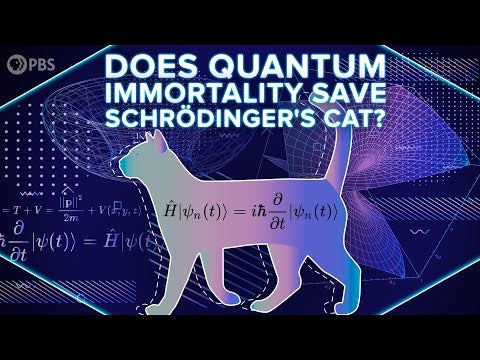
PBS Member Stations rely on viewers like you. To support your local station, go to: http://to.pbs.org/DonateSPACE ↓ More info below ↓ Uploaded 03-03-20 Check out Antarctic Extremes on PBS Terra: https://www.youtube.com/watch?v=EvRAuy1ZmTc Sign Up on Patreon to get access to the Space Time Discord! Sign up for the mailing list to get episode notifications and hear special announcements! Check out the Space Time Merch Store To quote eminent scientist Tyler Durden: "On a long enough timeline, the survival rate for everyone drops to zero." Actually… not necessarily true. If the quantum multiverse is real there may be a version of you that lives forever. Hosted by Matt O'Dowd Written by Matt O'Dowd Graphics by Leonardo Scholzer, Yago Ballarini, and Pedro Osinski Directed by: Andrew Kornhaber Executive Producers: Eric Brown and Andrew Kornhaber End Credits Music by J.R.S. Schattenberg: https://www.youtube.com/channel/UCRl6-nb4iOnsij-vnpAjp0Q If we can’t ever peer into these other realities t
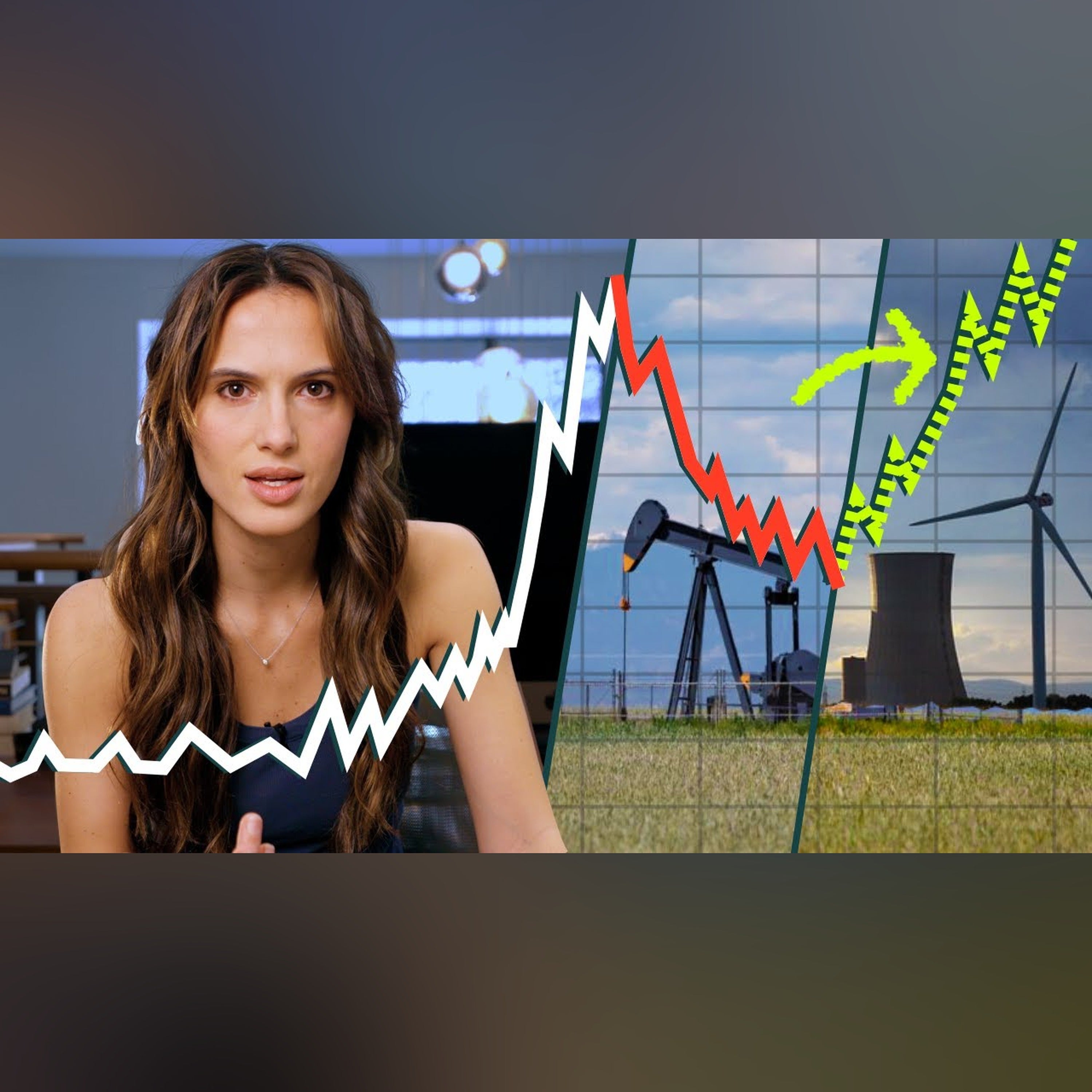
… I’ve been thinking about energy use all wrong. As long as most of our energy still comes from fossil fuels, we’re in kind of a trap. Using less energy is our only real option to slow climate change. So most of us have heard only one message throughout our lives: “Conserve energy. Because terrible things will happen if we don’t.” That’s true. But I now think of it as “the stick” of climate communication - the way to get people to care about climate change based on fear and desperation. I think it’s time to talk about “the carrot” - the way to get people to work toward clean energy based on hope and audacious ambition. This video explains why, with help from my former colleague at Vox, Matt Yglesias. As renewable energy continues to get cheaper, as more and more clean energy technologies become more viable, we have an opportunity to look ahead toward a better future. What would you do with abundant clean energy? Chapters: 00:00 We’re thinking about energy wrong 01:17 The stick: climate
Sleep better with Pillow: https://pillow.app/bettersleep Immerse yourself in gentle babbling brook sounds, perfect for deep sleep, meditation, and relaxation. Let this soothing nature ambiance calm your mind, ease stress, and create a peaceful environment for restful sleep or focused mindfulness. This episode includes AI-generated content.
When someone doubts our abilities, it can shake our confidence and make us question ourselves. But sometimes, being underestimated can motivate us to work harder and accomplish things others thought were impossible. Organizational scientist Samir Nurmohamed (https://mgmt.wharton.upenn.edu/profile/nurmo/) studies what he calls the "underdog effect." He explains why criticism and rejection can sometimes become powerful sources of motivation, and how we can harness this effect in our own lives. Then, on Your Questions Answered, social scientist Ben Rogers (https://www.bc.edu/bc-web/schools/carroll-school/faculty-research/faculty-directory/benjamin-rogers.html) returns to respond to listeners' comments about the stories we tell about our lives, and how these narratives shape our sense of meaning. How should we handle criticism that comes not from strangers and bosses, but from our own friends and family? And how can we offer feedback to friends and family in a way that motivates rather tha
Have you ever downplayed some aspect of your identity? Maybe you don’t hide it, but you don’t bring it up with certain people, either. It turns out that these subtle disguises can have powerful effects on how we view ourselves. This week, we bring you a favorite conversation with legal scholar Kenji Yoshino (https://its.law.nyu.edu/facultyprofiles/index.cfm?fuseaction=profile.overview&personid=22547). He introduces us to the concept of "covering," and talks about what happens when we soften or edit our true selves. Then, we revisit our "Your Questions Answered" segment in which Kenji answers listener questions and comments about his work. Another way that we hide who we are is by expressing views that we don't actually believe. In our latest YouTube video (https://www.youtube.com/watch?t=1s&v=iI3sfdYhGqY), we look at this phenomenon — known as preference falsification — and how it can affect our relationships. Check it out, and make sure to subscribe so you don't miss any of our future
Most of us have ideas about what we’re looking for in a romantic partner. But psychologist Paul Eastwick (https://psychology.ucdavis.edu/people/paul-eastwick) says these preferences are surprisingly poor guides for finding love. He explains why attraction is so difficult to predict, and what the research suggests is the best way to meet someone with whom you'll connect. Then, in a new installment of “Your Questions Answered,” psychologist Ed Lemay (https://psyc.umd.edu/facultyprofile/lemay/edward) responds to your questions about how we project our own thoughts and feelings onto other people, and how these projections shape our relationships. In our companion conversation for Hidden Brain+ subscribers, we talk with Paul Eastwick about online dating apps. He says apps can powerfully shape our experience of meeting potential romantic partners — often not for the better. If you're a subscriber, that episode is called “The Online Dating Trap.” If you're not yet a subscriber, you can listen
Communities should invest in adapting to unavoidable hazards as well as preventing future damage.
Share your view, then see how readers voted. No sign-in required. This poll is shared across stories.
Do you agree or disagree?
Common Quandary
A Common Quandary to discuss
Another conversation to explore, separate from this news story.
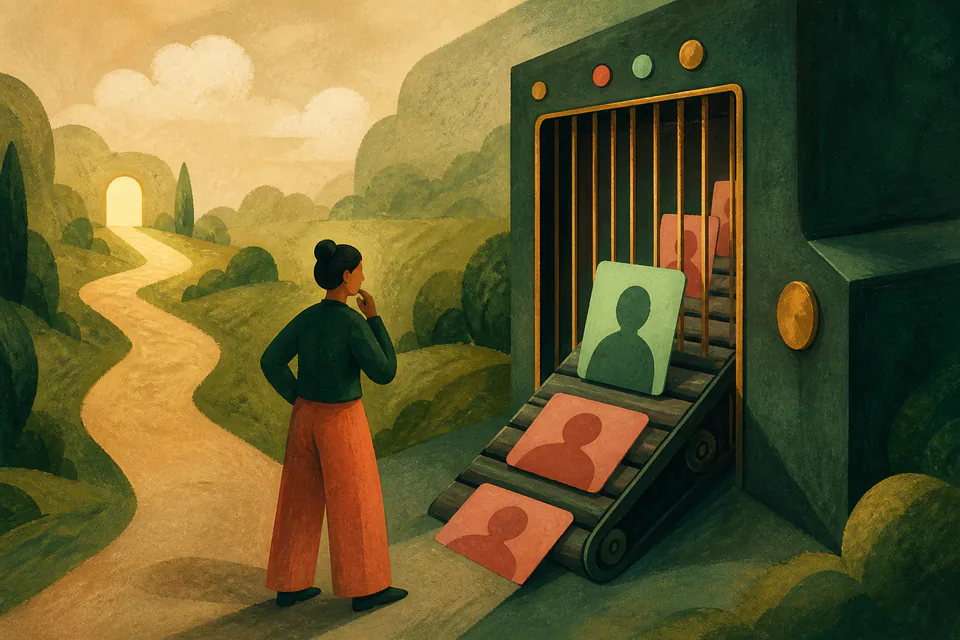
A bot will reject your honest résumé. Is it okay to add a year of experience?
A role requires three years of experience. You have two, possess all the practical skills, and know automated screening will reject an honest application before a person sees it.
Can an unfair gatekeeping system justify misrepresentation?