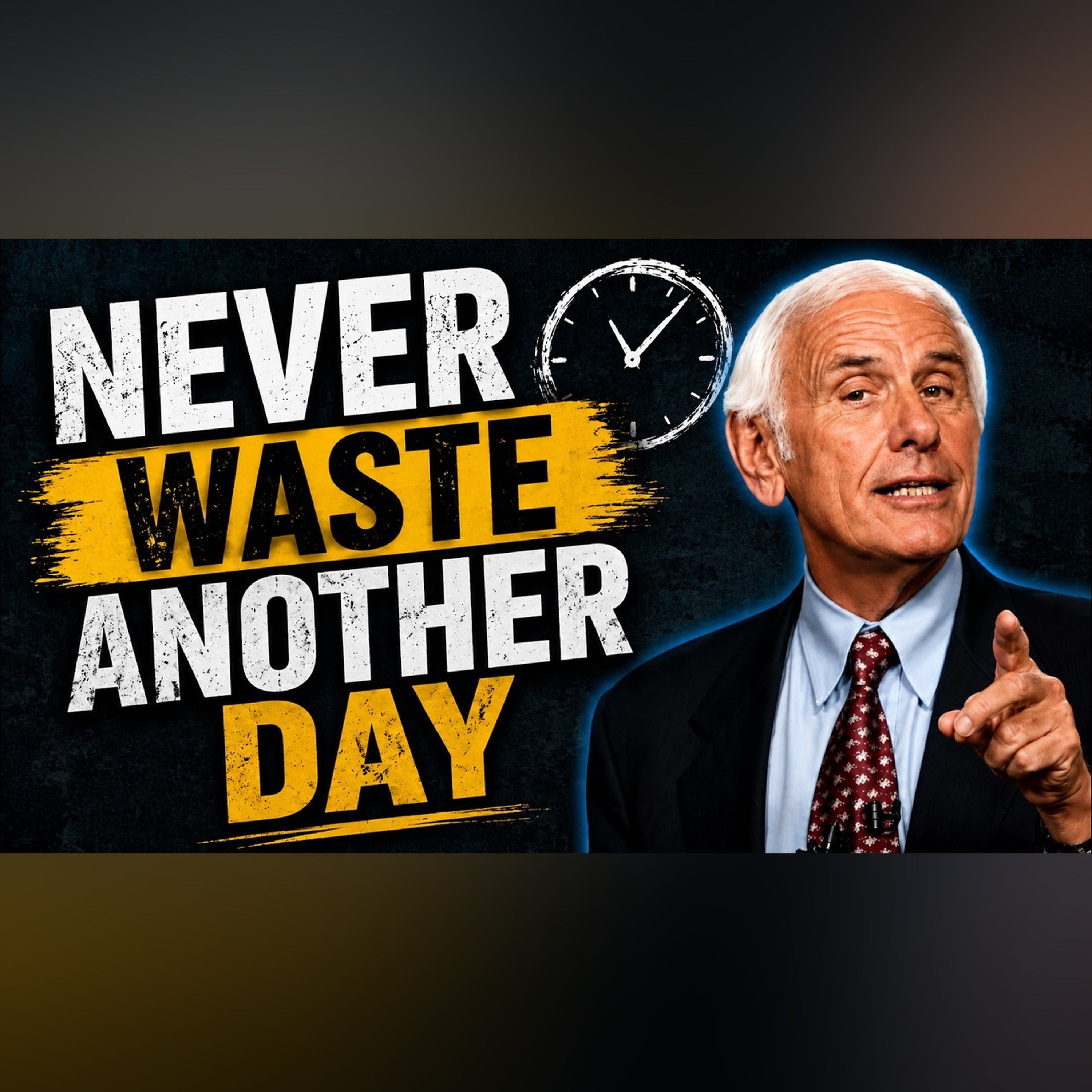
I tell everybody the same thing. You woke up this morning with a full account. Twenty-four hours, deposited fresh, no questions asked. Nobody checked to see if you deserved it. It just showed up, the way it shows up for everyone. Uploaded 11-08-26 And by tonight, that account will be empty. Every hour spent, whether you spent it well or spent it foolishly. Tomorrow you'll get another one, and you'll spend that one too. Most people treat time like there's a warehouse somewhere with their name on it, stacked to the ceiling with extra days. I'm here to tell you tonight there is no warehouse. Here is the truth: a wasted day never feels like a wasted day. It feels comfortable. It feels the same as a well-spent day while you're living it. The difference doesn't show up until the day is long gone and you can't get it back. This seminar walks through the reasons your days keep slipping away — and the one shift that stops the leak. CHAPTERS 0:00 Intro — The account that empties every night 1:36
View full lesson: http://ed.ted.com/lessons/what-gives-a-dollar-bill-its-value-doug-levinson Uploaded 23-06-14 The value of money is determined by how much (or how little) of it is in circulation. But who makes that decision, and how does their choice affect the economy at large? Doug Levinson takes a trip into the United States Federal Reserve, examining how the people who work there aim to balance the value of the dollar to prevent inflation or deflation. Lesson by Doug Levinson, animation by Qa'ed Mai.
View full lesson: http://ed.ted.com/lessons/how-to-make-a-mummy-len-bloch Uploaded 18-06-15 As anyone who’s seen a mummy knows, ancient Egyptian priests went to a lot of trouble to evade decomposition. But how successful were they? Len Bloch details the mummification process and examines its results thousands of years later. Lesson by Len Bloch, animation by The Moving Company Animation Studio.
According to the UN, people living in urban places now outnumber those in rural areas — which is a pretty new phenomenon for many parts of the world. So today, we’re going to discuss factors that have led to this shift in populations from rural to urban residences (known as urbanization), and we’ll examine the historical and structural systems, like colonialism and Central Place Theory, that have influenced the cities we see today. Correction: 3:20 On the map here we incorrectly placed the Shanghai marker where Guangzhou is located. SOURCES Knox and Marston 2016: Human Geography Place and Regions in a Global Context. 7th Edition. Pearson Marston et all. 2017. World Regions in a Global Context. Peoples, Places and Environments. 6th Edition. Pearson. Pacione, M. 2001. Urban Geography A Global Perspective. Routledge. Derudder, Ben and Taylor, Peter. 2016. Change in the World City Network, 2000-2012. The Professional Geographer. 68(4) pages 624-637 China’s urban system Chang. S. 1963. The
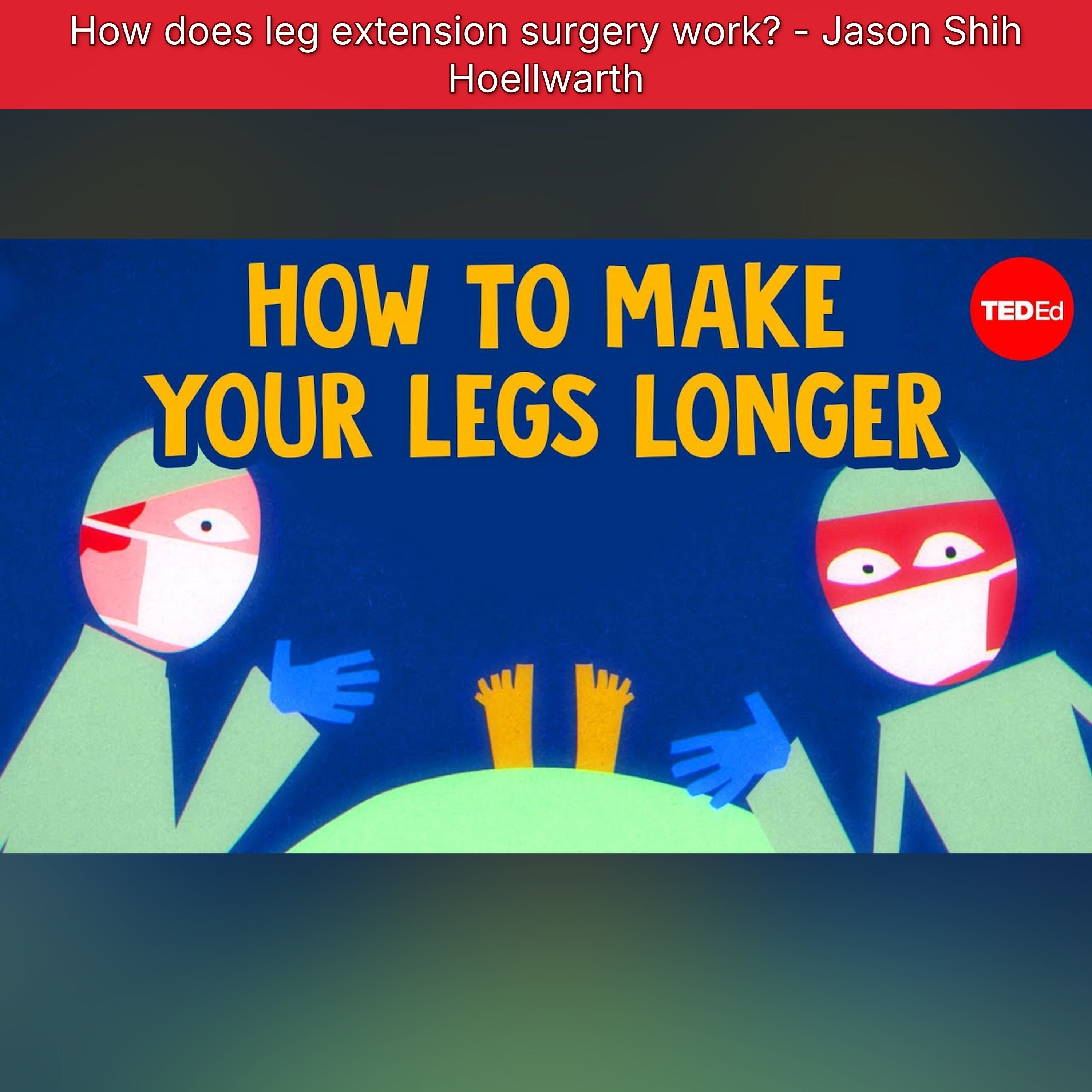
Explore the science of bone lengthening surgery, and discover the benefits and limitations of this still-developing technology. -- Differences in leg length can emerge for various reasons, from genetic and hormonal conditions to injuries that impact bone growth. But while we still don’t know exactly what degree of difference causes health issues, doctors have made great strides in figuring out how to even out these mismatched limbs. Jason Shih Hoellwarth digs into the benefits and limitations of bone lengthening surgery. Lesson by Jason Shih Hoellwarth, directed by Igor Ćorić, Artrake Studio. Support Our Non-Profit Mission ---------------------------------------------- Support us on Patreon: http://bit.ly/TEDEdPatreon Check out our merch: http://bit.ly/TEDEDShop ---------------------------------------------- Connect With Us ---------------------------------------------- Sign up for our newsletter: http://bit.ly/TEDEdNewsletter Find us on Twitter: http://bit.ly/TEDEdTwitter Peep us on I
In this Jim Rohn motivational speech, discover how excuses, while comforting, can sabotage your ambitions. Rohn dives deep into the psychology of inaction, revealing practical strategies to dismantle excuses and replace them with meaningful action, even in less-than-ideal circumstances. Key Topics From This Motivational speech: - How excuses quietly undermine progress and goals - Replacing "perfect conditions" with actionable steps - The role of momentum in overcoming hesitation - Breaking down overwhelming goals into manageable tasks - Building accountability and transforming self-discipline Excuses are often rooted in fear or uncertainty, but Jim Rohn emphasizes that action doesn’t require perfection. Instead, it thrives in messy, small steps forward. Whether it's redefining your relationship with time, refining daily habits, or staying accountable, Rohn's insights will help you move from hesitation to execution and build lasting confidence. This Jim Rohn Motivational speech Is Perfe
What would change if you knew Jesus was right beside you every moment? Today, St. Teresa of Ávila describes an intellectual vision, a certain awareness of Jesus beside her without seeing Him at all. Sr. Katie Flanagan reflects on what it means to live knowing that God sees us and loves us, and why comparing our spiritual lives to others only leads to pride or discouragement.Today, we read The Sixth Dwelling Places: Chapter 8.
Impressionism emerged in 19th-century France as a radical departure from academic traditions, driven by artists seeking to capture fleeting atmospheric conditions, shifting sunlight, and contemporary daily life through visible brushwork and impasto texture. The movement's iconic moniker originated as a derogatory review by critic Louis Leroy following the anonymous cooperative society exhibition of 1874, where Claude Monet's Impression, Sunrise was singled out for its sketch-like quality; rather than rejecting the insult, the artists embraced the title. Technological advancements played a pivotal role in enabling plein-air painting, particularly John Goffe Rand's 1841 invention of the collapsible tin paint tube, which replaced fragile pig-bladder pouches and allowed artists to work portably outdoors alongside newly developed synthetic pigments like cobalt blue and viridian. Key figures shaped both the aesthetic trajectory and institutional permanence of Impressionism. Mary Cassatt prov
The human body is an amazing thing. Millions of years of evolution have given us remarkable abilities, but they've also left us with some pretty strange flaws. Why do we have body parts we don't really need? Why are our backs so prone to problems? And why does something as essential as the human body have so many things that can go wrong? It turns out evolution isn't about creating perfection. It's about making things work well enough to survive — and sometimes the results are downright bizarre. Biology professor Nathan Lents, author of Human Error: A Panorama of Our Glitches from Pointless Bones to Broken Genes (https://amzn.to/2zo2u67), (https://amzn.to/2zo2u67)joins me for a fascinating tour of the human body and its evolutionary history. Listen as he reveals the surprising mistakes, awkward compromises, and peculiar leftovers evolution has handed down to us — and why understanding these imperfections can tell us so much about what it means to be human. PLEASE SUPPORT OUR SPONSORS A
'Tis the season to spend, but how much is too much? Jill and Mark break down how to avoid holiday overspending, why experiences make better gifts, and how to keep the holidays from putting you in debt. Then, they help a 41-year-old Jillionaire figure out how to balance saving for school with investing for retirement, without falling into the trap of trying to time the market. Have a money question? Email us here. (https://www.jillonmoney.com/contact)
Most of us would welcome the chance to rewire our brains to handle fear and pain better. Especially when they seem to drive almost every decision we make. Jim Curtis learned that the hard way and it’s why I wanted him to come on the show. He’s spent years helping people rewrite the stories they tell themselves about their pain. Jim is a hypnotherapist, transformational coach, and the author of The Book of Possibility. He spent 25 years in executive private equity, a career most people would call a success. Then, in the middle of the pandemic, everything took a turn for the worse and his body simply shut down. At 2 a.m., half-blind on a gurney in a New York City ER hallway, he stood up, walked out, and told himself, “Tomorrow, everything changes.” He walked away from the salary and the stock options and went back to school to learn how to help people heal. What he learned is that getting through pain doesn’t mean gritting our teeth and pushing through. Rewiring the brain starts with cha
In this episode Summer is one of the most productive times in the vegetable garden, but heat, pests and disease can quickly create challenges. Inspired by listener Amelia, Elizabeth and Keith cover what to plant, how to look after your vegetables and how to get the spacing right. Preparing the summer veggie patch Why good compost, healthy soil, mulch and regular feeding are important for strong, productive plants. What to plant in December A guide to summer vegetables, including beans, beetroot, cucumbers, corn, carrots, celery, lettuce, radishes, rockmelons, soybeans, spring onions, watermelon and zucchini. Watering and managing the heat Keith explains his approach to consistent irrigation, using a rain gauge to measure water delivery, and when shade protection may be needed for lettuce and zucchini. Managing summer pests A look at tomato grubs, aphids, spider mites, cabbage moths, shield bugs, snails and slugs. The discussion also covers attracting beneficial insects and knowing when
Hey, Heal Squad! My friend Candace Cameron Bure is here, and you guys, she just WON Special Forces at 50! But get this…she says Dancing with the Stars was actually HARDER! Wait until you hear why! We got into what it really took to push through those terrifying challenges, what she learned about herself, and of course, I HAD to ask about those ARMS! Seriously, what's her secret to getting stronger at 50? She's sharing what she changed in her workouts, and it's actually simpler than you might think! But we didn't just talk fitness and Special Forces…Candace opened up about how becoming a mom transformed her faith, why she'd love to become a Bible professor someday, and she even made reading the Bible feel a whole lot less intimidating for me! Plus, we talked about the joys of becoming a grandma, why she's loving this chapter of life, the reality show she might tackle next, and her new Christmas movie - A Sweet Christmas Anniversary which premieres November 27th on Great American Family.
Ria and Fran have spent ten years and 1,000 episodes building Chicks in the Office together at Barstool Sports, and they’re still best friends. Carl sits down with his friends to talk about what makes them such a great team, from starting out as interns to building a show side by side. They get into why women still get pitted against each other, the only real fight they’ve had in a decade, and what it’s like to cover reality stars who’ve become their friends, Carl included. Ria also opens up about her OCD in a way she hasn't on her own show, including the spirals where she was sure the show was over, living with endometriosis, and learning to stop letting mean comments get to her. Plus: how they almost ended up on The Amazing Race instead, and why Glen Powell is the real deal. It’s a conversation about what it really takes to build something with your best friend, and still like each other at the end of the day. Episode Sponsors: Base44: Build the real thing with Base44. Describe the s
Yes, you read that title right... gratitude, existential dread, and why you should never trust a fart. (And if you have ever had a Code Brown, we want to hear about it.) This week on the podcast, Penn gets vulnerable and shares how a trip to the eye doctor sent him into a full-blown existential crisis. Getting a cataract at age 52 can really make a person think about how quickly life is passing by. And honestly, I get it. Turning 50 has made me think about those things, too. But it's also made me appreciate the little moments in life in a way I never did before. So we decide to fight off those feelings of dread with gratitude and laughter. Penn and I try to find the silver lining in life's most annoying situations in Gratitude Roulette, and also which two things we're most thankful for (Penn's answer to internet versus antibiotics is concerning.) We also go behind the music on a recent parody about Penn almost pooping his pants which leads to some stories from our producers. Ann Marie
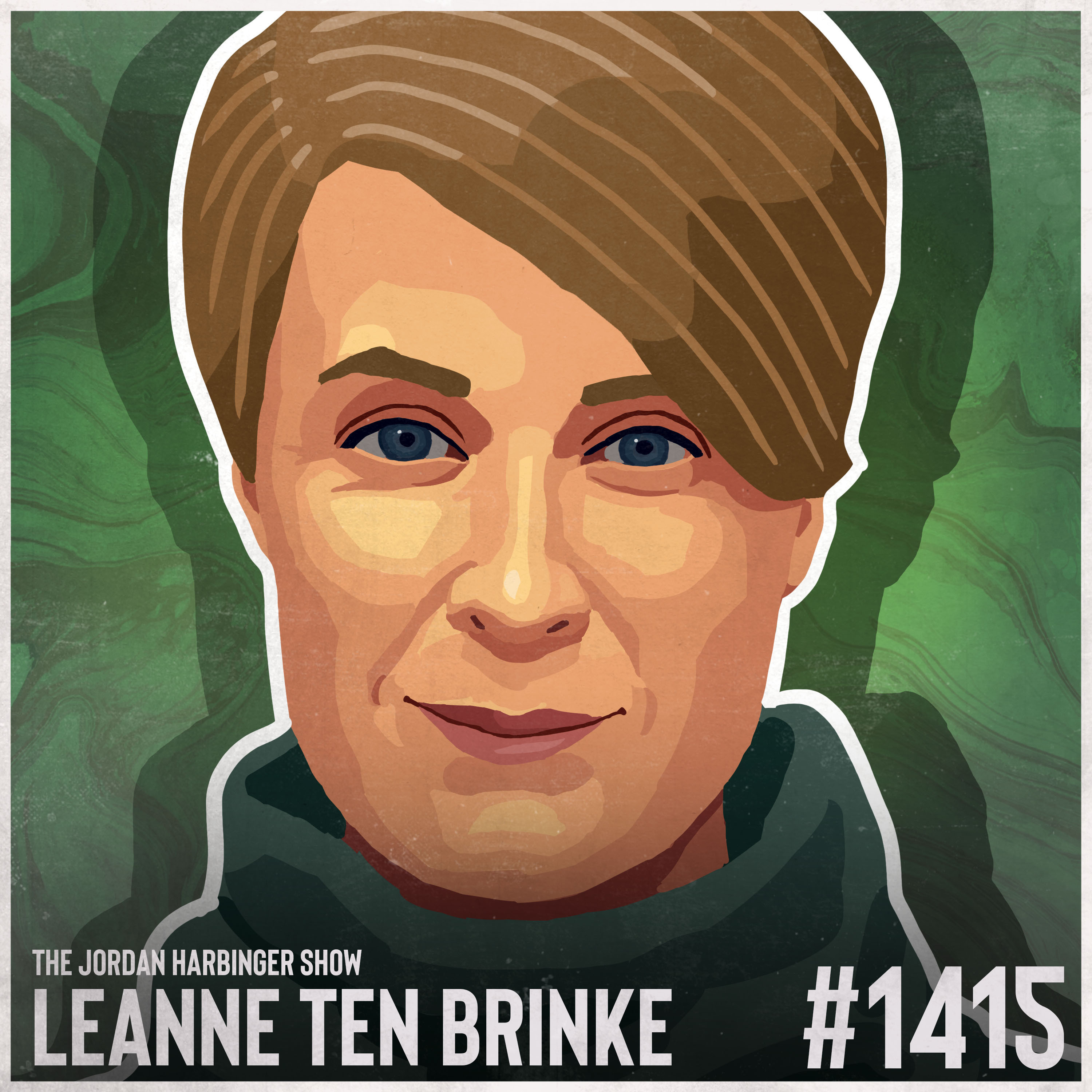
Is ruthlessness the secret to success? Researcher Leanne ten Brinke shares why the science says no — and how to handle the poisonous people around you. Full show notes and resources can be found here: jordanharbinger.com/1415 (https://jordanharbinger.com/1415) What We Discuss with Leanne ten Brinke: Why psychopathy isn’t just for serial killers. callous, manipulative traits exist on a continuum, more like cholesterol than a virus, and depending on the cutoff used, roughly 10 to 20 percent of people show elevated levels without meeting any clinical diagnosis. How poisonous people reveal their priorities. In a point allocation game, those highest in psychopathy chose $500 for themselves and $100 for a stranger over $550 and $300 — sacrificing their own gain just to beat someone else by a wider margin. Why ruthlessness isn’t the secret to success. Leanne’s study of hedge fund managers linked higher psychopathy to making less money year over year, and senators high in dark traits proved le
If you don’t learn to care for these parts, then your nervous system will protect them on your behalf. You’ll learn about trauma feedback loops, how to identify them, how to actually help your younger parts, and more. Discover how resolving past trauma can unburden your parts, break unhealthy patterns, and help you to feel more like yourself. Episode Highlights: • [00:00] Introduction • [01:23] Examples of when you may react out of character • [03:12] Why you cannot reason with your younger parts • [08:20] What happens internally when your experience is hijacked • [13:13] An example of a big reaction coming from a younger part • [21:18] Understanding the trauma feedback loop • [25:53] Becoming a competent protector • [33:00] Showing your parts the present is different • [36:26] Question 1 - How do I access adult self when I’m really triggered? • [42:55] Question 2 - How do I stop reacting and start responding? • [48:21] Question 3 - Can I know my parts if I don’t remember my childhood?
Get the 200+ Page Optimal Living Daily Workbook (PDF) - Free. Want to turn today's episode into an actionable plan? Episode 3773: Sam Dogen explains how to cure the cheap disease, the habit of penny-pinching in ways that drain the joy from life and cost other people their time. He shares six practical steps, from knowing your money management numbers inside out to taking baby steps toward spending more and figuring out what you value most, so you can enjoy life today while still saving money and investing for financial independence. Read along with the original article(s) here: https://www.financialsamurai.com/curing-the-cheap-disease-for-a-better-life/ Quotes to ponder: "Being cheap is a symptom of poor financial management rather than some genetic predisposition." "Once you figure out what you value the most, spend on those things purposefully." "Time is one thing none of us can get back." Airwallex is a financial technology company, not a bank. Services in the US are provided by Air
One day, you’re going to regret outsourcing the moments, the lessons, and the relationship only you could have built. With the holidays coming up, we wanted to make it a little easier to join. For a limited time, we’re taking $60 off a yearly Daily Dad Society (http://dailydad.com/society) membership. Join here: https://dailydad.com/society Hosted on Acast.
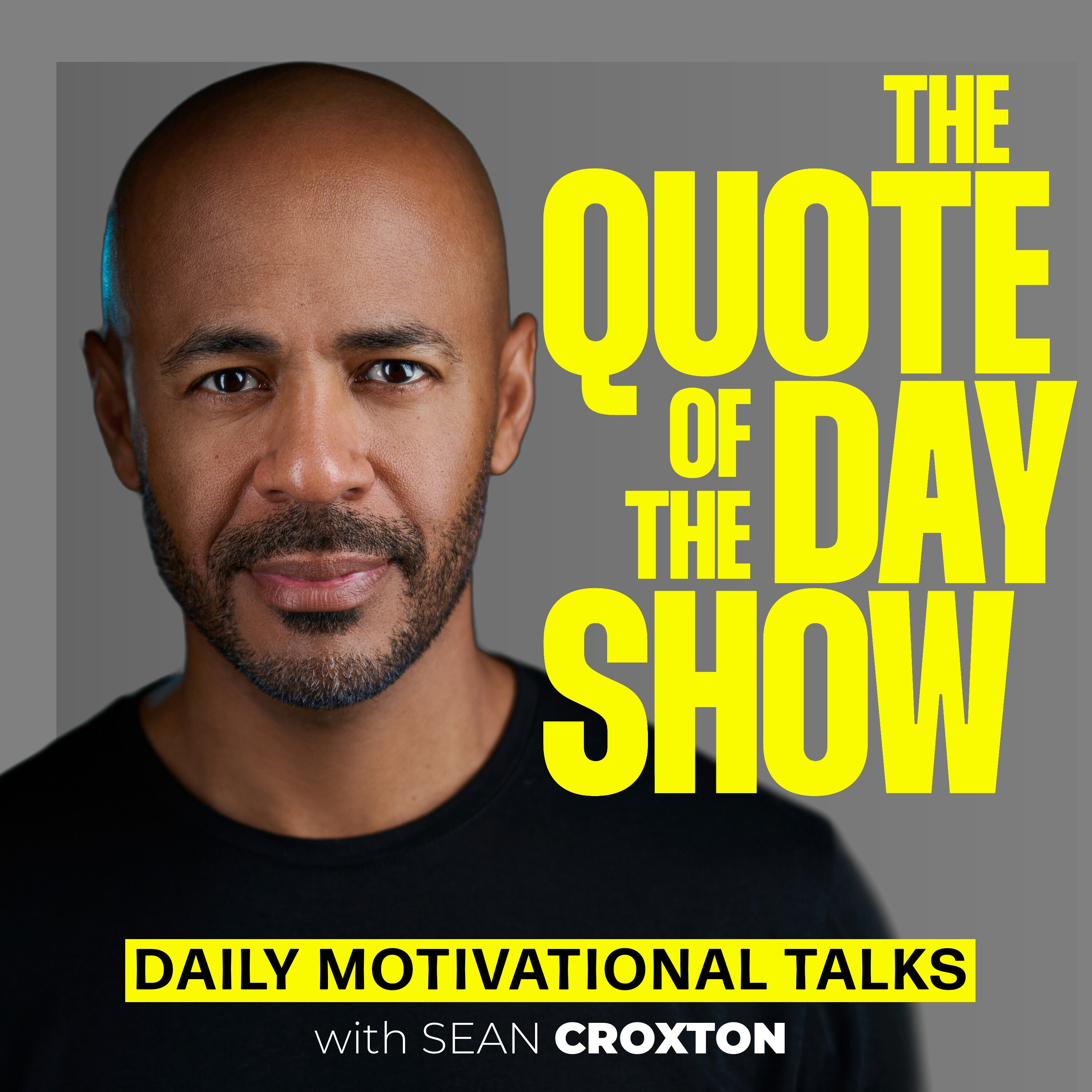
Marisa Peer (https://marisapeer.com/) shares a revealing lesson on why your brain keeps taking you back to what you know. In this lively talk, Peer explains the one word that changes how hard something feels, why a woman walked away from a nice guy because he was too good for her, and what lottery winners and your two-year-old have in common. This episode will challenge you to make what you want familiar. Source: Why Your Brain Can't Hear the Word "Don't" | Marisa Peer (https://www.youtube.com/watch?v=MuNhTGq7LpI) Hosted by Sean Croxton (https://seancroxton.com/) Follow me on Instagram (https://www.instagram.com/seancroxton/)
Flight attendants, prepare for takeoff. Culties, please stow your fear of turbulence in the overhead bin (looking at you, Chelsea). This week, Chelsea and Iman take the cult to 35,000 feet. They trace the job from its origins with a nurse who just wanted to fly the plane to the era when airlines sold their stewardesses as part of the in-flight experience, complete with weight limits, marriage bans, and some truly unhinged ad campaigns. Then current flight attendant (and certified cultie) Erica joins to explain how the cult runs today. There’s the secret dialect, the seniority system that decides everything from your schedule to your vacation days, and a training process that sounds suspiciously like rushing a sorority. Plus the crash pad chaos, the pay structure that somehow skipped boarding, and why so many people would never dream of leaving. Earn your wings, culties. Just maybe skip the coffee. Thank you to our sponsors! Give the gift of quality this holiday season. Download the Qui
Put your winter garden to work as a haven for birds. Leaves and brush left to compost provide foraging and roosting places, smother this year’s weeds, and feed next spring’s plant growth. Watch for juncos and towhees in the leaf litter and wrens in the brush. Maybe even a Song Sparrow! With a little planning, your garden can be a haven for birds year round. More info and transcript at BirdNote.org (https://www.birdnote.org/podcasts/birdnote-daily/birds-winter-garden). Want more BirdNote? BirdNote is a nonprofit. Hosted by Simplecast, an AdsWizz company.
There is frugal, and then there is explaining to your child’s classmates that his haircut is part of Mommy’s journey toward financial freedom. Erin and Keri reveal the purchases that deserve real money, even when you are paying off debt or building wealth. If your savings plan is costing you dignity, safety, or sanity, you may have taken this too far. What do you believe is worth the money? Tell us here: www.speakpipe.com/erinskyekelly (http://www.speakpipe.com/erinskyekelly) The Naked Money Meetings continue online here: https://www.facebook.com/share/g/1HqMhn3BQF/ Today’s episode is brought to you by OneSkin. Tell them we sent you!
Get the 200+ Page Optimal Living Daily Workbook (PDF) - Free. Want to turn today's episode into an actionable plan? Episode 4228: Margo Aaron shares a conversation with a talented friend who wanted to write a book only to become famous, and what it revealed about creating without heart. She explains that meaning, purpose, and connection are human needs no one can opt out of, and that denying them leaves us feeling empty. Her answer for personal development is psychological honesty: telling yourself the truth about who you are and what you want. Read along with the original article(s) here: https://www.thatseemsimportant.com/psychology/psychological-honesty-self-actualization/ Quotes to ponder: "The antidote is psychological honesty." "The psychological truth is the way out." "There are no dreams that are insignificant."